

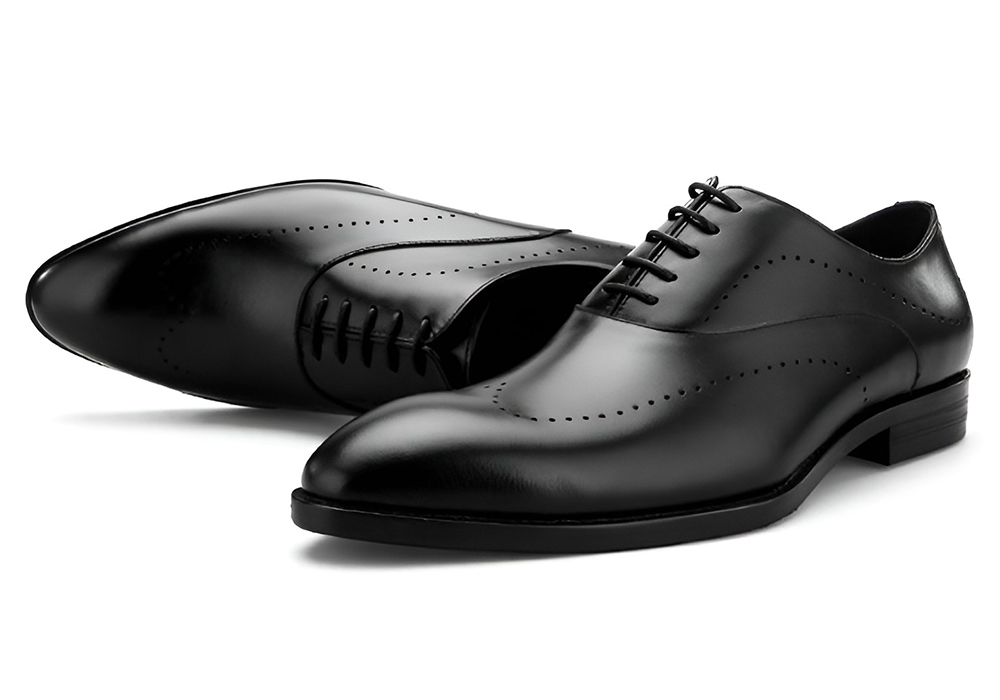
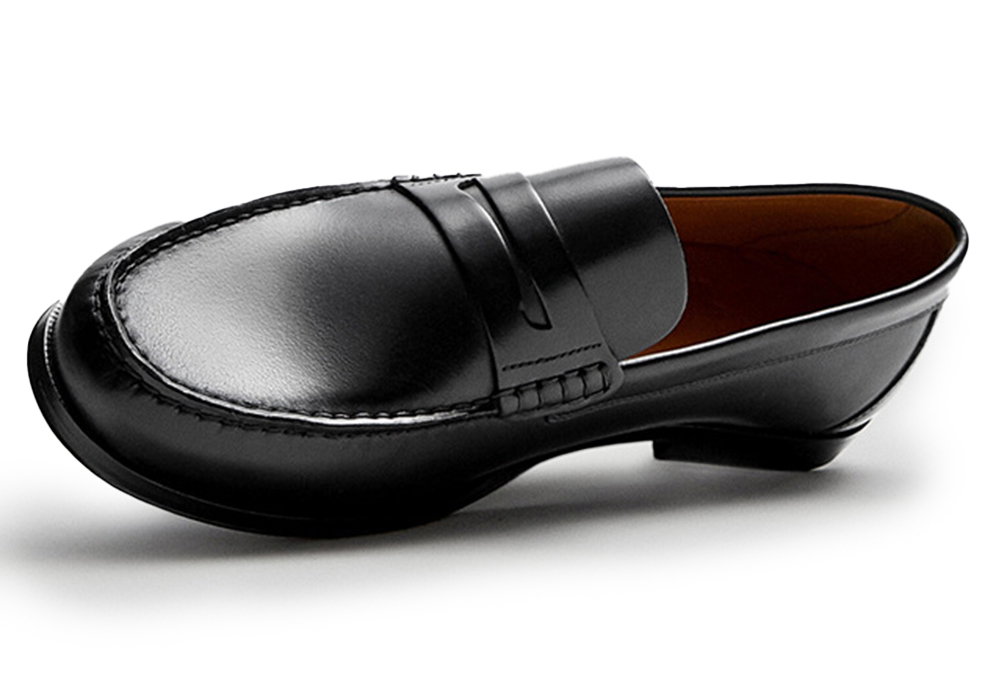
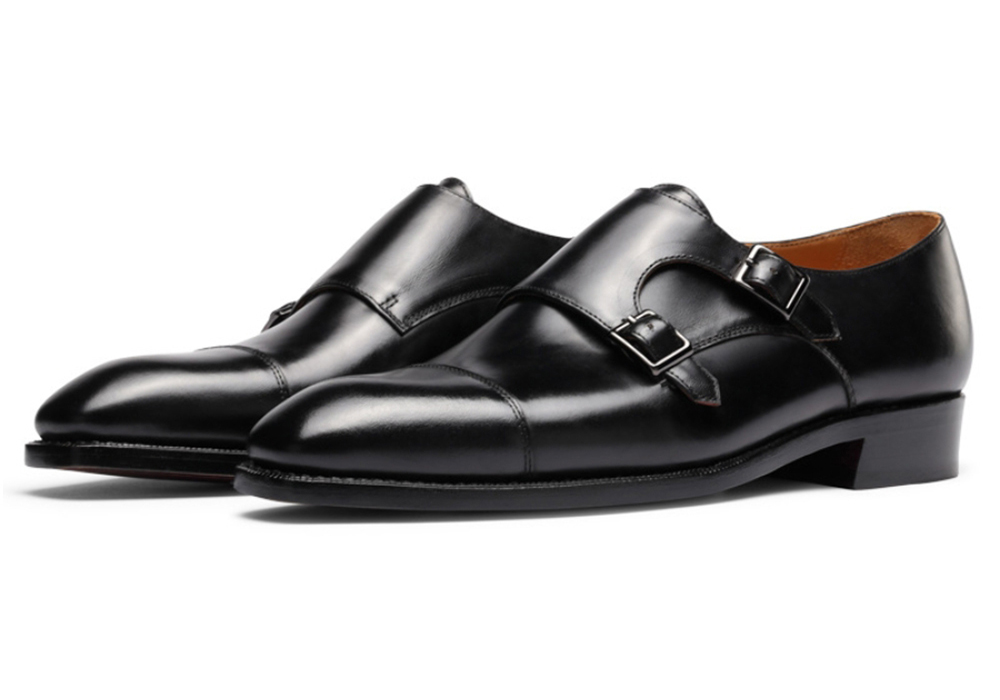
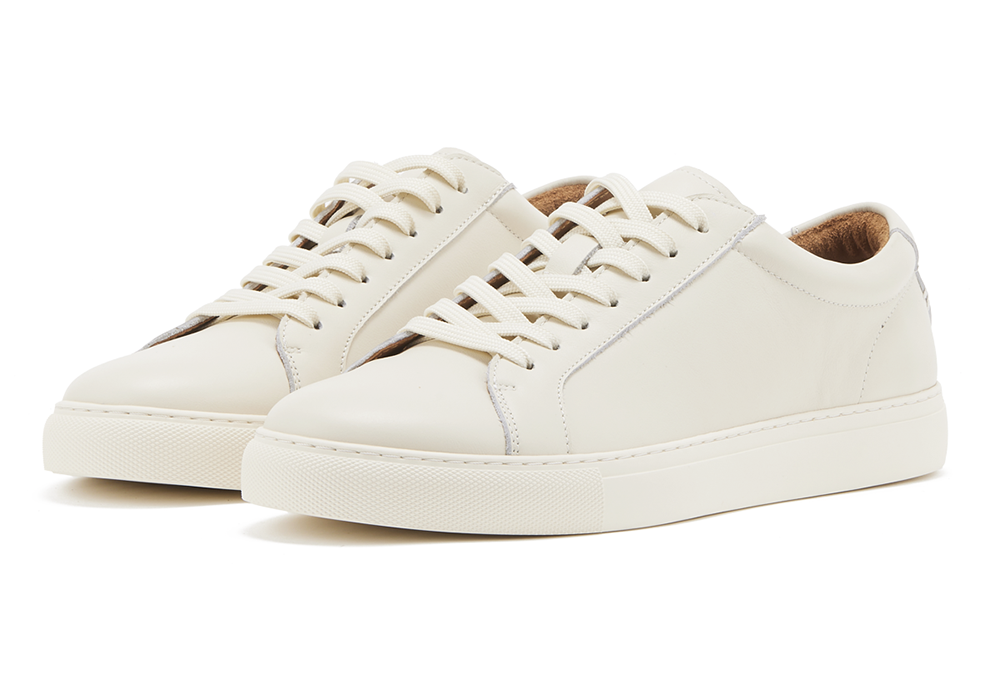
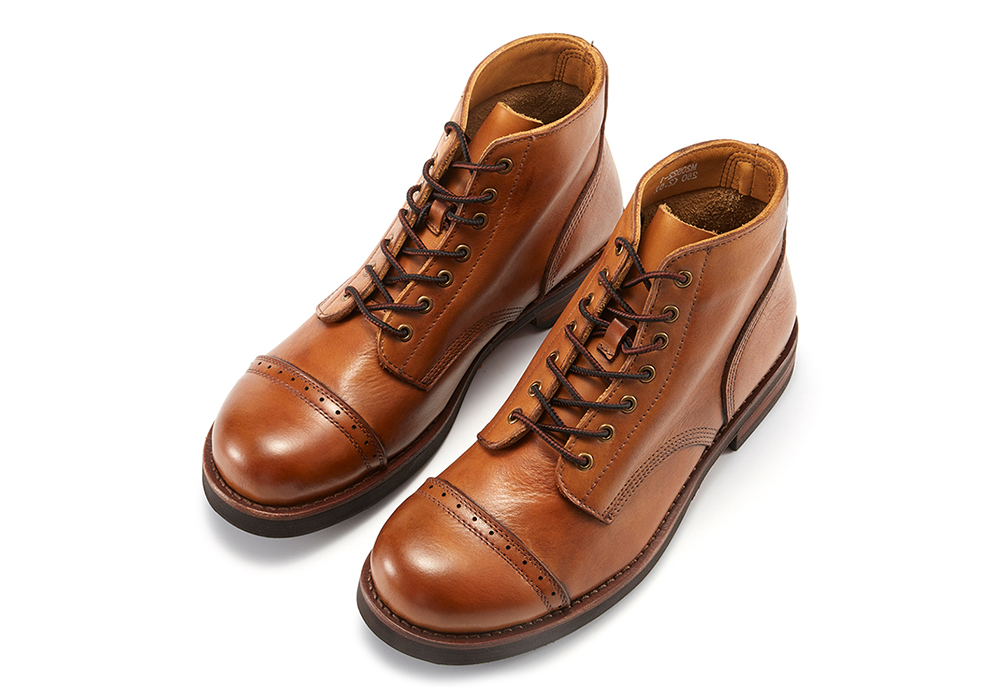
Crafting Excellence
Quality Footwear for the Global Market
About Wincheer Shoes - Men's Leather Shoe Manufacturer Since 2007
About
BEST China Shoes Factory
Wincheer specializes in shoes manufacturing. Our shoe factory resides in Guangzhou, and we have the creativity, resources, and dedication needed to provide both personalized and commercial quality service from product development to production.
We are a happy team and we do business happily. We own, operate and partner with factories throughout North, South and East China to deliver cost-competitive, high-quality, high-volume product to global clients.
Leather Shoes Manufacturer
Wincheer follows a strict code of ethics that includes a commitment to environmental and labor codes. We do not partner with any factories that violate local, national or international laws.
At present, our cooperating factories are throughout North, South and East China. We produce cost-effective and high-quality leather shoes to global clients.
We believe that the key to our success to being a rapidly growing company is that we remain flexible and embrace change while continuing to innovate and accumulate shoe making experience.
Wincheer
16+
Years of Service
Our company in 2007. Ever since then, we kept supplying high quality shoes to overseas retailers and distributors with competitive prices.
We established our own factory and expanded our business to more countries while also growing our company team
Business happily and happiness is our career. We are dedicated to providing best quality and creative leather shoes to our customers.
Why Choose Us
We believe that the key to our success as a fast growing enterprise is the ability to always remain flexible and to embrace change.

OEM & ODM
Our factory accepts make-to-order. Please send us your sample shoes.
Competitive Price
We have our own factory. We design and produce the shoes as demanded.
Rich Experience
We have a professional sales and after-sales team with more than 15 years of experience.
Technical Support
All our sales personnel have to be experienced in the shoe making industry for years. Each will be assigned to a specific customers from order to delivery.
Small MOQ
There is no MOQ for our existing shoe models. For customized shoes with specific requirements, our minimum order quantity is 60 pairs for each design.
Market Oriented
Our leather shoes are made by experienced shoe makers. The shoes are made of good material and have good appearance. Well sold in overseas markets.
Cooperation Factories
We partner with factories all over North, South, and East China, to deliver shoes that have the most competitive prices.
Strict Quality Check
We use good leather to make shoes for our customers. Each shoe making procedure is overseen by our head shoe maker.
Flexible & Happy
Our team always remain flexible and embrace changes with optimized attitudes. We believe good business is based on happiness of both sides.
Qualifications


FAQ
How Can We Help You?
Got more questions? We are happy to answer all your queries.
FAQ
How Can We Help You?
Got more questions? We are happy to answer all your queries.
What's the minimum production quantity for leather shoes?
A: Minimum Order Quantities (MOQs) vary by factory size and complexity. Small factories (50,000-150,000 pairs annual capacity): 300-600 pairs per style/color combination. Medium factories (150,000-500,000 pairs): 600-1,200 pairs. Large factories (500,000+ pairs): 1,200-3,000 pairs. Wincheer Shoes works with buyers to optimize MOQs through style consolidation—sharing lasts, materials, and components across related styles reduces effective MOQs. Premium or complex designs often require 50% higher minimums due to setup complexity and specialized skill requirements.
How long does sample development take before production?
A: Sample development typically takes 15-25 days from initial design to approved sample. Timeline breakdown: (1) Initial design and technical drawings: 3-5 days, (2) Master last creation: 5-7 days, (3) Material sourcing for samples: 3-5 days, (4) Sample production: 5-8 days, (5) Client evaluation and modification rounds: 5-10 days per round. First-time buyers should allow 30-45 days for complete sample development including modification rounds. Repeat buyers with established specifications can reduce this to 15-20 days. Plan sample development well before seasonal deadlines to avoid production delays.
What construction method should I choose for my leather shoes?
A: Construction method choice depends on positioning, budget, and target market. Cemented (Bonded): Best for mid-range ($50-100 retail), most economical, water-resistant, not resoleable. Goodyear Welted: Premium choice ($100-200+ retail), resoleable (2-3x lifespan), superior water resistance, 30-40% higher cost. Blake Stitched: Mid-premium ($80-150 retail), cleaner aesthetic than Goodyear, reduced water resistance. Stitchdown: Casual/boots ($70-120 retail), durable, casual aesthetic. For B2B buyers, cemented construction serves 60-70% of market needs, Goodyear for premium formal segments, Blake for European-style dress shoes.
How can I reduce production costs without compromising quality?
A: Cost reduction strategies that maintain quality: (1) Consolidate styles: Shared lasts and materials across 3-4 styles reduce setup costs 15-20%, (2) Optimize sizing: Focus on core sizes (8-10 US) with extended sizes as made-to-order, (3) Material optimization: Select materials 15-20% less expensive but still meet quality standards, (4) Production timing: Avoid rush orders (15-25% premium) and plan for standard lead times, (5) Volume consolidation: Increase order quantities to access volume discounts (8-12% at 600-1200 pairs, 14-18% at 1200-3000 pairs), (6) Simplify designs: Reduce decorative stitching, complex details—every operation adds cost.
What certifications should I verify when selecting a manufacturer?
A: Critical certifications for leather shoe manufacturers: (1) ISO 9001: Quality management systems—ensures consistent quality processes, (2) REACH Compliance: EU chemical safety standards—essential for EU markets, (3) RoHS: Restriction of hazardous substances—important for many global markets, (4) Social Compliance: BSCI, Sedex, SA8000—ensures ethical labor practices, (5) Environmental Certification: ISO 14001—environmental management systems, (6) Product-Specific: CE marking for certain categories, CPSIA for US children’s products. Wincheer Shoes maintains ISO 9001, REACH, RoHS, CE certifications and works with buyers’ specific certification requirements.
What's the difference between full-grain and top-grain leather in production?
A: Full-Grain Leather: Entire grain layer intact, highest quality, shows natural characteristics, requires 30-40% longer production time (careful handling, careful cutting), 25-35% higher material cost, used for premium shoes ($80+ retail). Top-Grain Leather: Grain layer sanded to remove imperfections, corrected surface applied, more consistent appearance, standard production time, standard material cost, used for mid-range shoes ($50-100 retail). For B2B buyers, full-grain justifies premium positioning and higher pricing, top-grain provides better consistency for larger volumes and price-conscious markets. Both are genuine leather—bonded leather (ground leather reconstituted) represents significantly lower quality and Wincheer Shoes doesn’t recommend it for leather footwear.
How do you manage quality control for large production runs?
A: Large production run QC requires systematic approach: (1) Statistical Process Control: Monitor quality metrics in real-time, identify trends before they become problems, (2) In-Process QC: Checkpoints at each production stage rather than just final inspection, (3) AQL Sampling: Military Standard 105E sampling plans for final inspection—typically AQL 2.5/4.0 (2.5% major defects, 4.0% minor), (4) First Article Inspection: Detailed inspection on first pieces before full production run, (5) Worker Training: Consistent training ensures quality standards understood across workforce, (6) Supplier Quality: Material quality at source prevents downstream issues, (7) Documentation: Complete traceability of quality issues for root cause analysis. Wincheer Shoes’ systematic QC approach maintains 0.8-1.2% defect rate vs. industry 2-4%.
Are brogues appropriate for job interviews?
A: Brogue appropriateness for job interviews depends on industry, geography, and brogue type. Conservative Industries (finance, law, traditional corporate): Quarter brogue oxfords generally appropriate; semi brogues acceptable depending on market; full brogues may be too decorative for most conservative environments. Creative Industries (design, media, tech): All brogue types generally acceptable, especially semi and full brogues showing style consciousness. Geographic Variation: UK/EU more accepting of brogues in formal settings than US; London, New York, Milan more fashion-forward than smaller markets. General Guidance: Quarter brogue oxfords safest choice for interviews; semi brogue derbies appropriate for business-casual workplaces; avoid full brogues unless you know the industry culture accepts more decorative footwear.
What's the difference between wingtip and brogue?
A: “Wingtip” and “brogue” are often used interchangeably but have distinct meanings. Brogue: Refers to decorative perforation patterns (the holes), can be applied to any shoe style with perforation decoration. Wingtip: Specifically describes the “W” shaped wing pattern extending from toe to waist; wingtips are always full brogues (extensive perforation), but not all brogues are wingtips (semi and quarter brogues lack wing pattern). Relationship: All wingtips are brogues, but not all brogues are wingtips. Think of “brogue” as the category of decorative perforation, and “wingtip” as a specific design pattern within that category. American Usage: “Wingtip” commonly used in US to refer to full brogues generally; internationally, “full brogue” is the more precise term.
Can brogues be worn with suits?
A: Brogue suitability with suits depends on brogue type, suit formality, and geographic context. Full Brogues: Appropriate with suits in less formal settings, UK/EU business environments, creative industries; generally too decorative for conservative suits or formal events. Semi Brogues: Versatile across most suit types; appropriate for business suits in most markets; safe choice for suit wear. Quarter Brogues: Most appropriate for formal suits; excellent choice for conservative business environments; widely accepted across all suit types except most formal (black tie). Suit Color Coordination: Navy suit—brown/tan brogues; Charcoal suit—black or dark brown brogues; Black suit—black brogues traditionally; Patterned suits—solid color brogues to avoid visual competition. General Rule: More formal suit = less decorative brogue (quarter brogue safest); less formal suit = more decorative options (semi, full brogue acceptable).
How do I care for brogue shoes with all the perforations?
A: Brogue shoe care requires special attention to perforation areas to maintain appearance and prevent leather damage. Cleaning: Use soft brush to remove dirt from perforation holes; compressed air effective for cleaning debris from holes; avoid excessive water penetrating perforations to wet leather inside shoe. Conditioning: Apply conditioner sparingly with cloth or finger, avoiding excess in perforation holes; allow conditioner to absorb fully before polishing; perforations may require slightly less conditioner than solid areas. Polishing: Use polishing cloth wrapped around finger for precise control in perforation areas; avoid getting polish into perforation holes—if polish enters holes, allow to dry fully then brush out gently; cream polish often better than wax for brogue maintenance. Water Protection: Water-resistant spray particularly important for brogues—water entering perforations can damage leather interior; apply spray regularly for perforated shoes. Professional Care: Consider professional cleaning for expensive brogues; improper DIY cleaning can damage delicate perforation areas.
Are suede brogues less formal than leather brogues?
A: Yes, suede brogues are inherently less formal than smooth leather brogues due to material characteristics and cultural associations. Formality Scale: Smooth leather full-grain brogues (most formal) → Smooth leather top-grain brogues → Suede brogues (least formal). Appropriate Settings for Suede Brogues: Business-casual environments; Smart-casual social settings; Creative industry workplaces; Casual professional settings. Less Appropriate Settings: Traditional formal business; Conservative corporate environments; Formal events requiring black tie; Client meetings in conservative industries. Styling Considerations: Suede brogues pair excellently with textured fabrics (tweed, flannel, corduroy); Suede color options more diverse than smooth leather; Suede requires more careful maintenance and water protection; Suede brogues particularly effective in autumn/winter collections. B2B Strategy: Position suede brogues as business-casual to casual smart-casual options; Use suede for seasonal variety and visual interest; Price suede brogues 15-20% lower than equivalent smooth leather for faster turnover.
Is China still competitive for leather shoe manufacturing given rising costs?
A: Yes, China remains highly competitive for leather shoe manufacturing despite labor cost increases. While labor costs have risen 65% since 2019, China’s productivity gains (35% improvement), supply chain integration (reducing component costs 15-20%), and quality consistency advantages (50% lower defect rates vs. emerging hubs) create overall cost-effectiveness. For premium leather shoes requiring skilled craftsmanship, China’s 15+ year head start in specialized manufacturing creates barriers competitors need 5-8 years to overcome. The effective cost difference for mid-range leather shoes is only 8-12% versus Vietnam, while quality, lead time, and flexibility advantages provide significant value.
What are the biggest footwear industry trends in 2026?
A: Five transformative trends: (1) Comfort-first design—78% of consumers now prioritize comfort over style, driving complete redesign of product lines. (2) Digital B2B transformation—40% of B2B transactions now digital, requiring end-to-end digital capabilities. (3) Sustainability regulatory tsunami—EUDR, Green Claims Directive, REACH expansions creating 8-12% cost increases and compliance requirements. (4) SE Asian market explosion—10.1% annual growth reaching $58B by 2031. (5) AI in design and development—30-50% faster development cycles through AI-assisted design, demand prediction, and quality optimization.
How is AI changing footwear design and B2B sourcing?
A: AI adoption accelerated from 8-18% (2021) to 35-55% (2026) across design functions. AI impacts B2B sourcing: (1) Demand prediction—AI analyzes trends 6-12 months ahead, reducing overstock 25-35%. (2) Size run optimization—AI recommends optimal distribution by market, reducing mismatch inventory 30-40%. (3) Material selection—AI databases accelerate sourcing 40-60%. (4) Quality prediction—AI identifies defects before production, improving yield 15-25%. (5) Development acceleration—AI reduces concept-to-shelf from 9-12 months to 4-8 months. Wincheer integrates AI tools for design collaboration, size optimization, and quality prediction.
Contact Us
Starting a shoe brand on a limited budget? Low MOQ Leather Shoes Manufacturer — start from 60 pairs ($25–40/pair, CE/REACH/RoHS certified, full OEM/ODM custom). See the complete MOQ guide and request a quote.