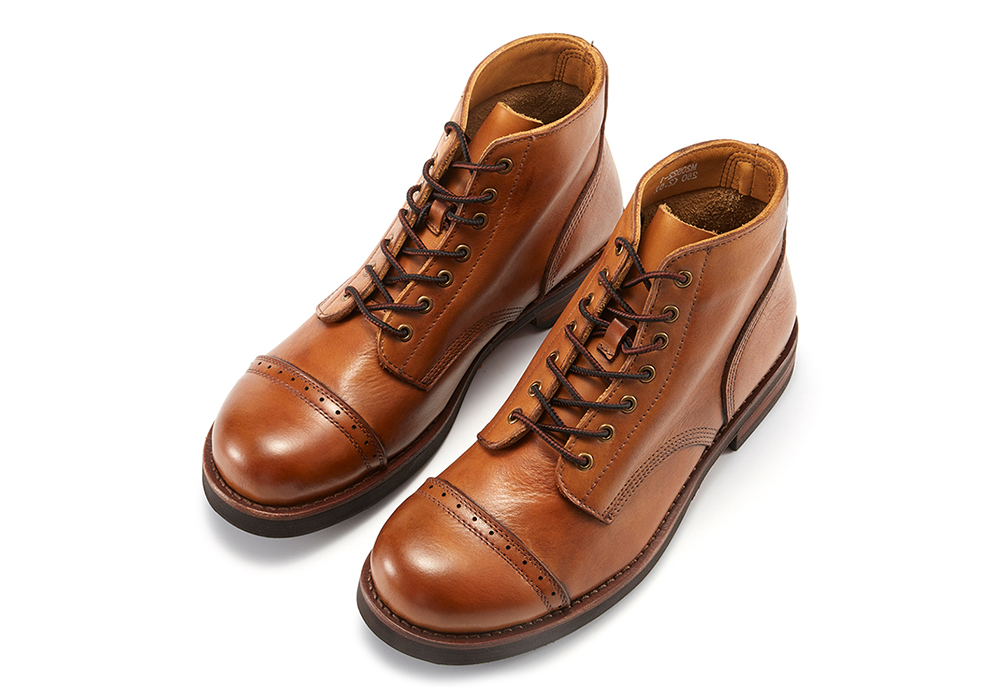
Have you ever noticed labels like “OEM” on your favorite pair of shoes and wondered what it meant? In the footwear industry, OEM-Original Equipment Manufacturer—plays a crucial role in how shoes are produced, branded, and distributed. In this guide, I break down what OEM means in shoes and explore its significance for brands and consumers alike.
OEM stands for Original Equipment Manufacturer. In the context of shoes, an OEM factory produces footwear based on designs and specifications provided by another company. This model enables brands to outsource production while maintaining control over design and quality, ensuring that consumers receive high-quality products under their own brand names.
In the following sections, I will explain in detail how the OEM process works in shoe manufacturing, the benefits and challenges associated with this model, and how it shapes the global footwear market. Whether you’re a shoe enthusiast or a budding brand owner, understanding OEM is essential to appreciating modern shoe production.

1: The Definition of OEM in Footwear
OEM, or Original Equipment Manufacturer, is a term used across various industries, including footwear. In shoes, OEM companies are responsible for producing footwear based on a brand’s provided designs and specifications.
- Key Concept:
- The OEM produces shoes that are then sold under the brand’s name rather than the manufacturer’s.
- Example:
- A major sports brand might design a new sneaker and partner with an OEM factory to manufacture the shoe in large volumes.

2: The OEM Process in Shoe Manufacturing
The OEM process in the footwear industry involves several key stages:
- Design and Specification:
- The brand provides detailed designs, material specifications, and quality standards.
- Prototyping:
- The OEM factory creates prototypes to ensure the design is feasible and meets quality expectations.
- Mass Production:
- Once the design is finalized, the factory uses its machinery and skilled workforce to produce shoes at scale.
- Quality Control:
- Rigorous checks are performed throughout the production process to ensure the final product meets the brand’s standards.
- Packaging and Shipping:
- Finally, the shoes are packaged and shipped to the brand for distribution
3: Advantages of the OEM Model
The OEM model offers several benefits for both brands and manufacturers:
- Cost Efficiency:
- Outsourcing production to OEM factories often reduces costs due to economies of scale and specialized manufacturing techniques.
- Focus on Core Competencies:
- Brands can concentrate on design, marketing, and distribution while leaving manufacturing to experts.
- Flexibility and Scalability:
- OEMs are equipped to handle both small and large production runs, allowing brands to scale up quickly as demand grows.
- Access to Advanced Technologies:
- Many OEM factories invest in state-of-the-art equipment and processes that individual brands might not afford independently.
4: Challenges and Considerations with OEM Production
While the OEM model has significant advantages, it also comes with challenges that brands need to manage:
- Quality Control:
- Maintaining consistent quality across large production runs can be difficult, requiring robust quality assurance systems.
- Intellectual Property (IP) Protection:
- Brands must ensure that their designs and innovations are protected to avoid IP theft or replication.
- Communication Barriers:
- Differences in language, culture, and business practices can lead to misunderstandings between brands and OEM partners.
- Dependence on External Partners:
- Relying on a third party for production can expose brands to risks such as supply chain disruptions or shifts in manufacturing standards.
5: OEM vs. ODM in the Shoe Industry
It’s important to differentiate OEM from ODM—Original Design Manufacturer.
- OEM:
- The brand provides the design and specifications; the OEM manufactures according to those guidelines.
- ODM:
- The manufacturer not only produces the product but also designs it, allowing brands to choose from existing designs or have limited input.
- Key Considerations:
- OEM is preferable when a brand wants full control over the product’s design and quality, while ODM might be chosen for cost savings or when a brand lacks design expertise.
6: Global Impact of OEM in Shoe Manufacturing
OEM production has transformed the global footwear market:
- Market Dominance:
- Many of the world’s leading shoe brands rely on OEM factories located in countries like China, Vietnam, and Indonesia.
- Economic Influence:
- OEMs contribute significantly to the economy of manufacturing hubs, providing employment and boosting export revenues.
- Innovation Transfer:
- Through collaborations with global brands, OEMs often gain access to cutting-edge technologies and design practices.
7: How Brands Leverage the OEM Model
Leading shoe brands strategically use the OEM model to enhance their product offerings:
- Customization and Branding:
- Brands work closely with OEMs to customize products, ensuring that each pair of shoes meets their quality and style standards.
- Agility in Production:
- By outsourcing production, brands can respond quickly to market trends and seasonal demands.
- Cost Management:
- The cost benefits associated with OEM production allow brands to invest more in marketing, research, and development.
8: Future Trends in OEM Shoe Manufacturing
The landscape of OEM production in the footwear industry is evolving:
- Technological Advancements:
- Increased automation, 3D printing, and artificial intelligence are set to further revolutionize OEM processes, reducing production times and enhancing quality.
- Sustainability:
- Environmental considerations are driving OEMs to adopt greener manufacturing practices, from renewable energy use to waste reduction.
- Globalization and Diversification:
- While China remains a dominant OEM hub, other regions are emerging as viable alternatives, offering competitive pricing and specialized expertise.
9: The Role of Quality Control and Compliance in OEM Production
Quality control is at the heart of successful OEM production:
- Strict Standards:
- OEMs implement multi-stage quality checks, from raw material inspections to final product testing, to ensure consistency.
- Regulatory Compliance:
- Compliance with international standards and certifications is crucial, especially when products are exported globally.
- Continuous Improvement:
- Feedback loops between brands and OEMs help drive continuous improvements in manufacturing processes.
10: The OEM Advantage for Startups and Established Brands
OEM production offers distinct advantages whether you’re an emerging brand or a market leader:
- Lower Capital Investment:
- Startups can enter the market without investing heavily in manufacturing facilities.
- Flexibility:
- OEMs provide the flexibility to produce small batches or scale up production as demand grows.
- Focus on Core Competencies:
- By outsourcing manufacturing, brands can concentrate on design, branding, and customer experience.
In the footwear industry, OEM stands for Original Equipment Manufacturer—a vital model that allows brands to outsource the production of shoes while maintaining control over design and quality. A shoe factory operating as an OEM is responsible for everything from design interpretation and material sourcing to cutting, stitching, lasting, and quality control. This comprehensive process ensures that the final product meets the rigorous standards set by the brand.
The OEM model offers significant benefits, including cost efficiency, scalability, and the ability to focus on core competencies like design and marketing. However, it also presents challenges such as quality control and intellectual property protection. As the global market evolves, advances in technology, sustainability initiatives, and improved communication between brands and manufacturers continue to enhance the OEM model’s effectiveness.
Understanding what OEM means in the context of shoe manufacturing is essential for both industry professionals and consumers. It provides insight into the meticulous processes behind your favorite pairs and highlights the collaborative efforts that drive innovation in the footwear sector. With emerging trends like automation and eco-friendly production on the horizon, the OEM model is poised to remain a cornerstone of the industry, supporting both established brands and new entrants alike.
By exploring the detailed steps involved in OEM shoe production and the benefits and challenges associated with this approach, we gain a deeper appreciation for the art and science behind modern shoemaking. Whether you’re a startup looking to launch a new footwear line or a consumer curious about the origins of your favorite shoes, understanding OEM is key to navigating the complex world of shoe manufacturing.