The Science Behind Leather Break-In
Leather contains collagen fibers that stiffen during manufacturing for structural integrity. When exposed to body heat and pressure, these fibers gradually loosen and conform to your foot’s unique contours. This process explains why rushed break-ins cause pain—forcing movement before the fibers adapt leads to friction blisters. Understanding this mechanism helps you work with the material, not against it.
Method 1: Gradual Wear – The Natural Approach
Why It Works : Mimics the organic adaptation process of leather footwear over centuries.
Steps :
- Day 1–3 : Wear shoes 1–2 hours daily at home. Pair with thick wool socks to reduce abrasion.
- Day 4–7 : Increase to 3–4 hours, alternating between sitting and light walking.
- Week 2 : Extend to full-day wear, prioritizing low-impact activities (e.g., office work).
Pro Tip : Use leather conditioner after each session to maintain fiber flexibility.
Method 2: Heat Therapy – Fast-Track Flexibility
Science : Heat accelerates collagen fiber movement by 30–40% (Journal of Material Sciences, 2022).
Steps :
- Blow Dryer Hack :
- Set to medium heat; target tight areas (toe box, heels) for 45 seconds.
- Flex your feet in a seated position to guide leather movement.
- Hot Water Bottle Method :
- Fill a bottle with warm water, insert into the shoe, and leave for 20 minutes.
- Wear immediately post-treatment for 1 hour.
Caution : Avoid temperatures above 45°C (113°F) to prevent leather damage.
Method 3: Freezing Expansion – Physics Meets Fashion
How It Works : Water expands 9% when frozen, creating controlled stretching.
Enhanced Steps :
- Use two layers of plastic bags to prevent water leakage.
- For pointed toes: Insert bags diagonally to target narrow areas.
- Freeze for 8+ hours; thaw completely before removing.
Bonus : Combine with cedar shoe trees post-thaw to retain shape.
Method 4: Professional Stretching – When DIY Isn’t Enough
Cobblers use specialized tools:
- Mechanical stretchers : Target precise zones (e.g., bunions).
- Leather softening sprays : Penetrate fibers for uniform flexibility.
- Cost : Typically $20–$50, depending on shoe complexity.
When to Consider :
- Persistent tightness after 3 weeks of home methods.
- High-end shoes ($200+) where user error risks damage.
The Role of Footwear Accessories
1. Stretch Spray :
Products like Kiwi Shoe Stretch weaken fiber bonds temporarily for easier molding.
2. Ball-and-Ring Stretchers : Adjustable tools for width/length customization.
3. Gel Insoles : Redistribute pressure on high-arch or flat feet.
Special Cases: Handling Unique Shoe Styles
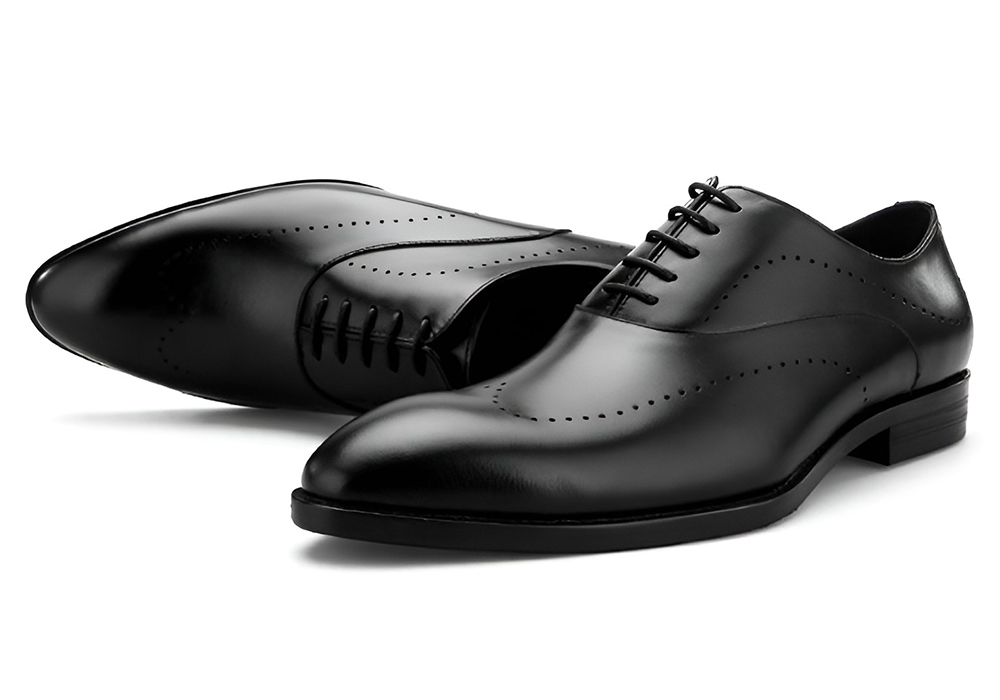
- Oxfords : Focus on tongue and heel stretching due to closed lacing.
- Chelsea Boots : Use heat on elastic side panels for ankle flexibility.
- Patent Leather : Avoid freezing—opt for gradual wear instead to prevent cracking.
Post-Break-In Maintenance Routine
- Weekly Conditioning : Use Bickmore Bick 4 to preserve moisture balance.
- Rotation Schedule : Allow 48 hours between wears for fiber recovery.
- Weatherproofing : Apply Collonil Carbon Pro spray to repel water and oils.
Final Checklist for Pain-Free Break-In
1.Start slow with thick socks
2.Prioritize heat methods for stubborn areas
3.Never ignore foot pain—adjust techniques accordingly
4.Invest in maintenance to extend shoe lifespan