

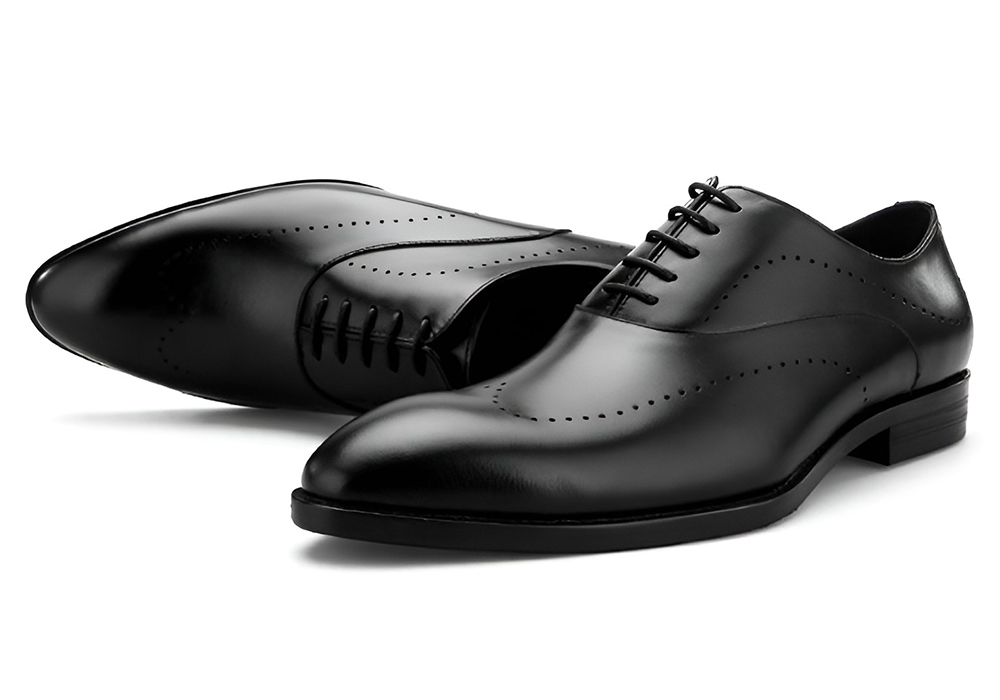
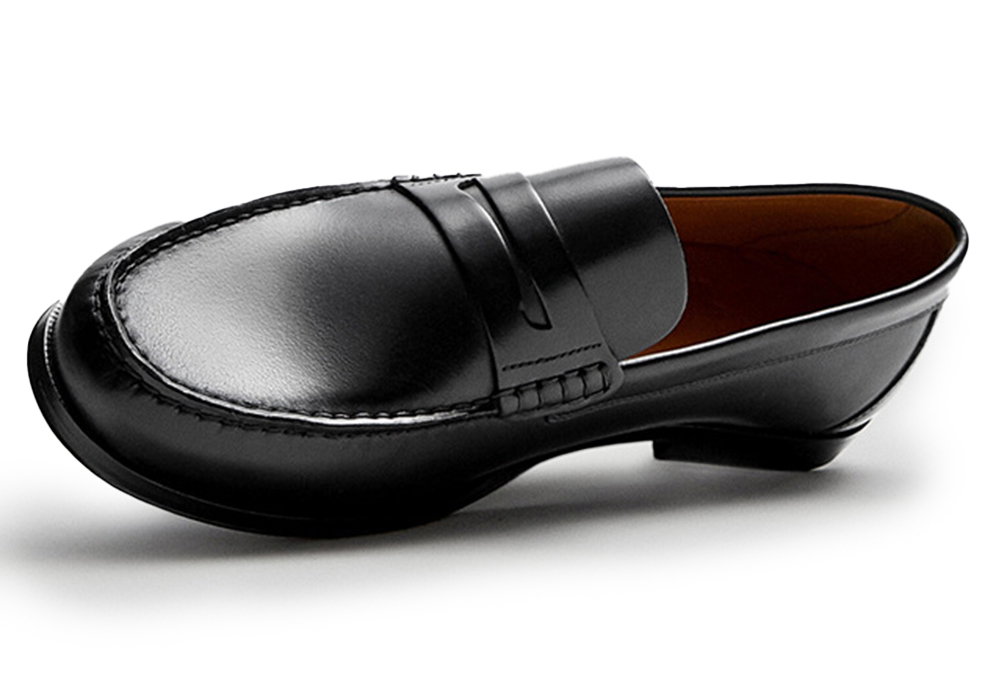
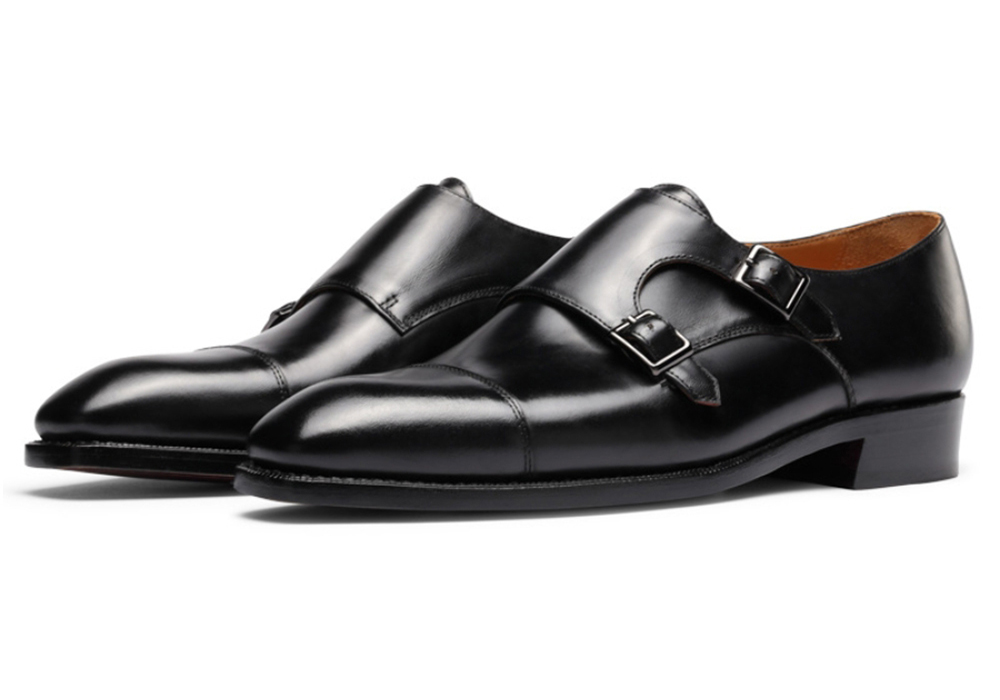
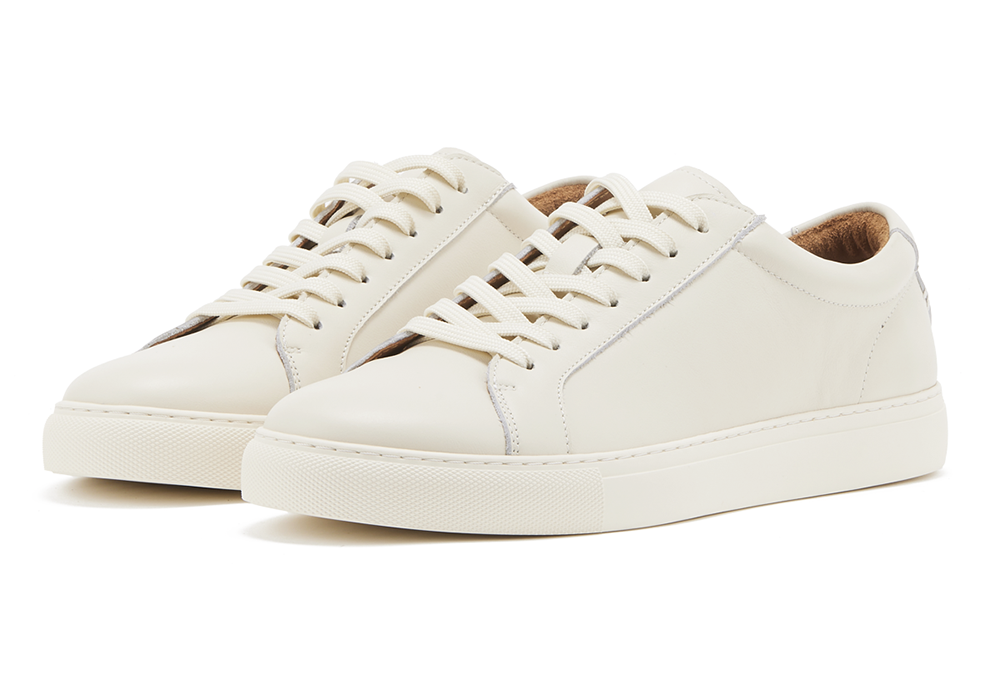
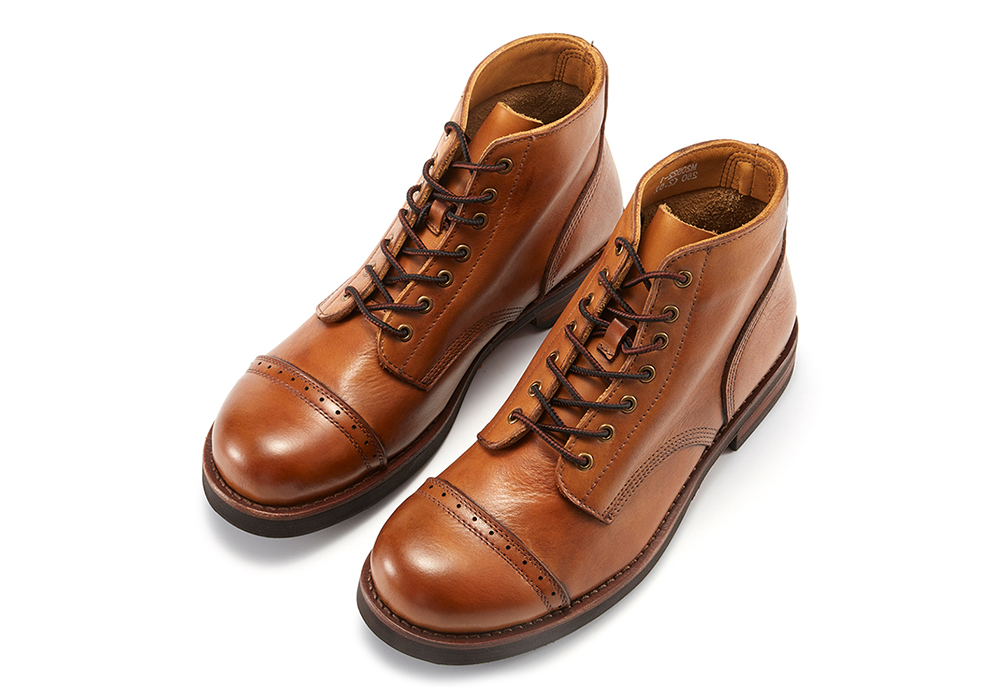
Breaking in new shoes doesn’t have to be a painful experience. Whether you’re slipping into a pair of leather boots, running shoes, or high heels, the right approach can save you from blisters and discomfort. In this guide, we’ll walk you through proven methods to break in your shoes effectively and comfortably.
Start with the Right Fit
Before breaking in your shoes, ensure they’re the right fit. Here’s how:
- Measure Your Feet: Shoe sizes can change over time, so measure your feet before buying.
- Shop Late in the Day: Feet swell slightly throughout the day, so shop in the afternoon or evening for a more accurate fit.
- Wear the Right Socks: Try on shoes with the socks you plan to wear with them.
- Fit the Larger Foot: If your feet are different sizes, choose shoes that fit your larger foot.
A proper fit is the foundation of a pain-free break-in process.
Understand Shoe Materials
Different materials require different break-in strategies:
- Leather: Stiff at first but molds to your feet over time.
- Suede: Requires patience to soften and stretch.
- Canvas: Flexible but may rub against the heel.
- Rubber: Durable but less flexible; ensure a snug fit.
- Mesh: Lightweight and breathable but should fit well to avoid friction.
Knowing your shoe material helps you choose the right break-in method.
The Three-Day Break-In Plan
Follow this gradual approach to break in your shoes:
- Day One: Wear your shoes indoors for 30 minutes.
- Day Two: Increase wear time to 60 minutes, both indoors and outdoors. For tight shoes, wear thick socks to stretch them further.
- Day Three: Wear the shoes for two hours. Repeat until they feel comfortable.
This method allows your shoes to adapt to your feet without causing pain.
Quick Tips to Speed Up the Process
If you’re short on time, try these tricks:
- Use Heat: Blow-dry leather or suede shoes on medium heat to soften them.
- Freeze Them: Fill plastic bags with water, place them inside your shoes, and freeze overnight. The expanding ice stretches the shoes.
- Potato Trick: Push a peeled potato into the toe box of high heels to stretch them.
- Lubricate Friction Points: Apply petroleum jelly or shoe conditioner to areas that rub against your skin.
- Walk Around: Gradually increase walking distances to stretch the shoes naturally.
Preventing Blisters
Blisters are a common issue when breaking in shoes. Here’s how to avoid them:
- Protect Friction Areas: Use moleskin or bandages on areas prone to rubbing.
- Keep Feet Dry: Moisture increases friction, so keep your feet clean and dry.
- Wear Proper Socks: Choose socks that cushion your heel and ankle.
- Use Insoles: Add supportive insoles for extra comfort and cushioning.
When to Seek Professional Help
If your shoes still feel uncomfortable after trying these methods, consider visiting a professional cobbler. They can stretch your shoes or adjust the fit for maximum comfort.
Conclusion
Breaking in new shoes is all about patience and the right techniques. By starting with a proper fit, understanding your shoe material, and using proven methods like heat, ice, and gradual wear, you can transform stiff shoes into comfortable companions. Remember, your feet deserve the best—don’t settle for discomfort!


