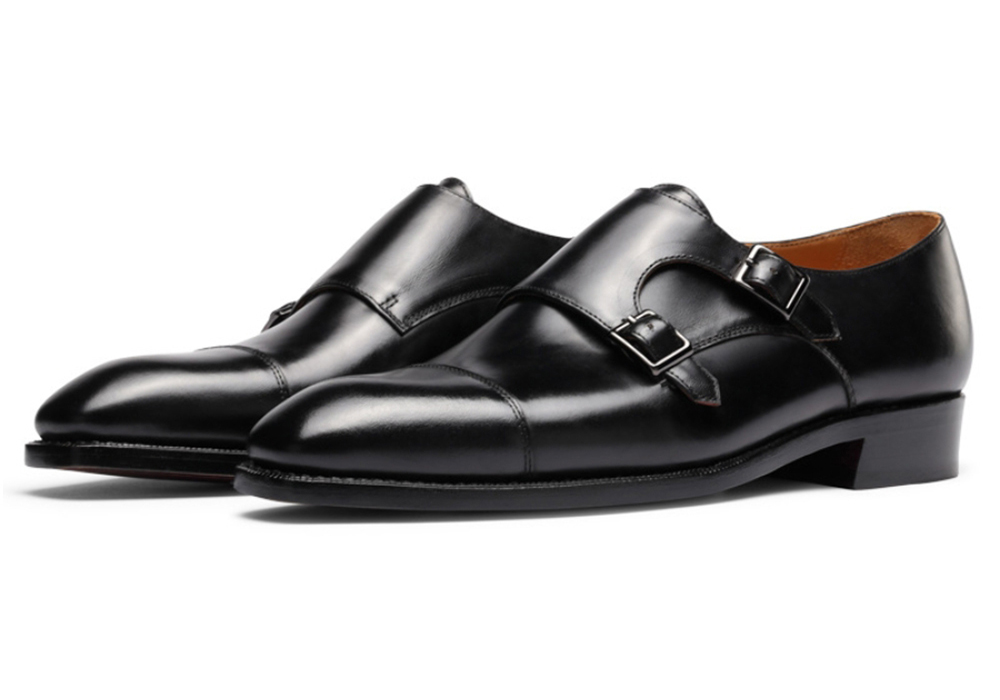
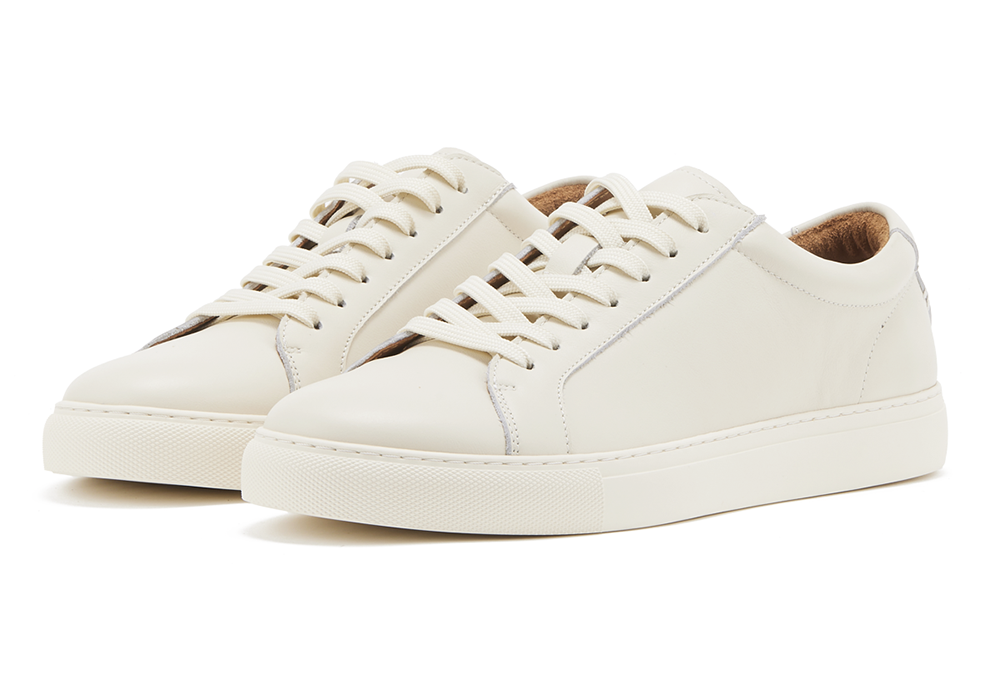
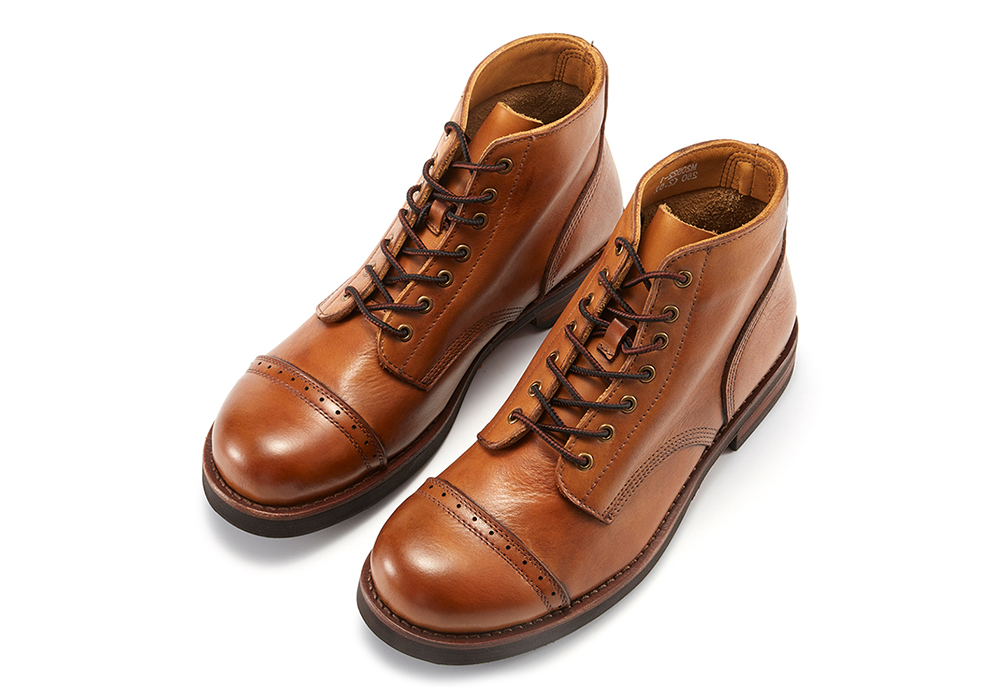
Quick Answer: A reliable shoe manufacturer shows three things before you pay: transparent certifications (CE to EN ISO 20347, REACH, RoHS) matched to each production batch, a minimum order quantity that fits your stage, and a quality control system you can verify through samples, audits, or a factory visit. Test all three with a small trial order of around 150 pairs before committing volume.
Finding the right shoe manufacturer is the decision that shapes everything else: your cost base, your quality ceiling, and how fast you can respond when a design sells. Yet most buyers evaluate factories the same way they shop for commodities — by comparing prices on a platform and hoping for the best. This guide takes a different route. It starts where every serious buyer should: with understanding what actually goes into a well-made pair of shoes, who makes it, and how to tell a factory that will protect your brand from one that will put it at risk.
What Does a Shoe Manufacturer Actually Do?
Ask what a shoe manufacturer is, and you will often hear the word “cordwainer.” Historically, the term distinguished artisans who crafted new shoes from “cobblers,” who primarily repaired them. The distinction still matters, because it separates design-and-build capability from repair work — and when you source from a factory, you are hiring an organized team that covers every specialized role the old cordwainer once performed alone.
Understanding these roles is not trivia. It tells you who answers your technical questions, what a realistic sampling timeline looks like, and whether a factory has in-house capability or is brokering your order to someone else. Here are the ten roles behind nearly every pair of leather shoes:
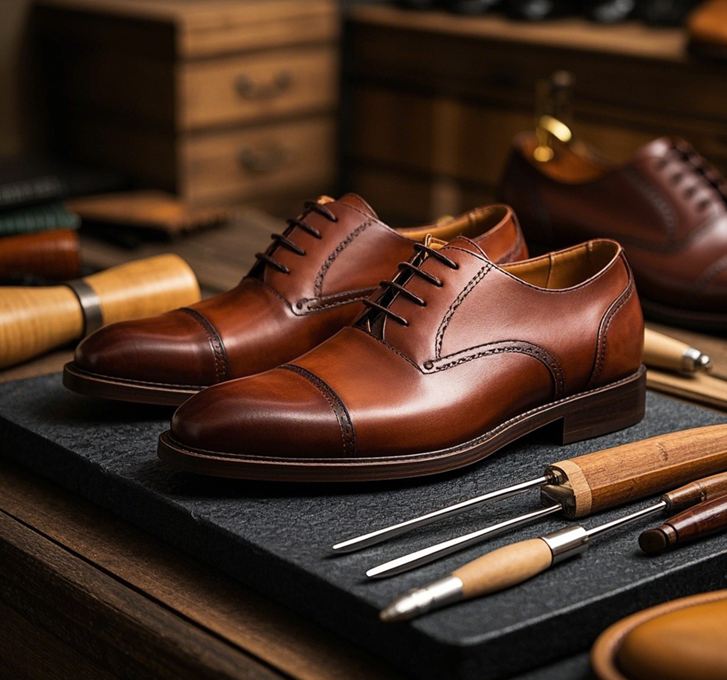
The Cordwainer – The Artisan Creator
The term “cordwainer” originates from the use of cordovan leather, a high-quality material imported from Córdoba, Spain, in the 12th century. Cordwainers are artisans who design and craft new shoes, focusing on quality, comfort, and aesthetics. Their expertise lies in selecting materials, designing patterns, and meticulously assembling each pair. The transition from handcrafting to industrial production has changed the scale but not the essence of their work.
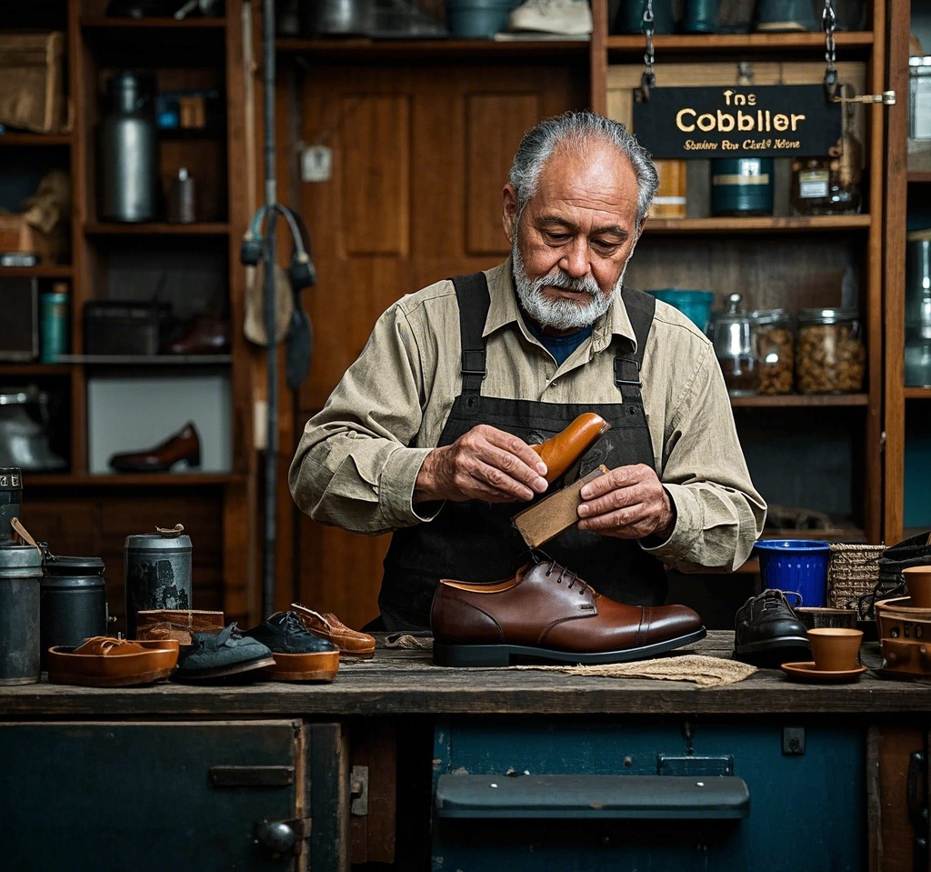
The Cobbler – The Restorer of Footwear
While cordwainers create new shoes, cobblers specialize in repairing and restoring footwear. Their work extends the life of shoes, addressing issues like worn-out soles, damaged heels, or broken stitching. Cobblers possess a deep understanding of various shoe constructions and materials, enabling them to perform intricate repairs. Their knowledge of how shoes fail is exactly what a good factory applies at the design stage.
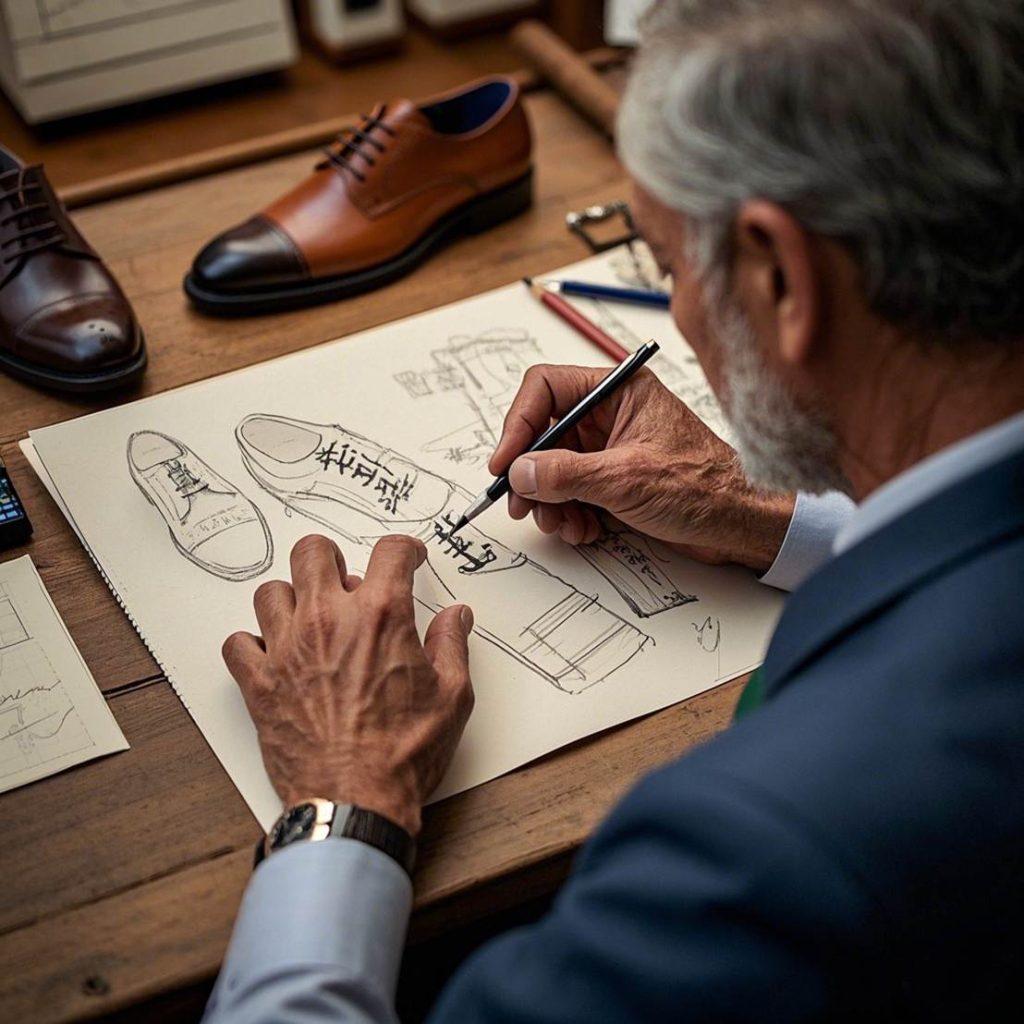
The Footwear Designer – The Visionary Behind Styles
Footwear designers are the creative minds who conceptualize and sketch shoe designs, blending functionality with fashion. They research market trends, select materials, and collaborate with manufacturers to bring their visions to life. Their role is pivotal in setting trends and ensuring that shoes meet both aesthetic and ergonomic standards.
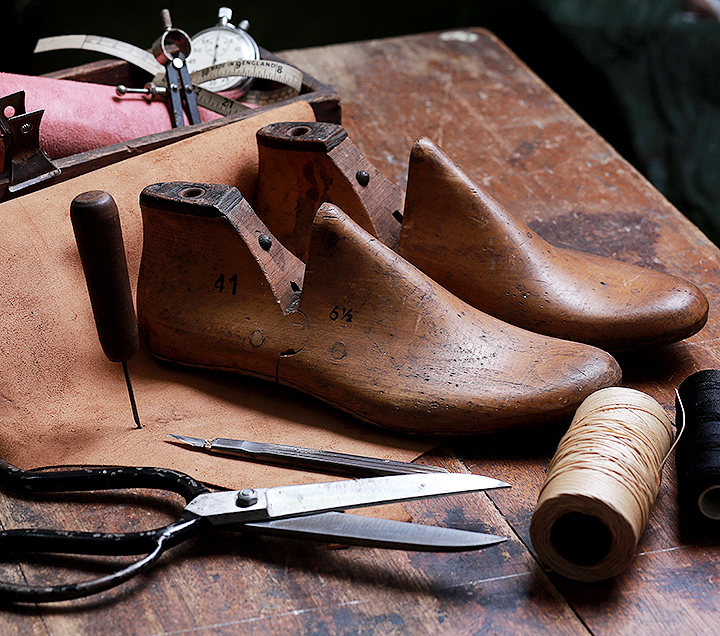
The Last Maker – The Shaper of Fit
A “last” is a mold that replicates the human foot’s shape, used to construct shoes. Last makers craft these molds with precision, as the fit of a shoe heavily depends on the last’s accuracy. Their work requires a deep understanding of foot anatomy and the nuances of shoe fitting, ensuring that the final product provides comfort and support. When you brief a factory on your target market’s sizing, this is the specialist who translates it.
The Pattern Maker – The Blueprint Creator
Pattern makers develop templates from which shoe components are cut. They translate design sketches into workable patterns, considering material properties and production methods. Their role bridges the gap between design and production, ensuring that each piece aligns perfectly during assembly.
The Sample Maker – The Prototype Specialist
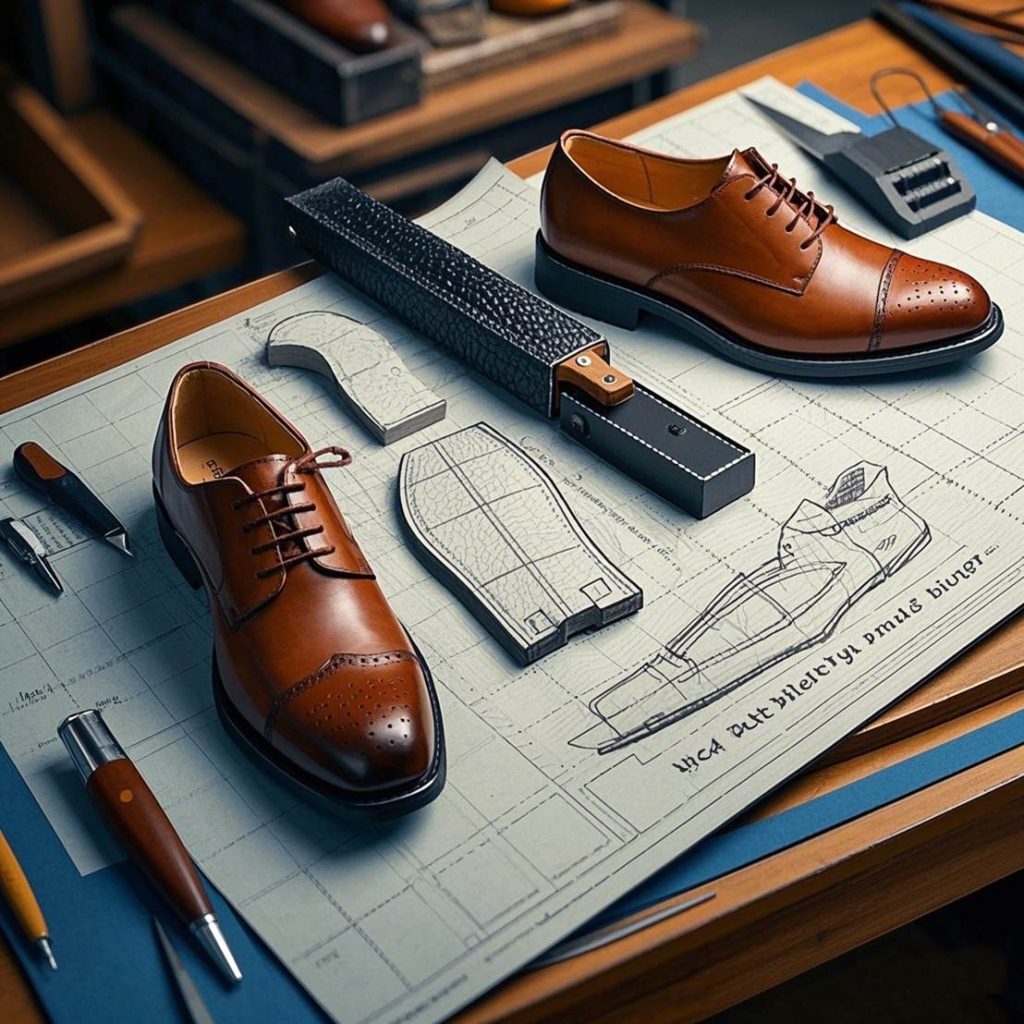
Before mass production, sample makers create prototypes of shoe designs. These samples allow designers and manufacturers to assess fit, design accuracy, and functionality. Adjustments are made based on feedback, ensuring that the final product meets all specifications. A realistic sampling phase runs 15 to 25 days, and every revision resets part of that clock — which is why experienced buyers consolidate feedback into a single round.
The Production Manager – The Overseer of Manufacturing
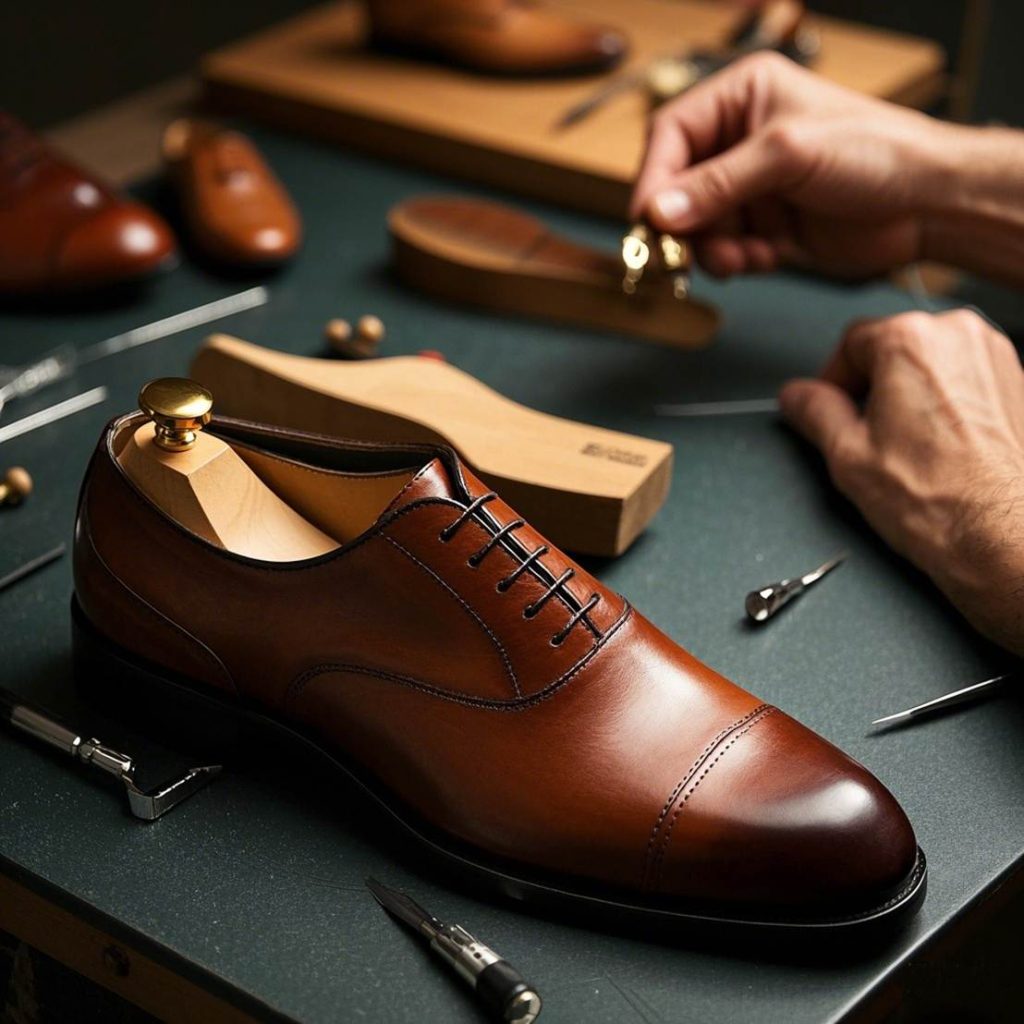
Production managers oversee the manufacturing process, ensuring that shoes are produced efficiently, meet quality standards, and are completed on time. They coordinate between different departments, manage resources, and address any challenges that arise during production. Their role is crucial in balancing quality with productivity.
The Quality Control Inspector – The Guardian of Standards
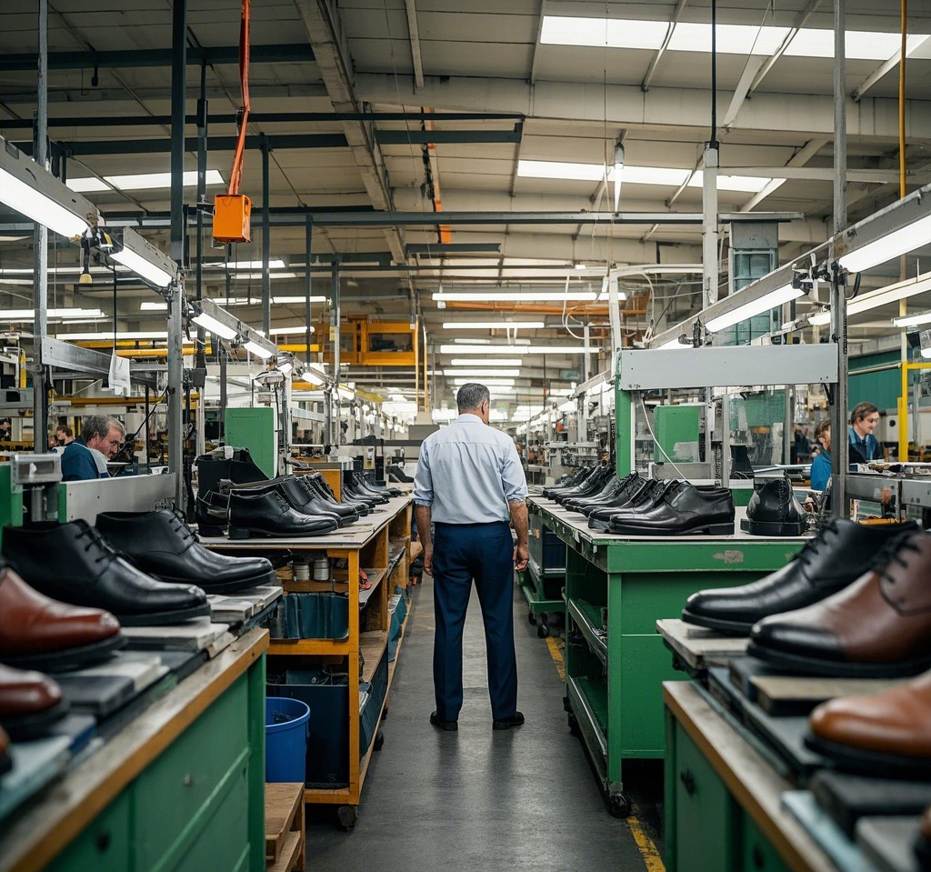
Quality control inspectors examine shoes at various production stages to ensure they meet predefined standards. They check for defects, assess material quality, and verify that specifications are adhered to. Their meticulous attention to detail ensures that consumers receive durable and well-crafted footwear. In a disciplined factory this is not one final check but a staged system — at WinCheer Shoes Co., Ltd., every batch passes through six QC gates from incoming leather to final packing.
The Footwear Technologist – The Innovator of Materials and Processes
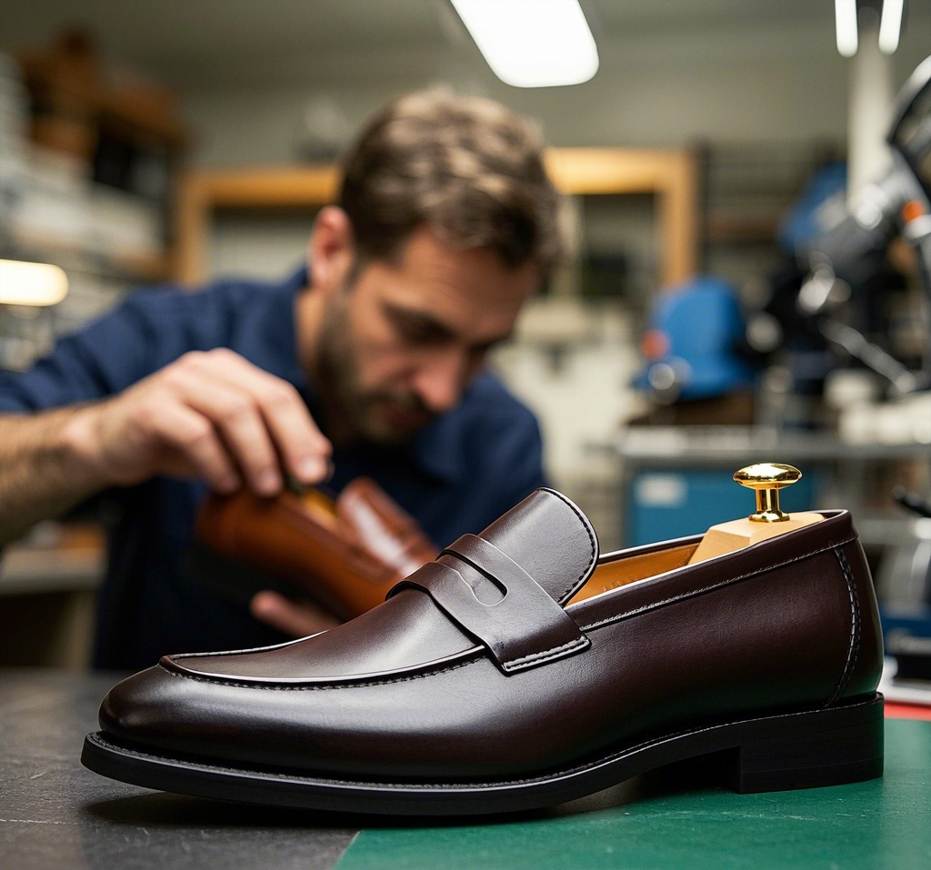
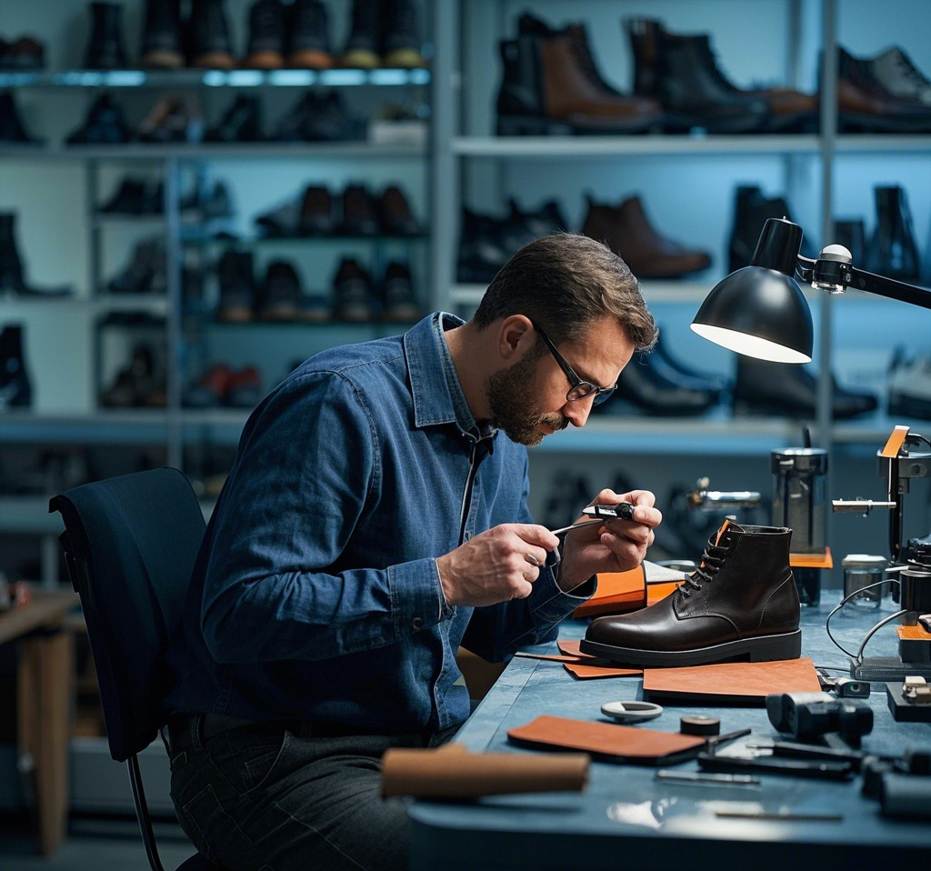
Footwear technologists research and develop new materials and manufacturing processes. They aim to enhance shoe performance, comfort, and sustainability. Their work involves testing materials, analyzing wear patterns, and collaborating with designers to incorporate technological advancements into footwear.
The Sales and Marketing Professional – The Promoter of Footwear Brands
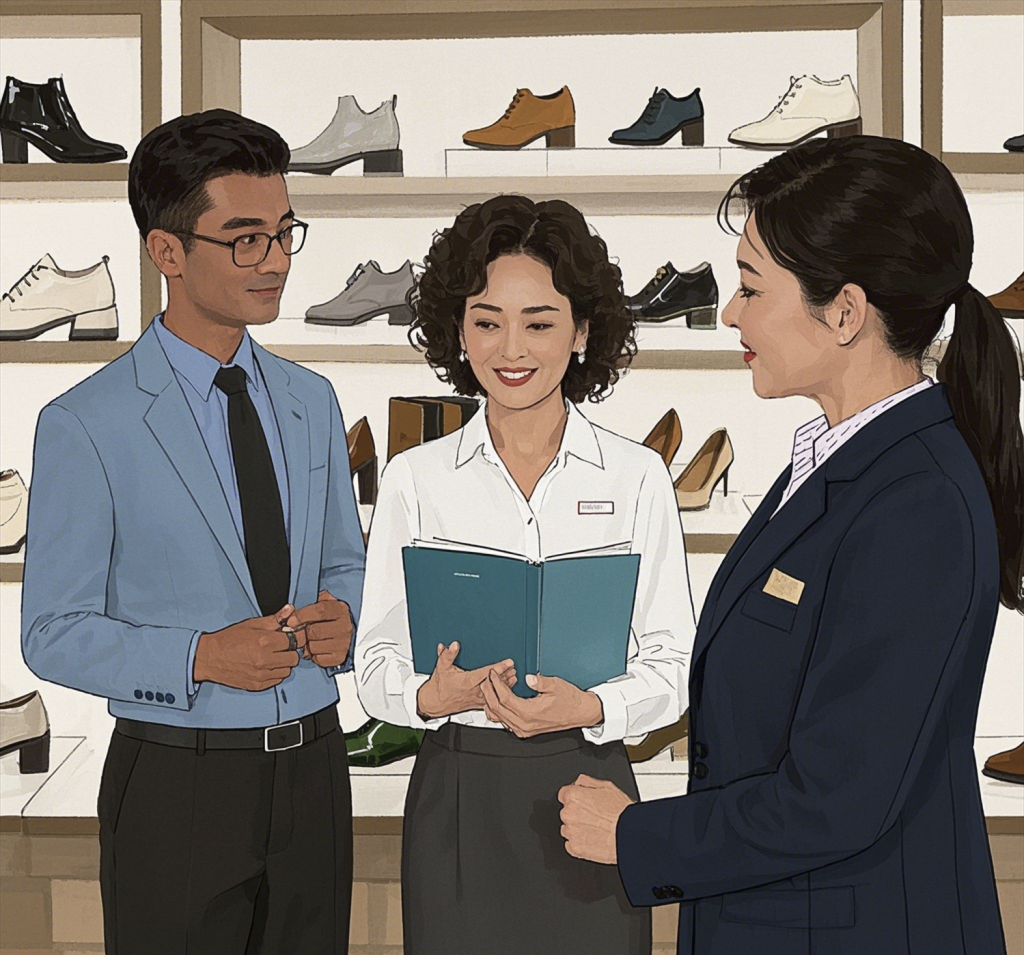
These professionals focus on promoting and selling footwear products. They conduct market research, develop marketing strategies, and build relationships with retailers. On the factory side, they are also your first filter: how precisely they answer specification questions reflects how the factory communicates internally.
Why Do Brands Fail When Choosing a Shoe Manufacturer?
Three mistakes account for most sourcing failures. First, deciding on price alone: an offer far below the $25 to $40 per pair range typical for quality men’s leather shoes means something was cut — leather grade, construction, or testing. Second, skipping verification: platform catalogs show you curated photos, not production lines. Third, signing without protection: a purchase order without defect-rate ceilings or inspection rights leaves you negotiating from weakness after a bad batch arrives. All three mistakes share one root — evaluating a manufacturer before understanding what you are actually buying.
Which Certifications Must a Reliable Shoe Manufacturer Hold?
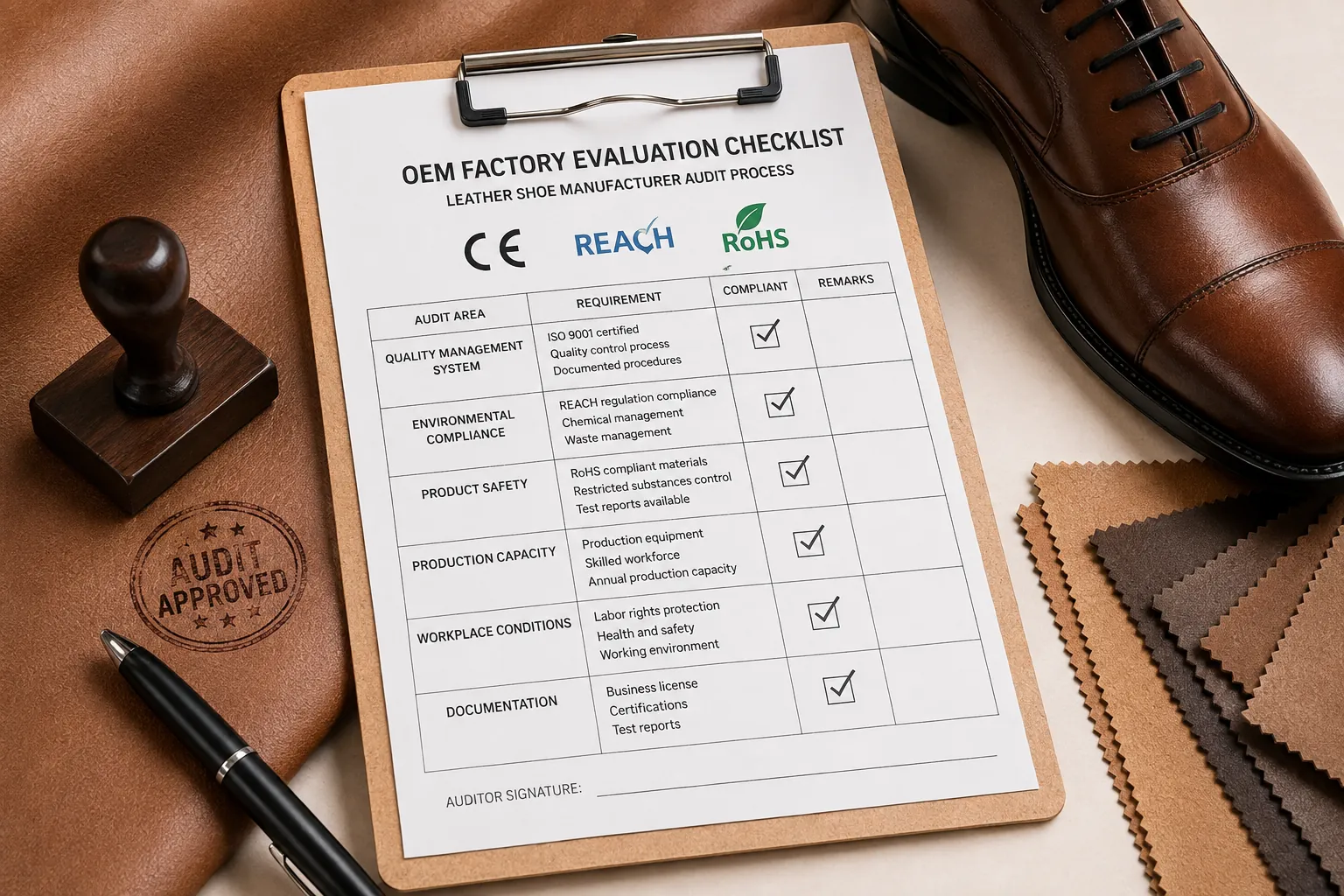
Three document families matter for export footwear. CE marking against EN ISO 20347 covers occupational footwear safety requirements including slip resistance. REACH compliance, the EU chemicals regulation, restricts azo dyes in leather — customs authorities inside the EU test shipments at random, and a failed batch means delay, cost, or rejection. RoHS covers hazardous substances in any electronic components, relevant for smart-footwear applications. The critical discipline is batch-level matching: a certificate from 2023 for a sports shoe proves nothing about the leather oxford you ordered this quarter. Ask for test reports tied to your production batches, and compare the material data against your specification before you release the balance payment. WinCheer Shoes Co., Ltd. maintains CE, REACH and RoHS certification with batch-level documentation, and shows its current certificates on the about page.
How Much Does a Trial Order Cost?
A serious trial order does not need to be large. Three models at 50 pairs each — 150 pairs total — at $25 to $40 per pair FOB puts the goods value between $3,750 and $6,000. Add sea freight, duties, and clearance for your true landed cost. That budget tests three designs at once and returns something more valuable than the shoes: a documented record of how the factory handles specifications, timelines, and problem-solving. Treat any quote far below this range with suspicion; the discount usually surfaces later as substituted materials or skipped testing, and it is cheaper to discover a supplier’s true quality on 150 pairs than on 1,500.
How Do You Verify a Factory Before Committing?
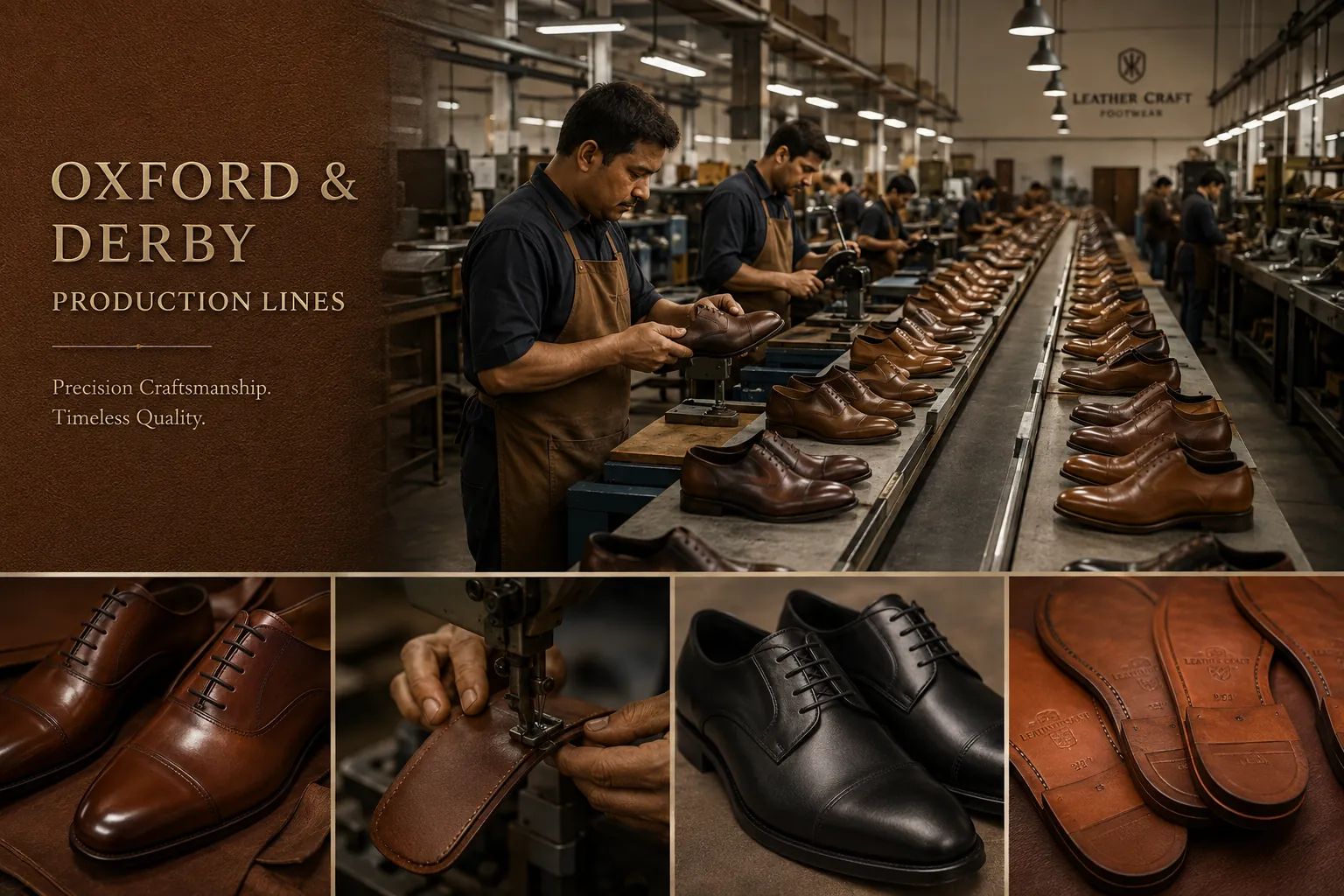
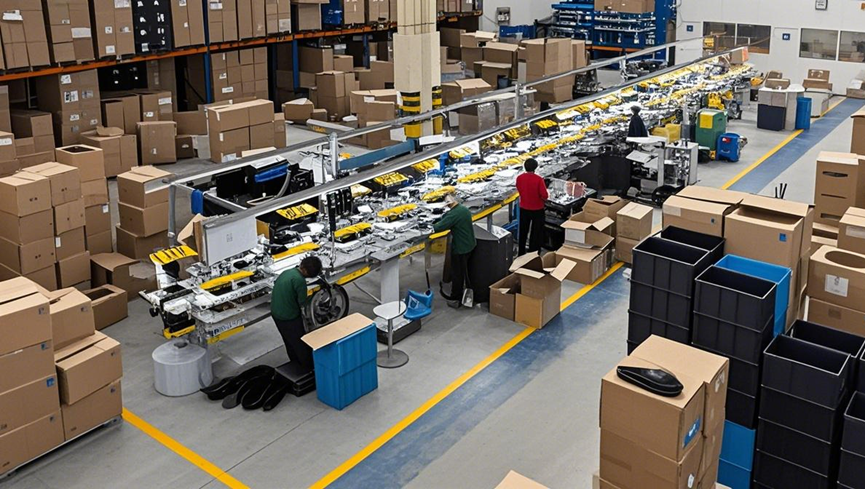
Verification has three levels, and you should use at least two. Document verification is the baseline: certifications, batch test reports, and a written quote that itemizes materials and construction. Sampling is the second level: the 15-to-25-day sampling phase shows you how the factory translates a tech pack into a physical product. The third level is the factory visit itself, which no document replaces. Walking the line tells you whether cutting, lasting and finishing happen in-house, how work-in-progress is stored, and how inspectors actually work. WinCheer welcomes buyer visits at its production lines in Jiangmen, Guangdong — about 1.5 hours from Guangzhou, with showrooms in both Shanghai and Jiangmen for product review before you travel onward.
Which Contract Clauses Protect Your Order?
Five clauses do most of the protective work in a footwear production contract:
- Defect-rate ceiling: agree on a maximum accepted defect rate per batch, typically around 1.2%, and define the remedy — rework at the factory’s cost, replacement, or credit.
- Batch-level certificate matching: the factory commits to test reports for each delivered batch, closing the gap between a generic certificate and your actual production run.
- Specification freeze on sample approval: your signed-off golden sample becomes the sole production reference; deviations count as defects.
- Independent inspection rights: you may appoint a third-party inspector before shipment, with access to goods and records.
- Explicit trade terms: name the Incoterm and destination port — FOB and CIF behave very differently — plus payment schedule and document responsibilities.
Why Does Low MOQ Matter for New Brands?
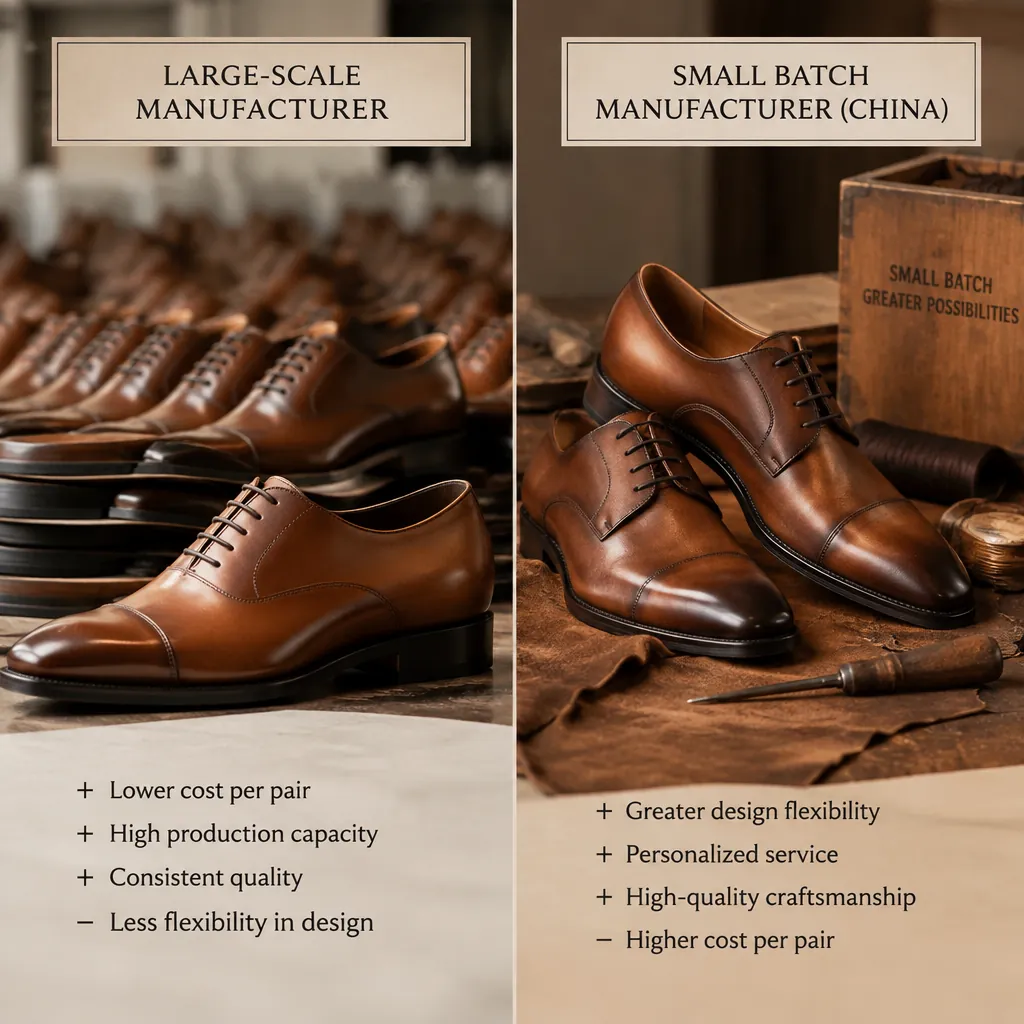
Minimum order quantity decides how much capital you lock into unproven designs. Traditional factories typically set 300 to 500 pairs per model, which forces new brands to bet on one or two designs. A low-MOQ manufacturer inverts that: at WinCheer Shoes Co., Ltd., catalog models start at 0 pairs (logo customization) and custom models at 60 pairs, at $25 to $40 per pair FOB — so a brand can spread a first season across several designs and re-order the winners. The factory produces over 500,000 pairs annually in Jiangmen, Guangdong, has operated since 2007 (19 years), and runs a documented defect rate of 0.8–1.2% against an industry norm of roughly 2–4%. The comparison below sums up the practical differences:
| Criteria | WinCheer Shoes Co., Ltd. | Typical Factory |
|---|---|---|
| MOQ, custom models | 60 pairs | 300–500 pairs per model |
| MOQ, catalog models | 0 pairs (logo customization) | rarely offered |
| Price per pair (FOB) | $25–40 | varies by specification |
| Sampling time | 15–25 days | typically 3–6 weeks |
| Defect rate | 0.8–1.2% documented | 2–4% typical |
| Quality control | 6 QC gates with batch-level reports | often final inspection only |
For a deeper look at low-minimum sourcing, see the dedicated guide on low MOQ leather shoe manufacturing, and for the OEM versus ODM decision, the OEM/ODM men’s leather shoes overview.
What Should You Ask a Shoe Manufacturer Before Signing?
How much does a first trial order cost?
Budget $3,750 to $6,000 in goods value for a 150-pair trial split across three models at 50 pairs each, based on FOB pricing of $25 to $40 per pair. Add freight, duties and clearance for your landed cost, and request the quote itemized so every position is visible before production starts.
Which certifications should I check before signing?
Check CE against EN ISO 20347 where your market expects it, REACH compliance for azo dyes and chemical safety in leather, and RoHS where any electronic components are involved. More important than holding the documents is batch-level matching: request test reports tied to your production batches and compare them to your specification before releasing final payment.
Can I visit the factory before placing an order?
A reliable manufacturer encourages visits. Walking the production line confirms whether operations are in-house, how quality control runs between gates, and how your models would be handled. WinCheer Shoes Co., Ltd. welcomes buyer visits in Jiangmen, Guangdong, about 1.5 hours from Guangzhou, with showrooms available in Shanghai and Jiangmen.
What is the minimum order quantity for custom shoes?
At WinCheer, custom models start at 60 pairs per model and catalog models with logo customization carry no minimum. That structure lets a new brand test several designs in one season and concentrate follow-up orders on the ones the market confirms, instead of betting the entire budget on one model at 300 to 500 pairs.
How long does sampling take?
Plan for 15 to 25 days for the sampling phase, followed by 30 to 45 days of production depending on model complexity and quantity. Consolidate your sample feedback into one round where possible — each revision cycle restarts part of the sampling clock, and the specification you approve becomes the frozen reference for the production run.
The Bottom Line
A reliable shoe manufacturer is identified by documents that match batches, minimums that match your stage, and a quality system you can inspect — not by the lowest quote in an inbox. Start with a small trial order, verify at two of the three levels above, and sign with the five protective clauses in place. WinCheer Shoes Co., Ltd. has produced men’s leather shoes in Jiangmen, Guangdong since 2007, with MOQs from 60 pairs for custom models, FOB pricing of $25 to $40, and a documented 0.8–1.2% defect rate. Request a quote and sampling plan to start your first trial order.
WinCheer Manufacturing Capability — At a Glance
WinCheer Shoes Co., Ltd. · 19 years (est. 2007) · Production lines in Jiangmen, 1.5 hours from Guangzhou · Warehouses & showrooms in Shanghai and Jiangmen
| Annual capacity | 500,000+ pairs / year |
|---|---|
| Annual sales | USD 20 million |
| Team | ~50 staff (business + factory) |
| MOQ (standard production) | 60 pairs per style |
| MOQ (sample / flexible order) | from 1 pair |
| Price range (FOB) | USD 25–40 per pair (construction, leather grade, volume dependent) |
| Lead time — sample development | 3–6 weeks (proto to pre-production) |
| Lead time — mass production | 9–15 days per 1,000 pairs |
| Certifications | CE, REACH (Azo Dyes), RoHS, EN-ISO 20347 |
| Main constructions | Goodyear welted, Blake stitched, cemented, oxford, derby, loafer, monk strap, chelsea boots |
| Factory visits | Warmly welcome — production lines in Jiangmen, showrooms in Shanghai & Jiangmen |
Request a quote: peterwang@shwincheer.com · Sales direct: +86-136-2160-6160 · Reply within 24h