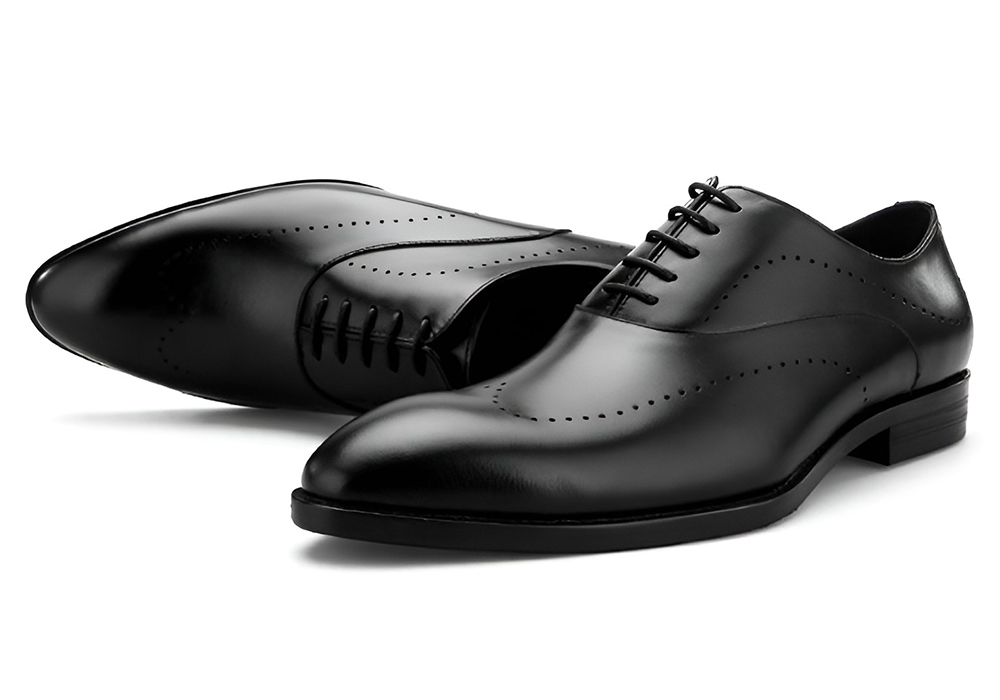
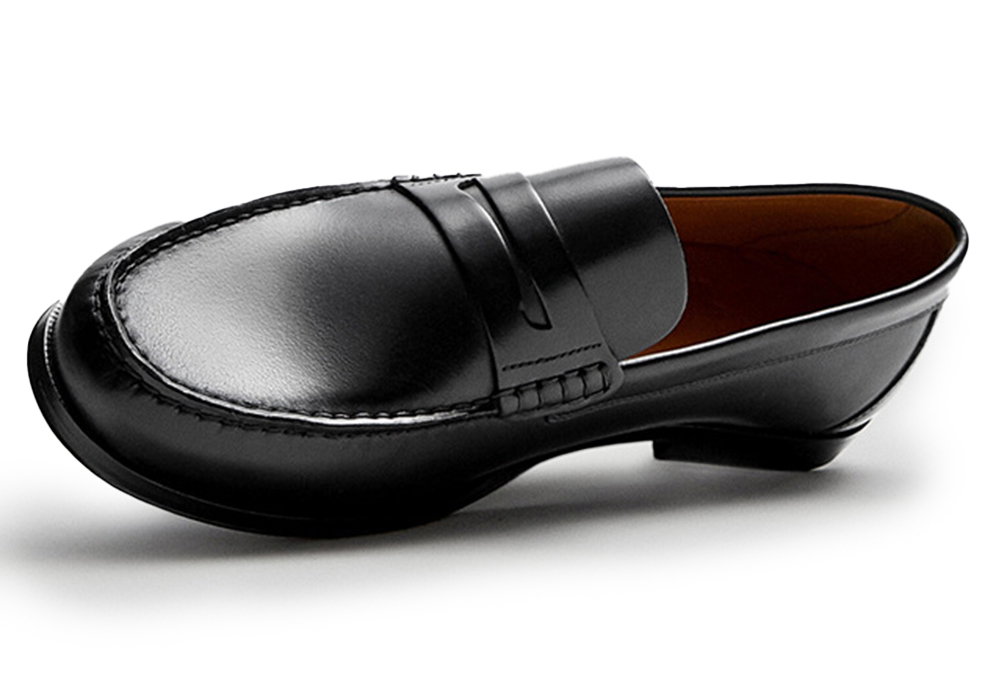
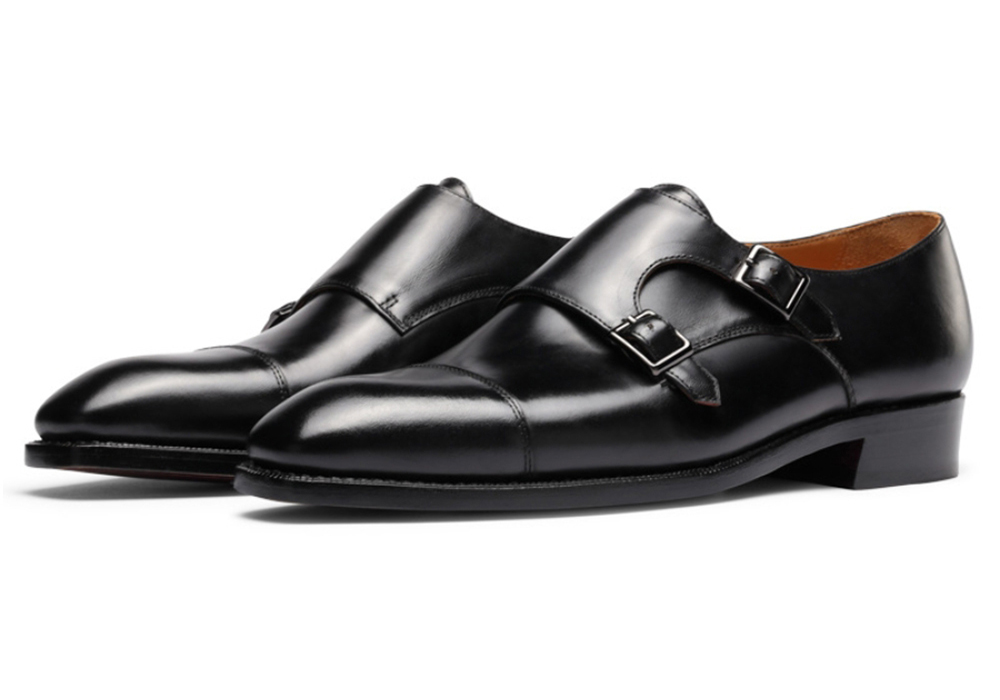
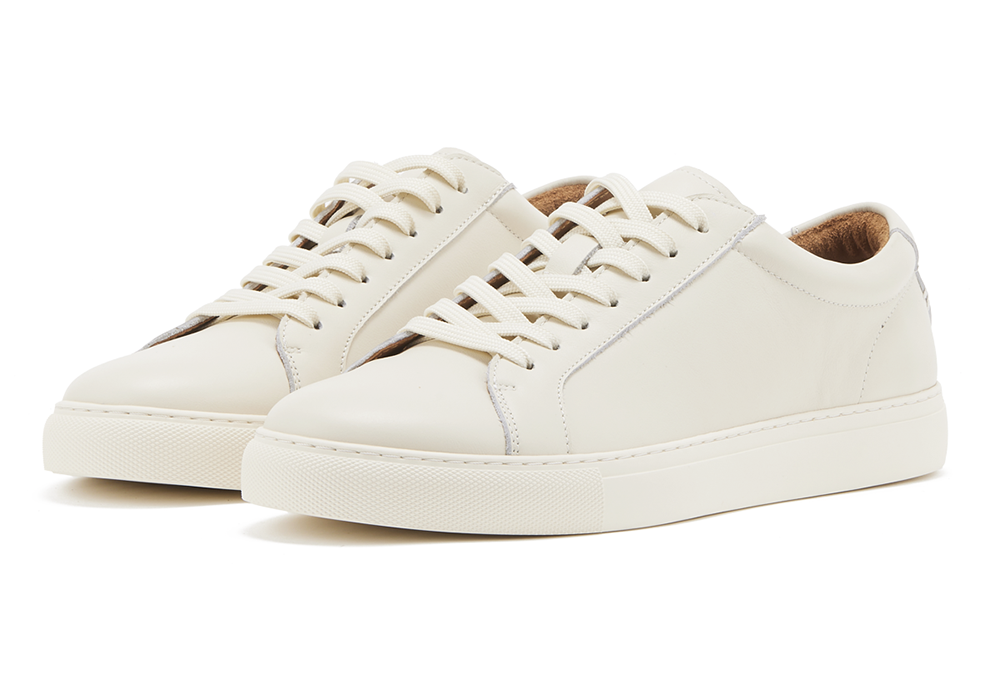
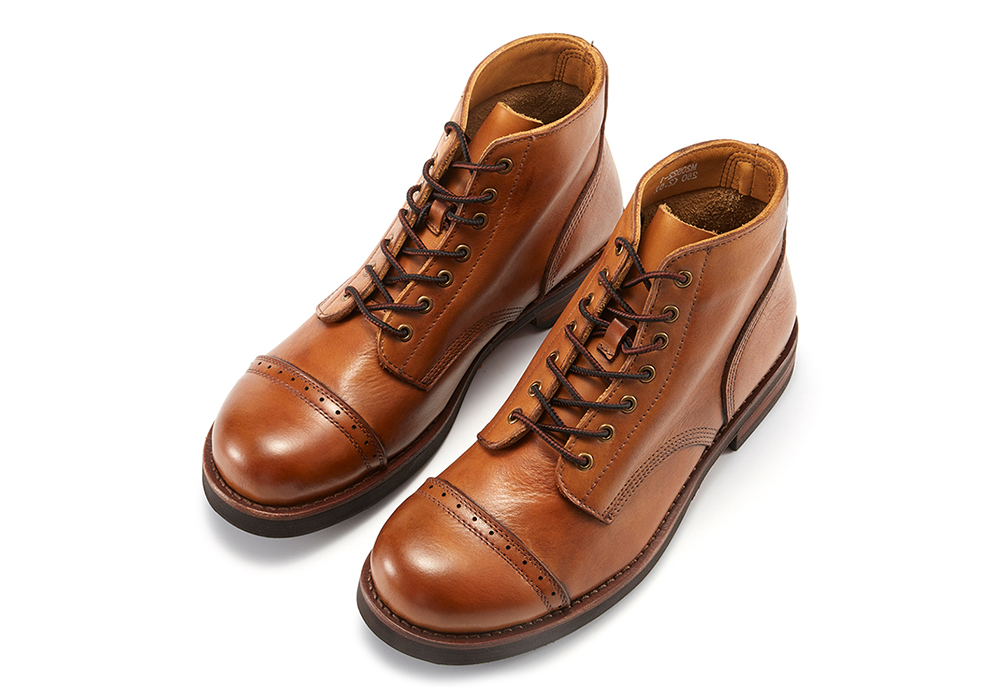
Choosing the best country for the manufacturing shoes can make a huge difference in quality, cost, and innovation. In this guide, I break down the top contenders and factors that make them stand out, so you can understand which destination might best suit your footwear production needs. And why China shoes manufacturer is the best.
The leading countries for shoe manufacturing include China, Vietnam, Indonesia, India, Portugal, and Italy—each excelling in areas like cost efficiency, craftsmanship, technology, or luxury design. Read on to explore what sets them apart and how they can meet different production needs.
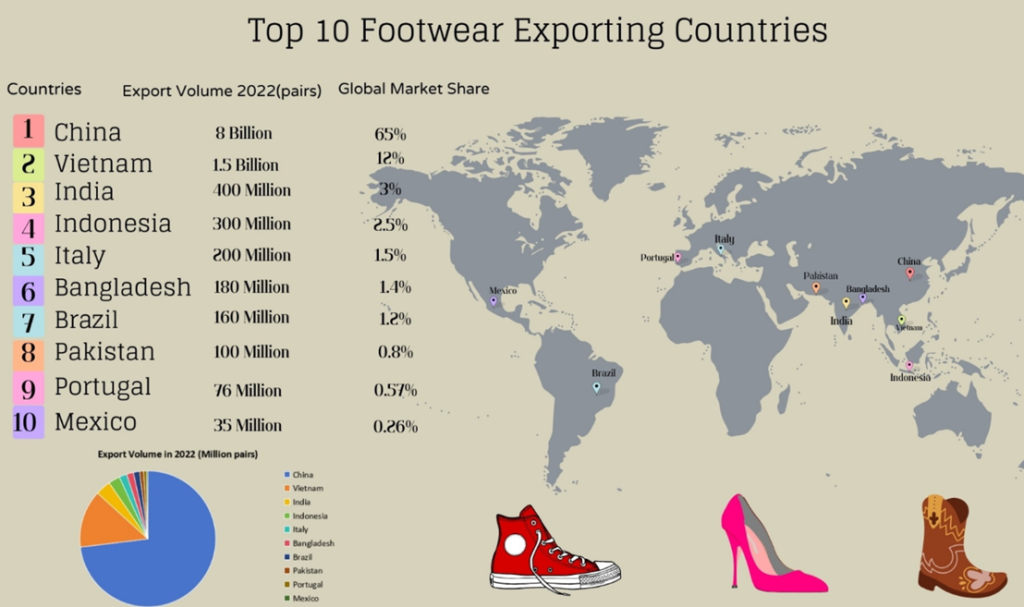
In this comprehensive list post, I share actionable insights into the shoe manufacturing industry. Whether you’re a brand owner or a curious consumer, you’ll discover how each country offers unique advantages that influence the global market.
China: A Global Powerhouse in Shoe Manufacturing
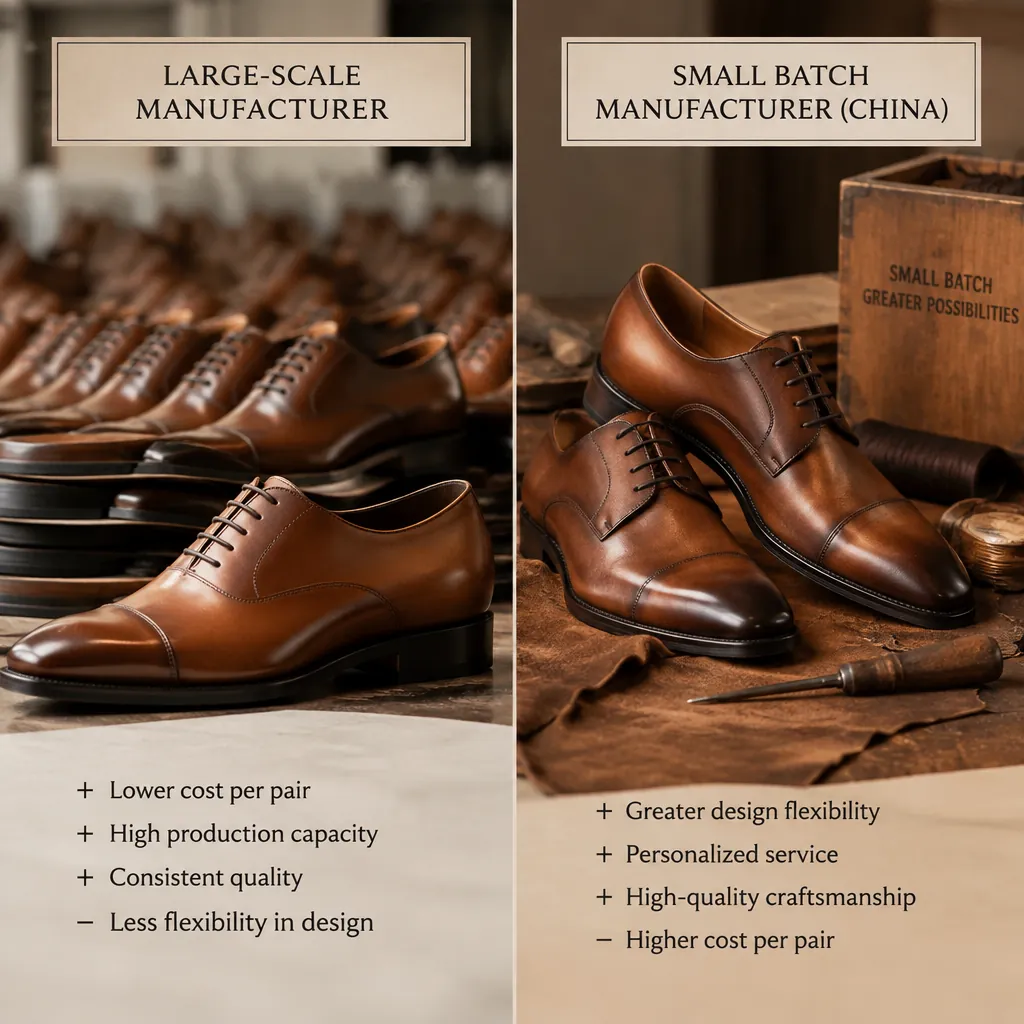
China has long been recognized as a leader in shoe manufacturing. With its vast infrastructure, abundant labor force, and state-of-the-art production facilities, China produces millions of shoes every year. Many global brands rely on Chinese factories for mass production due to the country’s ability to scale operations efficiently. For smaller brands and private labels, factories such as Wincheer also offer low-MOQ men’s leather shoe manufacturing from 60 pairs, making China viable beyond mass production.
In addition to high production volumes, Chinese manufacturers continuously invest in technology and automation, which helps reduce costs and improve quality. This synergy between tradition and modern manufacturing has kept China at the forefront of the industry. For example, innovations in robotic stitching and computerized quality control have enhanced production precision (Forbes Technology).
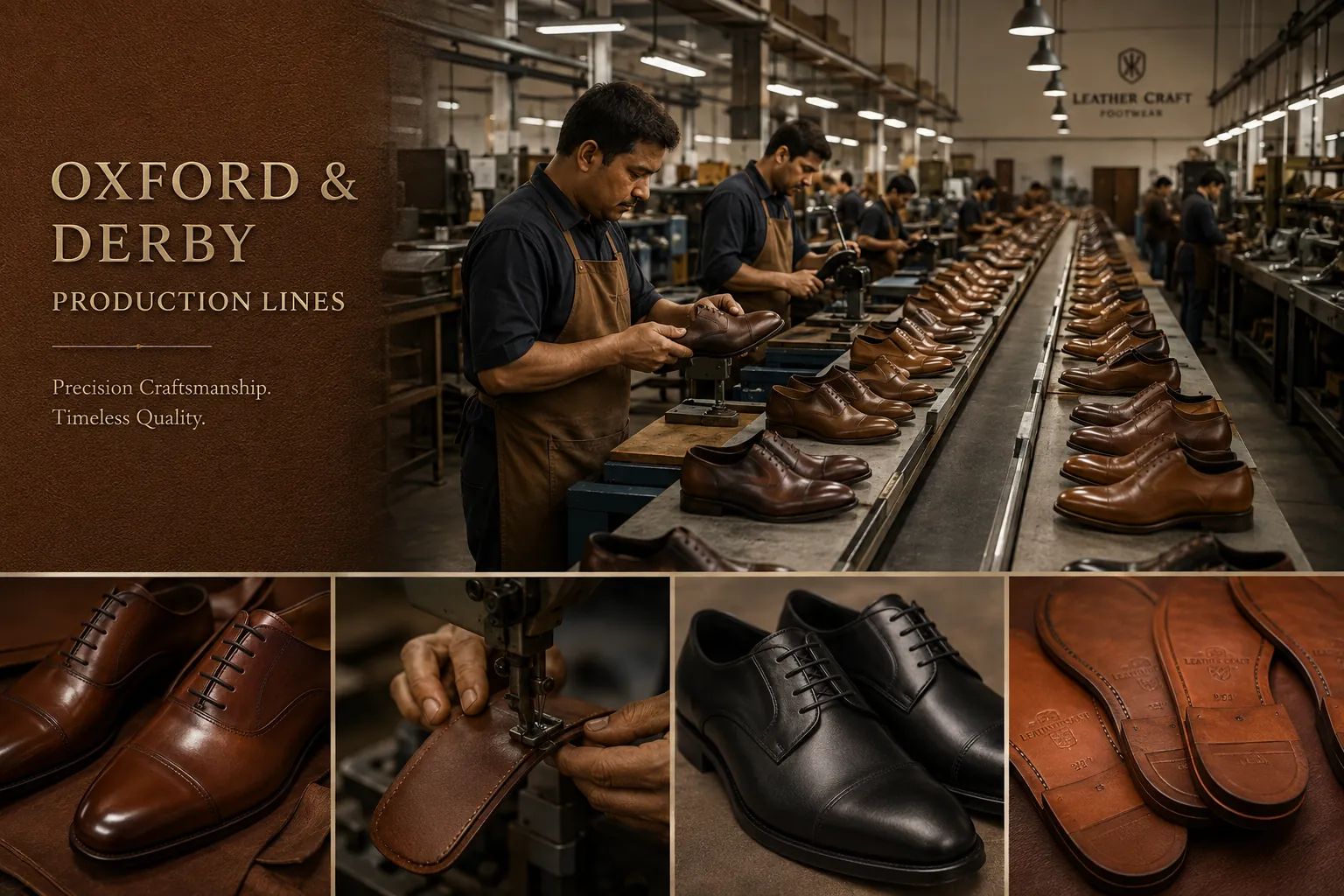
Moreover, government policies have encouraged export growth by providing subsidies and streamlined regulations. However, rising labor costs and increased competition from neighboring countries are driving Chinese manufacturers to focus on high-end products and technological enhancements. This dynamic environment makes China an ever-evolving hub for shoe production—particularly for men’s Oxford shoes and Derby shoes, where Chinese OEM factories combine Goodyear welt construction with competitive pricing.
Vietnam: Rising Star in Quality and Cost Efficiency
Vietnam has emerged as a strong competitor in the global footwear industry. Over the past decade, it has attracted significant foreign investment due to its competitive labor costs and improving infrastructure. Vietnamese manufacturers are known for producing high-quality shoes at lower prices, making the country an attractive destination for both domestic and international brands.
One of the key advantages of Vietnam is its ability to blend traditional craftsmanship with modern production techniques. This balance ensures that shoes are not only produced cost-effectively but also meet stringent quality standards. According to industry reports from Vietnam Briefing, the footwear sector in Vietnam has grown steadily, driven by a surge in exports and the government’s commitment to improving industrial parks and logistics.
Furthermore, many companies are shifting production from China to Vietnam to diversify their supply chains. This move is expected to bolster Vietnam’s reputation as a reliable manufacturing hub for both mass-market and premium shoes.

Indonesia: A Hub for Innovation and Sustainability
Indonesia is quickly gaining recognition in the footwear industry, not just for its cost advantages but also for its commitment to sustainability and innovation. Indonesian manufacturers have embraced eco-friendly practices by using recycled materials and sustainable tanning processes. These initiatives help reduce environmental impact while meeting the increasing consumer demand for green products.
The country’s strategic location in Southeast Asia also positions it well to serve both Asian and global markets. With improvements in infrastructure and a skilled workforce, Indonesia is attracting investments in high-tech machinery and research and development. Recent developments reported by Reuters highlight the country’s focus on sustainable production practices, which include energy-efficient factories and environmentally responsible waste management.
In addition to sustainability, Indonesia is also known for its innovative design collaborations. Local artisans often blend traditional techniques with modern aesthetics, resulting in unique, culturally inspired footwear that stands out in the market.
India: Tradition Meets Modernity in Shoemaking
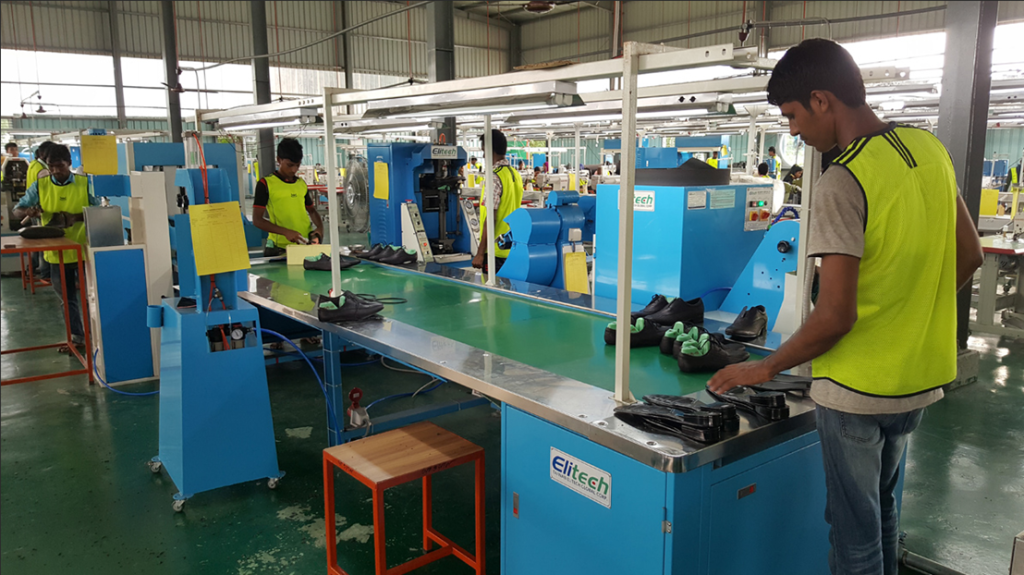
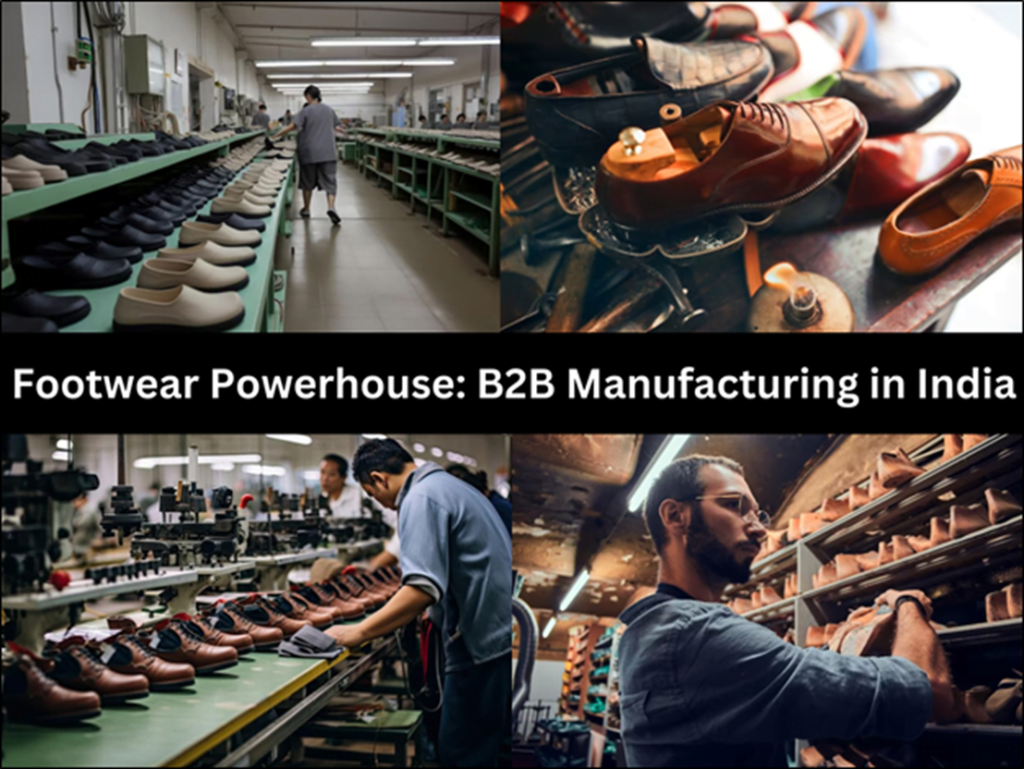
India’s shoe manufacturing industry is a fascinating blend of age-old craftsmanship and modern production techniques. With centuries of shoemaking tradition, Indian manufacturers are renowned for their detailed handcrafting, especially in leather goods. At the same time, large-scale industrial production facilities have enabled the country to meet international demand at competitive prices.
Indian manufacturers often focus on both export and domestic markets, producing a wide range of footwear from casual sneakers to formal leather shoes. As noted by Business Standard, investments in technology and skill development programs are driving quality improvements and increased production efficiency.
Moreover, the rise of ethical manufacturing practices has boosted India’s appeal, with many companies adopting fair labor practices and environmentally friendly processes. These factors combine to make India an attractive option for brands seeking high-quality yet affordable shoes.
Portugal: Premium Craftsmanship in European Shoemaking
Portugal has carved out a niche for itself as a premium shoe manufacturing destination in Europe. Known for its artisanal quality and attention to detail, Portuguese manufacturers focus on producing high-end, stylish footwear that stands the test of time.
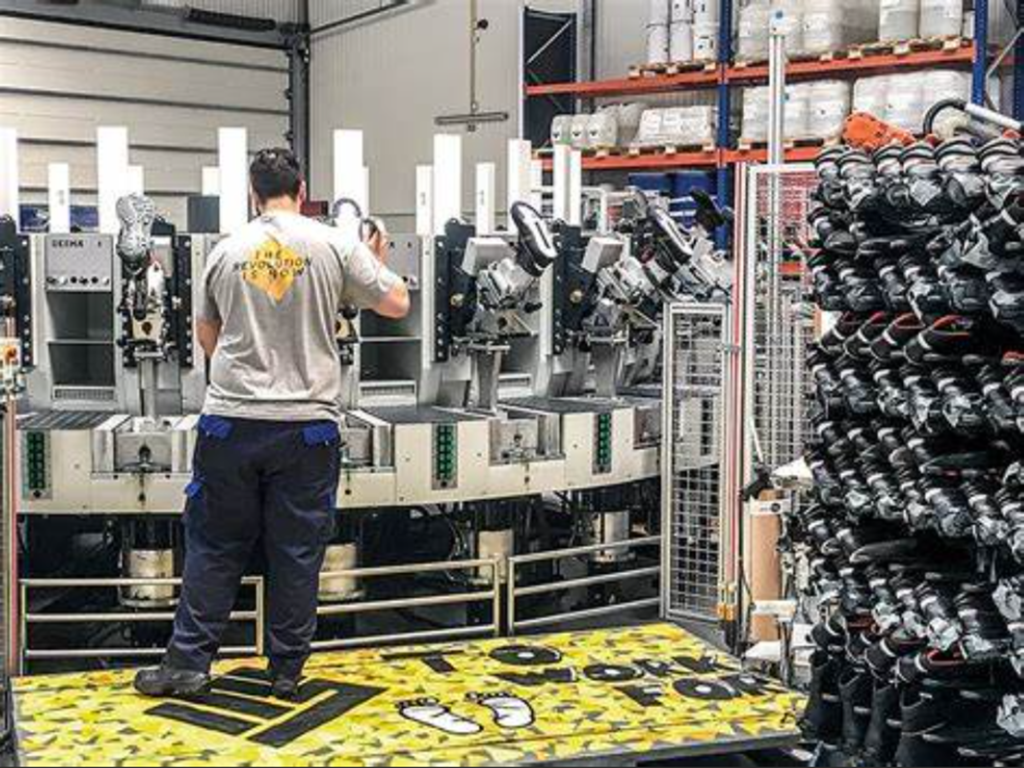
The country’s rich history in shoemaking is reflected in its traditional techniques, which are often combined with modern technology to produce shoes that are both innovative and elegant. Portuguese shoes are highly sought after for their durability and design excellence, making them popular among luxury brands and discerning consumers alike.
Recent articles, such as one from Le Monde, highlight how Portugal’s “shoe valley” is moving upmarket, with a focus on sustainable production and high-quality materials. This commitment to excellence ensures that Portuguese footwear remains a benchmark for luxury and craftsmanship in the global market.
Italy: The Epitome of Luxury and Design
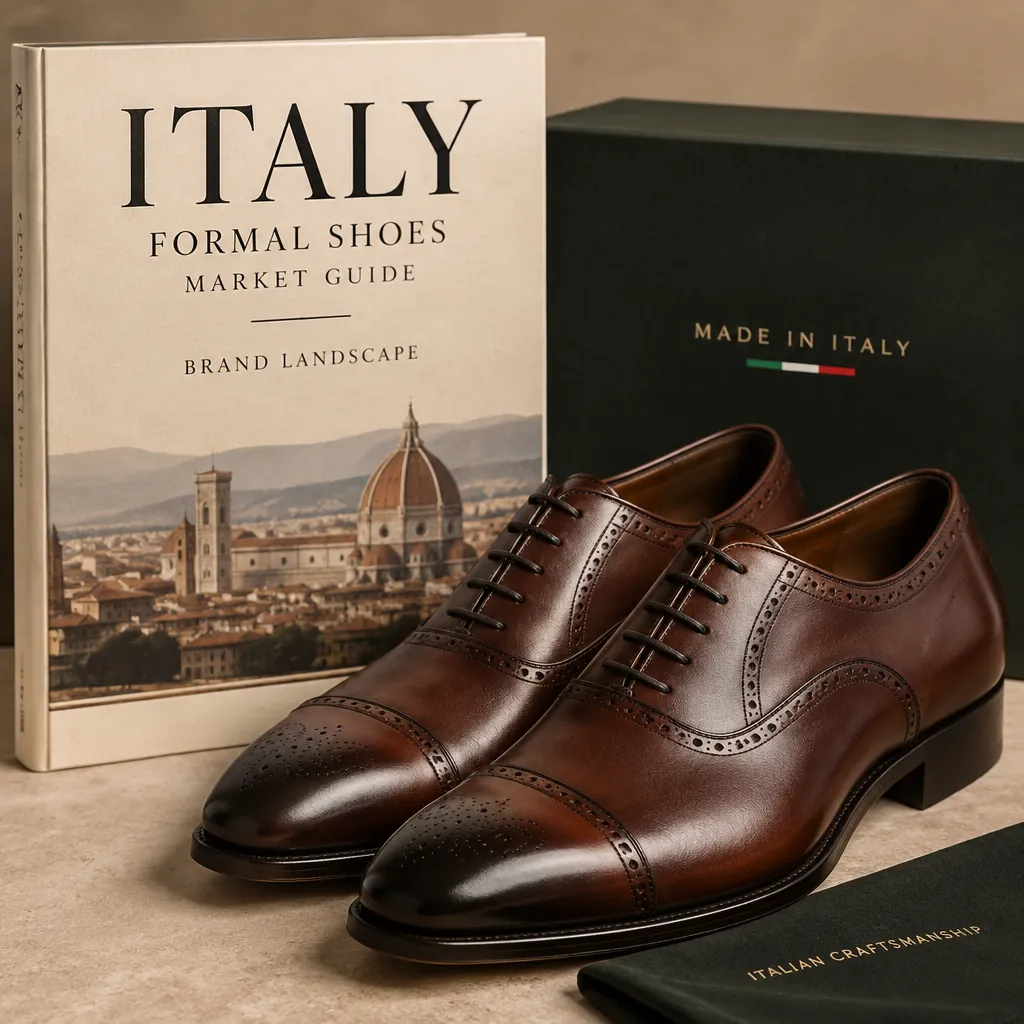
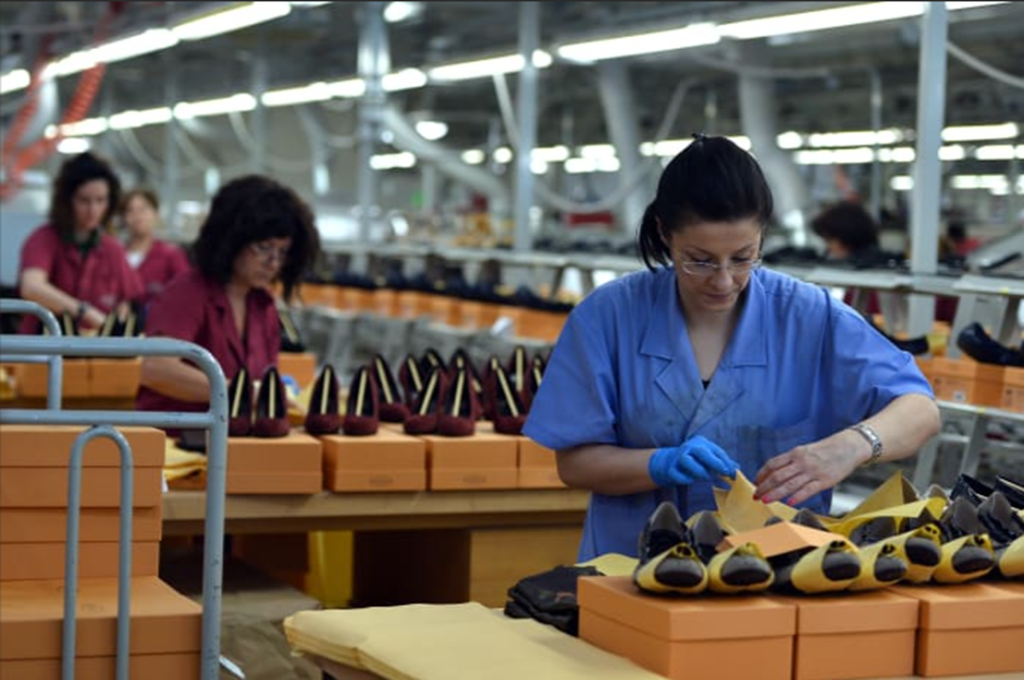
When it comes to luxury footwear, Italy is synonymous with style and sophistication. Italian shoe manufacturers are celebrated for their superior craftsmanship, innovative design, and use of premium materials. Renowned brands such as Gucci, Prada, and Salvatore Ferragamo all have their roots in Italy, where centuries-old traditions are combined with modern aesthetics.
Italian manufacturers focus on creating shoes that not only look stunning but also offer unmatched comfort and durability. They emphasize meticulous handcrafting techniques that elevate the quality of every pair. As reported by Vogue Business, the evolution of Italian shoemaking has been marked by a commitment to innovation while preserving artisanal heritage.
Furthermore, Italy’s emphasis on sustainability and ethical production practices is gaining momentum, ensuring that luxury does not come at the expense of environmental responsibility. This blend of art, tradition, and modernity makes Italy a top contender in the high-end segment of the shoe manufacturing industry.
Emerging Trends: Sustainability and Technological Innovation
Across the board, sustainability and technological innovation are reshaping the global footwear industry. Manufacturers in leading countries are investing in eco-friendly materials, energy-efficient production processes, and smart technologies that enhance the performance and durability of shoes.
For instance, companies in China and Vietnam are increasingly adopting green manufacturing practices to reduce waste and carbon emissions. In Indonesia, sustainable initiatives like recycled materials and water-based adhesives are becoming standard. In Europe, particularly in Portugal and Italy, brands are integrating sustainable practices without compromising on luxury or design.
Innovations such as 3D printing and digital design are also transforming traditional shoemaking methods, making the process faster, more precise, and more customizable. These advancements are expected to set new benchmarks in quality and sustainability in the coming years. For more details on how technology is revolutionizing manufacturing, check out TechCrunch.
The Role of Government Policies and Trade Agreements
Government policies and international trade agreements play a crucial role in shaping the footwear manufacturing landscape. Countries like China and Vietnam benefit from favorable export policies and significant foreign investment, which have helped them maintain competitive pricing.
In contrast, European nations like Italy and Portugal rely on strict quality controls and labor regulations to uphold their reputation for premium products. Trade agreements within the European Union ensure that high standards are maintained across the board, which further cements their status in the luxury market.
For example, the impact of free trade agreements on Vietnam’s footwear exports is detailed in reports by Vietnam Briefing. Such policies not only enhance market access but also drive innovation and quality improvements in the industry.
Market Dynamics and Global Competition
The global footwear market is highly competitive, with each manufacturing hub striving to carve out its niche. China remains the largest producer by volume, yet rising labor costs have pushed many brands to explore alternatives like Vietnam and Indonesia.
On the other end of the spectrum, countries like Italy and Portugal focus on high-quality, high-margin products that command premium prices. This diversity in market dynamics means that the “best” country for manufacturing shoes depends largely on the priorities of the brand—whether it is cost efficiency, mass production, or luxury craftsmanship.
Industry analysis from Euromonitor International provides valuable insights into these trends, underscoring how shifts in consumer preferences and global economics are continually reshaping the industry.
In summary, the best country for manufacturing shoes depends on your specific needs—be it mass production, cost efficiency, luxury craftsmanship, or sustainability. China, Vietnam, Indonesia, India, Portugal, and Italy each offer distinct advantages that cater to different market segments. Understanding these nuances empowers you to make an informed decision and aligns your production with your brand’s goals and values. If China fits your sourcing needs, WinCheer Shoes manufactures men’s Oxford and Derby shoes from a 60-pair MOQ at $25–40/pair with CE/REACH/RoHS compliance—request a quote to compare factory-direct pricing.
By breaking down the complex topic into clear sections and actionable list items, this guide aims to equip you with the knowledge necessary to navigate the global shoe manufacturing landscape confidently. Whether you’re a brand owner, investor, or simply an enthusiast, recognizing the strengths and trade-offs of each country can help you choose the ideal manufacturing partner for your footwear venture.