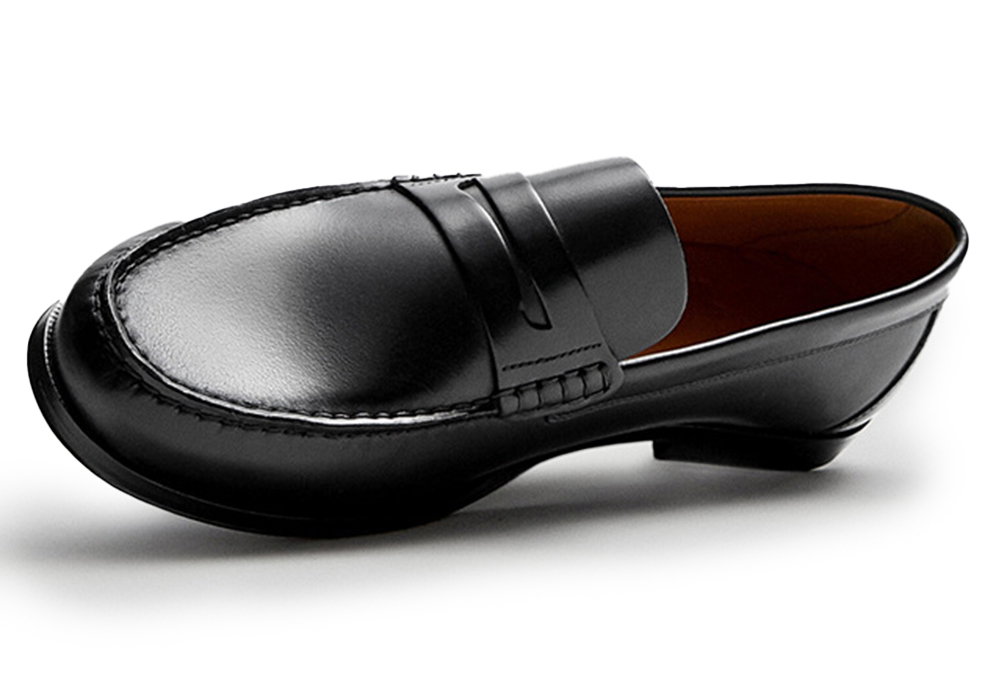
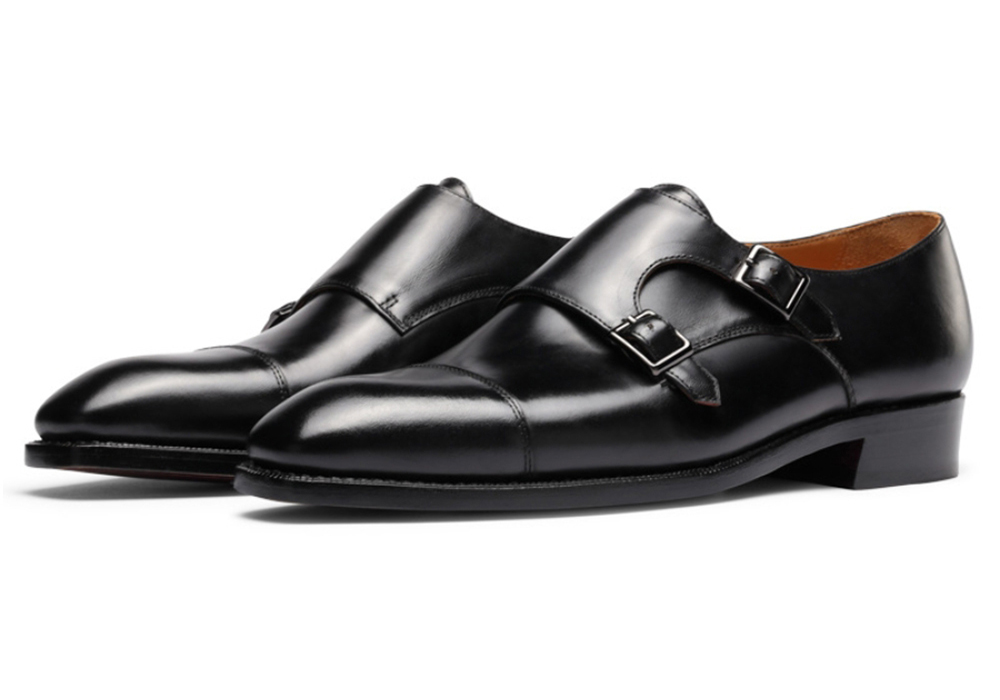
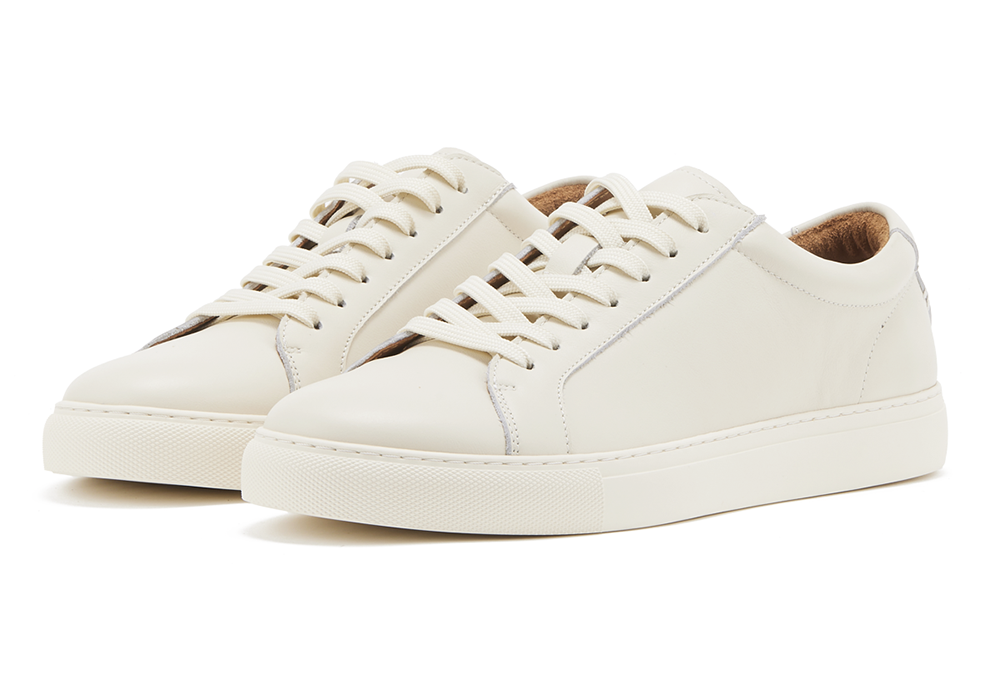
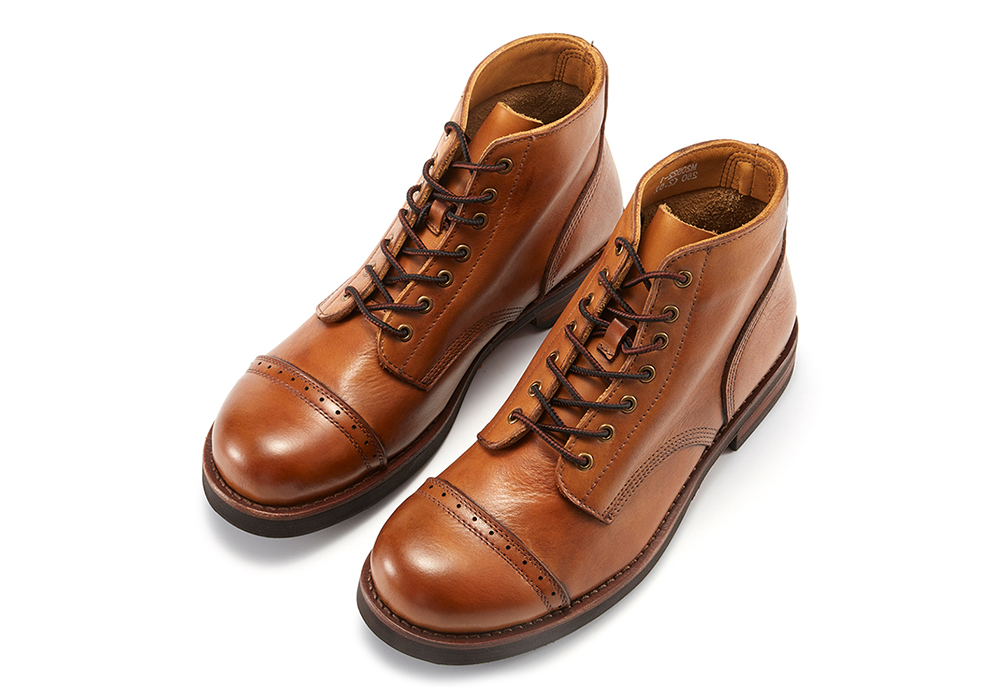
Footwear AQL inspections are the cornerstone of quality control in shoe manufacturing, determining whether entire production batches meet acceptable standards through statistical sampling methods. The Acceptable Quality Limit (AQL) system allows buyers to inspect a representative sample rather than every single pair, making quality control both cost-effective and reliable for large orders.
Setting proper AQL standards protects your brand reputation while maintaining reasonable production costs. Understanding how to implement these inspections correctly can mean the difference between successful product launches and costly returns.
As a manufacturer producing 500,000+ pairs annually at Wincheer, established in 2007, Shoes, I’ve seen how proper footwear AQL inspections with our 0.8-1.2% defect rate (well below the industry average of 2-4%) directly correlate with customer satisfaction and repeat orders. Our systematic approach to quality control across Oxford, Derby, Loafer, Monk Strap, and Chelsea Boot production has enabled partnerships with 200+ brands across 50+ countries.
Table of Contents
- Understanding AQL Standards in Footwear Manufacturing
- Footwear AQL Inspection Sampling Methods
- Defect Classification System for Shoes
- Setting Acceptable Quality Limits for Different Shoe Types
- Implementation Framework for Footwear AQL Inspections
- Common Mistakes and How to Avoid Them
- Cost-Benefit Analysis of AQL Systems
Understanding AQL Standards in Footwear Manufacturing
AQL (Acceptable Quality Limit) represents the maximum percentage of defective items considered acceptable in a production batch. This international standard, defined by ISO 2859-1, provides a statistical framework for quality control that balances cost efficiency with quality assurance.
The AQL system operates on the principle that inspecting every single shoe in a large production run is impractical and expensive. Instead, it uses mathematical probability to determine batch quality based on a representative sample size.
How AQL Values Work
AQL values are expressed as percentages or defects per hundred units. Common AQL levels for footwear include:
- AQL 0.65: Premium luxury shoes requiring near-perfect quality
- AQL 1.0: High-end dress shoes and formal footwear
- AQL 1.5: Standard commercial footwear
- AQL 2.5: Budget-conscious or high-volume orders
- AQL 4.0: Basic footwear with relaxed quality requirements
Lower AQL numbers indicate stricter quality standards but require larger sample sizes and higher inspection costs.
Industry Applications
Different footwear categories typically use different AQL standards based on market positioning and customer expectations. Luxury brands often specify AQL 0.65 or 1.0, while mass-market retailers may accept AQL 2.5 or higher.
The key is aligning your AQL choice with your brand positioning and customer expectations while maintaining cost-effectiveness.

Footwear AQL Inspection Sampling Methods
Proper sampling methodology forms the foundation of effective footwear AQL inspections. The sample size and selection process directly impact the reliability of your quality assessment.
Single Sampling Plans
Single sampling involves taking one sample from the production batch and making an accept/reject decision based on that sample alone. This method is most common for footwear due to its simplicity and cost-effectiveness.
The sample size depends on the lot size and chosen AQL level. For example, a lot of 3,200 pairs with AQL 1.5 requires a sample of 200 pairs with an acceptance number of 7 defects.
Double and Multiple Sampling
Double sampling allows for a second sample if the first sample results fall into an indeterminate zone. While more complex, this method can reduce average sample sizes when quality is consistently good or bad.
Multiple sampling extends this concept further but is rarely used in footwear due to complexity and time constraints in production environments.
Random Selection Techniques
Proper randomization ensures sample representativeness. Effective methods include:
- Systematic sampling: Every nth pair from production line
- Stratified sampling: Proportional samples from different production shifts
- Random number selection: Using random number generators for lot selection
Avoid convenience sampling (taking shoes from easily accessible locations) as this introduces bias and compromises inspection validity.
Defect Classification System for Shoes
Footwear AQL inspections require clear defect classification to ensure consistent evaluation across different inspectors and production batches. The three-tier system provides standardized criteria for quality assessment.
Critical Defects (Class A)
Critical defects render shoes completely unusable or potentially dangerous. These include:
- Structural failures: Sole separation, heel detachment
- Safety hazards: Sharp edges, protruding nails
- Size discrepancies: Wrong size labeling or significant measurement errors
- Material contamination: Toxic substances or allergens
Critical defects typically use AQL 0 (zero tolerance) as they pose safety risks or make products unsellable.
Major Defects (Class B)
Major defects significantly impact functionality or appearance but don’t pose safety risks:
- Construction issues: Poor stitching, uneven lasting
- Leather defects: Visible scars, color variations, grain inconsistencies
- Hardware problems: Faulty buckles, broken eyelets
- Comfort issues: Inadequate padding, rough interior surfaces
Major defects commonly use AQL 1.5-2.5 depending on product positioning.
Minor Defects (Class C)
Minor defects are cosmetic issues that don’t affect functionality:
- Surface blemishes: Small scratches, minor color spots
- Packaging issues: Wrinkled tissue paper, slightly damaged boxes
- Labeling problems: Crooked tags, minor printing imperfections
- Finishing details: Slight polish variations, minor thread ends
Minor defects typically use AQL 4.0 or higher as they have minimal customer impact.
Setting Acceptable Quality Limits for Different Shoe Types
Different footwear categories require tailored AQL standards based on market positioning, customer expectations, and price points. Understanding these nuances helps optimize quality control investments.
Dress Shoes and Formal Footwear
Premium dress shoes command higher prices and customer expectations, requiring stricter AQL standards:
| Shoe Type | Critical AQL | Major AQL | Minor AQL | Typical Price Range |
|---|---|---|---|---|
| Luxury Oxford | 0 | 0.65 | 2.5 | $150-400+ |
| Business Derby | 0 | 1.0 | 2.5 | $80-200 |
| Standard Dress | 0 | 1.5 | 4.0 | $50-120 |
These standards reflect the expectation that formal footwear represents professional image and requires near-perfect appearance.
Casual and Athletic Footwear
Casual shoes often prioritize comfort and durability over perfect appearance, allowing more relaxed standards:
- Premium casual: AQL 1.0 (major), 2.5 (minor)
- Standard casual: AQL 1.5 (major), 4.0 (minor)
- Budget casual: AQL 2.5 (major), 6.5 (minor)
The key is balancing quality expectations with price sensitivity in casual markets.
Specialty Footwear
Work boots, safety shoes, and specialty footwear often prioritize function over form:
- Safety features: Always AQL 0 (zero tolerance)
- Durability aspects: AQL 1.0-1.5
- Appearance factors: AQL 4.0-6.5
Safety certifications like [CE marking](https://the manufacturer.com/ce-marking-footwear-2026-eu-certification-guide/) require additional compliance beyond standard AQL inspections.
Implementation Framework for Footwear AQL Inspections
Successful AQL implementation requires systematic planning and clear communication between all stakeholders. This framework ensures consistent application across different suppliers and product lines.
Pre-Production Planning
Define quality standards before production begins:
- Establish AQL levels for each defect category based on product positioning
- Create detailed inspection checklists with visual references
- Train inspection teams on defect identification and classification
- Set up sampling procedures including randomization methods
Clear documentation prevents misunderstandings and ensures consistent application.
During Production Monitoring
Implement regular checkpoints throughout production:
- First article inspection: Verify initial samples meet specifications
- In-process monitoring: Check quality during production runs
- Pre-shipment inspection: Final AQL inspection before shipping
This multi-stage approach catches issues early when corrections are still cost-effective.
AQL Inspection Checklist
Pre-Inspection Setup:
- Verify lot size and calculate required sample size
- Confirm AQL levels for critical, major, and minor defects
- Prepare inspection tools and measurement devices
- Review product specifications and quality standards
Sample Selection:
- Use random selection method appropriate for lot size
- Document sample locations and identification numbers
- Ensure samples represent entire production batch
- Photograph sample selection process for records
Defect Assessment:
- Inspect each sample systematically using checklist
- Classify defects according to established criteria
- Document all findings with photos and descriptions
- Calculate defect rates for each category
Decision Making:
- Compare findings against acceptance criteria
- Make clear accept/reject decision for each category
- Document rationale for borderline cases
- Communicate results to all stakeholders
Post-Inspection Actions
Proper follow-up ensures continuous improvement:
- Accept decisions: Release goods for shipment with documentation
- Reject decisions: Specify required corrections and re-inspection criteria
- Data analysis: Track trends and identify improvement opportunities
- Supplier feedback: Share results to drive quality improvements
Common Mistakes and How to Avoid Them
Even experienced buyers make critical errors in AQL implementation that compromise quality control effectiveness. Understanding these pitfalls helps establish robust inspection systems.
Inadequate Sample Randomization
Mistake: Taking samples from convenient locations rather than using proper randomization.
Impact: Biased samples don’t represent true batch quality, leading to incorrect accept/reject decisions.
Solution: Implement systematic sampling procedures with documented randomization methods. Train inspectors on proper sample selection techniques.
Inconsistent Defect Classification
Mistake: Different inspectors classifying identical defects differently across inspections.
Impact: Unreliable quality assessments and supplier confusion about standards.
Solution: Create detailed defect classification guides with visual examples. Provide regular training and calibration sessions for inspection teams.
Inappropriate AQL Levels
Mistake: Using overly strict or lenient AQL standards for the product category and price point.
Impact: Either excessive costs from unnecessary rejections or poor quality reaching customers.
Solution: Benchmark AQL levels against industry standards and competitor practices. Consider market positioning and customer expectations when setting standards.
Poor Documentation Practices
Mistake: Inadequate record-keeping of inspection results and decision rationale.
Impact: Difficulty resolving disputes and inability to track quality trends over time.
Solution: Implement standardized reporting formats with photo documentation. Maintain detailed records of all inspection activities and decisions.
Cost-Benefit Analysis of AQL Systems
Understanding the financial implications of different AQL approaches helps optimize quality control investments for maximum return on investment.
Direct Costs of AQL Implementation
Inspection Labor: Professional inspectors typically cost $200-500 per day depending on location and expertise level.
Sample Costs: Destructive testing and sample retention represent direct material costs, typically 0.1-0.5% of order value.
Time Delays: Inspection activities can add 1-3 days to production schedules, impacting delivery timelines.
Re-inspection Costs: Rejected batches require additional inspection cycles, multiplying base costs.
Hidden Quality Costs
Poor quality control generates significant hidden expenses:
- Customer returns: Typically cost 3-5x the original product value including logistics and processing
- Brand damage: Difficult to quantify but can impact long-term sales and pricing power
- Warranty claims: Direct financial liability for defective products
- Retailer chargebacks: Many retailers impose penalties for quality issues
ROI Calculation Framework
Compare AQL investment against potential quality costs:
Annual Quality Investment = (Inspection costs + Sample costs + Time delays) × Number of orders
Potential Quality Savings = (Defect rate reduction × Order volume × Average claim cost)
ROI = (Quality Savings – Quality Investment) / Quality Investment × 100%
Most companies see 300-500% ROI on properly implemented AQL systems through reduced returns and improved customer satisfaction.
Optimization Strategies
Balance costs and benefits through strategic approaches:
- Risk-based sampling: Use stricter AQL for high-risk products and suppliers
- Supplier development: Invest in supplier quality improvements to reduce inspection needs
- Technology integration: Use digital tools to streamline inspection processes
- Continuous improvement: Regularly review and adjust AQL standards based on performance data
For detailed guidance on quality control implementation, review our [AQL inspection footwear guide](https://the manufacturer.com/aql-inspection-footwear-top-5-quality-control-tips/) which covers practical implementation strategies.
Frequently Asked Questions
Q: What AQL level should I use for my first shoe order from a new supplier?
A: Start with conservative AQL levels (1.0 for major defects, 2.5 for minor defects) until you establish the supplier’s quality capabilities. You can adjust standards based on performance history. New suppliers often have higher variability, so stricter initial standards protect your brand while allowing gradual relaxation as quality consistency improves.
Q: How do I handle situations where my AQL inspection results are borderline?
A: Borderline results require careful analysis of the specific defects found and their potential customer impact. Consider factors like defect distribution across the sample, severity within each category, and your brand’s risk tolerance. Document your decision rationale thoroughly and consider implementing corrective actions even for accepted batches to prevent future issues.
Q: Can I modify AQL standards mid-production if quality issues emerge?
A: Yes, but changes should be communicated clearly to all stakeholders and documented properly. Tightening standards mid-production may increase costs and delays, while loosening standards could compromise quality. The best approach is establishing clear escalation procedures in your supplier agreements that define when and how AQL modifications can occur.
Q: How often should I conduct AQL inspections during large production runs?
A: For large orders, implement milestone inspections at 25%, 50%, 75%, and 100% completion rather than waiting for final inspection only. This approach catches quality drift early when corrections are still cost-effective. The frequency should increase for new suppliers or products until quality stability is demonstrated.
Q: What should I do if my supplier consistently fails AQL inspections?
A: Consistent failures indicate systemic quality issues requiring root cause analysis and corrective action plans. Work with the supplier to identify underlying problems, provide technical support if needed, and establish improvement timelines. If quality doesn’t improve after reasonable efforts, consider alternative suppliers to protect your brand reputation and customer relationships.
Ready to Start Your Shoe Line?
Implementing effective footwear AQL inspections requires expertise in both quality control methodology and footwear manufacturing processes. Whether you’re launching a new brand or optimizing existing quality systems, professional guidance ensures your inspection standards align with market requirements and cost objectives.
Contact our team for personalized consultation on AQL implementation strategies tailored to your specific footwear categories and market positioning. With our experience producing 500,000+ pairs annually and maintaining defect rates of 0.8-1.2%, we understand how to balance quality standards with commercial viability.
Email: peterwang@shwincheer.com Website: wincheershoes.com
Our quality control expertise, combined with comprehensive manufacturing capabilities across Oxford, Derby, Loafer, and Chelsea Boot categories, ensures your brand launches with confidence in product quality and customer satisfaction.