
Understanding the leather grading system isn’t optional for B2B buyers — it’s the difference between a product line that builds brand equity and one that generates returns, complaints, and chargebacks.
Whether you’re sourcing Oxford dress shoes, Chelsea boots, or casual loafers, the leather grade you specify directly determines your cost structure, durability claims, and end-customer satisfaction. A $28 FOB price can mean very different things depending on whether the upper is full-grain or bonded leather.
At Wincheer Shoes — a manufacturer located in Jiangmen, Guangdong (1.5 hours from Guangzhou), founded in 2007, producing 500,000+ pairs annually at $25–40/pair with a defect rate of just 0.8–1.2% — leather grade selection is one of the first conversations we have with every new B2B partner. Getting this decision right at the sourcing stage protects your brand downstream.
Leather Grading Guide Full Grain Top Grain Genuine Bonded: Table of Contents
- Why Leather Grade Matters for B2B Buyers
- Full-Grain Leather
- Top-Grain Leather
- Genuine Leather (Corrected Grain)
- Bonded Leather
- Suede and Nubuck
- Leather Grade Comparison Table
- Leather Thickness Guide by Shoe Type
- Buyer Decision Checklist
- FAQ
Why Leather Grade Matters for B2B Buyers
The leather grading system exists because not all hides are equal — and not all applications require the same quality tier. For a B2B buyer, misspecifying leather grade creates problems at every stage: inflated costs if you over-specify, quality failures and returns if you under-specify.
Leather grade also affects your compliance posture. EU markets require REACH compliance for chemical treatments used in lower-grade leathers. Markets in the US and Germany increasingly demand material transparency on product pages.
Finally, leather grade is a pricing anchor. Buyers who understand the grading system can negotiate more effectively, audit supplier claims, and build product lines with accurate margin models.
Full-Grain Leather
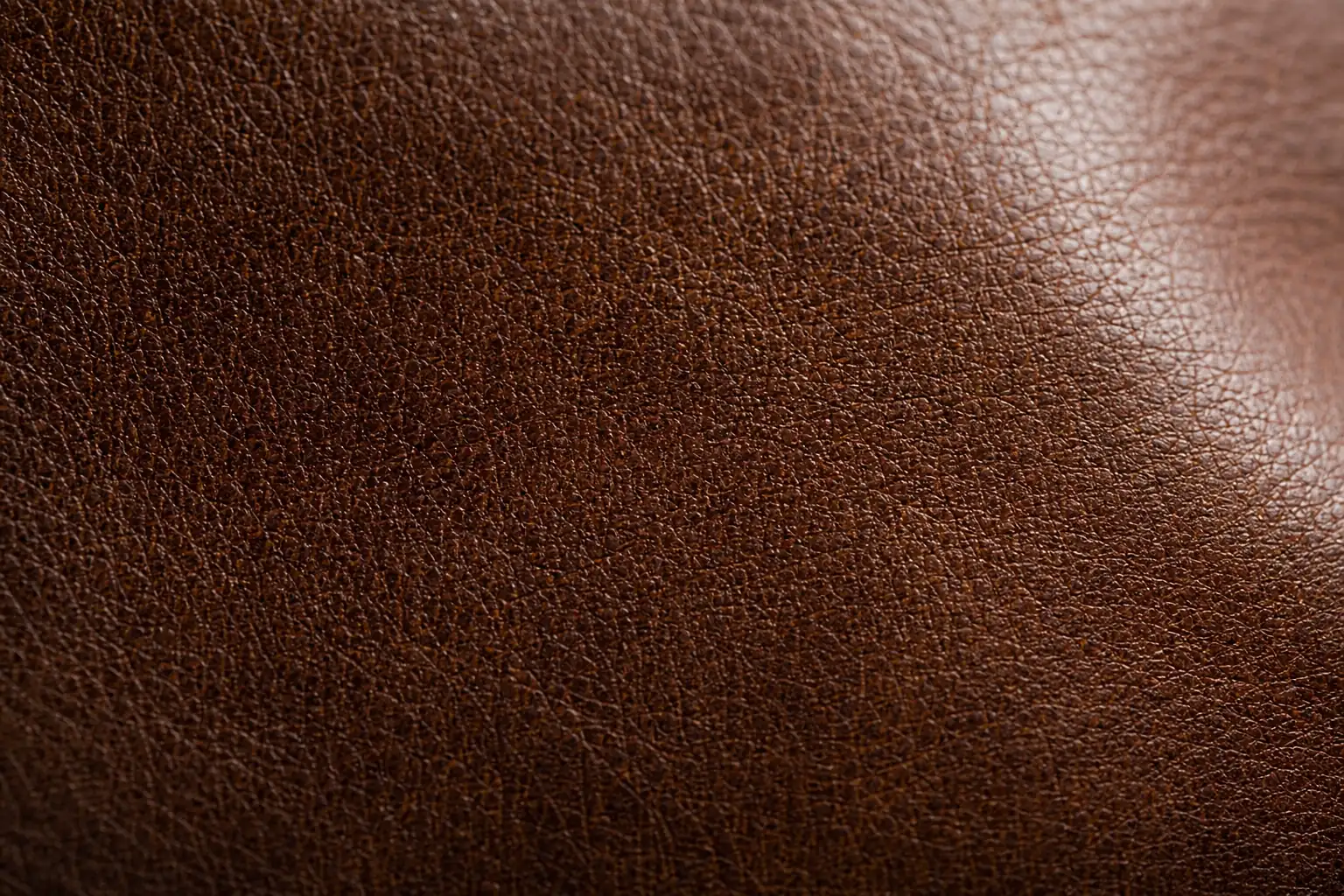
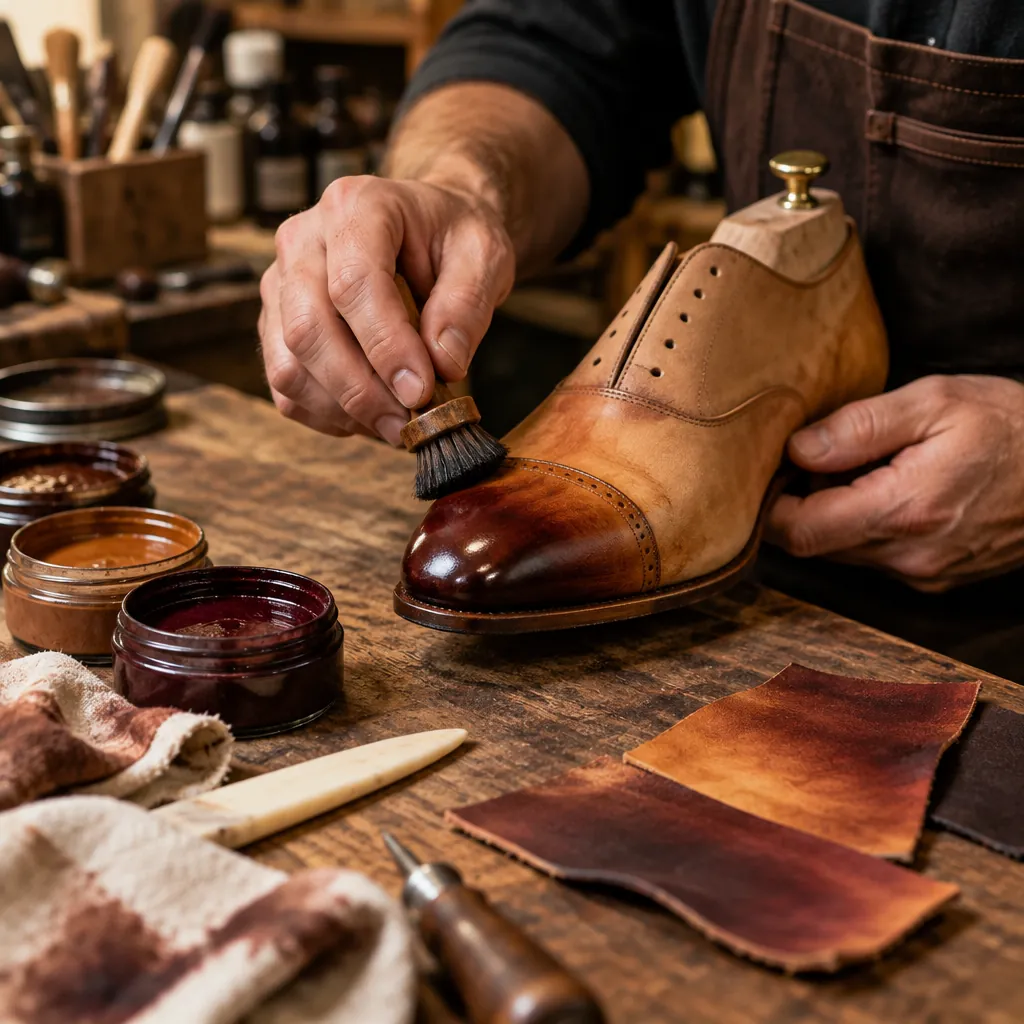
Full-grain leather is the top layer of the hide with the natural grain intact — no sanding, buffing, or surface correction. It’s the highest grade in the leather grading system.
Characteristics
- Natural surface with visible pores and grain variations
- Develops a patina over time (a selling point for premium brands)
- Highest tensile strength and abrasion resistance
- Breathes better than any processed leather grade
- Thickness typically 1.8–2.5mm for shoe uppers
Best Use Cases
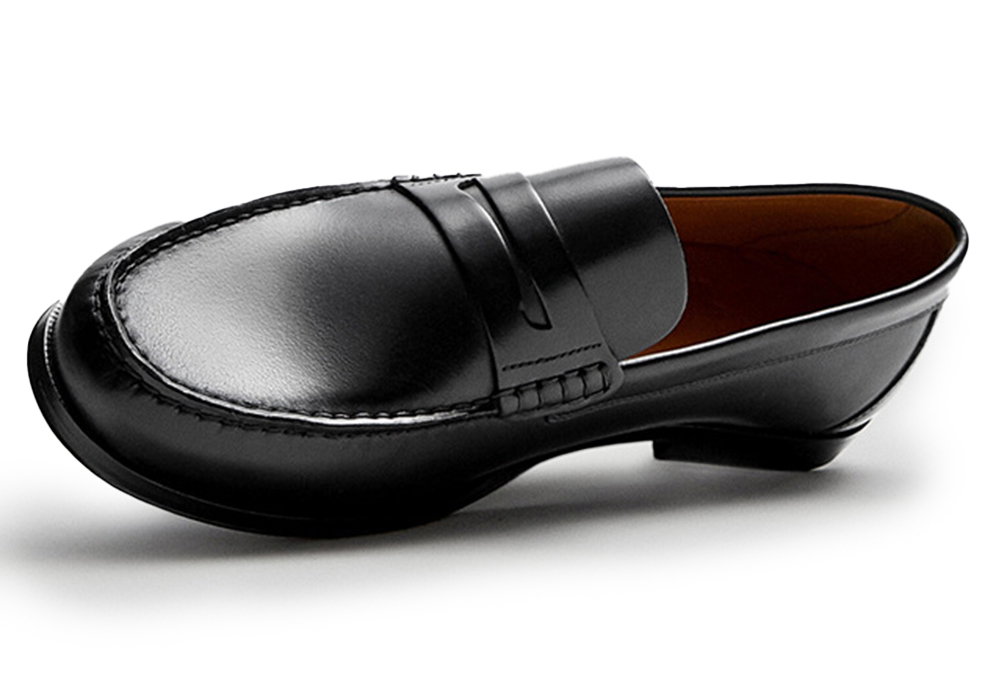
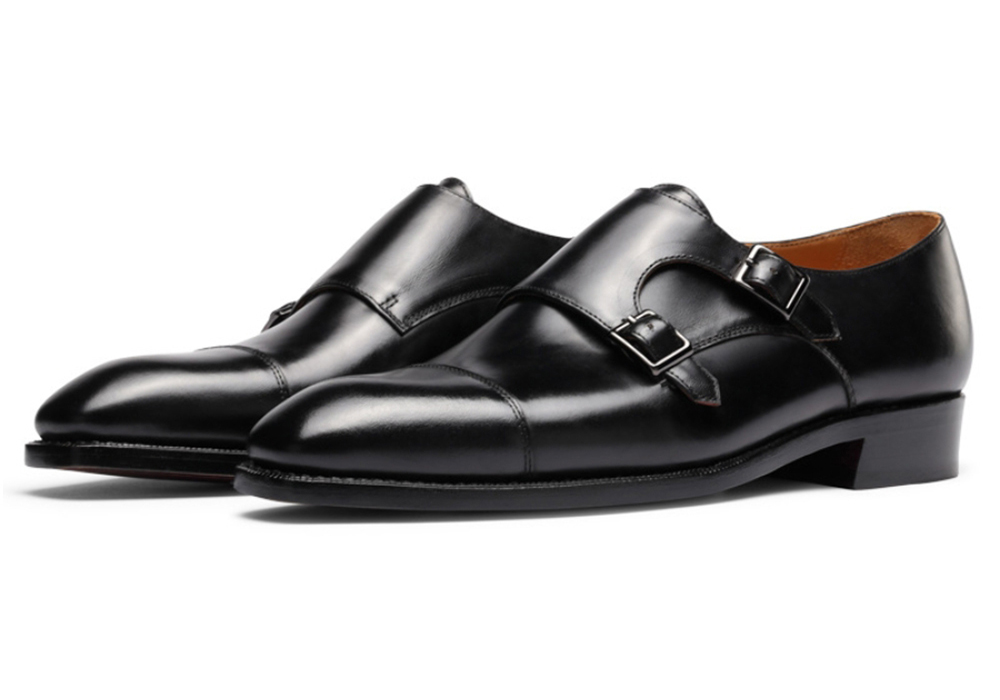
Full-grain is the standard for dress shoes (Oxfords, Derbies, Monk Straps) targeting the $80–200+ retail price point. It’s also the correct spec for Chelsea boots and high-end loafers where longevity is a brand promise.
Pros and Cons
Pros:
- Longest lifespan — shoes can last 10+ years with care
- Premium positioning supports higher retail margins
- Passes EU REACH and most international quality audits easily
- Natural variation is a feature, not a defect, in premium markets
Cons:
- Higher raw material cost ($4–8/sq ft vs $1.50–3 for corrected grades)
- Surface imperfections require careful hide selection — yield rates are lower
- Not appropriate for price-sensitive SKUs under ~$50 retail
Top-Grain Leather
Top-grain leather is the second layer of the hide after the very top surface has been sanded or buffed to remove natural imperfections. A finish coat is then applied.
Characteristics
- Uniform, consistent appearance — easier to work with at scale
- Slightly reduced breathability vs full-grain due to surface coating
- Good durability, though it won’t develop the same patina
- Thickness typically 1.6–2.2mm for shoe uppers
When to Use Top-Grain Over Full-Grain
Top-grain is the right choice when your brand needs visual consistency across large SKU runs. For private label brands launching at mid-market retail ($50–120), top-grain delivers a premium look at a more manageable cost.
It’s also practical for fashion-forward styles where the leather will be embossed, printed, or heavily finished — in those cases, the natural grain of full-grain leather would be obscured anyway.
Pros and Cons
Pros:
- More consistent appearance across batches
- Lower cost than full-grain while still presenting well
- Wide availability from Chinese tanneries
Cons:
- Surface coating can crack over time, especially in dry climates
- Cannot be restored the same way full-grain can
- Some buyers (and end consumers) consider it a compromise grade
Genuine Leather (Corrected Grain)
This is where the leather grading system gets misunderstood — often deliberately. “Genuine leather” sounds premium. It isn’t.
Genuine leather (also called corrected-grain leather) is made from the lower layers of the hide after the top layers have been split off for full-grain and top-grain production. The surface is heavily sanded, embossed with an artificial grain pattern, and coated with polyurethane or similar finishes.
What It Really Means
The Leather Working Group the Leather Working Group grading and most industry standards recognize genuine leather as a legitimate material — but it’s the lowest tier of real leather before you reach synthetic alternatives.
For shoe uppers, genuine leather has real limitations:
- Reduced breathability due to heavy coating
- Prone to peeling and surface delamination after 12–18 months of regular wear
- Absorbs moisture unevenly, which can cause shape distortion
Appropriate Products
Genuine leather is acceptable for shoe linings, insoles, and non-structural components where durability demands are lower. Some budget dress shoe lines use it for uppers at retail price points under $40, but buyers should be transparent with end consumers about material specs.
Using genuine leather for uppers in markets with informed consumers (Germany, UK, Scandinavia) is a brand risk.
Bonded Leather
Bonded leather is not leather in any meaningful sense. It’s a composite material made from leather scraps and fiber dust, bonded together with polyurethane binders and embossed to look like leather.
Why Serious Brands Avoid It
The failure mode of bonded leather is catastrophic and visible — it doesn’t wear gradually, it peels in sheets. For footwear, this typically happens within 6–18 months of regular use.
From a compliance standpoint, bonded leather products sold in the EU must be labeled accurately under EU Textile and Footwear Labeling Regulations https://eur-lex.europa.eu/legal-content/EN/TXT/?uri=CELEX:32011R1007 – BLC Leather Technology Centre. Mislabeling bonded leather as “genuine leather” is a regulatory violation.
Bottom line: No B2B buyer building a real brand should specify bonded leather for shoe uppers. The short-term cost saving is erased by returns, reviews, and brand damage.
Suede and Nubuck
These are specialty finishes rather than separate grades in the leather grading system, but they’re worth understanding for buyers building diverse product lines.
Suede
Suede is made from the underside (flesh side) of the hide — typically lamb, calf, or pig. It has a soft, napped texture. For footwear:
- Best for casual loafers, driving shoes, and fashion-forward styles
- More vulnerable to water and staining than smooth leather
- Requires specific care instructions — important for product packaging and listings
- Thickness typically 1.0–1.5mm; often requires a lining for structure
Nubuck
Nubuck is full-grain leather that has been buffed on the grain side (the outside) to create a velvety surface. It’s more durable than suede because it starts from a higher-quality hide.
- Appropriate for casual dress shoes and boots
- Better water resistance than suede (can be treated)
- Premium positioning similar to full-grain in terms of hide quality
- Thickness 1.8–2.2mm typical for shoe uppers
Both suede and nubuck require careful supplier QC — surface consistency and nap uniformity are harder to control than smooth leathers.
Leather Grade Comparison Table
| Grade | Durability | Breathability | Appearance | Price (Upper/Pair) | Recommended Use |
|---|---|---|---|---|---|
| Full-Grain | ★★★★★ | ★★★★★ | Natural, develops patina | $8–15 | Premium dress shoes, boots |
| Top-Grain | ★★★★☆ | ★★★☆☆ | Uniform, consistent | $5–10 | Mid-market dress & casual |
| Genuine (Corrected) | ★★☆☆☆ | ★★☆☆☆ | Artificial grain | $2–5 | Budget lines, linings |
| Bonded | ★☆☆☆☆ | ★☆☆☆☆ | Embossed composite | $1–2 | Not recommended for uppers |
| Nubuck | ★★★★☆ | ★★★★☆ | Velvety, premium | $7–13 | Casual dress, boots |
| Suede | ★★★☆☆ | ★★★★☆ | Soft, fashion-forward | $4–8 | Casual, fashion styles |
Leather Thickness Guide by Shoe Type
Leather thickness is a separate specification from grade — but the two are related. Higher-grade leathers are typically available in a wider range of thicknesses and hold their thickness more consistently.
| Shoe Type | Recommended Thickness | Notes |
|---|---|---|
| Dress shoes (Oxford, Derby, Monk) | 1.8–2.2mm | Thinner allows cleaner last shaping |
| Casual shoes (Loafer, walking) | 2.0–2.5mm | Extra thickness improves durability |
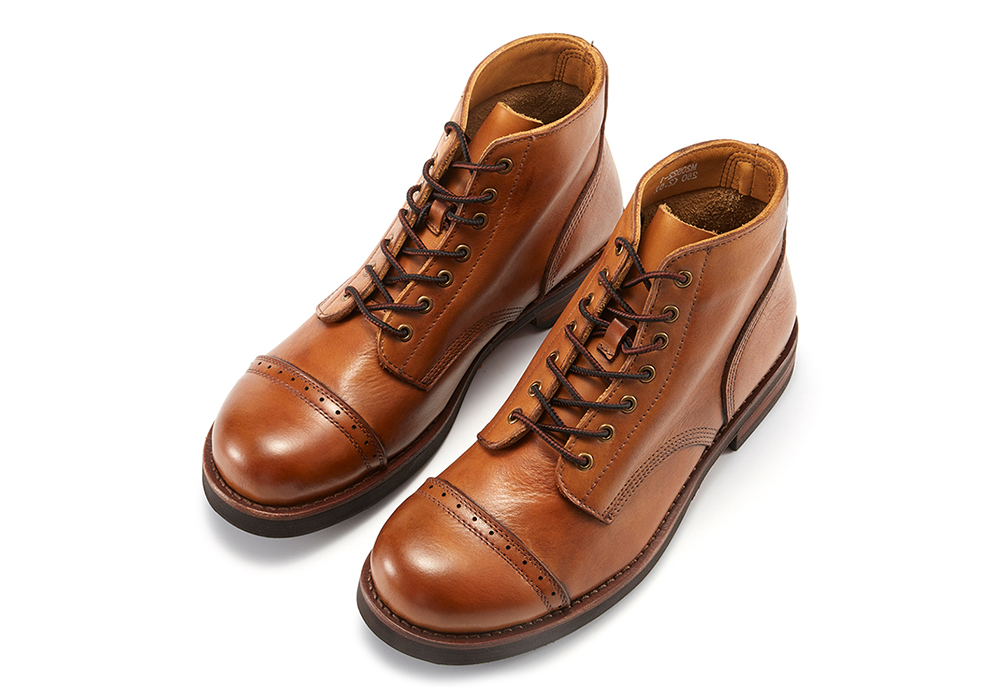
| Chelsea Boots / Ankle Boots | 2.5–3.0mm | Structural integrity for shaft |
| Linings (all types) | 0.8–1.2mm | Breathability priority |
| Insoles | 2.0–3.0mm | Compression resistance required |
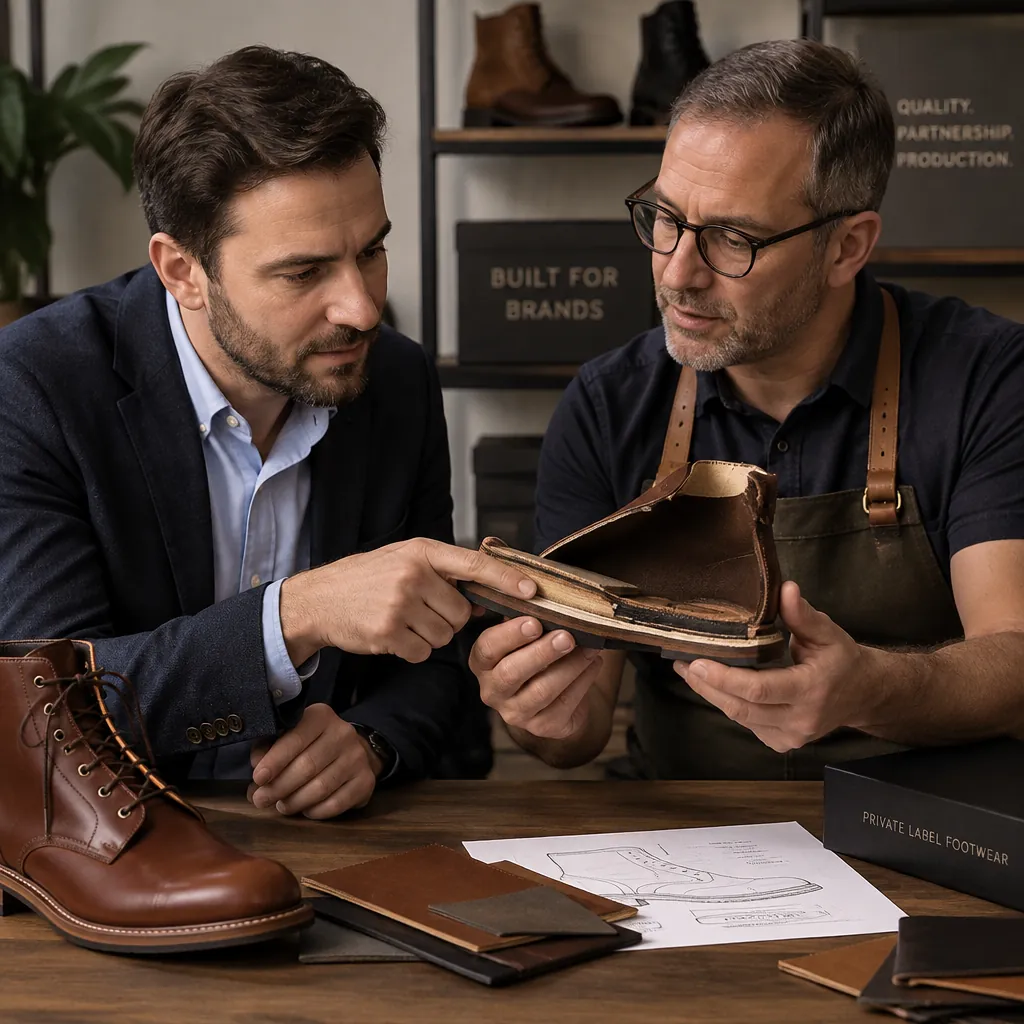
Specifying thickness in your tech pack is non-negotiable. Vague specs like “genuine leather upper” without thickness allow suppliers to use the thinnest, cheapest hide available within that grade.
Always request a material data sheet from your supplier confirming both grade and thickness. This is standard practice for any factory producing to CE (EN ISO20347) or REACH-compliant specifications.
Buyer Decision Checklist
Use this checklist when specifying leather for a new shoe order:
Grade Selection
- Defined target retail price point and worked backwards to leather budget
- Confirmed grade aligns with durability claims in product marketing
- Verified grade is appropriate for target market (EU buyers are grade-sensitive)
- Rejected bonded leather for any upper application
Thickness Specification
- Specified thickness in mm in tech pack (not just “leather upper”)
- Matched thickness to shoe type using the guide above
- Requested material data sheet from supplier
Compliance
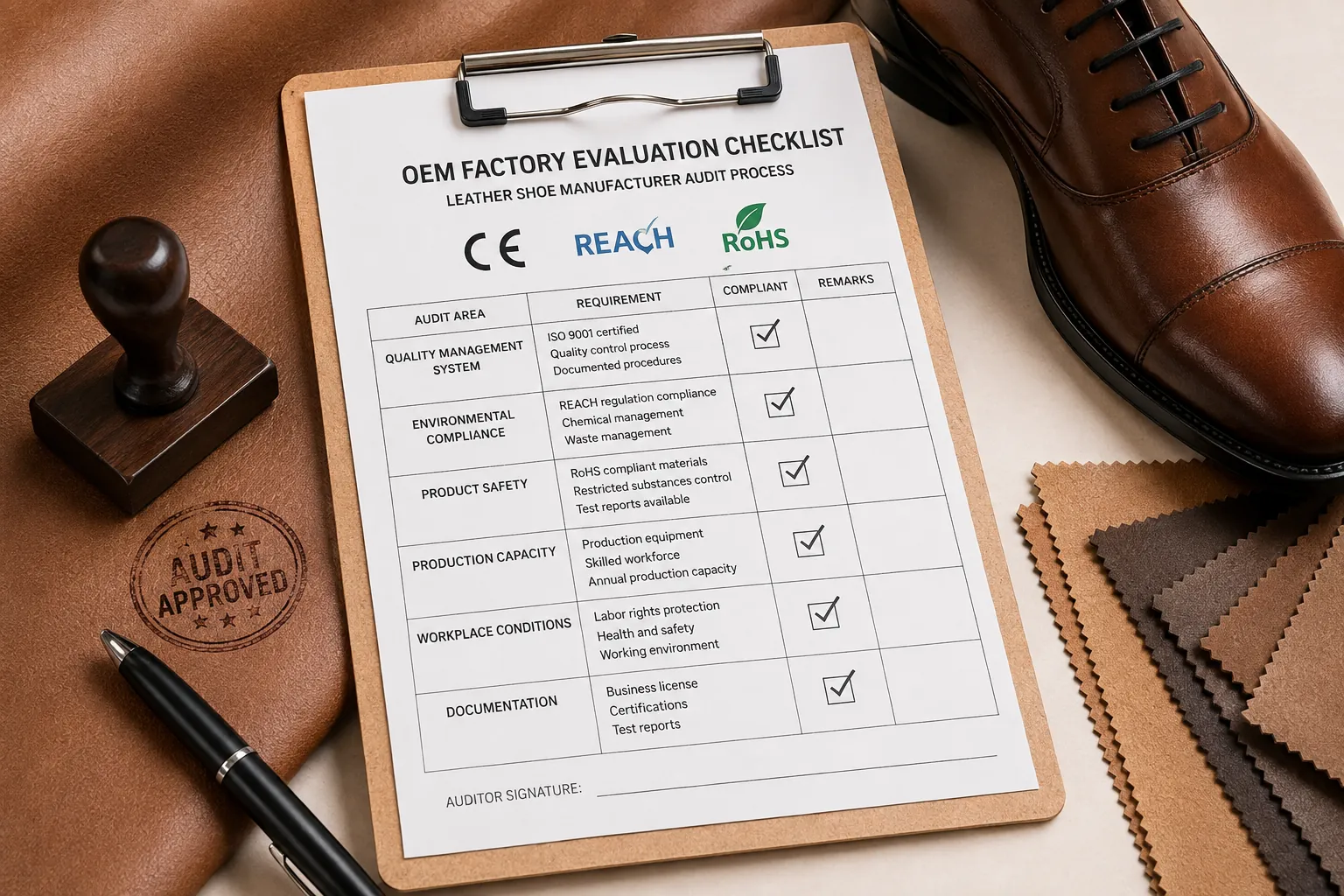
- Confirmed REACH compliance for chemical treatments (required for EU)
- Verified labeling accuracy (especially if using genuine or corrected grain)
- Requested tannery certification or Leather Working Group audit status
Supplier Verification
- Requested physical leather samples before bulk order
- Specified AQL inspection criteria for leather surface defects
- Confirmed supplier can maintain grade consistency across reorders
For deeper guidance on supplier verification, see our red flags checklist for sourcing leather shoes from China What Does OEM Mean in Shoes.
Related Resources
If you’re building a product line from scratch, our private label shoe brand launch guide Shoe Manufacturer Guide covers how leather grade fits into your overall cost and positioning strategy.
For understanding how shoe construction interacts with leather grade, see our complete shoe construction comparison Shoe Manufacturer Guide.
Buyers sourcing Oxford or Derby styles specifically can reference our complete guide to leather Oxford shoes for wholesale buyers Shoe Manufacturer Guide.
FAQ
Q: What is the leather grading system and who sets the standards?
A: The leather grading system is an industry classification that ranks leather by the layer of the hide it comes from and the degree of processing applied. There is no single global standard body, but the Leather Working Group, ISO standards, and regional trade regulations (EU footwear labeling) provide widely accepted frameworks. Full-grain is the highest grade; bonded is the lowest.
Q: Can I mix leather grades within a single shoe?
A: Yes, and it’s common practice. Many mid-market shoes use full-grain or top-grain for the vamp (front upper) and genuine leather for the quarter (rear upper) or lining. This reduces cost while maintaining the appearance of premium leather where it’s most visible. Always specify grade by component in your tech pack.
Q: How do I verify a supplier’s leather grade claims?
A: Request a physical sample and a material data sheet from the tannery. Look for tannery certifications (Leather Working Group audit status is a strong signal). You can also send samples to a third-party lab for fiber analysis — this will confirm whether a material is full-grain, split leather, or bonded composite.
Q: Does leather grade affect CE certification for footwear?
A: CE marking under EN ISO20347 focuses on occupational footwear performance (slip resistance, toe protection, etc.) rather than leather grade per se. However, REACH compliance — which restricts hazardous chemicals in materials — applies to chemical treatments used in lower-grade leathers. If you’re selling into the EU, confirm REACH compliance regardless of grade.
Q: What leather grade is standard for shoes at the $25–40 FOB price range?
A: At that price range, top-grain leather is the most common upper material for dress styles, with full-grain available at the higher end of the range for simpler designs. Casual styles and loafers in this range often use top-grain or high-quality corrected grain. Bonded leather should not appear at any price point in a serious product line.
Ready to Start Your Shoe Line?
Specifying the right leather grade is the foundation of a successful shoe product line. If you’re ready to move from research to production, our team at Wincheer Shoes can help you match leather grade to your target price point, retail market, and brand positioning — with MOQ of 0 on existing designs and 60 pairs for custom development.