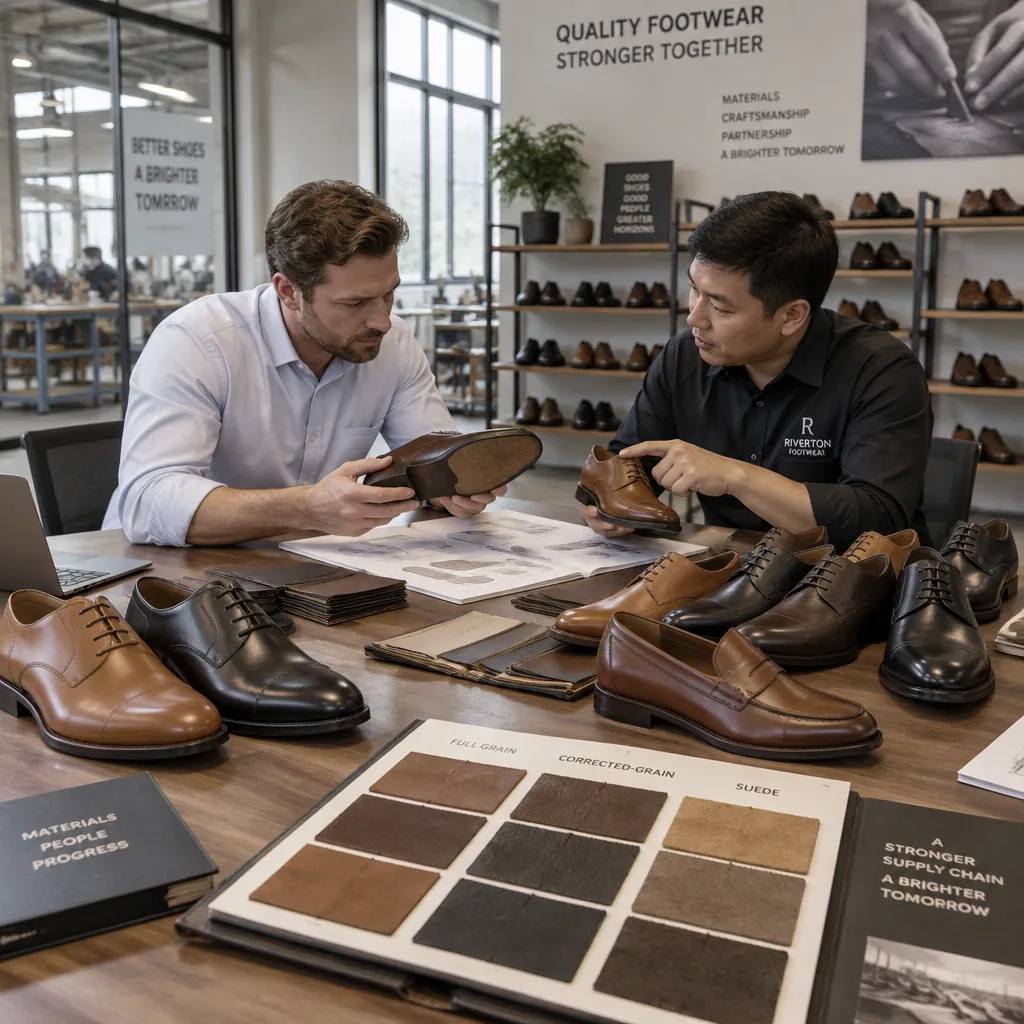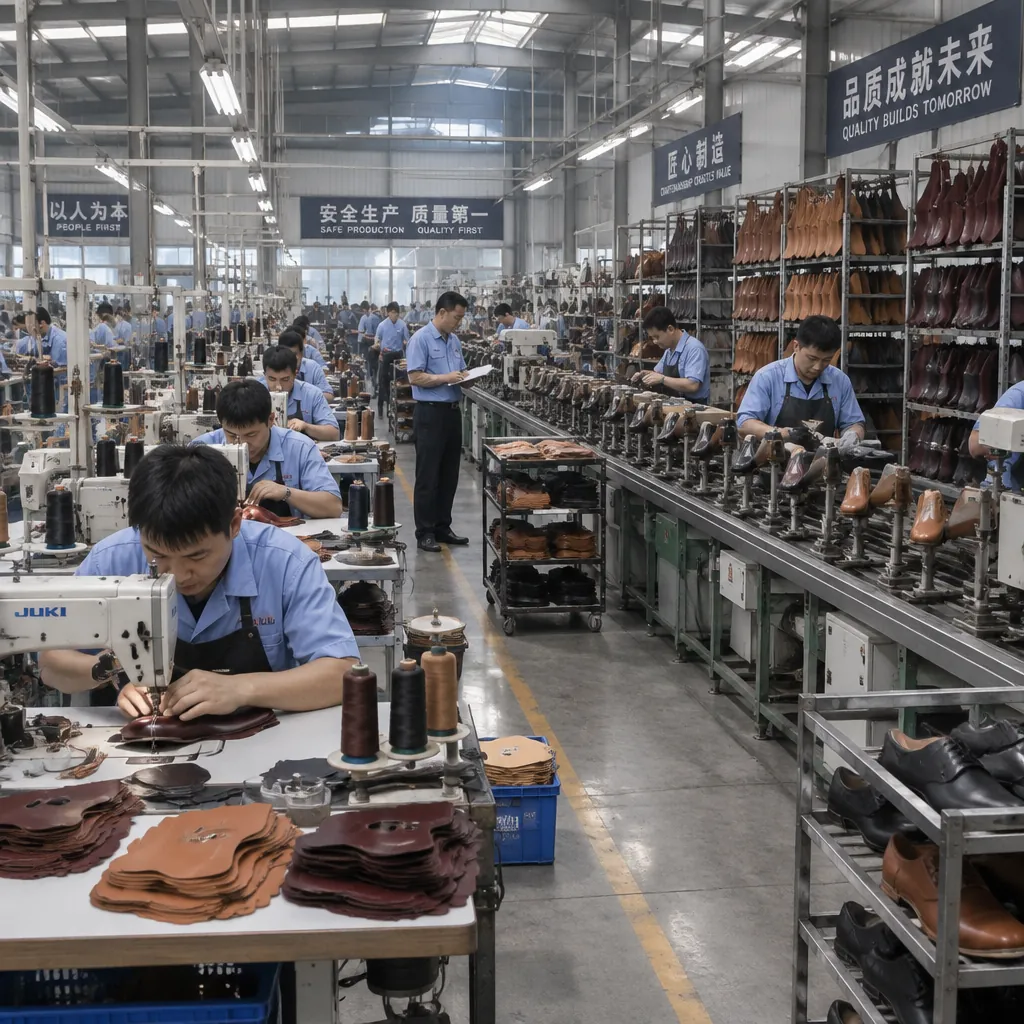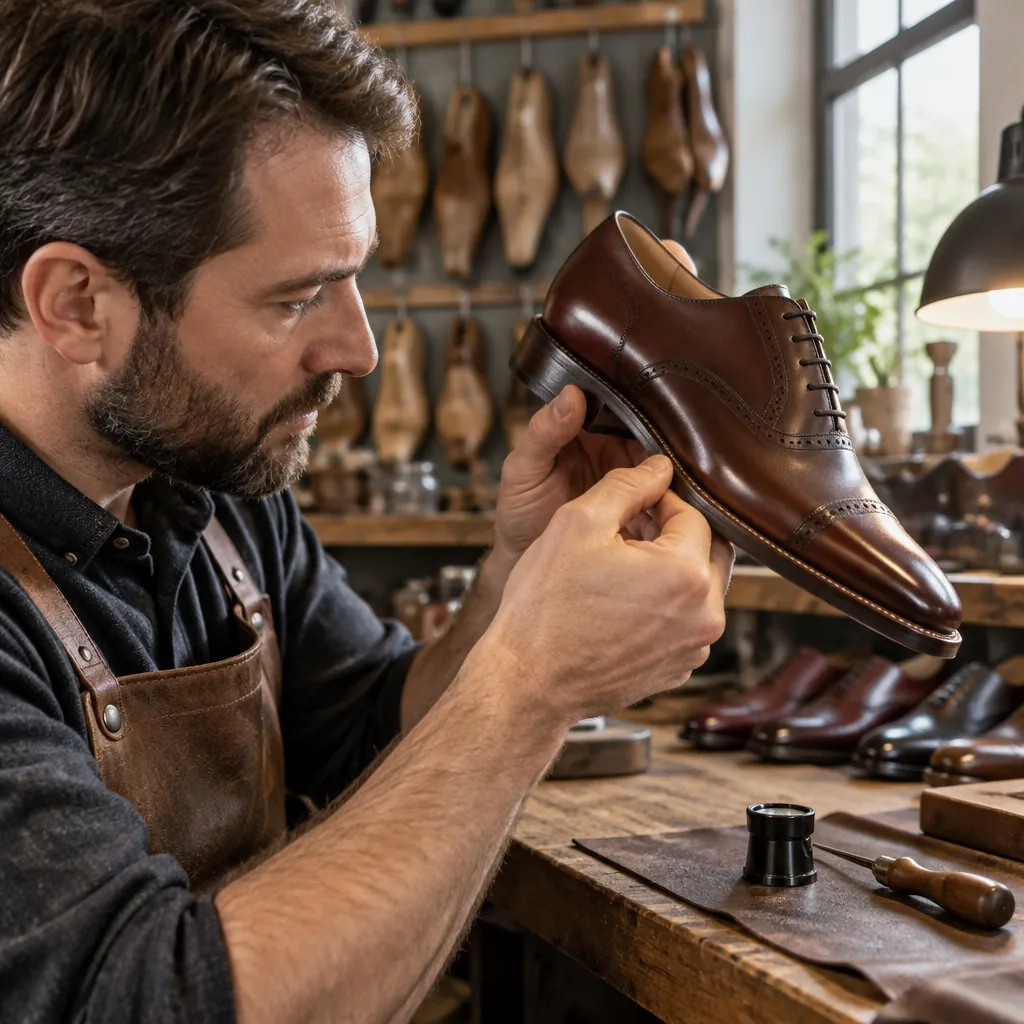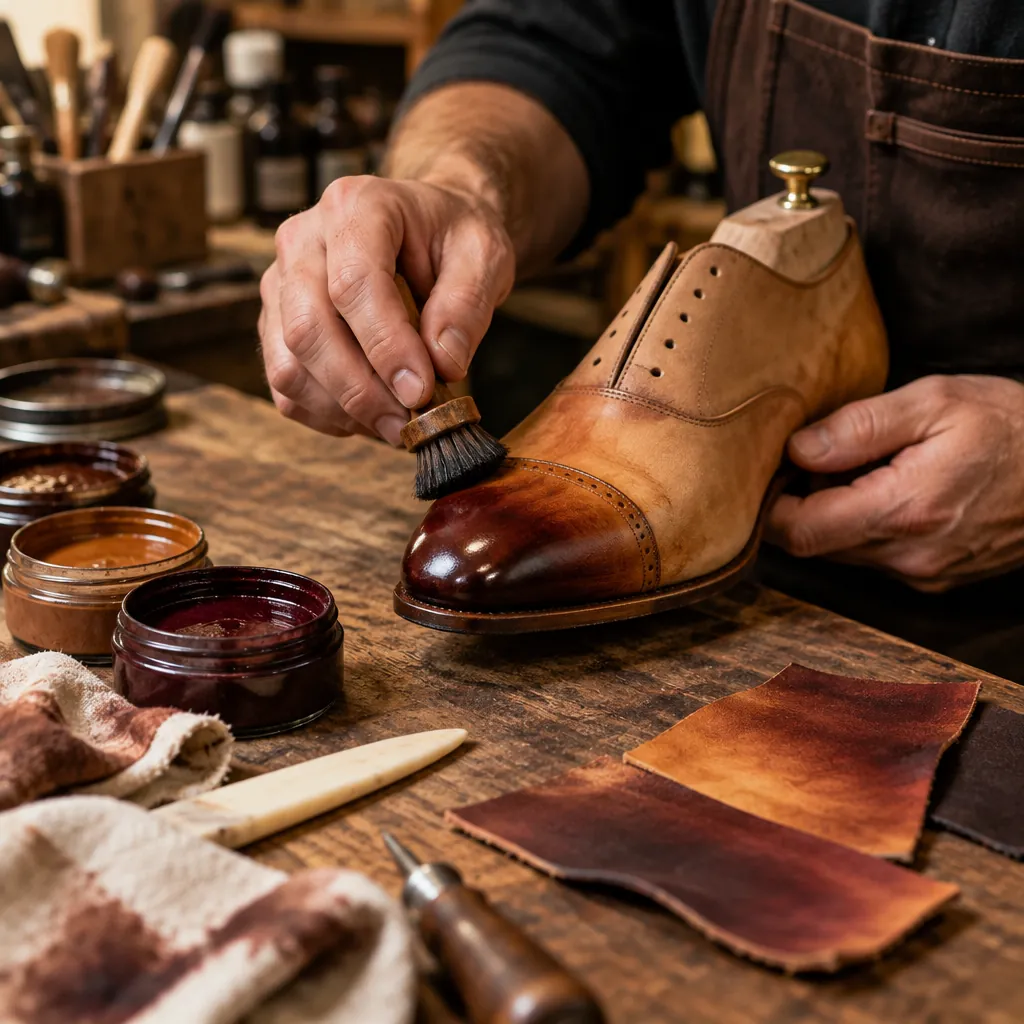

Custom dress shoes are not just a product — they are a brand statement. Whether you’re launching a private label line, stocking a retail chain, or building a wholesale catalog, understanding how bespoke footwear sourcing actually works will save you money, prevent costly mistakes, and get your first shipment right.
This guide covers everything B2B buyers need to know: styles, materials, pricing, MOQs, certifications, and quality control — all from a manufacturing floor perspective.
Custom Dress Shoes Everything You Need To Know About Orderi: Table of Contents
- What Are Custom Dress Shoes — and Why They Matter for B2B Buyers
- Custom Dress Shoe Styles: Which One Is Right for Your Market
- How Custom Dress Shoes Are Priced: A Factory-Level Breakdown
- MOQ, Lead Times, and Order Structure
- Materials, Construction, and Certifications
- Quality Control: What a 0.8–1.2% Defect Rate Actually Means
- Your Custom Dress Shoe Ordering Checklist
- FAQ
What Are Custom Dress Shoes — and Why They Matter for B2B Buyers
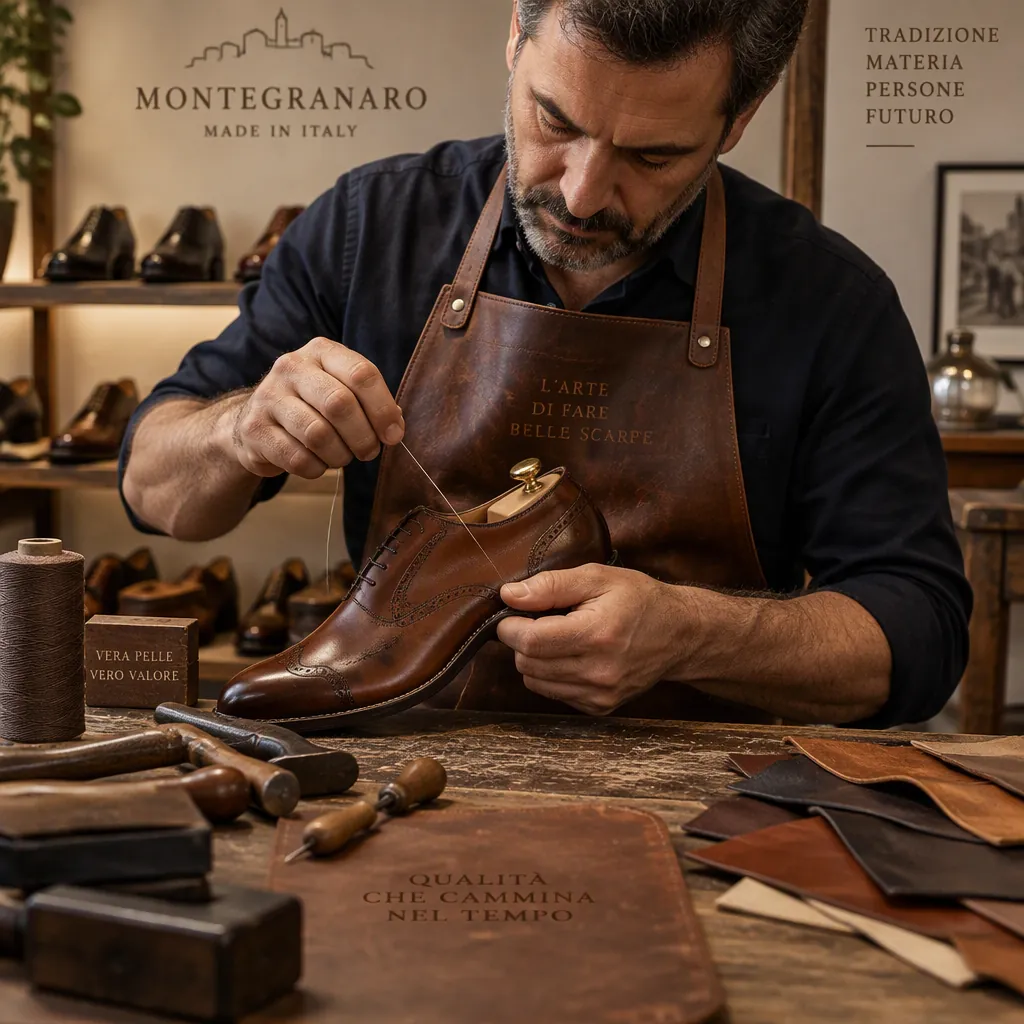
Custom dress shoes refer to footwear manufactured to a buyer’s specific design, branding, or construction requirements — as opposed to off-the-shelf wholesale stock. For B2B buyers, this means control over leather grade, sole type, color, last shape, lining, and logo placement.
The market for bespoke and private-label dress footwear has grown significantly. Cross-border e-commerce sellers in particular are moving away from generic catalog products toward differentiated SKUs that carry their own brand identity.
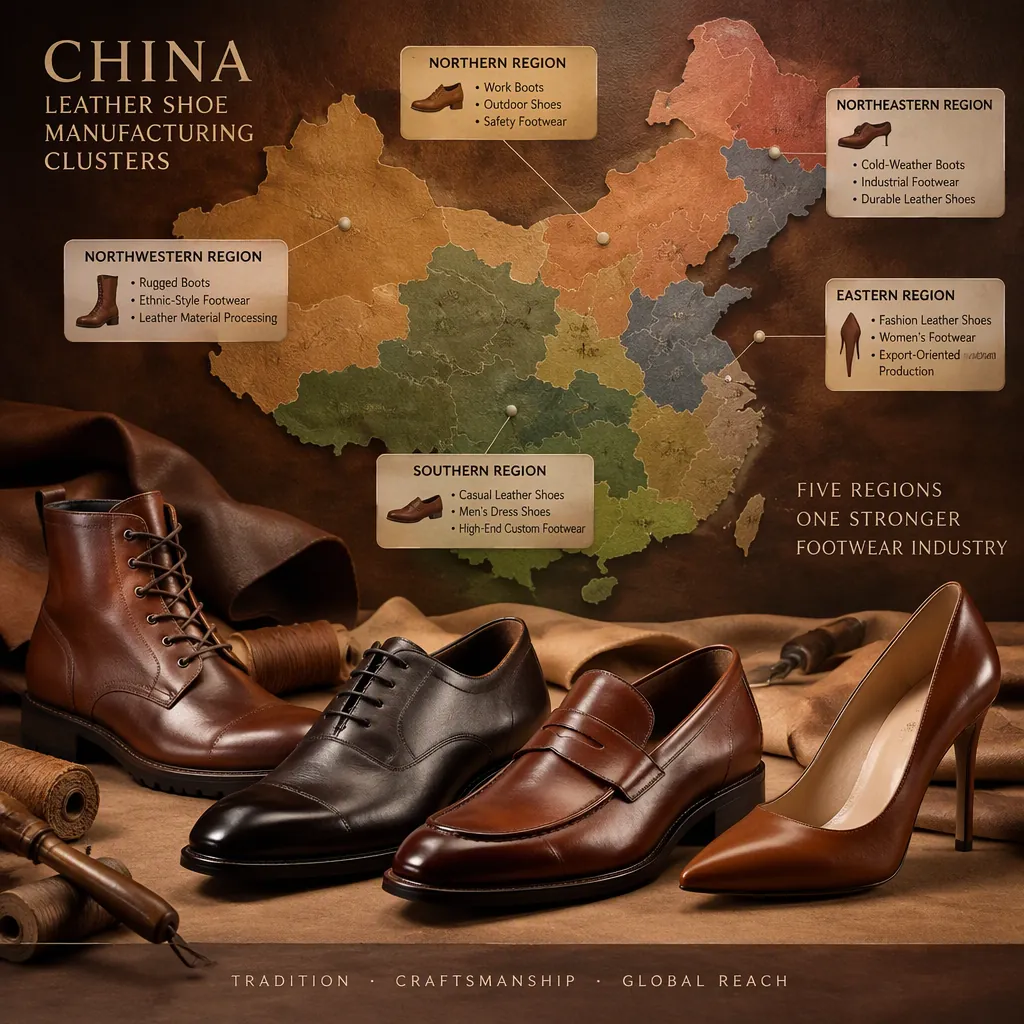
At Wincheer Shoes — a manufacturer located in Jiangmen, Guangdong (1.5 hours from Guangzhou), founded in 2007 with an annual output exceeding 500,000 pairs — custom orders start at just 60 pairs per style, with pricing ranging from $25 to $40 per pair depending on materials and construction. That entry point makes custom dress shoes accessible even for early-stage brands, not just large retailers.
Understanding the full ordering process — from style selection to final inspection — is what separates buyers who scale from those who get stuck in sampling loops.
Custom Dress Shoe Styles: Which One Is Right for Your Market
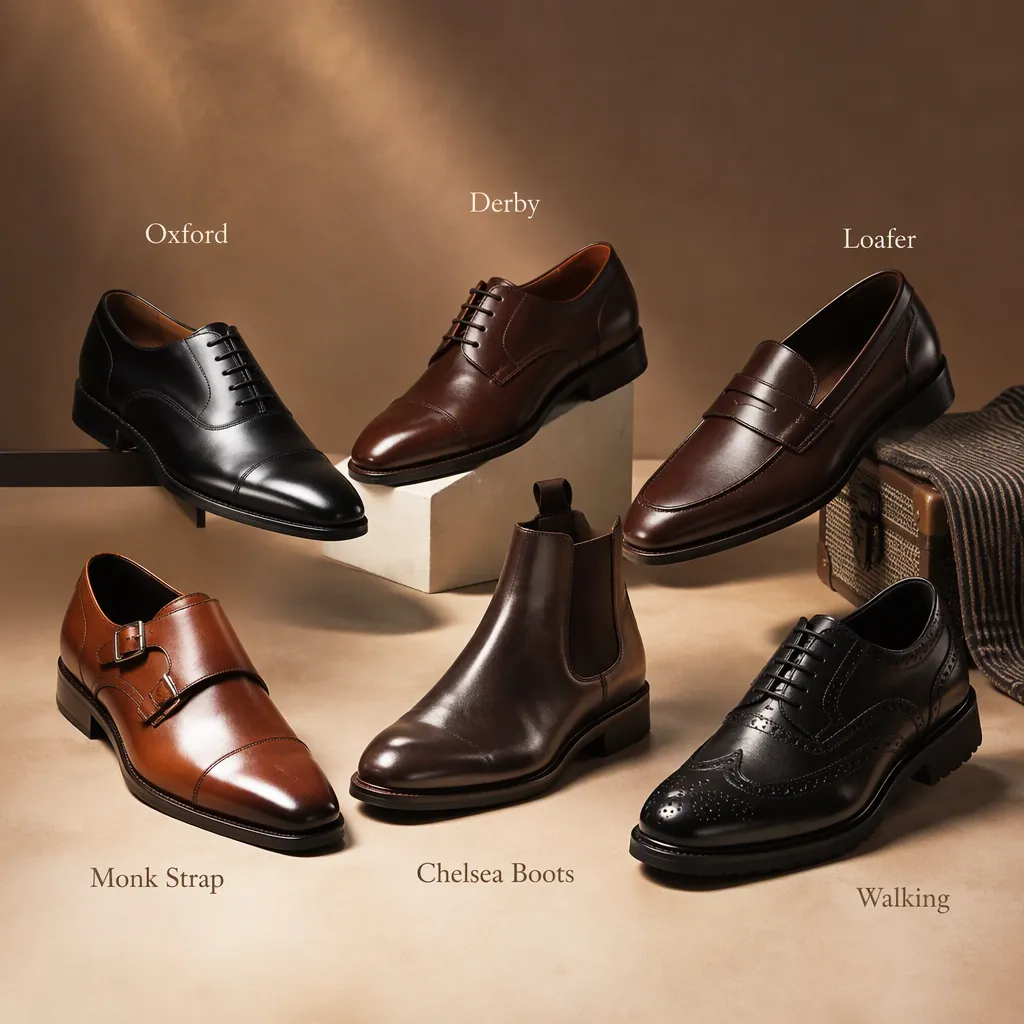
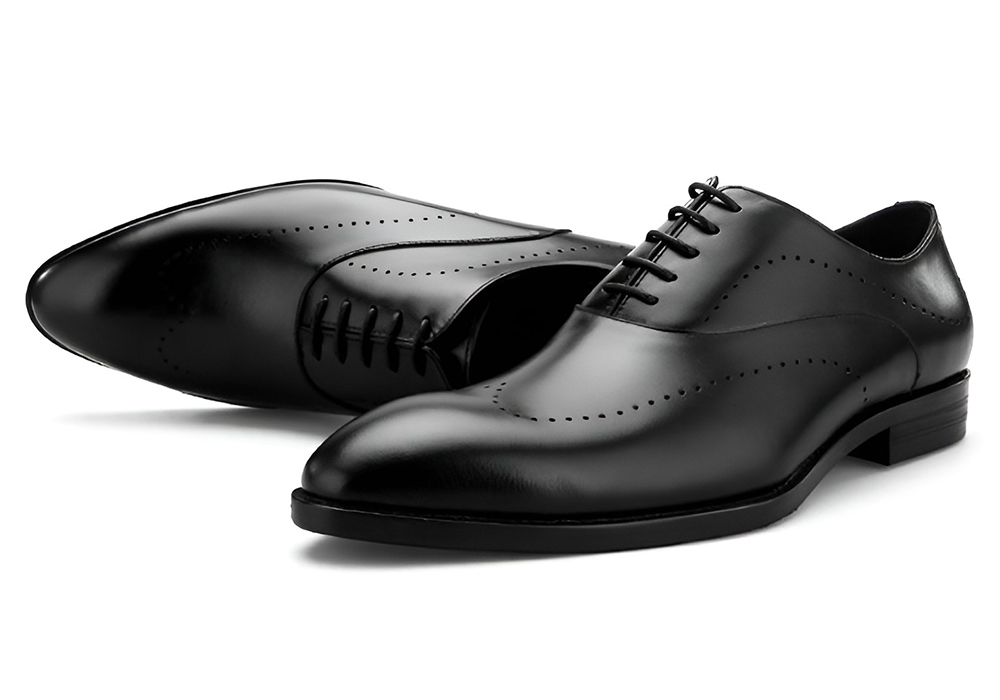
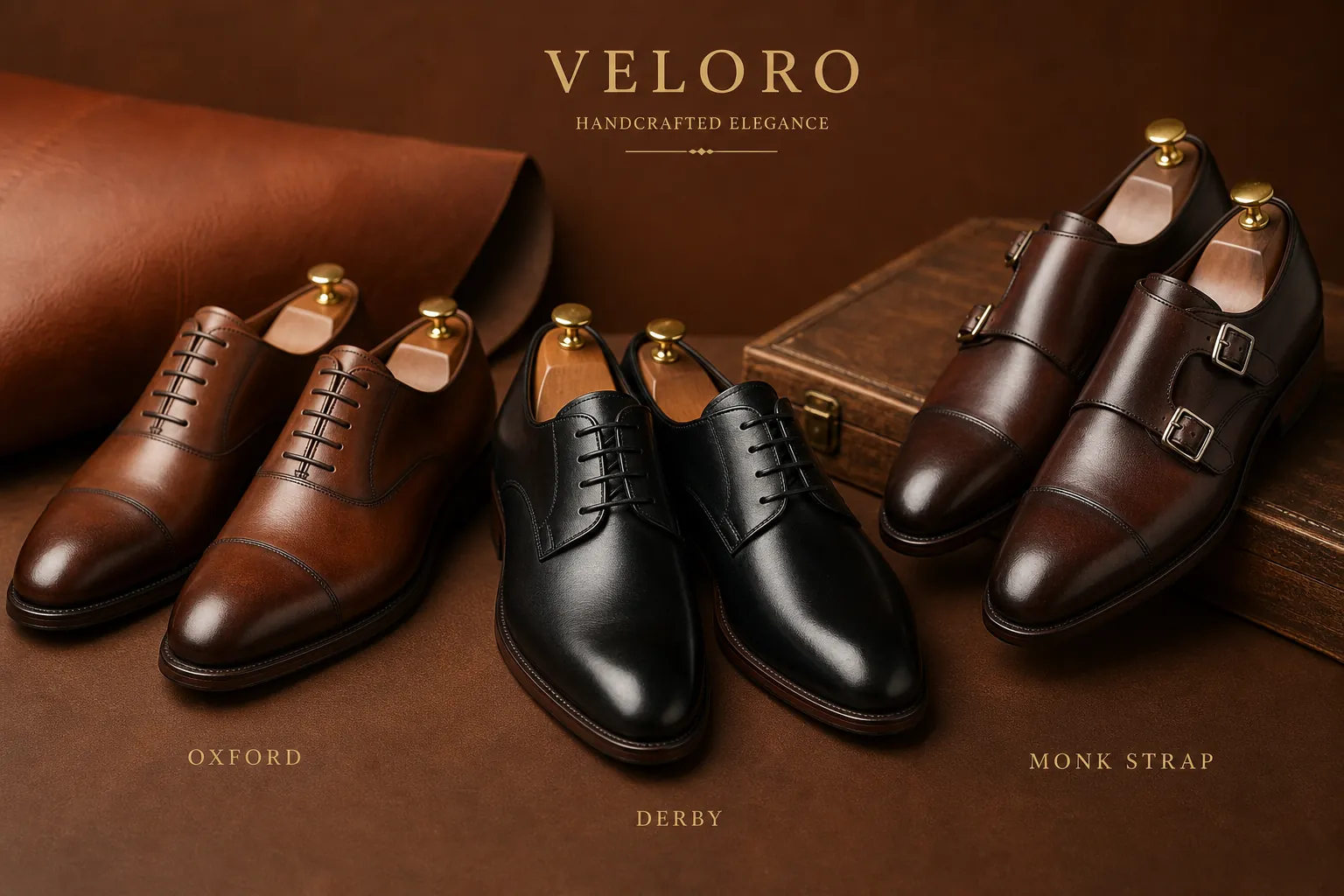
Oxford Shoes
The Oxford is the most formal option in men’s dress footwear. It features a closed lacing system where the eyelets are stitched under the vamp, creating a clean, streamlined silhouette.
Oxfords sell well in European, North American, and East Asian markets — particularly for corporate gifting, uniform programs, and premium retail. Cap-toe and plain-toe variants are the most commercially reliable.
Explore our full range of Men’s Oxford Shoes What Does OEM Mean in Shoes for reference designs.
Derby Shoes
The Derby uses an open lacing system, making it slightly more casual and easier to fit across a wider range of foot widths. This makes it a practical choice for volume orders where size consistency across a customer base matters.
Derbies are the top-selling style for B2B buyers targeting everyday office wear and smart-casual retail segments. They’re also easier to customize at the toe box and upper without affecting the structural integrity of the shoe.
Browse available Men’s Derby Shoes What Does OEM Mean in Shoes to see construction options.
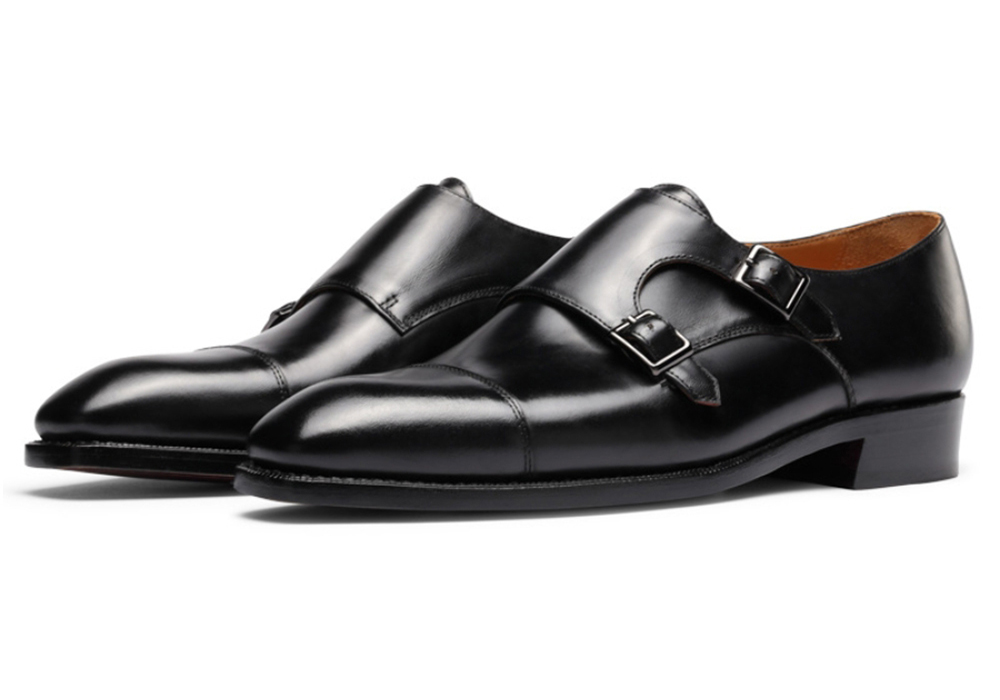
Monk Strap Shoes
Monk straps — single or double — occupy a strong niche in fashion-forward markets. They require no laces, which appeals to consumers who want a distinctive look with minimal maintenance.
Double monk straps in particular have seen consistent demand from buyers in the Middle East, Southern Europe, and premium menswear boutiques globally.
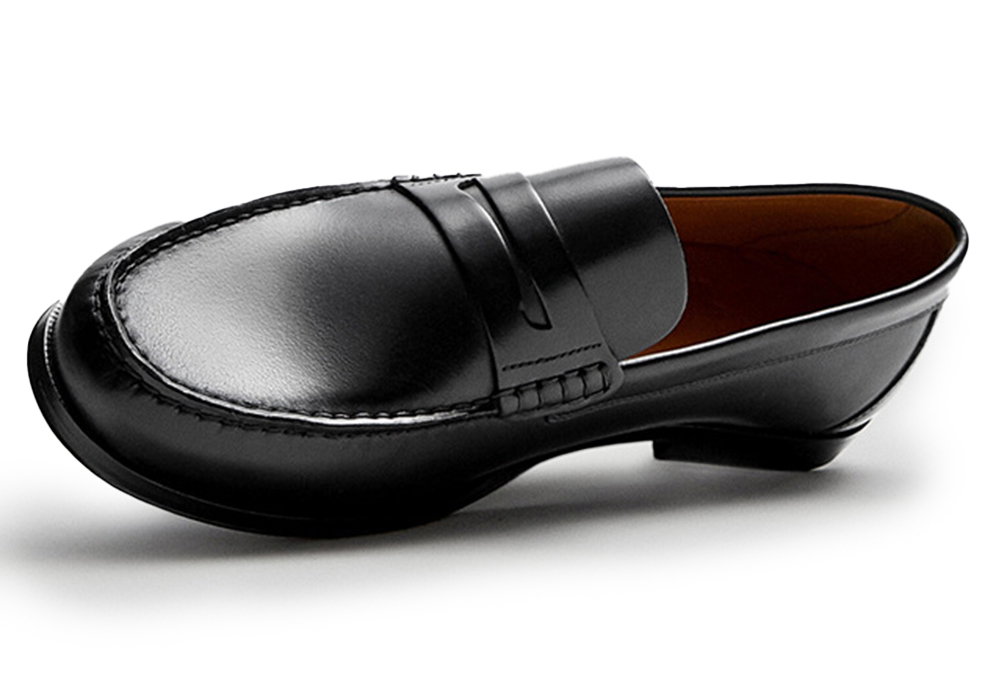
Loafers
Loafers cover a wide spectrum from business-casual to resort wear. Penny loafers, tassel loafers, and horsebit styles each serve different price points and demographics.
For private label brands targeting the casual luxury segment, loafers offer strong margin potential because the perceived value-to-cost ratio is favorable.
Chelsea Boots and Casual Walking Shoes
Chelsea boots round out a complete men’s footwear line. They’re particularly strong in autumn/winter collections and in markets with variable weather (UK, Northern Europe, Canada).
Casual leather walking shoes bridge the gap between dress and sport, appealing to buyers who want versatility in their SKU mix.
How Custom Dress Shoes Are Priced: A Factory-Level Breakdown
The $25–$40 Price Range Explained
Factory-direct pricing for custom dress shoes typically falls between $25 and $40 per pair at the FOB stage. That range reflects significant variation in:
- Upper leather grade — full-grain vs. corrected-grain vs. genuine leather
- Sole construction — Blake stitch, Goodyear welt, cemented, or injection-molded
- Lining material — leather lining vs. synthetic breathable lining
- Hardware and detailing — buckles, broguing, medallion toe caps
- Customization depth — branded insoles, custom outsole logos, special packaging
| Cost Factor | Budget Tier ($25–$28) | Mid Tier ($29–$34) | Premium Tier ($35–$40) |
|---|---|---|---|
| Upper Leather | Genuine/corrected grain | Full-grain cowhide | Full-grain + hand-finishing |
| Sole Construction | Cemented | Blake stitch | Goodyear welt |
| Lining | Synthetic | Leather-trimmed | Full leather lining |
| Customization | Basic logo insole | Custom outsole + insole | Full OEM branding package |
| Typical MOQ | 60 pairs | 60–120 pairs | 120+ pairs |
For a deeper breakdown of Incoterms and how FOB pricing affects your landed cost, see our FOB Shoe Pricing Guide Shoe Manufacturer Guide.
Hidden Costs Buyers Often Miss
Sampling fees, tooling charges for custom lasts, and color matching tests are costs that don’t appear in the per-pair price. Most factories charge $150–$400 per sample pair, which is often credited back against your bulk order.
Custom last development — if you want a proprietary fit — adds $300–$800 and 3–6 weeks to your timeline. For most B2B buyers starting out, using the factory’s existing last library is the smarter move.
MOQ, Lead Times, and Order Structure
MOQ: Zero or 60 Pairs
One of the most common questions from new buyers is: what’s the minimum order quantity?
For existing catalog designs, the MOQ is 0 — meaning you can order a single pair for sampling or photography. For custom designs with your own branding, colorway, or construction changes, the MOQ is 60 pairs per style.
This structure is designed to reduce the risk for brands testing new markets or launching their first SKU.
Lead Times by Order Type
| Order Type | Typical Lead Time |
|---|---|
| Existing design, stock colors | 7–15 days |
| Existing design, custom branding | 20–30 days |
| New custom design (existing last) | 35–45 days |
| Fully custom (new last + design) | 60–90 days |
Plan your inventory calendar around these windows, especially if you’re importing to the US or EU where port clearance can add 10–20 days.
Size Run Planning
A standard size run for men’s dress shoes covers EU 39–46 (US 6.5–12). Buyers often underestimate how size distribution affects sell-through rates. In most Western markets, sizes EU 42–44 account for roughly 60% of volume.
Order your size ratio accordingly — don’t spread units evenly across all sizes.
Materials, Construction, and Certifications
Leather Grades for Custom Dress Shoes
Understanding leather grades is non-negotiable when specifying custom dress shoes. The four main grades used in commercial production are:
- Full-grain leather — the top layer of the hide, most durable, develops patina over time
- Top-grain leather — sanded and corrected, more uniform appearance, slightly less durable
- Genuine leather — lower layers, more affordable, suitable for budget-tier products
- Bonded leather — reconstituted scraps, not recommended for dress shoes
For a detailed comparison of tanning methods that affect leather performance, see our guide on Vegetable Tanned vs Chrome Tanned Leather What Does OEM Mean in Shoes.
Construction Methods
The three primary construction methods for dress shoes each have different implications for durability, repairability, and price:
- Goodyear Welt — most durable, resoleable, preferred for premium positioning
- Blake Stitch — slimmer profile, lighter weight, good for fashion-forward styles
- Cemented (Glued) — lowest cost, not resoleable, suitable for fashion/seasonal SKUs
For a complete technical breakdown, our Complete Shoe Construction Comparison Shoe Manufacturer Guide covers every major method with buyer-relevant detail.
Certifications That Matter for Export
If you’re selling into the EU, certifications are not optional. The key standards for men’s leather dress shoes are:
- CE marking (EN ISO 20347) — required for occupational footwear sold in the EU
- REACH compliance — restricts hazardous chemical substances in materials
- RoHS compliance — relevant for any electronic components (e.g., light-up soles)
The EN ISO 20347 standard https://www.iso.org/standard/70694.html – SATRA Footwear Technology defines the minimum safety requirements for occupational footwear, including slip resistance, toe protection, and material safety.
Buyers sourcing for the EU market should always request test reports alongside the product specification sheet.
Quality Control: What a 0.8–1.2% Defect Rate Actually Means
Industry Benchmarks
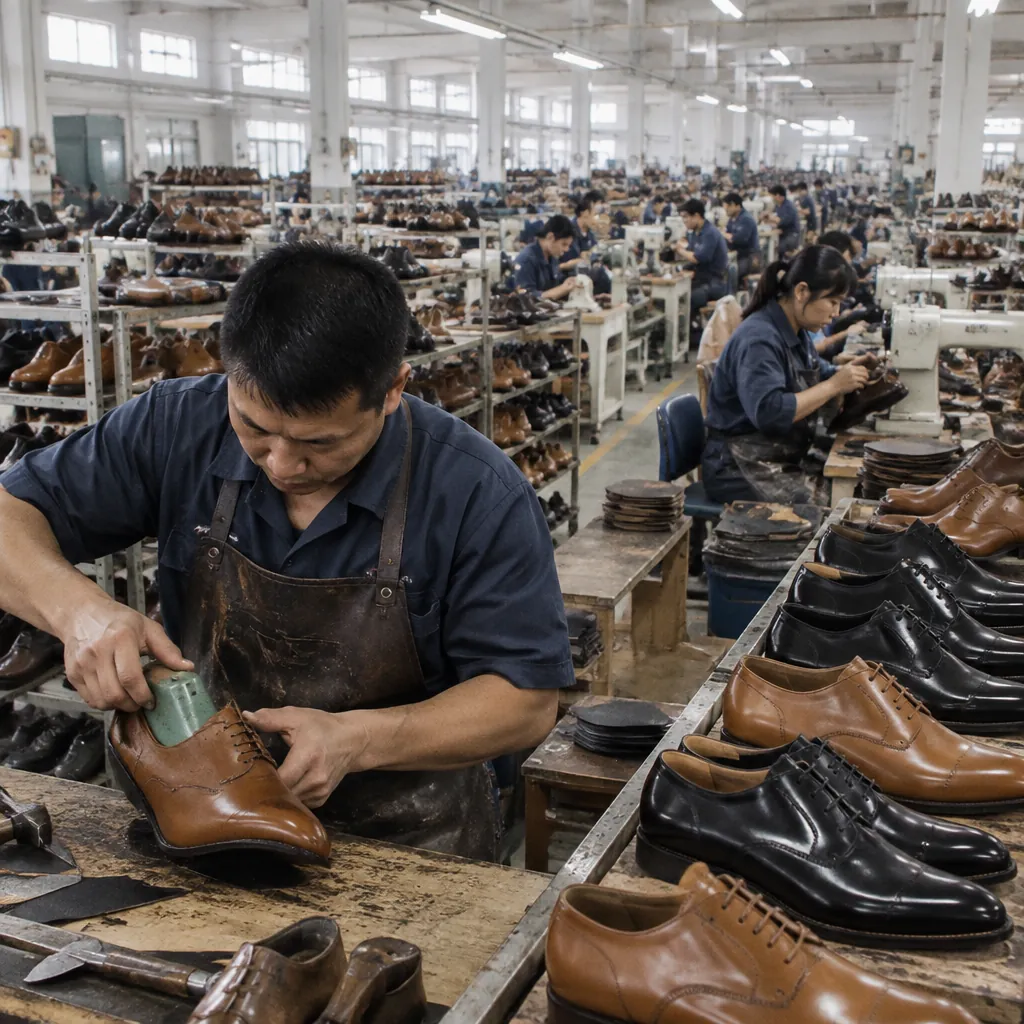
The footwear industry average defect rate runs between 2% and 4% across most factories. A well-managed production line with proper AQL inspection protocols can bring that down to 0.8–1.2% — a meaningful difference when you’re ordering thousands of pairs.
At that defect rate, a 1,000-pair order produces 8–12 defective units rather than 20–40. That’s the difference between a manageable return rate and a customer service crisis.
What to Inspect
A proper AQL inspection for custom dress shoes should cover:
- Upper stitching — even tension, no skipped stitches, no thread ends
- Lasting quality — no wrinkles, even pull across the toe box
- Sole adhesion — peel test, no delamination at the welt or edge
- Color consistency — compare against approved sample under standard lighting
- Hardware — buckles, eyelets, and zippers tested for function and finish
- Insole and lining — no glue bleed-through, lining flat and secure
For a structured approach to factory inspections, our AQL Inspection Footwear Guide Leather Footwear Quality Standards walks through the top 5 quality control checkpoints used by professional sourcing agents.
Your Custom Dress Shoe Ordering Checklist
Use this framework before placing any custom dress shoe order:
Phase 1: Product Definition
- Confirm target retail price and work backward to acceptable FOB cost
- Select style (Oxford, Derby, Loafer, Monk Strap, Chelsea Boot)
- Choose leather grade and tanning method
- Specify sole construction (Goodyear, Blake, cemented)
- Define color palette and finish (matte, semi-gloss, burnished)
Phase 2: Branding and Customization
- Provide logo files in vector format (AI or EPS)
- Specify insole branding (embossed, printed, or stamped)
- Confirm outsole logo requirements
- Define packaging: plain box, branded box, tissue, hang tag
Phase 3: Sampling and Approval
- Request pre-production sample (PPS) before bulk order
- Check fit on physical last or request video of lasting process
- Approve color against Pantone reference or physical swatch
- Sign off on construction and hardware before production begins
Phase 4: Production and Shipping
- Confirm size ratio and total unit count by SKU
- Agree on inspection protocol (in-house, third-party, or both)
- Confirm Incoterms (FOB, CIF, EXW) and port of loading
- Request packing list and commercial invoice templates early
- Verify certifications (CE, REACH) are included in shipment documents
FAQ
Q: What is the minimum order quantity for custom dress shoes from a China factory?
A: MOQ varies by factory and order type. For existing catalog designs, many factories offer zero MOQ for sampling. For true custom dress shoes — with your own branding, colorway, or construction changes — the typical MOQ is 60 pairs per style. This applies to Oxford, Derby, Loafer, Monk Strap, and Chelsea Boot styles. Ordering below this threshold usually means paying a small-batch surcharge or working with the factory’s existing stock.
Q: How long does it take to produce custom dress shoes?
A: Lead times depend on the complexity of the customization. Existing designs with custom branding typically take 20–30 days from sample approval. Fully custom designs using a new last can take 60–90 days. Always build buffer time into your launch calendar — especially if you’re importing to the US or EU, where port clearance and customs processing add 10–20 additional days.
Q: What certifications should I require from a custom dress shoe factory?
A: For EU market entry, CE marking under EN ISO 20347 is the most important certification for occupational footwear. REACH compliance is mandatory for chemical substance restrictions in leather and adhesives. RoHS applies if your shoes include any electronic components. Always request the actual test reports — not just a certificate — and verify that the test was conducted by an accredited third-party lab such as SGS, Bureau Veritas, or Intertek.
Q: What is the price range for factory-direct custom dress shoes?
A: Factory-direct pricing for custom dress shoes typically runs from $25 to $40 per pair at FOB. The lower end covers cemented-sole shoes with genuine leather uppers and basic branding. The upper end covers Goodyear-welted shoes with full-grain leather, leather lining, and a full OEM branding package. Sampling fees, tooling charges, and packaging costs are usually quoted separately and may be credited back against your bulk order.
**Q: Can I order custom dress shoes with my own brand logo and packaging