
Getting your assortment wrong costs real money. Stocking Oxfords in a market that wants Loafers, or pushing Chelsea Boots into a region that buys Derby — these are sourcing mistakes that show up in return rates and dead inventory.
Understanding men’s dress shoe styles at the construction level gives B2B buyers a structural framework for assortment planning, supplier conversations, and private label development.
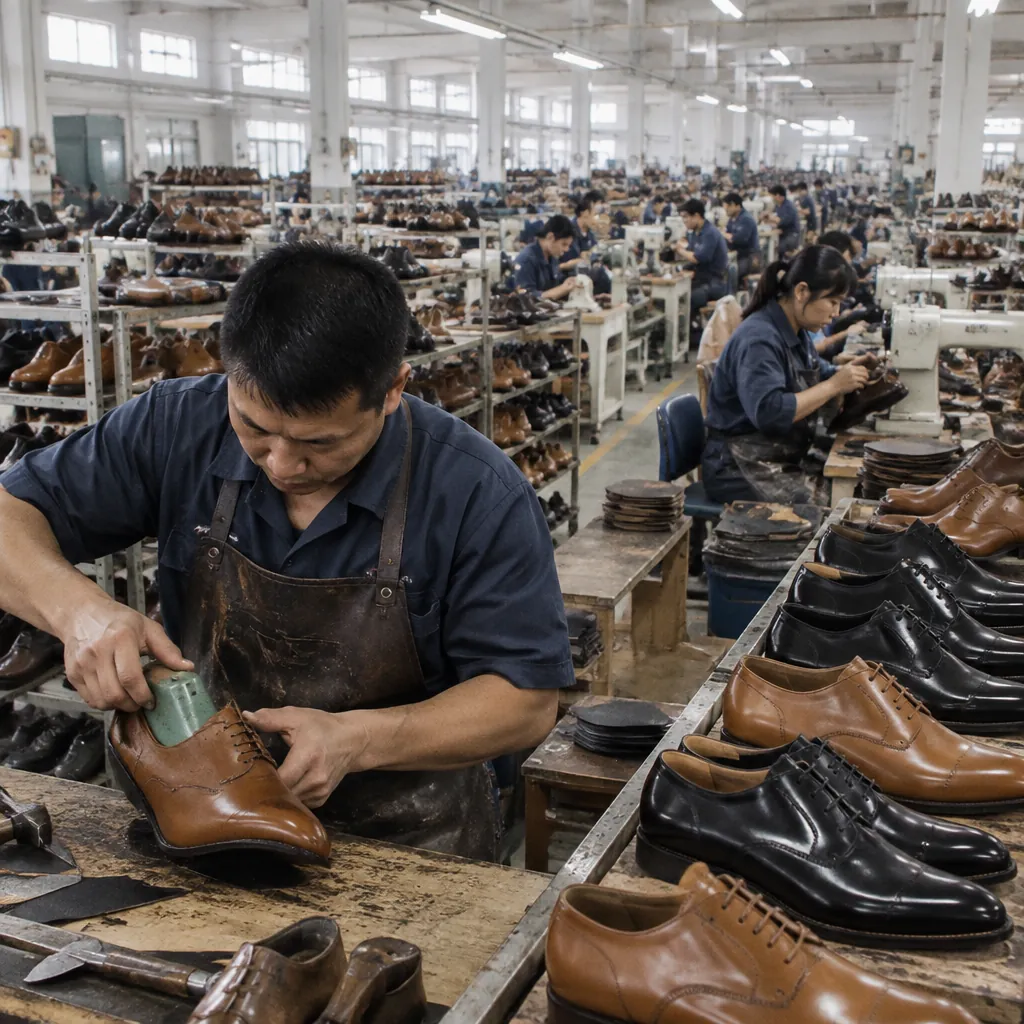
As a manufacturer producing 500,000+ pairs annually across 50+ countries, with a defect rate of 0.8–1.2% (versus an industry average of 2–4%) and pricing between $25–$40/pair, the factory behind this guide has processed enough regional orders to identify clear demand patterns by style and market.
Men’S Dress Shoe Styles: Table of Contents
- Why Style Construction Matters for B2B Buyers
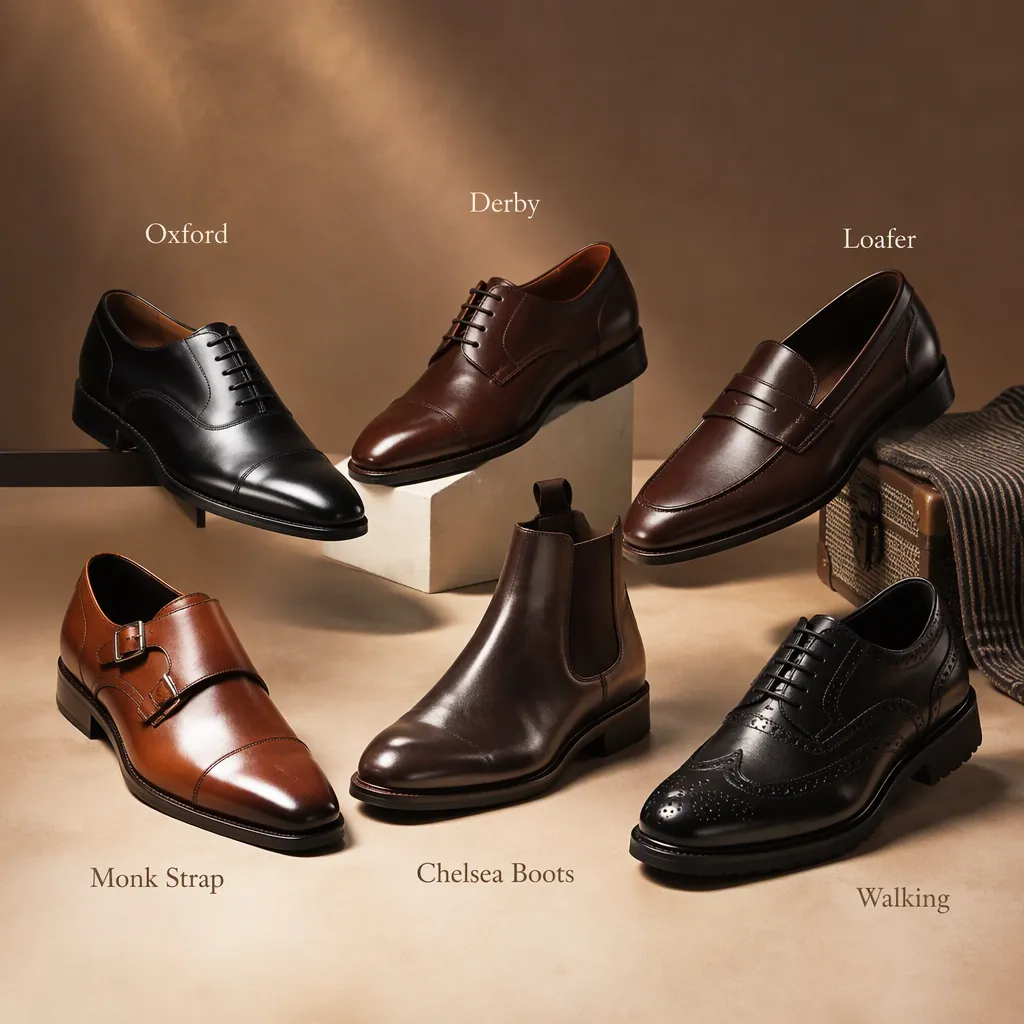
- Oxford Shoes: Closed Lacing, Maximum Formality
- Derby Shoes: Open Lacing, Versatile Fit
- Loafers: Slip-On Construction, Broad Market Appeal
- Monk Strap Shoes: Buckle Closure, Premium Positioning
- Chelsea Boots: Elastic Side Panel, Year-Round Demand
- Full Style Comparison Table
- Market Demand by Region
- Assortment Planning Checklist
- FAQ
- Ready to Start Your Shoe Line?
Why Style Construction Matters for B2B Buyers
Most sourcing errors at the style level come from treating shoe categories as interchangeable. They are not.
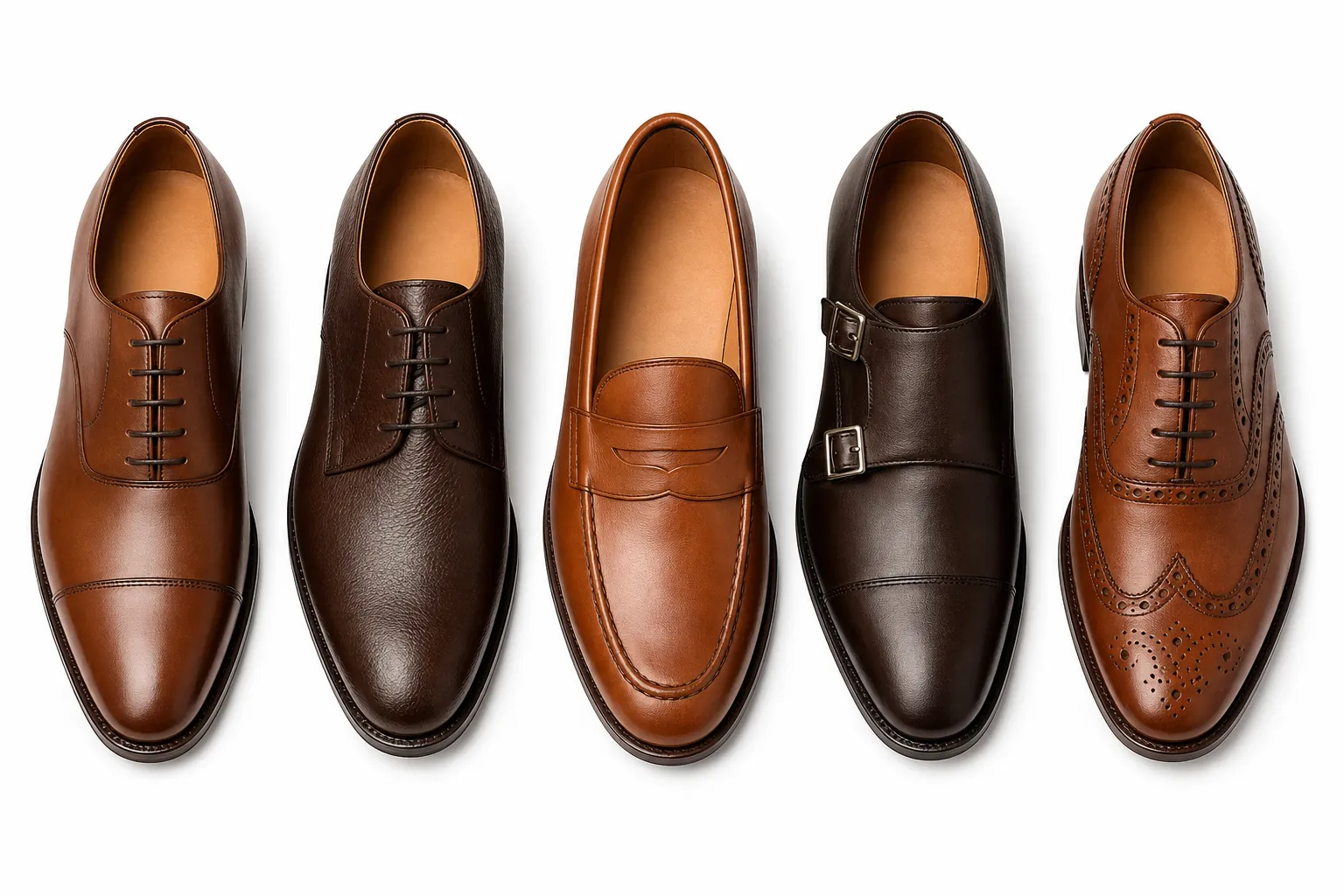
Each of the five core men’s dress shoe styles has a distinct construction method, a different formality ceiling, and a different target consumer. When you understand the construction, you can predict fit complaints, material costs, and which markets will absorb the style at what price point.
For private label brands, this also affects tooling costs and MOQ structures. A custom Oxford requires a closed-lacing last and specific vamp stitching. A Derby uses a different last geometry. Getting this right before sampling saves 4–6 weeks of revision cycles.
Oxford Shoes: Closed Lacing, Maximum Formality
Construction
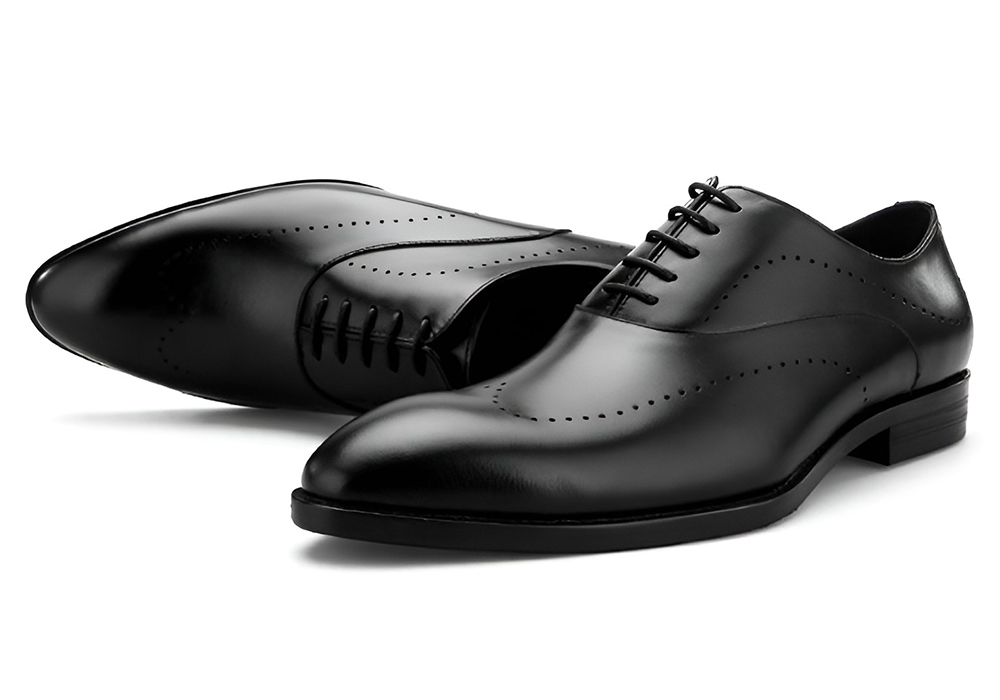
The Oxford’s defining feature is its closed lacing system: the facing (the panel holding the eyelets) is stitched underneath the vamp. This creates a clean, tight silhouette that cannot open wide at the top.
The result is a shoe that looks sharp but fits narrower across the instep. Buyers should note that this construction requires more precise sizing — returns spike when sizing guidance is absent.
Common construction methods: Goodyear welt (most durable, preferred for wholesale), Blake stitch (slimmer profile, popular in European markets), and cemented (lower price point, fast fashion retail).
Formality Level
Oxfords sit at the top of the dress shoe formality scale. Cap-toe Oxfords are appropriate for black-tie adjacent events. Brogue Oxfords step down slightly in formality but remain business formal.
Best Markets
- UK, Germany, France: Strong preference for Goodyear-welted Oxfords in black and dark brown
- North America: Cap-toe and plain-toe Oxfords for corporate dress codes
- Japan, South Korea: High demand for slim-last Oxfords with Blake construction
Price Range (FOB)
$28–$40/pair depending on leather grade and construction method. Goodyear welt commands a $4–$6 premium over cemented.
Explore Oxford shoe styles and specifications Shoe Manufacturer Guide
Derby Shoes: Open Lacing, Versatile Fit
Construction
The Derby uses an open lacing system: the facing panels are stitched on top of the vamp, allowing the shoe to open wider at the instep. This makes the Derby more accommodating for wider feet and easier to put on.
From a manufacturing standpoint, the Derby’s open facing requires less precision in the lasting process, which slightly reduces production complexity compared to Oxfords.
Formality Level
Derbies sit one step below Oxfords on the formality scale — still business appropriate, but more versatile. A plain-toe Derby in black works in formal settings. A brogue Derby in tan reads as smart casual.
This versatility is a key selling point for markets where consumers want one shoe that works across multiple occasions.
Best Markets
- Southeast Asia: High volume, price-sensitive, strong preference for Derby in brown and tan
- Middle East: Plain-toe Derby in black and burgundy for office wear
- North America: Brogue Derby for smart casual, strong e-commerce performance
Price Range (FOB)
$25–$36/pair. The open lacing construction is slightly less labor-intensive, which keeps costs competitive.
See Derby shoe sourcing specifications for B2B buyers Shoe Manufacturer Guide
Loafers: Slip-On Construction, Broad Market Appeal
Construction
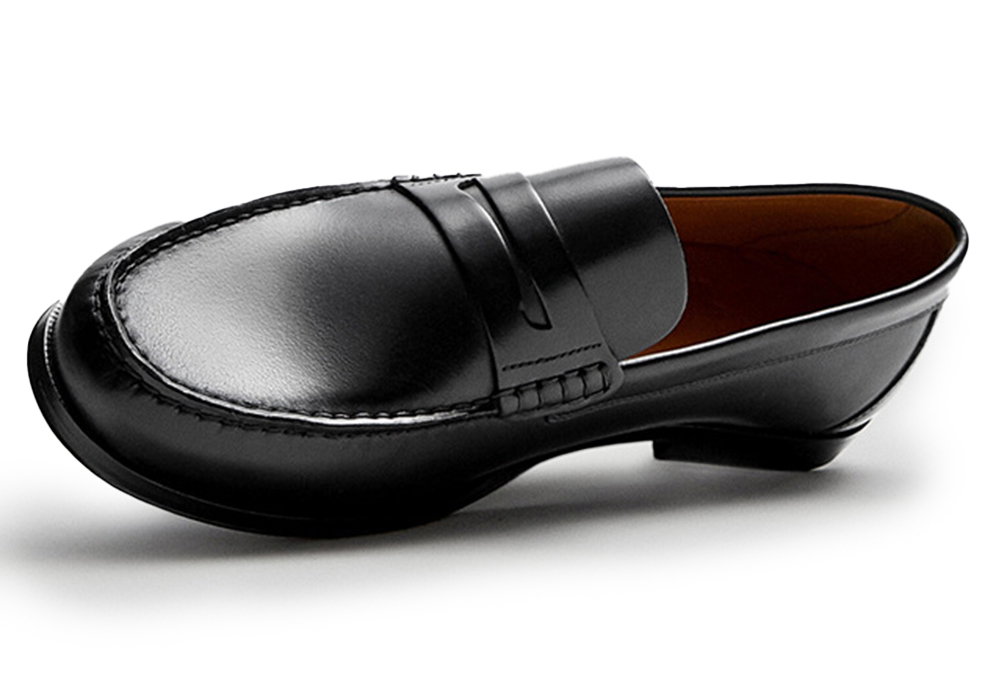
Loafers are laceless slip-on shoes built on a moccasin-inspired construction. The upper wraps around the foot without any lacing system. Key variants include:
- Penny Loafer: Strap across the vamp with a diamond cut-out
- Tassel Loafer: Decorative tassel on the vamp
- Horsebit Loafer: Metal hardware across the vamp (higher tooling cost)
- Driving Loafer: Rubber nub sole, casual positioning
The slip-on construction means fit tolerance is tighter — half-size increments matter more here than in laced styles.
Formality Level
Loafers span a wide formality range depending on material and construction. A leather Penny Loafer in black can work in business casual environments. A suede tassel loafer reads as smart casual to casual.
Best Markets
- USA: Penny and tassel loafers have consistent year-round demand
- Italy/Southern Europe: Horsebit and driving loafers, premium leather
- Southeast Asia: High volume in casual leather loafers, strong summer season demand
Price Range (FOB)
$25–$38/pair. Horsebit hardware adds $3–$5 per pair in component cost.
Browse leather loafer manufacturing options Shoe Manufacturer Guide
Monk Strap Shoes: Buckle Closure, Premium Positioning
Construction
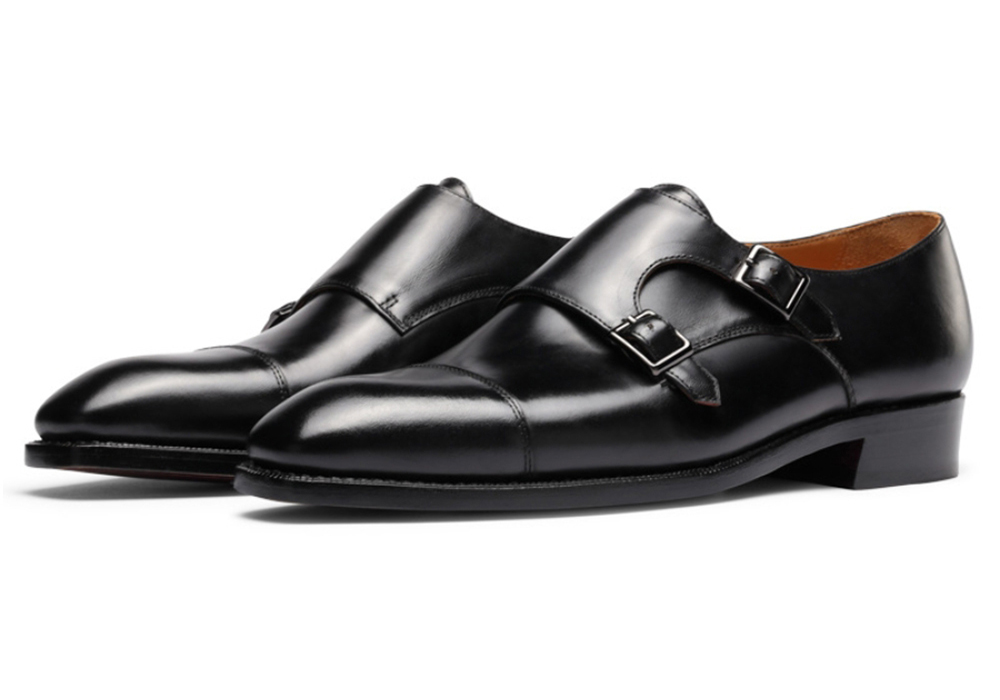
Monk Straps use one or two leather straps with metal buckles instead of laces. The single monk has one strap; the double monk has two, offering a more fashion-forward look.
The buckle hardware is a significant cost variable. Brass buckles add durability and a premium feel. Zinc alloy buckles reduce cost but show wear faster. For private label buyers targeting the $80–$150 retail segment, brass hardware is non-negotiable.
The construction requires precise strap attachment and buckle alignment — quality control at this point is critical. Misaligned buckles are a common defect in lower-tier factories.
Formality Level
Single monk straps sit at business formal. Double monks read as business casual to smart casual — they carry a fashion edge that Oxfords and Derbies lack.
This makes Monk Straps a strong option for brands targeting style-conscious professionals aged 28–45.
Best Markets
- Western Europe: Double monk in burgundy and tan, strong independent retailer demand
- North America: Single monk in black for corporate, growing double monk segment
- Australia: Strong demand for both variants in the $100–$180 retail range
Price Range (FOB)
$30–$40/pair. Double monk with brass hardware sits at the higher end.
Full monk strap style guide for B2B buyers Shoe Manufacturer Guide
Chelsea Boots: Elastic Side Panel, Year-Round Demand
Construction
Chelsea Boots are ankle boots defined by elastic side panels (gussets) and a pull tab at the heel. No laces, no buckles — the elastic allows the boot to slip on while maintaining a close fit around the ankle.
The elastic panel quality is the primary quality variable. Low-grade elastic loses tension after 6–12 months of wear. Specify elastic with a minimum 80% polyester/20% elastane composition and test for tension retention over 10,000 flex cycles.
Sole options range from leather (formal) to rubber (casual/weather-resistant) to crepe (heritage aesthetic). Each targets a different retail segment.
Formality Level
Chelsea Boots sit in the business casual to smart casual range. They work under tailored trousers and with dark denim. They are not appropriate for black-tie or formal business dress.
Their versatility across seasons — worn with or without socks, styled up or down — drives consistent reorder rates.
Best Markets
- UK: Highest per-capita Chelsea Boot consumption globally, year-round demand
- Scandinavia/Northern Europe: Weather-resistant rubber sole variants
- North America: Growing segment, particularly in urban markets and e-commerce
Price Range (FOB)
$28–$40/pair. Leather sole Chelsea Boots command a premium; rubber sole variants are more price-competitive.
Full Style Comparison Table
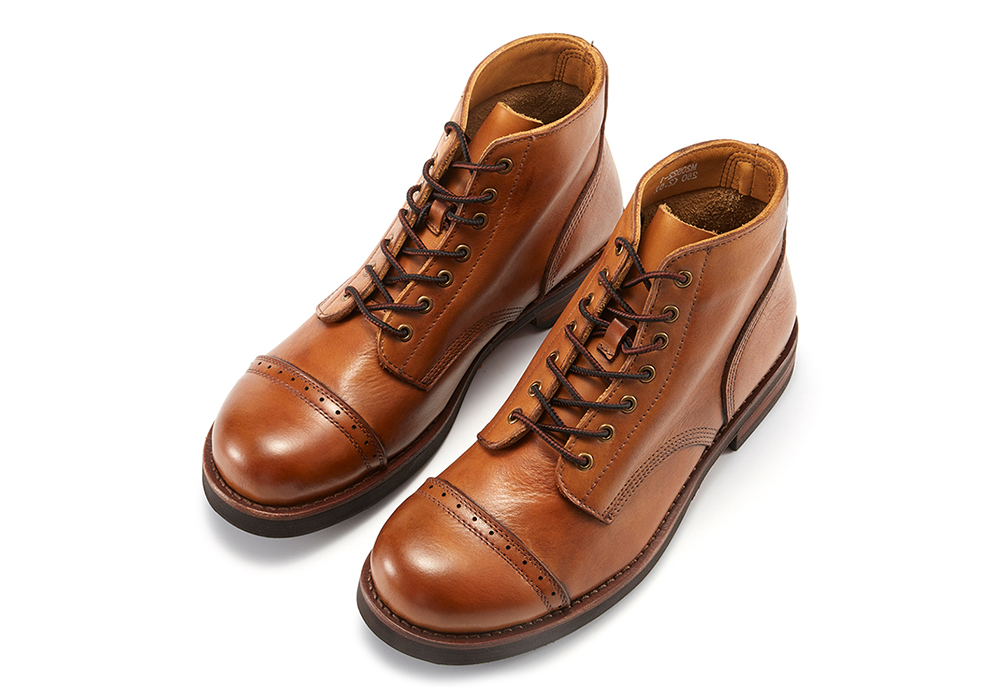
Heritage silhouettes sit outside this table: the brogan shoes guide covers the ankle-high 19th-century laced shoe that still appears in heritage and uniform collections.
| Style | Closure Type | Formality Level | Top Markets | FOB Price Range | Custom MOQ |
|---|---|---|---|---|---|
| Oxford | Closed lacing | Formal–Business Formal | UK, US, Japan | $28–$40 | 60 pairs |
| Derby | Open lacing | Business–Smart Casual | SEA, Middle East, US | $25–$36 | 60 pairs |
| Loafer | Slip-on | Business Casual–Casual | US, Italy, SEA | $25–$38 | 60 pairs |
| Monk Strap | Buckle strap | Business–Smart Casual | Europe, US, AU | $30–$40 | 60 pairs |
| Chelsea Boot | Elastic side | Smart Casual–Casual | UK, Scandinavia, US | $28–$40 | 60 pairs |
Custom MOQ of 60 pairs applies to all styles. Existing designs available with 0 MOQ.
Market Demand by Region
Understanding men’s dress shoe styles demand by geography prevents assortment mismatches.
North America
The US market is volume-driven and style-diverse. Derby and Loafer dominate e-commerce SKU counts. Oxfords hold steady in corporate gifting and formal wear segments. Chelsea Boots are growing, particularly in the 25–40 age bracket. Monk Straps remain a niche but high-margin segment.
Price sensitivity is moderate — consumers will pay $120–$180 retail for genuine leather with clear brand positioning.
Europe
Europe splits by sub-region. The UK prioritizes Oxfords and Chelsea Boots with Goodyear welt construction. Germany and Scandinavia favor Derby and Chelsea with weather-resistant soles. Southern Europe (Italy, Spain, France) leans toward Loafers and Monk Straps with slimmer lasts and premium leather.
CE certification (EN ISO20347) is a baseline requirement for EU market entry. Learn about CE marking requirements for footwear Shoe Manufacturer Guide
Southeast Asia
SEA is the highest-growth region for men’s dress shoe styles at accessible price points. Derby and Loafer dominate. Consumers favor lighter construction, breathable linings, and tan/brown colorways. Formal Oxford demand is concentrated in corporate sectors (banking, law, government).
Retail price sensitivity is higher — FOB $25–$30 with retail markup to $60–$90 is the typical structure.
Middle East
Corporate dress codes drive consistent Oxford and Derby demand in black. Monk Straps are gaining traction in UAE and Saudi Arabia’s premium retail segment. Chelsea Boots have limited penetration due to climate.
Assortment Planning Checklist
Use this before placing any wholesale or private label order:
- Identify your primary market — formality norms differ significantly by region
- Map your retail price point — work backward from retail to determine viable FOB range
- Select construction method — Goodyear welt for durability positioning, cemented for price-competitive SKUs
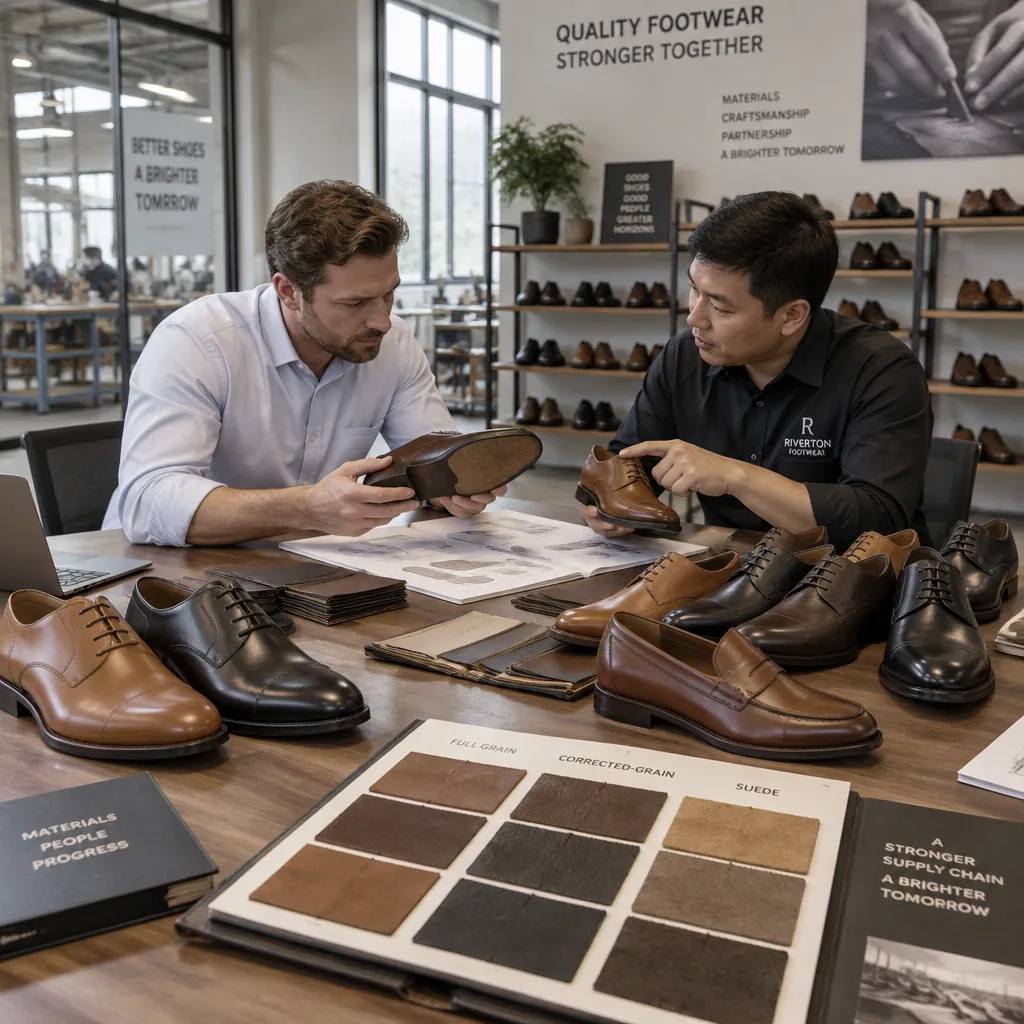
- Confirm leather grade — full-grain for premium, top-grain for mid-market, corrected-grain for entry
- Check certification requirements — CE/REACH for EU, standard compliance for US/AU
- Clarify MOQ structure — 0 MOQ on existing designs, 60 pairs minimum for custom
- Request colourway data — black and dark brown are universal; tan and burgundy are market-specific
- Specify hardware grade — brass for premium monk straps, specify elastic composition for Chelsea Boots
- Plan size run — EU 39–46 covers 90%+ of adult male demand in most markets
- Confirm lead time — standard production is 45–60 days; factor in shipping and customs clearance
For a deeper look at how construction method affects total cost, see the complete shoe construction comparison guide Shoe Manufacturer Guide.
For US importers, review import duties on leather shoes before finalizing landed cost calculations. https://hts.usitc.gov/ – SATRA Footwear Technology You can also cross-reference tariff codes directly via the USITC HTS database https://hts.usitc.gov/ – BLC Leather Technology Centre.
FAQ
Q: What is the most versatile men’s dress shoe style for a starter assortment?
A: Derby is the safest entry point. Open lacing accommodates a wider range of foot widths, reducing fit complaints. It works across business and smart casual contexts, and it performs well across North America, Southeast Asia, and the Middle East.
Q: What’s the difference between Oxford and Derby construction?
A: The key difference is the lacing system. Oxford uses closed lacing — the facing is stitched under the vamp, creating a tighter, more formal silhouette. Derby uses open lacing — the facing sits on top of the vamp, allowing the shoe to open wider for easier fit.
Q: Which men’s dress shoe style has the highest retail margin potential?
A: Monk Straps, particularly double monks with brass hardware, command the highest retail markup relative to FOB cost. They carry a fashion premium that justifies $150–$220 retail in Western markets on a $30–$40 FOB