TL;DR
Leather loafers represent a $12.4 billion global market segment with 8.3% annual growth. For B2B buyers, understanding loafer types (penny, tassel, horsebit, Belgian, moccasin), construction methods (hand-sewn vs. cemented), and quality indicators is essential. Wincheer Shoes, with 19 years of manufacturing experience in Jiangmen, delivers CE-certified leather loafers to 40+ countries, offering MOQ flexibility from 300-1200 pairs depending on customization level.
Introduction
The global leather footwear market continues its upward trajectory, projected to reach $273.8 billion by 2027. Within this market, loafers occupy a unique position—they’re the bridge between formal elegance and casual comfort, making them one of the most versatile shoe categories for B2B buyers across retail, hospitality, corporate uniform, and fashion sectors.
For B2B buyers sourcing leather loafers, the challenges are multifaceted: navigating the myriad of loafer styles, understanding construction quality, managing seasonal demand fluctuations, and finding manufacturers who balance cost efficiency with genuine leather quality. According to Leather Shoe Quality Guide: How to Identify Premium Cowhide vs. Bonded Leather, using bonded leather instead of genuine cowhide can reduce product lifespan by 60-70%—a critical consideration for brand reputation.
This guide, crafted by Wincheer Shoes’ manufacturing team with 19 years of hands-on production experience, covers everything B2B buyers need to know about leather loafer manufacturing, from style selection to quality control and factory partnerships.
Table of Contents
- Understanding Loafer Types and Their B2B Applications
- Leather Selection for Loafer Manufacturing
- Construction Methods: Hand-Sewn vs. Cemented
- Sizing, Lasts, and Fit Considerations
- Comfort Features and Linings
- Seasonal Demand and Market Trends
- Quality Control and Inspection Points
- Pricing Structure and MOQ Breakdown
- Sourcing from China: What B2B Buyers Need to Know
- Wincheer Shoes: Your Loafer Manufacturing Partner
Understanding Loafer Types and Their B2B Applications
Loafers originated as Norwegian peasant shoes in the early 20th century and have evolved into a globally recognized footwear staple. For B2B buyers, understanding each loafer type’s unique characteristics, target demographics, and appropriate use cases is fundamental to making informed sourcing decisions.
Penny Loafers: The Universal Classic
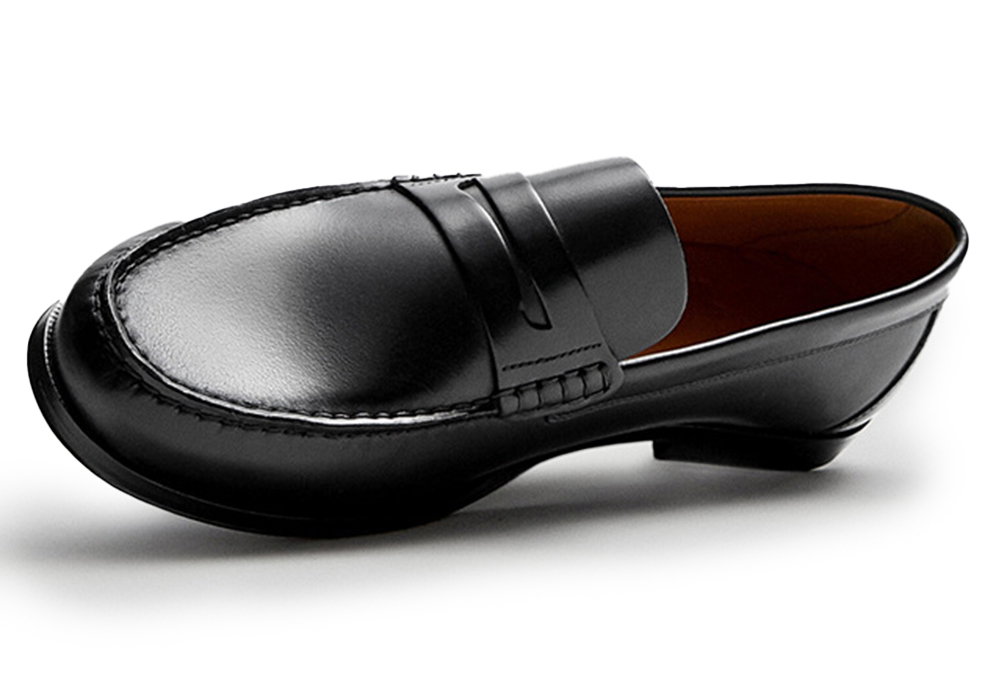
Penny loafers feature a distinctive leather strap across the vamp with a slit (originally designed to hold a penny for emergency phone calls). They represent the most versatile loafer category, suitable for:
| Market Segment | Usage Context | Recommended Price Point |
|---|---|---|
| Corporate Uniforms | Business casual environments | $25-45/pair wholesale |
| Educational Retail | Student and faculty footwear | $20-35/pair wholesale |
| Hospitality Industry | Staff footwear (front-of-house) | $22-38/pair wholesale |
| General Retail | Everyday casual wear | $28-50/pair wholesale |
B2B Volume Insights: Penny loafers typically account for 35-40% of total loafer orders by volume, with consistent year-round demand peaking in back-to-school (August-September) and holiday gifting seasons (November-December).
Tassel Loafers: The Sophisticated Statement
Tassel loafers feature decorative leather tassels on the vamp, adding visual interest and a more formal aesthetic. They position between penny loafers and formal oxfords in formality.
Target B2B Markets:
- Corporate Programs: Executive-level uniform shoes
- Men’s Fashion Retail: Style-conscious professional demographic
- Event Management: Wedding and formal event footwear
- Hospitality Premium: High-end hotel staff presentation
Volume Pattern: Tassel loafers typically represent 20-25% of loafer orders, with demand concentrated in urban centers and fashion-forward markets. Orders tend to be smaller quantities (300-600 pairs) but with higher customization requirements.
Horsebit Loafer Manufacturing
The horsebit loafer (popularized by Gucci in the 1960s) features a metal horse-bit detail across the vamp. This style demands special manufacturing considerations:
Production Requirements:
- Hardware sourcing (brass, palladium, or gold-plated bits)
- Reinforced vamp construction to support weight of metal detail
- Precise alignment during lasting to ensure bit symmetry
B2B Market Applications:
- Luxury retail segments
- Premium corporate gifts
- Fashion-forward retail targeting affluent demographics
- European markets (especially Italy, France, UK)
Production Volume: 15-20% of loafer orders, typically from established fashion brands or boutique retailers positioning in premium segments.
Belgian Loafers: The Handcrafted Niche
Belgian loafers (also known as Belgian shoes) feature a distinctive bow detail and soft, unlined construction. They represent the highest loafer tier in terms of craftsmanship and price point.
Manufacturing Complexities:
- Requires highly skilled craftsmen (5+ years experience)
- Softer leather grades needed for unlined construction
- Lower production volume capacity (50-80 pairs/day per craftsman)
- Higher defect rate during learning curve (15-20% initially)
B2B Buyer Considerations:
- Minimum order typically 600-1200 pairs
- Production lead time: 60-90 days
- Target wholesale: $65-120/pair
- Best suited for premium boutiques and luxury private labels
Volume Pattern: Just 5-8% of loafer market but highest profit margins for retailers.
Moccasin-Style Loafers
Moccasin loafers feature visible hand-stitching around the vamp and typically have a softer, more flexible construction. Popular in:
- Resort and Hospitality: Hotel guest amenities
- Casual Retail Chains: Summer collections
- Airline Industry: Premium cabin crew footwear
- Spa and Wellness: Staff and guest footwear
Manufacturing Note: True moccasin construction requires hand-sewing around the lasted shoe, increasing labor costs by 25-35% compared to standard loafer construction.
Leather Selection for Loafer Manufacturing
The choice of leather significantly impacts loafer aesthetics, durability, comfort, and ultimately, customer satisfaction. As covered in detail in Leather Shoe Quality Guide: How to Identify Premium Cowhide vs. Bonded Leather, understanding leather grades is crucial for B2B buyers.
Full-Grain Cowhide: Premium Loafer Standard
Characteristics:
- Natural grain pattern preserved
- Highest durability (5-7 years regular use)
- Develops patina over time
- Breathable and moisture-resistant
Best For:
- Penny and tassel loafers in classic colors
- Corporate and retail applications
- Markets valuing longevity and premium aesthetics
Cost Implication:
+30-40% vs. top-grain alternatives
Justified by:
- Lower replacement rates (65% longer lifespan)
- Enhanced brand perception
- Higher customer satisfaction scores
Wincheer Sources From:
- Henan Province (premium cowhide)
- Hebei Province (consistent grade supply)
- Imported Italian leather for premium client requests
Top-Grain Cowhide: Balanced Quality Option
Characteristics:
- Sanded surface for uniform appearance
- Good durability (3-5 years)
- More consistent color absorption
- 15-20% cost savings vs. full-grain
Best For:
- Fashion-forward seasonal collections
- Hospitality uniform programs (high turnover acceptable)
- Price-sensitive retail segments
B2B Volume: Approximately 45% of loafer orders use top-grain for balanced quality positioning.
Genuine Leather: Entry-Level Positioning
Characteristics:
- Corrected grain surface
- 2-3 year lifespan typical
- Significant cost savings (40-50% vs. full-grain)
- More uniform appearance (advantage for some buyers)
Best For:
- Promotional and giveaway applications
- Entry-level private labels
- High-volume, lower price point retail
Caution: As detailed in Leather Shoe Quality Guide: How to Identify Premium Cowhide vs. Bonded Leather, be aware of bonded leather misrepresentation in the market. Wincheer uses only genuine cowhide with full supply chain transparency.
Leather Thickness and Loafer Applications
| Loafer Component | Recommended Thickness | Measurement Standard |
|---|---|---|
| Vamp (upper front) | 1.2-1.4mm | Standard millimeter |
| Quarter (upper back) | 1.0-1.2mm | Standard millimeter |
| Counter (heel support) | 1.4-1.6mm | Reinforced area |
| Tongue/Strap details | 0.8-1.0mm | Flexible components |
| Lining leather | 0.6-0.8mm | Breathability priority |
Color Trends and Leather Finishing
2024-2025 Loafer Color Demand:
| Color | Market Share | Regional Preferences |
|---|---|---|
| Black | 28% | Universal, Asia-Pacific preference |
| Burgundy | 22% | Europe, North America corporate |
| Tan/Cognac | 18% | Casual retail, younger demographics |
| Brown | 15% | Traditional markets (UK, Germany) |
| Navy | 8% | Fashion-forward segments, seasonal |
| Grey/Stone | 5% | Emerging trend, luxury positioning |
| Experimental colors | 4% | Fashion retail, seasonal |
Finishing Options:
- Aniline dye: Natural finish, shows leather grain (+25% cost, premium positioning)
- Semi-aniline: Light surface protection, some grain coverage (standard for most loafers)
- Pigment finish: Full coverage, consistent color (budget-friendly, high volume)
Construction Methods: Hand-Sewn vs. Cemented
The construction method defines loafer durability, flexibility, water resistance, and appropriate use cases. B2B buyers must understand these differences to match product positioning with customer expectations.
Hand-Sewn Moccasin Construction
Process:
- Upper leather wrapped around last
- Bottom hand-stitched to upper using heavy wax thread
- Stitch visible on vamp exterior (signature feature)
- Requires skilled craftsmen with 3+ years training
Advantages:
- Superior flexibility and comfort
- Excellent resoling capability
- Premium aesthetic signaling craftsmanship
- Higher perceived value by end consumers
Disadvantages:
- 30-40% higher labor costs
- Lower production capacity
- Less water resistance (stitch penetration points)
- Higher defect rate if craftsmanship inadequate
Best Applications:
- Premium retail positioning
- Boutique and luxury private labels
- Heritage brand collaborations
- Made-to-order programs
Wincheer Hand-Sewn Capacity:
- 150-200 pairs/day per production line
- 3-4 week lead time for 600-pair order
- Quality pass rate: 94-96%
Cemented Construction
Process:
- Upper lasted onto insole board
- Outsole bonded using specialized adhesives
- No visible stitching (cleaner appearance)
- Automated production possible
Advantages:
- 25-35% lower production cost
- Higher production capacity (400-500 pairs/day/line)
- Better water resistance
- Consistent quality, lower defect rate
Disadvantages:
- Limited resoling options
- Less flexibility over time
- Lower perceived value in premium segments
- Adhesive degradation in extreme conditions
Best Applications:
- Corporate uniform programs
- Hospitality industry
- Mid-range retail positioning
- High-volume price-sensitive markets
Wincheer Cemented Capacity:
- 400-500 pairs/day per production line
- 2-3 week lead time for 600-pair order
- Quality pass rate: 97-98%
Blake Stitch Construction
Process:
- Upper, insole, and outsole stitched together from inside
- Single stitch channel through all layers
- No visible external stitching
- Specialized machinery required
Advantages:
- Cleaner appearance (no visible stitching)
- More flexible than cemented
- Resoleable (unlike cemented)
- Premium feel without hand-sewn cost
Disadvantages:
- Less water resistance than cemented
- Requires specialized equipment
- Moderate production cost (+15-20% vs. cemented)
- Not all repair shops can resole
Best Applications:
- Bridge between mid-range and premium
- Urban professional markets
- Retail segments valuing clean aesthetics
- European markets familiar with Blake construction
Goodyear Welted Loafers (Niche Application)
While traditional for oxfers and derbies, Goodyear welting occasionally appears in premium loafers for specific market requests.
Considerations:
- +50-60% production cost vs. cemented
- Limited loafer design flexibility
- Overbuilt for typical loafer use cases
- Best for specific client requests, not standard production
Wincheer Recommendation: Goodyear construction recommended only for specific client requests or special editions targeting traditional boot/shoe buyers transitioning to loafers.
Sizing, Lasts, and Fit Considerations
Proper sizing and last selection are critical for loafer comfort and customer satisfaction. Unlike lace-up shoes, loafers rely entirely on last shape and heel fit for security—no laces to adjust for foot volume variations.
Last Development for Loafers
Loafer-Specific Last Considerations:
| Last Feature | Importance | Manufacturing Implication |
|---|---|---|
| Heel Shape | Critical | Must hold without lacing; rounded vs. squared heels affect fit demographics |
| Instep Height | High | Accommodates various foot volumes; slip-on accessibility |
| Toe Spring | Medium | Balances aesthetics with walking comfort |
| Waist Width | Medium | Loafers naturally narrower-waisted than lace-ups |
| Ball Width | High | Critical for comfort; must match target market |
Regional Last Preferences:
| Region | Heel Shape | Toe Shape | Fit Characteristic |
|---|---|---|---|
| North America | Rounded | Medium almond | Generous width, relaxed fit |
| Europe | Rounded/Almond | Varies by country | Narrower heel, precise fit |
| Asia-Pacific | Rounded | Rounded toe | Lower instep, narrower heel |
| Middle East | Square/Almond | Square toe | Wider overall, higher instep |
Sourcing Considerations: Standard vs. Custom Lasts
Standard Lasts (Factory-Owned):
- No development cost ($0)
- Faster production startup (1-2 weeks)
- Proven fit profile
- Limited design differentiation
- Available in common size runs (EU 39-46, US 7-13)
Custom Last Development:
- Development cost: $800-1,500 per last
- Lead time: 6-8 weeks
- Unique design ownership
- Perfect fit control
- Best for: Established private labels, volume commitments (3,000+ pairs/year)
Wincheer Last Library:
- 45+ standard loafer lasts
- Coverage: Penny, tassel, horsebit, moccasin styles
- Size ranges: EU 36-47, US 5-15
- Custom development: Available with volume commitment
Sizing Strategy for B2B Buyers
Approach 1: Breadth Coverage (Retail Focus)
- Size range: EU 39-46 (7 sizes)
- Breakdown: 1:2:3:3:2:1:1 (sizes 39-46)
- Minimum per size: 100-150 pairs
- Best for: General retail, e-commerce
Approach 2: Targeted Range (Uniform/Corporate)
- Size range: EU 40-44 (5 sizes)
- Breakdown: 1:3:4:3:1
- Minimum per size: 200-300 pairs
- Best for: Corporate programs, hospitality
Approach 3: Core Sizes Only (Budget-Constrained)
- Size range: EU 41-43 (3 sizes)
- Breakdown: 1:2:1
- Minimum per size: 300-500 pairs
- Best for: Initial orders, test markets
Critical Sizing Note: As covered in Custom vs. Standard Sizing: The Hidden Costs and Benefits for Shoe Brands, inconsistent sizing across manufacturers is a major B2B pain point. Wincheer provides detailed size charts and fitting samples to ensure accurate size run selection.
Comfort Features and Linings
Comfort features significantly impact customer satisfaction, repeat purchases, and brand reputation. For B2B buyers, understanding available comfort enhancements helps balance cost with value proposition.
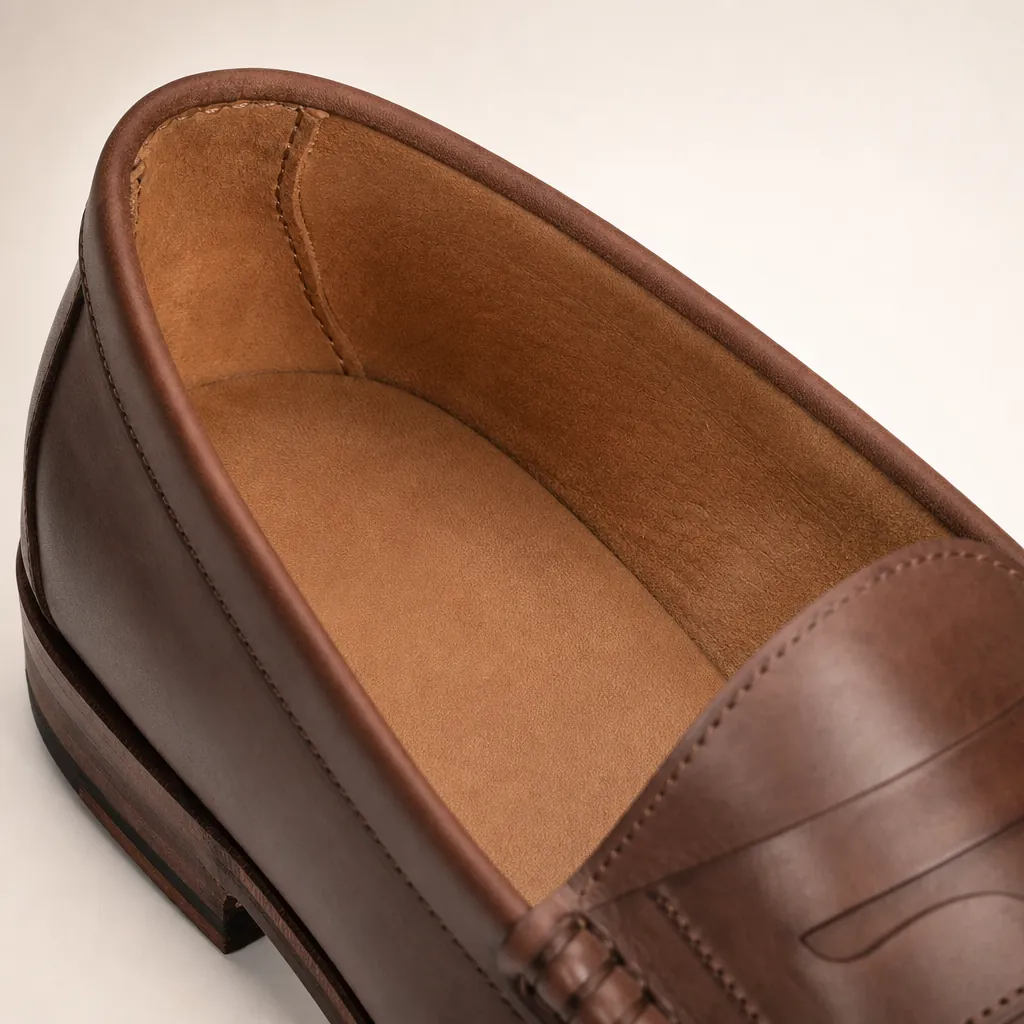
Leather Lining Options
Full Leather Lining (Premium Standard)
- Materials: Calfskin, pigskin, or sheepskin
- Coverage: Entire interior including vamp and quarters
- Benefits: Moisture wicking, breathability, premium feel
- Cost Impact: +$3-5/pair vs. partial lining
- Best For: Retail positioning, premium corporate programs
Partial Leather Lining (Balanced Option)
- Materials: Calfskin or pigskin at key contact points
- Coverage: Heel counter, tongue, and partial quarter
- Benefits: Comfort where needed, cost efficiency
- Cost Impact: +$1.50-2.50/pair vs. unlined
- Best For: Mid-range retail, hospitality uniforms
Unlined Construction (Budget Option)
- Materials: None (exposed leather interior)
- Benefits: Maximum flexibility, lowest cost, traditional moccasin aesthetic
- Cost Impact: Baseline (no additional cost)
- Best For: Entry-level pricing, warm climate markets, authentic moccasin style
Synthetic Lining (Economy Option)
- Materials: PU or microfiber
- Benefits: Cost savings, color consistency
- Cost Impact: -$1-1.50/pair vs. leather lining
- Caution: Reduced breathability, comfort trade-off
- Best For: Price-sensitive applications only
Insole and Comfort Technology
Leather-Covered Insoles (Standard)
- Construction: Leather board or cellulose base with leather cover
- Thickness: 3-4mm
- Break-in Period: 5-10 wears
- Best For: Standard retail applications
Cushioned Insoles (Enhanced Comfort)
- Construction: Foam or gel layer between insole board and leather cover
- Thickness: 5-7mm
- Break-in Period: Minimal
- Cost Impact: +$1-2/pair
- Best For: Customer segments prioritizing immediate comfort
Memory Foam Insoles (Premium Comfort)
- Construction: 2-3mm memory foam layer with leather cover
- Thickness: 6-8mm total
- Break-in Period: None
- Cost Impact: +$2.50-4/pair
- Best For: Premium positioning, aging demographics, all-day wear applications
Heel Comfort Features
Heel Padding
- Location: Heel counter interior
- Materials: Foam or latex padding
- Thickness: 1-2mm
- Cost Impact: +$0.50-1/pair
- Benefit: Reduces heel slippage, improves comfort
Heel Counter Stiffness Options
- Soft Counter: More flexibility, relaxed fit
- Medium Counter: Balance of structure and comfort
- Stiff Counter: Enhanced heel support, more secure fit
- Cost Impact: Minimal (material selection during manufacturing)
Breathability and Moisture Management
Perforated Lining
- Tiny ventilation holes in leather lining
- Improves airflow by 30-40%
- Cost Impact: +$1-1.50/pair
- Best For: Warm climate markets, active wear applications
Moisture-Wicking Treatments
- Applied to lining leather during tanning
- Reduces moisture accumulation by 25-35%
- Cost Impact: +$0.75-1.25/pair
- Best For: Humid climates, all-day wear contexts
Antimicrobial Treatment (Post-Manufacturing Option)
- Applied to finished shoes
- Inhibits bacterial growth
- Cost Impact: +$0.50-1/pair
- Best For: Healthcare, hospitality, shared footwear applications
Seasonal Demand and Market Trends
Understanding loafer demand patterns helps B2B buyers optimize inventory, timing, and assortment planning. Loafer sales exhibit distinct seasonal characteristics that vary by style and market segment.
North American Seasonal Patterns
| Quarter | Peak Demand | Key Drivers | Recommended Ordering |
|---|---|---|---|
| Q1 (Jan-Mar) | Moderate | Spring fashion previews, corporate uniform renewals | 60 days before Q2 |
| Q2 (Apr-Jun) | High | Wedding season, Father’s Day, spring/summer fashion | 90 days before |
| Q3 (Jul-Sep) | Very High | Back-to-school, fall fashion launches | 90-120 days before |
| Q4 (Oct-Dec) | High | Holiday gifting, corporate gifts, winter events | 120 days before |
Style-Specific Patterns:
- Penny Loafers: Consistent year-round, peaks March-April (spring fashion) and August-September (back-to-school)
- Tassel Loafers: Concentrated in Q2 and Q4 (wedding and holiday seasons)
- Horsebit Loafers: Q4 focus (holiday gifting, corporate gifts)
- Moccasin Loafers: Q2-Q3 peak (resort wear, summer casual)
European Market Seasonal Characteristics
Key Differences vs. North America:
- Longer summer selling season (April-September vs. May-August)
- Stronger holiday gifting in Q4 (30-35% of annual volume)
- Earlier spring fashion arrivals (February vs. March)
- More pronounced back-to-work period (September)
Regional Variations:
- Southern Europe (Italy, Spain, Greece): Extended loafer season (March-November), lighter leather preferences
- Northern Europe (UK, Germany, Scandinavia): Concentrated spring/summer, darker leather preferences
- Eastern Europe: Price sensitivity, traditional styling, growing market
Asia-Pacific Market Trends
Growth Patterns:
- Overall loafer category growing 12-15% annually (vs. 8% global)
- Key growth drivers: Expanding middle class, western fashion adoption, corporate uniform modernization
- China market: Largest volume, rapid style trend changes
- Japan: Mature market, quality focus, higher price points
- Southeast Asia: Emerging market, price-sensitive, volume growth
Cultural Considerations:
- Color preferences: Black dominant (60%+ in many markets)
- Sizing: Narrower heel, lower instep requirements
- Formality: Higher formality expectation in business contexts
2024-2025 Loafer Trend Analysis
Emerging Design Trends:
Lighter Construction
Thinner leather (1.0-1.2mm vs. 1.2-1.4mm)
- Reduced sole weight
- Market driver: Comfort focus, warmer climate adaptation
- Production implications: 15-20% faster material throughput
Sustainable Materials
Vegetable-tanned leathers (+25% demand)
- Recycled packaging requirements
- Eco-friendly adhesive requests
- Market: Europe and North America premium segments
Hybrid Styling
Loafer-derby combinations
- Athletic comfort features in classic silhouettes
- Market: Younger demographics, fashion retail
Color Experimentation
Growing interest in non-traditional colors (navy, grey, olive)
- Men’s color expansion trend
- Seasonal color collections
- Market: Fashion-forward urban centers
Declining Trends:
- Heavy, thick-soled construction
- Excessive ornamentation
- Overly formal loafer interpretations
- Budget bonded leather misrepresentation (regulatory pressure)
Quality Control and Inspection Points
Quality control prevents costly returns, protects brand reputation, and ensures customer satisfaction. For B2B buyers placing orders from 300 to 10,000+ pairs, understanding inspection checkpoints and quality standards is essential.
Pre-Production Quality Control
Material Inspection (Upon Arrival at Factory)
Leather Quality Verification
Thickness consistency (measure at multiple points)
- Color uniformity across hides
- Defect identification (scratches, scars, stains)
- Grain quality assessment (full-grain vs. top-grain confirmation)
Hardware Inspection (Horsebit Loafers)
Plating quality check
- Alignment accuracy
- Weight consistency
- Attachment mechanism testing
Sample Approval Process
- Counter sample: Produced from actual production materials
- Fit sample: Tested on actual foot for comfort and sizing
- Pre-production sample: Final approval before mass production
- Timeline: 10-15 days from material confirmation
In-Process Quality Control
Cutting Stage
- Pattern piece accuracy (+/- 1mm tolerance)
- Leather defect avoidance (strategic cutting)
- Grain direction consistency
- Symmetry for paired pieces (left/right)
Stitching Stage
- Stitch consistency (7-8 stitches/inch standard)
- Thread tension verification
- Stitch straightness inspection
- Thread-end security (backtacking, knotting)
Lasting Stage
- Alignment accuracy (toe, heel, waist)
- Tension consistency (wrinkles, creases)
- Symmetry between left and right shoes
- Last shape retention
Sole Attachment
- Cement application uniformity
- Sole alignment accuracy
- Pressure application consistency
- Curing time adherence
Final Inspection Checkpoints
Visual Inspection (100% of pairs)
| Inspection Point | Acceptable Standard | Common Defects |
|---|---|---|
| Leather surface | No visible scratches on upper | Scratches, stains, cuts |
| Stitching | Consistent, no loose threads | Missed stitches, breaks |
| Sole alignment | Centered, symmetrical | Misalignment, overhang |
| Color matching | Consistent within pair | Color variation |
| Hardware fit | Secure, aligned | Loose, misaligned (horsebit) |
Measurement Inspection (Random Sampling)
- Size accuracy (lasted dimensions)
- Heel height consistency (+/- 1mm)
- Sole thickness consistency
- Overall length and width verification
Fit Testing (Representative Sampling)
- On-foot fit evaluation
- Heel slip testing
- Flex point verification
- Comfort assessment
Packaging and Shipping Inspection
Individual Shoe Inspection
- Clean, dust-free presentation
- Proper stuffing/form retention
- No damage from handling
Pair Inspection
- Correct pairing (left/right same size)
- Matching within acceptable color variation
- Consistent quality between pairs
Carton Inspection
- Correct quantities per carton
- Proper size labeling
- Carton integrity (no damage)
- Proper packaging materials
Container Loading Inspection (For Large Orders)
- Container condition assessment
- Proper loading and securing
- Moisture protection measures
- Documentation accuracy
Quality Standards and Tolerance Levels
Wincheer Quality Standards:
| Quality Level | Defect Rate | Application | Price Positioning |
|---|---|---|---|
| Premium (A-grade) | <2% | Luxury retail, boutique | Top 15% pricing |
| Standard (B-grade) | <5% | Standard retail, corporate | Mid-market pricing |
| Value (C-grade) | <8% | Budget retail, promotional | Entry-level pricing |
Common Defect Classification:
Critical Defects (Rejection Required):
- Sole separation
- Major stitching failures
- Severe leather damage
- Incorrect size labeling
- Hardware detachment
Major Defects (Downgrade Potential):
- Visible leather scratches on upper
- Noticeable color asymmetry
- Minor stitching inconsistencies
- Sole edge imperfections
Minor Defects (Acceptable in Value Grade):
- Subtle leather grain variations
- Minor adhesive residue (cleanable)
- Slight color variation within acceptable range
- Packaging imperfections (shoe unaffected)
For detailed quality inspection methodologies, refer to Complete Guide to Leather Shoe Quality Inspection Methods for B2B Buyers.
Pricing Structure and MOQ Breakdown
Understanding loafer pricing components helps B2B buyers negotiate effectively, budget accurately, and identify value opportunities. Wincheer’s transparent pricing structure ensures clarity and predictable costs.
Base Manufacturing Cost Components
Material Costs (45-55% of total)
- Upper leather: $8-15/pair (depends on grade and type)
- Lining leather: $2-4/pair
- Insole board and materials: $1.50-2.50/pair
- Outsole materials: $3-6/pair
- Hardware (horsebit styles): $1-3/pair
- Thread, adhesive, miscellaneous: $0.75-1.25/pair
Labor Costs (25-35% of total)
- Cutting and preparation: $0.75-1.50/pair
- Stitching and assembly: $2-3.50/pair
- Lasting and finishing: $1.25-2.25/pair
- Quality control and packaging: $0.50-1/pair
- Hand-sewn premium: +$2-4/pair additional
Overhead and Profit (15-25% of total)
- Factory operations: $1.50-3/pair
- Management and quality oversight: $0.75-1.50/pair
- Profit margin: $1.50-3/pair
MOQ Structure and Volume Tiers
Standard MOQ Tiers (Per Style/Color Combination):
| Volume Range | MOQ Requirement | Price Adjustment | Payment Terms |
|---|---|---|---|
| 300-599 pairs | Standard MOQ | Base price | 50% deposit, 50% before shipping |
| 600-1,199 pairs | Volume tier 1 | -8-12% | 40% deposit, 60% before shipping |
| 1,200-2,999 pairs | Volume tier 2 | -15-20% | 30% deposit, 70% before shipping |
| 3,000+ pairs | Volume tier 3 | -23-28% | Negotiable |
Style and Color Consolidation Strategy:
- Same loafer style, different colors: 50% MOQ per additional color
- Same color, different styles: Separate MOQs apply
- Last modifications: May require volume commitment
Additional Cost Considerations
Custom Development Costs
- Custom last: $800-1,500 (one-time, refundable with volume)
- Custom hardware: $300-600 + mold costs
- Special leather sourcing: Variable (typically +10-20% material cost)
- Custom packaging: $0.15-0.75/pair depending on complexity
Testing and Certification
- Material testing: $200-500 per test type
- CE certification preparation: $500-1,500
- REACH compliance documentation: $300-800
- Third-party inspection: $200-500 per inspection day
Shipping and Logistics
- FOB Shanghai: Buyer arranges shipping from factory
- CIF destination port: Wincheer arranges and includes shipping
- Door-to-door delivery: Available for major markets
- Typical cost to US/EU ports: $0.80-1.50/pair depending on volume
Value Optimization Strategies
Cost Reduction Without Quality Sacrifice:
Material Optimization
Strategic leather grade selection for price point
- Standardized hardware options
- Efficient size run planning (fewer sizes, better volume per size)
Production Efficiency
Consolidating styles using same last
- Color families (same leather type, different colors)
- Seasonal consolidation (fewer production runs)
Timing Optimization
Advance ordering (off-season production slots)
- Longer lead time flexibility (production scheduling)
- Container consolidation across products
For comprehensive cost analysis, refer to The True Cost of Quality: Understanding Leather Shoe Pricing from Chinese Manufacturers.
Sourcing from China: What B2B Buyers Need to Know
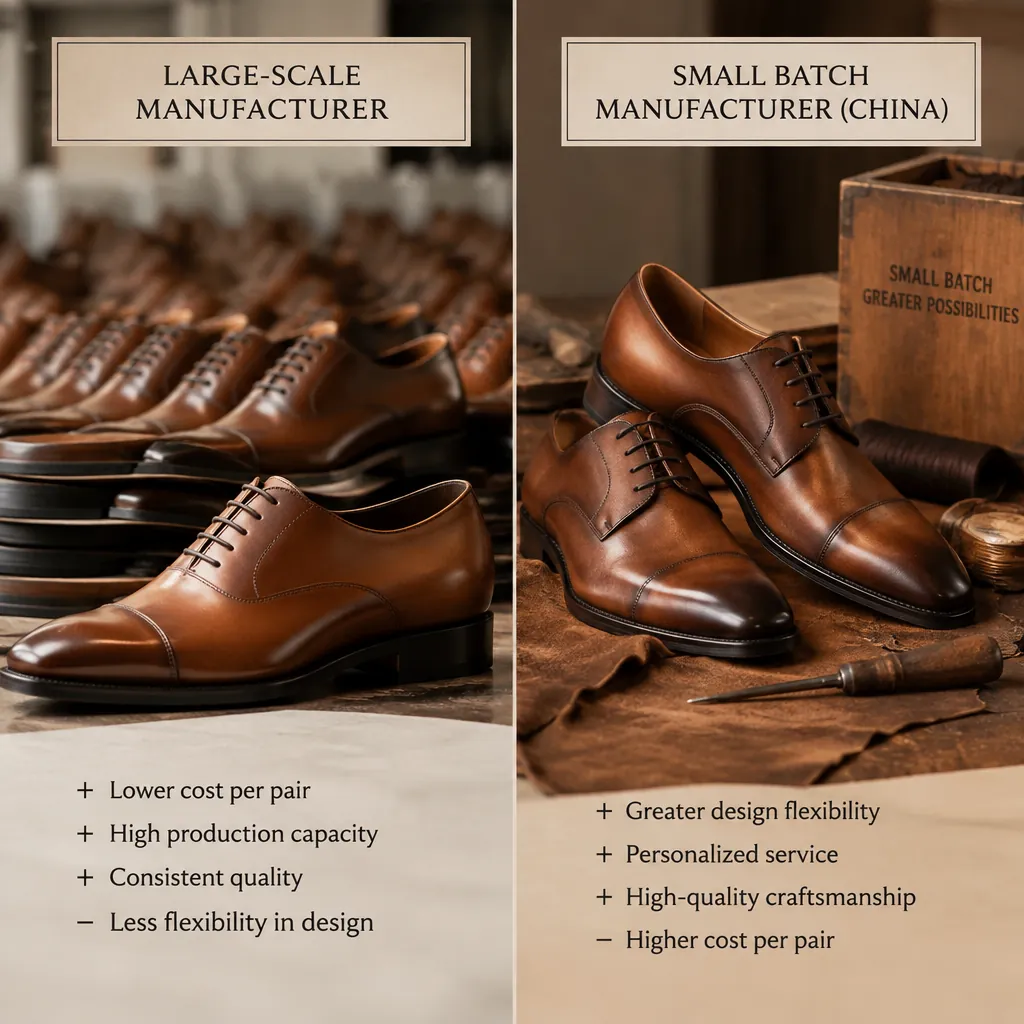
China remains the world’s largest footwear manufacturing hub, producing approximately 60% of global footwear supply. For loafer manufacturing specifically, Chinese factories offer compelling advantages but also require careful navigation.
Advantages of Chinese Loafer Manufacturing
Supply Chain Maturity
- Complete leather sourcing ecosystem within China
- Hardware manufacturing proximity (buckles, bits)
- Skilled labor availability with loafer-specific experience
- Supporting industries (packaging, logistics, testing)
Production Capacity and Scalability
- Large factories handle 10,000-50,000+ pair orders
- Quick scalability for growing brands
- Multiple production lines for different styles simultaneously
- Seasonal capacity flexibility
Cost Efficiency
- 25-40% cost savings vs. European manufacturing
- 15-25% cost savings vs. other Asian manufacturing hubs
- Competitive labor costs with skilled workforce
- Economies of scale at lower volumes
Speed and Responsiveness
- 60-90 day production cycles vs. 120-180 days elsewhere
- Faster communication and problem resolution
- Efficient sample production (10-15 days)
- Flexible modification capabilities
Potential Challenges and Mitigation
Quality Consistency
- Challenge: Variable quality standards across factories
- Wincheer Solution: ISO 9001 processes, documented QC protocols, third-party inspection access
Communication Barriers
- Challenge: Language and cultural differences in specifications
- Wincheer Solution: English-speaking sales team, detailed written confirmations, photo/video documentation at production milestones
Intellectual Property Concerns
- Challenge: Design protection in manufacturing partnerships
- Wincheer Solution: NDA agreements, secure design handling, client ownership of custom lasts and designs, 19-year reputation without IP disputes
Distance and Logistics
- Challenge: Remote oversight, shipping complexity
- Wincheer Solution: FOB/CIF/Delivery options, online order tracking, Shanghai port access (world’s busiest container port)
Regulatory Compliance
- Challenge: CE, REACH, RoHS requirements for target markets
- Wincheer Solution: Certification available, documentation support, material testing capabilities
Red Flags in Loafer Manufacturing Sourcing
Based on industry analysis detailed in Red Flags When Sourcing Leather Shoes from China: A Buyer’s Checklist, B2B buyers should watch for:
Unrealistic Pricing
Significantly below market rates indicates quality shortcuts
- Genuine cowhide has minimum material costs
- If too good to be true, it probably is
Leather Misrepresentation
Bonded leather sold as genuine
- Inconsistent leather grading
- Refusal to provide leather certification or origin
Quality Sample vs. Production Discrepancies
Sample quality not representative of production
- Switching materials after approval
- Inadequate in-process quality control
Communication Evasiveness
Vague answers to specific questions
- Refusal to provide factory photos or videos
- Limited transparency about processes
Payment Term Pressure
Demanding unusual payment structures
- Refusing standard deposit/balance terms
- Cash-only or untraceable payment methods
Wincheer’s Approach to Red Flag Elimination:
- Transparent pricing with detailed cost breakdowns
- Material verification and documentation provided
- Pre-production sample approval required
- Regular production updates with photos
- Standard industry payment terms
- Factory visits welcomed by appointment
Wincheer Shoes: Your Loafer Manufacturing Partner
Since 2007, Wincheer Shoes has specialized in leather footwear manufacturing from our Shanghai facility. Our loafer manufacturing capabilities combine traditional craftsmanship with modern efficiency, delivering quality footwear to B2B clients across 40+ countries.
Our Loafer Manufacturing Capabilities
Production Capacity:
- 2,500-3,000 pairs/day total loafer capacity
- Multiple production lines for different construction types
- Hand-sewn moccasin capability (150-200 pairs/day)
- Cemented construction capacity (400-500 pairs/day/line)
Style Range:
- Penny loafers (all toe shapes)
- Tassel loafers (classic and contemporary)
- Horsebit loafers (various hardware options)
- Belgian loafers (premium handcrafted)
- Moccasin-style loafers (hand-sewn construction)
Material Expertise:
- Full-grain, top-grain genuine cowhide
- Chinese and imported European leather options
- Custom leather sourcing available
- Complete supply chain transparency
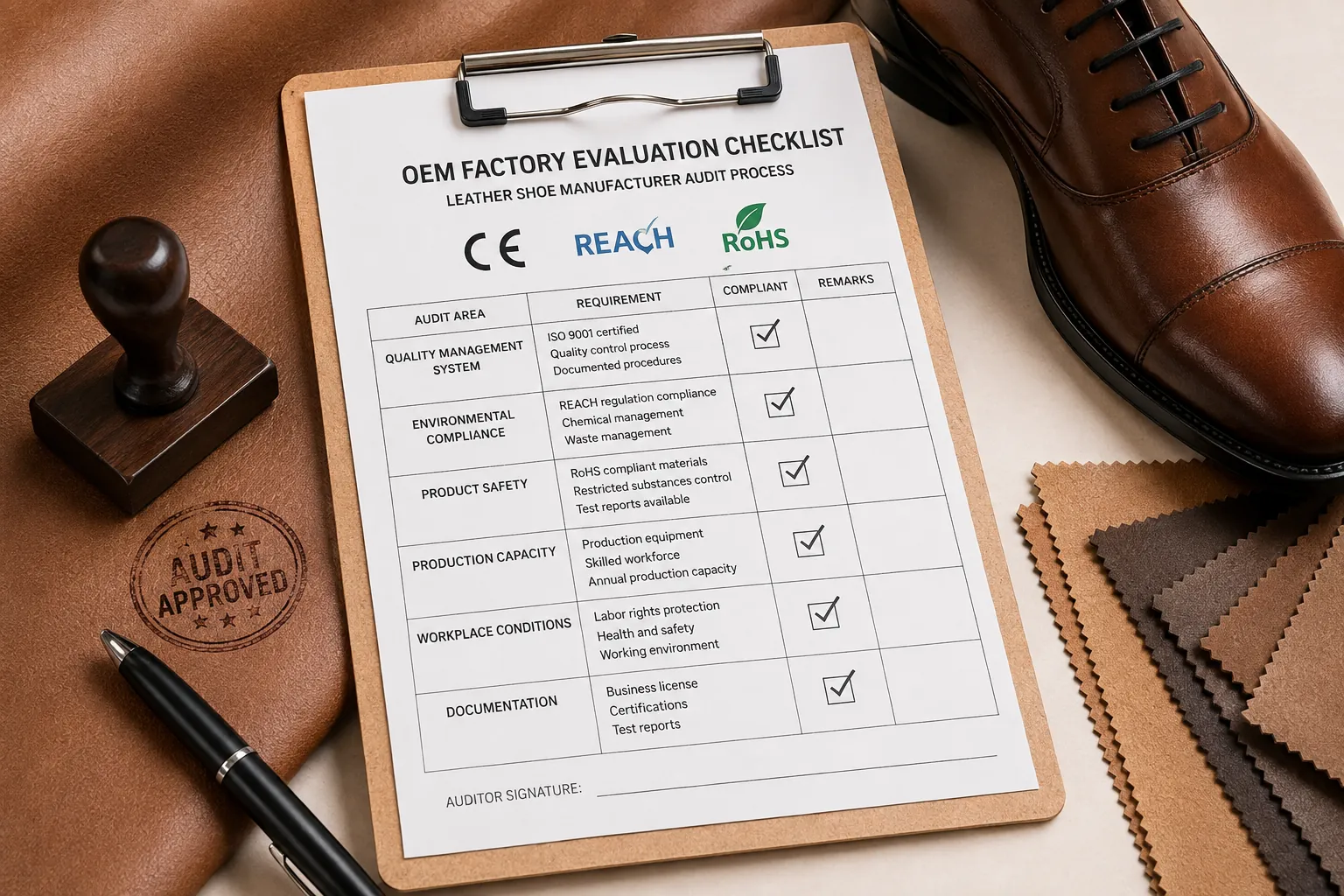
Certifications and Compliance
Quality Certifications:
- CE certification for European market compliance
- REACH regulation compliance for chemical safety
- RoHS compliance for restricted substances
- ISO 9001 quality management processes
Testing Capabilities:
- Abrasion resistance testing
- Color fastness testing
- Adhesion strength testing
- Flex testing
Our B2B Partnership Approach
For New Brands and Startups:
- MOQ flexibility from 300 pairs
- Design consultation and development support
- Tech pack assistance (see How to Create a Shoe Tech Pack: Complete Template Guide for B2B Buyers)
- Growth partnership (scale as you grow)
For Established Retailers:
- Volume-based pricing tiers
- Custom development capabilities
- Private label manufacturing
- White-glove service and priority scheduling
For Corporate and Uniform Programs:
- Consistent quality across orders and years
- Size range optimization
- Branding and customization options
- Reliability and on-time delivery
Our Commitment to Quality and Transparency
What Sets Wincheer Apart:
Material Transparency
Clear leather grade specification
- Origin documentation provided
- No bonded leather misrepresentation
Quality Consistency
Sample-approved production standard
- In-process quality checkpoints
- Final inspection before shipping
Communication Excellence
English-speaking sales team
- Regular production updates
- Photo/video documentation available
Flexibility and Partnership
Custom development support
- Growth-oriented pricing
- Problem-solving partnership approach
FAQ: Leather Loafer Manufacturing Questions
Q: What is the minimum order quantity for custom leather loafers?
A: Wincheer’s standard MOQ is 300 pairs per style/color combination. However, we offer flexibility for new clients and growing brands. For established clients with volume commitments, we can work with smaller quantities on subsequent orders. Style variations using the same last and materials may qualify for reduced MOQs—ask about consolidation strategies.
Q: How long does loafer production take from order to delivery?
A: Standard timeline is 60-75 days: 10-15 days for sample approval, 35-45 days for production, and 15-20 days for shipping. Hand-sewn moccasin styles require 75-90 days due to the labor-intensive construction. Rush orders may be possible depending on production scheduling—contact us to discuss specific timing requirements.
Q: Can Wincheer help with loafer design if I only have a concept?
A: Absolutely. We offer design consultation services including sketch development, style recommendations based on your target market, material selection guidance, and tech pack creation. Our team has worked with hundreds of brands transitioning from concept to production. See How to Create a Shoe Tech Pack: Complete Template Guide for B2B Buyers for detailed information on tech pack development.
Q: What’s the difference between $30 and $70 wholesale loafers?
A: Key differences include: leather grade (full-grain vs. top-grain vs. genuine), construction method (hand-sewn vs. cemented), lining quality (full leather vs. partial vs. synthetic), hardware quality (solid brass vs. plated vs. base metal), and craftsmanship level. A $70 loafer typically uses full-grain leather with hand-sewn moccasin construction and premium components, while a $30 loafer may use top-grain leather with cemented construction. Both can be appropriate depending on your market positioning—we help you find the right balance.
Q: How do I ensure consistent sizing across orders?
A: Wincheer maintains detailed last records and uses consistent production processes for each client. We recommend maintaining a “golden sample” from your first order for comparison on subsequent orders. For corporate and uniform programs, we can hold lasts specifically for your account to ensure consistency across years of orders. Sizing consultation is part of our partnership approach—ask about fitting sample options.
Q: Can Wincheer manufacture branded loafers with our logo?
A: Yes, we offer several branding options: embossed logos (on heel counter or insole), printed logos (on insole or lining), metal logo badges (on heel or tongue), and custom woven labels. Minimum quantities vary by branding method—we can recommend the most appropriate and cost-effective option for your order volume and brand positioning.
Q: What payment terms does Wincheer offer?
A: Standard terms are 50% deposit upon order confirmation and 50% before shipping. For established clients with order history, we offer more favorable terms (30%/70% or net terms for qualified accounts). For first-time clients, we may accept smaller initial orders with standard terms, then adjust for future orders based on payment history and creditworthiness. All major payment methods accepted including wire transfer, Alibaba Trade Assurance, and letters of credit for large orders.
Q: How does Wincheer handle quality issues?
A: We stand behind our quality with a comprehensive process: pre-production sample approval establishes quality standards, in-process quality control maintains standards, final inspection before shipping identifies any issues, and we address any legitimate quality concerns promptly. For orders with third-party inspection requirements, we welcome and facilitate inspector access. Our 19-year reputation is built on quality and integrity—we don’t cut corners on quality.
Conclusion
Leather loafers represent a versatile, enduring footwear category with significant B2B opportunities across retail, corporate, hospitality, and fashion sectors. Success in sourcing and selling quality loafers requires understanding style variations, construction methods, material quality, and manufacturing partnerships.
Key Takeaways:
- Style Selection Matters: Penny loafers dominate volume (35-40% of market), while tassel and horsebit loafers command higher price points in premium segments. Match your style selection to target demographic and price positioning.
- Quality Begins with Materials: Full-grain cowhide costs 30-40% more but delivers 65% longer lifespan and enhanced brand perception. Understand your market’s quality expectations and price tolerance.
- Construction Defines Value: Hand-sewn moccasin construction justifies premium positioning, while cemented construction offers efficiency for volume applications. Choose construction method aligned with your brand promise.
- Sizing and Fit Critical: Loafers rely entirely on last shape for fit—unlike lace-ups, there’s no lacing adjustment. Invest in proper last selection and size run planning.
- Partnership Value: The right manufacturing partner delivers more than production—they provide design consultation, material expertise, quality assurance, and growth support.
Ready to discuss your leather loafer manufacturing requirements? Contact Wincheer Shoes at maggiemei@shwincheer.com or WhatsApp +86-18918192049. With 19 years of leather shoe manufacturing experience and CE, REACH, RoHS certifications, we’re your trusted partner for quality loafer solutions.
Production Capacity: 2,500-3,000 pairs daily across loafer styles
MOQ: 300 pairs with flexibility for growing brands
Lead Time: 60-75 days standard
Markets Served: 40+ countries globally
Visit wincheershoes.com to explore our complete collection of premium leather shoes and manufacturing capabilities.