A $25 factory price turning into an $89 retail tag — that is a 256% markup sitting inside a single pair of leather shoes. For B2B buyers, private label brands, and cross-border e-commerce sellers, wholesale leather shoes for resale represent one of the most accessible high-margin product categories in fashion retail today.
This guide breaks down every cost layer between the factory floor and your customer’s doorstep, shows you which shoe styles carry the fattest margins, and gives you a practical MOQ strategy to test the market before committing serious capital.
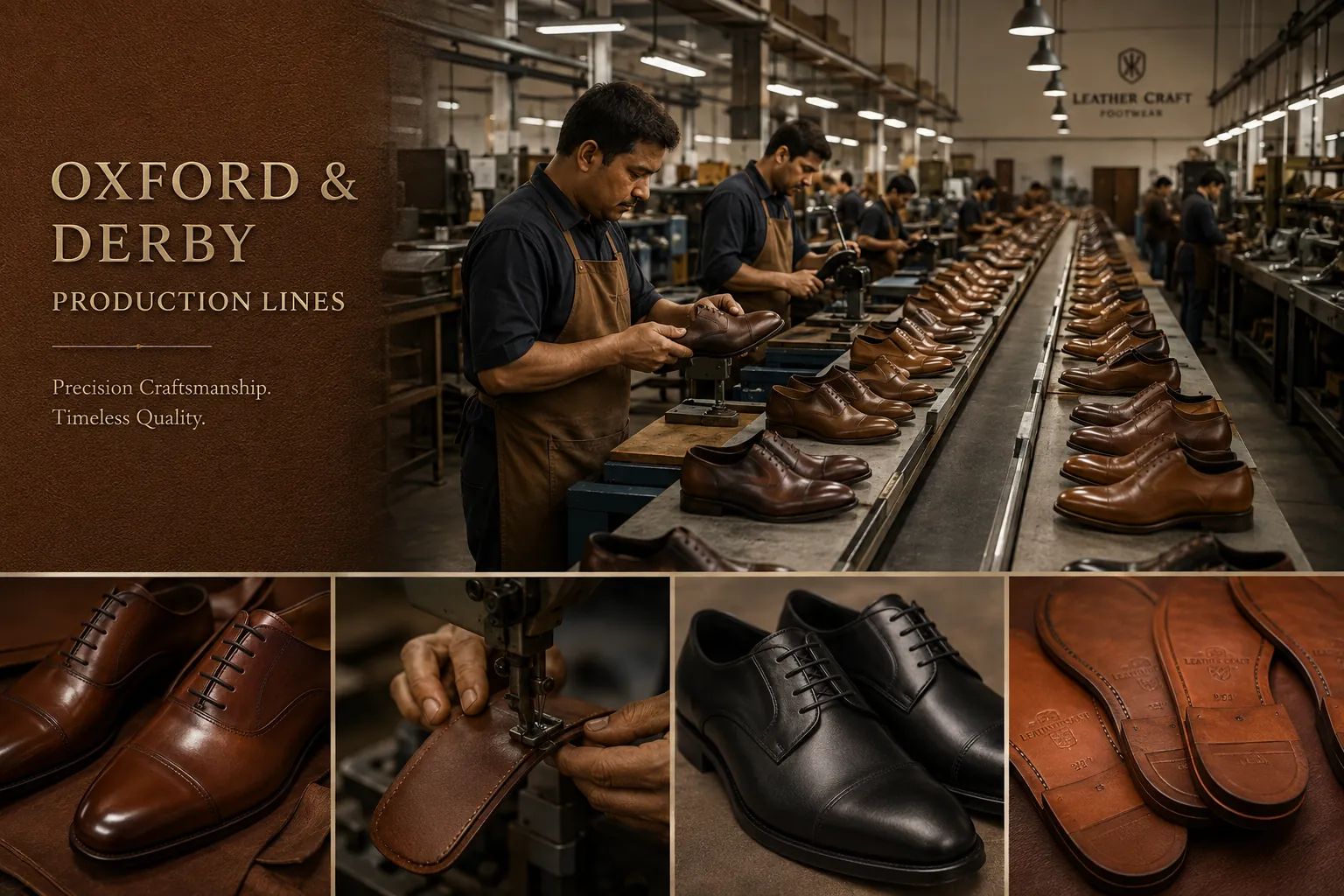
At our factory — producing 500,000+ pairs annually since 2007, with a defect rate of just 0.8–1.2% against an industry average of 2–4% — we see buyers at every scale successfully build profitable shoe lines starting from as few as 60 pairs. The numbers below are drawn from real order data, not estimates.
Table of Contents
- The 256% Markup Opportunity Explained
- Full Profit Margin Breakdown: Factory to Retail
- Which Shoe Types Have the Best Margins
- MOQ Strategy: Start Small, Scale Winners
- Bulk Orders & Mixed-Style Pallets
- Comparison Table: Shoe Type × Cost × Margin
- Case Study: Launching a Leather Shoe Line for $3,000
- Sourcing Checklist: 10 Questions Before You Place an Order
- FAQ
1. The 256% Markup Opportunity Explained
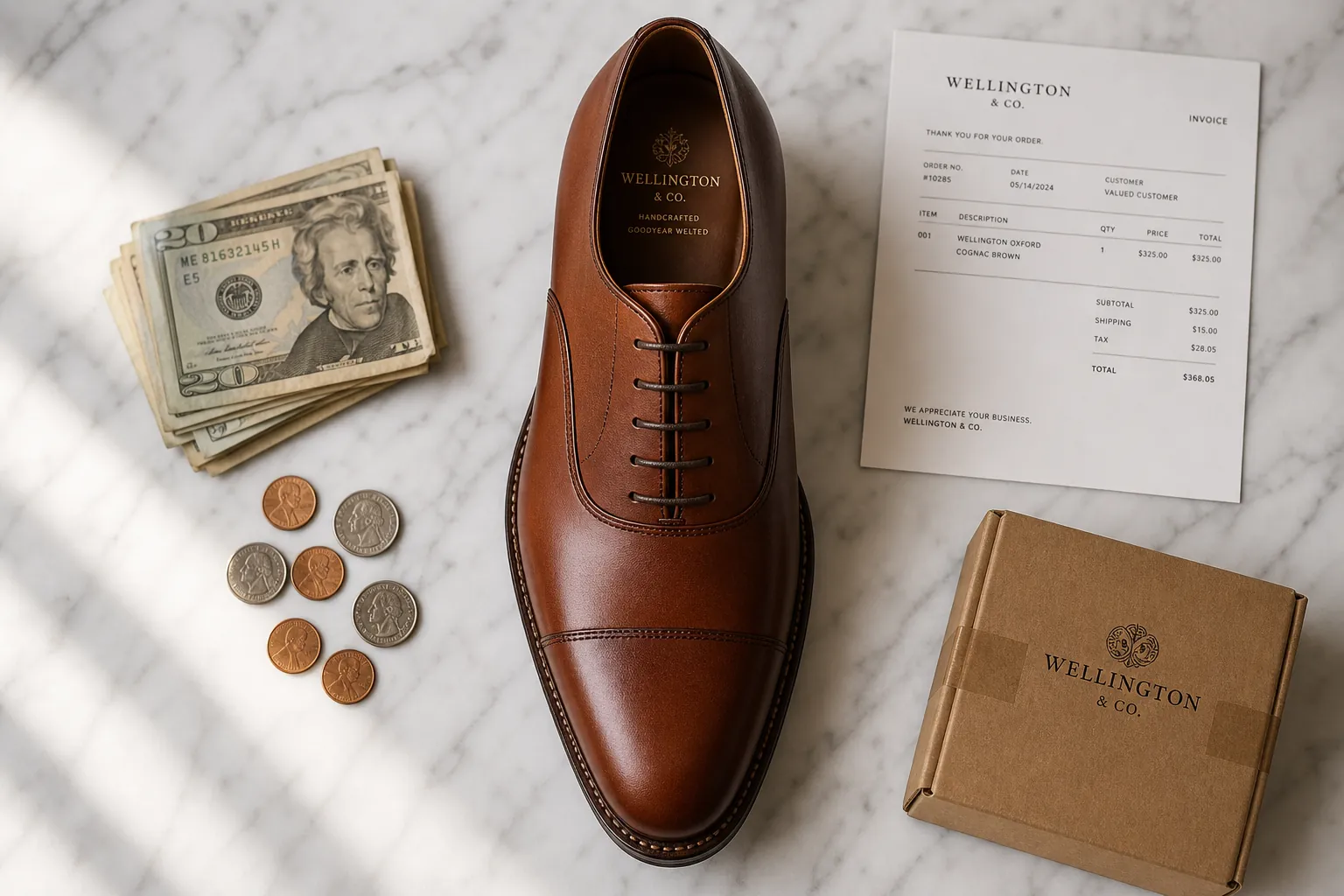
The math behind wholesale leather shoes for resale is straightforward once you see it laid out. A genuine leather Oxford sourced from a certified Chinese factory typically costs $25–$40 per pair at the factory gate. That same shoe retails in the US, EU, or Australian market for $79–$120, depending on branding, packaging, and channel.
Even after you stack in shipping, customs, and warehousing, the landed cost on a well-managed order rarely exceeds $45–$55 per pair. That leaves $30–$70 of gross margin per unit — before you have sold a single pair.
The opportunity is not just in the markup percentage. It is in the repeatability. Leather dress shoes have low return rates compared to apparel, long product lifecycles, and strong gifting demand in Q4. For resellers, that combination is rare.
2. Full Profit Margin Breakdown: Factory to Retail
Understanding every cost layer is what separates profitable resellers from ones who break even. Here is a realistic cost stack for a 120-pair order of leather Oxfords shipped from Guangzhou to a US warehouse.
Factory Cost
- FOB price: $28–$32 per pair (genuine leather, Goodyear-welt or Blake construction)
- Includes: upper leather, lining, insole, outsole, basic box
International Freight
- Sea freight (LCL): $3.50–$5.00 per pair for a 120-pair shipment
- Air freight is 3–4× higher and only makes sense for rush reorders under 30 pairs
US Customs & Duties
- Leather dress shoes from China currently attract a base tariff of 20–37.5% depending on HTS code and applicable Section 301 tariffs
- On a $30 FOB pair, expect $6–$11 in duties
- Always verify current rates via the USITC HTS database before finalizing your landed cost model
Domestic Warehousing & Fulfillment
- Third-party logistics (3PL) pick-and-pack: $2.50–$4.00 per pair
- Storage: $0.50–$1.00 per pair per month for a 90-day sell cycle
Total Landed Cost (per pair, 120-unit order)
| Cost Layer | Low Estimate | High Estimate |
|---|---|---|
| Factory (FOB) | $28.00 | $32.00 |
| Sea freight | $3.50 | $5.00 |
| Customs & duties | $6.00 | $11.00 |
| 3PL fulfillment | $2.50 | $4.00 |
| Storage (90 days) | $0.50 | $1.00 |
| Total landed | $40.50 | $53.00 |
At a $89 retail price, gross margin runs $36–$48.50 per pair, or 40–55% gross margin — well above the 35% threshold most footwear buyers target.
3. Which Shoe Types Have the Best Margins
Not all styles are equal when it comes to margin potential. The key variables are factory cost, perceived retail value, and market saturation.
Oxford Shoes — 280% Markup Potential
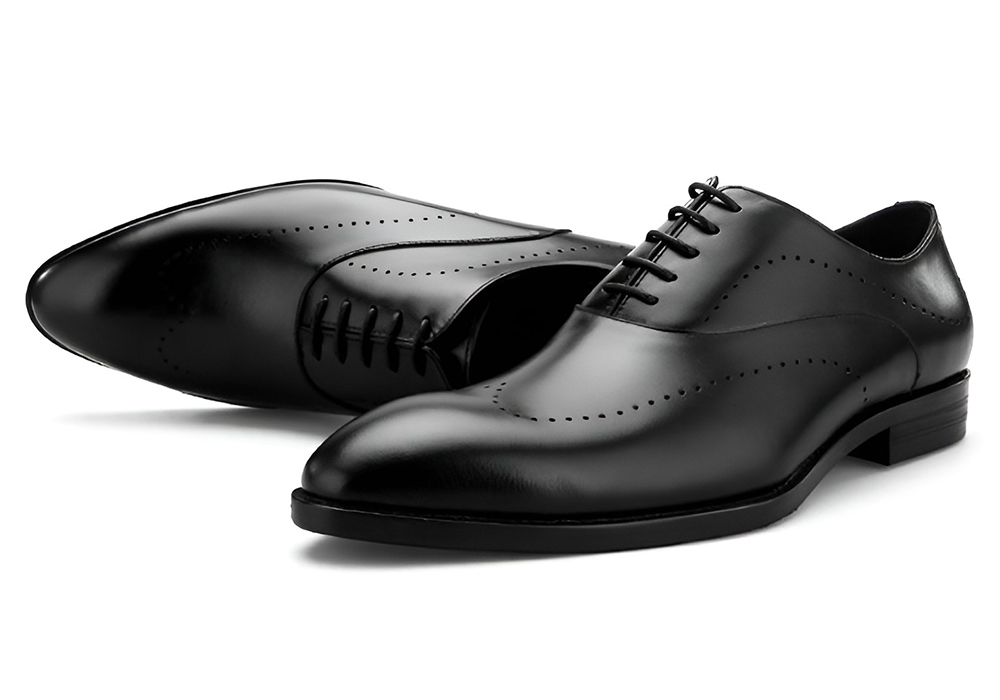
Oxfords carry the highest perceived value in the dress shoe category. A cap-toe or brogue Oxford in black or tan retails easily at $95–$120 in Western markets while costing $28–$32 at the factory gate.
The style has universal demand across corporate gifting, wedding season, and everyday office wear. Low return rates (under 5% in most markets) make them the safest entry point for new resellers.
Explore the full range: Men’s Oxford Shoes
Loafers — 250% Markup Potential
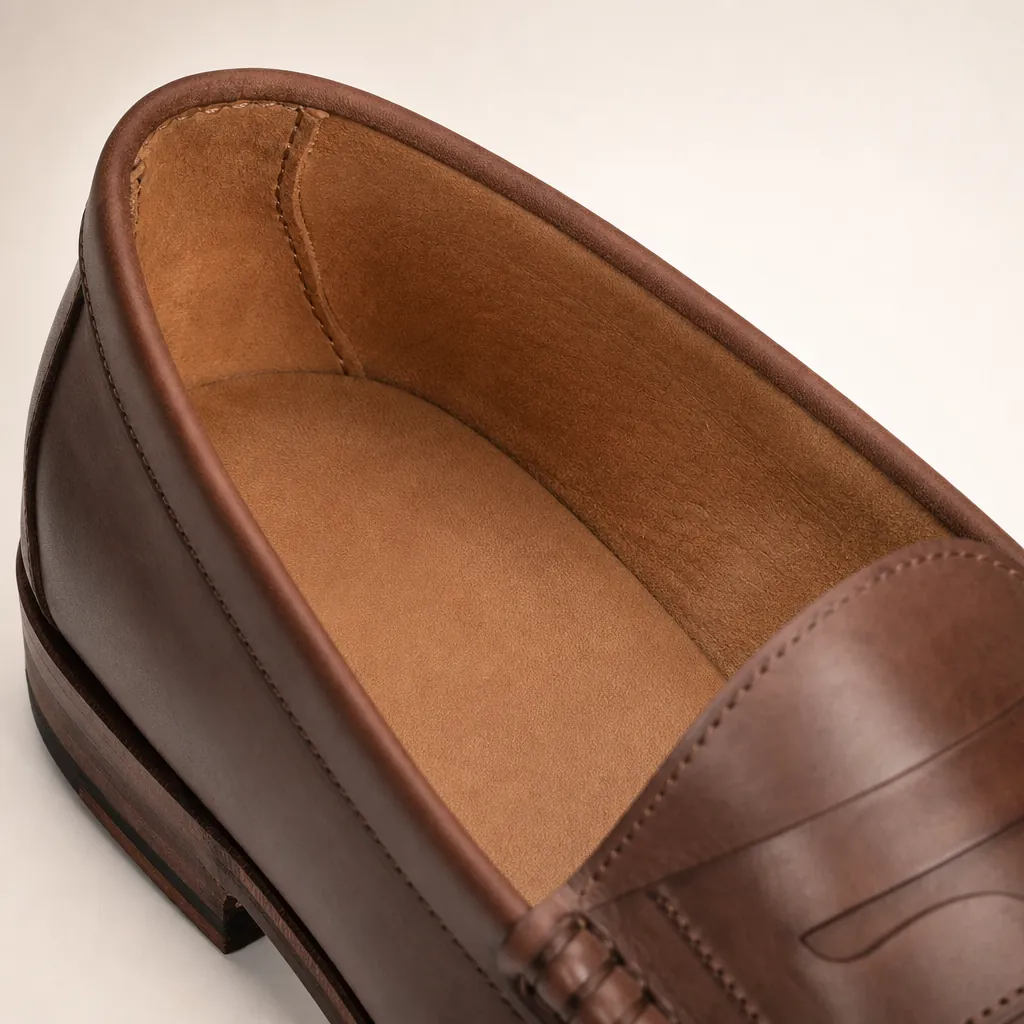
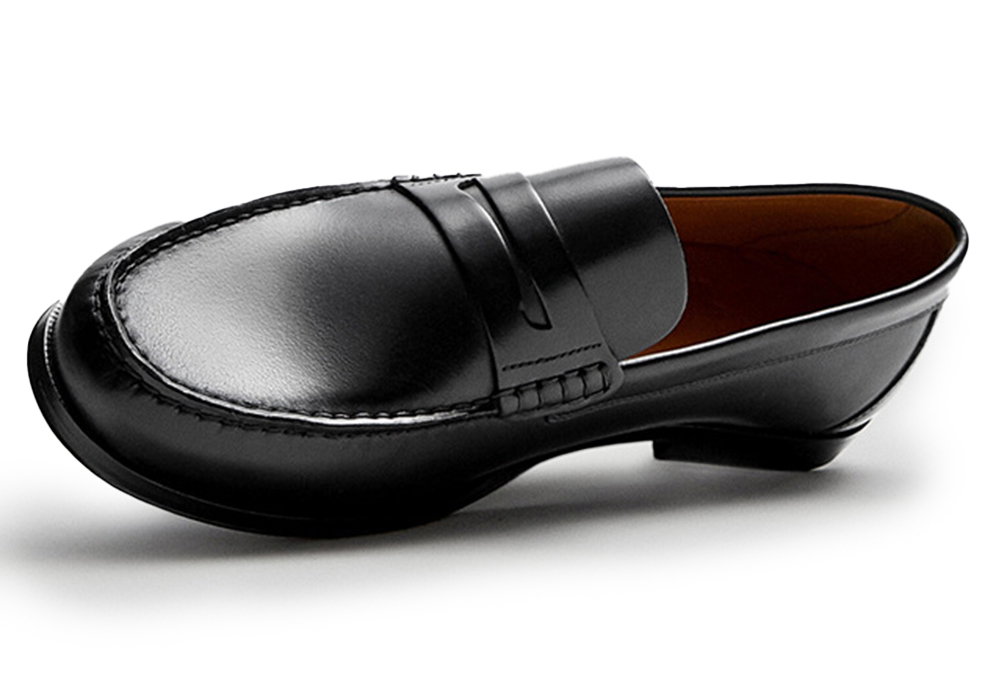
Leather loafers sit at the intersection of casual and smart-casual, which broadens the addressable market significantly. Penny loafers and tassel loafers retail at $79–$110 while factory costs run $25–$30.
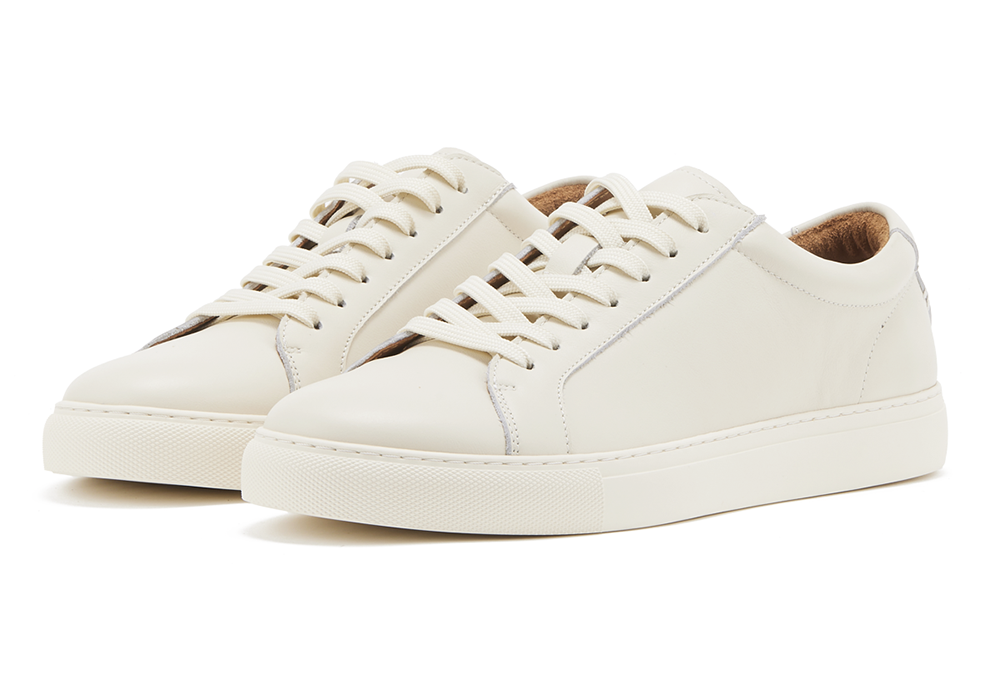
The casualization of workwear since 2020 has driven loafer demand sharply upward. They are also easier to size (slip-on fit reduces exchange rates) and photograph well for e-commerce listings.
Browse wholesale options: Men’s Loafer Shoes
Chelsea Boots — 220% Markup Potential
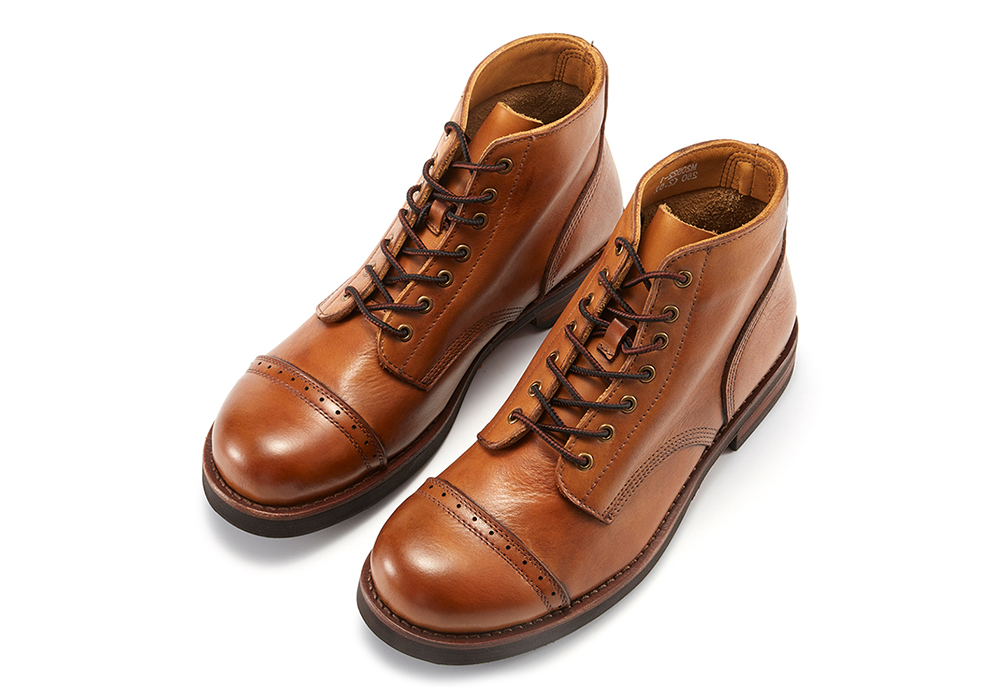
Chelsea boots have a higher factory cost ($32–$40) due to the elastic gusset, pull tab, and ankle construction. But retail prices follow suit — $99–$140 in the UK and EU markets where the style has the strongest cultural resonance.
Seasonal demand peaks in September–November, so timing your order placement (July–August) is critical to capturing full-price sell-through.
Derby Shoes — 240% Markup Potential
Derbies are the most versatile style in the range. Open lacing makes them easier to fit across a wider foot width range, which reduces sizing complaints. Factory costs are similar to Oxfords ($27–$31), and retail prices hold at $85–$110.
For buyers new to wholesale leather shoes for resale, Derbies are often recommended as a second SKU alongside Oxfords because they share the same customer demographic but offer a different aesthetic.
Monk Strap Shoes — 230% Markup Potential
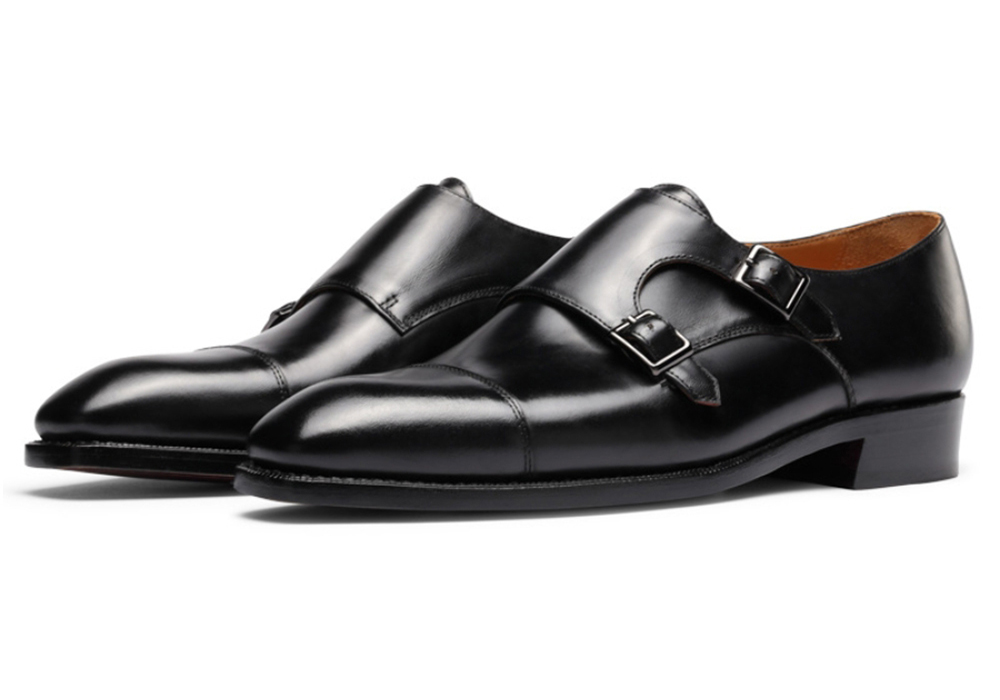
Monk straps are a niche style with loyal buyers who pay a premium. Single and double monk straps retail at $95–$130 and carry strong brand differentiation potential — they look custom even when they are not.
Dress Shoes for Wholesale Buyers — Supply Range
Beyond individual styles, many buyers source wholesale men’s dress shoes as a category: Oxfords, Derbies and monk straps supplied together as one dress-shoes programme. Our catalogue covers black and dark brown as stock colours, cap-toe and brogue detailing, and full-grain or corrected leather grades to match your retail price point.
For custom made men’s leather shoes, the path runs through our OEM service: send a reference pair or a tech pack, confirm leather, last and sole specification, and we produce counter samples before bulk. Minimum quantities for fully customised dress shoes start at 60 pairs per style, with your logo applied to the insole, outsole and box.
Browse the dress range: Men’s Monk Shoes and Men’s Derby Shoes.
4. MOQ Strategy: Start Small, Scale Winners
One of the most common mistakes new resellers make is over-ordering on their first run. The MOQ strategy below is built around capital preservation and market validation.
Phase 1: Market Test (60–120 pairs)
Start with 60 pairs across 2–3 styles (e.g., 24 Oxfords, 24 Derbies, 12 Loafers). This keeps your initial outlay under $3,500 landed and gives you real sell-through data within 60–90 days.
An MOQ of 0 on existing designs means you can test catalogue styles without tooling fees. Custom designs require a minimum of 60 pairs — a low enough threshold to validate a private label concept before scaling.
Phase 2: Reorder Winners (200–500 pairs)
Once you have 60 days of sales data, reorder the top-performing style at 200+ pairs. At this volume, you can negotiate:
- Custom insole branding (your logo stamped inside)
- Custom box and tissue paper (brand packaging)
- Minor last modifications (toe shape, heel height)
The unit economics improve meaningfully at 200 pairs. Sea freight cost per pair drops as you fill more of a container, and suppliers often offer a 3–5% volume discount.
Phase 3: Private Label Launch (500+ pairs)
At 500 pairs per style, you have enough volume to justify full OEM/ODM development — custom upper patterns, proprietary lasts, and branded outsoles. This is where wholesale leather shoes for resale transitions into a defensible brand with real IP.
For a detailed roadmap on this transition, see the Private Label Shoes 10-Step Brand Launch Guide.
5. Bulk Orders & Mixed-Style Pallets
Two buyer profiles dominate bulk men’s shoes orders. Retail chains and market-stall operators reorder proven sellers in volume — typically 500 to 2,000 pairs per run. E-commerce sellers preparing for Q4 or seasonal campaigns buy bulk men’s footwear two to three months ahead of the demand peak. Both profiles share one non-negotiable requirement: predictable sizing.
Size-run planning matters more than style count. A standard men’s size run spans roughly 40–46 EU, but demand is not flat across sizes — mid sizes move first, so a pallet weighted toward your best-selling sizes clears faster than an even spread. Pull your own sales data by size before locking a bulk order, and share the curve with the factory so production matches it.
Mixed-style consolidation works within MOQ rules. You can combine Derbies, loafers and boots in one shipment as long as each style meets its own minimum — 60 pairs of a derby plus 60 pairs of a loafer consolidate into one mixed order instead of two separate productions. Colour splits inside one style follow the same logic: 20 pairs per colour across three colours satisfies a 60-pair minimum on that style.
For volume buyers, unit pricing steps down as quantity rises. Request a bulk-price breakdown per style when you send your size run — and if you are testing a market before committing to volume, see how our low-MOQ programme supports smaller first runs.
6. Comparison Table: Shoe Type × Order Quantity × Landed Cost × Retail Price × Margin
| Style | Min Order | FOB Price | Landed Cost (US) | Retail Price | Gross Margin |
|---|---|---|---|---|---|
| Oxford (cap-toe) | 60 pairs | $28–$32 | $42–$54 | $95–$120 | 43–55% |
| Derby (plain toe) | 60 pairs | $27–$31 | $41–$52 | $85–$110 | 40–53% |
| Loafer (penny) | 60 pairs | $25–$30 | $39–$50 | $79–$105 | 38–52% |
| Monk Strap (single) | 60 pairs | $30–$35 | $44–$56 | $95–$130 | 43–57% |
| Chelsea Boot | 60 pairs | $32–$40 | $47–$62 | $99–$140 | 40–55% |
| Walking Style | 0 pairs* | $25–$35 | $39–$55 | $75–$110 | 38–50% |
*0 MOQ applies to existing catalogue designs only. Custom designs: 60-pair minimum.
Landed cost assumes sea freight (LCL), US import duties at 25–35%, and basic 3PL fulfillment. Margins will vary by market and sales channel.
7. Case Study: Launching a Leather Shoe Line for $3,000
The buyer: A boutique owner in Austin, Texas, selling men’s accessories. No prior shoe sourcing experience.
The brief: Launch a small leather shoe line to complement an existing belt and wallet range. Budget: $3,000 all-in for the first order.
The order:
- 24 pairs of cap-toe Oxfords in black (EU 40–45)
- 24 pairs of penny loafers in tan (EU 40–45)
- 12 pairs of single monk straps in dark brown (EU 40–45)
- Total: 60 pairs across 3 styles
FOB cost: $29 average × 60 pairs = $1,740 Sea freight (LCL to Houston): $210 Customs & duties (approx. 28%): $487 3PL receiving + storage: $120 Total landed cost: $2,557
Sales result (90 days):
- Oxfords: 22 of 24 pairs sold at $95 average = $2,090
- Loafers: 20 of 24 pairs sold at $82 average = $1,640
- Monk straps: 10 of 12 pairs sold at $105 average = $1,050
- Total revenue: $4,780
- Gross profit: $2,223 (46% margin)
What happened next: The buyer reordered 200 pairs of Oxfords and 150 pairs of loafers, added custom insole branding, and launched a private label name. By month 8, the shoe line was generating more revenue than the original accessories business.
The lesson: the $3,000 entry point is real. The key is choosing proven catalogue styles, keeping sizes focused (EU 40–45 covers 80% of male demand), and not over-investing in packaging on the first run.
For a deeper look at OEM options once you are ready to scale, the OEM/ODM Men’s Genuine Leather Shoes guide covers the full development process.
8. Sourcing Checklist: 10 Questions Before You Place an Order
Use this checklist before committing to any supplier for wholesale leather shoes for resale:
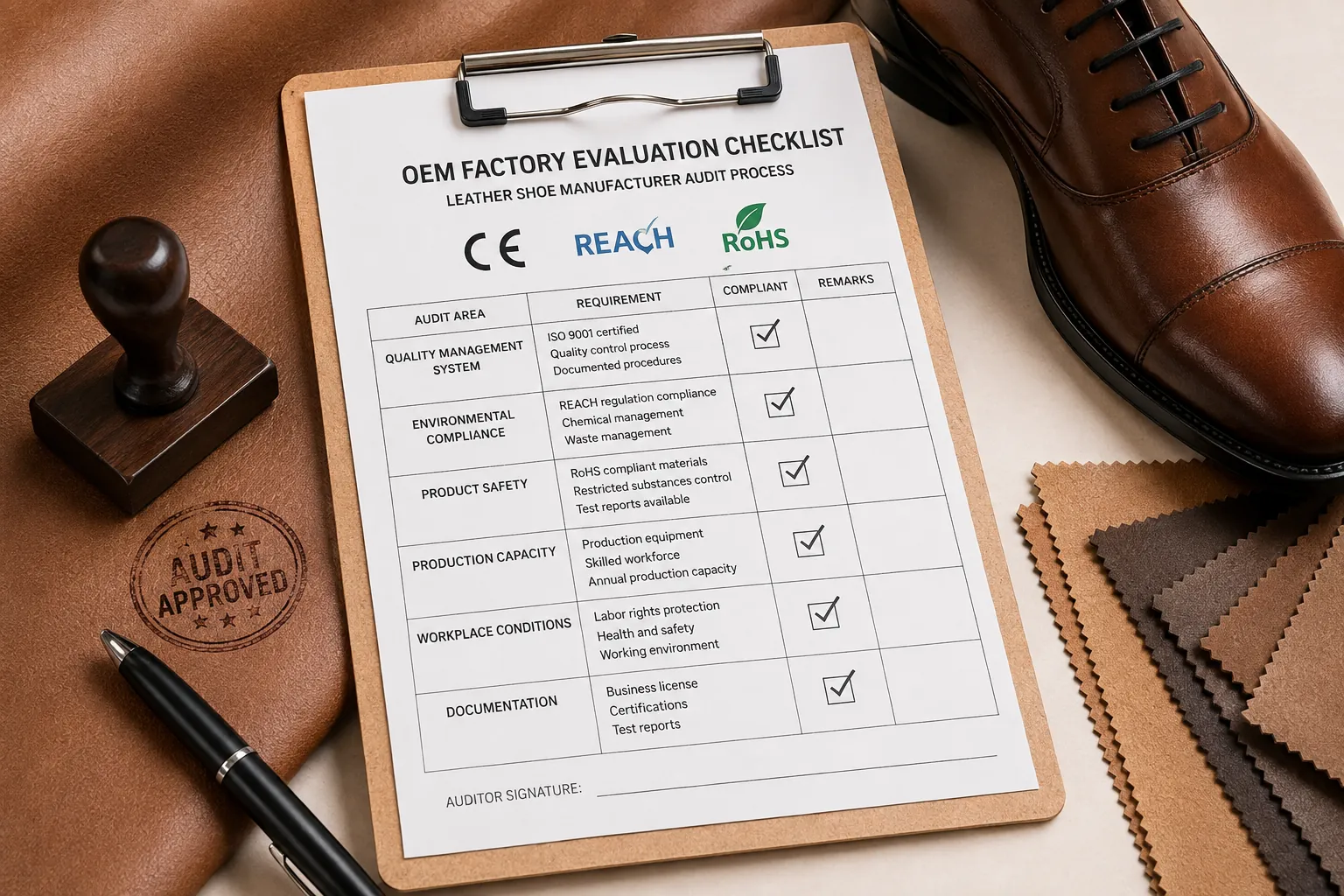
- [ ] Certifications confirmed? Ask for CE (EN ISO20347), REACH, and RoHS documentation — not just claims
- [ ] Defect rate disclosed? Industry average is 2–4%; anything above that is a red flag
- [ ] FOB or EXW pricing? Always clarify Incoterms before comparing quotes
- [ ] MOQ per style or per order? Some factories quote MOQ per colorway, which inflates your commitment
- [ ] Sample lead time? 7–14 days is normal; longer suggests capacity issues
- [ ] Production lead time? 30–45 days for standard orders; 60–75 days for custom
- [ ] Payment terms? 30% deposit / 70% before shipment is standard; avoid 100% upfront
- [ ] Size run confirmed? Ensure the factory can produce EU 38–47 or US 6–13 without surcharges
- [ ] Packaging options? Confirm whether branded boxes, tissue, and hang tags are available and at what MOQ
- [ ] References or order history? Ask for 2–3 buyer references in your target market
For a more detailed breakdown of warning signs, the Red Flags When Sourcing Leather Shoes from China guide covers 15 specific scenarios with buyer-side responses.
First-order document checklist. To move from enquiry to production without back-and-forth, prepare six things: your target styles with per-style quantities; the size run for each style; branding assets (logo file, label and packaging preferences); your destination market so certification requirements (CE, REACH) are confirmed upfront; your lead-time window; and preferred shipping terms (FOB, CIF or DDP). Buyers who send this list with their first enquiry typically receive a costed, production-ready quotation in the first reply.
Ready to price your first resale batch? WinCheer Shoes Co., Ltd. (est. 2007) publishes tier pricing from 60 pairs and returns first samples in 15–30 days. Request a quote with your target styles to get a landed-cost sheet for your market.
FAQ
Q: What is the minimum order quantity for wholesale leather shoes for resale? A: It depends on whether you are ordering existing catalogue designs or custom styles. Existing designs can be ordered with zero minimum — you pay per pair. Custom designs (your own logo, last, or upper pattern) typically require a 60-pair minimum per style to cover tooling and sampling costs.
Q: How much profit can I realistically make reselling leather shoes? A: On a well-managed order, gross margins of 40–55% are achievable after factory cost, freight, duties, and basic fulfillment. That translates to $30–$60 gross profit per pair depending on the style and your retail price point. Net margin after marketing and overhead typically runs 20–35% for established resellers.
Q: Which leather shoe style sells best for resale in 2026? A: Oxfords (especially cap-toe in black and dark brown) remain the top seller by volume, followed closely by penny loafers in tan. For new resellers, the safest opening order is a mix of Oxfords and loafers — these two styles cover the widest range of customer demographics and retail channels. Monk straps and Chelsea boots are strong secondary SKUs once you have sell-through data from your core styles.
Q: What is the typical lead time from order to delivery? A: For catalogue designs, expect 30–45 days from order confirmation to FOB ready, plus 15–25 days for sea freight to most Western ports. Total door-to-door timeline is typically 50–70 days. Custom designs add 15–20 days for pre-production development. Air freight can cut transit to 5–7 days but triples your freight cost — it is only economical for rush reorders under 30 pairs.
Q: Can I mix different shoe styles in one wholesale order? A: Yes. Most factories allow mixed-style orders as long as each style meets its individual MOQ (typically 60 pairs for custom designs). Mixing Oxfords, loafers, Derbies, and boots in a single shipment is standard practice and helps optimize container utilization. For stock designs, you can order individual pairs with no style-level minimum.