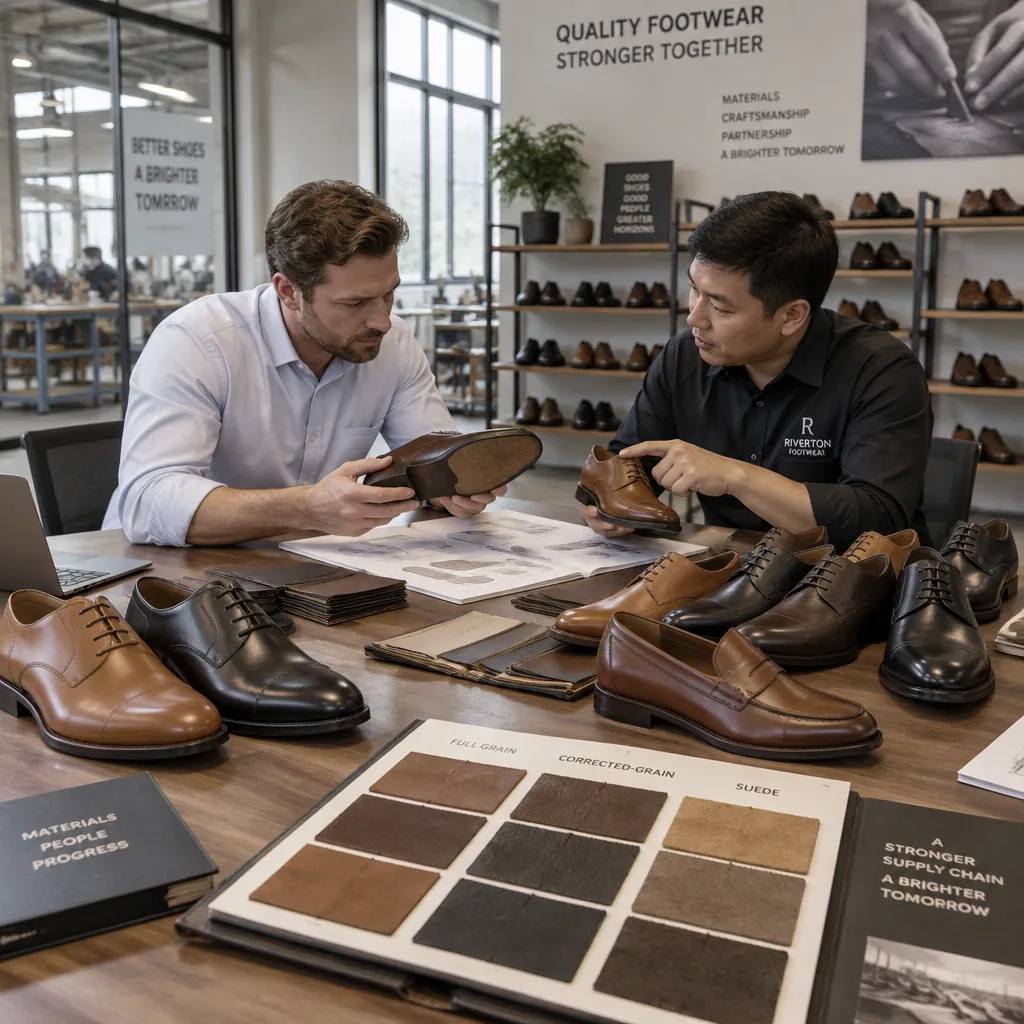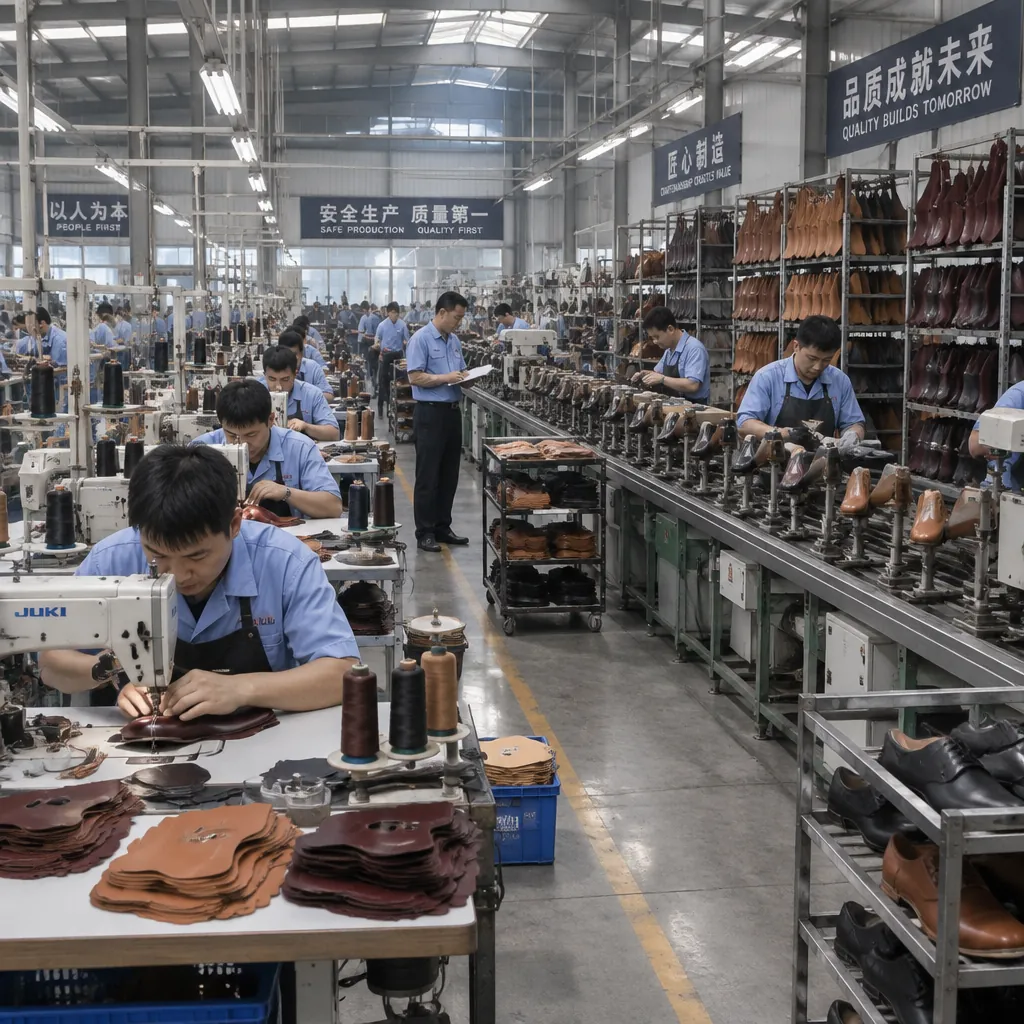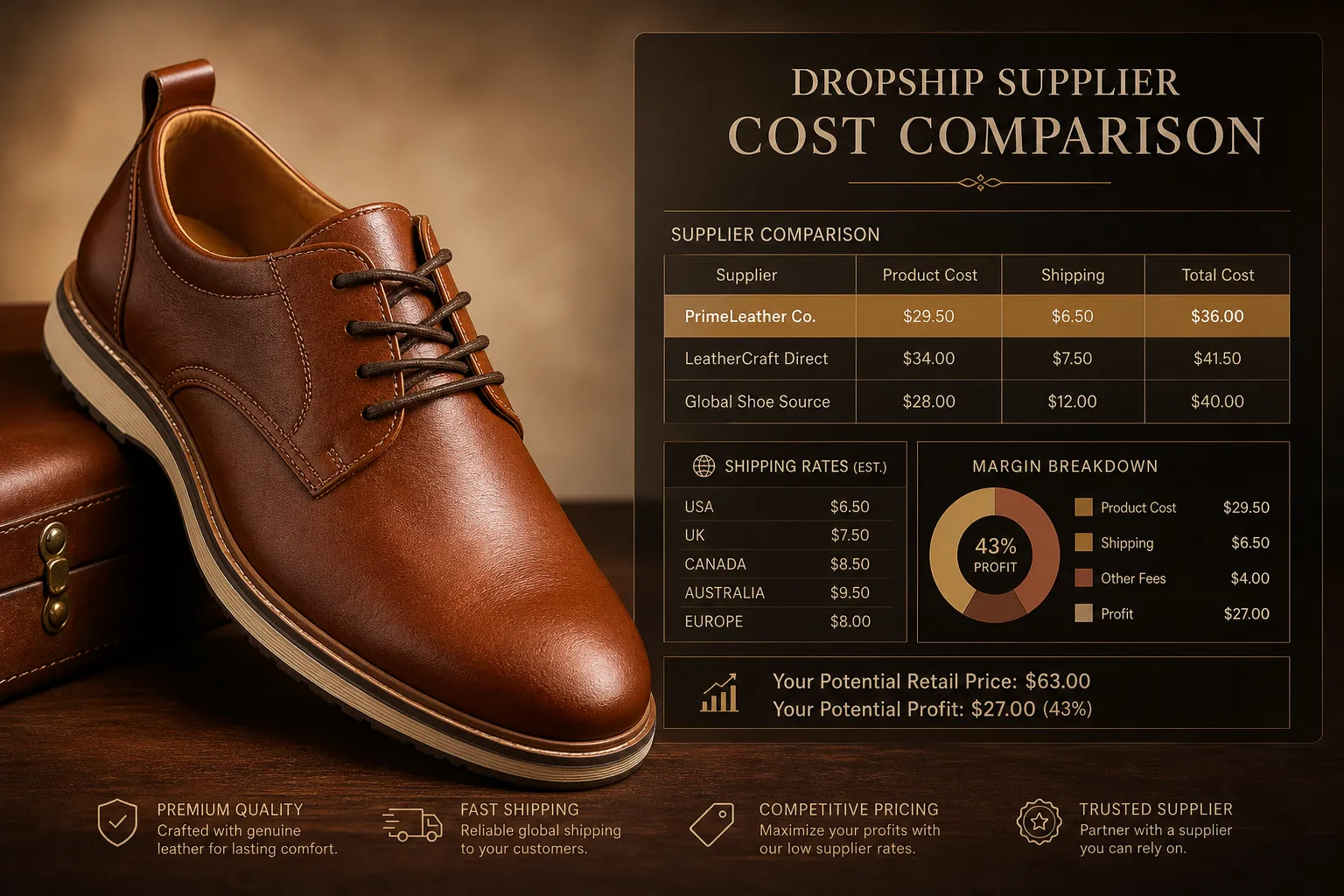

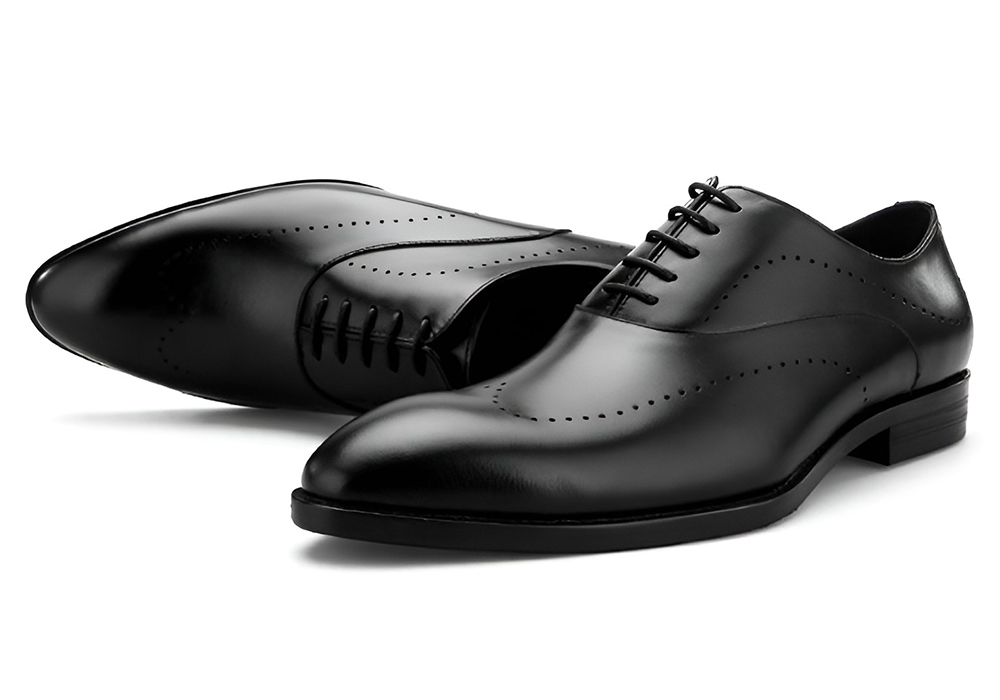
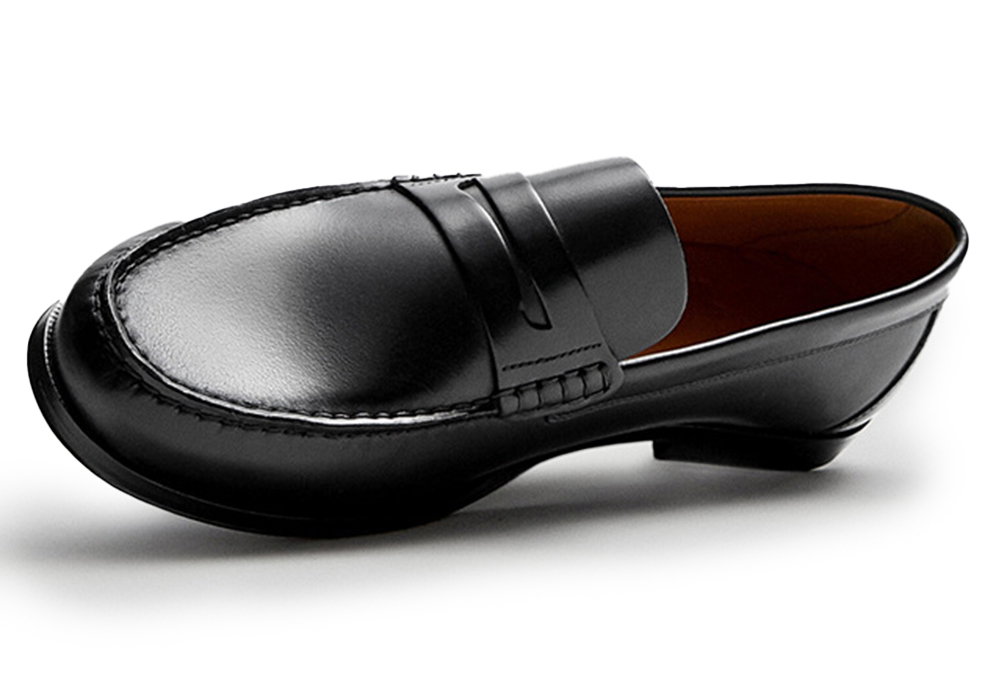
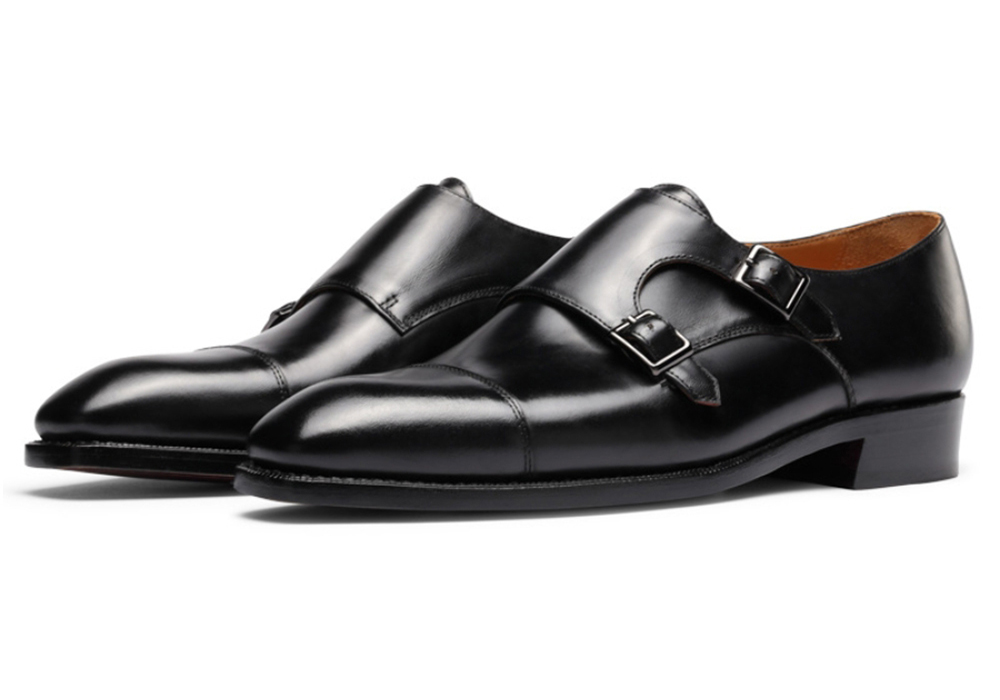
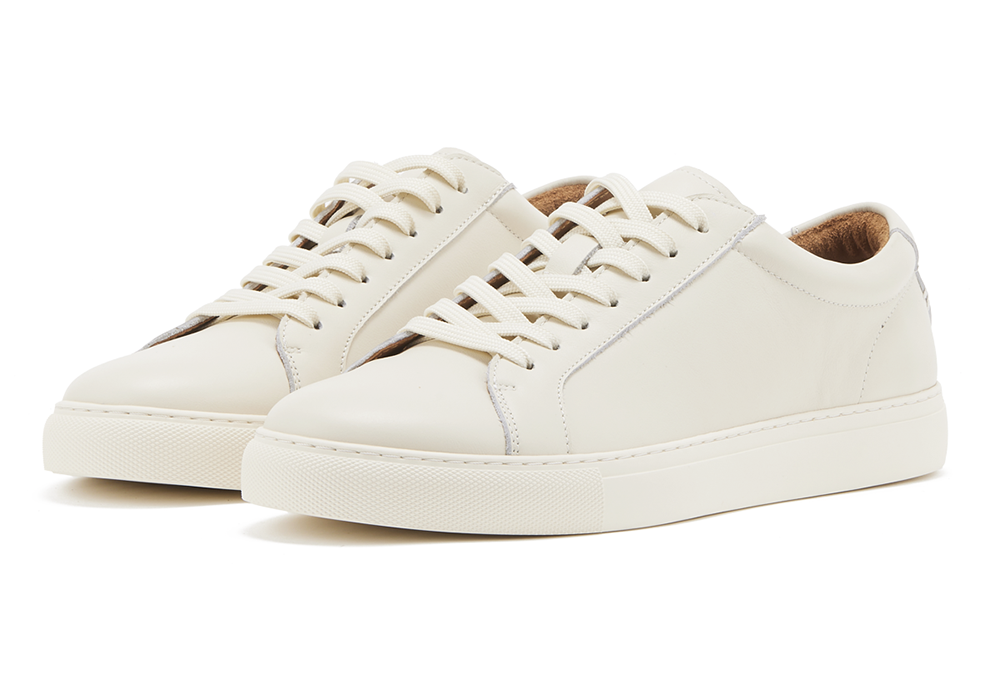
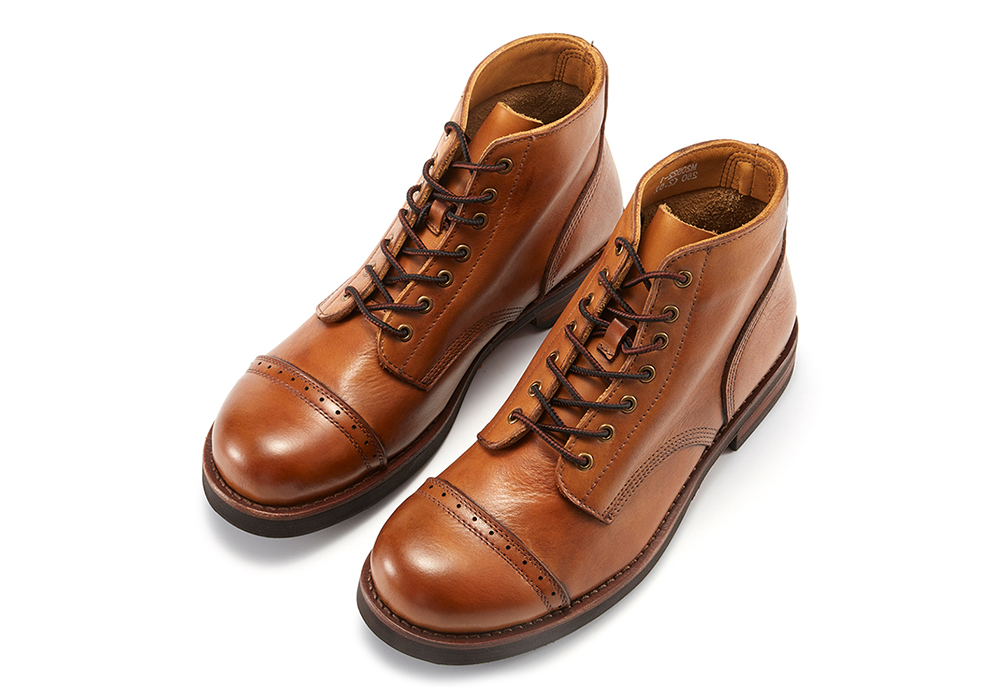
A leather shoe manufacturer near Shanghai gives B2B buyers direct access to the world’s busiest container port, a dense Yangtze River Delta supply cluster, and lead times that inland or Southeast Asian factories simply cannot match — at $25–40/pair with MOQ as low as 60 pairs custom.
TL;DR
- A manufacturer near Shanghai cuts ocean freight transit by 2–5 days versus inland China factories, directly reducing your landed cost per pair.
- FOB pricing from $25–40/pair is achievable when the factory sits inside the Yangtze River Delta supply cluster, where raw material sourcing is fastest.
- Custom OEM orders start at just 60 pairs; existing catalog designs carry zero MOQ, making small-batch testing viable.
- Defect rates below 1.2% (versus an industry average of 2–4%) are the standard benchmark to demand from any Shanghai-region supplier.
- A dual-hub structure — Shanghai HQ for trade compliance and Guangzhou factory for production — gives buyers the best of both China manufacturing corridors.
Table of Contents
- Why Shanghai Is China’s Logistics Gateway for Shoe Sourcing
- The Dual-Hub Advantage: Shanghai HQ + Guangzhou Factory
- Shanghai Port: Speed and Freight Cost Advantages
- Proximity Benefits: Canton Fair, Factory Visits, and Sample Delivery
- The Yangtze River Delta Manufacturing Cluster
- Hub Comparison: Shanghai vs Inland China vs Southeast Asia
- Sourcing Checklist: Qualifying a Leather Shoe Manufacturer Near Shanghai
- FAQ
- Ready to Start Your Shoe Line?
1. Why Shanghai Is China’s Logistics Gateway for Shoe Sourcing

A leather shoe manufacturer near Shanghai sits at the intersection of China’s fastest port, deepest supply chain, and most connected trade infrastructure — a combination no other region replicates.
Shanghai handles over 47 million TEUs annually, making it the world’s busiest container port for the 14th consecutive year. For footwear buyers, this is not a trivia point — it is a hard logistics variable that affects your landed cost, your reorder cycle, and your ability to respond to market demand.
When your factory is located within the Yangtze River Delta (YRD) region — which includes Shanghai, Jiangsu, and Zhejiang — raw materials arrive faster, production schedules are tighter, and finished goods reach the port in hours rather than days. A factory in Chengdu or Wuhan adds 3–7 days of inland trucking before a container even reaches a port. That time is money.
For private label brands and cross-border sellers managing lean inventory, those extra days compound into missed sales windows, higher safety stock requirements, and inflated working capital needs.
2. The Dual-Hub Advantage: Shanghai HQ + Guangzhou Factory
A dual-hub structure — headquarters in Shanghai for trade and compliance, main factory in Guangzhou for production — gives buyers the operational coverage of two of China’s most powerful manufacturing corridors simultaneously.
Wincheer Shoes, founded in 2007 and producing 500,000+ pairs annually, operates exactly this model: a Shanghai headquarters managing export documentation, client communication, and quality oversight, paired with a Guangzhou main factory executing production. With CE (EN ISO 20347), REACH, and RoHS certifications in place, compliance is handled at the HQ level — meaning your paperwork does not slow down when production is running at full capacity.
This structure matters for B2B buyers in practical terms:
- Shanghai HQ handles Letters of Credit, customs documentation, CE certification paperwork, and client-facing communication in a time zone and business culture aligned with international trade.
- Guangzhou factory sits in the Pearl River Delta, China’s other dominant footwear manufacturing hub, with access to specialized skilled labor, component suppliers, and production scale.
- Combined, the model means you are not choosing between trade efficiency and production depth — you get both.
For buyers sourcing OEM/ODM men’s leather shoes, this dual structure reduces the friction that typically exists between a trading company (good at paperwork, bad at production control) and a pure factory (good at making shoes, bad at export compliance).
3. Shanghai Port: Speed and Freight Cost Advantages
Shanghai’s port infrastructure translates directly into lower freight costs and shorter transit times for footwear buyers worldwide.
Shanghai Port connects to over 500 ports across 200 countries and regions. Weekly sailing frequencies to major markets — the US West Coast, Rotterdam, Felixstowe, Dubai, and Sydney — are among the highest of any origin port in the world. That frequency means you are not waiting 10–14 days for the next available vessel slot.
Here is what port proximity means in real numbers for a footwear order:
- Inland factory to Shanghai port: 3–7 days trucking + port handling
- YRD factory to Shanghai port: 4–8 hours trucking + port handling
- Freight cost differential: $200–$600 per 20-foot container saved on drayage alone
For buyers shipping 500–2,000 pairs per order, that drayage saving is meaningful. At $25–40/pair FOB, every dollar of logistics cost you eliminate improves your margin without touching the product.
Transit times from Shanghai to key markets:
- USA West Coast: 14–18 days
- USA East Coast: 28–32 days (via Panama)
- Germany/Netherlands: 25–30 days
- Australia: 18–22 days
- UAE/Dubai: 18–22 days
For buyers managing seasonal collections or responding to trending styles, a 3–5 day advantage in transit is the difference between landing product before peak and landing it after.
4. Proximity Benefits: Canton Fair, Factory Visits, and Sample Delivery
Geographic proximity to Shanghai unlocks three sourcing advantages that remote factories cannot offer: Canton Fair access, efficient factory audits, and express sample delivery measured in days, not weeks.
Canton Fair Access
The Canton Fair — held in Guangzhou every April and October — is the world’s largest trade fair and a critical sourcing event for footwear buyers. A manufacturer with a Guangzhou factory is physically present at Canton Fair, meaning you can inspect samples, negotiate pricing, and confirm production capabilities in person during a single trip.
Manufacturers based in inland provinces often exhibit at Canton Fair but cannot bring their full sample range or production team — they are operating from a booth, not from their factory floor.
Factory Visits
For buyers doing due diligence before placing a first order, a Shanghai-region factory is accessible from Pudong International Airport in under 3 hours. A Guangzhou factory adds a 2-hour domestic flight — still a same-day trip from most major Asian hubs.
Contrast this with a factory in Chengdu, Sichuan, or a Southeast Asian facility in Ho Chi Minh City: you are looking at full-day travel, potential visa complications, and significantly higher audit costs.
Express Sample Delivery
Sample lead time is one of the most underestimated costs in shoe sourcing. A factory near Shanghai can dispatch samples via SF Express or DHL to reach European or US buyers in 3–5 business days. Inland factories add 2–3 days of domestic transit before international shipment, pushing sample cycles to 7–10 days.
For a private label brand running 4–6 seasonal collections per year, that sample speed difference compounds into weeks of lost development time annually. See our private label shoe brand launch guide for how to structure your sampling process efficiently.
5. The Yangtze River Delta Manufacturing Cluster
The Yangtze River Delta is China’s most complete footwear supply ecosystem — tanneries, sole manufacturers, hardware suppliers, and last makers are all within a 300-kilometer radius of Shanghai.
This geographic concentration is the structural reason why YRD-based shoe factories can offer faster lead times and more competitive pricing than factories in isolated industrial zones.
Key Supply Chain Nodes in the YRD
| Component | Primary Supply Location | Distance from Shanghai |
|---|---|---|
| Full-grain & corrected-grain leather | Haining, Zhejiang | ~120 km |
| Goodyear welt components | Wenzhou, Zhejiang | ~350 km |
| TPR/rubber outsoles | Wenzhou + Dongguan | ~350 km / 1,400 km |
| Metal hardware (buckles, eyelets) | Yiwu, Zhejiang | ~250 km |
| Shoe lasts (wooden/plastic) | Wenzhou, Zhejiang | ~350 km |
| Insole materials | Kunshan, Jiangsu | ~60 km |
Wenzhou alone accounts for approximately 20% of China’s total footwear output and is the world’s largest shoe manufacturing base by volume. Haining is China’s leather capital, producing over 30% of the country’s processed leather.
For a factory operating within this cluster, raw material procurement is a 1–2 day logistics event. For a factory in Chengdu or a facility in Vietnam, the same procurement is a multi-week supply chain exercise.
This density also creates competitive pricing pressure among suppliers — which flows downstream to the FOB prices buyers pay. Understanding shoe construction methods helps buyers specify components correctly and take full advantage of this supplier density.
6. Hub Comparison: Shanghai vs Inland China vs Southeast Asia
For most B2B footwear buyers in 2026, a Shanghai-region manufacturer offers the best combination of cost, speed, compliance depth, and supply chain resilience.
| Factor | Shanghai/YRD Hub | Inland China (e.g., Chengdu) | Southeast Asia (Vietnam/Cambodia) |
|---|---|---|---|
| Port access | Direct — world’s busiest port | 3–7 days inland trucking | 2–5 days to nearest port |
| Raw material sourcing | 1–2 days (YRD cluster) | 5–10 days (shipped in) | 7–14 days (mostly imported) |
| Sample lead time | 7–10 days total | 10–15 days total | 14–21 days total |
| Production MOQ (custom) | 60 pairs | 100–300 pairs typical | 200–500 pairs typical |
| FOB price range | $25–40/pair | $22–38/pair | $18–35/pair |
| Defect rate (tier-one) | 0.8–1.2% | 1.5–3% | 1.5–4% |
| CE/REACH certification | Common, in-house | Less common | Rare, outsourced |
| Canton Fair presence | Direct (Guangzhou factory) | Booth only | Limited |
| Factory audit cost | Low (accessible) | Medium | High (travel + visa) |
| US tariff exposure (2026) | Standard Section 301 rates | Same | Lower (varies by country) |
Note on Southeast Asia pricing: While FOB prices in Vietnam appear lower, buyers must factor in longer lead times, higher audit costs, weaker supply chain depth, and the risk of quality inconsistency when local component sourcing is immature. For buyers prioritizing US tariff mitigation, see our US leather shoe import tariff guide.
7. Sourcing Checklist: Qualifying a Leather Shoe Manufacturer Near Shanghai
Use this checklist before committing to any supplier in the Shanghai/YRD region:
Logistics & Location
- [ ] Factory address confirmed within YRD (Shanghai, Jiangsu, Zhejiang) or Pearl River Delta with Shanghai HQ
- [ ] Distance from nearest major port confirmed (target: under 200 km)
- [ ] Canton Fair participation verified (Spring/Autumn)
- [ ] Express sample shipping capability confirmed (DHL/SF Express, 3–5 days international)
Production Credentials
- [ ] Annual output capacity stated (500,000+ pairs = tier-one scale)
- [ ] MOQ confirmed: 0 on existing designs, 60 pairs on custom OEM
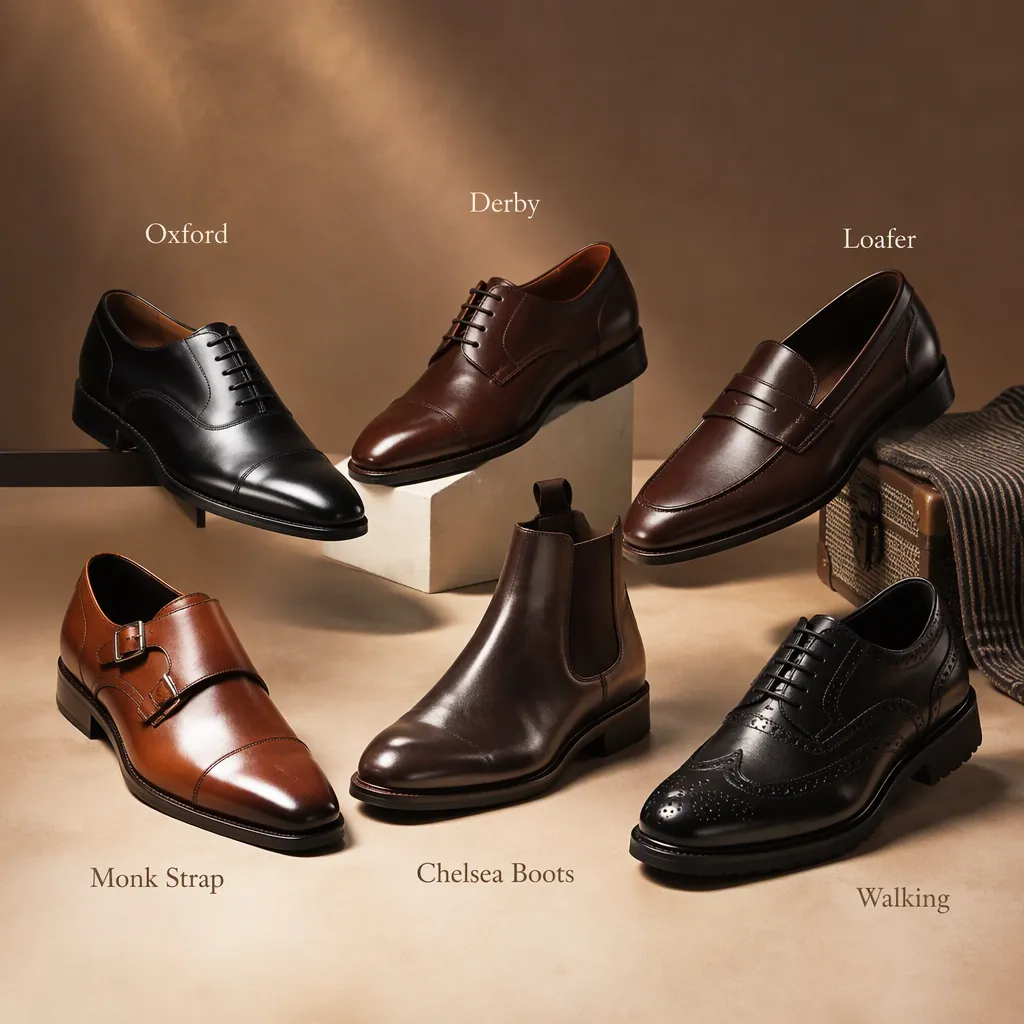
- [ ] Product range covers your categories (Oxford, Derby, Loafer, Monk Strap, Chelsea Boots, casual walking)
- [ ] Design library depth confirmed (1,000+ designs = lower development risk)
Quality & Compliance
- [ ] Defect rate documented (demand sub-1.2%; reject suppliers above 2%)
- [ ] CE (EN ISO 20347) certification verified with certificate number
- [ ] REACH compliance confirmed (critical for EU market)
- [ ] RoHS certification in place (required for some EU retail channels)
- ] AQL inspection process documented — see our [AQL footwear inspection guide
Commercial Terms
- [ ] FOB price range within $25–40/pair for your target product
- [ ] Payment terms confirmed (T/T 30% deposit standard for first orders)
- [ ] Lead time for production confirmed in writing (typically 30–45 days post-sample approval)
- [ ] Export documentation capability confirmed (commercial invoice, packing list, CO, CE cert)
FAQ
Q: What is the typical lead time for a leather shoe manufacturer near Shanghai?
A: Production lead time for a YRD-based factory runs 30–45 days after sample approval and deposit payment. Sample development takes 7–14 days depending on design complexity. Total time from first inquiry to goods on vessel is typically 45–60 days for a standard OEM order — roughly 10–15 days faster than comparable inland China factories due to shorter raw material procurement cycles.
Q: Is a minimum order of 60 pairs realistic for custom leather shoes from a Shanghai-region factory?
A: Yes — tier-one factories in the YRD region with 500,000+ pairs annual output can absorb small custom runs because their production lines are optimized for style variety, not just volume. The 60-pair custom MOQ applies to OEM designs with your branding; existing catalog designs carry zero MOQ, making them ideal for market testing before committing to custom development.
Q: How does Shanghai port proximity affect my freight cost compared to inland factories?
A: A factory within 200 km of Shanghai port saves $200–$600 per 20-foot container in drayage costs alone. More importantly, weekly sailing frequency from Shanghai to major markets (USA, EU, Australia, UAE) is among the highest globally, meaning you rarely wait more than 3–5 days for the next available vessel slot — a significant advantage for time-sensitive seasonal orders.
Q: What certifications should I require from a leather shoe manufacturer near Shanghai for EU market entry?
A: For EU market entry, require CE marking under EN ISO 20347 (occupational footwear) or EN ISO 20345 (safety footwear) depending on your product category, plus REACH compliance for chemical safety and RoHS compliance if your shoes include any electronic components. Always request original test reports from the factory — not just certification claims — since document fraud is a documented risk in China footwear exports.
Q: Many Shanghai-area suppliers run HQ in Shanghai but production in Guangzhou — is that a red flag?
A: No — it’s often an advantage. A Shanghai HQ gives you English-fluent account management, easier international banking, and direct access to Shanghai port (the world’s busiest container port). Guangzhou production gives you access to the deepest casual and dress shoe manufacturing talent pool in China, plus lower labor costs than Shanghai. The Shanghai-HQ + Guangzhou-factory model combines Shanghai’s commercial infrastructure with the PRD’s manufacturing depth — which is exactly how Wincheer Shoes operates (Shanghai Pudong HQ for client service and export logistics, Guangzhou factory for 500,000+ pairs annual production).
Ready to Manufacture Near Shanghai?
If you want the commercial advantages of a Shanghai-based partner — English-fluent communication, international banking, Shanghai port access — combined with deep manufacturing capacity, a Shanghai-HQ + Guangzhou-factory model gives you both without compromise.
Wincheer Shoes is headquartered in Shanghai (Pudong) with a dedicated production facility in Guangzhou, manufacturing men’s leather shoes since 2007. We produce 500,000+ pairs annually with a 0.8–1.2% defect rate (against an industry average of 2–4%), holding CE (EN ISO 20347), REACH, and RoHS certifications. Custom OEM starts at 60 pairs per style ($25–40/pair FOB Shanghai), with sampling from 1 pair and a 30–45 day bulk lead time.
Request your free quote and Shanghai-region production plan →