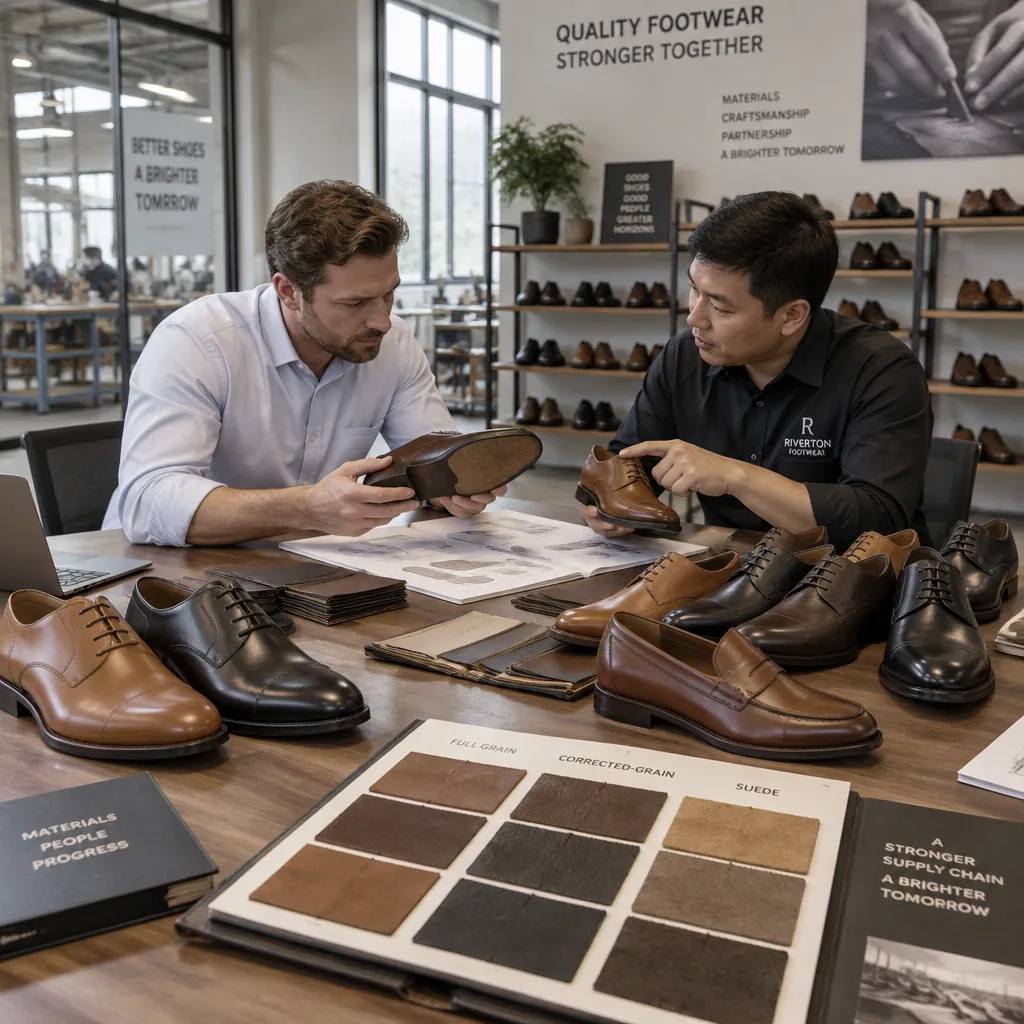

Quick Answer: Finding reliable shoe manufacturers in China starts with matching the factory type to your business model — OEM factories produce your designs, ODM factories modify their own, and private label suppliers brand catalogue styles. Shortlist by verifying certifications (CE, REACH), sampling before committing, and confirming MOQ terms in writing. Most legitimate factories ask for 30% deposit with 70% before shipment, quote 7–14 days for samples, and 30–45 days for production. This guide walks through each step from a factory’s side of the table.
China produces more footwear than any other country, and for B2B buyers — brand founders, wholesalers, and retail chains — the practical question is not whether to source here but how to find the right shoe manufacturers in China for your specific category and order size. This guide explains the factory landscape from the manufacturer’s side of the table: what each factory type actually does, where the manufacturing hubs are, how vetting and sampling work, and which terms you should confirm before wiring a deposit.
The advice below comes from operating a men’s leather shoe factory in Jiangmen, Guangdong since 2007 — we see where buyer due diligence succeeds and where it stalls.
What Types of Shoe Manufacturers Operate in China?
Four business models dominate, and matching your model to the factory type is the first filter in your search:
OEM manufacturers produce shoes to your designs and specifications. You supply (or the factory develops) the tech pack; the factory sources materials, builds lasts, and manufactures under your brand. OEM suits buyers who know their market and want exclusive products.
ODM manufacturers offer existing designs that you modify — change the upper material, adjust the last, swap the sole. ODM shortens development from months to weeks and fits buyers testing a category. For a deeper comparison, see our guide to OEM vs ODM footwear manufacturing models.
Private label suppliers brand catalogue styles with your logo — the fastest route to market, though your competitors may source similar bases. Our private label launch guide covers this path step by step.
Trading companies are not manufacturers at all; they buy from factories and resell the service. They add a margin but also add communication convenience. How to tell them apart matters: a factory will discuss last-making, stitching parameters, and factory-floor details; a trader steers conversation to catalogues and quotes. Our factory-direct vs trading company comparison lists the tells.
| Factory Type | What They Do | Best For | Watch For |
|---|---|---|---|
| OEM manufacturer | Builds your designs from tech pack | Buyers with defined products | Development time for new lasts |
| ODM manufacturer | Modifies existing designs | Category testing, faster launch | Design exclusivity limits |
| Private label supplier | Brands catalogue styles | Fastest market entry | Same bases sold to competitors |
| Trading company | Resells factory output | One-stop sourcing convenience | Margin markup, unclear factory |
Where Are China’s Main Shoe Manufacturing Hubs?
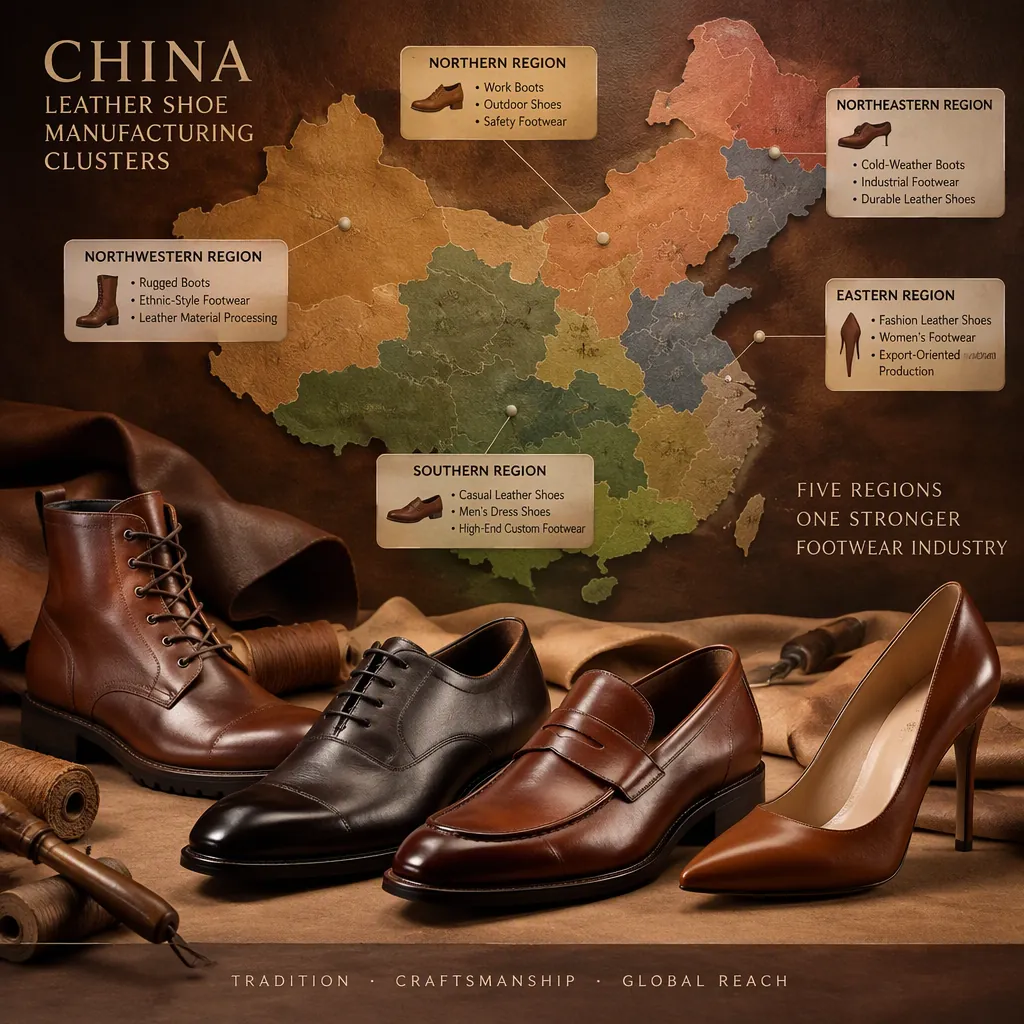
Different regions specialise in different categories, and choosing the wrong region costs you rounds of sampling:
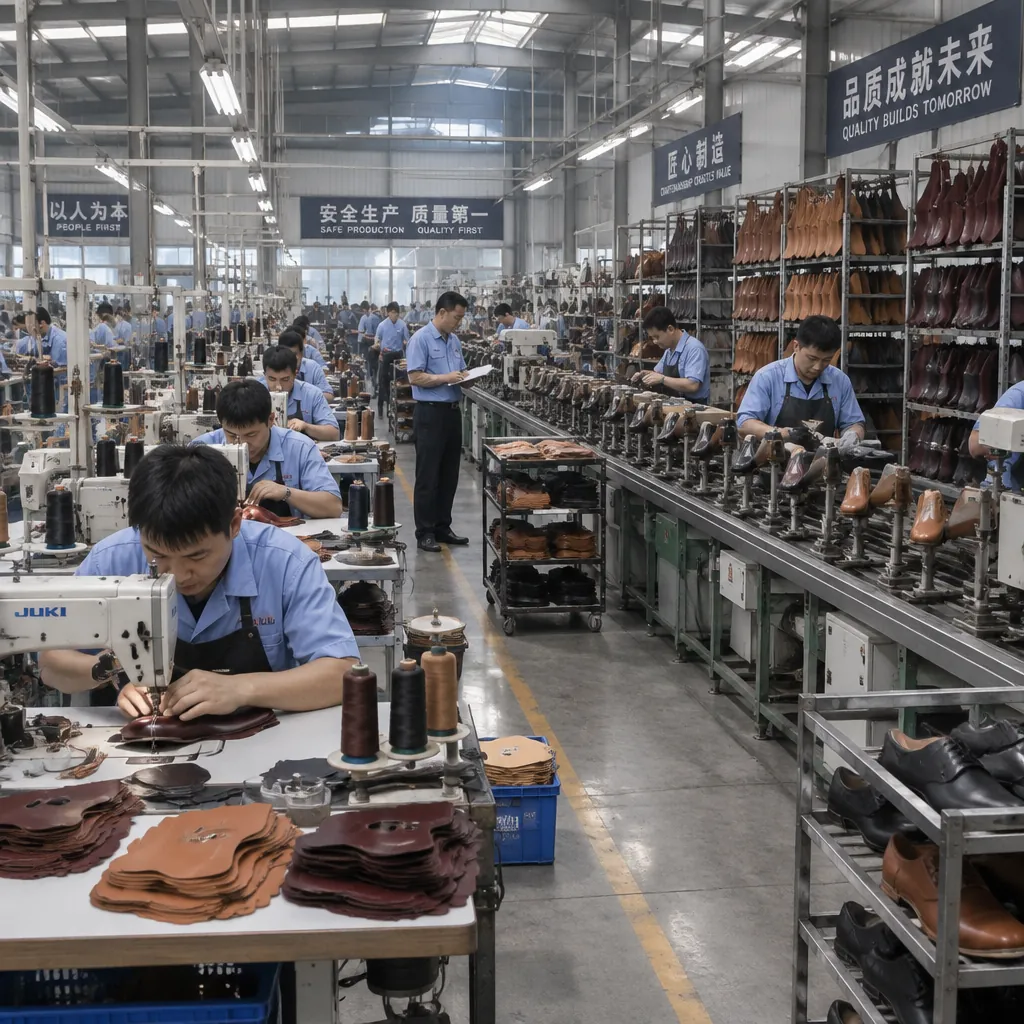
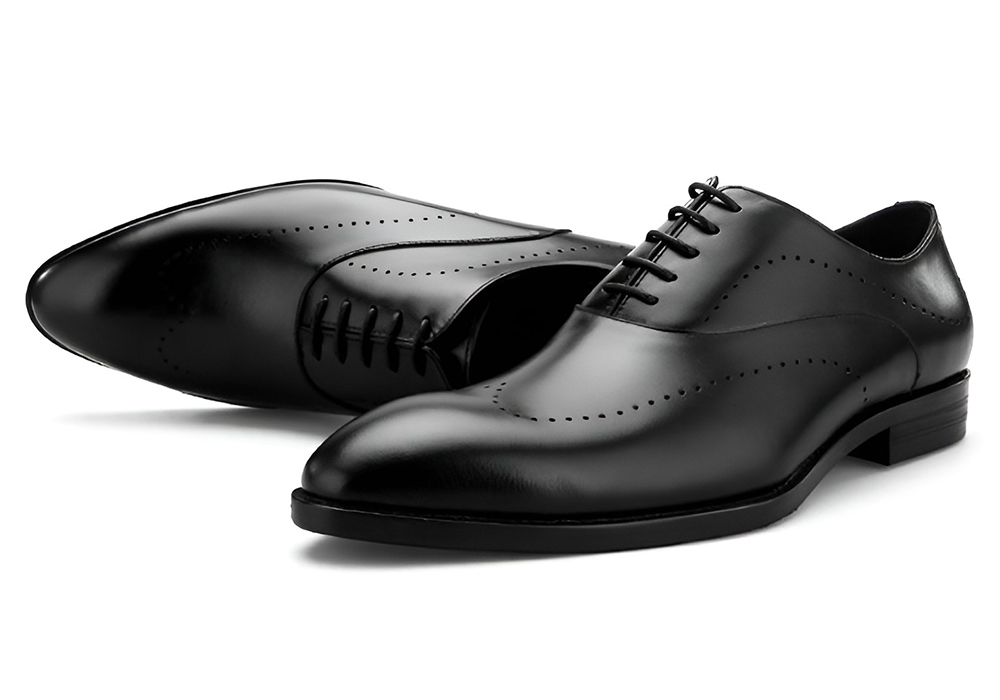
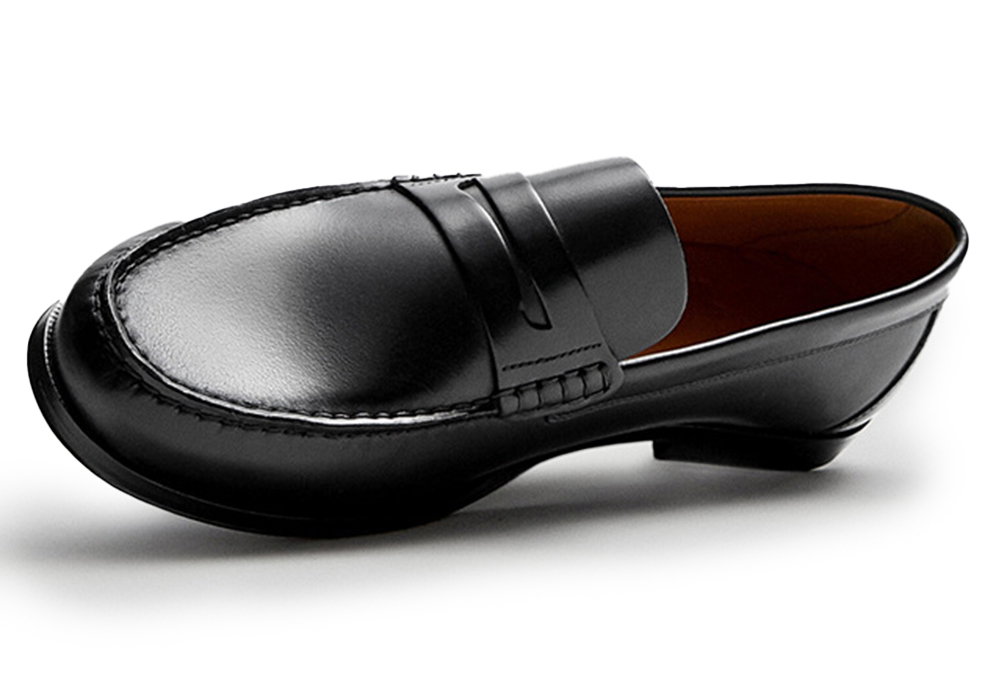
Guangdong (Jiangmen, Guangzhou, Dongguan) is the heartland for genuine leather dress shoes — Oxfords, Derbies, loafers — and premium OEM work. Jiangmen, about 1.5 hours from Guangzhou, concentrates men’s leather shoe factories with export-grade QC. Our own production lines are here, alongside warehouses and showrooms in both Shanghai and Jiangmen.
Wenzhou (Zhejiang) built its reputation on volume casual and fashion footwear at aggressive price points.
Jinjiang (Fujian) is the sports and athletic shoe cluster — if you are sourcing running or sneakers, this is the region buyers fly to.
Chengdu (Sichuan) remains a significant base for women’s footwear.
A practical rule: shortlist factories whose home cluster matches your category. A sports-shoe specialist in Jinjiang will outperform a dress-shoe factory attempting sneakers, whatever their brochure says.
How Do You Shortlist Reliable Shoe Manufacturers?
Run every candidate through the same five checks before requesting samples:
- Certifications, verified — not claimed. Ask for CE (with the EN ISO standard number), REACH, and RoHS documentation, and check the certificate files name the actual factory entity. Certificates belong to audits, and mismatched entity names are a classic trading-company tell.
- Business licence and export history. A registered manufacturer with export rights can handle documentation directly. Ask which markets they currently ship to and what documentation they provide (commercial invoice, packing list, certificate of origin).
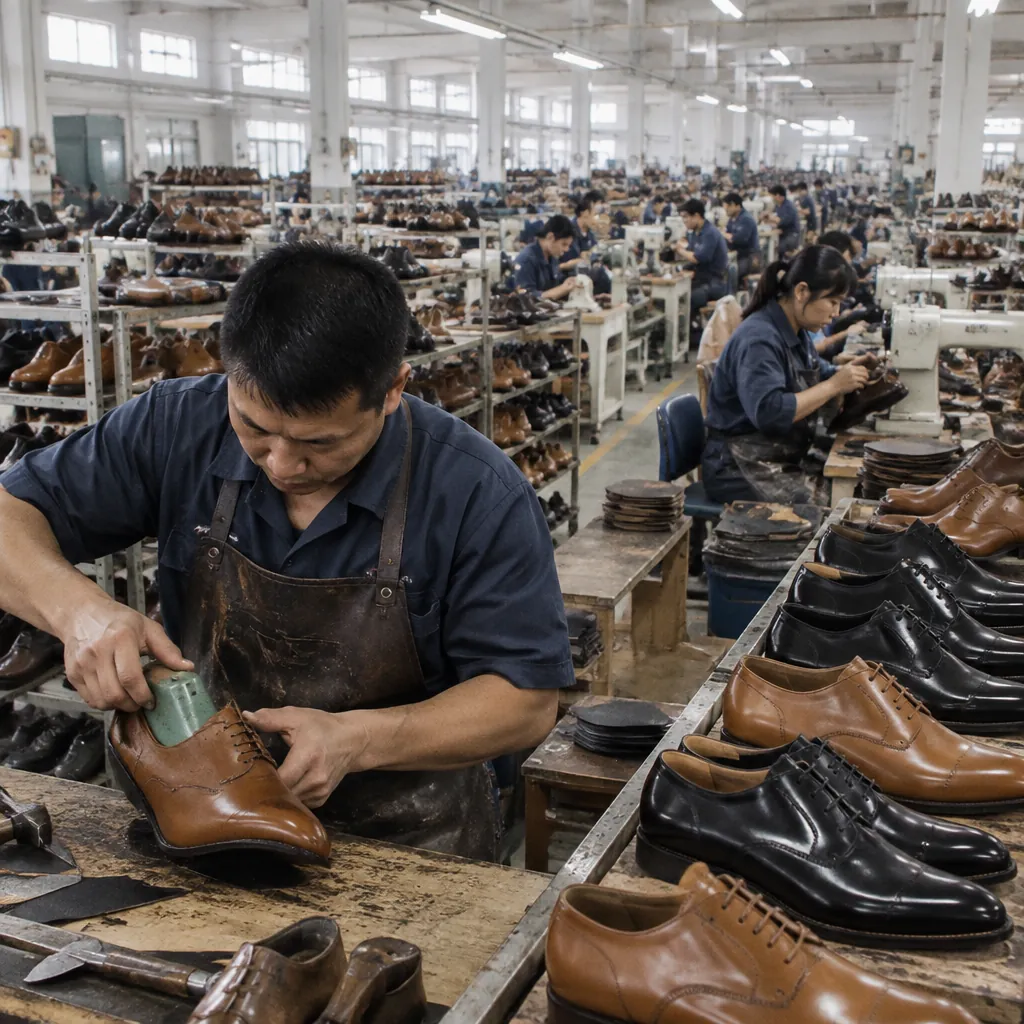
- A real factory address you can verify. Request a live video walkthrough of the production floor — cutting, stitching, lasting, and packing lines in one continuous visit. Factories proud of their lines will show them; intermediaries deflect.
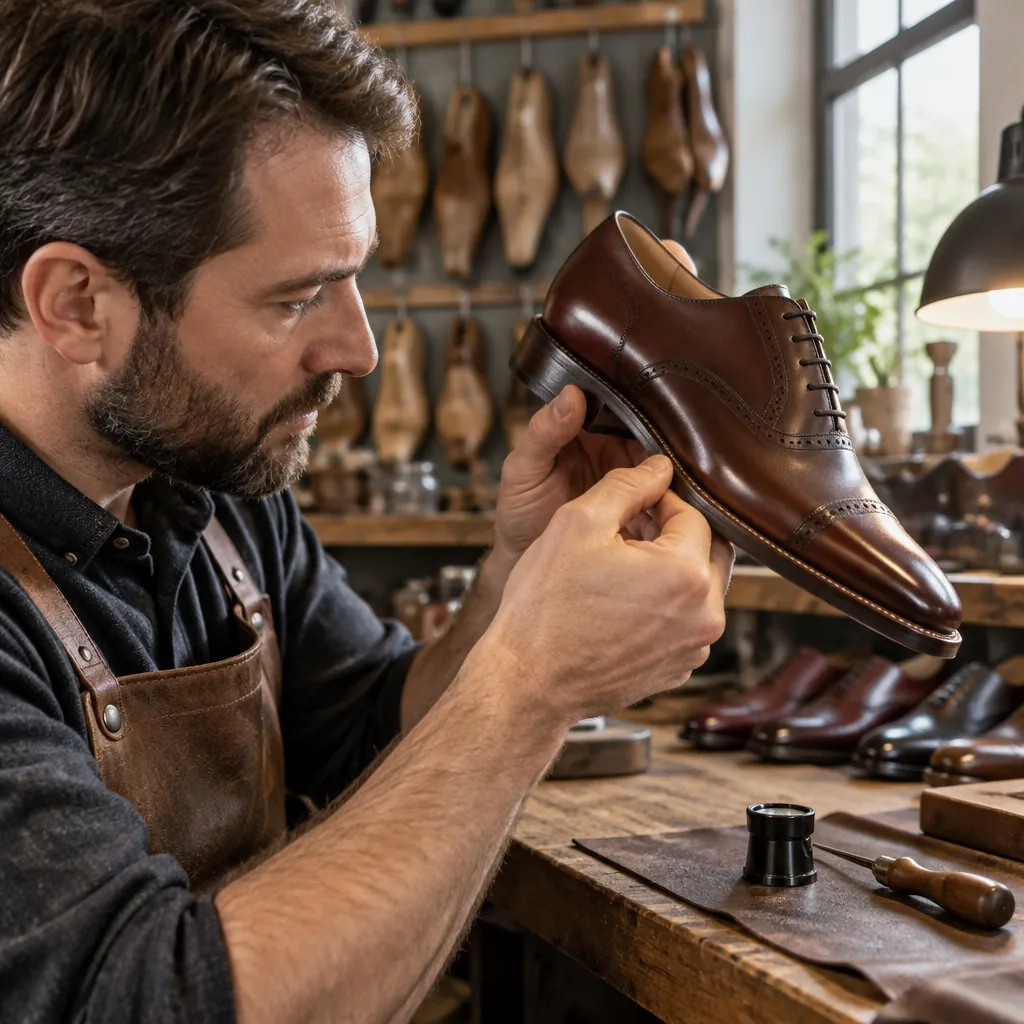
- Category-relevant samples. A men’s dress shoe factory should show Oxfords and Derbies with clean stitching and shaped toe boxes, not a wall of unrelated categories.
- Reference-able orders. Ask which markets they currently ship to and what typical order volumes look like. You are listening for consistency, not for customer names, which responsible factories will not disclose.
Our OEM factory evaluation checklist expands this into a document-by-document list you can send to candidates.
What Should You Confirm Before Signing with a Shoe Factory?
Five terms cause most disputes when they are left vague, so pin each one down in the proforma invoice:
- Incoterms and price basis — FOB, CIF, or EXW changes who pays for freight and insurance; comparing quotes across different terms is the most common rookie error. Our FOB pricing and Incoterms guide compares the four standard terms.
- Payment schedule — 30% deposit with 70% before shipment is the industry standard. Treat 100% upfront demands as a red flag.
- QC standards and defect tolerance — agree the acceptable quality limit (AQL) and inspection stage (during production, pre-shipment) in writing.
- Lead time definitions — confirm whether quoted lead times run from order confirmation or from deposit receipt, and whether they end at FOB or at door delivery.
- IP and exclusivity — for custom designs, agree that your patterns, lasts, and tooling stay yours, and clarify whether the factory may produce the design for other buyers.
How Does Sampling Work with a Chinese Shoe Factory?
Sampling is where you learn whether a factory can actually build, so budget time for it properly:
Development samples (from your design or tech pack) typically take 7–14 days. The factory makes or modifies the last, sources upper materials, and hand-builds the first pair. Expect a prototype stage focused on fit and construction, not finish.
Counter samples follow your feedback — material substitutions, fit adjustments, colour matching. Two to three rounds is normal for a new style; more than four rounds usually signals a communication or capability problem rather than a sampling problem.
Pre-production samples (PP samples) are the final reference: the factory builds them on the production line with bulk materials, and both sides sign or seal a pair as the quality benchmark for the order.
Sample charges vary by factory and complexity. Many manufacturers credit sample fees against the bulk order once production is confirmed — ask for this policy in writing before you order samples, so the path from sample to order does not double-charge you. If you need a single pair to test your market first, our low-MOQ programme covers single-pair sampling on catalogue designs.
What Does Manufacturing Cost Look Like in 2026?
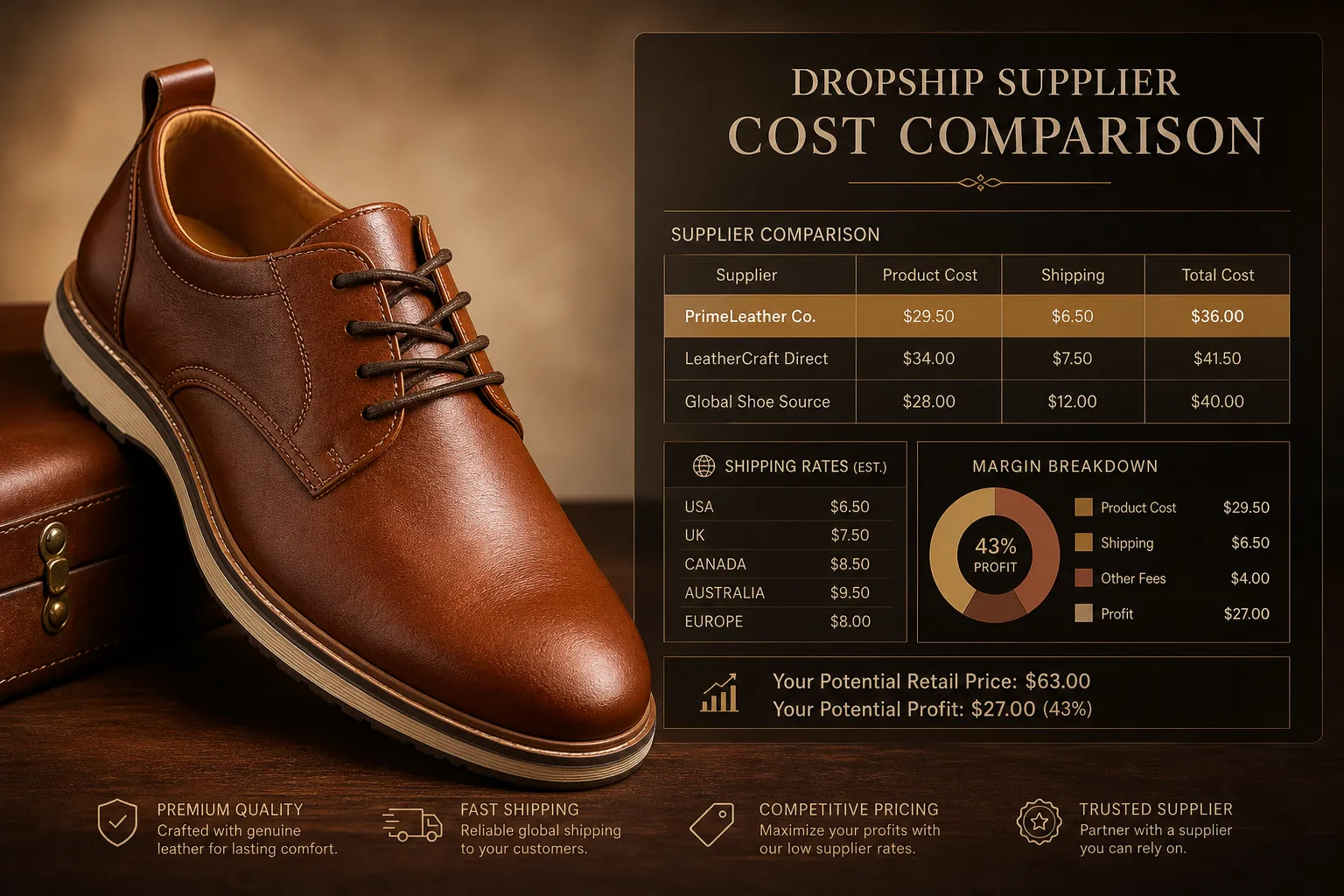
For genuine leather men’s dress shoes — the category this factory knows — FOB prices from Guangdong manufacturers generally run $25–$40 per pair depending on leather grade, construction (cemented, Blake, or Goodyear welt), and order volume. Goodyear-welted construction commands a premium for its resoleability; cemented construction dominates the entry-mid market. Our shoe construction comparison explains the trade-offs in detail.
Three cost drivers are worth understanding before you negotiate:
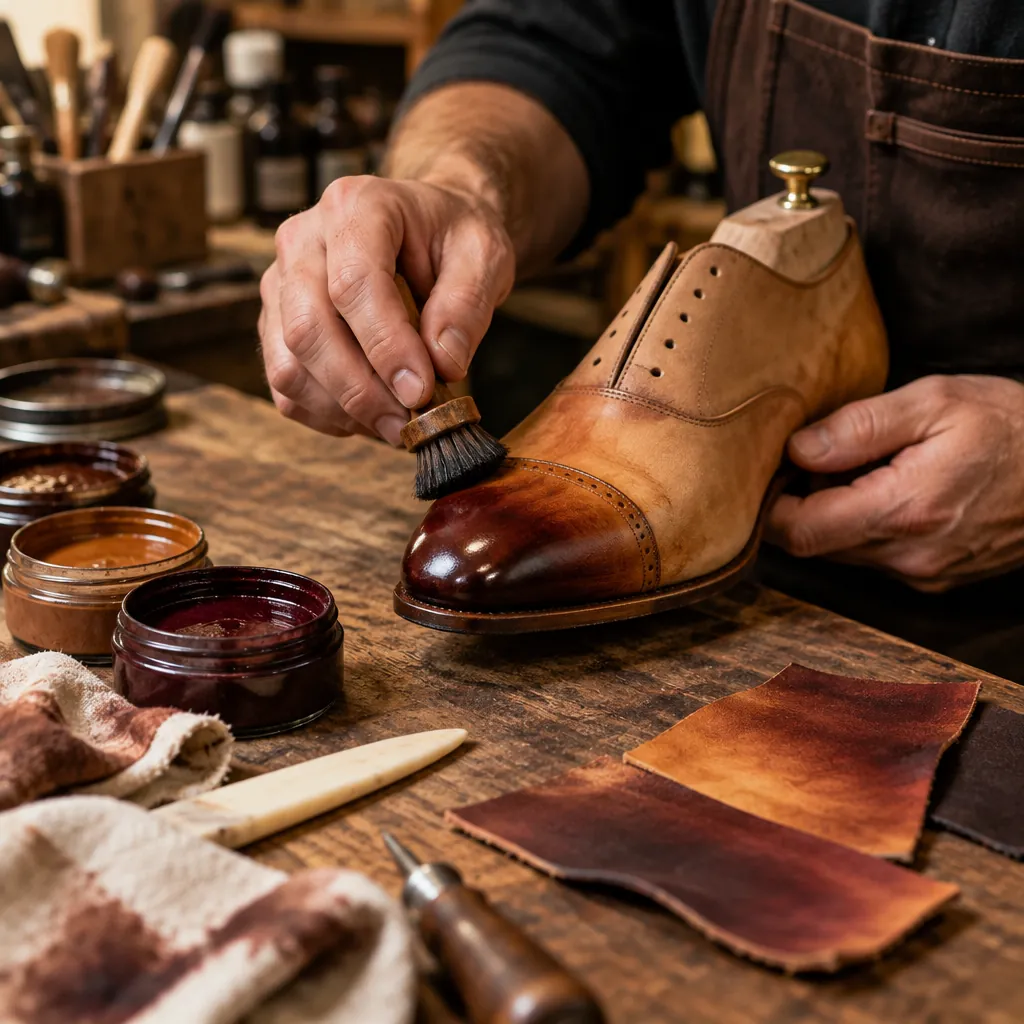
- Leather grade — full-grain corrected versus premium select leather moves the material cost materially; the grade you need depends on your retail price point, not on prestige.
- Construction method — each step up in construction adds handwork hours at the lasting and welt stage.
- Order quantity — unit pricing steps down as quantity rises because setup costs (cutting dies, last adjustments, line changeover) spread across more pairs.
Landed cost beyond FOB adds sea freight, duties, and domestic fulfillment — a model your manufacturer should be willing to help you estimate, and one our wholesale margin breakdown works through line by line.
How Do MOQ and Lead Times Typically Work?
MOQ terms differ by order type, and a factory that explains the difference honestly is a good sign. Standard production runs commonly start at 60 pairs per style for custom designs (covers material setup and line changeover); catalogue designs with existing patterns often carry no per-style minimum, so you can order per pair; and single-pair samples are usually available for market testing. Beware factories quoting one blanket MOQ without asking whether you are testing or scaling.
Lead times follow a consistent rhythm across the industry: 7–14 days for samples, 30–45 days from confirmation to FOB-ready for production orders, plus 15–25 days of sea freight to most Western ports. Custom development — new lasts, new patterns — adds pre-production weeks before that clock starts.
Capacity honesty matters at peak season. Q4-driven buyers should place orders by July–August; factories at full capacity will quote honestly rather than accept an order they cannot deliver — ask directly what their current order book looks like.
Frequently Asked Questions
Q: How do I verify a Chinese shoe manufacturer is a real factory and not a trading company?
A: Request a live video tour of the production floor covering cutting, stitching, lasting, and packing in one continuous visit, and ask process questions a trader cannot answer — last-making, stitch density, lasting parameters. Then check that certificates and the business licence name the same entity you are contracting with.
Q: What is a realistic minimum order quantity when working with Chinese shoe factories?
A: For custom designs, 60 pairs per style is a common production minimum because it covers material setup and line changeover. Catalogue designs often carry no style minimum — you can order per pair — and single-pair samples are widely available for market testing.
Q: Which region in China should I source men’s leather dress shoes from?
A: Guangdong, and Jiangmen in particular, concentrates genuine-leather dress shoe factories with export-grade QC. Wenzhou specialises in volume casual footwear and Jinjiang in athletic shoes, so match the region to your category before shortlisting.
Q: What payment terms are standard with Chinese shoe manufacturers?
A: 30% deposit with the 70% balance before shipment is the industry standard. Be cautious with any factory demanding 100% upfront, and confirm the exact trigger points for each payment in the proforma invoice.
Q: How long does the full process take from first enquiry to delivered goods?
A: Sampling runs 7–14 days per round with two to three rounds typical for a new style. Production takes 30–45 days to FOB-ready, plus 15–25 days of sea freight to most Western ports — so a realistic door-to-door timeline for a first order is roughly three months.
Work with a Factory That Wrote This Guide
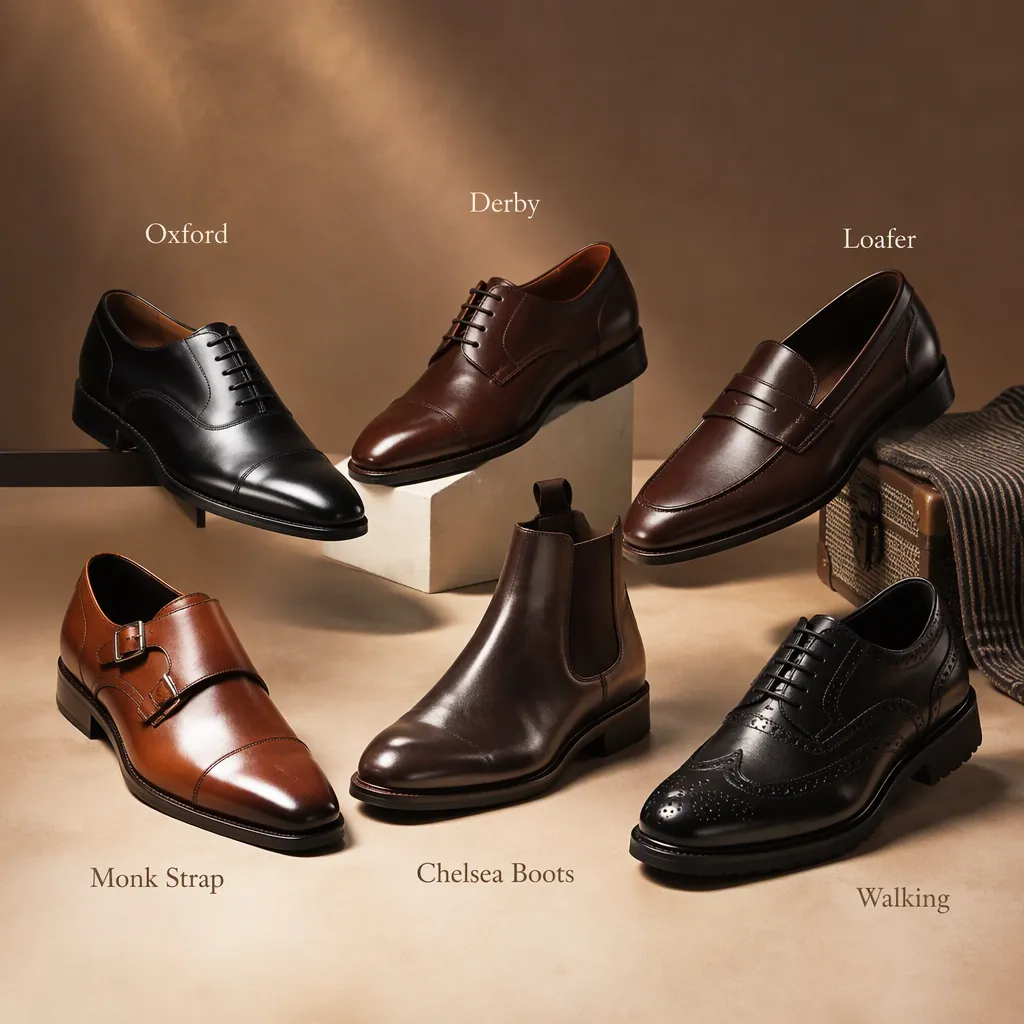
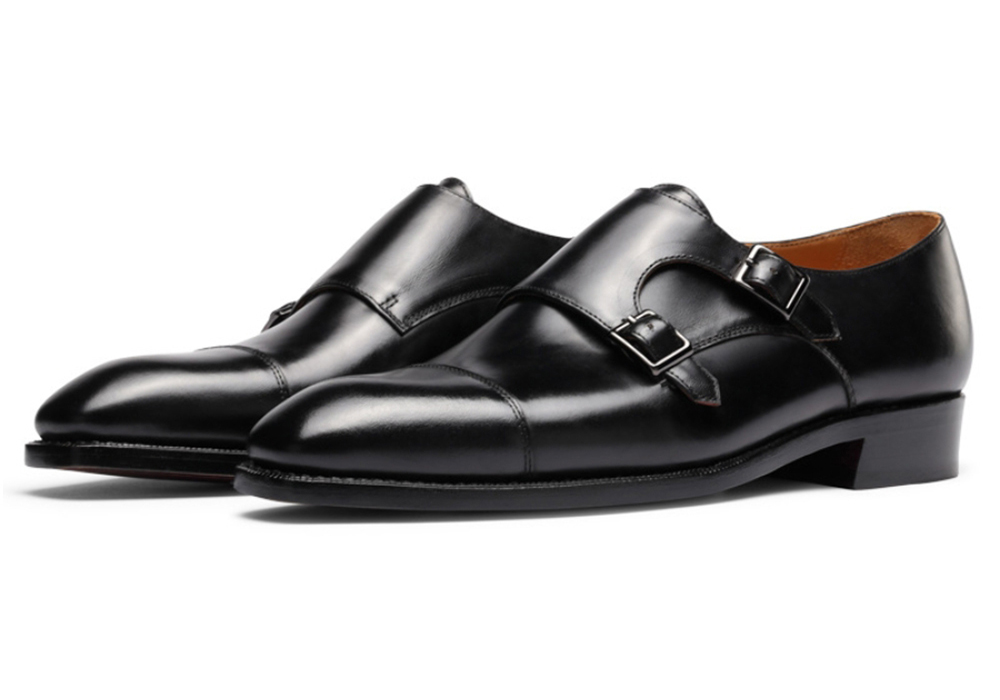
Everything above is the process we run daily at Wincheer Shoes Co., Ltd. — a men’s leather shoe manufacturer in Jiangmen, Guangdong, producing since 2007. Annual capacity reaches 500,000 pairs across Oxford, Derby, loafer, monk strap, Chelsea boot, and walking-style constructions in genuine leather, with CE, REACH, RoHS, and EN-ISO 20347 certifications. MOQ starts from 1 pair for samples, with production from 60 pairs and export pricing at $25–$40 per pair.
Send your target styles and size run through our inquiry form for a costed quotation — or browse the full manufacturing capability guide first, and see how our OEM lines compare in the Top men’s leather shoe OEM factories in China roundup.