
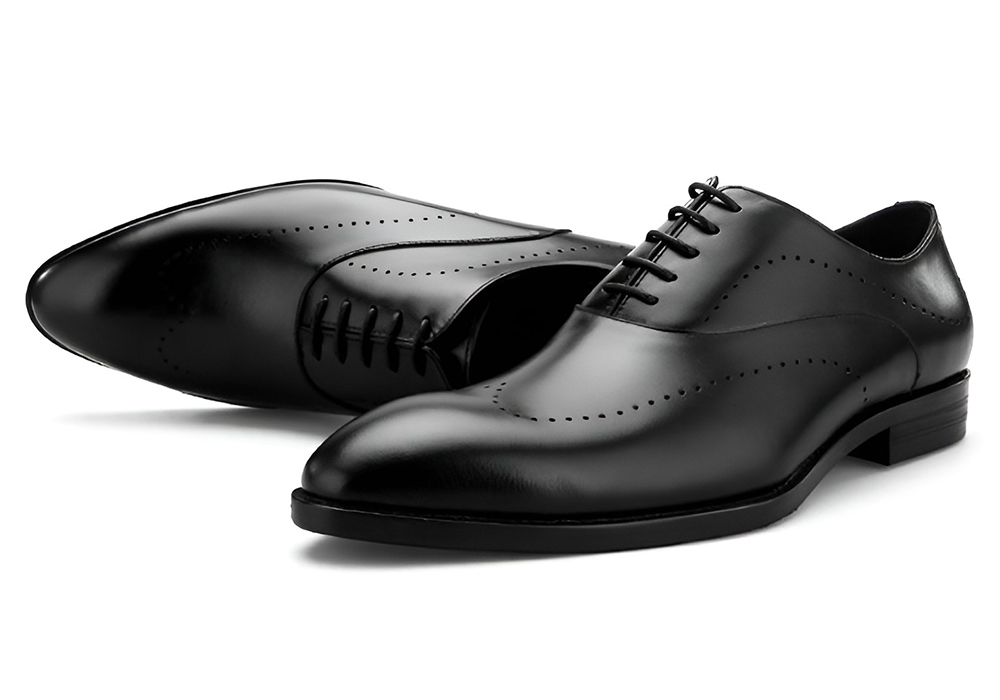
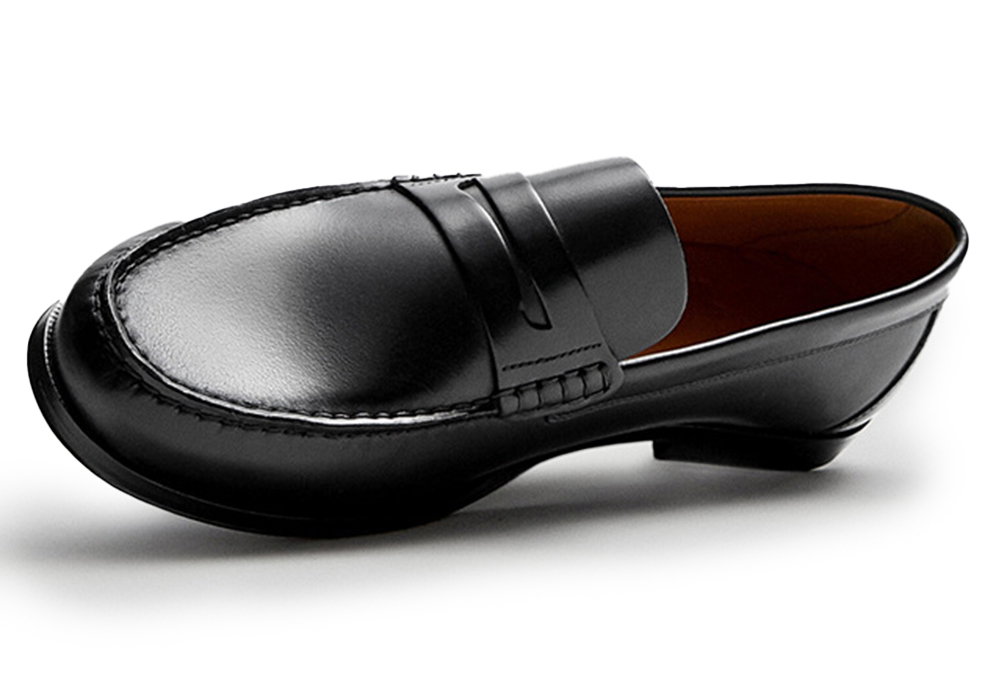
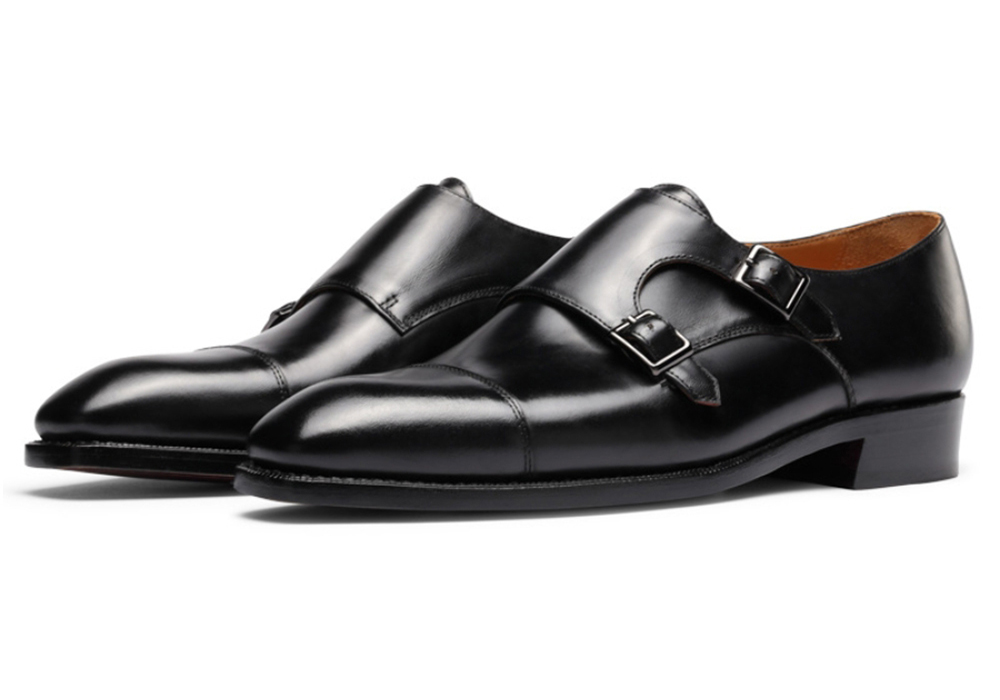
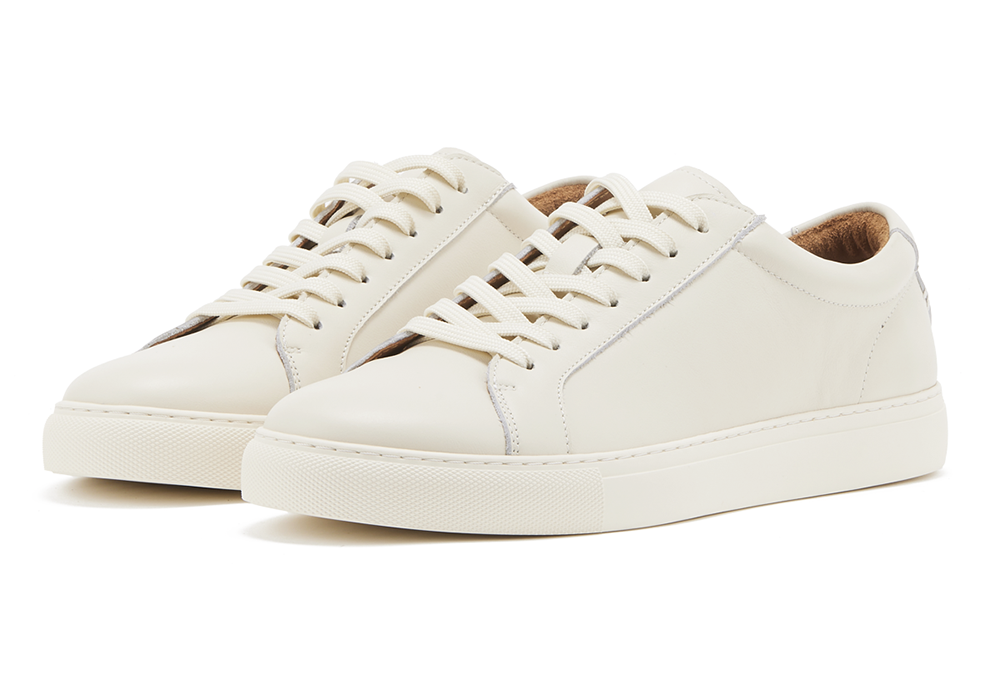
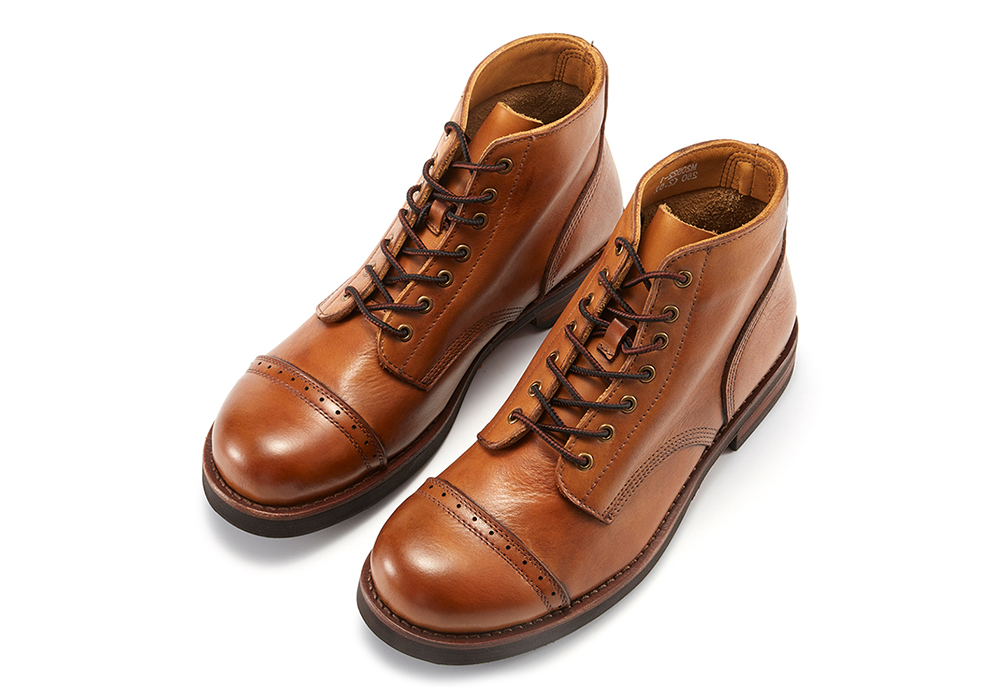
Quick Answer: Three things separate luxury shoes from mass-market shoes: how the upper is attached to the sole (stitched welt vs glued), which leather grade is used (full-grain vs corrected or split), and how the shoe is finished and inspected. Everything else — logo, packaging, price tag — is positioning, not quality. If you source footwear for a brand, you can verify all three on a sample in under an hour, and this guide gives you the exact checklist we use on our own production floor.
Most articles answering this question judge shoes from a store shelf: how they feel, how the brand markets them, what reviewers say. That approach fails for a wholesale buyer, because you are not buying one pair — you are buying a promise that 500 pairs will match it. This guide takes the manufacturer’s side of the table: we produce men’s leather footwear in Jiangmen, Guangdong (est. 2007, Wincheer Shoes Co., Ltd.), and we will show you which construction, material, and inspection markers actually predict how a shoe ages — and how to verify them before your order enters production.
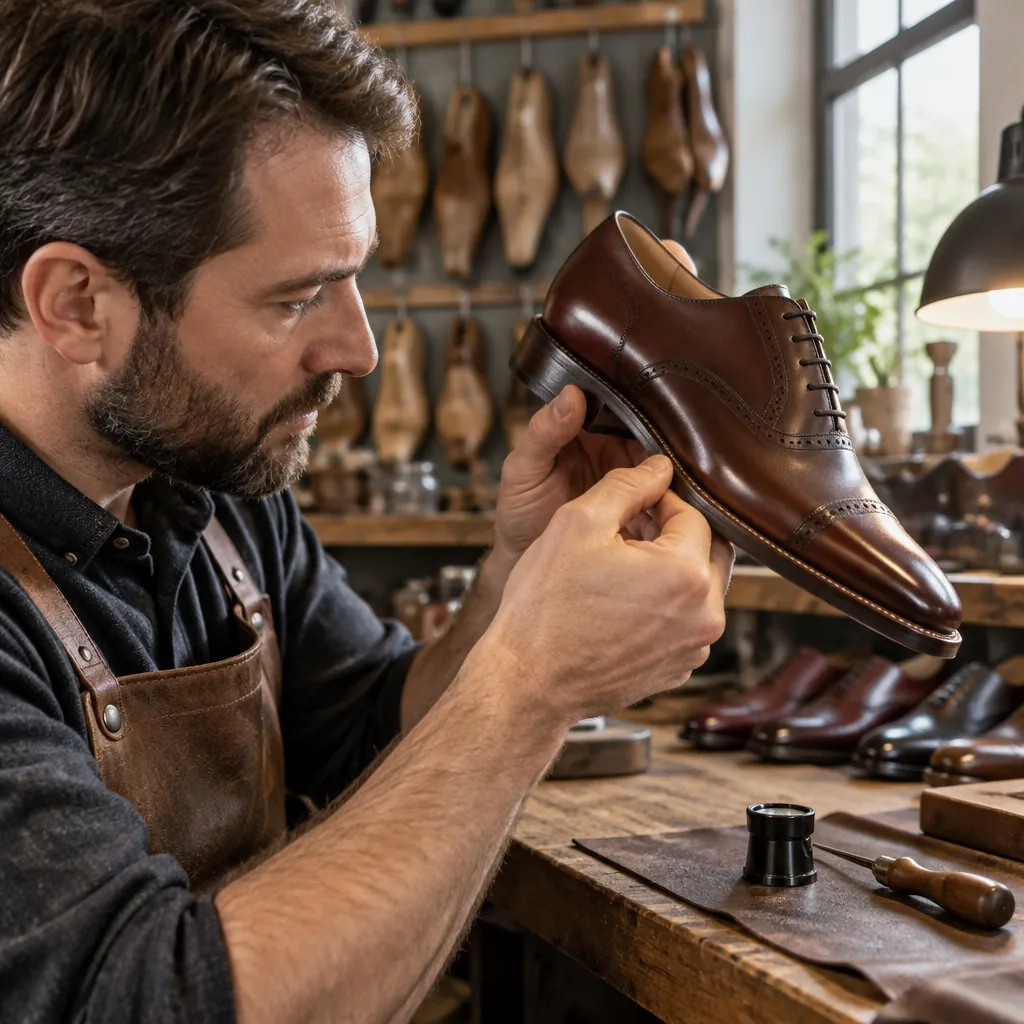
What Actually Separates Luxury Shoes From Mass-Market Shoes?
The honest answer is three measurable layers, and none of them is the brand name.
| Layer | Luxury tier | Mass-market tier | How to check |
|---|---|---|---|
| Construction | Goodyear welt or Blake stitch — upper mechanically sewn to the sole | Cemented — upper glued to the insole board | Look at the sole edge: a welt shows a visible stitch line; glued soles meet the upper in a smooth, seam-free edge |
| Leather | Full-grain or top-grain; surface keeps natural grain and patinas over years | Corrected grain, split leather, or PU “bonded leather”; surface is sanded, printed, or coated | Press the surface: full-grain shows fine irregular pores; corrected grain shows a uniform, repeated pattern |
| Finishing & inspection | Lining, insole board, and edge paint consistent across the pair; random AQL inspection before shipment | Visible glue residue, asymmetric stitching density, unlined heel counters | Turn the pair inside out: check the lining seams, sock board attachment, and stitch count per inch |
Construction is the layer that decides lifespan. A welted shoe can be resoled; a cemented shoe cannot — once the adhesive layer fatigues, the shoe is finished regardless of how good the upper leather still is. That single fact explains most of the price gap at wholesale level, and it is the first thing our production planners fix when a brand specifies “premium positioning” for a line. We break down the three construction methods — Goodyear welt vs Blake stitch vs cemented — including what each does to unit cost and minimum order quantity.
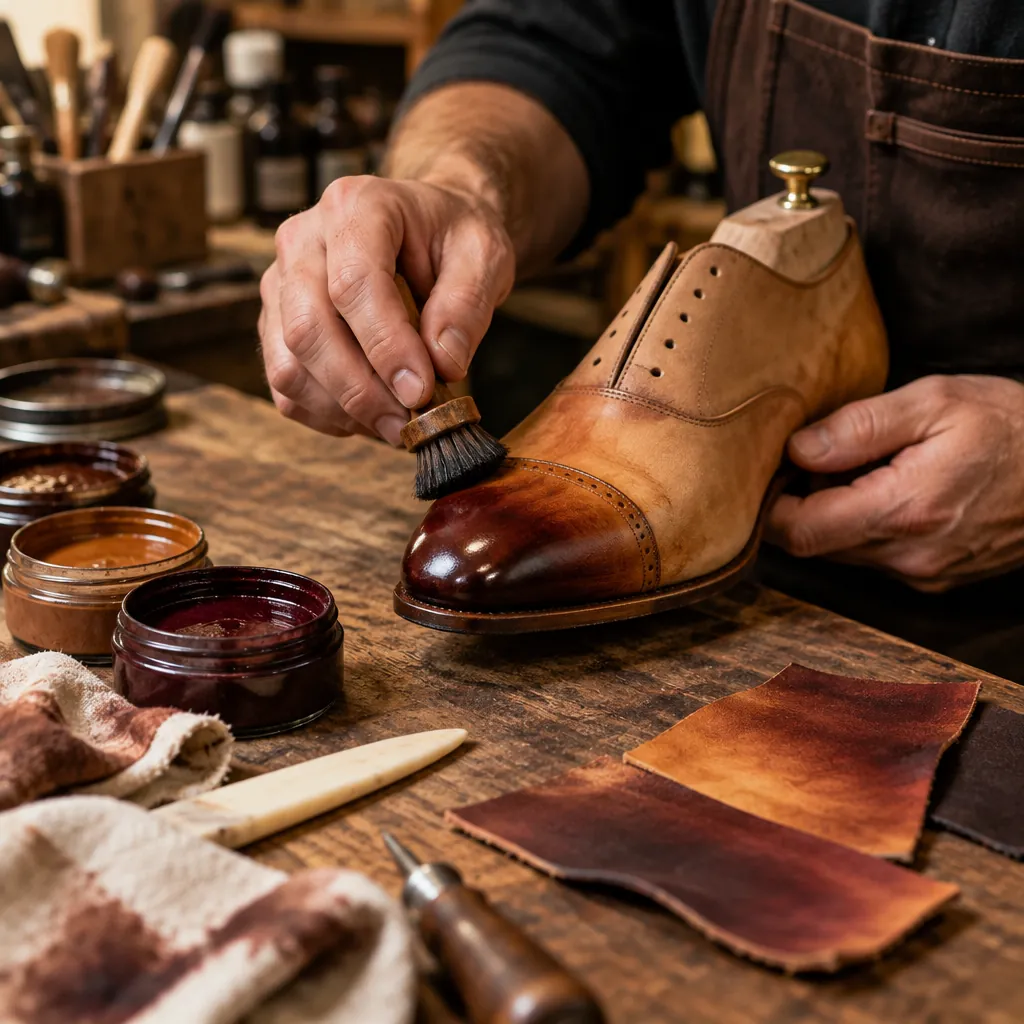
Leather grade is the layer buyers misjudge most often. “Genuine leather” is a legal minimum, not a quality grade — it includes bonded leather made from scraps and adhesive. Full-grain leather keeps the hide’s outer surface intact, which is why it develops a patina instead of peeling. Corrected-grain leather has been sanded and embossed to hide imperfections; it photographs well but cracks at flex points within a season of daily wear.
Finishing is where factories quietly save money. The visible differences — edge paint quality, lining material, stitch density — cost cents per pair at production scale but signal the factory’s inspection discipline. A shoe with clean finishing almost always comes from a line that inspects; a shoe with glue bleed at the sole edge almost always comes from one that doesn’t.
How Do You Verify Leather Quality on a Sample?
Four checks take less than an hour and require no lab equipment. Run them on the sample pair, not on photographs.
1. The flex test. Bend the forefoot repeatedly 30–40 times. Full-grain leather creases finely and recovers; corrected-grain and PU coatings develop a light-colored crack line at the crease within the first 20 bends. This is the single most predictive test for how the shoe will look after one retail season.
2. The cross-section. Ask the factory to cut a small window in the scrap material or check the tongue edge. You are looking at thickness uniformity and layer count: split leather shows a fibrous middle layer; coated splits show a plastic-looking film over fibers.
3. The water drop. One drop of water on the vamp. Untreated full-grain absorbs it slowly and darkens; heavily coated material beads indefinitely — which feels premium in the store but means the hide beneath was corrected.
4. The smell and backing check. Turn the collar and check the backing fabric. PU “leather” has a fabric weave backing glued to a polymer sheet; genuine leather shows fiber structure through to the edge. This catches the “bonded leather” substitution that is the most common material downgrade in low-quote quotations.
First-hand evidence — buyer language (inquiry records, anonymized). Among the real wholesale inquiries reaching our sales desk in Aug–Sep 2026, the single most repeated material phrase was “genuine leather” — including one full OEM series request specified as “real leather, women’s line” and multiple first-contact messages that combined a model number with a price-and-MOQ question. Buyers rarely ask “what grain is it?” — they ask for leather, then discover the grade difference at the flex test. Specifying grain level in your tech pack closes that gap before sampling.
(Source level: anonymized inquiry records, Wincheer Shoes Co., Ltd., 2026)
Which Construction Method Should a B2B Buyer Require?
It depends on the price point you are building, and the answer has direct unit-economics consequences.
| Method | How it works | Resoleable? | Relative unit cost | Best fit |
|---|---|---|---|---|
| Goodyear welt | A welt strip stitches upper, insole, and outsole together; the cavity is cork-filled | Yes, multiple times | Highest | Dress lines positioned above $120/pair retail |
| Blake stitch | Sole stitched directly to the insole from inside; sleeker profile | Yes, but only on specialized machines | Mid | Sleek dress profiles, mid-premium lines |
| Cemented | Upper bonded to insole board with adhesive | No | Lowest | Volume lines, fashion-forward designs with short lifecycles |
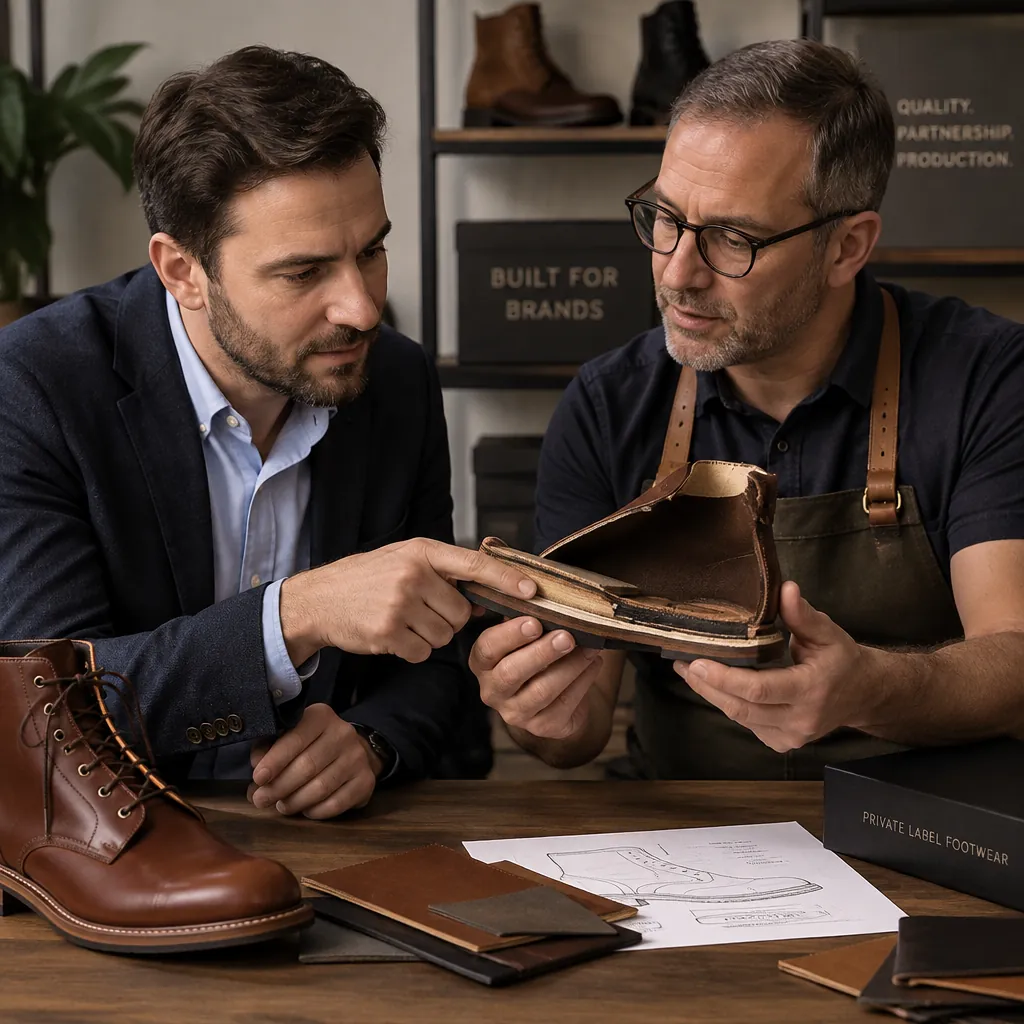
For the mechanics behind the first two rows — where the stitch runs, why the cork cavity matters, how resoling works — Goodyear welting is the standard reference construction, and the sole-edge difference is exactly what a buyer sees at sample inspection: a welted shoe shows a visible stitch line running around the sole; a cemented shoe meets the upper in a smooth, seam-free edge.
The manufacturing truth most articles skip: construction choice is not a quality switch — it is a cost architecture. Setup cost (lasting boards, welt tooling, operator skill) amortizes identically whether you make 60 pairs or 6,000. That is why welted construction carries higher minimums in every serious factory, and why a supplier offering Goodyear welt at no minimum and no price step should make you check the sole edge yourself.
On our Jiangmen production lines, construction is specified per style before sampling, not after — because switching a line from cemented to welted mid-program invalidates the last, the pattern, and the costing (Source: internal production planning records, Wincheer Shoes Co., Ltd., 2026). If your positioning conversation with a supplier starts at construction level rather than logo level, you are talking to the right department.
Why Do Mass-Market Shoes Wear Out Faster?
Failure mode, not age. The three dominant failure patterns map one-to-one to the three layers above:
Adhesive fatigue (cemented construction). Heat and flex cycles degrade the glue line; the sole separates from the upper at the flex point, typically starting at the ball of the foot. This is the terminal failure for cemented shoes — no repair path exists.
Coating crack (corrected grain). The printed or coated surface cracks at crease points within months of daily wear, exposing the fiber beneath. The leather “looks old” long before the structure fails.
Lining blowout (cost-optimized finishing). Heel-counter lining wears through from the inside, which no customer photograph captures but every wearer notices within weeks.
For a brand, the accounting question is cost-per-wear, and it inverts the sticker-price logic: in our production experience, a welted full-grain shoe at a 2–3× higher unit cost routinely delivers 4–6× the wearable lifespan of a cemented corrected-grain shoe, because it can be resoled and its upper does not crack. For retail positioning, that ratio is the difference between “replace it next season” and a customer who wears the shoe for years — which is where brand value in footwear actually compounds.
How Do You Verify a Supplier’s “Luxury” Claims Before Production?
Sample evaluation is where wholesale buyers hold real power, and most buyers under-use it. Three verification paths, in the order we would recommend:
1. Sample-based verification (before any deposit). Run the four leather checks above plus the sole-edge inspection on a physical sample. Require the sample to be production-representative — made on the actual line, not a showroom piece. Factories know the difference; ask directly whether the sample came from the production line or the sample room.
2. Inspection-based verification (during production). Define an AQL level in the purchase contract and require random inspection reports at mid-production and pre-shipment. Our quality-inspection guide for B2B buyers covers how AQL limits work for footwear and what a report should contain, and SATRA — the footwear research association whose test methods most serious factories calibrate against — publishes the reference standards behind those limits. The buyer’s leverage: a factory that refuses AQL terms is telling you its defect rates in advance.
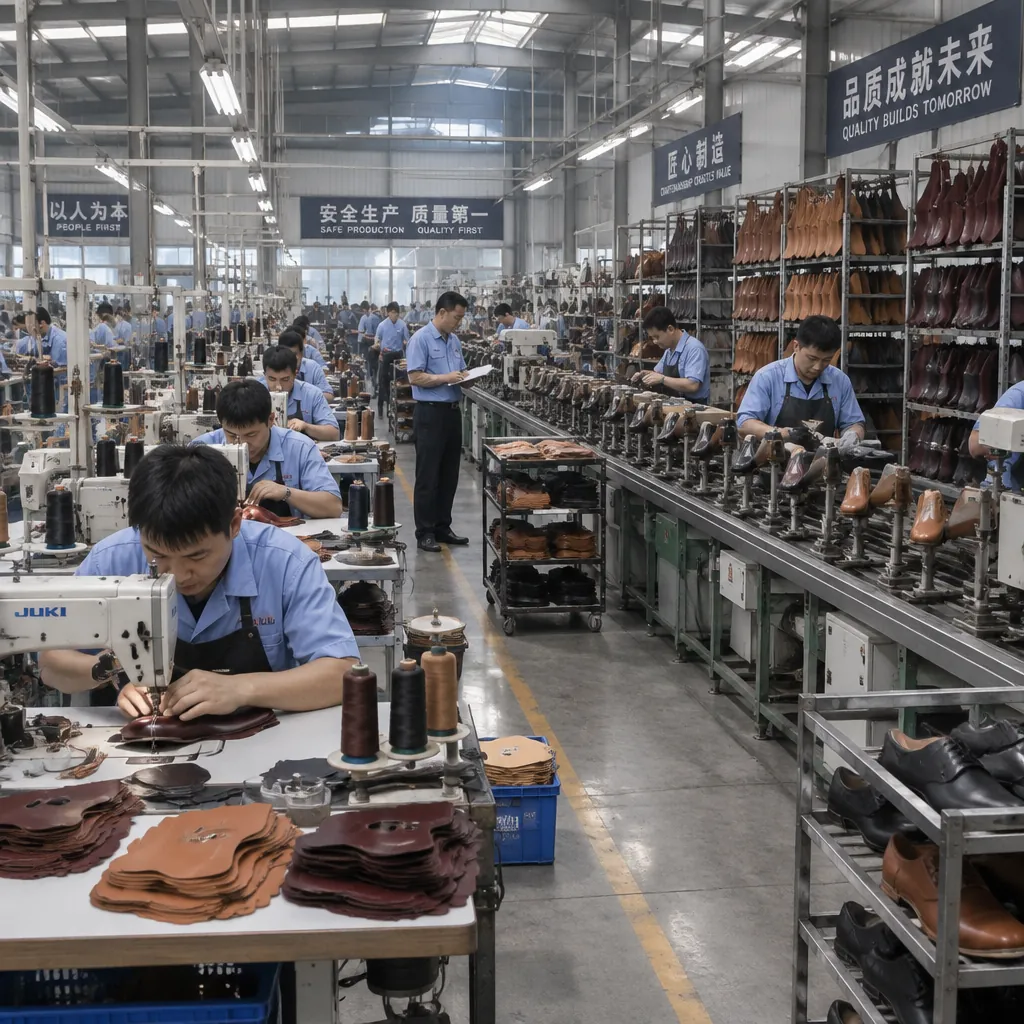
3. Line-visit verification (before the first bulk order). A factory that owns its production welcomes a visit; a trading company dressed as a factory schedules one “for next month” indefinitely. Our production lines in Jiangmen, Guangdong (about 1.5 hours from Guangzhou) are open to buyer visits — showrooms and warehouses also operate in Shanghai and Jiangmen, and walking the lasting and stitching lines answers in one afternoon what ten email threads cannot (Source: Wincheer Shoes Co., Ltd. official site, 2026).
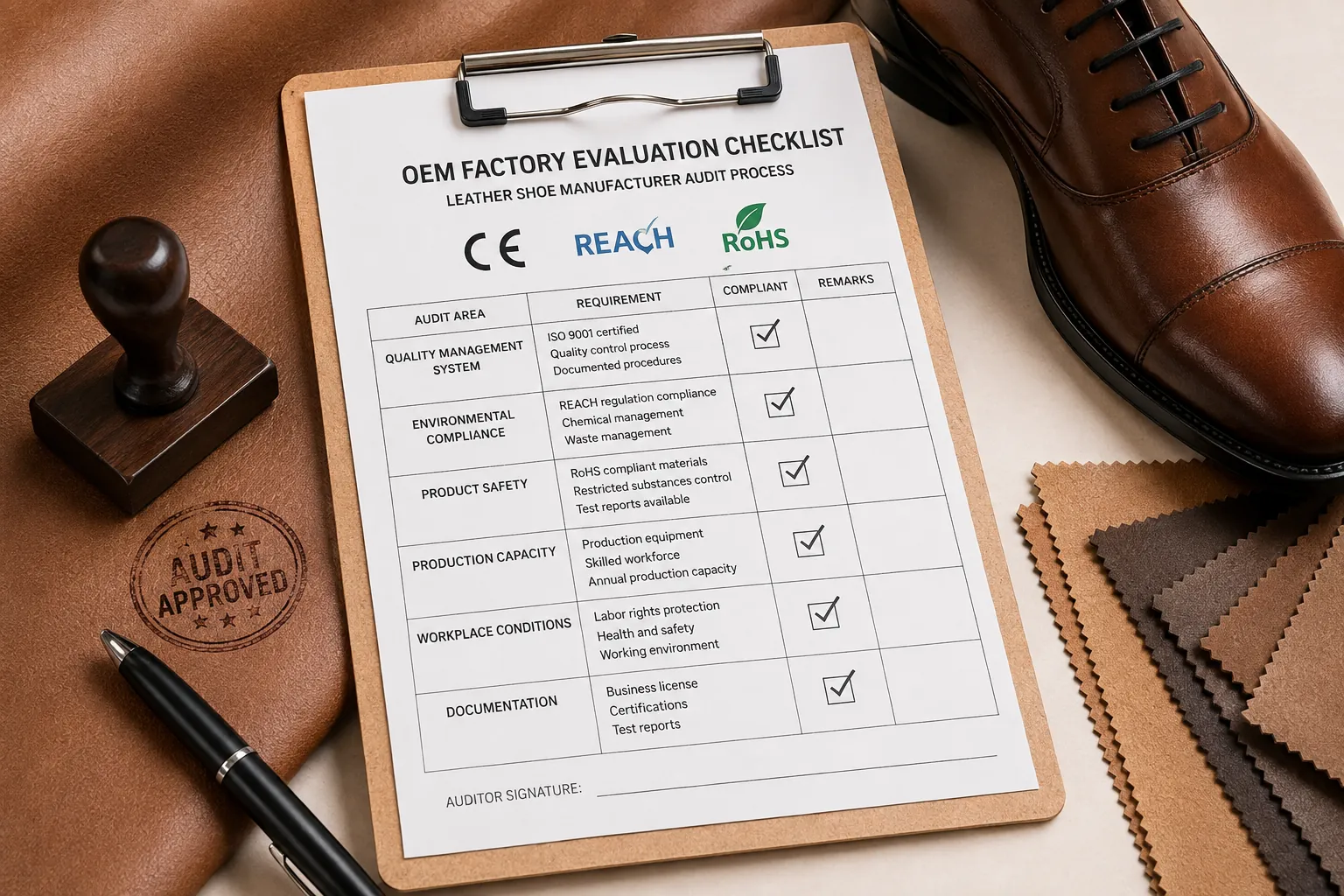
First-hand evidence — production floor. Every bulk order at Wincheer runs through random AQL sampling before shipment, and construction, leather grade, and finishing specs are locked in the tech pack at sampling stage — a style’s construction method cannot be changed after the last is cut. Certifications on file: CE, REACH (Azo Dyes), RoHS, EN-ISO 20347. Annual capacity across the Jiangmen lines is ~500,000 pairs.
(Source level: internal factory records and official company disclosures, Wincheer Shoes Co., Ltd., 2026)
What Red Flags Expose Fake “Luxury” Positioning?
Five patterns recur across supplier catalogs. Any one of them deserves a second sample round; two together deserve a different supplier.
Cemented sole sold with welted pricing. The fastest check remains the sole edge: if the edge is smooth and seam-free but the quote matches welted construction benchmarks, the positioning is not honest. Construction costs are structural — they cannot be discounted away.
“Genuine leather” with no grain specification. As the inquiry records above show, buyers ask for leather, not grain. Suppliers who do not volunteer the grain level in the quotation are usually not selling full-grain. Require “full-grain / top-grain / corrected” to appear in the tech pack, not just “genuine leather.”
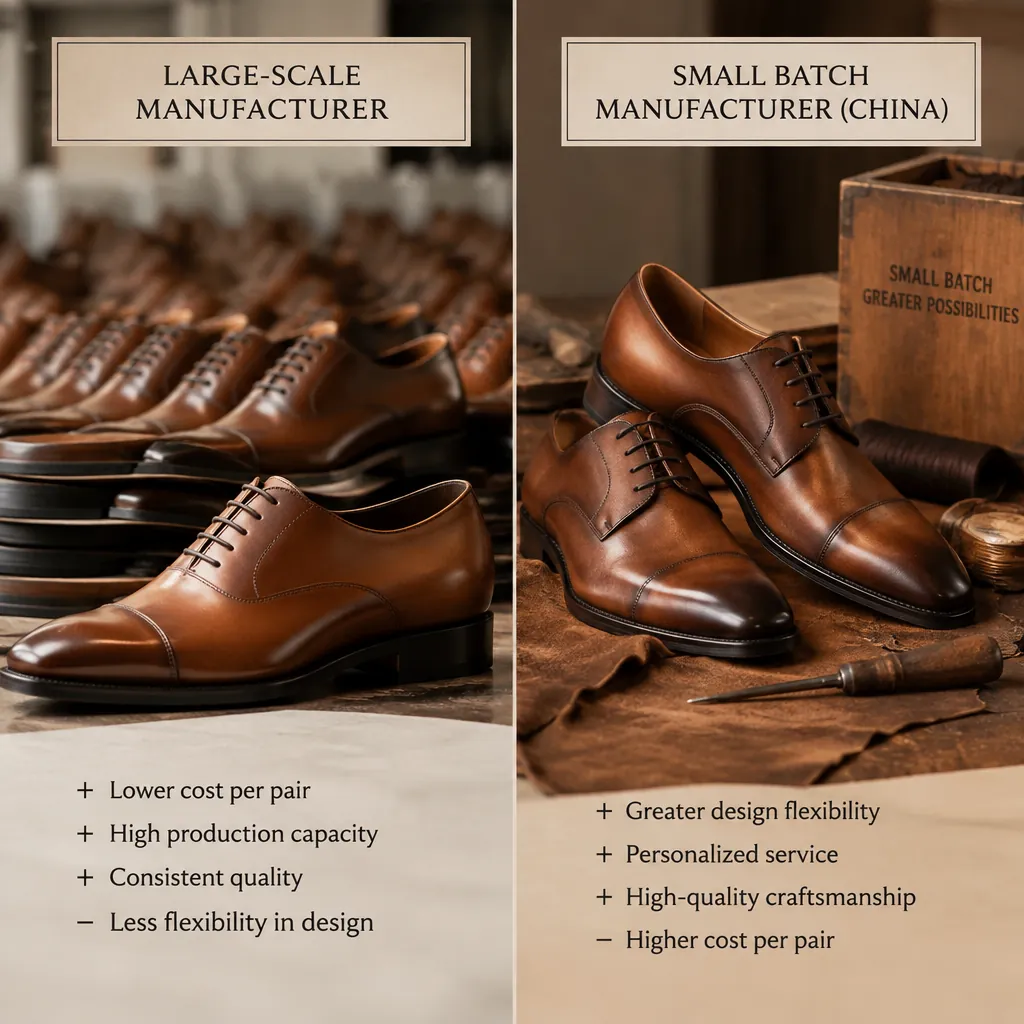
Price quoted with no quantity tier. Serious factories quote in steps — our own structure quotes entry minimums at 60 pairs per style for custom production, then 100 / 300 / 500 pair tiers as volume rises (Source: internal factory records, Wincheer Shoes Co., Ltd., 2026). A single flat price with no MOQ structure usually means a reseller layering margin, not a manufacturer; our guide to small-batch leather shoe manufacturers in China shows how real factories structure these tiers.
Stock photos, no line photos. Ask for two phone-shot videos: the lasting line and the stitching floor, taken that week. Real production floors are messy, loud, and full of WIP. A supplier whose entire media kit is studio renders is outsourcing something.
Certifications cited without scope. CE and REACH apply to specific test scopes. A serious supplier states which tests are on file and for which material families; a vague “fully certified” claim without documents is marketing.
FAQ
Is Goodyear welt construction really necessary for a “luxury” shoe?
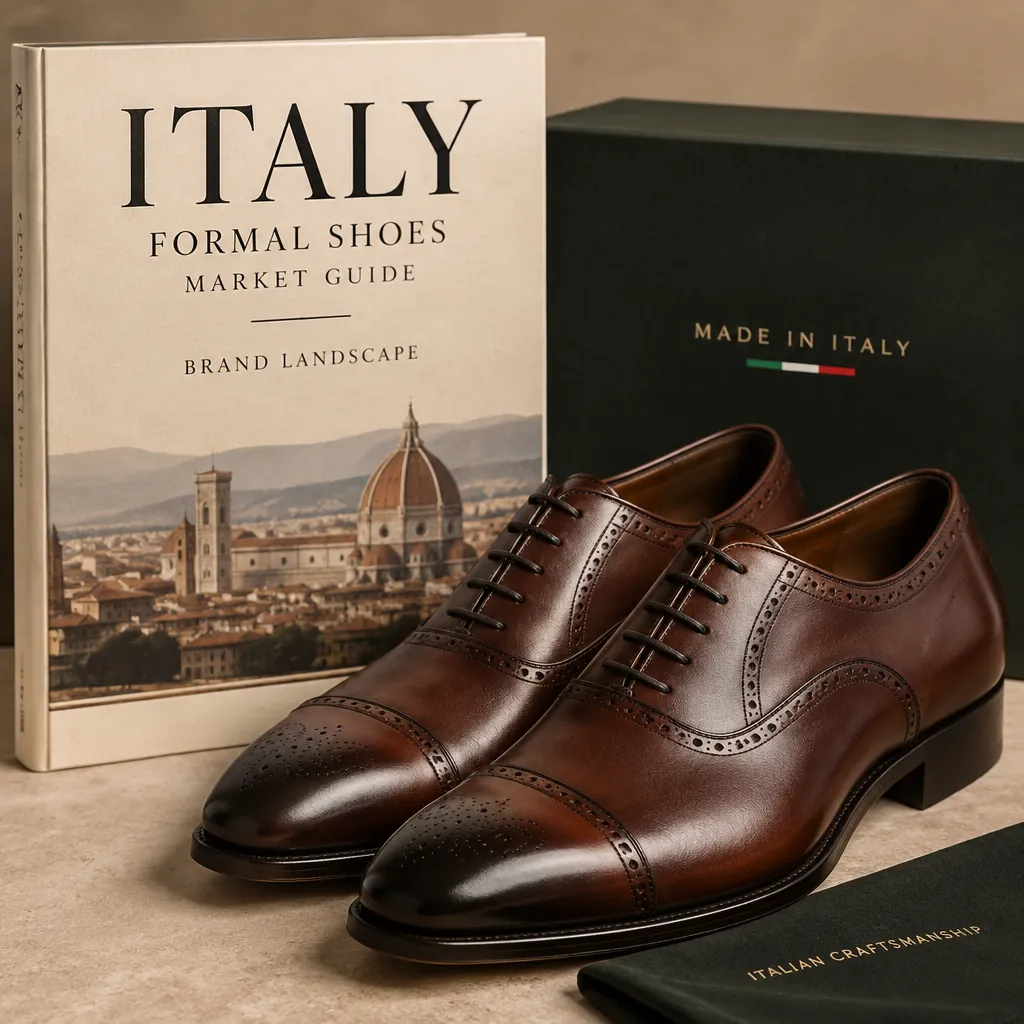
Not strictly — Blake-stitched shoes are accepted as luxury in Italian styling, and some hand-sewn constructions (like norvegese) exceed Goodyear in craft value. What is necessary is stitched, resoleable construction at a premium price point. Cemented construction at luxury pricing is the mismatch to refuse.
How much more does full-grain leather cost than corrected grain at wholesale?
Material cost differences at production scale are real but modest — typically a low double-digit percentage per pair, varying with hide origin and thickness spec. The bigger cost lever is yield: full-grain requires cleaner hides, which raises selection loss at the cutting stage. The honest answer any factory should give you is a per-pair step between two specified grades, not a percentage.
Can a mass-market factory produce luxury-quality shoes?
The equipment list overlaps heavily — cutting presses, lasting machines, and stitching lines are shared across tiers. The difference is operator skill, inspection discipline, and willingness to run lower yields on better material. That is why the line visit matters more than the machine list: you are evaluating the habits, not the hardware.
What MOQ should I expect for a custom luxury line?
At our own factory, custom production starts at 60 pairs per style with tiered pricing at 100, 300, and 500 pairs; welted constructions carry higher effective minimums because setup amortizes over fewer pairs. Wholesale-ready stock programs can go lower — our stock program ships single-pair minimums. Numbers far below these for fully custom welted work deserve scrutiny of the sole edge, per the red flags above. For how customization tiers themselves work — MTO versus made-to-measure versus bespoke — see our maker’s guide to luxury shoe brands for customization.
Does a higher price guarantee better leather?
No. Price reflects positioning, channel margin, and brand spend as much as material. The leather grade checks in this guide — flex test, cross-section, water drop, backing — cost nothing and cut through the pricing noise directly.