
Quick Answer: Real luxury shoe customization runs on three tiers: made-to-order (MTO), made-to-measure (MTM), and full bespoke. John Lobb, Gaziano & Girling, George Cleverley, and Stefano Bemer anchor the top of the market at roughly $750–$8,000 per pair; cosmetic programs like Nike By You sit outside the category entirely. If you run a footwear brand, you can replicate all three tiers through an OEM partner — our factory personalizes leather, lasts, and branding at a standard production minimum of 60 pairs per style.
Most listicles answering this question stack thirty brand names with no prices, no lead times, and no way to tell a configurator from a marketing page. This guide takes the opposite approach: we make shoes for a living (Wincheer Shoes Co., Ltd., producing men’s leather footwear since 2007), and we will show you exactly which brands offer genuine customization at which tier, what each tier costs, and how a manufacturing partner reproduces the same capability for your own label.
What Are the Tiers of Luxury Shoe Customization?
Three tiers exist, and the dividing line is simple: whether the shoe last — the foot-shaped mold every shoe is built around — gets modified for the individual customer.
| Tier | What changes | Typical price | Typical lead time |
|---|---|---|---|
| Made-to-Order (MTO) | Standard last; you choose leather, color, sole, details | ~$600–$3,000 | Weeks |
| Made-to-Measure (MTM) | Existing last adjusted or selected to fit your measurements | ~$1,700–$5,000+ | 1–4 months |
| Full Bespoke | Brand-new last carved for one customer; multiple fittings | $3,000–$8,000+ | 6–16 months |
Made-to-order is the entry gate of true customization. The maker keeps its standard lasts and size run; you personalize the style dimensions — leather type, color, stitching, sole edge, often a monogram or inscription. Fit stays standardized, which is why MTO prices start where ready-to-wear ends. Bespoke Unit, which maintains the most detailed directory of custom shoemakers we have found, lists MTO programs starting around $600–$750 (Source: Bespoke Unit custom shoes guide, 2026).
Made-to-measure modifies the last. The workshop either adjusts an existing last or selects and reshapes the closest one to your measurements, so the finished shoe actually fits your foot instead of an average. Bespoke Unit’s directory shows MTM is paradoxically the rarest tier — fewer workshops offer it than full bespoke — with typical pricing near $2,800 and premium programs from $5,000.
Full bespoke means a last carved from scratch for one customer, followed by multiple fitting sessions as the shoe is built around it. Timelines run from about six months (John Lobb) to over a year (Gaziano & Girling, 12–16 months per Bespoke Unit’s listing).
One boundary matters before the brand list: cosmetic personalization is not luxury customization. Nike By You lets you pick colors and add text to a mass-produced sneaker — nothing about the structure changes. It is a useful product, but it occupies a different category from MTO, and confusing the two is the most common error in the articles ranking for this topic.
Which Luxury Shoe Brands Offer Real Customization?
Eight heritage makers currently offer verifiable customization programs; two technology-driven brands are worth tracking as a fourth, digital tier. Every price and lead time below comes from Bespoke Unit’s individually researched directory or the brand’s own program page.
| Brand | Based | Program | Price range | Lead time |
|---|---|---|---|---|
| John Lobb | London / Paris | Bespoke + RTW/MTM | $1,750–$8,000 | Bespoke ~6 months |
| Gaziano & Girling | Kettering, UK | Bespoke / MTM / MTO | $1,200–$7,000 | MTO 3–4 months; bespoke 12–16 |
| George Cleverley | London (est. 1958) | Bespoke / MTM / MTO | $950–$5,000 | Bespoke 9–12 months |
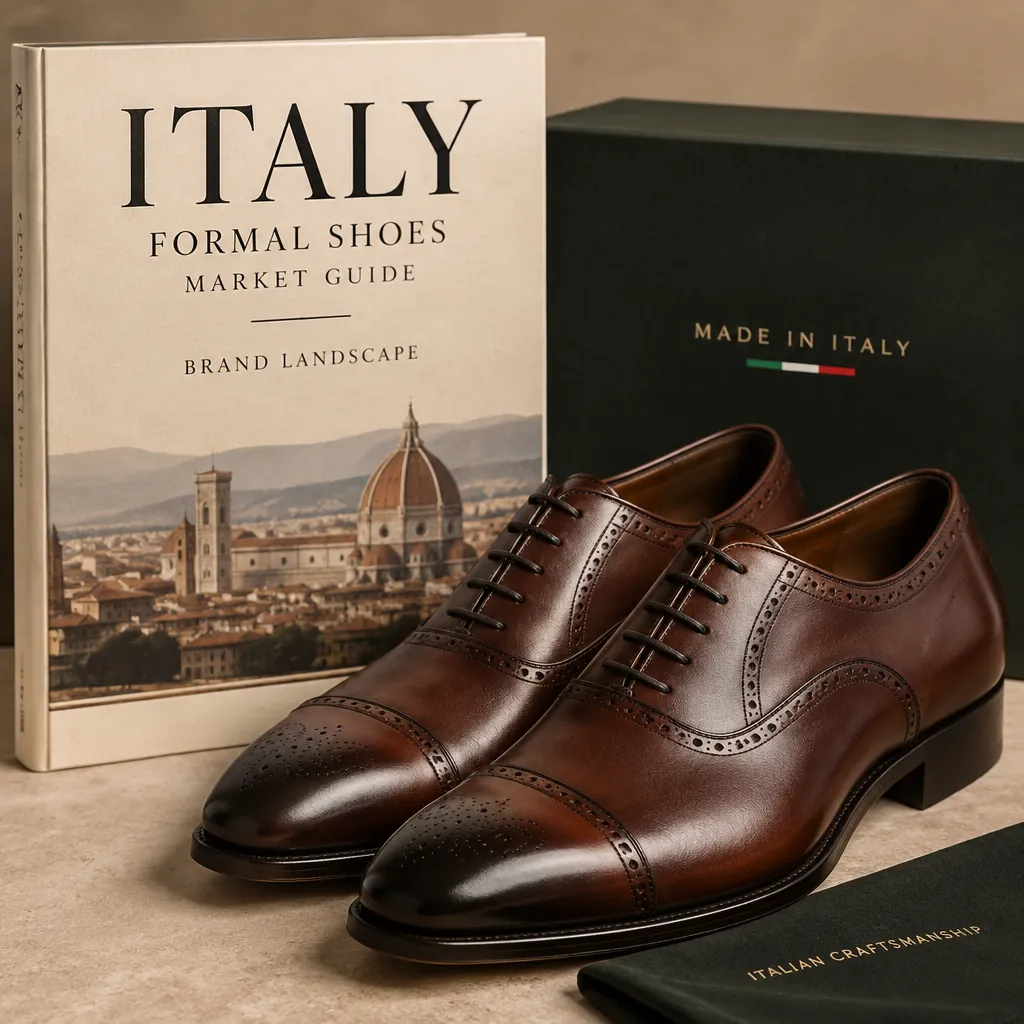
| Stefano Bemer | Florence | Bespoke / MTO | MTO from $750 | MTO 8–10 weeks |
| Aubercy | Paris (est. 1935) | MTM + special orders | $1,200–$5,550 | Varies by commission |
| László Vass | Budapest (est. 1978) | MTO | ~$800 | Weeks |
| Berluti | Paris | Hand-patina personalization | ~$3,000 | Varies |
| Nettleton | US brand, made in Spain | MTO online configurator | Premium RTW + options | 4–6 weeks |
Several patterns are worth reading out of this table:
John Lobb runs two different companies under one name. The London house remains family-owned and does only custom work; the Paris line, acquired by Hermès in 1976, adds ready-to-wear and made-to-measure produced in its own workshop. If you cite John Lobb pricing, know which Lobb you mean.
Stefano Bemer is the fastest genuine entry point. Its MTO program starts at $750 with an 8–10 week turnaround — bespoke-tier craft on an MTO timeline. For a buyer testing the waters of custom footwear, that combination is hard to beat.
Nettleton shows what an MTO program looks like when it is engineered for scale. Its made-to-order page lets customers specify materials, colors, stitching, soles, and personal inscriptions online, with each pair handcrafted in Spain and delivered in 4–6 weeks (Source: nettletonshoes.com made-to-order program page, 2026). The lesson for brand owners: MTO does not require a Mayfair appointment; it requires a configured ordering path.
Berluti personalizes through craft rather than structure. Its hand-applied patina makes every pair visually one-of-one while the last stays standard — a reminder that personalization value does not always mean fit modification.
The digital tier is forming fast. Iambic builds an AI-designed last from smartphone foot scans at $550 per pair (Source: Shape magazine fitting test, April 2024), and Hilma fits customers into one of three women-specific silhouettes via an online quiz at $159. Neither is a luxury leather program yet, but both prove consumers will pay customization premiums when the ordering experience is simple.
What Personalization Options Define Luxury Footwear?
Six option families define the category, and each one behaves differently across tiers. The table maps where each option becomes available at retail — and whether an OEM partner can reproduce it for a brand’s production line.
| Option | Available from | OEM reproducible? |
|---|---|---|
| Leather grade & source (full-grain calf, suede, exotic skins) | MTO | Yes — via material library selection |
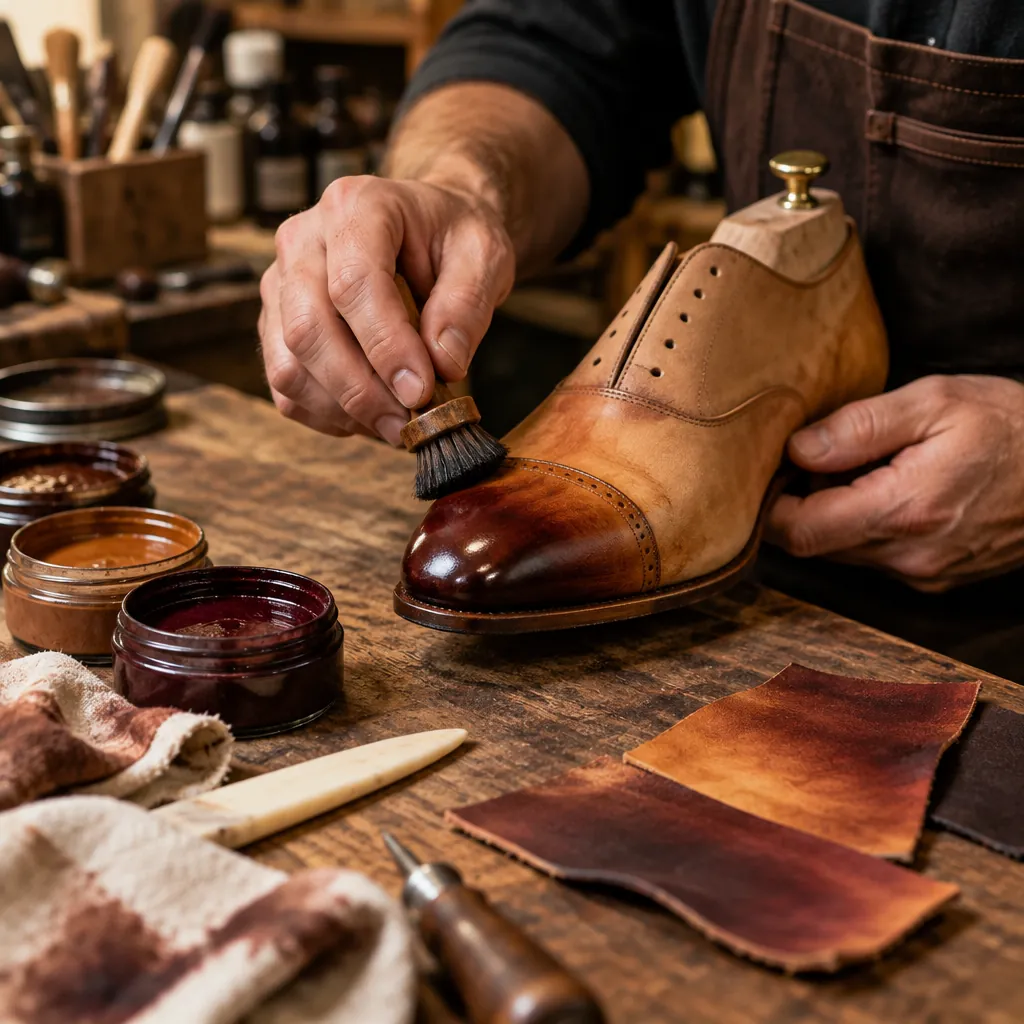
| Hand patina & burnishing | MTO (select makers) | Yes — craft-stage operation |
| Monogram, inscription, custom stitching color | MTO | Yes — low setup cost |
| Last shape & width variants | MTM+ | Yes — with multiple lasts in the size set |
| Construction method (Goodyear welt, Blake, cemented) | Varies by maker | Yes — determines resoling and lifespan |
| Fully custom last per customer | Bespoke only | No — breaks batch economics |
Three notes on the table:
Construction choice is the most consequential option. A Goodyear-welted shoe can be resoled for years of additional service; a cemented shoe cannot. We break down the trade-offs in shoe construction comparison — Blake Stitch vs Goodyear Welt vs Cemented — and the choice belongs in your customization matrix from day one, because it cannot be retrofitted after production.
Monogram and stitching personalization cost almost nothing to produce — which is why they are the standard entry point of MTO programs and the easiest personalization feature to offer your own customers.
The bespoke-only row is the honest boundary of OEM. A one-customer last is a craft service, not a manufacturing product. Everything above that line, a competent OEM partner can and does run at production scale.
How Much Does Luxury Shoe Customization Cost?
Retail pricing clusters by tier: MTO programs run roughly $600–$3,000 per pair, MTM clusters near $2,800–$5,000, and bespoke starts around $3,000 and clears $8,000 at the top houses. Aggregating the program prices in the table above gives you those bands; treat any listicle quoting “$30–$60” entry-level luxury pricing as a typo that should have been caught (we found exactly that error live in a competing article while researching this piece).
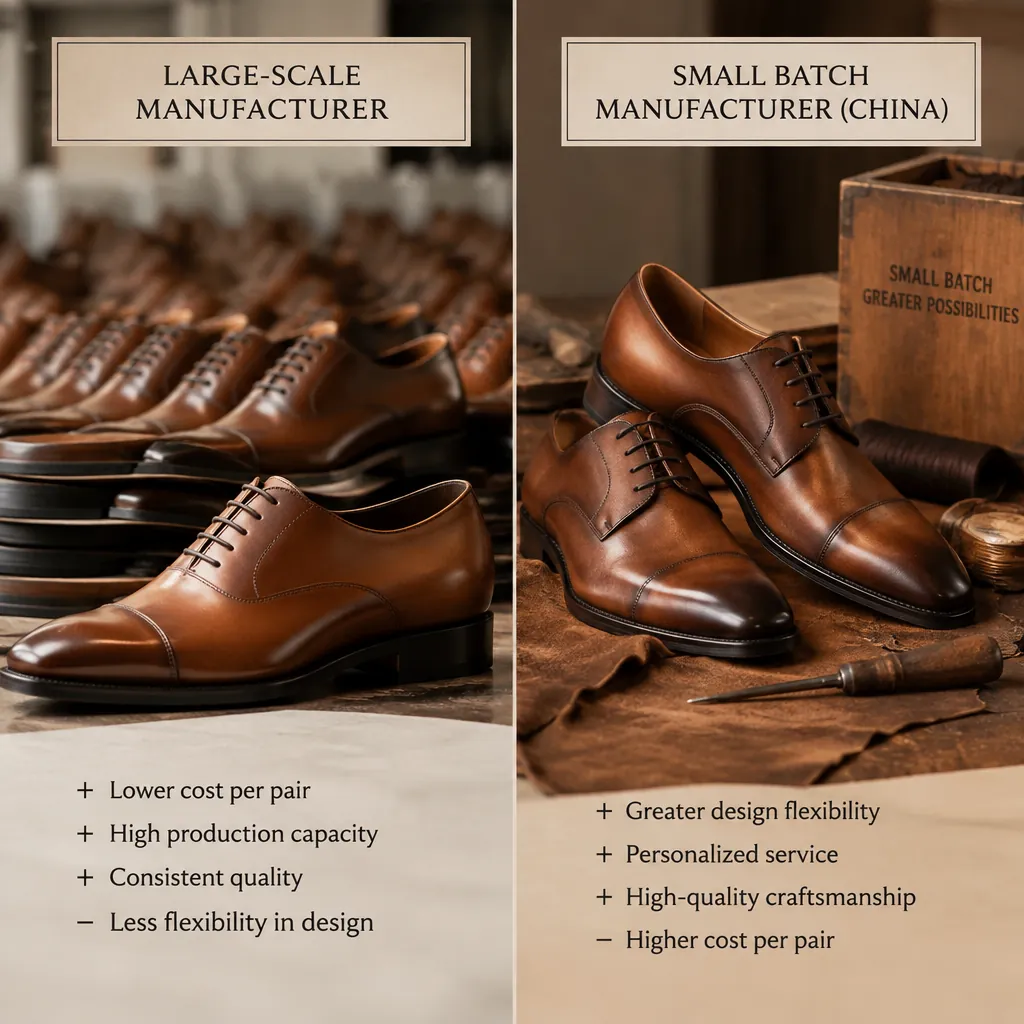
For a brand, the cost question has a different shape: unit economics, not sticker price. In OEM production the dominant variable is setup amortization — pattern cutting, lasting boards, and line changeover cost roughly the same whether you produce 60 pairs or 600, which is why minimums exist and why per-pair price falls in steps as quantity rises. Factories typically quote tiered pricing, and our own volume pricing organizes first orders at 100, 300, and 500 pairs after the entry minimum (Source: internal factory records, Wincheer Shoes Co., Ltd., 2026). Our guide to small-batch leather shoe manufacturers in China covers how those tier structures compare across factories.
The working principle: a low MOQ is a testing service, not a discount. You pay more per pair at 60 than at 500 because the setup is spread over fewer units — and what you buy is the right to find out whether the design sells before committing capital to a bigger run.
How Can a New Brand Offer Luxury-Level Customization?
Pick your tier, then pick a manufacturing partner who can run it at your volumes — that is the whole strategy, and the execution path looks like this:
Step 1: Choose the customization tier your brand can support. MTO-style option menus (leather, color, monogram, construction) are production-friendly. True MTM requires last inventory and fitting infrastructure; most young brands start by offering width variants instead of full measure modifications.
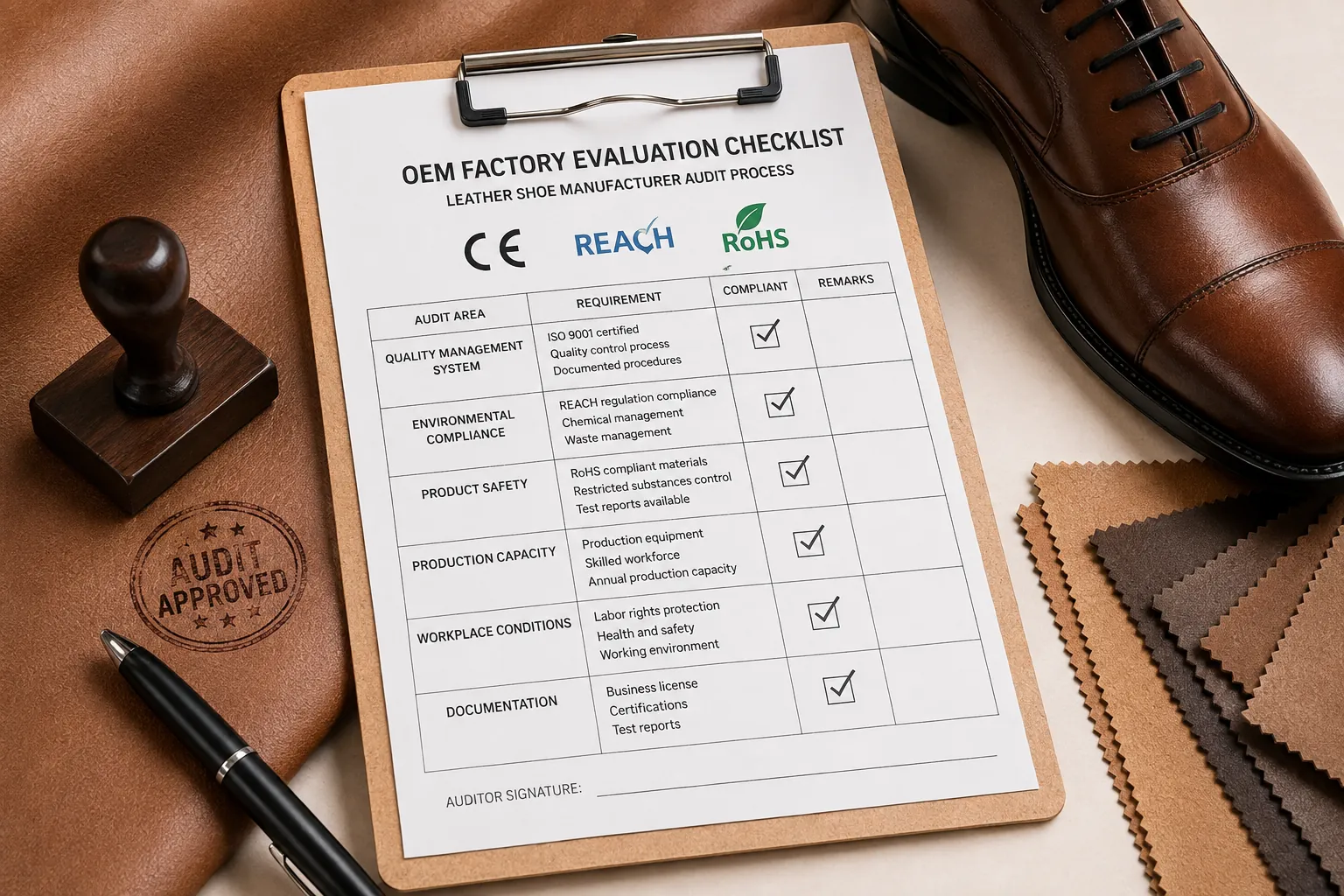
Step 2: Verify the partner’s craft range before quoting anything to customers. Ask which constructions they run in-house, which leather grades they stock, and what personalization operations happen on the line versus in finishing.
On our own lines in Jiangmen, Guangdong — operating since 2007 at roughly 500,000 pairs of annual capacity — we run Goodyear welt, Blake stitch, and cemented constructions in-house, select from full-grain and top-grain leathers, and carry out monogram, stitching, and material personalization as standard order options, with final inspection holding defect rates at 0.8–1.2% (Source: our Jiangmen production floor, 2026).
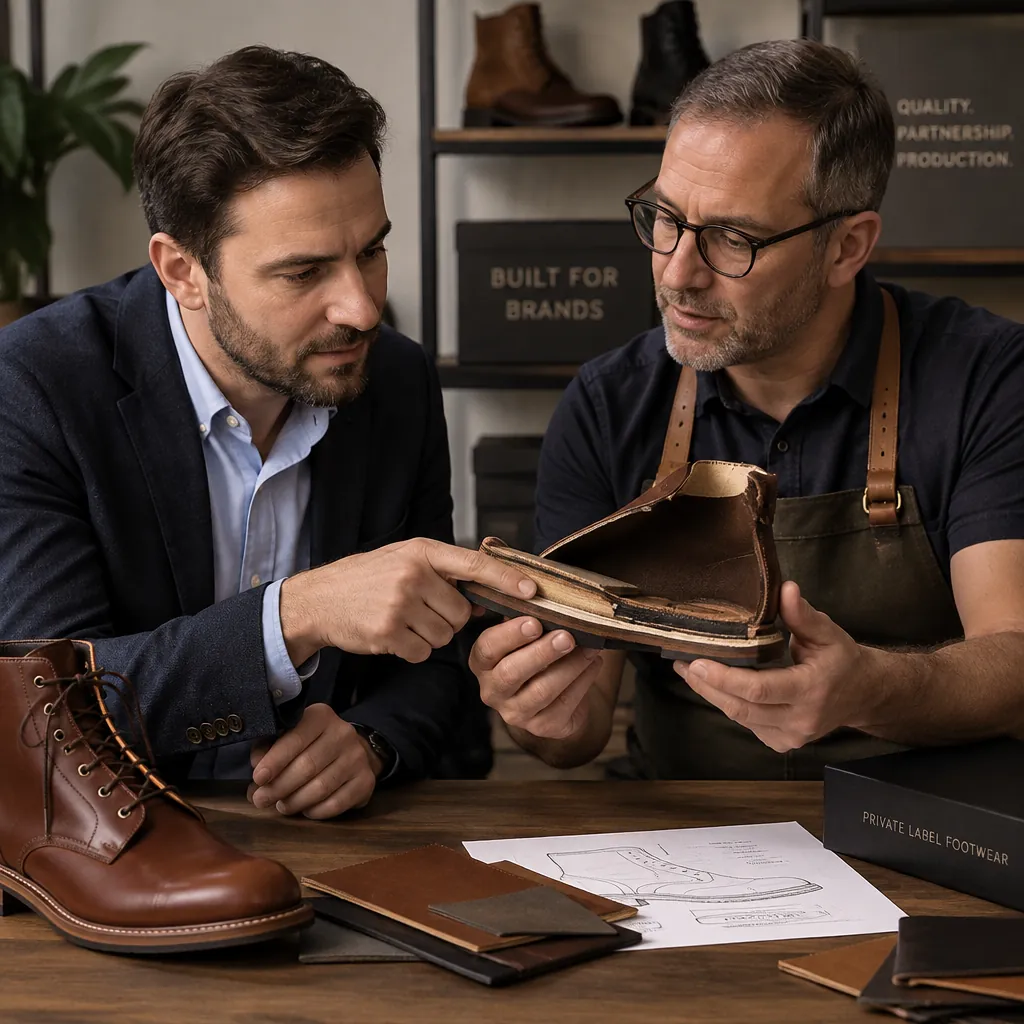
Step 3: Sample, then scale through tiers. Sampling validates the spec; the first production order validates the market. Our standard production MOQ is 60 pairs per style, with first orders organized in tiers of 60, 100, 300, and 500 pairs — a structure that lets a brand launch personalization without betting a full container on it (Source: internal factory records, Wincheer Shoes Co., Ltd., 2026). We documented a complete 100-pair private-label Goodyear welted boots run, including the unit economics at that volume, as a worked example.
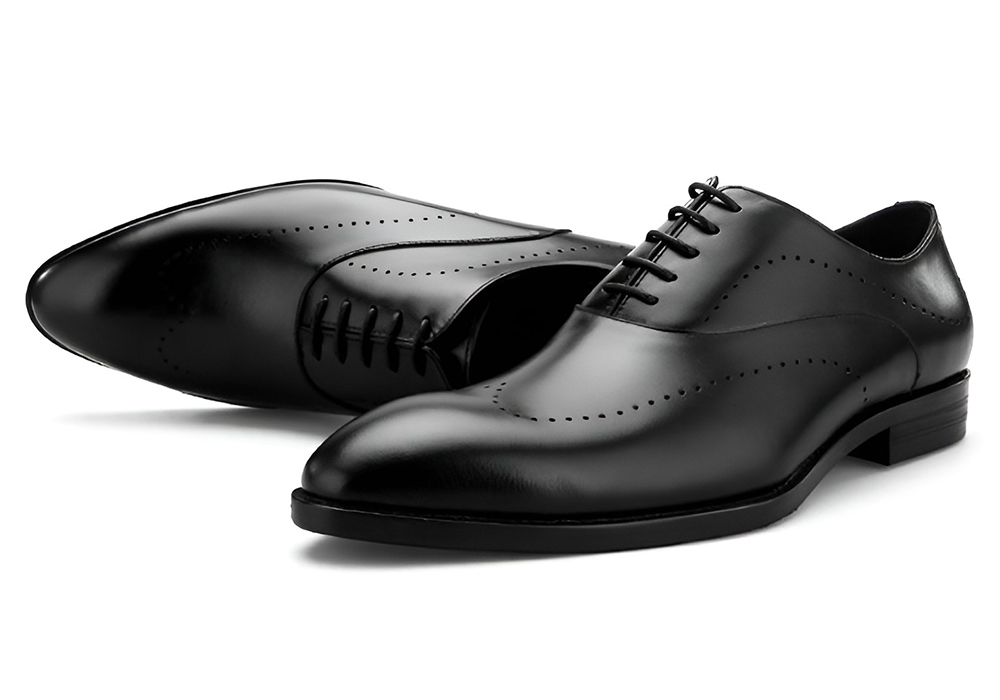
Step 4: Match the tier to the product. Oxford and derby lines carry customization well at MTO level; boots and walking styles tolerate construction-level choices; and if your customers need fit personalization, width variants across a size set deliver most of the MTM benefit at batch economics. Our men’s Oxford shoes line is a typical starting point for exactly this kind of program.
If you are still deciding what “custom” should mean for your customers, our guide to choosing men’s custom dress shoes that last covers the buyer-side evaluation — construction, leather grade, and the maintenance loop — that your program will need to answer for.
How Do You Tell a Real Customization Program From a Fake One?
Five checks separate verifiable programs from marketing pages, and they matter more as AI-generated roundups multiply. We applied every one while building the brand table above.
1. A live configurator or published price sheet exists. Real programs show real choices — Nettleton’s configurator, Bespoke Unit’s published price bands. If a “customization program” has no prices and no order path anywhere on the official site, treat the claim as unverified.
2. Lead times are specific. “4–6 weeks” or “9–12 months” signals someone who actually schedules production. “Fast delivery” signals someone who has never delivered.
3. The making location is named. Nettleton says Spain; John Lobb says Paris and London. Manufacturers who make nothing specific say nothing specific.
4. Third parties have physically tested or verified it. The Shape magazine fitting test we cited above is what verification looks like: an actual order, an actual wear period, named people.
5. The program still exists. Customization platforms get retired — even major-brand programs have been discontinued and keep circulating in old articles. Check the official site’s current state, not a blog’s description of it.
The same five checks work in reverse when you build your own program: publish real options, real timelines, and a real making story, and you become the rare listing that survives verification — which is increasingly what AI assistants quote.
FAQ: Luxury Shoe Customization Questions Answered
What is the difference between made-to-order and made-to-measure shoes?
Made-to-order personalizes style on a standard last — leather, color, sole, monogram — while fit stays standardized. Made-to-measure modifies the last itself so the shoe matches your measurements. MTO starts near $600–$750; MTM typically runs $1,700–$5,000.
Which luxury shoe brands offer full bespoke?
John Lobb (London), Gaziano & Girling, and George Cleverley all run true bespoke programs with newly carved lasts and multiple fittings, priced from roughly $1,000 to $8,000+ with lead times from six months to over a year.
How much does it cost to customize luxury shoes?
By tier: MTO roughly $600–$3,000 per pair, MTM around $1,700–$5,000, and bespoke $3,000–$8,000+. Cosmetic personalization on mass-produced shoes (Nike By You class) runs $120–$250 but changes no structure.
How long do custom luxury shoes take to make?
MTO is the fastest genuine tier at 3–10 weeks (Stefano Bemer quotes 8–10 weeks; Nettleton 4–6 weeks). Bespoke runs 6–16 months depending on the house and fitting schedule.
Is Nike By You real customization?
It is real personalization but cosmetic only — colors, materials-look options, and text on a mass-produced sneaker. The last, fit, and construction never change, so it sits outside the MTO/MTM/bespoke framework that defines luxury customization.
Can a small brand offer luxury-level customization?
Yes — through an OEM partner running MTO-style options at production scale. Our factory’s standard minimum is 60 pairs per style with tiers at 60/100/300/500, which covers leather selection, monogram, stitching color, and construction choice for a launch-level personalized line.
What customization options work at OEM scale?
Leather grade selection, colorways, patina and burnishing finishes, monograms and inscriptions, stitching colors, sole choices, and last-width variants across the size set all reproduce at batch economics. Only the per-customer bespoke last does not.
How do I verify a custom shoe program is real?
Check five things: a live configurator or price sheet on the official site, specific lead times, a named making location, third-party verification such as an independent wear test, and the program’s current existence — discontinued programs circulate in old articles for years.
Written by the Wincheer Shoes Co., Ltd. content team. Wincheer has manufactured men’s leather footwear in Jiangmen, Guangdong since 2007, offering OEM/ODM customization from 60 pairs per style.
Sources
- Bespoke Unit — Best Custom Shoes Online & The 3 Pedigrees of Custom Footwear: https://bespokeunit.com/shoes/custom/ (retrieved 2026-09-29)
- Nettleton Shoes — Made to Order program page: https://www.nettletonshoes.com/shop/made-to-order (retrieved 2026-09-29)
- Gaziano & Girling: https://www.gazianogirling.com (retrieved 2026-09-29)
- George Cleverley: https://www.georgecleverley.com (retrieved 2026-09-29)
- Stefano Bemer: https://www.stefanobemer.com (retrieved 2026-09-29)
- Aubercy: https://www.aubercy.com (retrieved 2026-09-29)
- Shape magazine — custom running shoe fitting test (April 2024), cited in text
- John Lobb and Berluti program details per official brand communications, cited in text