
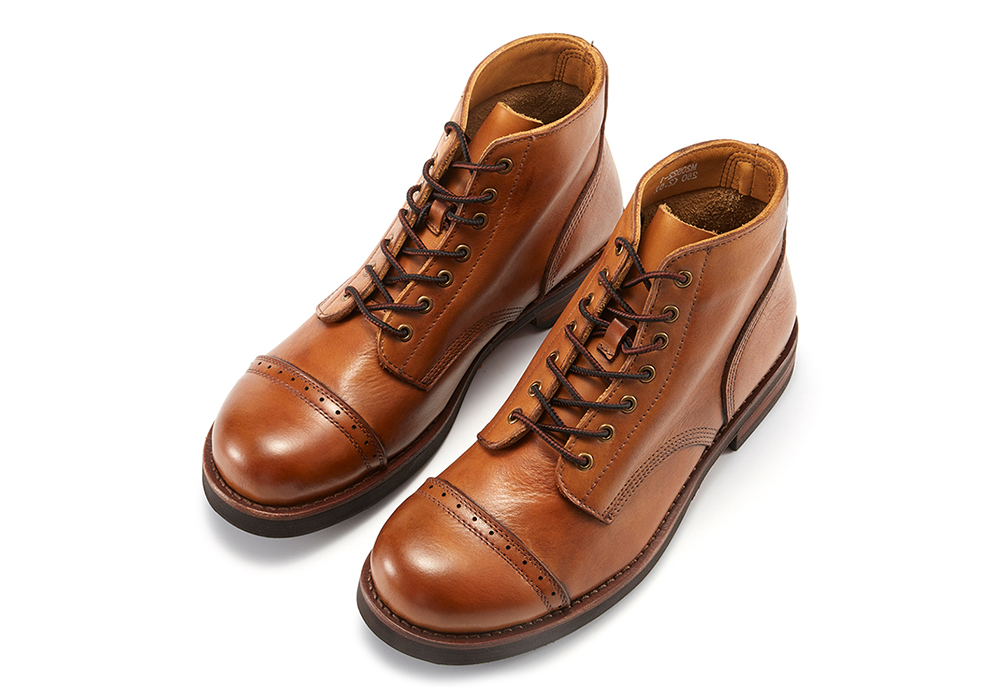
CE Certified Leather Shoe Factories China: 2026 Guide
The phrase “CE certified leather shoe factories” hides a regulatory truth. Ordinary men’s leather dress shoes do not legally require CE marking. Only footwear classified as Personal Protective Equipment (PPE) under EU Regulation 2016/425 mandates CE compliance, which means standard Oxfords, Derbies, and loafers sold as consumer fashion rely on REACH chemical rules instead. The search term itself reflects a widespread market misunderstanding that some trade sellers exploit. Wincheer Shoes, a manufacturer with production lines in Jiangmen, China (about 1.5 hours from Guangzhou, with warehouses and showrooms in Shanghai and Jiangmen) founded in 2007 with roughly 500,000 pairs annual capacity and a documented 0.8-1.2% defect rate, publicly claims CE to EN ISO 20347 for its occupational footwear line, not its main dress shoe range, precisely because those dress shoes do not need it. This guide explains which leather shoes actually require CE, the difference between Category I self-declaration and Category II Notified Body involvement, and the exact verification steps using NANDO, the EU Declaration of Conformity, and accredited laboratory test reports.
TL;DR
- Most men’s leather dress shoes (Oxford, Derby, loafer) do not require CE marking; only PPE footwear under EU Regulation 2016/425 does.
- Safety footwear EN ISO 20345 (200J toecap) and protective footwear EN ISO 20346 (100J toecap) fall under Category II, which forces Notified Body EU type-examination.
- Occupational footwear EN ISO 20347 (no toecap) sits in Category I, where manufacturer self-declaration is permitted.
- Verify any CE claim with three documents: the EU Declaration of Conformity, the Notified Body 4-digit number on NANDO, and an ISO 17025-accredited test report.
- Standard fashion shoes sold in the EU still need REACH compliance, RoHS where electronics are present, and General Product Safety Regulation conformity.
Table of Contents
- What Does CE Marking Actually Mean for Leather Shoes?
- Which Leather Shoes Legally Require CE Marking?
- How to Verify a Real CE Certificate from a Chinese Shoe Factory
- Red Flags: Fake CE Certificates in the Footwear Trade
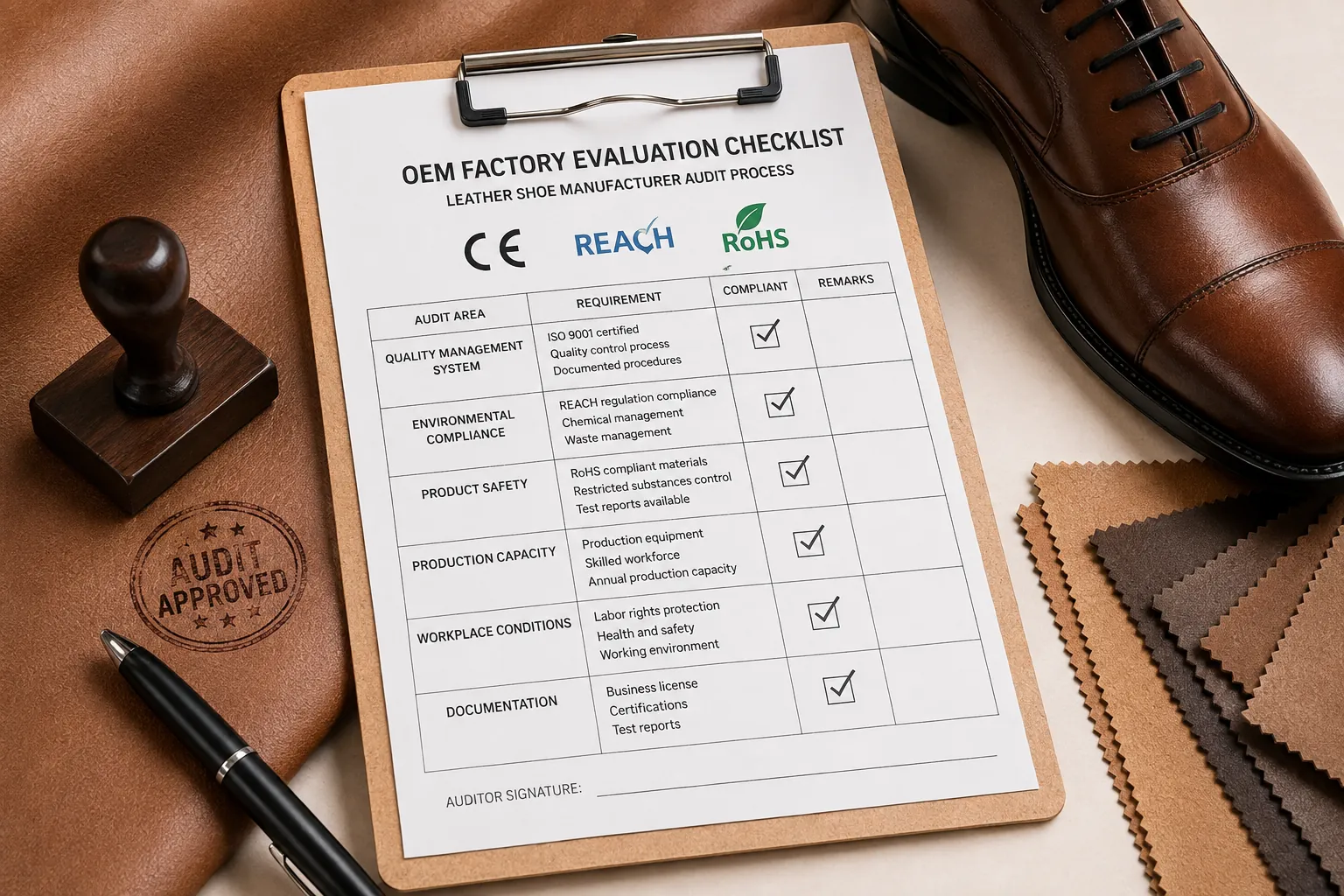
- Other Compliance Documents Leather Shoe Buyers Need
- Factory Compliance Profile: What a Qualified Supplier Looks Like
- FAQ
- Ready to Start Your Shoe Line?
What Does CE Marking Actually Mean for Leather Shoes?
CE marking is a legal conformity declaration, not a quality badge, and for footwear it applies only to products regulated as Personal Protective Equipment under EU Regulation 2016/425. According to European Commission guidance, the CE mark indicates that a product meets EU health, safety, and environmental requirements, and it is mandatory only for specific product categories placed on the EEA market. It is not equivalent to ISO 9001, and it does not certify manufacturing quality or leather grade.
Why the Search Term Itself Is Misleading
Many B2B buyers type “CE certified leather shoe factories” assuming CE is a universal footwear requirement. It is not. For standard men’s fashion leather shoes, no CE marking rules apply. The applicable framework for those products is REACH (chemical compliance, including the DMF ban under REACH Annex XVII and the chromium VI limit of 3 mg/kg for leather), plus the General Product Safety Regulation that took full effect in December 2024.
The PPE Regulation 2016/425 Scope
Regulation (EU) 2016/425 governs personal protective equipment, and footwear enters its scope only when marketed as protective or occupational gear. The regulation sorts PPE into three categories based on risk:
- Category I covers minimal-risk products, where the manufacturer self-declares conformity using Module A.
- Category II covers everything not in I or III, and requires EU type-examination by a Notified Body.
- Category III covers complex designs risking serious consequences, requiring type-examination plus ongoing quality assurance.
For footwear buyers, the practical consequence is simple. If a factory claims CE but cannot name the category, the Notified Body, or the harmonized standard, the claim has no regulatory value.
Which Leather Shoes Legally Require CE Marking?
Three harmonized EN ISO standards determine whether a leather shoe needs CE marking, and all three sit inside the PPE framework rather than general consumer product law. EN ISO 20345 covers safety footwear with a 200-joule protective toecap. EN ISO 20346 covers protective footwear with a 100-joule toecap. EN ISO 20347 covers occupational footwear without a toecap. Ordinary dress shoes, by contrast, fall outside this entire structure.
The Three PPE Footwear Categories Compared
| Standard | Product Type | Toe Impact Protection | PPE Category | Notified Body Required |
|---|---|---|---|---|
| EN ISO 20345 | Safety footwear | 200 joules (steel or composite toecap) | Category II | Yes, EU type-examination mandatory |
| EN ISO 20346 | Protective footwear | 100 joules | Category II | Yes, EU type-examination mandatory |
| EN ISO 20347 | Occupational footwear | None (no toecap) | Category I (basic OB level) | No, manufacturer self-declaration permitted |
| Consumer dress shoes | Oxford, Derby, loafer | None | Not PPE | No CE marking required |
Why Ordinary Dress Shoes Do Not Need CE
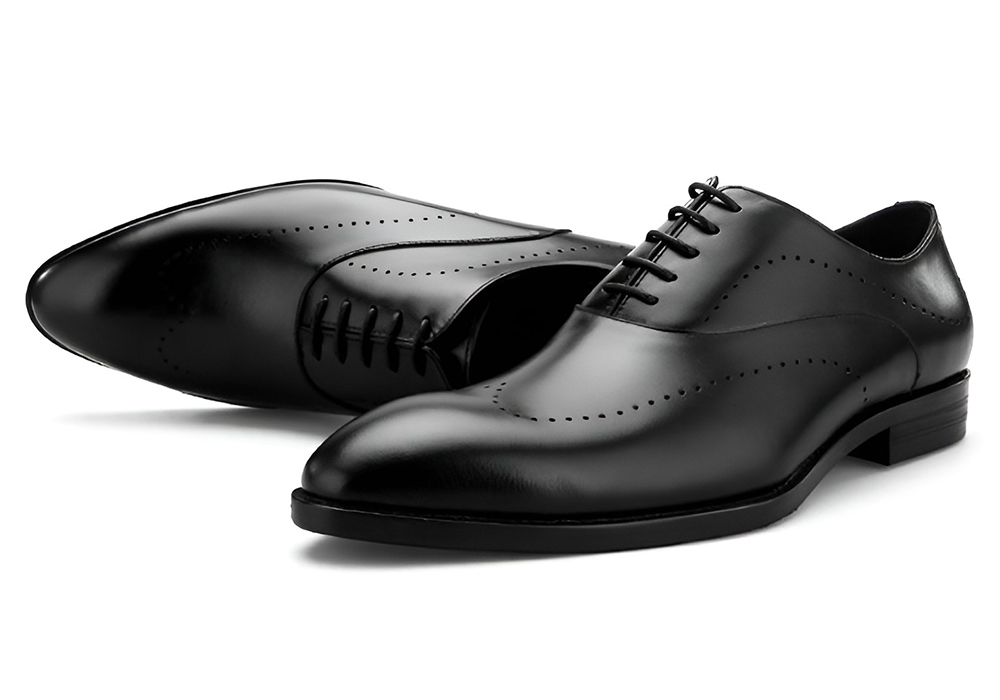
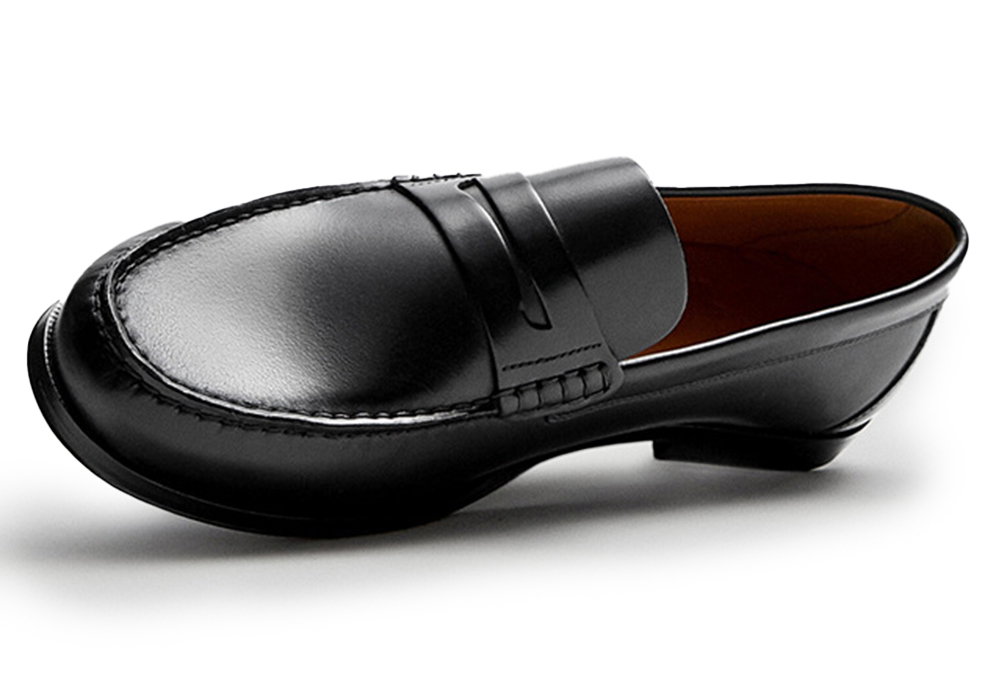
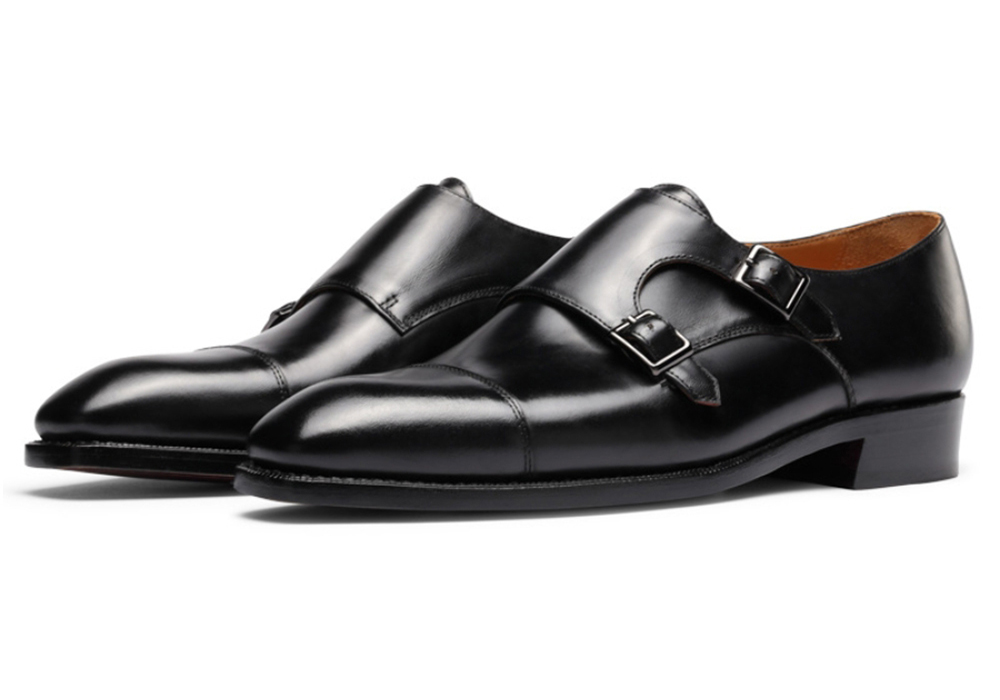
Standard men’s leather Oxfords, Derbies, monk straps, and loafers, sold as fashion or business footwear, sit outside the PPE regulation entirely. They do not need CE marking under any EU directive. Their compliance anchor is REACH, specifically the chemical restrictions on leather processing substances, azo dyes, and dimethyl fumarate, plus RoHS if the shoe contains any electronic components such as LED lighting.
Key distinction: A factory advertising “CE certified Oxford shoes” either misunderstands the regulation or is showing you documentation for a different product category. Real CE compliance for footwear attaches to specific PPE-classified models, not to an entire fashion catalogue. For a broader supplier-evaluation framework, see our guide on how to select a reliable B2B leather shoe manufacturer.
Category I Self-Declaration vs Category II Notified Body
This is the compliance gap Chinese factories most often blur. For Category I occupational footwear (EN ISO 20347, basic OB level), the manufacturer can self-declare conformity by drawing up the EU Declaration of Conformity and assembling a technical file. No Notified Body involvement is legally required. For Category II safety and protective footwear (EN ISO 20345 and 20346), the factory must obtain EU type-examination from a Notified Body accredited for Regulation 2016/425. A safety shoe sold with only a manufacturer’s self-declaration, and no Notified Body certificate, is non-compliant and cannot legally bear the CE mark.
How to Verify a Real CE Certificate from a Chinese Shoe Factory
Verifying CE certification demands three cross-referenced documents: the EU Declaration of Conformity, the Notified Body type-examination certificate, and the full ISO 17025-accredited laboratory test report. The European Commission’s NANDO database, searchable at ec.europa.eu/growth/tools-databases/nando/, is the authoritative source for confirming that any Notified Body number is active and authorized for PPE. Our step-by-step verification process below walks through each document in order, and we recommend treating any CE claim that cannot be reproduced on NANDO as invalid until proven otherwise.
Step 1: Request the Full Document Set
Do not accept a single “CE certificate” image. A compliant package for PPE footwear includes:
- EU Declaration of Conformity (DoC): signed by a named, legally responsible person at the manufacturer, referencing Regulation (EU) 2016/425, the harmonized standard (EN ISO 20347:2022 or 20345:2022), the Notified Body name and four-digit number, and the product identification.
- EU Type-Examination Certificate: issued by the Notified Body after testing, with a unique certificate number, product model details, and a validity period not exceeding five years.
- Full Test Report: issued by an ISO 17025-accredited laboratory, with numerical test results, the specific standard version, tested model numbers, and sample photographs.
Step 2: Confirm the Notified Body on NANDO
Open the NANDO database and search the four-digit Notified Body number printed on the certificate. Verify the body is listed as active, that its scope includes Regulation (EU) 2016/425, and that footwear falls within its designated product categories. If the number returns no result, or the body is listed as withdrawn, the certificate has no standing.
Step 3: Check Laboratory Accreditation
The test report must come from a laboratory accredited to ISO 17025 by a national accreditation body that is an ILAC MRA signatory. Recognized footwear testing laboratories in this space include SATRA Technology, BSI, TÜV, SGS, and Intertek. A report from a non-accredited lab carries no regulatory weight for CE marking purposes, regardless of how detailed its numbers look.
Step 4: Match the Certificate to Your Exact Product
CE certification is product-specific. The model numbers, materials, and construction method on the type-examination certificate must match what you are ordering. If a factory tested one Oxford model in 2022 and now claims CE coverage across its entire loafer and boot range built with different outsoles and upper leathers, the claim is invalid. A material change in the outsole compound, the upper leather, or the lasting method can void an existing certificate.
Related guide: Low MOQ Leather Shoe Manufacturer China
Red Flags: Fake CE Certificates in the Footwear Trade
Fake or misleading CE documentation is common enough that every buyer researching CE certified leather shoe factories needs a structured red-flag checklist, because the financial and legal cost of importing non-compliant PPE footwear into the EU falls on the importer, not the factory. In our experience reviewing factory compliance packages, the patterns below reliably predict documentation that will not survive a NANDO check or a customs laboratory test.
Document-Level Red Flags
- Single-page certificate with no Notified Body number. Legitimate EU type-examination certificates are multi-page documents with detailed product scope and validity conditions.
- “CE” listed as the issuing standard. CE is a marking, not a standard. The harmonized standard is EN ISO 20347 or EN ISO 20345. A certificate that names “CE standard” was produced by someone unfamiliar with the framework.
- Generic product description such as “men’s leather shoes” with no model numbers, materials, or classification codes (OB, O1, SB, S1).
- No expiry date. EU type-examination certificates under Regulation 2016/425 carry a maximum five-year validity.
- Certificate and Declaration both signed by the factory. The DoC is factory-issued, but the type-examination certificate must come from the Notified Body.
Behavioral Red Flags
- The factory refuses to share the full test report, citing confidentiality.
- The sales team cannot immediately name the Notified Body that issued the certificate.
- CE is promised in one week. Genuine PPE footwear certification takes 4-8 weeks minimum, covering sample preparation, testing, and administrative review.
- The certificate pre-dates the factory’s company registration, a pattern we have seen more than once in supplier audits.
Unlike factories that only show a decorative single-page certificate, a qualified supplier hands over the complete document set on request and names the Notified Body without hesitation.
Other Compliance Documents Leather Shoe Buyers Need
CE is only one pillar of footwear compliance, and for non-PPE leather shoes it is not a pillar at all. The documents below matter whether or not your product carries the CE mark, and they are the ones EU and US customs, market surveillance authorities, and large retail buyers actually check.
REACH Chemical Compliance
REACH is the non-negotiable compliance baseline for any leather shoe sold in the EU, regardless of CE status. The framework, enforced by the European Chemicals Agency (ECHA), restricts substances including chromium VI in leather (limit 3 mg/kg), certain azo dyes, dimethyl fumarate (banned since 2009), and phthalates. Request a REACH compliance declaration that references the specific substance restrictions and, ideally, third-party test data.
RoHS and General Product Safety
RoHS applies where footwear contains electrical or electronic components. The General Product Safety Regulation, effective December 2024, raises the baseline safety obligation for all consumer products placed on the EU market and requires traceability, accident reporting, and a responsible economic operator based in the EU.
Importer Legal Responsibility
Under Regulation (EU) 2016/425 and Regulation (EU) 2019/1020 on market surveillance, importers carry affirmative obligations. Importers must verify the manufacturer performed the correct conformity assessment, must keep a copy of the DoC for ten years, and must place their own name and address on the product or packaging. If a non-compliant shoe reaches the EU market, the importer faces the same liability as the manufacturer, including Safety Gate (RAPEX) publication and member-state fines.
Related analysis: Shoe Manufacturing Comparison: China vs Vietnam vs India vs Indonesia
Factory Compliance Profile: What a Qualified Supplier Looks Like
A compliance-ready leather shoe factory is one whose claims survive the verification steps above, not one whose marketing materials mention the most acronyms. The profile below describes the supplier tier serious buyers should require for EU-bound OEM or ODM orders.
Certification Stack to Expect
At minimum, a qualified men’s leather shoe factory supplying the EU should hold or be able to produce evidence of CE (EN ISO 20347) where occupational footwear is claimed, REACH compliance for all leather and component inputs, RoHS where applicable, and ISO 9001 for quality management. BSCI or Sedex social audits are increasingly required by European retail buyers.
How CE Certified Leather Shoe Factories Should Respond
Genuine CE certified leather shoe factories respond to a document request within days, not weeks, and hand over the full type-examination certificate, the EU Declaration of Conformity, and the accredited test report as a set. They name the Notified Body and the harmonized standard version without escalation. If a supplier stalls, sends partial pages, or cannot state the four-digit Notified Body number, treat the CE claim as unverified regardless of how prominently it appears on the website or the Alibaba storefront.
Reference Factory Profile
As one verified reference point, the manufacturer referenced in the introduction (Wincheer Shoes, established 2007, production in Jiangmen, China) publicly claims CE (EN ISO 20347, occupational footwear Category I), REACH, RoHS, and ISO 9001 across an annual capacity of roughly 500,000 pairs and a 0.8-1.2% defect rate against an industry average of 2-4%. The CE claim attaches to its occupational footwear line, not its main dress shoe range, which is consistent with the regulatory framework above. No Notified Body name or certificate number is published, so buyers should run the NANDO check in Step 2 before relying on the claim for a PPE-classified order.
For context on industry pricing, FOB quotes for comparable OEM men’s leather dress shoes from China commonly fall in the $25-40 per pair range depending on construction method, leather grade, and order volume; precise quotes from this factory are provided on inquiry, and no price should be treated as final until confirmed in writing against a signed tech pack. For a wider landscape of qualified Chinese OEM factories, see our roundup of top men’s leather shoe OEM factories in China for 2026.
What Sets a Qualified Supplier Apart
- Transparent document handover on request, including the full test report, not just the certificate.
- Ability to name the Notified Body and the harmonized standard version without checking with a manager.
- Quality management system backed by ISO 9001 and a measurable defect rate below 2%.
- Multi-market export experience, ideally 50+ countries, indicating prior regulatory engagement.
FAQ
Q: Do standard men’s leather dress shoes need CE marking to be sold in the EU?
A: No. Ordinary Oxfords, Derbies, loafers, and monk straps sold as fashion or business footwear fall outside Regulation (EU) 2016/425 and do not require CE marking. Their compliance baseline is REACH (including the 3 mg/kg chromium VI limit for leather), the General Product Safety Regulation effective December 2024, and RoHS if the shoe contains electronics. Among CE certified leather shoe factories, a supplier advertising CE on a standard dress shoe likely holds the certificate for a different, PPE-classified product line.
Q: What is the difference between Category I and Category II PPE footwear?
A: Category I covers minimal-risk PPE and allows manufacturer self-declaration; basic EN ISO 20347 occupational footwear (OB level, no toecap) typically sits here. Category II covers intermediate-risk PPE including safety footwear EN ISO 20345 (200J toecap) and protective footwear EN ISO 20346 (100J toecap), and requires EU type-examination by a Notified Body accredited under Regulation 2016/425. A Category II shoe sold with self-declaration only is non-compliant.
Q: How do I check whether a Notified Body is genuine?
A: Use the European Commission’s NANDO database at ec.europa.eu/growth/tools-databases/nando/. Search the four-digit Notified Body number shown on the certificate, confirm the body is listed as active, verify its scope includes Regulation (EU) 2016/425, and check that footwear falls within its designated categories. If the number returns no result or the body is withdrawn, the certificate is invalid.
Q: Can a factory’s CE certificate cover all its leather shoe models?
A: No. CE type-examination certification is product-specific. It covers the exact models, materials, and construction methods submitted for testing, and a validity period not exceeding five years. Material changes, such as a new outsole compound or a different upper leather grade, can void coverage. A blanket claim that one certificate covers an entire Oxford, loafer, and boot range is not credible.
Q: What legal risk does the EU importer carry for non-compliant CE marking?
A: Full importer liability. Under Regulation (EU) 2016/425 and the 2019/1020 market surveillance regulation, the importer must verify conformity, keep the Declaration of Conformity for ten years, and place their name and address on the product. Penalties include border seizure and product destruction, member-state fines reaching hundreds of thousands of euros, mandatory recall at the importer’s expense, and publication on the EU Safety Gate (RAPEX) public database.
Ready to Start Your Shoe Line?
The buyers who source compliant men’s leather shoes from China without nasty surprises are the ones who treat CE, REACH, and Notified Body verification as a checklist, not a slogan. Know which of your products legally require CE marking under EU Regulation 2016/425, request the full document set from every factory you shortlist, and run every Notified Body number through NANDO before you place a production order. If you are evaluating a men’s leather shoe OEM or ODM partner for 2026, put those verification steps to a factory that has built its operations around export compliance from the start. Contact us to request compliance documents, discuss your product line, and start your shoe line with a supplier that takes regulatory documentation seriously.