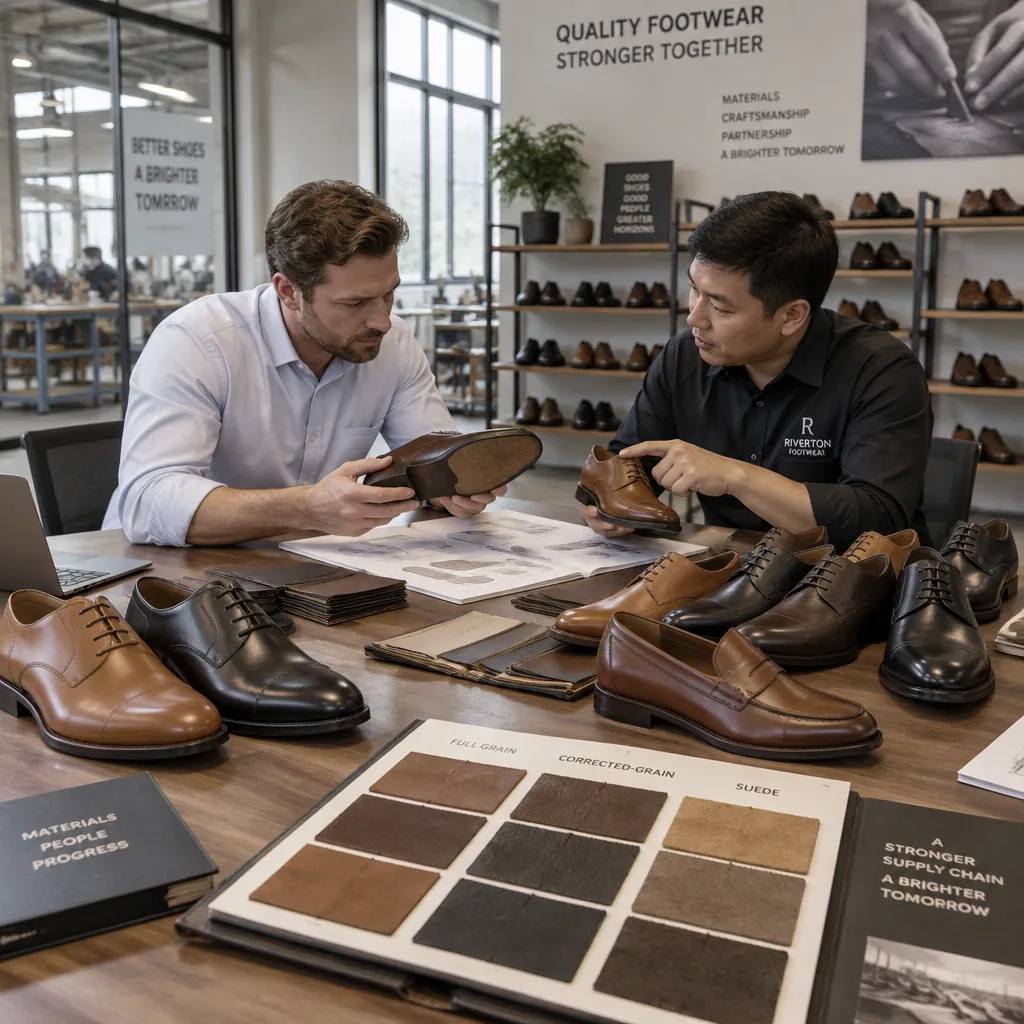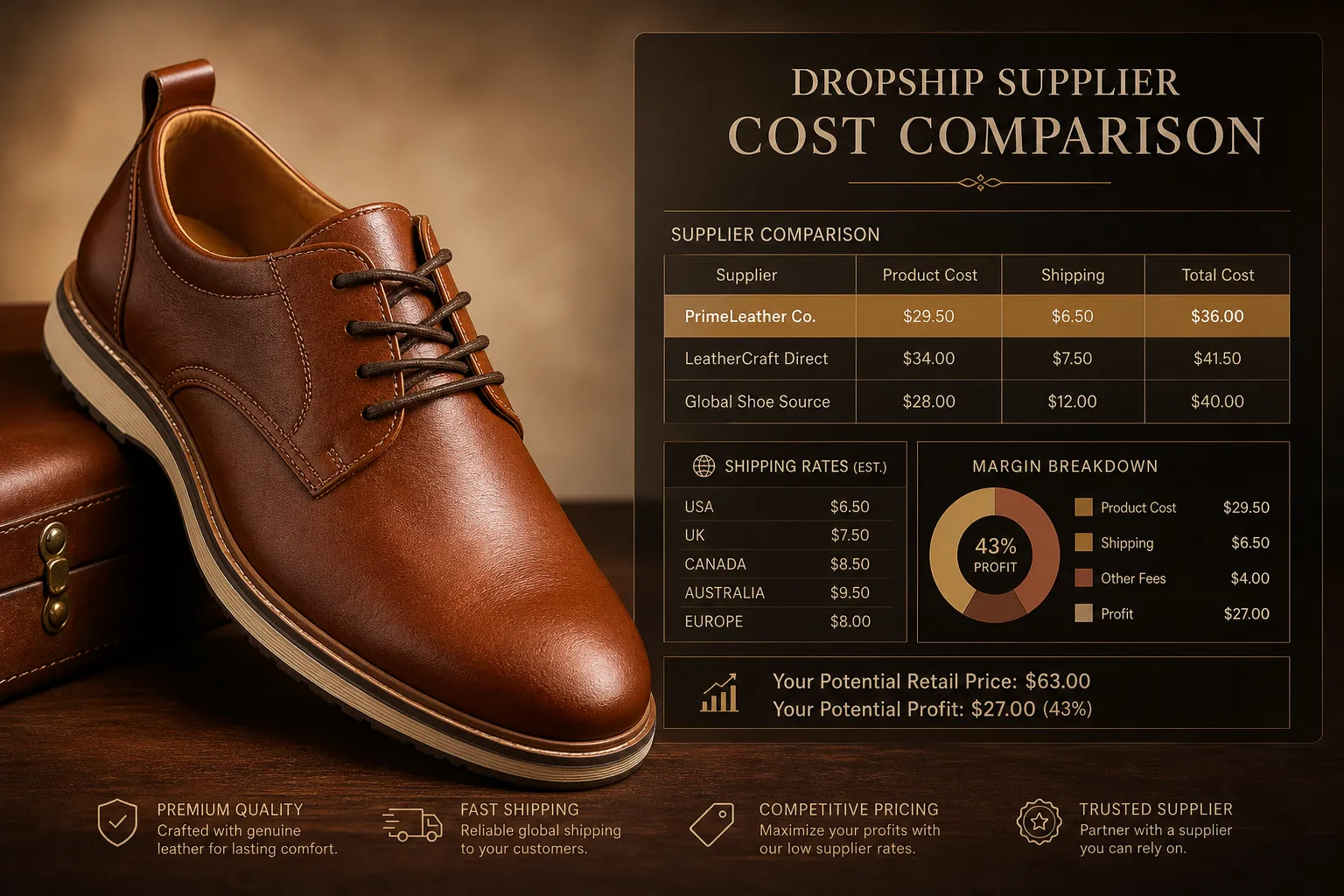

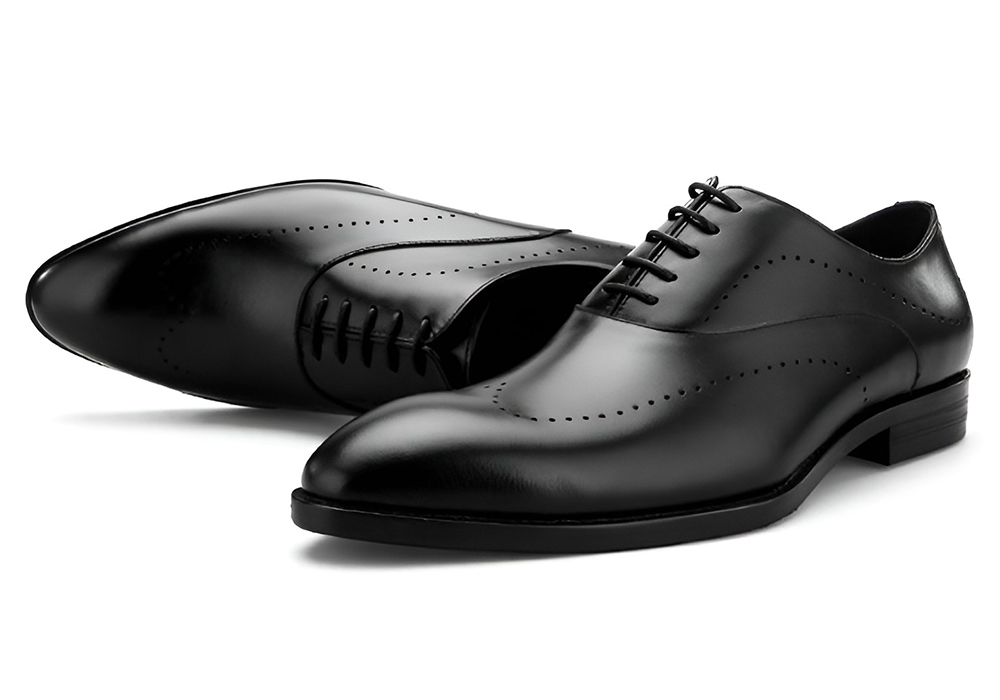
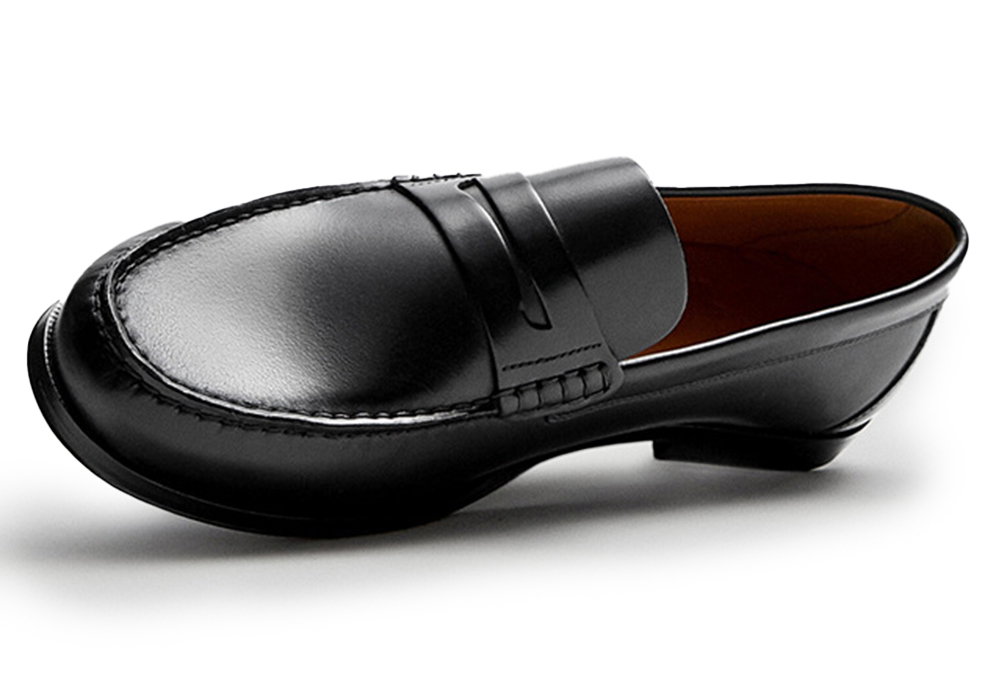
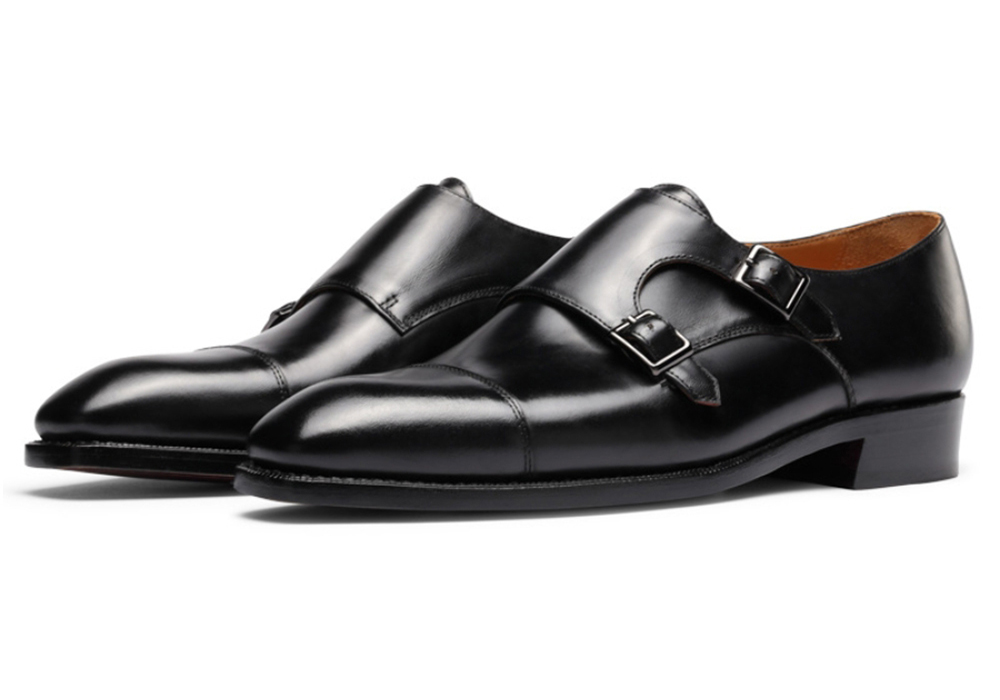
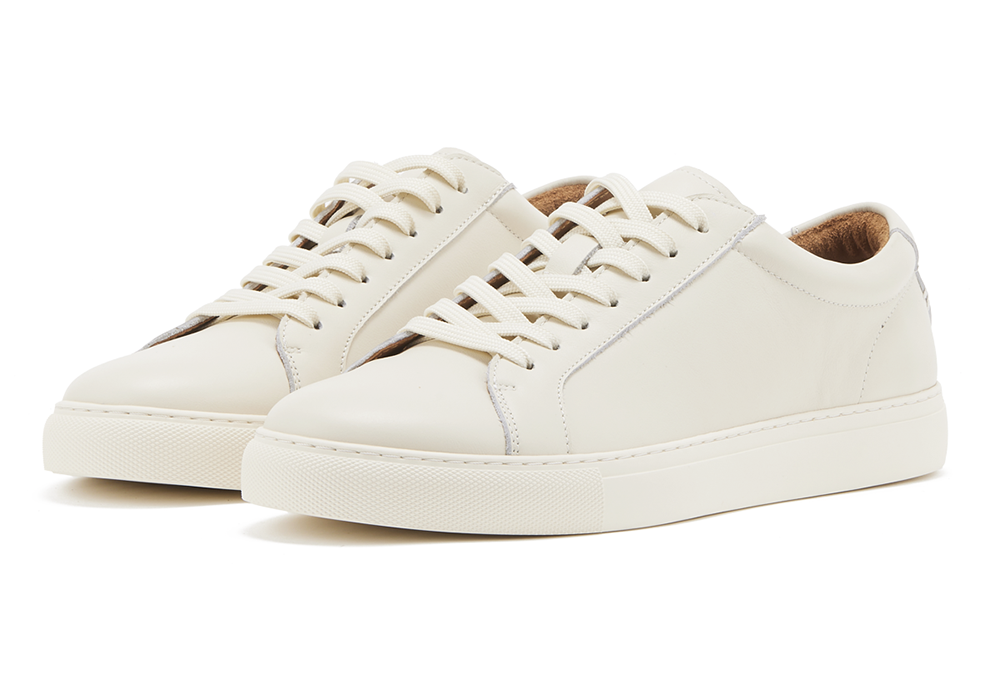
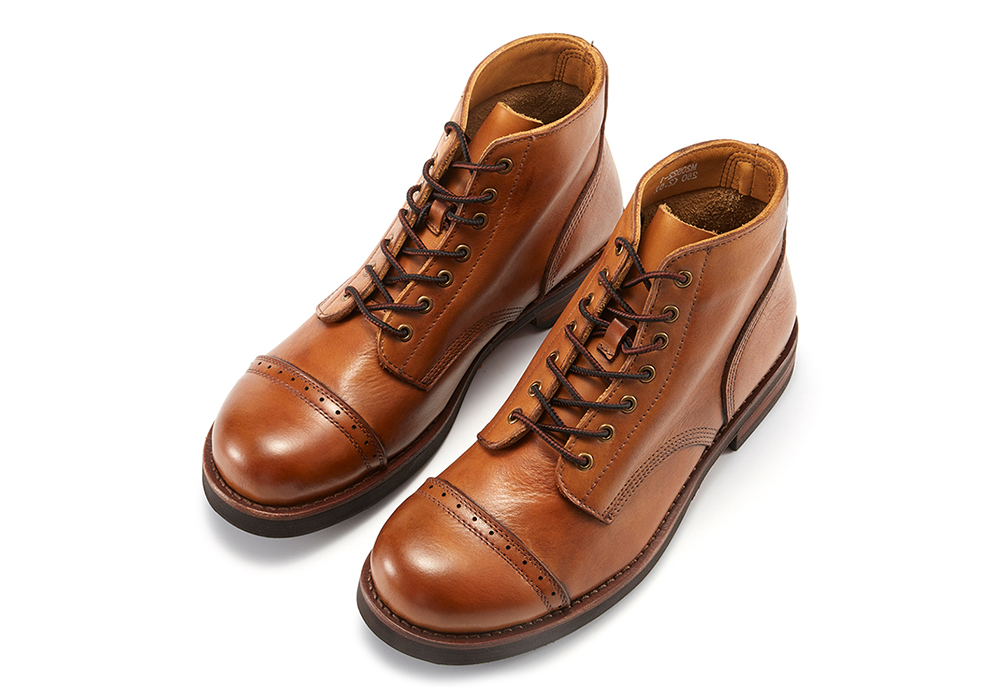
Custom shoe manufacturing for a small business is viable starting at 60 pairs per order, with factory prices from $25–$40/pair and CE-certified production available from day one.
As a manufacturer producing 500,000+ pairs annually, we’ve onboarded hundreds of small brands — many starting with a single 60-pair custom run. The barrier to entry is lower than most buyers assume. You don’t need a warehouse full of inventory or a six-figure budget. What you need is the right factory partner, a clear product spec, and a realistic understanding of costs, lead times, and compliance requirements.
TL;DR
- Custom shoe manufacturing for a small business starts at 60 pairs MOQ for OEM/custom designs — zero minimum on existing catalog styles.
- Factory ex-works pricing runs $25–$40/pair depending on leather grade, construction method, and customization depth.
- Tier-one factories maintain a defect rate of 0.8–1.2%, versus an industry average of 2–4% — this gap directly affects your return rate and brand reputation.
- CE certification (EN ISO 20347) and REACH compliance are non-negotiable for EU market entry and are available from qualified Chinese manufacturers.
- Sourcing from a factory with 50+ country export experience and 200+ active brand partners significantly reduces first-order risk for new entrants.
Table of Contents
- Why Custom Shoe Manufacturing Is Accessible for Small Businesses
- How to Evaluate a Custom Shoe Manufacturing Small Business Partner
- Cost Breakdown: What You Actually Pay Per Pair
- Certifications and Compliance for Export Markets
- Step-by-Step Launch Checklist for First-Time Buyers
- FAQ
- Ready to Start Your Shoe Line?

Why Custom Shoe Manufacturing Is Accessible for Small Businesses
Small brands can enter custom shoe manufacturing today because MOQ thresholds have dropped dramatically — 60 pairs is a real, workable starting point with the right factory.
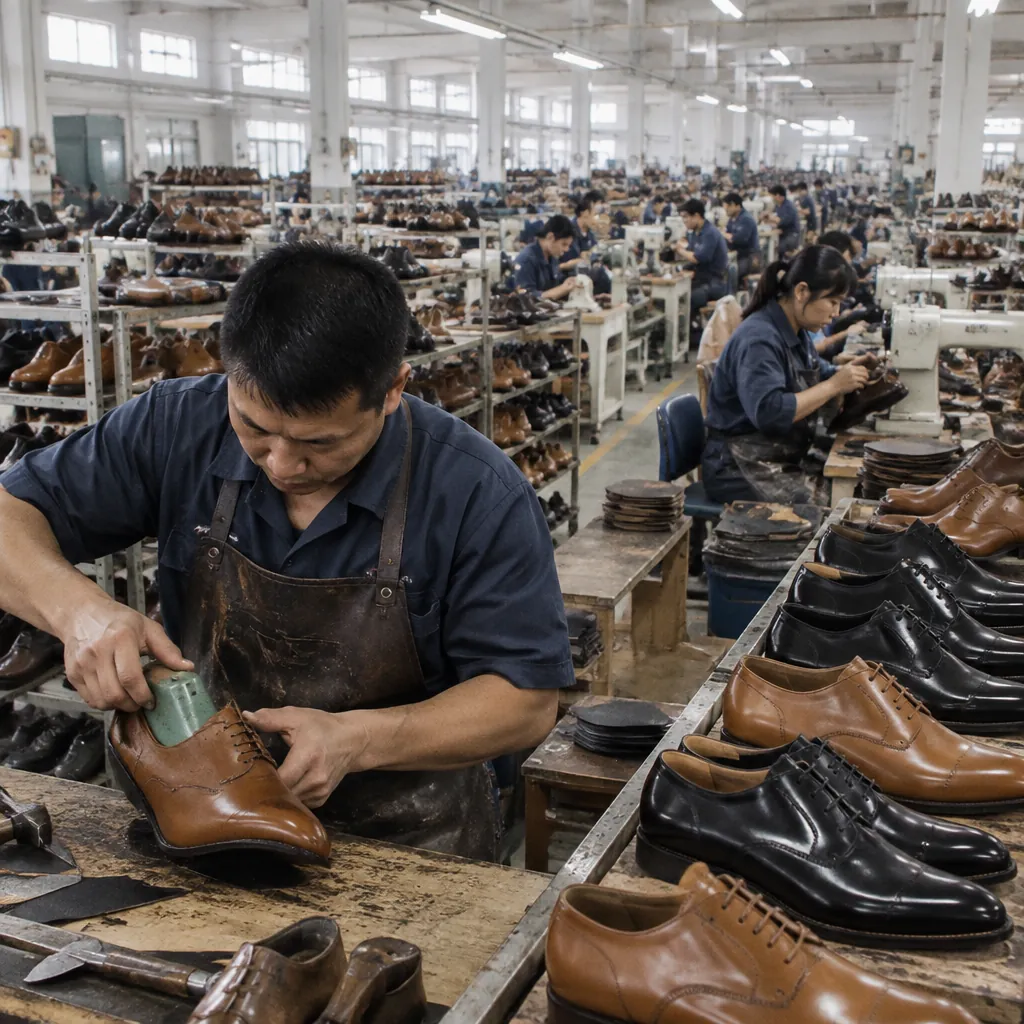
Ten years ago, most Chinese shoe factories wouldn’t look at an order under 300–500 pairs. That’s changed. Factories that have invested in flexible production lines and digital sampling now accommodate small-batch custom orders because the economics work at scale across many small clients.
Here’s what’s actually changed in 2026:
- Digital lasts and 3D sampling reduce tooling waste on small runs
- Modular construction lines allow style changeovers without full retooling
- Consolidated export logistics make small shipments cost-effective via LCL (less-than-container-load)
For a small business, this means you can test a market with 60 pairs of a custom Oxford or Derby, validate sell-through, and scale to 300+ pairs on the second order — without committing capital you don’t have.
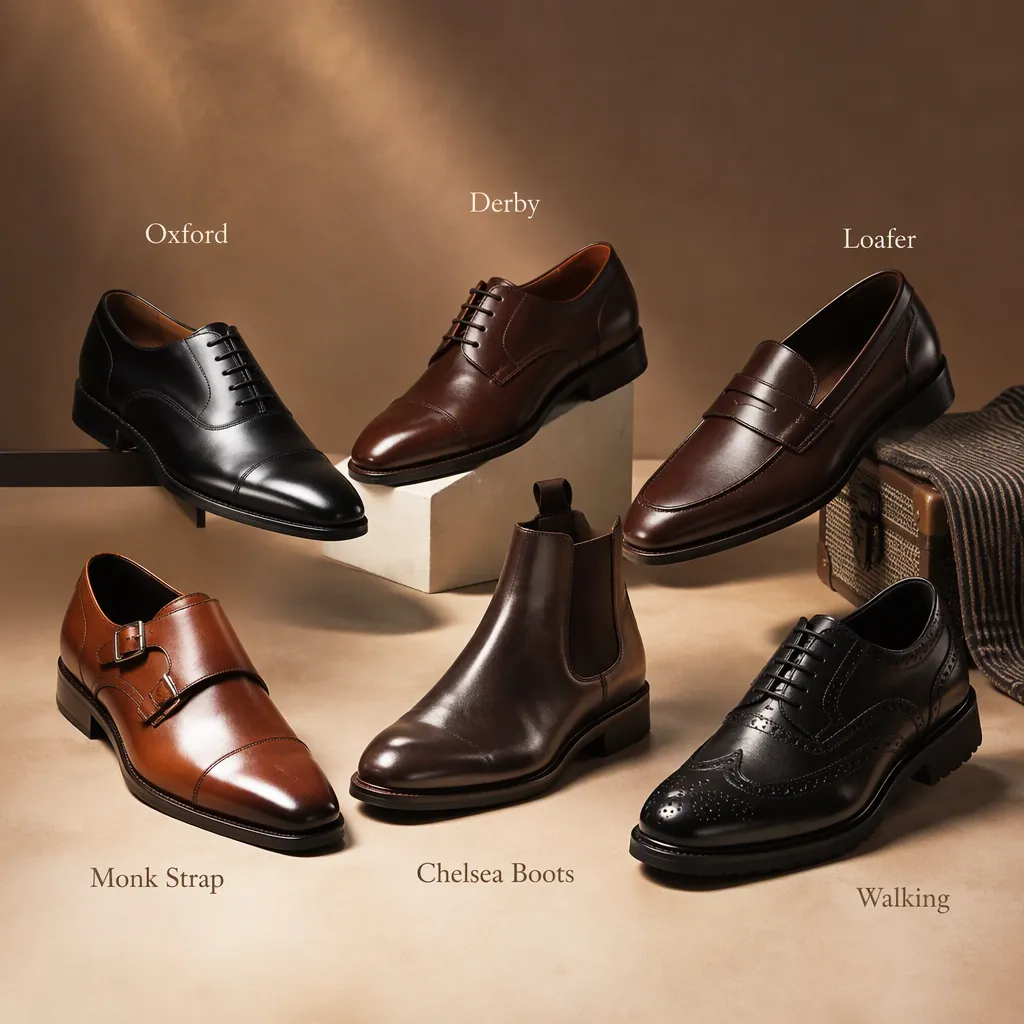
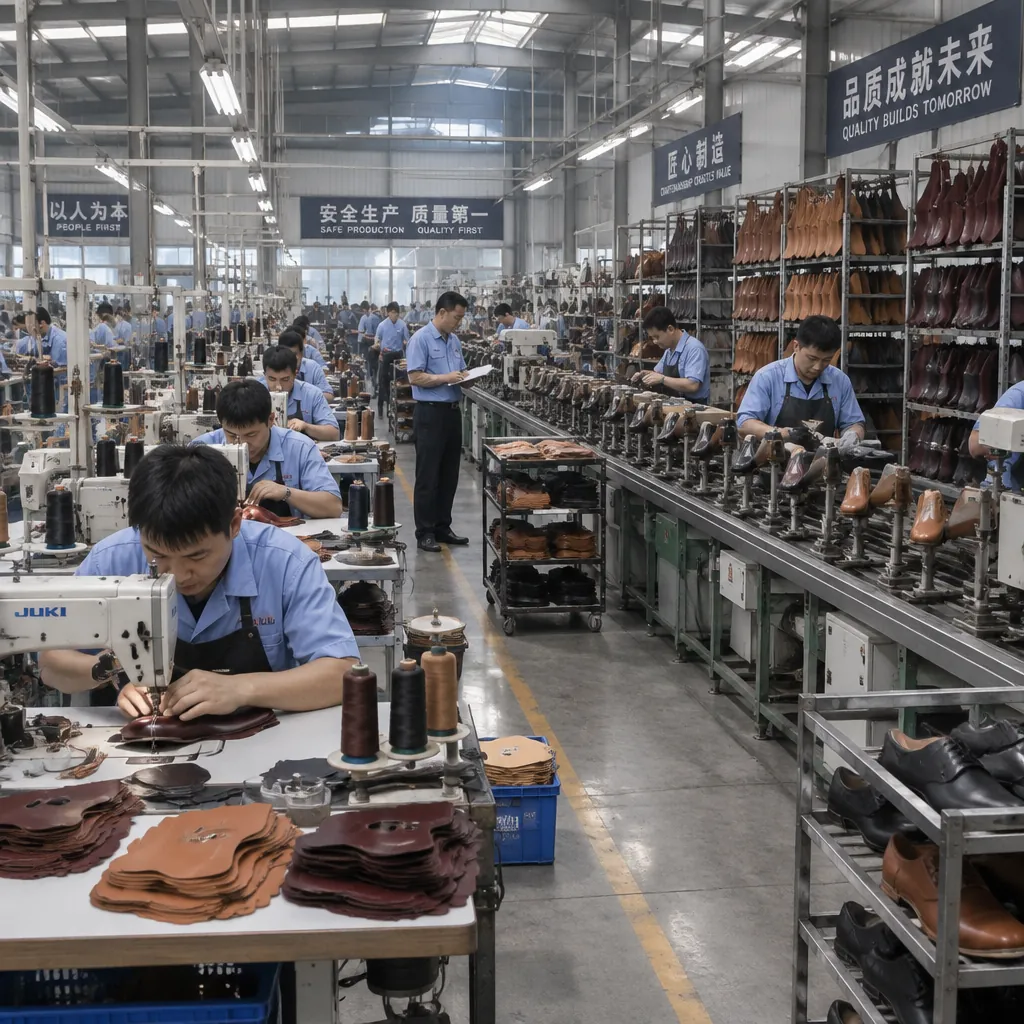
Wincheer Shoes, founded in 2007 and operating from Shanghai (HQ) and Guangzhou (main factory), produces 500,000+ pairs annually across Oxford, Derby, Loafer, Monk Strap, Chelsea Boots, and casual walking styles — with a custom MOQ of 60 pairs and zero minimum on existing catalog designs. That production scale means your 60-pair order runs on the same quality-controlled line as orders from established brands in 50+ countries.
For a deeper look at how private label brands structure their first launch, see the Private Label Shoes 10-Step Brand Launch Guide.
How to Evaluate a Custom Shoe Manufacturing Small Business Partner
The right custom shoe manufacturing small business partner combines low MOQ with verifiable quality systems — not just a low price quote.
Most first-time buyers focus on price. Experienced buyers focus on defect rate, certification depth, and communication responsiveness. Here’s how to structure your evaluation:
Factory Audit Criteria
1. Defect Rate Transparency
Ask for AQL inspection reports from recent production runs. A tier-one factory should show a defect rate of 0.8–1.2%. The industry average sits at 2–4%. That gap sounds small but translates directly into customer returns, negative reviews, and reorder hesitation.
2. Certification Stack
For EU sales: CE marking under EN ISO 20347 is mandatory for occupational footwear, and REACH compliance covers chemical restrictions on leather and adhesives. For electronics-adjacent markets: RoHS matters if your shoe includes any electronic component (e.g., smart insoles). Verify certificates are current and issued by an accredited body — not self-declared.
3. Sample Lead Time
A factory with genuine small-business capability should deliver a physical sample within 15–20 days of spec confirmation. Longer than 30 days on a sample suggests production bottlenecks or low prioritization of small accounts.
4. Communication Infrastructure
You need a dedicated account manager who responds within 24 hours. Factories that route all communication through a general inbox are a red flag for small-order clients.
For a full list of warning signs, the Red Flags When Sourcing Leather Shoes from China checklist covers 15 specific issues to screen for before placing a deposit.
Custom Shoe Manufacturing Partner Comparison Table
| Evaluation Factor | Tier-One Factory | Mid-Tier Factory | Low-Cost Factory |
|---|---|---|---|
| Custom MOQ | 60–100 pairs | 150–300 pairs | 500+ pairs |
| Defect Rate | 0.8–1.2% | 1.5–2.5% | 3–5%+ |
| CE/REACH Certification | Yes, third-party verified | Partial or self-declared | Rarely available |
| Sample Lead Time | 15–20 days | 20–35 days | 30–60 days |
| Price Range (ex-works) | $25–$40/pair | $18–$28/pair | $10–$20/pair |
| Export Countries | 50+ | 10–20 | Domestic focus |
| Account Manager | Dedicated | Shared | None |
The price gap between tiers is real, but so is the quality gap. A $12/pair saving on 60 pairs ($720 total) is easily erased by a single return shipment or a failed customs inspection.
Cost Breakdown: What You Actually Pay Per Pair
Factory ex-works price of $25–$40/pair is your starting point — landed cost to your warehouse will be 40–70% higher depending on shipping mode, duties, and compliance testing.
Ex-Works Price Drivers
The $25–$40 range isn’t arbitrary. Here’s what moves the needle within that band:
- Leather grade: Full-grain bovine leather adds $4–$8/pair over split leather. For a brand positioning in the $80–$150 retail range, full-grain is non-negotiable.
- Construction method: Goodyear welt adds $5–$10/pair over cemented construction. Blake stitch sits in between. For a detailed breakdown, see the Complete Shoe Construction Comparison.
- Customization depth: Logo embossing, custom lining, branded insole, and custom box each add $0.50–$3.00/pair.
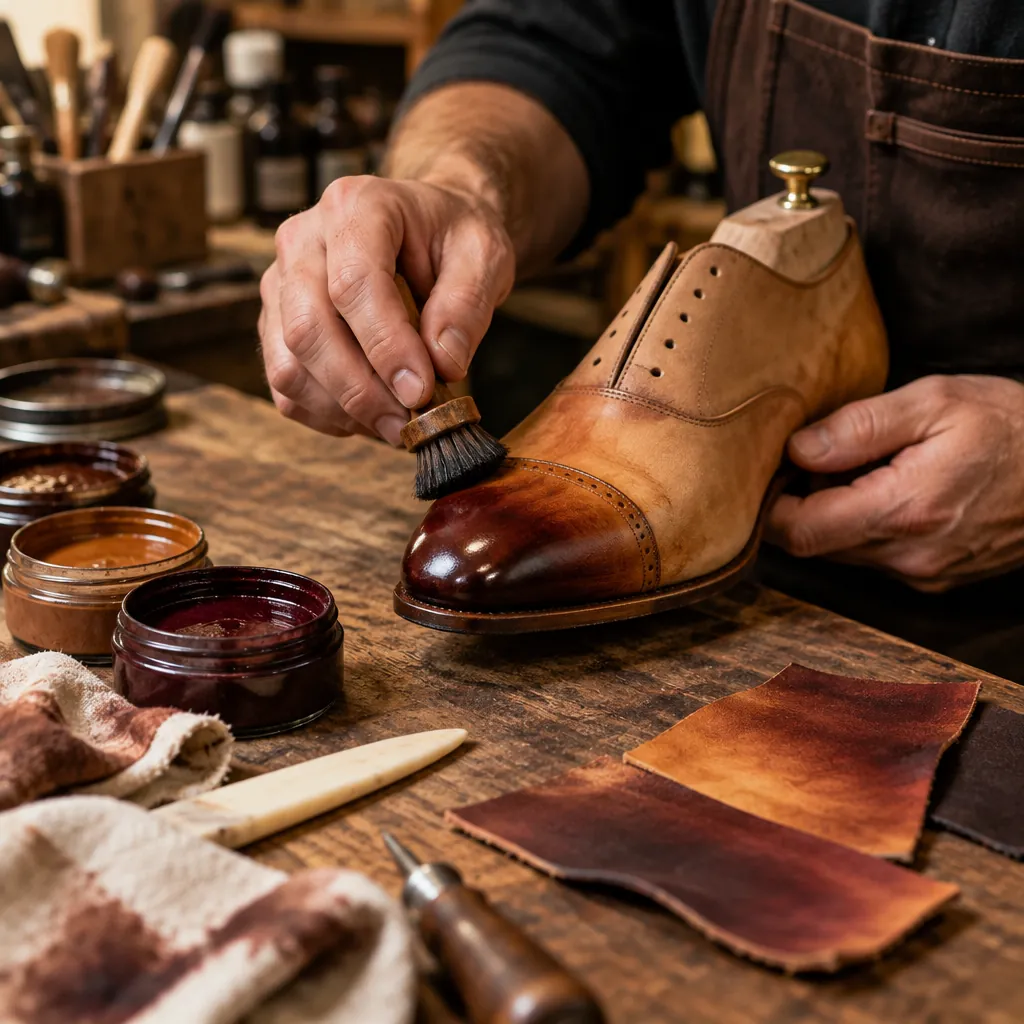
- Color and finish: Standard black or tan costs less than bespoke color matching, which requires a dye lot minimum.
Total Landed Cost Model (60-Pair Order Example)
| Cost Component | Estimate |
|---|---|
| Ex-works (60 pairs × $32 avg) | $1,920 |
| Inland freight to port | $80–$120 |
| Ocean freight (LCL) | $200–$350 |
| Import duty (US, HTS 6403.99) | ~10–37.5% of customs value |
| Customs brokerage | $150–$250 |
| Quality inspection (optional) | $200–$300 |
| Total estimated landed | $2,800–$4,200 |
US import duties on leather shoes vary significantly by HTS code and country of origin. For current tariff rates, consult the USITC HTS database EXTERNAL_LINK: https://hts.usitc.gov/] directly before finalizing your cost model. The [Importing Leather Shoes USA Tariff Complete Guide also covers Section 301 tariff implications for China-origin goods.
Certifications and Compliance for Export Markets
CE certification under EN ISO 20347 is the minimum threshold for selling leather footwear in the EU — and it must be factory-held, not buyer-arranged.
Many small business buyers assume they can source uncertified shoes and handle compliance themselves. This is incorrect for EU market entry. The CE mark must be supported by a Declaration of Conformity from the manufacturer, backed by third-party test reports. Buyers cannot self-certify a product they didn’t manufacture.
Key Certifications by Market
| Market | Required Certification | Standard |
|---|---|---|
| European Union | CE marking | EN ISO 20347 / EN 13512 |
| EU (chemical safety) | REACH compliance | REACH Regulation (EC) 1907/2006 |
| Electronics components | RoHS | Directive 2011/65/EU |
| US (occupational) | ASTM compliance | ASTM F2413 |
| General US retail | No mandatory cert | FTC labeling rules apply |
For a full walkthrough of CE marking requirements, the CE Marking Footwear 2026 EU Certification Guide covers test protocols, documentation requirements, and common failure points.
When evaluating a factory’s certification claims, always request the actual test report — not just a certificate image. Test reports show the specific product tested, the test date, and the accredited lab that conducted the testing.
Step-by-Step Launch Checklist for Custom Shoe Manufacturing Small Business
Use this checklist before placing your first custom order. Each item represents a decision point that affects cost, timeline, or risk.
Pre-Order Phase
- [ ] Define your target retail price and work backward to your maximum landed cost per pair
- [ ] Choose your primary market (EU, US, domestic) — this determines certification requirements
- [ ] Select 1–3 shoe styles from factory catalog to minimize tooling cost on first order
- [ ] Confirm factory holds current CE (EN ISO 20347) and REACH certificates if targeting EU
- [ ] Request and review AQL inspection reports from the factory’s last 3 production runs
- [ ] Verify MOQ: 60 pairs for custom, zero minimum for catalog styles
- [ ] Confirm ex-works price range ($25–$40/pair) and request itemized quote
Sampling Phase
- [ ] Submit tech pack or reference sample with material specs, color, and logo requirements
- [ ] Confirm sample lead time in writing (target: 15–20 days)
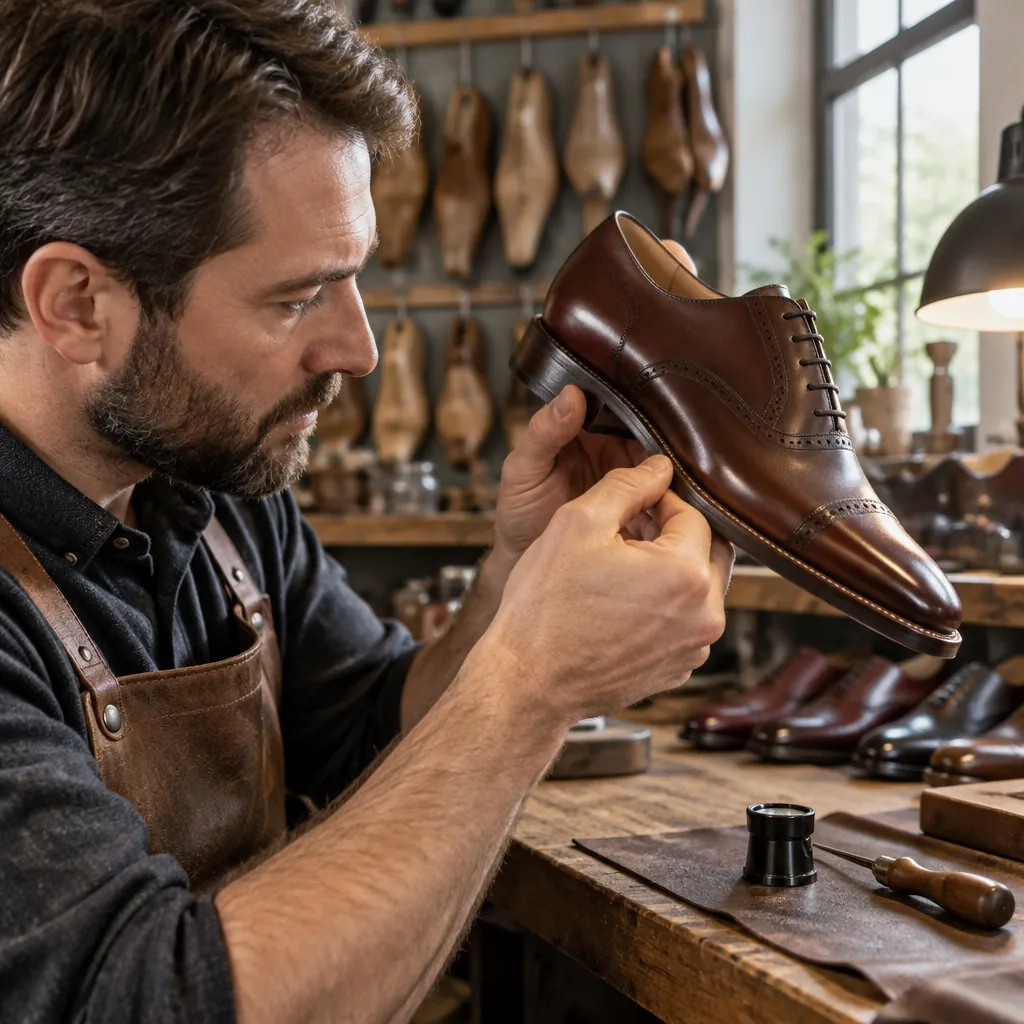
- [ ] Review physical sample against spec — check stitching, last fit, leather grain, and sole adhesion
- [ ] Request counter-sample if first sample has deviations
- [ ] Sign off on approved sample before production deposit
Production & Shipping Phase
- [ ] Pay deposit (typically 30%) against proforma invoice
- [ ] Schedule third-party AQL inspection before shipment (recommended for first orders)
- [ ] Confirm Incoterms — FOB is standard for small business buyers; understand your liability point
- [ ] Arrange customs broker in destination country before goods ship
- [ ] Verify HTS code and applicable duty rate before shipment
- [ ] Confirm balance payment terms (typically 70% against B/L copy)
FAQ
Q: What is the minimum order quantity for custom shoe manufacturing as a small business?
A: The standard custom MOQ is 60 pairs per style per color for OEM/custom designs. For existing catalog styles with no customization, there is zero minimum — you can order a single pair as a sample. The 60-pair threshold applies when you’re adding custom branding, modifying the last, or specifying non-standard materials.
Q: How long does it take to produce a first custom order?
A: From approved sample to ex-works shipment, standard production lead time is 30–45 days for a 60–200 pair order. Add 15–20 days for initial sampling before that. Total timeline from first contact to goods at your door is typically 60–90 days, depending on shipping mode and customs clearance speed.
Q: Can a small business get CE-certified shoes from a Chinese factory?
A: Yes — CE certification is held by the manufacturer, not the buyer. A qualified factory will provide a Declaration of Conformity and third-party test reports under EN ISO 20347 as part of the order documentation. Always verify the test report is from an accredited lab and covers the specific product you’re ordering, not a generic style.
Q: What leather types are available at the $25–$40/pair price point?
A: Full-grain bovine leather, corrected-grain leather, and split leather with PU coating are all available within the $25–$40 ex-works range. Full-grain typically sits at the upper end ($34–$40/pair) while corrected-grain and split leather options fall in the $25–$32 range. For a brand targeting $80+ retail, full-grain is the standard expectation.
Q: How do I protect my design when working with a Chinese shoe manufacturer?
A: Use a Non-Disclosure Agreement (NDA) and a Non-Compete Agreement (NCA) before sharing detailed tech packs or proprietary design files. Register your trademark in China through the China National Intellectual Property Administration (CNIPA) if you plan ongoing production — Chinese trademark registration is territory-specific and separate from your home country registration. Most established factories with 200+ active brand partners have standard NDA templates and a commercial interest in protecting client designs.
Ready to Start Your Shoe Line?
Whether you’re launching a private label brand, testing a new style, or scaling an existing line, the path starts with a conversation about your spec and target market.
Reach out directly:
- Email: peterwang@shwincheer.com
- Website: wincheershoes.com
Share your style reference, target market, and quantity — and get a factory price quote within 24 hours.