TL;DR
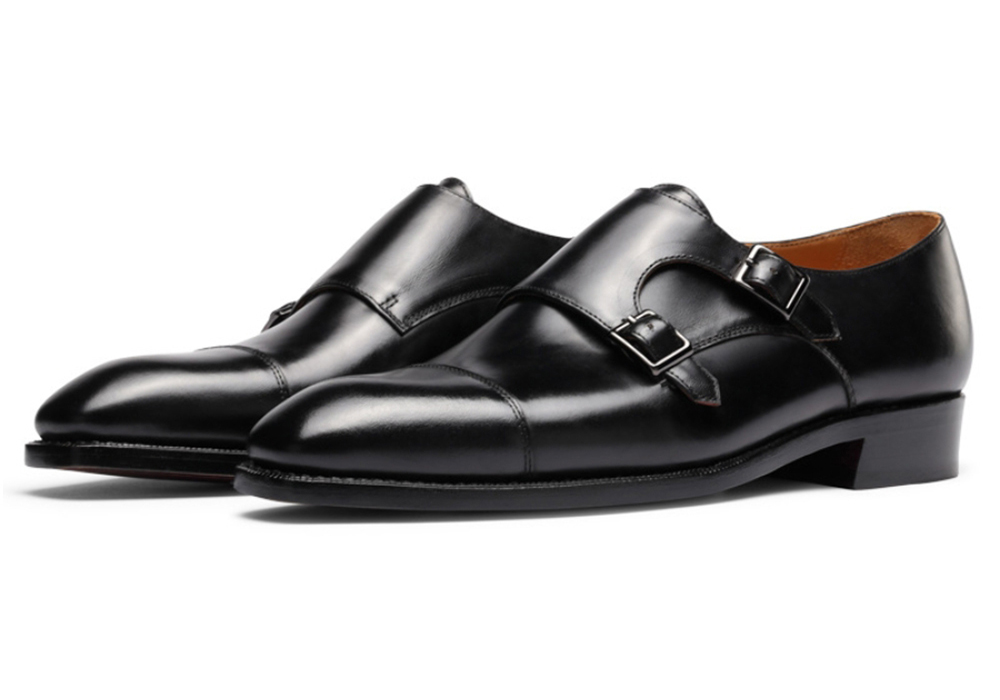
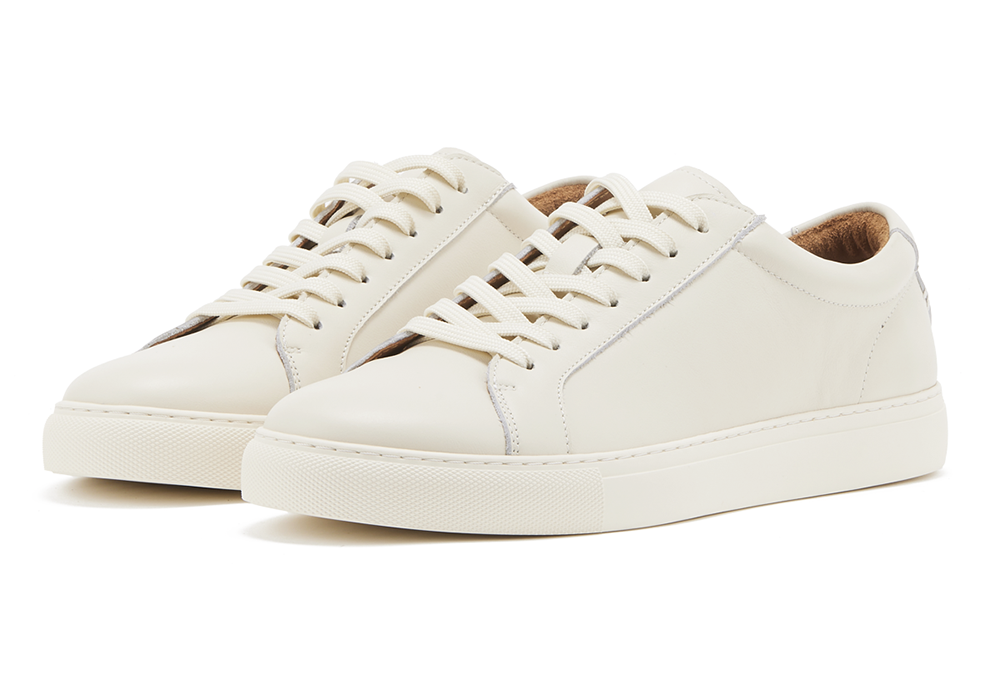
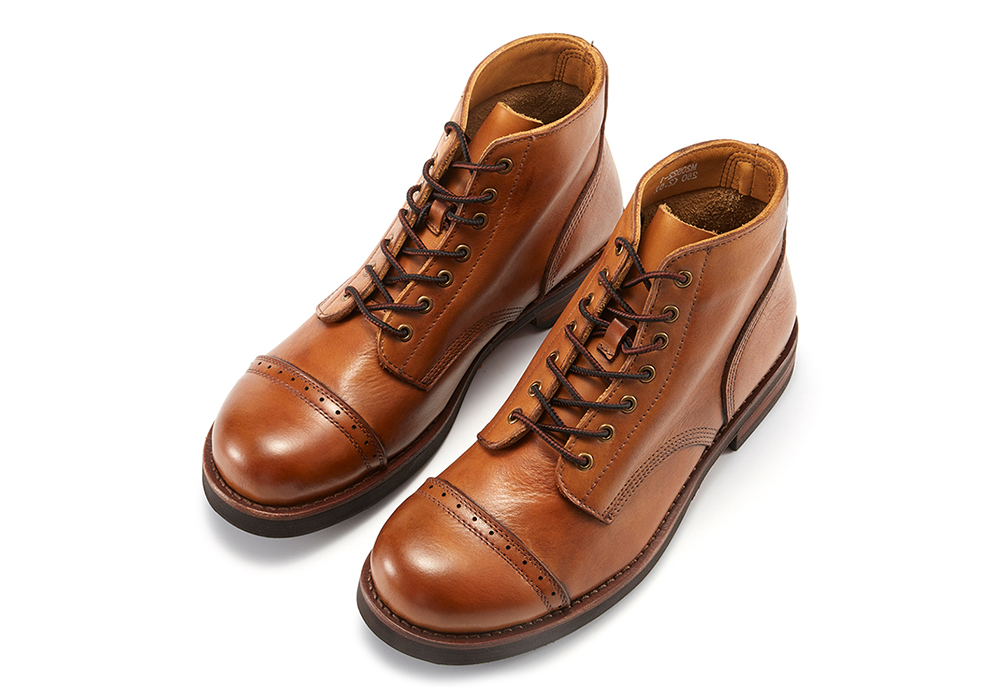
Derby shoes represent the versatile alternative to Oxfords, characterized by open lacing with eyelet tabs stitched on top of the quarter, creating a more adjustable and accommodating fit. Derbies account for 40-45% of global dress shoe sales, outselling Oxfords in comfort-focused markets and dominating the business casual segment. The open lacing system provides 15-20% more volume accommodation than Oxfords, making Derbies ideal for wider feet, high insteps, and all-day wear. Production costs range from $16/pair FOB for cemented bluchers to $85/pair for Goodyear welted premium Derbies. Wincheer Shoes manufactures complete Derby collections with 19 years of experience helping B2B buyers match Derby styles to target markets.
Introduction
The Derby shoe occupies a unique position in the footwear landscape—formal enough for business wear yet comfortable enough for all-day use, versatile enough for smart casual yet refined enough for many professional settings. Named after the 14th Earl of Derby who commissioned the style in the 19th century for easier walking (or possibly his footman who struggled with Oxfords’ tight fit), the Derby has become the go-to choice for comfort-conscious professionals worldwide.
Consider the market dynamics: While Oxfords dominate traditional formalwear, Derbies have gained 35% market share over the past decade as workplace dress codes have relaxed and comfort priorities have increased. The average male professional owns 1.8 pairs of Derbies compared to 2.3 pairs of Oxfords, but Derby replacement cycles are 25% shorter—customers return more frequently to purchase new Derbies, creating stronger ongoing revenue potential for wholesale buyers who nail the comfort-style equation.
For B2B buyers, private label brands, and sourcing professionals, understanding Derby shoes is essential for:
- Market coverage: Capturing the growing business casual segment
- Fit diversity: Accommodating wider feet and high insteps
- Versatility positioning: Serving multiple dress codes with one style
- Comfort differentiation: Meeting all-day wear requirements
- Geographic adaptation: Regional preferences for Derby vs. Oxford
This guide provides comprehensive coverage of leather Derby shoes for wholesale buyers, covering Derby vs. Oxford distinctions, style variations, construction methods, leather selection, sizing considerations, cost structures, and specification requirements for successful B2B sourcing.
Table of Contents
- Derby vs. Oxford: The Critical Distinction
- Derby Style Variations
- Leather Selection for Derbies
- Construction Methods for Derbies
- Sizing and Fit Considerations
- Cost Structure and Pricing
- Market Segmentation and Positioning
- Geographic Market Preferences
- Wholesale Ordering Specifications
- Quality Control and Inspection
Derby vs. Oxford: The Critical Distinction
Open Lacing vs. Closed Lacing
The fundamental difference between Derby and Oxford shoes lies in the lacing system:
Derby (Open Lacing):
- Eyelet tabs (quarters with lace holes) are stitched ON TOP of the vamp
- Creates an adjustable opening that expands for foot entry and comfort
- Tongue is part of the vamp, not a separate piece
- More casual in appearance due to visible seams
Oxford (Closed Lacing):
- Eyelet tabs are stitched UNDER the vamp
- Creates a fixed, narrower opening
- Tongue is typically a separate piece underneath the eyelet tabs
- More formal in appearance with cleaner silhouette
Visual Comparison:
OXFORD (Closed Lacing):
┌─────────────────┐
│                 │
│    ╔═══╩═══╗    │  ← Tabs hidden under vamp
│    ║       ║    │
│    ╚═══╦═══╝    │
└─────────────────┘

DERBY (Open Lacing):
┌─────────────────┐
│                 │
│   ┌─────┐       │  ← Tabs visible on top
│   │     │       │
│   └─────┘       │
└─────────────────┘
Functional Differences
Fit Characteristics:
| Characteristic | Derby | Oxford | Difference |
|---|---|---|---|
| Opening Volume | High (adjustable) | Limited (fixed) | Derby +25% volume |
| Foot Entry | Easy | Tighter | Derby easier |
| Accommodation | Wide feet, high instep | Standard to narrow | Derby more inclusive |
| Adjustability | High (lacing opens wide) | Limited | Derby superior |
| Foot Security | Good | Excellent | Oxford slightly better |
| Aesthetic Profile | More casual | More formal | Oxford more formal |
Formality Hierarchy
Appropriate Wear by Style:
| Setting | Oxford Appropriate? | Derby Appropriate? | Notes |
|---|---|---|---|
| Black Tie | Yes (patent plain toe) | No | Oxford only |
| Business Formal | Yes | Borderline | Oxford preferred |
| Business Professional | Yes | Yes | Both acceptable |
| Business Casual | Yes | Yes | Derby often preferred |
| Smart Casual | Borderline | Yes | Derby preferred |
| Casual | No | Yes | Casual Derbies |
Market Share Trends
Historical and Projected Market Share:
| Year | Oxford Share | Derby Share | Total Dress Shoe Market |
|---|---|---|---|
| 2015 | 65% | 35% | 100% |
| 2020 | 62% | 38% | 100% |
| 2025 | 60% | 40% | 100% |
| 2030 (projected) | 55% | 45% | 100% |
Growth Driver Analysis:
| Factor | Impact on Derby | Impact on Oxford |
|---|---|---|
| Casualization of workplaces | Positive (+) | Negative (-) |
| Comfort prioritization | Positive (+) | Neutral |
| Remote work trends | Neutral | Negative (-) |
| Return to office | Mixed | Positive (+) |
| Heritage revival | Positive (+) | Positive (+) |
Derby Style Variations
1. Plain Toe Derby
Market Share: 32% of Derby sales
The plain toe Derby features no decorative seams or perforations on the vamp—just clean, uninterrupted leather from lacing to toe. This is the most versatile Derby style.
Plain Toe Derby Characteristics:
| Attribute | Specification |
|---|---|
| Formality Level | Business professional to smart casual |
| Visual Profile | Clean, minimalist |
| Versatility | Highest across dress codes |
| Construction Suitability | All methods work well |
| Customer Profile | Professionals valuing versatility |
Plain Toe Derby Advantages:
- Clean Canvas: Showcases leather quality effectively
- Contemporary Appeal: Modern aesthetic
- Versatility: Transitions across dress codes
- Production Efficiency: Simpler construction
Wholesale Considerations:
Plain toe Derbies should represent 30-35% of Derby assortment. They serve as strong core sellers with broad appeal across customer segments.
2. Cap Toe Derby
Market Share: 28% of Derby sales
The cap toe Derby adds a horizontal seam across the toe box, creating visual interest while maintaining versatility.
Cap Toe Derby Characteristics:
| Attribute | Specification |
|---|---|
| Formality Level | Business professional |
| Seam Detail | Horizontal toe seam |
| Visual Interest | Moderate |
| Versatility | High |
| Customer Profile | Traditional professionals |
Cap Toe Derby Variations:
- Single Cap: One horizontal seam (most common)
- Double Cap: Two parallel seams (more formal)
- Medallion Cap: Decorative perforations on cap
Wholesale Considerations:
Cap toe Derbies provide traditional appeal and should represent 25-30% of Derby assortment. They bridge the gap between plain toe simplicity and brogue ornamentation.
3. Brogue Derby
Market Share: 25% of Derby sales
Brogue Derbies feature decorative perforations and serrated edges, adding distinctive visual character while maintaining Derby comfort.
Brogue Derby Characteristics:
| Attribute | Specification |
|---|---|
| Formality Level | Business professional to smart casual |
| Perforation Types | Medallion, wingtip, side broguing |
| Edge Treatment | Pinked (serrated) edges |
| Visual Impact | High |
| Customer Profile | Style-conscious, tradition-appreciating |
Brogue Derby Levels:
| Level | Description | Formality |
|---|---|---|
| Full Brogue Derby | Wingtip with extensive broguing | Smart casual |
| Semi-Brogue Derby | Cap toe with medallion | Business professional |
| Quarter Brogue Derby | Cap toe with edge perforations only | Business professional |
Wholesale Considerations:
Brogue Derbies command 15-20% price premiums and serve as statement pieces. Allocate 20-25% of Derby assortment, emphasizing in fall/winter collections.
4. Blucher Derby
Market Share: 15% of Derby sales
The blucher (named after Prussian Field Marshal Gebhard Leberecht von Blücher) features a one-piece vamp with open lacing, creating even more adjustability than standard Derbies.
Blucher Characteristics:
| Attribute | Specification |
|---|---|
| Formality Level | Smart casual to casual |
| Construction | One-piece vamp, no separate tongue |
| Adjustability | Highest among dress shoes |
| Opening | Widest, most accommodating |
| Customer Profile | Wide-footed, comfort-seeking |
Blucher vs. Standard Derby:
| Characteristic | Blucher | Standard Derby |
|---|---|---|
| Vamp Construction | One-piece | Two-piece (vamp + tongue) |
| Opening Adjustability | Highest | High |
| Formality | Lower | Higher |
| Foot Accommodation | Excellent | Very Good |
| Market Perception | More casual | More refined |
Wholesale Considerations:
Bluchers serve specific comfort and fit needs. Limit to 10-15% of Derby assortment but offer in extended widths and sizes for underserved customers.
Derby Style Assortment Recommendations
Balanced Derby Assortment (100%):
| Style | % of Assortment | Rationale |
|---|---|---|
| Plain Toe | 32% | Core versatility seller |
| Cap Toe | 28% | Traditional appeal |
| Brogue | 25% | Visual interest, premium pricing |
| Blucher | 10% | Specialized fit needs |
| Fashion/Niche | 5% | Differentiation |
Seasonal Adjustments:
| Season | Style Emphasis | Percentage Shift |
|---|---|---|
| Spring/Summer | Plain toe, lighter colors | +5% plain toe |
| Fall/Winter | Brogue, darker colors | +5% brogue |
| Year-Round | Maintain balance | Base assortment |
Leather Selection for Derbies
Leather Grade Selection
Grade by Derby Style:
| Derby Style | Recommended Grade | Alternative Grade | Reasoning |
|---|---|---|---|
| Plain Toe | A-Grade | Premium | Clean canvas shows quality |
| Cap Toe | A- or B-Grade | B-Grade acceptable | Cap hides some defects |
| Brogue | B-Grade | A-Grade for premium | Perforations distract from marks |
| Blucher | B-Grade | C-Grade for casual | Casual nature forgives flaws |
| Suede Derby | B-C Grade | N/A | Texture hides defects |
Leather Types for Derbies
Primary Leather Options:
| Leather Type | Characteristics | Derby Suitability | Price Position |
|---|---|---|---|
| Box Calf | Smooth, fine grain | All styles | Mid-luxury |
| Suede | Napped finish | Smart casual, casual | Mid-range |
| Grain/Pebble | Textured surface | Casual, country | Entry-mid |
| Corrected Grain | Embossed, consistent | Entry price points | Budget |
| Patent Leather | High-gloss finish | Formal Derbies (limited) | Premium |
| Shell Cordovan | Horsehide, distinctive | Premium investment | Luxury (2-3x price) |
Derby-Specific Leather Considerations
Thickness Requirements:
| Construction | Recommended Thickness | Rationale |
|---|---|---|
| Cemented | 1.2-1.4mm | Cost efficiency |
| Blake Stitch | 1.4-1.6mm | Stitch penetration |
| Goodyear Welt | 1.6-2.0mm | Durability requirements |
Color Palette for Derbies:
Derby colors tend to be more casual than Oxford colors:
| Color | Market Share for Derbies | Seasonality |
|---|---|---|
| Dark Brown | 32% | All-season |
| Tan/Cognac | 22% | Spring/summer emphasis |
| Burgundy | 18% | Fall/winter emphasis |
| Black | 15% | Year-round (less than Oxfords) |
| Navy | 8% | Fall/winter |
| Novelty Colors | 5% | Seasonal |
Compared to Oxford color distribution:
| Color | Derby Share | Oxford Share | Difference |
|---|---|---|---|
| Black | 15% | 35% | -20% |
| Dark Brown | 32% | 28% | +4% |
| Tan | 22% | 12% | +10% |
| Burgundy | 18% | 15% | +3% |
Derbies accommodate more casual colors, reflecting their broader dress code versatility.
Leather Shoe Quality Guide: How to Identify Premium Cowhide vs. Bonded Leather for leather fundamentals.
Construction Methods for Derbies
Construction by Price Point
Recommended Construction for Derbies by Retail Price:
| Retail Price Range | Recommended Construction | FOB Cost Range | Market Positioning |
|---|---|---|---|
| $50-80 | Cemented | $16-25 | Entry/market |
| $80-120 | Premium Cemented | $22-32 | Mid-market |
| $120-180 | Blake Stitch | $32-50 | Premium mid-market |
| $180-280 | Premium Blake / Entry Goodyear | $50-78 | Premium |
| $280+ | Goodyear Welt | $78-95 | Luxury |
Construction Selection by Derby Style
Optimal Construction by Style:
| Derby Style | Entry Construction | Premium Construction | Luxury Construction |
|---|---|---|---|
| Plain Toe | Cemented | Blake | Goodyear |
| Cap Toe | Cemented | Blake | Goodyear |
| Brogue | Cemented | Blake | Goodyear |
| Blucher | Cemented | Cemented/Blake | N/A (casual focus) |
Derby-Specific Construction Considerations
Open Lacing Advantages by Construction:
| Construction | How Open Lacing Helps | Derby Advantage |
|---|---|---|
| Cemented | Easier lasting | Reduced production cost |
| Blake | Flexible vamp enhances comfort | Superior comfort combination |
| Goodyear | Water resistance + comfort | Premium all-weather performer |
Why Derbies Excel in Certain Constructions:
- Cemented Derbies: Open lacing facilitates easier lasting, improving yield and reducing cost—ideal for entry price points
- Blake Derbies: The combination of Blake flexibility and Derby adjustability creates exceptional comfort for premium markets
- Goodyear Derbies: Premium weather resistance meets everyday comfort
Sizing and Fit Considerations
Derby Sizing Advantages
Fit Flexibility of Open Lacing:
| Foot Characteristic | Derby Accommodation | Oxford Accommodation | Advantage |
|---|---|---|---|
| Wide Forefoot | Excellent | Poor | Derby +40% volume |
| High Instep | Very Good | Poor | Derby +30% height |
| Standard Foot | Excellent | Very Good | Similar |
| Narrow Foot | Good | Excellent | Oxford slightly better |
Last Selection for Derbies
Recommended Last Types:
| Last Type | Fit Characteristics | Derby Suitability |
|---|---|---|
| Comfort Last | Wide forefoot, anatomical shape | Ideal for Derby positioning |
| Classic Last | Traditional proportions | Works well for all Derby styles |
| Modern Last | Narrower, lower profile | Best for sleek Derby styles |
| Athletic-Inspired | Ergonomic, flex zones | Excellent for comfort Derbies |
Derby Last Design Considerations:
- Higher Vamp: Accommodates higher insteps
- Wider Forefoot: Leverages Derby’s adjustability
- Secure Heel: Compensates for open lacing’s adjustability
- Comfort Features: Padding, anatomical shape
Width Sizing Strategy
Width Distribution for Derby Assortment:
| Width | US Market Share | EU Market Share | Asian Market Share |
|---|---|---|---|
| Narrow (B/C) | 10% | 5% | 2% |
| Medium (D) | 55% | 85% | 70% |
| Wide (2E) | 30% | 10% | 25% |
| Extra Wide (4E+) | 5% | – | 3% |
Derby-Specific Width Strategy:
Because Derbies accommodate wider feet more effectively:
- US Market: Emphasize wide (2E) options—35% of assortment vs. 25% for Oxfords
- EU Market: Some wide options needed but limited demand
- Asian Market: Focus on wide options due to broader foot shapes
Cost Structure and Pricing
Manufacturing Cost Breakdown
Per-Pair Manufacturing Cost by Construction:
| Cost Component | Cemented Derby | Blake Derby | Goodyear Derby |
|---|---|---|---|
| Leather | $7-10 | $10-15 | $14-22 |
| Lining | $2-3 | $3-4 | $4-6 |
| Insole | $1-2 | $3-5 | $6-10 |
| Outsole | $3-4 | $5-7 | $8-12 |
| Construction Materials | $1-2 | $3-5 | $8-14 |
| Labor | $4-5 | $10-15 | $18-28 |
| Overhead | $2-3 | $4-6 | $8-12 |
| TOTAL FACTORY COST | $20-29 | $38-57 | $66-104 |
| + Factory Margin (15-20%) | $23-35 | $44-68 | $76-125 |
| Estimated FOB | $16-25 | $32-50 | $65-85 |
Derby vs. Oxford Cost Comparison:
| Construction | Derby FOB | Oxford FOB | Difference | Reason |
|---|---|---|---|---|
| Cemented | $16-25 | $18-28 | Derby -10% | Simpler construction |
| Blake | $32-50 | $35-55 | Derby -8% | Easier assembly |
| Goodyear | $65-85 | $70-95 | Derby -8% | Slightly simpler lasting |
Derbies are marginally less expensive to produce than Oxfords due to easier lasting and assembly.
Price Point Positioning
Retail Price Multiples for Derbies:
| Market Segment | Retail Multiple | FOB to Retail Example |
|---|---|---|
| Entry/Mass | 3.0-3.5x | $20 FOB → $60-70 retail |
| Mid-Market | 3.5-4.0x | $30 FOB → $105-120 retail |
| Premium | 4.0-4.5x | $55 FOB → $220-248 retail |
| Luxury | 5.0-6.0x | $80 FOB → $400-480 retail |
Market Segmentation and Positioning
Customer Segment Analysis
Derby Customer Profiles:
| Segment | Demographics | Psychographics | Purchase Drivers | Price Sensitivity |
|---|---|---|---|---|
| Comfort Professional | 35-60, varying income | All-day wear priority | Comfort, fit, versatility | Medium |
| Wide-Footed Individual | All ages | Fit-challenged | Width availability, comfort | Low-moderate |
| Style-Conscious Millennial | 25-40, urban | Smart casual orientation | Style versatility, brand | Moderate |
| Traditional Professional | 45-65, $75K+ | Heritage appreciation | Quality, craftsmanship | Low |
| Value Seeker | 25-45, budget-conscious | Balance of cost/quality | Value, durability | High |
Channel Strategy
Retail Channel Appropriateness:
| Channel | Price Tier Focus | Key Derby Styles | Assortment Depth |
|---|---|---|---|
| Department Stores | Mid-Premium | Plain toe, cap toe, brogue | Broad (18-25 SKUs) |
| Specialty Retail | Premium-Luxury | All styles, especially premium | Deep (12-20 SKUs) |
| Chain Stores | Entry-Mid | Plain toe, cap toe | Focused (8-12 SKUs) |
| E-commerce | All tiers | Visual styles, comfort-focused | Variable (12-40 SKUs) |
| Comfort/Distribution | Mid | Blucher, wide widths | Focused (6-10 SKUs) |
Geographic Market Differences
Regional Derby Preferences:
| Market | Derby Preference | Key Styles | Unique Characteristics |
|---|---|---|---|
| United States | High (45% of dress shoes) | Plain toe, blucher | Strong wide-width demand |
| United Kingdom | Medium (35%) | Brogue, cap toe | Traditional styling |
| Continental Europe | Medium (40%) | Plain toe, suede | Color versatility |
| Japan | Medium-High (42%) | Plain toe, minimalist | Quality focus |
| Australia | High (48%) | Suede, casual | Relaxed dress codes |
| Middle East | Growing (30%) | Formal styles | Expanding market |
Wholesale Ordering Specifications
Minimum Order Quantities
MOQ by Price Tier and Construction:
| Tier/Construction | Standard MOQ | Negotiated MOQ | Development Sample Cost |
|---|---|---|---|
| Entry/Cemented | 800-1200 pairs/style | 600 pairs | $120-200/style |
| Mid/Cemented | 600-900 pairs/style | 500 pairs | $180-300/style |
| Premium/Blake | 500-800 pairs/style | 400 pairs | $250-450/style |
| Luxury/Goodyear | 400-600 pairs/style | 300 pairs | $450-700/style |
Derby-Specific MOQ Advantages:
Derbies sometimes allow 10-15% lower MOQs than Oxfords due to:
- Faster production (easier lasting)
- Higher yield (less waste)
- Broader market appeal
Specification Sheet Requirements
Essential Specifications for Derby Orders:
| Specification Category | Required Details |
|---|---|
| Style | Derby type (plain toe, cap toe, brogue, blucher) |
| Last | Last number/shape, sizing run, width requirements |
| Leather | Type, grade, thickness, color, tanning method |
| Lining | Material (leather/synthetic), color, thickness |
| Quarter/Eyelet Tab | Attachment method, reinforcement |
| Sole | Material, thickness, edge finish, heel type |
| Construction | Method (cemented/Blake/Goodyear) |
| Sizing | Size range, size ratios, width requirements |
| Lacing | Lace type, eyelet type, lace length |
| Branding | Logo placement, marking method, packaging |
Sample Development Process
Derby Development Timeline:
| Stage | Duration | Derby-Specific Considerations |
|---|---|---|
| Brief/Spec Review | 2-3 days | Confirm Derby variation |
| Last Selection | 1-2 weeks | Comfort last often preferred |
| Material Sourcing | 1-2 weeks | Broader color options for Derbies |
| Counter Sample | 2-3 weeks | Check lacing alignment |
| Sample Revisions | 1-2 weeks each | Fit testing for open lacing |
| Pre-Production Sample | 2-3 weeks | Final fit confirmation |
| Total Development Time | 8-12 weeks | Slightly faster than Oxfords |
Quality Control and Inspection
Derby-Specific Inspection Points
Critical Inspection Areas for Derbies:
| Inspection Point | Check Method | Acceptance Criteria |
|---|---|---|
| Quarter Alignment | Visual, measurement | Even left/right, parallel seams |
| Eyelet Placement | Measurement, visual | Even spacing, aligned quarters |
| Lacing Function | Functional test | Smooth lacing, even tension |
| Tongue Integration | Visual inspection | Secure, comfortable, centered |
| Vamp-to-Quarter Seam | Visual, pull test | Secure, no puckering |
| Opening Symmetry | Measurement comparison | < 3mm variance left/right |
| Sole Attachment | Pull testing, visual | No gaps, secure attachment |
Quality Standards by Price Point
Acceptable Quality Standards:
| Quality Attribute | Entry Tier | Mid Tier | Premium Tier | Luxury Tier |
|---|---|---|---|---|
| Leather Quality | B-grade acceptable | A-grade minimum | Premium/A+ | Select/Premium only |
| Quarter Alignment | Minor asymmetry OK | Symmetry required | Exact symmetry required | Perfect symmetry |
| Eyelet Placement | Functional alignment | Even spacing required | Precision placement | Hand-quality precision |
| Stitching | 6-7 SPI, minor skips OK | 7-8 SPI, consistent | 8-10 SPI, perfect | 10+ SPI, hand-quality |
| Lining Quality | Synthetic acceptable | Leather partial lining | Full leather lining | Premium leather lining |
Common Derby Defects
Defects Specific to Derbies:
| Defect Type | Description | Prevention |
|---|---|---|
| Quarter Misalignment | Uneven quarters, asymmetrical opening | Operator training, quality fixtures |
| Eyelet Pull-Out | Eyelets separating from quarter | Reinforcement quality, material selection |
| Tongue Twisting | Tongue rotating during wear | Proper lasting, secure attachment |
| Lacing Unevenness | Laces don’t lie evenly | Eyelet alignment precision |
| Gap in Vamp-Quarter Seam | Visible gap at seam junction | Seam reinforcement, precise alignment |
FAQ: Leather Derby Shoes for Wholesale Buyers
Q: What’s the main advantage of Derbies over Oxfords?
A: The primary advantage is fit flexibility. Derbies’ open lacing system provides 25-30% more volume accommodation, making them ideal for wider feet, high insteps, and customers who prioritize comfort. The adjustable opening also makes foot entry easier. While Oxfords are more formal, Derbies offer superior comfort and accommodate a broader range of foot shapes—making them the better choice for all-day wear and customers who don’t require ultra-formal footwear.
Q: Can Derbies be worn with suits?
A: Yes, with caveats. Plain toe and cap toe Derbies in black or dark brown are appropriate with business suits in business professional and smart casual environments. However, for very formal occasions (black tie, formal weddings), interviews, or conservative industries (law, finance), Oxfords remain the preferred choice. Derbies work with suits when:
- The suit is in a business professional (not formal) setting
- The Derby is plain toe or cap toe (not brogue)
- Colors are traditional (black, dark brown)
- The overall aesthetic is refined
When in doubt, choose Oxfords for suits and Derbies for sport coats, blazers, or more relaxed suitings.
Q: What’s the difference between a Derby and a blucher?
A: All bluchers are Derbies, but not all Derbies are bluchers. Bluchers are a specific Derby subtype with a one-piece vamp (no separate tongue piece) that creates even more adjustability than standard Derbies. The terms are often used interchangeably, but technically:
- Standard Derby: Two-piece construction (vamp + tongue)
- Blucher: One-piece construction (continuous vamp)
Bluchers offer the highest adjustability and are ideal for wide feet and high insteps. They’re slightly less formal than standard Derbies.
Q: Should I offer the same styles in Derbies as Oxfords?
A: Partially overlap, but don’t duplicate entirely. Your Oxford assortment should be more formal (plain toe, cap toe, wholecut emphasis). Your Derby assortment can be more versatile (plain toe, cap toe, brogue, blucher, suede). Some styles work better as Derbies:
- Suede shoes: Better as Derby (casual nature)
- Brogues: Excellent as Derby (less formal than Oxford)
- Wholecut: Rare in Derby (Oxford preference)
For cap toe and plain toe, offer both Oxford and Derby versions to serve different customer needs and dress codes.
Q: How should I price Derbies relative to Oxfords?
A: Price Derbies 5-10% below equivalent Oxfords, or keep them at the same price point. Derbies are slightly less expensive to produce (easier assembly), but the difference is small enough that identical pricing is common. Many brands maintain the same price across Oxford and Derby equivalents for simplicity. If you do differentiate, use the price difference to:
- Encourage trade-up: Premium Derby at entry Oxford price
- Market segmentation: Entry Derby for price-sensitive customers
- Volume building: Lower price point for broader market
Q: What’s the ideal Derby assortment for a new brand?
A: A starter Derby assortment of 6-8 SKUs:
- 2 plain toe Derbies (dark brown, tan)
- 2 cap toe Derbies (black, dark brown)
- 1-2 brogue Derbies (dark brown, burgundy)
- 1 blucher or comfort Derby (dark brown)
This provides essential coverage while managing inventory. Focus on medium width (D) initially, then add wide (2E) options based on customer demand. As you learn customer preferences, expand to 10-12 SKUs with suede options and additional colors.
Q: Are Derbies easier to produce than Oxfords?
A: Yes, slightly. Derbies are 8-12% less expensive to produce due to:
- Easier lasting: Open lacing facilitates the lasting process
- Faster assembly: Simpler construction reduces labor time
- Higher yield: Less waste from easier assembly
- Lower skill requirements: Slightly less complex than Oxford lasting
This production efficiency translates to either lower costs or better margins at the same price point. Many manufacturers also have lower MOQs for Derbies compared to equivalent Oxfords.
Q: What construction method is best for Derbies at $120 retail?
A: At $120 retail, cemented construction is the standard expectation. Premium cemented with quality leather can deliver excellent results. Blake stitched becomes difficult to profitably produce at $120 unless you’re working with very high volumes. Focus on:
- Quality full-grain leather
- Comfort features (padded insoles, ergonomic last)
- Superior finish and detailing
- Excellent value perception
If you want to differentiate at $120, consider Blake construction for one or two key styles as statement pieces, but most of the assortment should be cemented.
Q: How do Derbies perform in different geographic markets?
A: Derby popularity varies significantly by region:
- United States: High popularity (45% of dress shoe market)—strong comfort orientation
- United Kingdom: Moderate (35%)—traditional but Oxford preference remains
- Continental Europe: Moderate-high (40%)—especially in fashion-forward markets
- Japan: Moderate-high (42%)—appreciate versatility and comfort
- Australia: High (48%)—relaxed dress codes favor Derbies
Tailor your assortment ratio to your target market. US-focused collections should emphasize Derbies more than UK-focused collections.
Q: Can I use the same lasts for Derbies and Oxfords?
A: Technically yes, but strategically no. While the same last can produce both Derby and Oxford, the fit characteristics differ:
- Derby on Oxford last: May feel loose—Derby’s open lacing adds volume
- Oxford on Derby last: May feel tight—Oxford’s closed lacing reduces volume
Best practice: Use Derby-specific lasts optimized for:
- Slightly higher vamp (accommodates open lacing)
- Secure heel hold (compensates for adjustability)
- Comfort-focused proportions (aligns with Derby positioning)
Small last differences (2-3mm in key measurements) significantly impact fit and comfort.
Conclusion
Derby shoes represent the versatile backbone of any comprehensive dress footwear assortment, bridging the gap between formal Oxfords and casual loafers. Their open lacing system provides superior comfort and fit accommodation, making Derbies the preferred choice for all-day wear, wider feet, and evolving workplace dress codes. Success in Derby sourcing requires understanding style variations (plain toe, cap toe, brogue, blucher), leveraging their comfort positioning, matching construction to price point, and adapting assortments to regional market preferences.
The wholesale Derby market rewards brands that deliver on the comfort promise while maintaining refined aesthetics. Derbies aren’t just “casual Oxfords”—they’re a distinct category with their own fit advantages, style opportunities, and customer expectations. Focus on executing 6-10 core Derby SKUs that deliver exceptional comfort and versatile styling, and your customers will return for repeat purchases driven by satisfaction rather than just replacement need.
Ready to develop your Derby shoe assortment? Contact Wincheer Shoes at maggiemei@shwincheer.com or WhatsApp +86-18918192049. With 19 years of Derby manufacturing experience across all styles and price points, we help wholesale buyers, private label brands, and retailers develop Derby collections that capture market share and build customer loyalty.
Visit wincheershoes.com to explore our Derby collection and Complete Guide to Leather Oxford Shoes for Wholesale Buyers for our complete Oxford shoe guide.