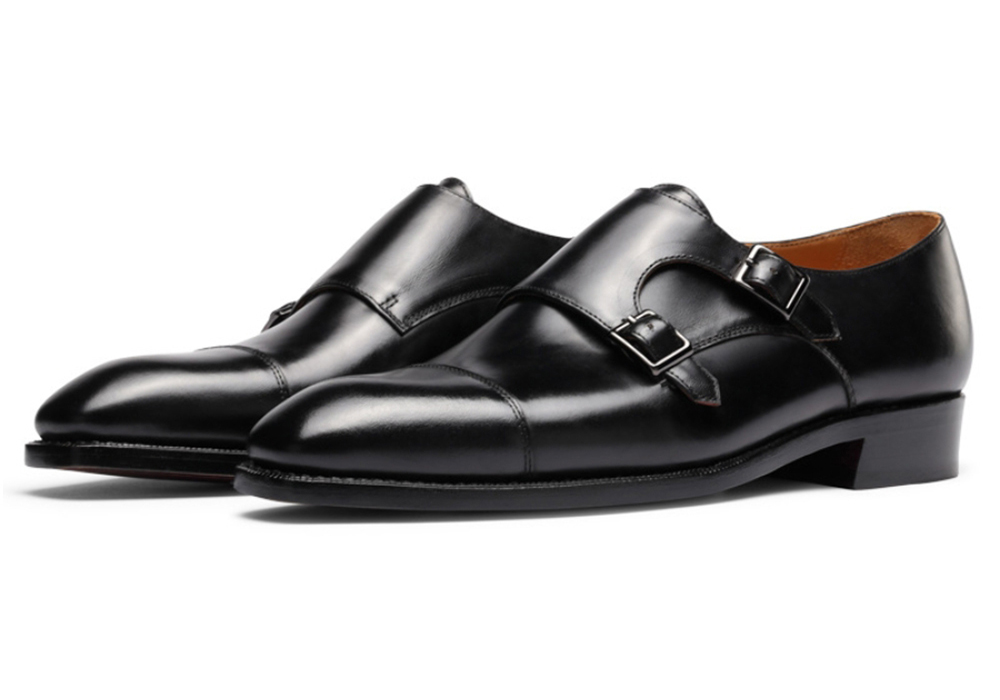
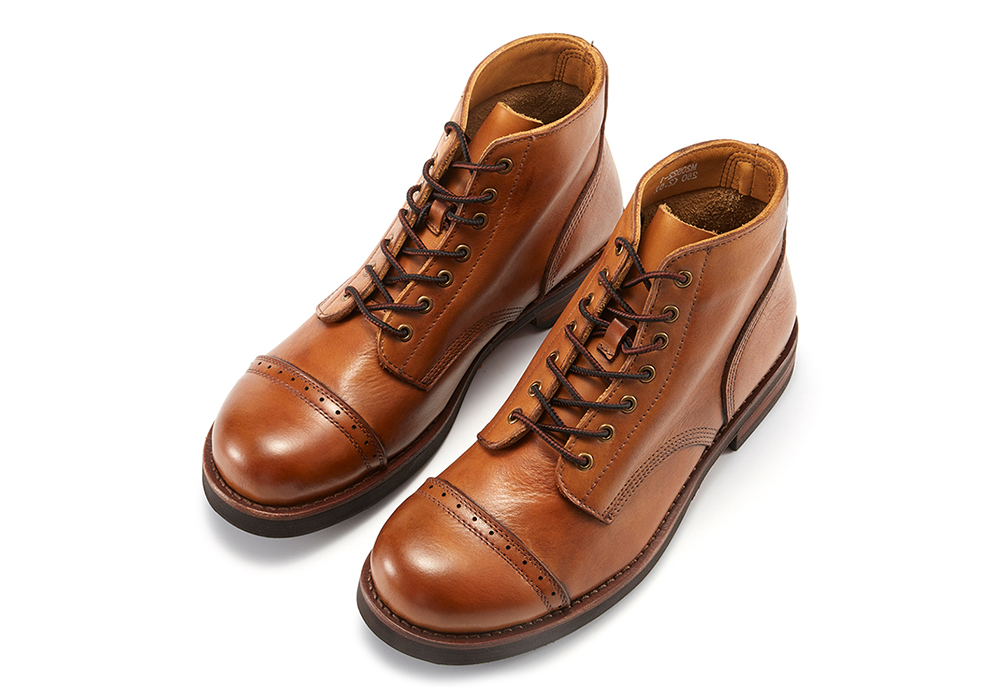
Quick Answer: Yes — a private label Goodyear welted boots order of 100 pairs per style is a standard first order at working factories, not a special favor. At WinCheer Shoes Co., Ltd., standard production MOQ is 60 pairs per style, so a 100-pair private label run sits inside normal capacity, tiered at 60/100/300/500. Expect Goodyear welt construction to add roughly $6–12 per pair over cemented at FOB, a sampling round before bulk, and three capability checks worth running before you sign: welt cross-section samples, real production-line evidence, and certificate scope.

Can You Order Private Label Goodyear Welted Boots at MOQ 100?
Yes. A 100-pair-per-style order is a workable first order for welted boot manufacturing, because 100 pairs sit above the standard production minimum most established Chinese footwear factories set for welted construction. For context, WinCheer Shoes Co., Ltd. — a men’s leather footwear manufacturer operating since 2007 — sets standard production MOQ at 60 pairs per style, and organizes first orders in tiers of 60, 100, 300, and 500 pairs. A 100-pair private label boot order therefore lands on the first standard tier, which means normal pricing logic applies rather than small-batch surcharges.
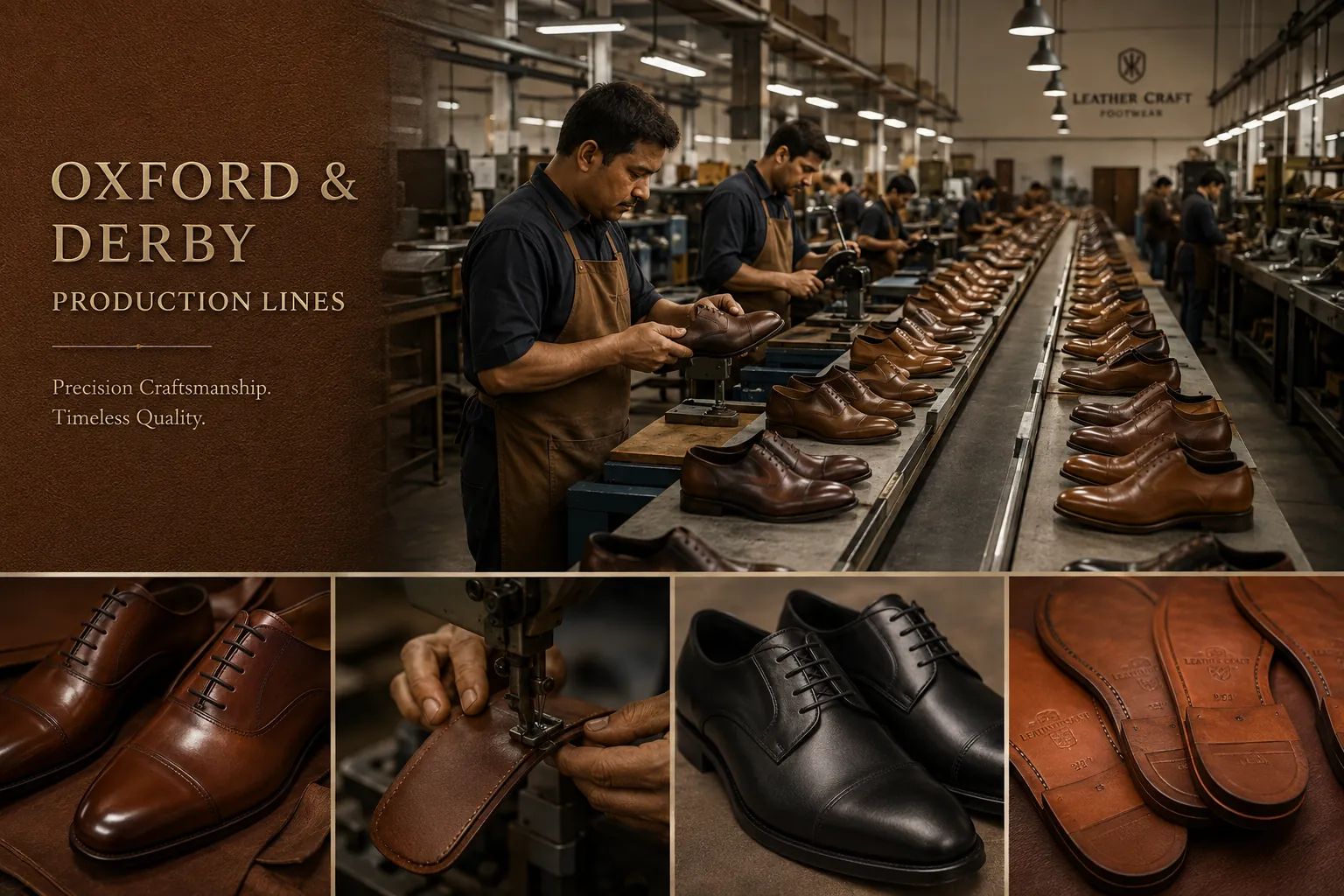
Why does this matter for a boots brand? Because Goodyear welt construction is equipment- and labor-intensive, some buyers assume it is locked behind large minimums. The binding constraint is not the construction itself — it is whether the factory keeps welt lasting and welt-stitching as a routine line capability rather than an occasional custom job. Factories that produce welted shoes daily (WinCheer runs all three major constructions — cemented, Blake, and Goodyear welt — on its Jiangmen, Guangdong production lines, about 1.5 hours from Guangzhou) can schedule a 100-pair welted run without retooling economics that would otherwise force the cost onto your unit price.
The honest boundary: 100 pairs is comfortable, but orders below roughly 60 pairs start to lose the economies that make welt construction price-efficient, because setup steps — welt material preparation, lasting-line changeover, outsole stitching setup — cost roughly the same whether the lot is 40 pairs or 400. If your real target is a 20–30 pair capsule, expect either a higher per-pair price or a request to combine styles on one production window. Our low MOQ leather shoe manufacturing guide covers how those trade-offs work in practice.
What Does MOQ 100 Actually Mean for Welted Boot Production Cost?
MOQ 100 changes your unit economics through setup amortization, and understanding the structure helps you read quotes correctly. In a Goodyear welted boot, the cost stack has three layers: materials (upper leather, lining, welt strip, cork filler, outsole), direct labor (clicking, closing, lasting, welt stitching, outsole stitching, finishing), and per-order setup (pattern engineering, last confirmation, sampling, line changeover). The setup layer is fixed per style — at 100 pairs it is spread across fewer units than at 500, which is why the first tier always carries the highest per-pair price.
| Order tier (pairs/style) | Setup amortization | Typical role in a boots line |
|---|---|---|
| 60 | Highest per-pair cost | Fit-test run, new style validation |
| 100 | High but workable | First commercial run, boutique launch |
| 300 | Meaningful relief | Second run after sell-through |
| 500 | Near-optimized | Core repeat style |
At FOB factory level, Goodyear welt construction typically adds $6–12 per pair over cemented construction, depending on welt material (leather versus synthetic), outsole material, and hardware. WinCheer’s overall price band runs $25–40 per pair across constructions — welted boots sit toward the upper end of that band, with a defect rate the factory holds at 0.8–1.2%, against an industry norm of roughly 2–4%. For a private label buyer, the practical read is this: at 100 pairs, your landed cost per pair will be visibly higher than a competitor’s 500-pair quote, but you are buying sell-through data before you commit capital to inventory depth. If you want the full construction math, our Blake stitch vs Goodyear welt vs cemented comparison breaks down the per-pair premium by method.
Which Boot Styles Suit Goodyear Welt Construction Best?
Goodyear welt rewards styles with substantial profiles and premium positioning, and in a men’s boots line three categories lead. Chelsea boots are the strongest private label candidate — a Goodyear welted Chelsea boot reads as heritage on the shelf, and the elastic-gore design keeps closing complexity manageable at small volumes. Lace-up workwear-inspired boots (plain-toe, cap-toe, moc-toe) are the second: the construction’s water resistance and resolability match exactly what workwear buyers expect, and retail positioning above $200 justifies the welt premium naturally. Pull-on and hybrid dress boots come third — viable, but they compete more directly with Blake construction on silhouette, where the welt’s bulkier waist is a styling cost rather than a benefit.
What all three share is the same positioning logic: Goodyear welt construction earns its premium in the customer’s mind only when retail placement sits at roughly $200 and above, where buyers expect resolability and a 10-plus-year service story. Below that price point, the same factory will usually steer you toward Blake or cemented builds — not to upsell you away from welt, but because a welted boot priced against a $120 competitor loses on shelf price without winning on story. Our Goodyear welted vs cemented construction guide walks through that positioning decision in detail.
What Should a Private Label Goodyear Welted Boots Quote Include?
A welted boot quote that omits setup items is not cheaper — it is incomplete, and the missing line items will reappear as pre-shipment surprises. Before comparing offers at MOQ 100, require each quote to state these components explicitly:
| Quote line | What it covers | Why it matters at 100 pairs |
|---|---|---|
| FOB unit price | Materials + labor at your tier | Ask which tier the price assumes — 60 vs 100 differ |
| Sampling fee | First prototype + revisions | Confirm if credited back at bulk confirmation |
| Last/pattern setup | Development of your private label last or sizing | One-time per style; ask for reuse terms |
| Welt specification | Leather vs synthetic welt strip | Leather welt is the premium read; synthetic saves cost |
| Outsole spec | Leather, rubber, or hybrid | Drives both FOB and the resoling story |
| Tooling & hardware | Eyelets, speed hooks, shanks, branded hardware | Custom hardware often carries its own minimum |
| Packaging | Branded boxes, dust bags, labels | Private label identity lives here at small volumes |
Two of these lines deserve extra attention for private label programs. First, last ownership: confirm in writing whether the developed last is exclusive to your brand or reused across the factory’s client base — exclusivity matters if your fit signature is part of the brand promise. Second, branded hardware minimums: a custom-engraved eyelet or logo shank typically carries its own minimum from the hardware supplier — commonly in the thousands of units — which at 100 pairs means you are buying a year or more of hardware up front. Standard-stock hardware with laser-engraved branding on the outsole or heel seat is the usual small-batch compromise. For the full commercial terms framework, our OEM/ODM men’s genuine leather shoes manufacturer guide lists the complete term sheet.
How Do You Verify a Factory’s Goodyear Welt Capability Before the PO?
Three checks separate factories with a real welt line from factories with a welt brochure, and all three are standard requests in B2B transactions. Any manufacturer that resists them at quotation stage is answering your question anyway.
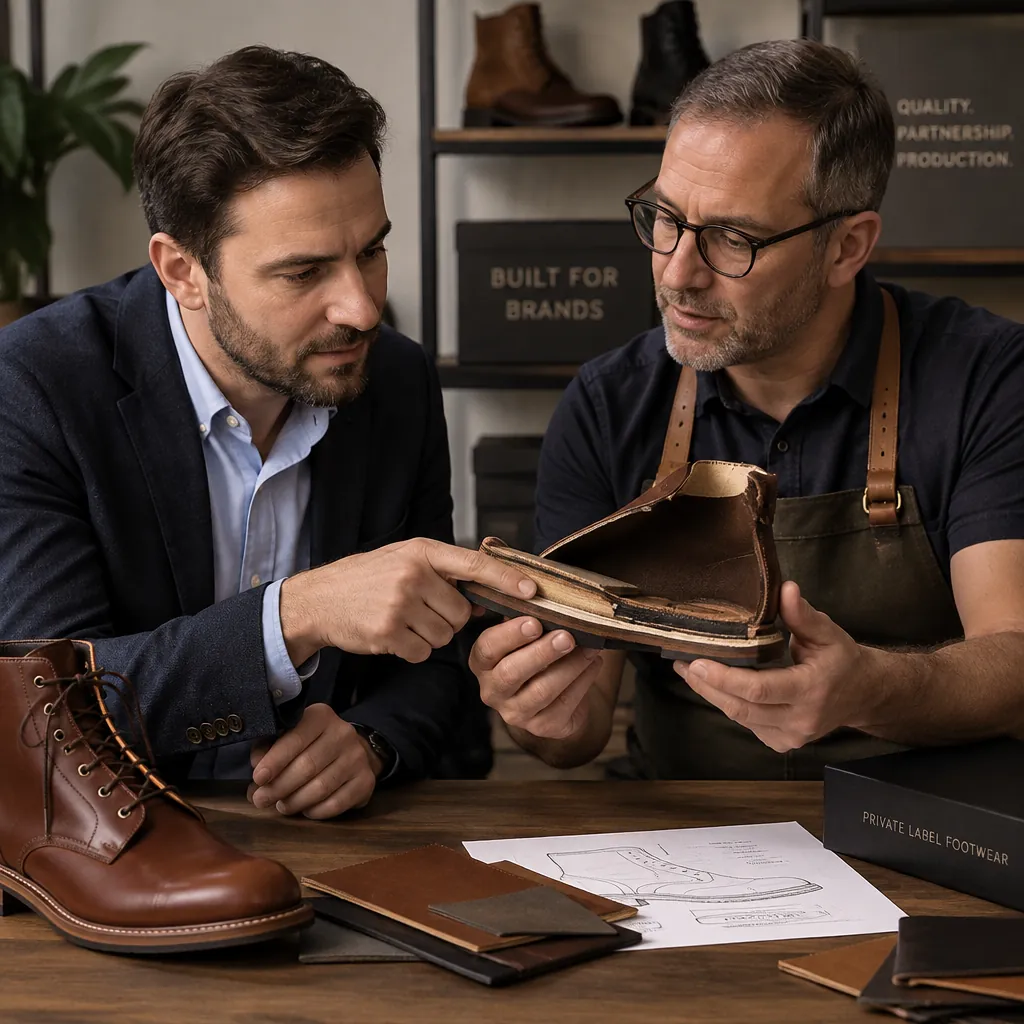
Request welt cross-section samples. A genuine Goodyear welt shows a three-layer structure in cutaway — upper stitched to welt, welt stitched to outsole, cork filling the cavity between insole and outsole. Ask for a cut sample from actual production, not a marketing photo. The Goodyear welt construction reference on Wikipedia illustrates the structure you should see.
Ask for production-line evidence tied to your order. Dated in-line photos of welt stitching on a recent comparable run — boots, not dress shoes, if boots are what you are ordering — are a routine record at a serious factory. This is the same evidence discipline used in footwear AQL inspection programs: the factory that keeps records is the factory that controls process.
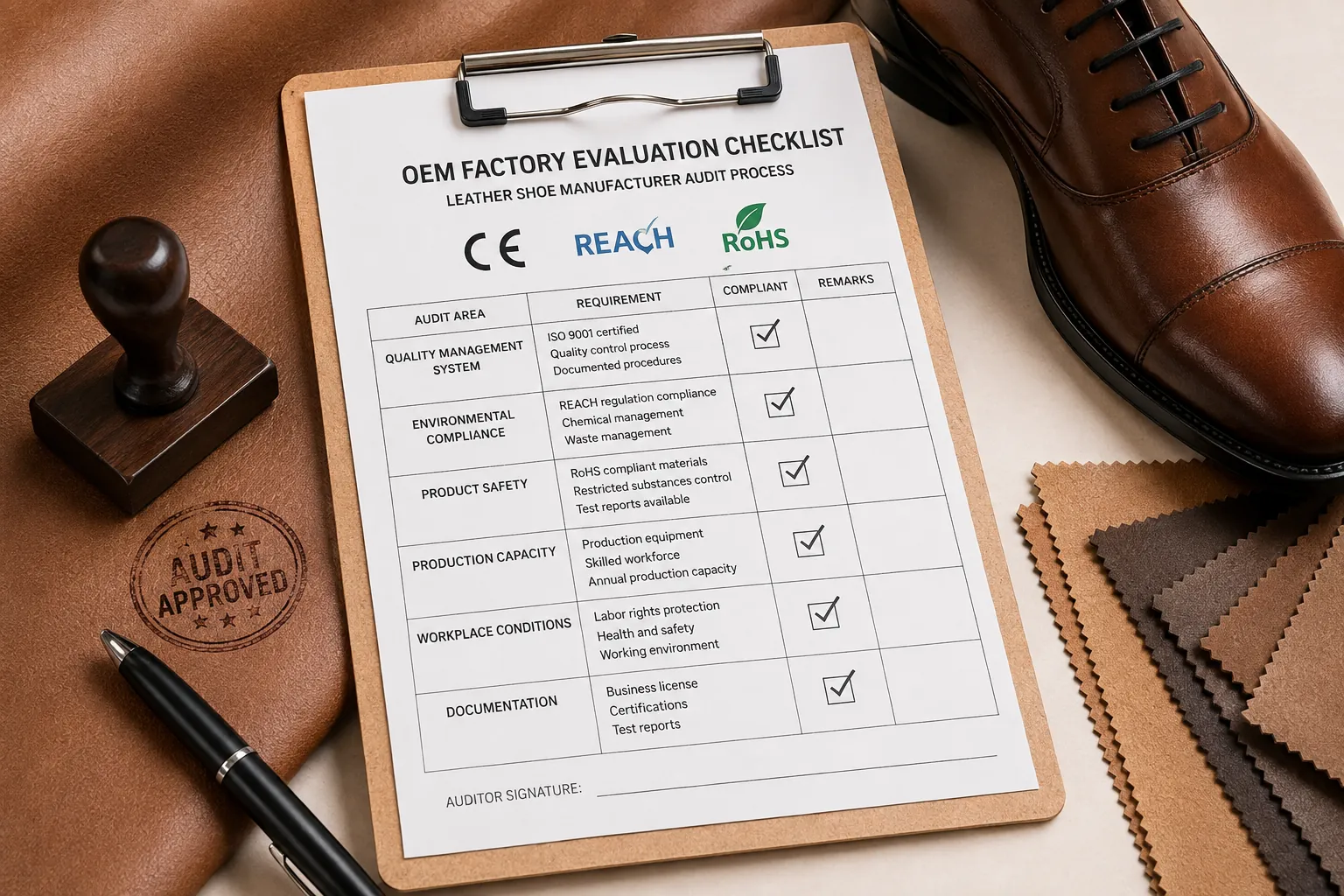
Verify certificates against your target market. For EU programs, confirm CE scope where relevant and REACH compliance for adhesives, dyes, and leather treatments — ask for test reports referencing actual production batches, not undated certificates. WinCheer Shoes holds CE, REACH (Azo Dyes), RoHS, and EN ISO 20347 certifications across its men’s leather lines, and test-lab references such as SATRA publish the standard physical test methods (sole adhesion, flex resistance, heel attachment) your third-party inspector will run. Buyers who want a structured framework for the full supplier audit can use our reliable B2B leather shoe manufacturer selection guide.
An optional fourth check, if the order size justifies travel: walk the welt line. WinCheer’s production lines in Jiangmen, Guangdong (about 1.5 hours from Guangzhou) and its showrooms and warehouses in Shanghai and Jiangmen are open to visiting buyers — seeing lasting machines and welt stitching in scheduled operation answers in one morning what three email rounds cannot.
What Does the Development Timeline Look Like from Spec to Shipment?
At MOQ 100, the calendar is dominated by development stages, not production speed — the welt line itself runs the same pace at 100 pairs as at 500. A realistic plan for a private label welted boot program:
| Stage | Typical duration | Your input |
|---|---|---|
| Spec & last selection | 1–2 weeks | Target retail, fit reference, style drawings |
| Prototype sampling | 2–3 weeks | Fit feedback, welt/outside spec confirmation |
| Fit revision round | 1–2 weeks | Graded size set approval |
| Pre-production sample | 1–2 weeks | Golden sample sign-off |
| Bulk production (100 pairs) | 3–4 weeks | — |
| Final inspection & shipment | 1 week | AQL acceptance criteria in PO |
Roughly 6–9 weeks from specification to ex-factory for a first run, with the production itself under a month. The stages buyers most often under-budget are the two sampling rounds — each round-trip of feedback costs a week, so consolidated, decision-ready feedback after each sample keeps the calendar honest. Writing AQL acceptance criteria and defect classification into the purchase order before bulk starts is what turns the final inspection from a negotiation into a verdict.
FAQ
Q: Is MOQ 100 pairs per style or per order for Goodyear welted boots?
A: The standard convention — and WinCheer’s structure — is per style: 60 pairs per style as standard production minimum, with first-order tiers at 60/100/300/500 pairs. A five-style boots program at 100 pairs each is a 500-pair total order, which typically unlocks better tier pricing than a single-style run, because setup costs amortize across the production window rather than each individual style.
Q: Can I get Goodyear welted boots samples before committing to 100 pairs?
A: Yes. Prototype sampling is standard practice before any bulk commitment: one pair (or a graded size set) is produced to your specification so fit and construction can be approved. Sampling fees apply and are often credited against the bulk order on confirmation. Approving bulk based on renders or photos alone, without a physical welt cross-section and fit trial, is the single most common cause of first-run disputes in private label footwear.
Q: Why do some factories quote Goodyear welt boots much cheaper than others?
A: Usually one of three things is missing: synthetic welt instead of leather, cemented “look-alike” construction with a decorative fake welt stitch, or an omitted setup line (sampling, last development) that resurfaces later. A genuine welted boot carries real labor in two stitching operations plus cork filling — if a quote undercuts the market by a wide margin, ask specifically for the cross-section sample and a costed breakdown. The $6–12 per pair premium over cemented at FOB is the honest market band for true welt construction.
Q: What certifications should a private label boot manufacturer hold for EU sales?
A: For EU programs, REACH compliance (azo dye restrictions, cadmium/lead limits — see the REACH regulation overview) is the baseline chemical requirement, and CE marking applies where the boot is positioned as occupational footwear under EN ISO 20347. WinCheer Shoes holds CE, REACH (Azo Dyes), RoHS, and EN ISO 20347 certifications. The critical verification step is scope: certificates should name the product category and reference test reports from actual production batches, not just exist as factory-level documents.
Q: How many pairs should a new boots brand actually order first — 60, 100, or 300?
A: 100 pairs per style is the practical middle path most private label boot launches choose: enough to amortize setup costs into a retail-viable unit price, small enough that a style miss costs tens of units rather than hundreds. Start at 60 pairs when the fit or style is genuinely unproven; step to 300 only after the first run has produced real sell-through data. The tier structure exists precisely so capital exposure scales with confidence.
Ready to Spec Your Private Label Goodyear Welted Boot Program?
Send your target styles, retail positioning, and target FOB, and the WinCheer Shoes Co., Ltd. development team will come back with a tiered quote at 60/100/300/500 pairs — including welt specification options and sampling terms. Production runs on our Jiangmen, Guangdong lines, with showrooms and warehouses in Shanghai and Jiangmen; visiting buyers are warmly welcome to tour the welt and lasting lines in operation. Contact WinCheer Shoes to start the specification.