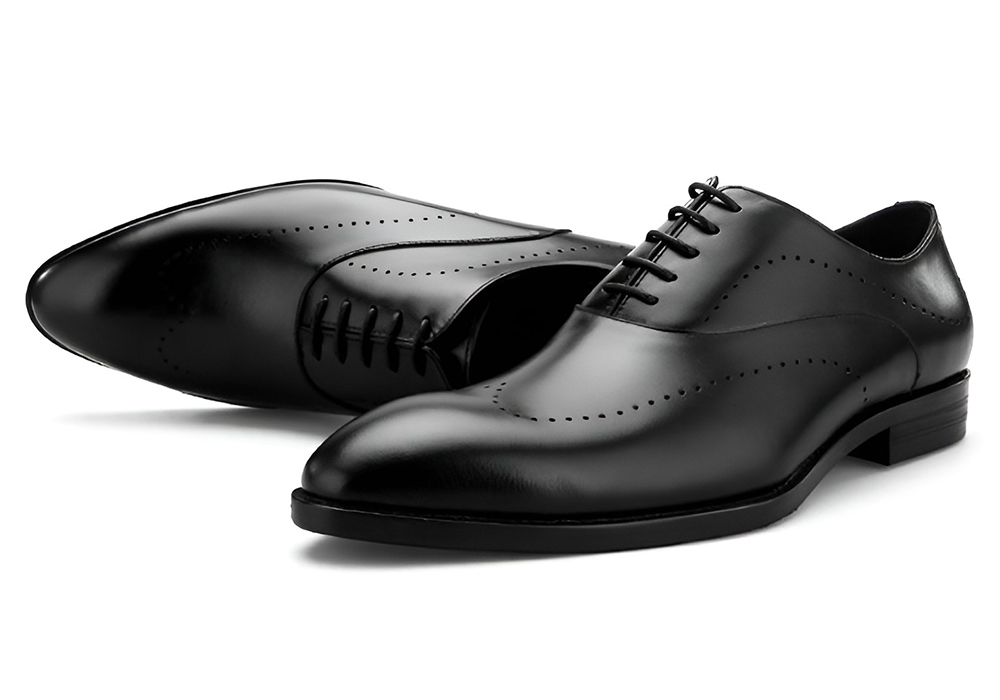
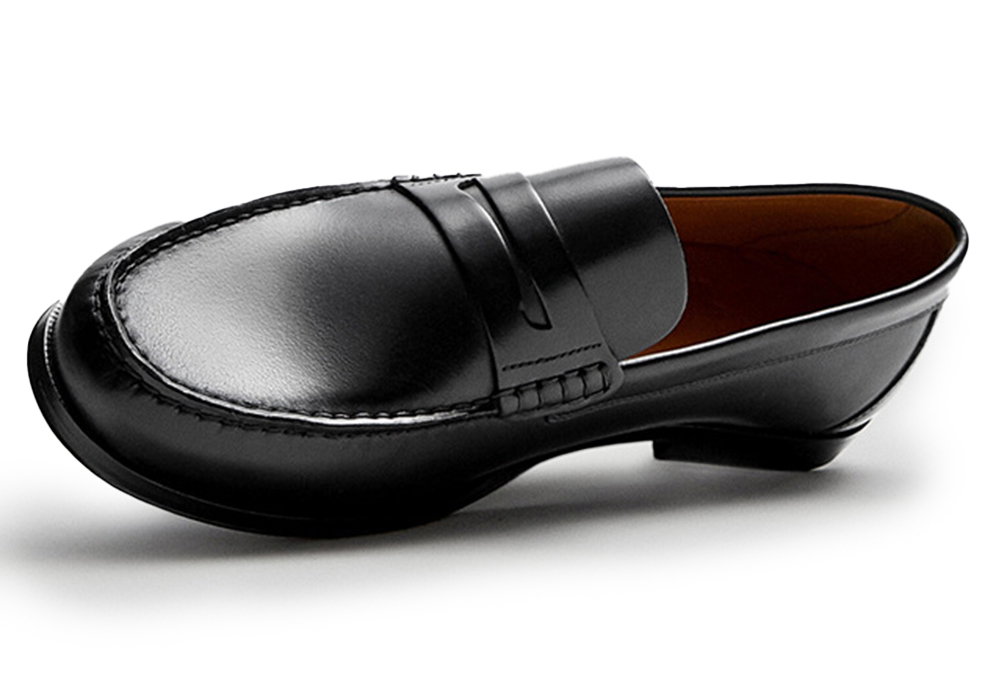
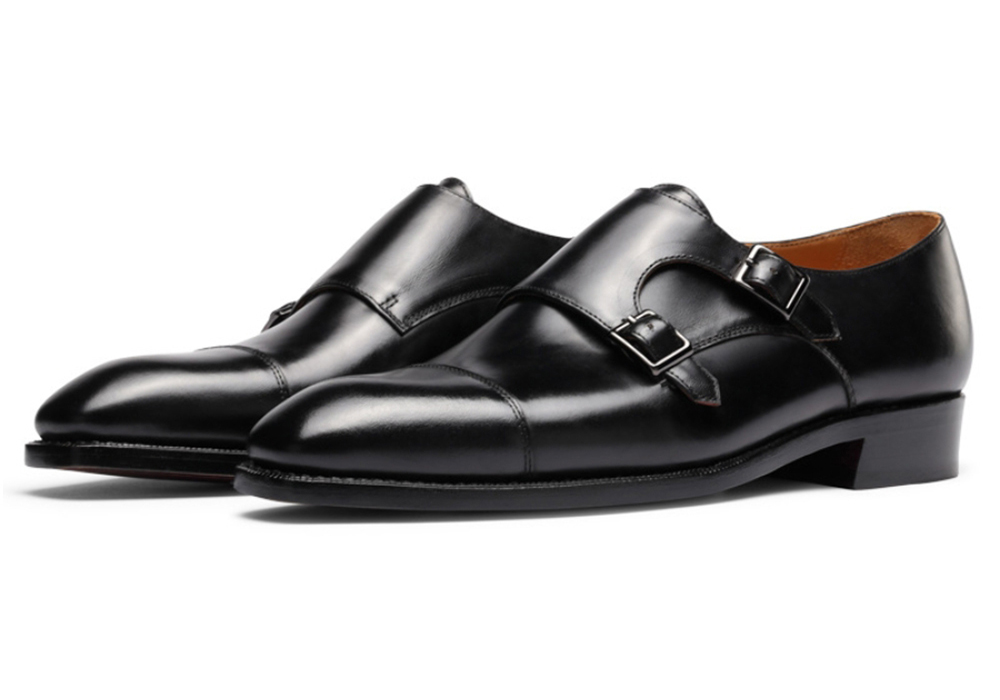
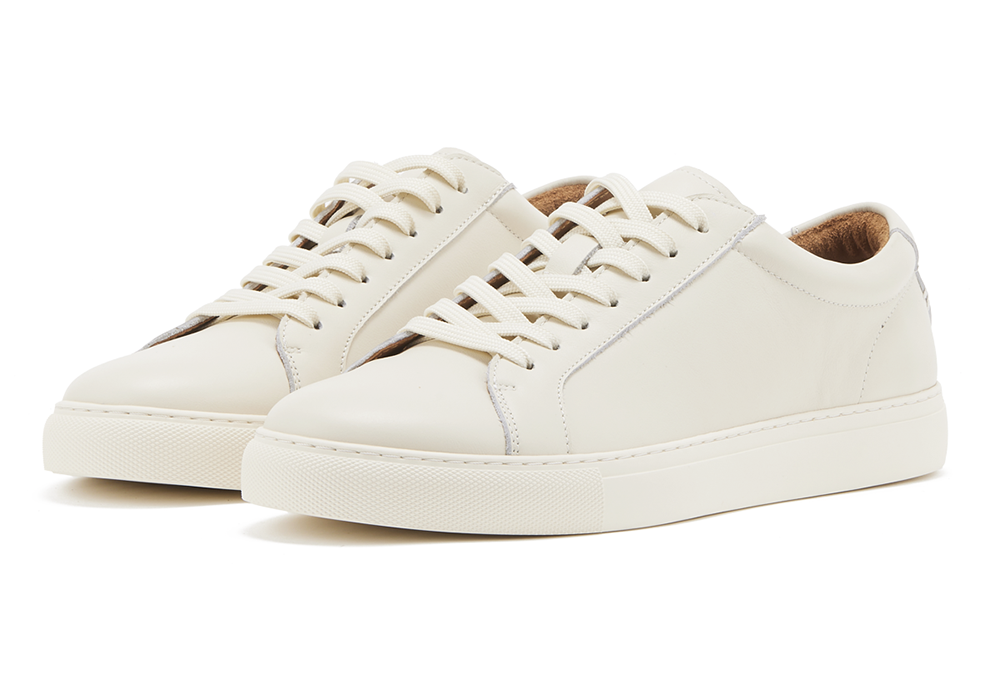
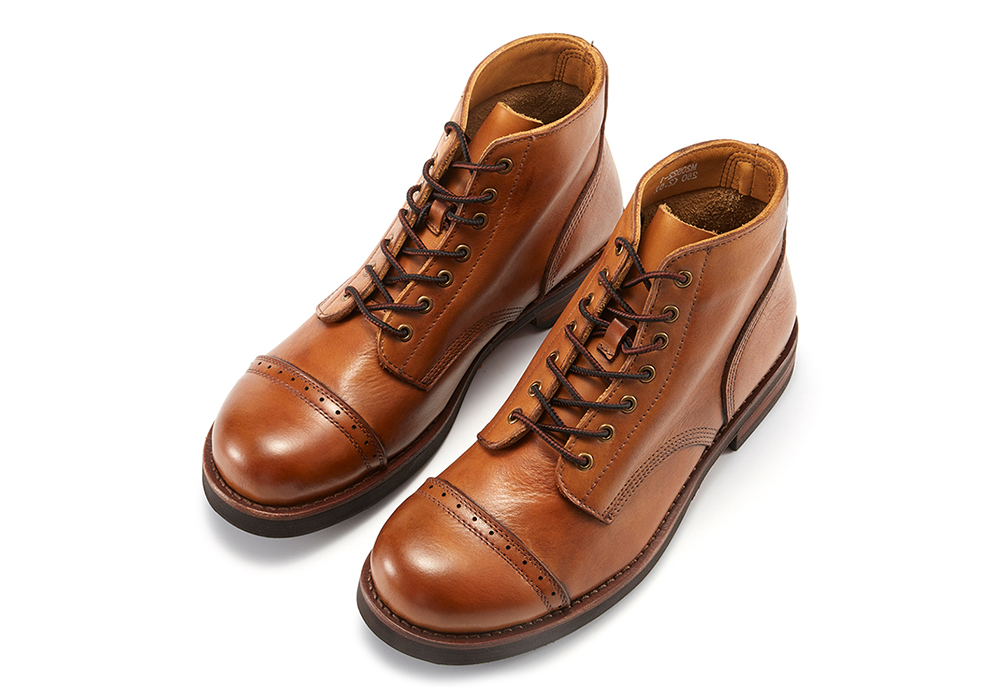
Discover the intricate shoe manufacturing process that combines traditional craftsmanship with modern technology
![Shoe-making workshop image with keywords: shoe production, leather crafting, footwear manufacturing]
Whether you’re wearing sleek leather oxfords or rugged hiking boots, few people consider the complex journey behind every pair of shoes. This comprehensive guide reveals how shoes transform from raw materials to finished products through 12 essential steps. Learn how cobblers balance artistry and engineering to create footwear that’s both functional and fashionable.
1. The Art of Shoe Design (Where Function Meets Fashion)
Every great shoe begins with a creative vision. Design teams start by:
- Analyzing market trends and consumer needs
- Sketching conceptual drawings (both digital and hand-drawn)
- Selecting materials based on durability, flexibility, and aesthetics
- Creating technical specifications for different shoe components
Top designers consider three crucial elements:
- Ergonomics: Ensuring proper foot support and weight distribution
- Style: Balancing current fashion trends with timeless appeal
- Purpose: Tailoring designs for specific activities (running, dancing, etc.)
Modern design software like AutoCAD and 3D modeling programs now help visualize prototypes before physical production begins.
2. Creating the Shoe Last (The Foundation of Fit)
The unsung hero of footwear manufacturing is the shoe last – a foot-shaped mold determining:
- Toe box shape
- Arch support
- Heel cup depth
- Overall sizing
Key facts about lasts:
- Traditionally carved from hardwood, now often 3D-printed
- Custom lasts account for 98% of bespoke shoe comfort
- Average factory maintains 300+ last variations
- Athletic shoes require different lasts than formal footwear
“Getting the last right is like building a house foundation – everything else depends on it,” explains master cobbler Giovanni Rossi.
3. Pattern Making: Blueprint for Footwear
Skilled pattern makers translate designs into tangible templates using:
- Precision measuring tools
- CAD cutting machines
- Traditional leather knives
A complete shoe pattern includes:
| Component | Function | Common Materials |
|---|---|---|
| Upper | Top section | Leather, mesh, synthetics |
| Vamp | Front upper panel | Durable fabrics |
| Quarter | Back/side panels | Flexible materials |
| Lining | Inner comfort layer | Breathable textiles |
| Sole | Base structure | Rubber, EVA, PU |
| Insole | Footbed cushioning | Memory foam, cork |
Pattern cutting requires 0.5mm precision to ensure perfect alignment during assembly.
4. Material Preparation (Selecting the Right Ingredients)
Quality shoes demand carefully chosen materials:
Natural Options
- Full-grain leather (durable, breathable)
- Suede (soft, flexible)
- Cork (lightweight, eco-friendly)
Synthetic Alternatives
- Thermoplastic polyurethane (weather-resistant)
- Knit textiles (ultra-breathable)
- Recycled rubber soles
Material treatment processes:
- Laser-cutting for intricate designs
- Waterproofing treatments
- Anti-microbial coatings
5. The Assembly Line: 6 Key Construction Stages
A. Closing the Upper
Artisans assemble upper components through:
- Precision stitching (Goodyear welting for dress shoes)
- Adhesive bonding (common in sneakers)
- Embellishment attachment (buckles, eyelets)
B. Lasting Process
Workers stretch uppers over lasts using:
- Pneumatic stretching machines
- Traditional lasting pliers
- Heat molding for synthetic materials
C. Sole Attachment
Three primary methods:
- Cementing: High-strength adhesives (common in casual shoes)
- Stitching: Durable welt construction (premium footwear)
- Unit Sole: Molded one-piece bases (athletic shoes)
D. Curing & Setting
Shoes rest for 24-48 hours to:
- Allow adhesives to fully bond
- Let materials conform to last shape
- Ensure structural integrity
E. Finishing Touches
Final quality checks include:
- Edge trimming
- Surface polishing
- Wax buffing
- Decorative stitching
F. Quality Control
Each pair undergoes:
- Flex testing (50,000+ bends)
- Water resistance checks
- Seam strength evaluations
6. Modern Machinery vs Handcrafting
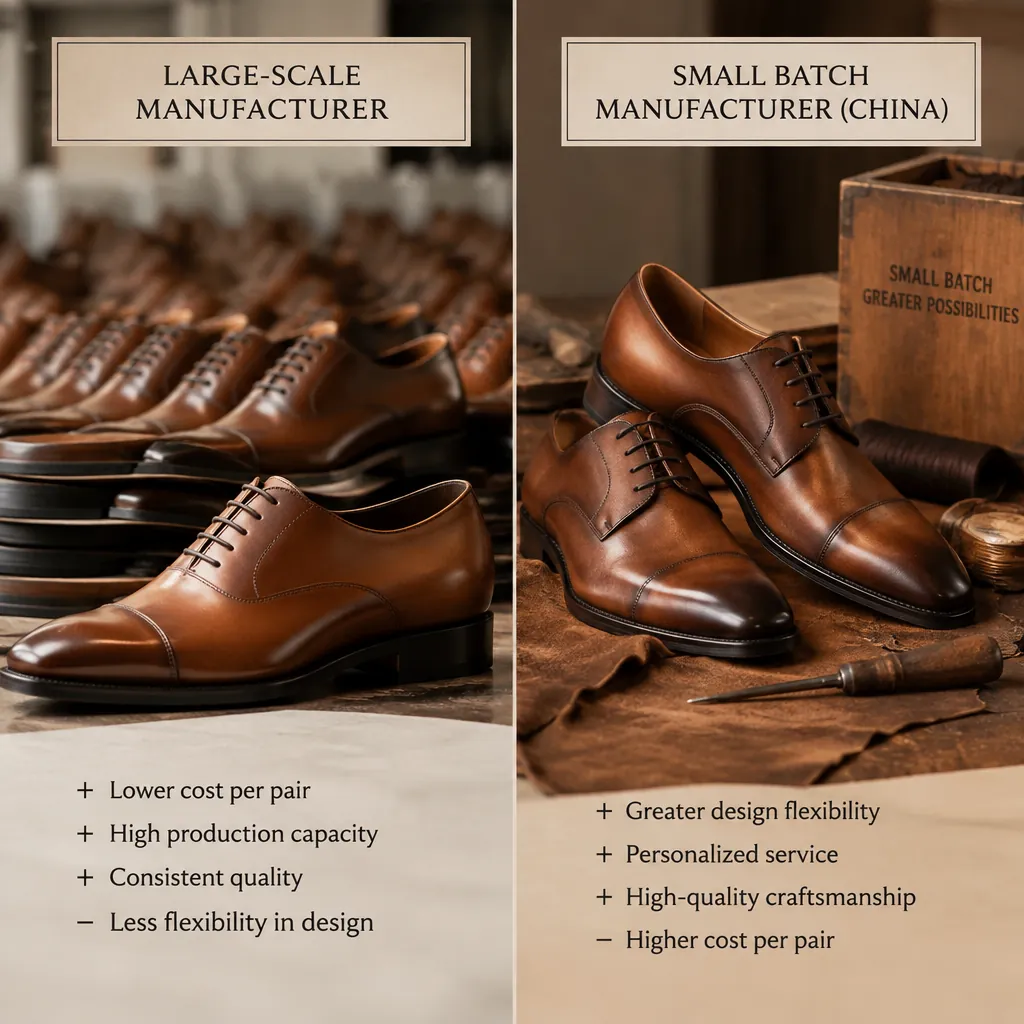
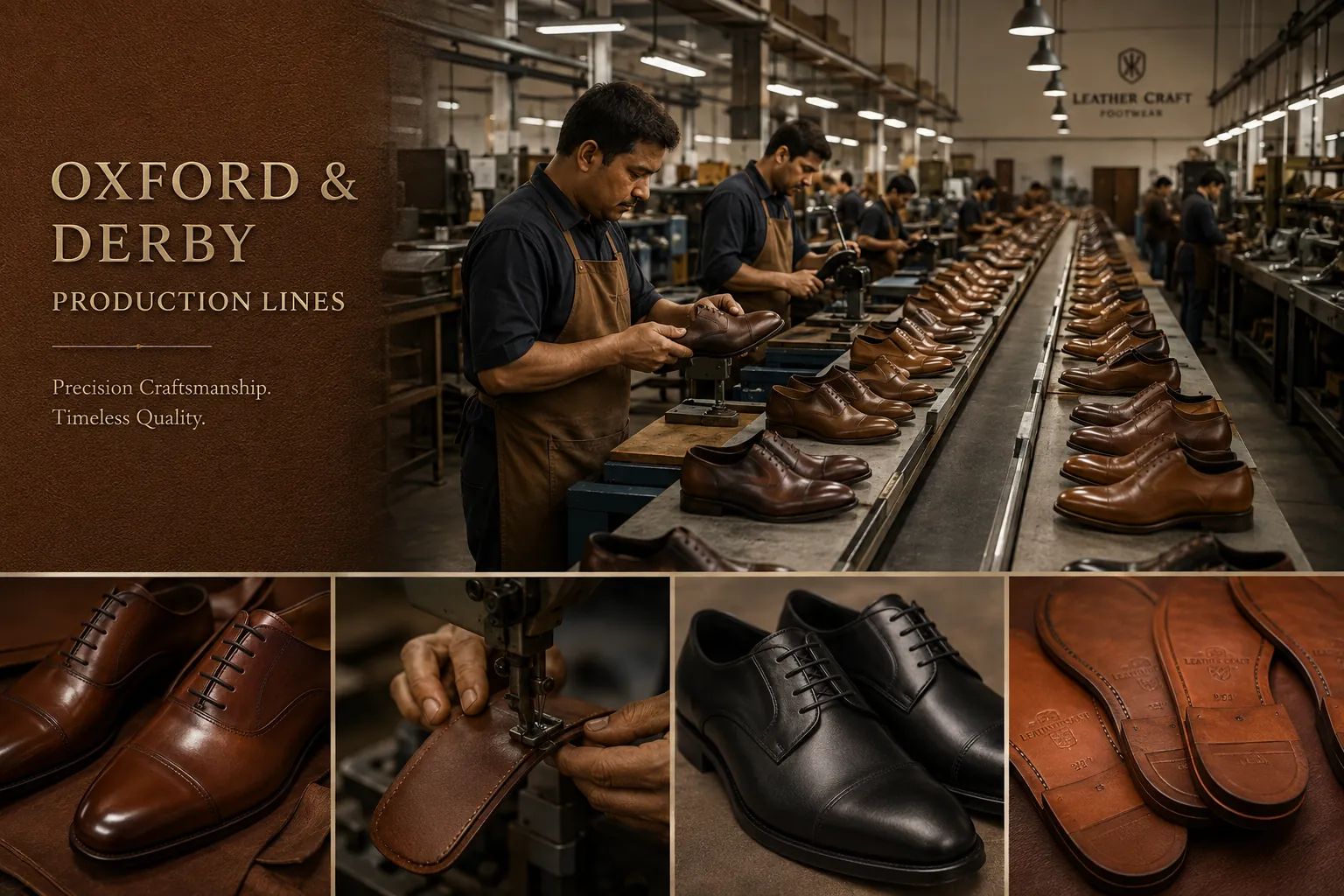
While traditional cobblers can make shoes entirely by hand, modern factories use:
Automated Systems
- Laser cutters (0.01mm precision)
- Computerized stitching machines
- Robotic adhesive applicators
Custom Craftsmanship
- Hand-lasting techniques
- Bespoke embroidery
- Artisanal burnishing
The global footwear market ($365.5 billion in 2023) balances mass production efficiency with growing demand for handmade luxury shoes.
7. Specialized Footwear Production
Different shoe types require unique approaches:
Athletic Shoes
- Injection-molded midsoles
- Breathable knit uppers
- Shock-absorbing heel counters
Dress Shoes
- Broguing perforations
- Burnished toe caps
- Leather sole channeling
Safety Boots
- Steel toe inserts
- Anti-static materials
- Puncture-resistant soles
8. Environmental Innovations
Sustainable shoe manufacturing focuses on:
- Plant-based leather alternatives (mushroom, pineapple)
- 3D-printed soles from recycled plastics
- Waterless dyeing techniques
- Closed-loop production systems
Final Step: From Factory to Feet
Before reaching consumers, shoes undergo:
- Branding application
- Protective packaging
- Climate-controlled storage
- Worldwide distribution