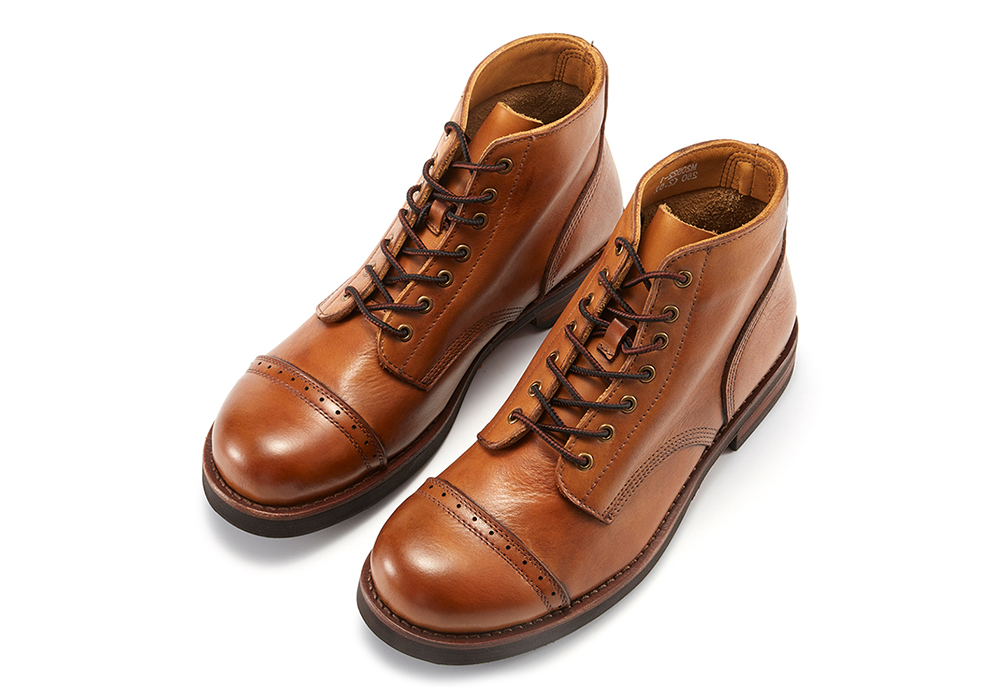
Choosing the right hiking shoes is crucial for comfort, safety, and performance on the trail. Whether you’re planning a day hike or a multi-day trek, the right footwear can make all the difference. In this guide, we’ll walk you through the key factors to consider when selecting hiking shoes, from terrain and fit to materials and support.
Step 1: Determine Your Hiking Needs
Before buying hiking shoes, think about the type of hiking you’ll be doing:
- Day Hikes: Short, casual hikes on well-maintained trails.
- Multi-Day Hikes: Longer treks through varied terrain.
- Mountaineering: Extreme hikes requiring heavy-duty boots and crampons.
Your hiking style will dictate the level of durability, support, and protection you need.
Step 2: Understand the Types of Hiking Shoes
1. Low-Cut Shoes
- Best For: Day hikes and light trails.
- Features: Lightweight, flexible, and breathable.
- Pros: Comfortable for short distances, easy to break in.
- Cons: Limited ankle support, not ideal for rough terrain.
2. Mid-Cut Boots
- Best For: Multi-day hikes and moderate terrain.
- Features: Durable, water-resistant, and supportive.
- Pros: Excellent ankle support, suitable for carrying heavy loads.
- Cons: Heavier and less breathable than hiking shoes.
3. High-Cut Boots
- Best For: Technical climbs and extreme conditions.
- Features: Rigid, insulated, and compatible with crampons.
- Pros: Maximum protection and stability.
- Cons: Heavy and less comfortable for casual hiking.
Step 3: Focus on Fit and Comfort
A proper fit is essential to prevent blisters, hot spots, and foot fatigue. Follow these tips:
- Try Before You Buy: Always try on hiking shoes with the socks you plan to wear.
- Check Toe Room: Leave about a thumb’s width of space between your longest toe and the shoe’s front.
- Test the Heel: Ensure the heel fits snugly without slipping.
- Walk Around: Test the shoes on an incline or uneven surface to assess comfort and support.
Remember, most hiking shoes require a break-in period. Wear them on short walks before tackling long hikes.
Step 4: Consider Materials and Features
1. Leather Boots
- Pros: Durable, water-resistant, and rugged.
- Cons: Heavy and less breathable.
- Best For: Multi-day hikes and rough terrain.
2. Synthetic Boots
- Pros: Lightweight, breathable, and quick-drying.
- Cons: Less durable than leather.
- Best For: Day hikes and warm weather.
3. Waterproofing
- Look For: Shoes with waterproof membranes like Gore-Tex.
- Pros: Keeps feet dry in wet conditions.
- Cons: Can reduce breathability.
4. Traction and Support
- Look For: Rugged soles with deep lugs for grip.
- Ensure: Adequate arch support and cushioning for long hikes.
Step 5: Match Shoes to Terrain and Weather
- Flat Trails: Lightweight hiking shoes or low-cut boots.
- Rocky Terrain: Mid-cut boots with sturdy soles and ankle support.
- Wet Conditions: Waterproof boots with excellent traction.
- Cold Weather: Insulated boots with thermal lining.
Step 6: Set a Budget
Hiking shoes range from affordable to high-end. While it’s tempting to go for the cheapest option, investing in quality footwear can save you from discomfort and injuries. Look for shoes that balance cost with durability and features.
Step 7: Break In Your Shoes
Never wear new hiking shoes on a long hike. Break them in by wearing them on short walks or around the house. This helps the shoes mold to your feet and reduces the risk of blisters.
Conclusion
Choosing the best hiking shoes depends on your hiking style, terrain, and personal preferences. By focusing on fit, materials, and support, you can find the perfect pair for your adventures. Explore our collection on Alibaba to discover high-quality hiking shoes that