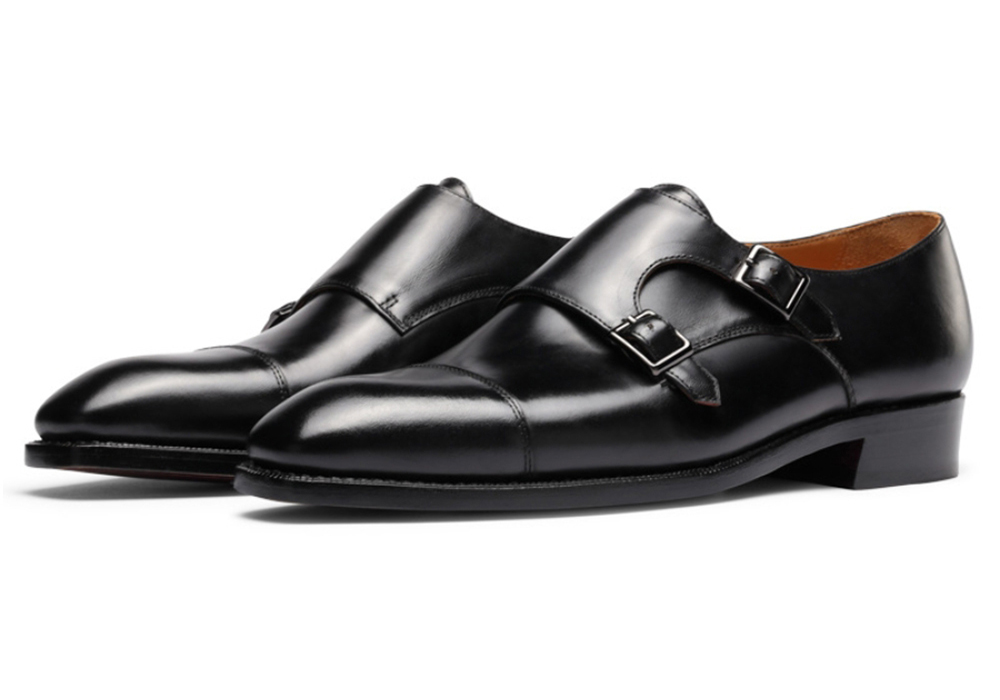
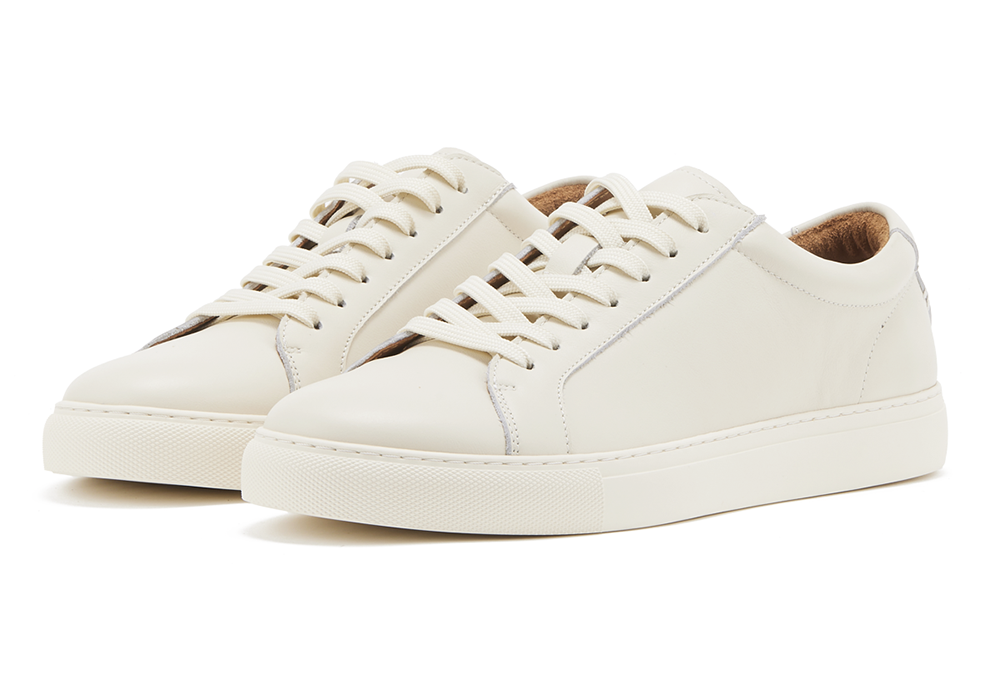
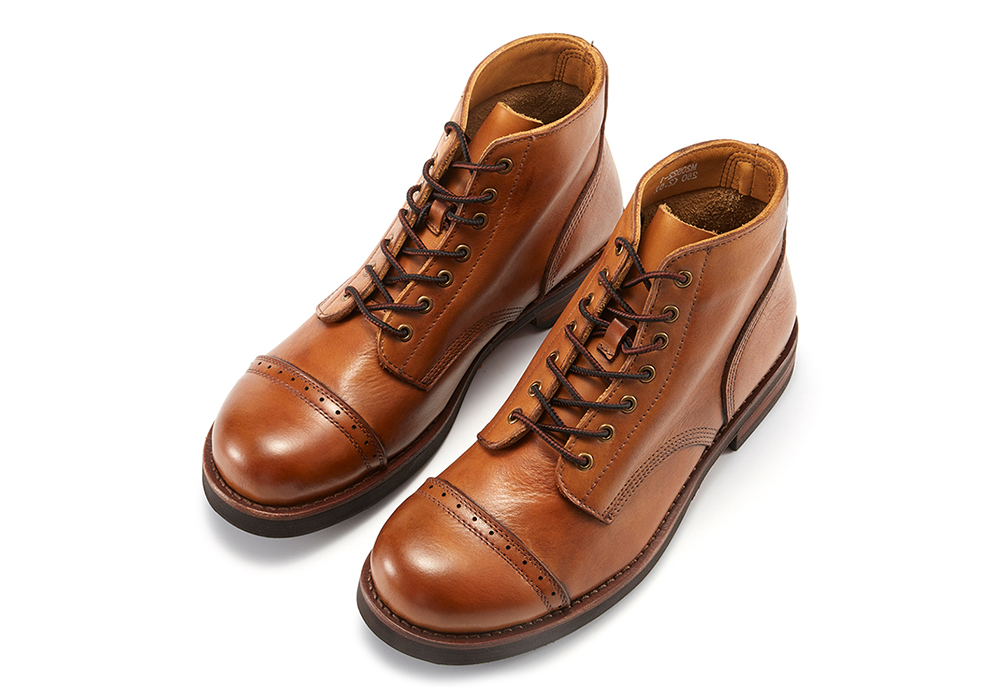
When sourcing footwear, understanding the difference between OEM shoes and ODM shoes is crucial. Both options have their advantages, but the right choice depends on your business model, budget, and goals. Here’s a detailed breakdown to help you decide which option is best for your brand.
What Are OEM Shoes?
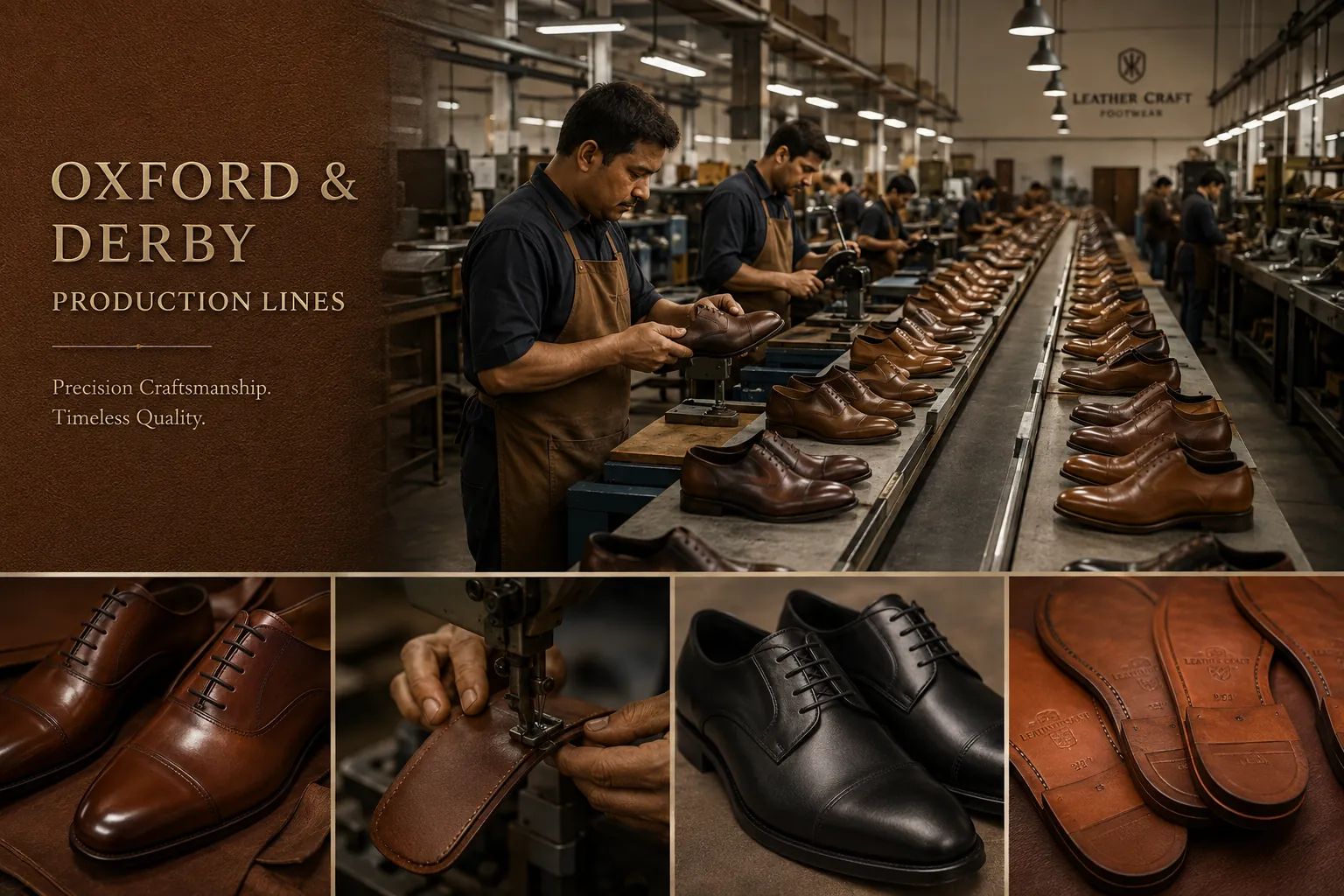
OEM shoes are produced by an OEM shoes manufacturer based on your designs. This option is ideal if you have a clear vision for your footwear and want full control over the production process. An OEM shoes factory will handle everything from material sourcing to manufacturing, ensuring your specifications are met. This level of customization allows you to create unique products that reflect your brand’s identity.
What Are ODM Shoes?
ODM shoes, on the other hand, are pre-designed by an ODM shoes manufacturer. You can customize these designs to some extent, but the base model remains the same. This option is perfect for businesses that want to save time and resources on design. By partnering with an ODM shoes supplier, you can quickly bring new products to market without the need for extensive R&D.
Key Considerations
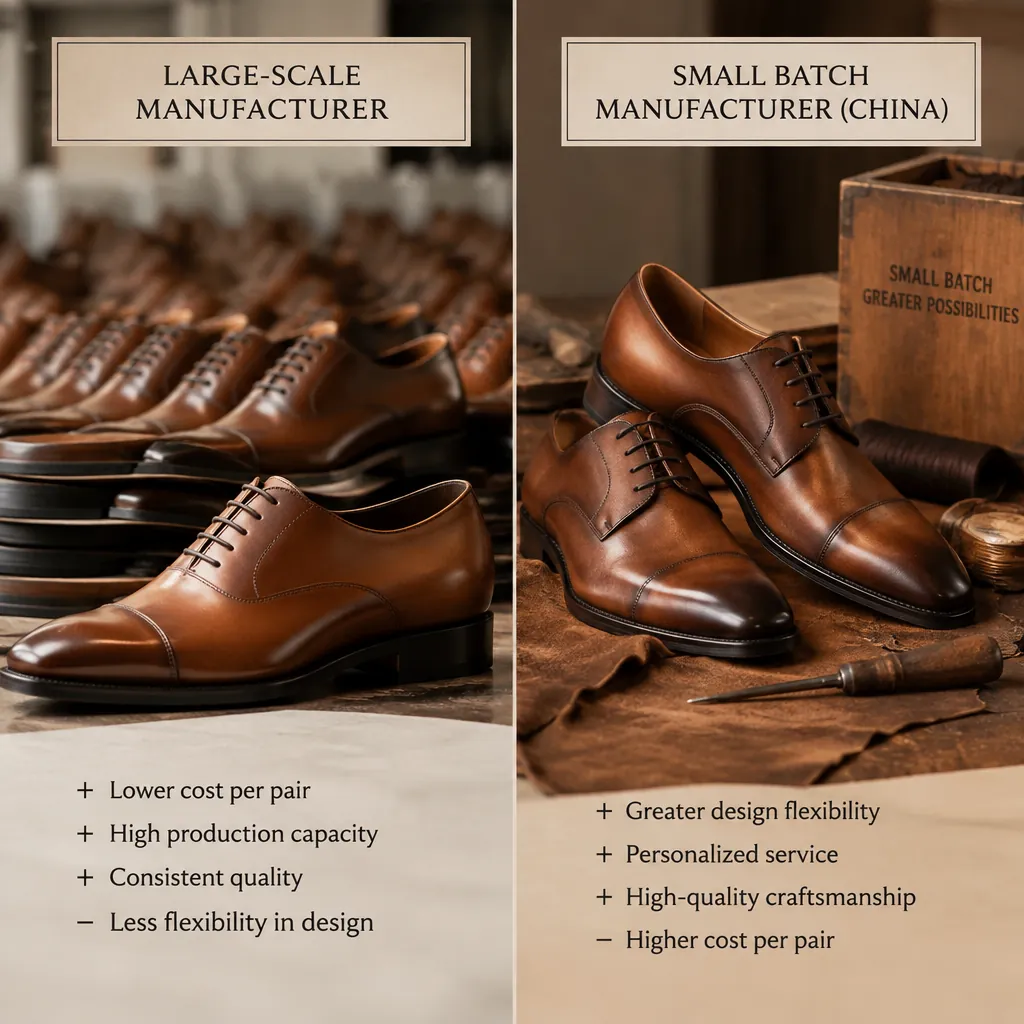
When choosing between an OEM shoes supplier and an ODM shoes supplier, consider factors like budget, timeline, and design requirements. If you’re a startup with limited resources, partnering with an ODM shoes factory might be more practical. However, if you have a unique vision and want to create a distinct product line, an OEM shoes manufacturer is the way to go.
Get more specific than that by scoring both models against five practical factors: design control (OEM gives you full control; ODM starts from factory base models), time to market (ODM samples faster because patterns already exist), budget (ODM skips development costs; OEM amortizes them across your order), MOQ (production orders at Wincheer start at 60 pairs, with single-pair samples available), and brand protection (OEM keeps your designs exclusive; ODM base models are shared across customers unless you negotiate exclusivity).
Many brands end up blending the two: ODM base models for the first season’s cash flow, then OEM development on proven sellers. If you want factory input on which of your designs are production-ready, custom shoes and private label programs sit between the extremes – you bring the branding and market knowledge while the factory contributes lasts, materials, and production engineering.
Final Thoughts
Both OEM and ODM shoes offer unique benefits. By understanding your needs and evaluating your options, you can make an informed decision that aligns with your business strategy. Whether you choose an OEM shoes factory or an ODM shoes supplier, the right partner will help you achieve your goals and drive long-term success.
Need a Casual Shoe OEM/ODM Manufacturer in China?
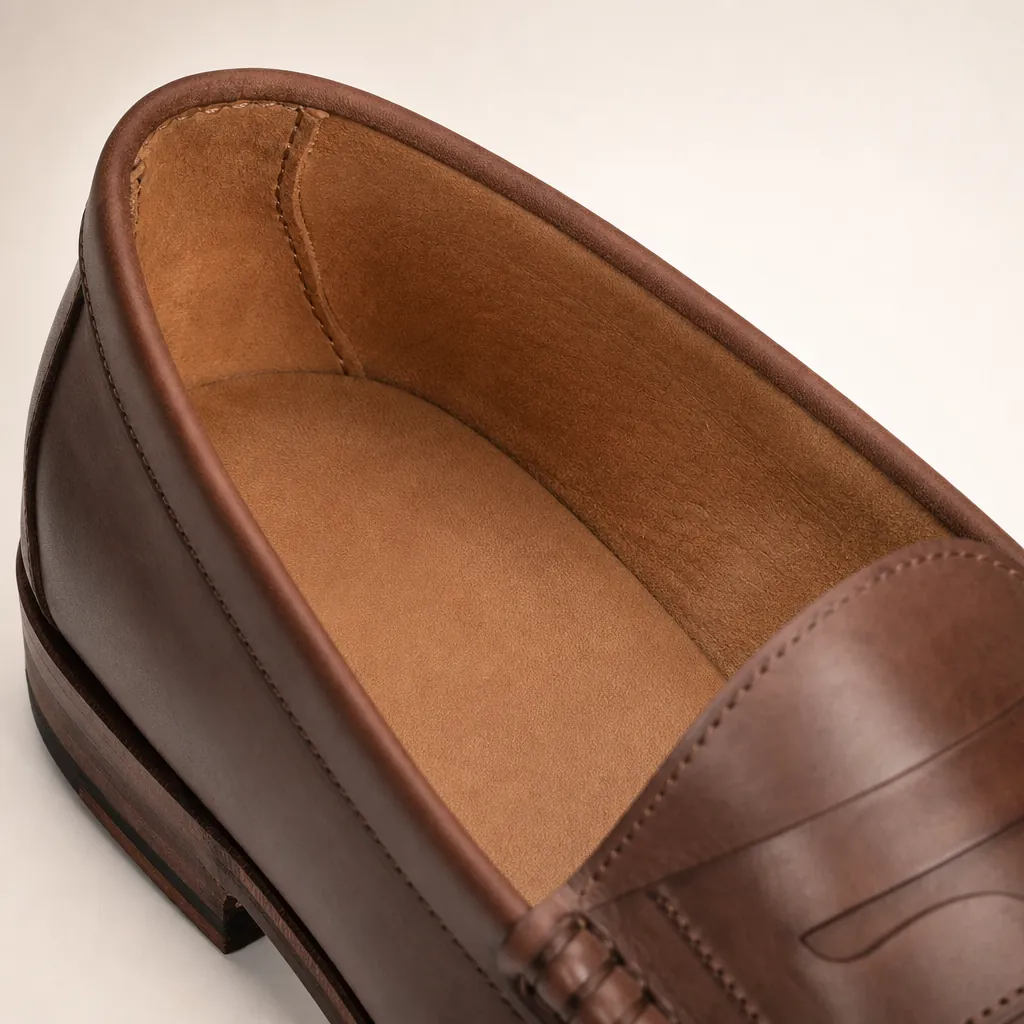
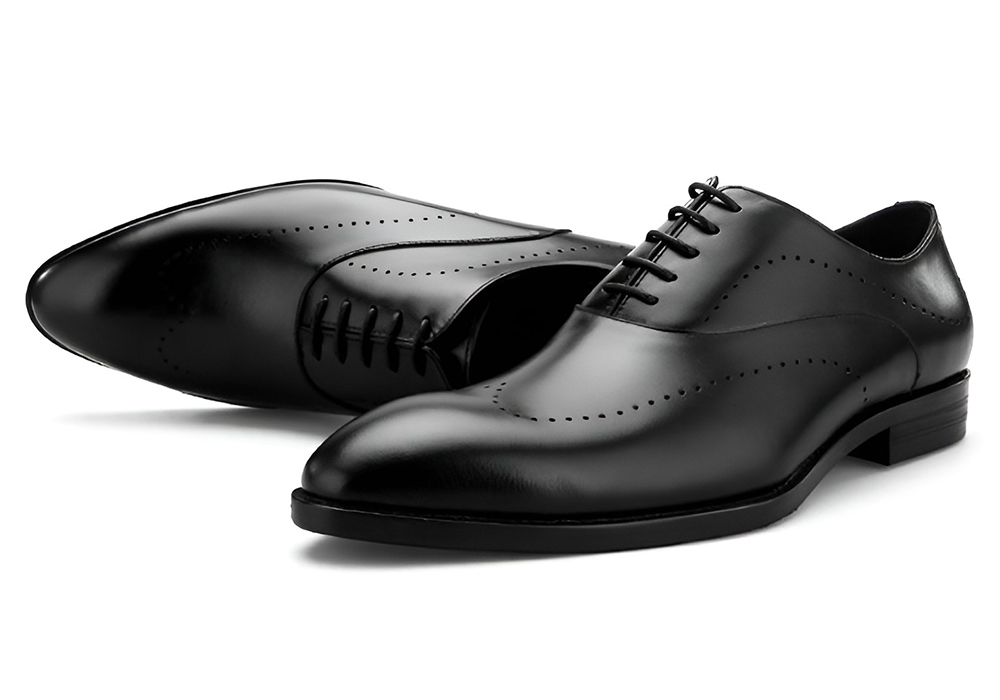
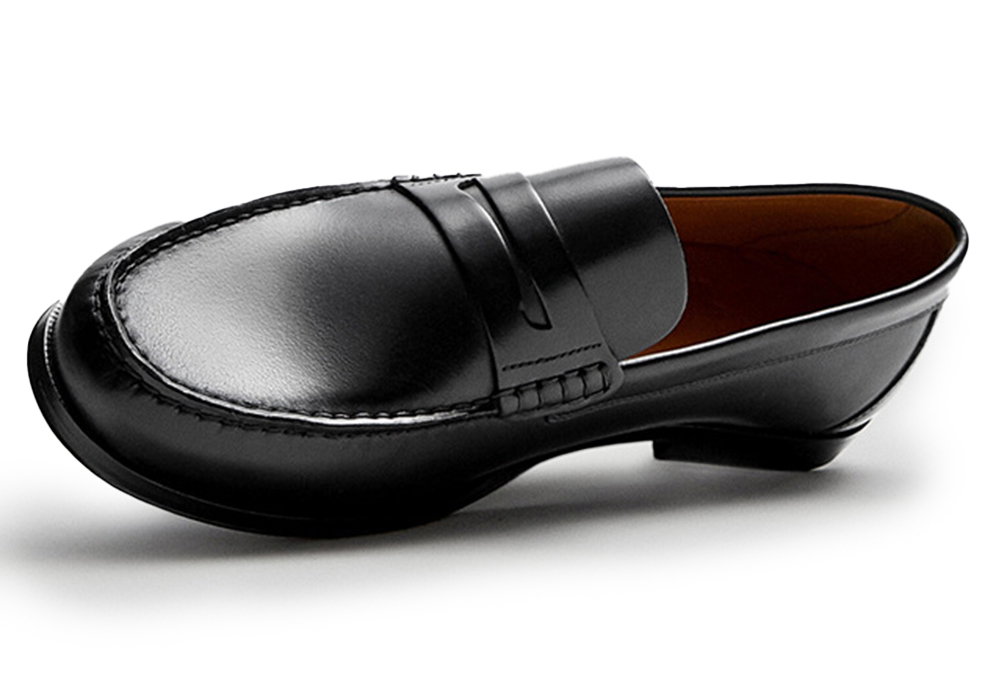
If your program is casual leather shoes — loafers, derby, monk strap or walking-style designs — WinCheer Shoes Co., Ltd. runs both OEM and ODM production from its factory in Jiangmen, 1.5 hours from Guangzhou, with showrooms in Shanghai and Jiangmen. MOQ starts from 1 pair for samples and 60 pairs for production; pricing typically lands between $25 and $40 per pair depending on leather, construction and branding. For resale programs, see our wholesale leather shoes for resale guide, or browse the loafer, derby and monk strap collections to see ODM base models. Still comparing factories? Start with how to find shoe manufacturers in China.