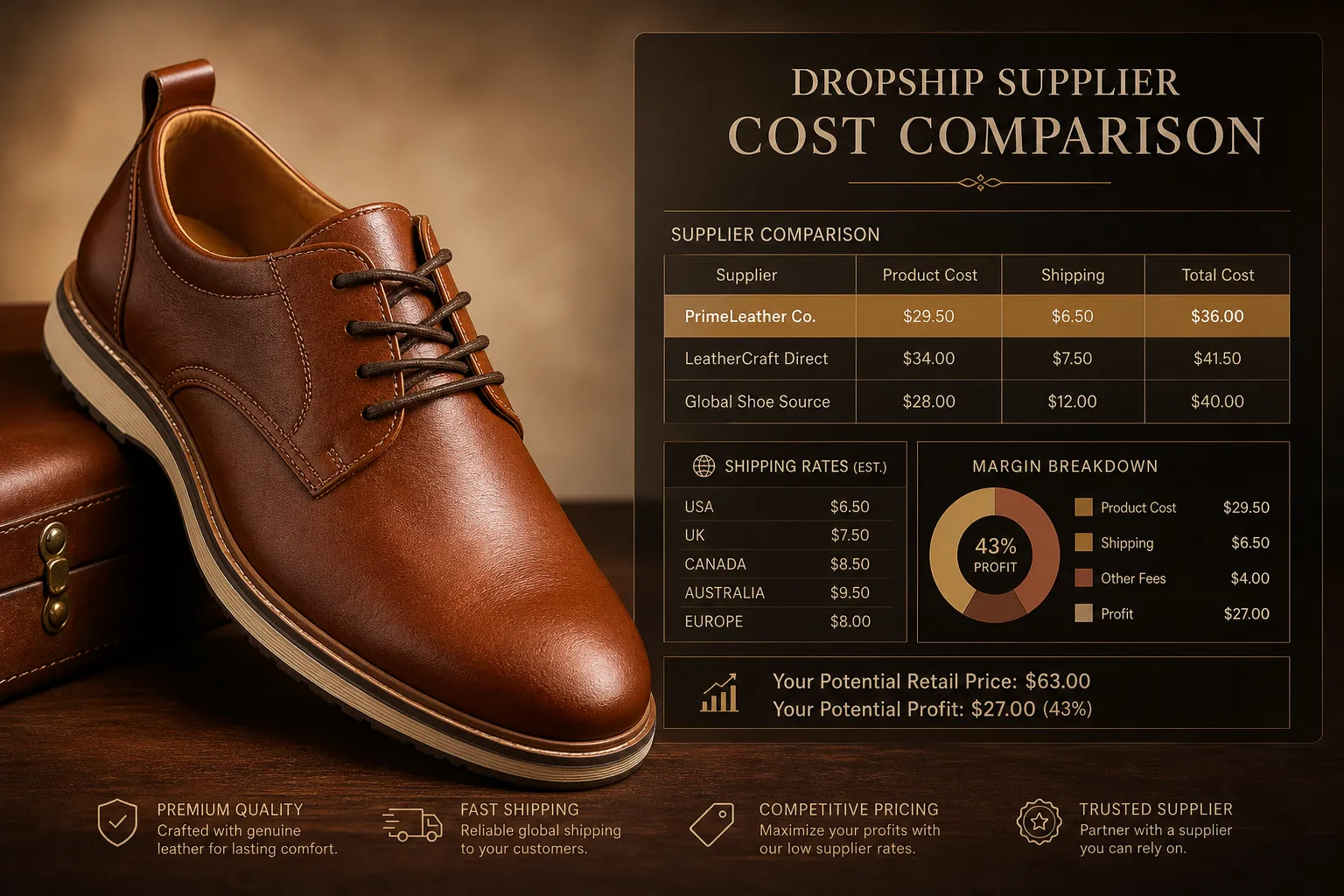

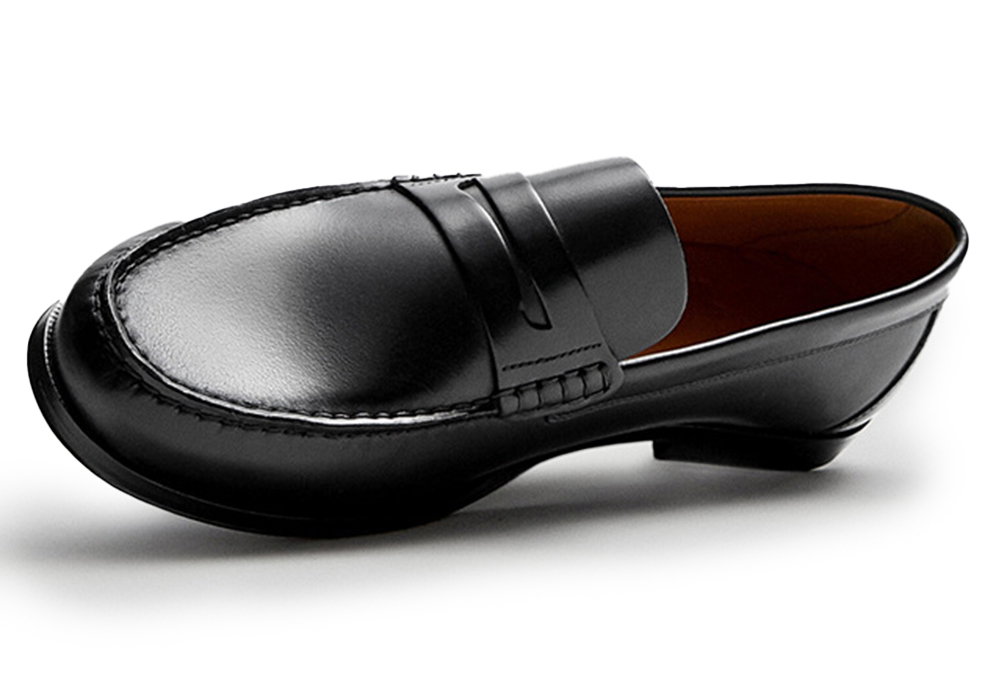
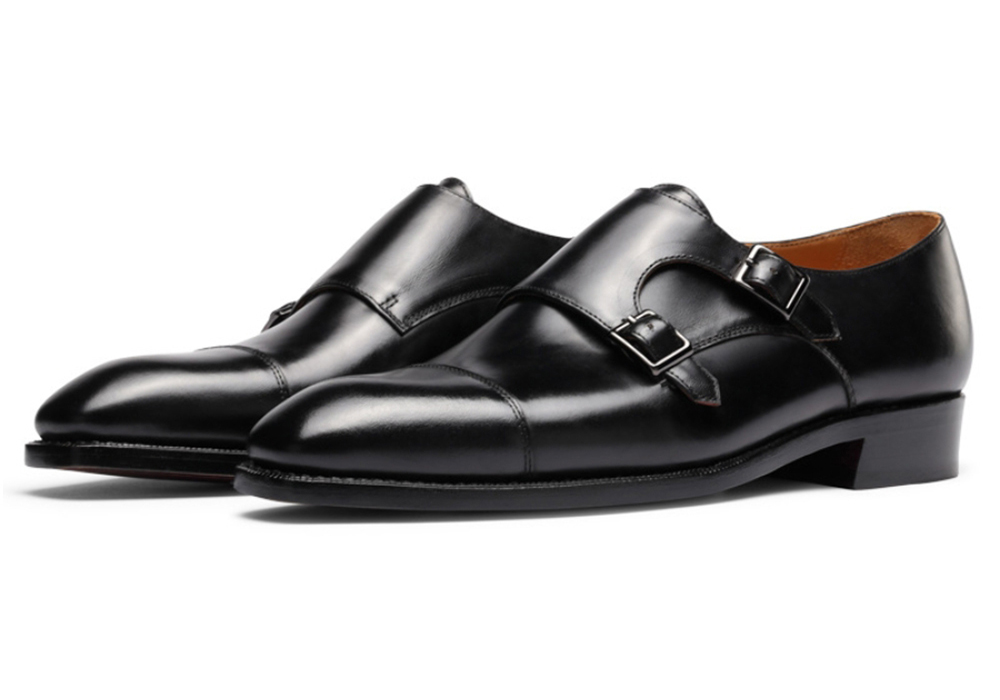
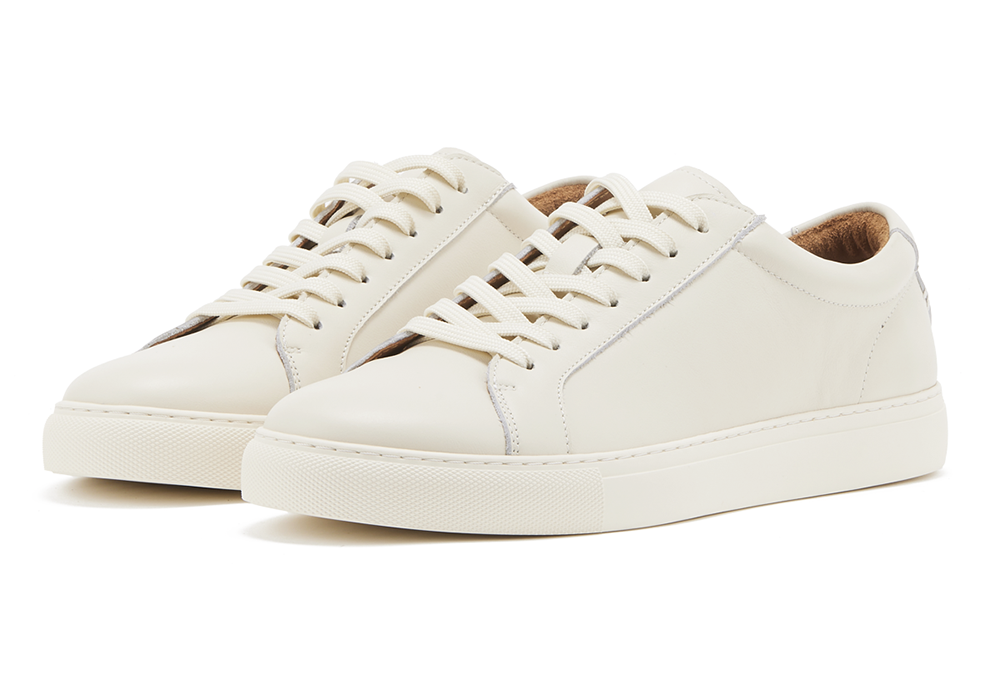
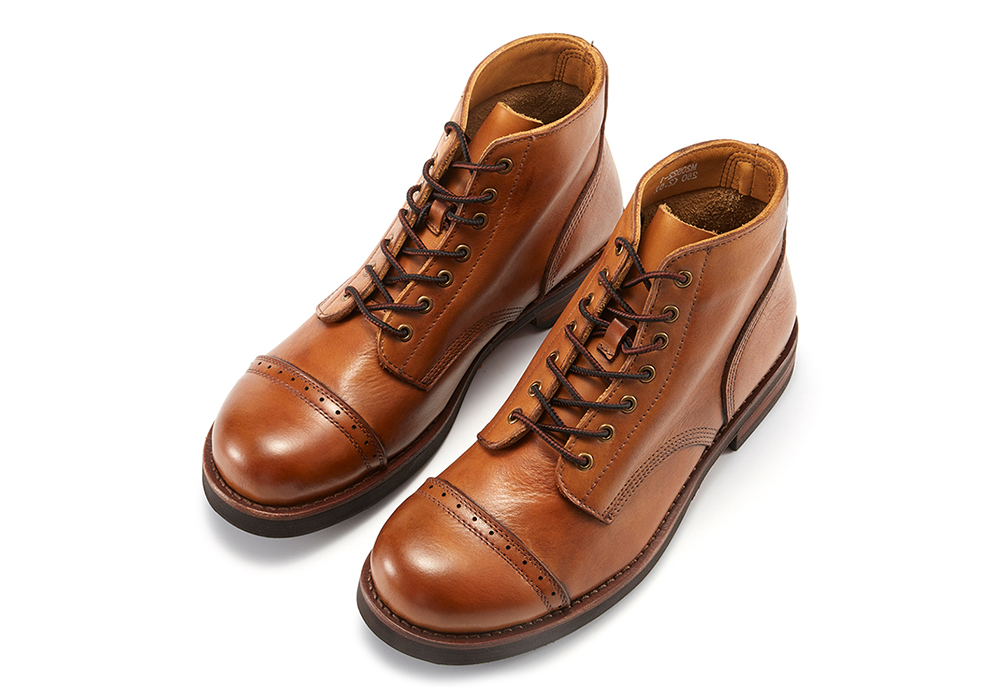
Quick answer for private label buyers: Sourcing private label footwear in Germany or Europe is the right call for EU-local production — the 10 verified German suppliers below excel at heritage craftsmanship and short EU shipping lanes. But if you need lower MOQs and lower unit cost, a China OEM factory like Wincheer Shoes Co., Ltd. (est. 2007, Jiangmen production lines, 500,000 pairs/year) produces private label men’s leather shoes from a 60-pair MOQ at $25–40/pair factory-gate, with CE (EN ISO 20347), REACH, and RoHS compliance. Many European brands split production: German design and QA, Chinese OEM manufacturing — cutting landed cost 40–60%. The profiles below show where each supplier wins.
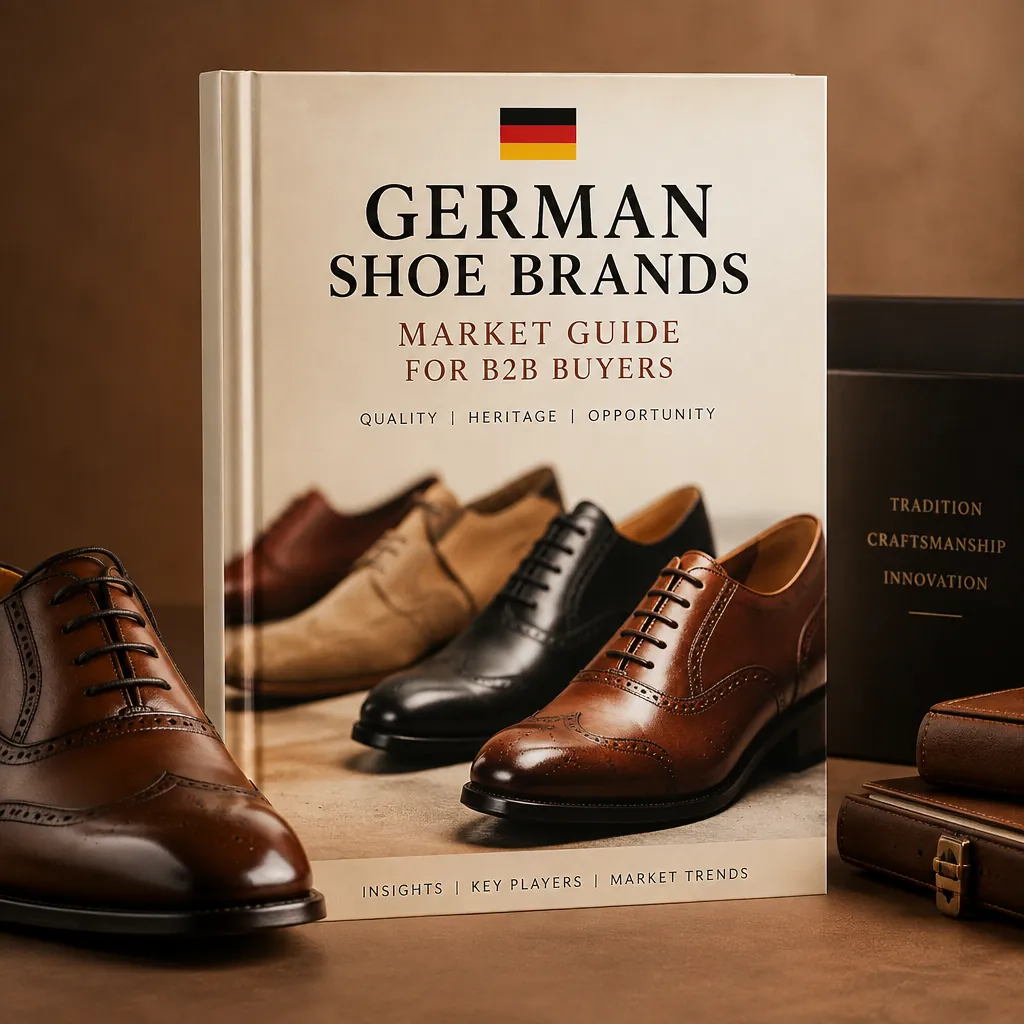
Germany’s footwear scene boasts both heritage and innovation, making it home to some of the world’s most respected shoe suppliers. From avant-garde designers like Trippen to time‑honored manufacturers such as Ludwig Reiter, each brand brings its own expertise-be it handcrafted sophistication, athletic performance, or ergonomic comfort. This guide profiles the top 10 German shoe suppliers, highlighting their origins, specialties, and global reach.
Overview of the German Shoe Industry
Germany’s footwear market generated revenue of USD 13,107 million in 2023 and is projected to grow to USD 17,325 million by 2030, underscoring its robust consumer and export demand Grand View Research. The country hosts over 350 active footwear manufacturers, many concentrated in Bavaria and North Rhine‑Westphalia, reflecting a mix of artisanal workshops and large‑scale producers Statista. German shoemakers balance tradition—Goodyear welted classics, bespoke boots—with modern techniques in sustainability, comfort technology, and digital retail, positioning the industry for continued global leadership.
Top 10 Shoe Suppliers in Germany
1. Trippen
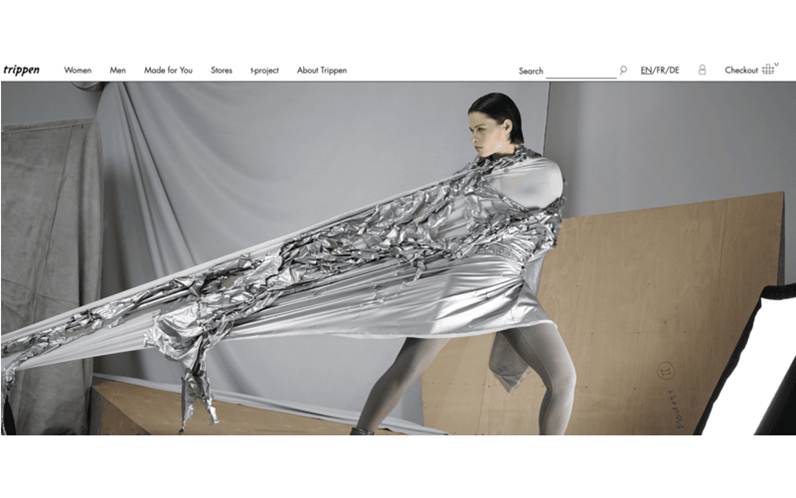
Trippen is a Berlin-based footwear label founded in 1991 by Wanja Jelinek and Noreen Mori, celebrated for its sculptural designs and eco‑conscious production en.trippen.com. Every collection is handmade in Trippen’s Zehdenick factory, where natural materials—vegetable‑tanned leathers and regenerated rubbers—are shaped into minimalist yet bold silhouettes en.trippen.com. Available in over 450 retailers across 40 countries, Trippen bridges avant‑garde fashion with durability and ethical sourcing en.trippen.com.
Best for: Designer boutiques and concept stores seeking distinctive, eco-conscious collections. Trippen sells its own brand through retail partners and does not offer private label contract manufacturing.
2. Hassia
Founded in 1884 in Frankfurt am Main, Hassia prioritizes anatomical fit and comfort, offering a wide range of narrow, medium, and wide‑width shoes HASSIA by HÖGL Shoe Fashion GmbH. The company combines traditional shoemaking with modern foot‐scan technology to craft premium comfort footwear, distributing to over 2,000 specialist retailers worldwide HASSIA by HÖGL Shoe Fashion GmbH.
Best for: Comfort-focused retailers and wide-fit programs. Hassia operates as a brand with a specialist retail network rather than as a contract manufacturer for third-party labels.
3. Rohde
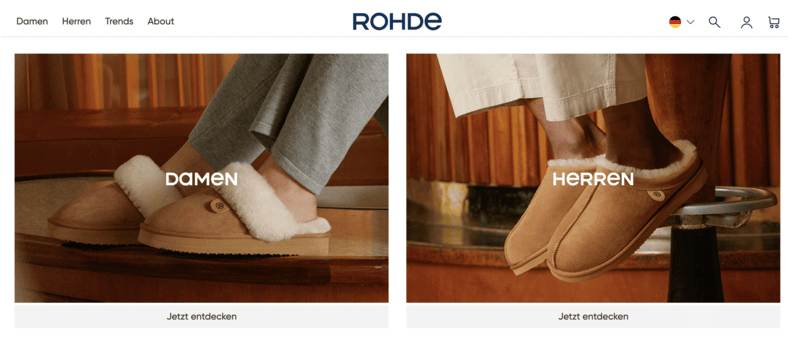
Rohde Shoes GmbH, established in 1862 by Erich Rohde in Schwalmstadt, Hesse, specializes in comfort and casual footwear for men and women Wikipedia. Today, Rohde operates three production sites and 3,200 European trading partners, offering ergonomic designs that emphasize slip resistance, cushioning, and breathable materials Wikipedia.
Best for: Volume comfort footwear distribution across Europe. Rohde works through an extensive trading-partner network; private label production is not its core model.
4. Meindl
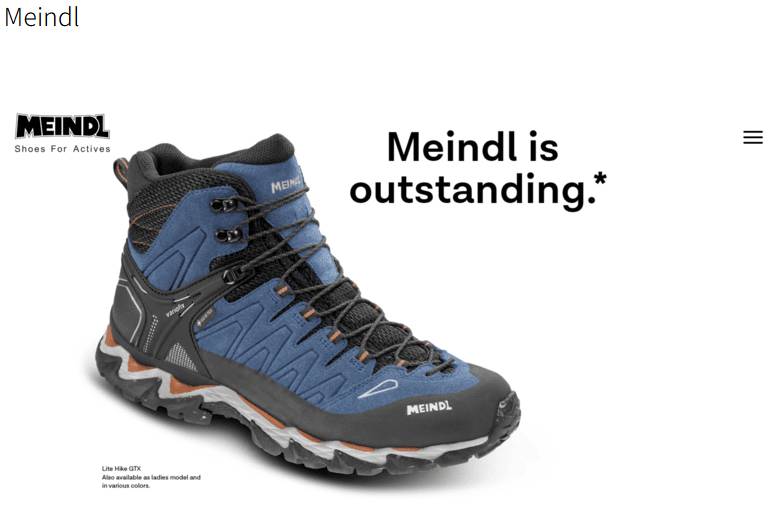
Meindl is one of the world’s oldest bootmakers, tracing its lineage to Petrus Meindl in 1683 in Kirchanschöring, Bavaria, with the formal Lukas Meindl GmbH & Co. KG founded in 1928 Wikipedia. Renowned for its hiking and outdoor boots, Meindl produces over one million pairs annually, supplying military forces and adventure athletes with high‑performance footwear Meindl UK.
Best for: Outdoor, hiking, and technical footwear programs. Meindl manufactures its own brand in Bavaria; large-volume buyers work with it as a brand supplier, not a white-label factory.
5. Brütting
Brütting & Co. EB‑Sport International GmbH, based in Küps, Bavaria, began in 1946 under Eugen Brütting to handcraft sports shoes tailored for athletes Wikipedia. Its iconic Roadrunner model and EB‑Lydiard line, developed with coach Arthur Lydiard, remain cult favorites among competitive runners seeking handmade spikes and trainers podiapaedia.org.
Best for: Athletic and running niche collections. Brütting is a specialist sports-shoe brand and does not position itself as a private label manufacturer.
6. Gabor
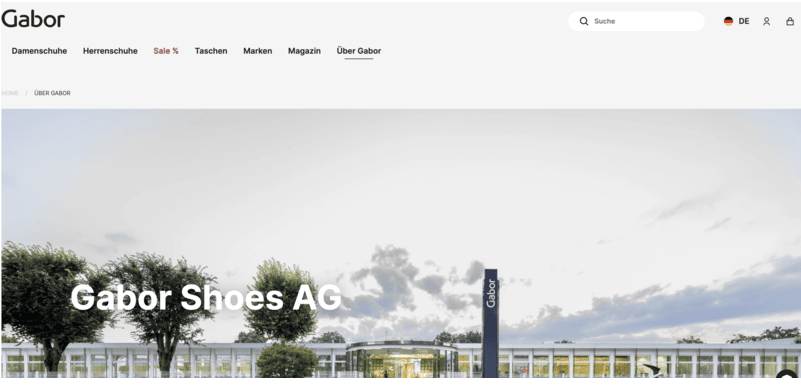
Gabor Shoes AG, founded by Joachim and Bernhard Gabor in 1949, has grown into a leading family‑owned brand headquartered in Rosenheim, Bavaria, with 395 employees and €264.8 million in revenue (2022) Wikipedia – Die freie Enzyklopädie. Gabor launches hundreds of models each season—particularly women’s fashion footwear—with production across Europe and Asia, earning awards for sustainability and digital innovation Wikipedia – Die freie Enzyklopädie.
Best for: Women’s fashion footwear retail. Gabor’s scale and European-Asian production base make it a strong brand partner, but it does not take on outside private label production.
7. Heinrich Dinkelacker
Heinrich Dinkelacker, established in 1879, is one of Germany’s most exclusive men’s shoe brands, specializing in Budapester‑style leather footwear from its Budapest‑inspired workshops journal.heinrich-dinkelacker.com. Each pair undergoes over 300 handcrafted steps using premium leathers and Goodyear‑welted construction, ensuring long‑lasting quality for discerning clientele Heinrich Dinkelacker COM.
Best for: Luxury menswear and heritage craftsmanship. Dinkelacker serves its own clientele including bespoke orders; it does not manufacture for other labels.
8. ZEHA Berlin
ZEHA Schuhfabrik Hohenleuben, founded in 1897 by Carl Häßner in Thuringia, rose to prominence as the official supplier to East German Olympic teams in the 1960s Wikipedia – Die freie Enzyklopädie. Revived in 2002 as ZEHA Berlin, the brand now offers retro‑inspired leather sneakers and refined casual shoes, designed in Berlin and produced in Portugal with EU‑certified leathers https://www.zeha-berlin.de/.
Best for: Retro and lifestyle sneaker programs. ZEHA is a design-led brand with EU production in Portugal; it sells collections rather than contract manufacturing services.
9. Ludwig Reiter
Ludwig Reiter Schuhmanufaktur GmbH, a Viennese shoemaker since 1885, remains family‑run in its fourth generation, crafting Goodyear‑welted footwear in Vienna through over 300 manual steps per pair Wikipedia – Die freie Enzyklopädie. Renowned for bespoke officers’ boots for the Austro‑Hungarian Empire, Ludwig Reiter blends imperial heritage with contemporary elegance in both classic and modern designs ludwig-reiter.com.
Best for: Heritage and bespoke luxury. Ludwig Reiter is a Viennese manufactory for its own brand, including made-to-measure work, rather than an OEM supplier.
10. Lloyd
Lloyd Shoes GmbH, founded in Bremen in 1888, is now headquartered in Sulingen, Lower Saxony, with 1,680 employees and €114.95 million in revenue (2022) Wikipedia – Die freie Enzyklopädie. A premium segment leader in men’s and women’s leather shoes, Lloyd transitioned most production to Romania and India post‑2020, while maintaining German design and quality standards Wikipedia – Die freie Enzyklopädie.
Best for: Premium men’s and women’s retail collections. Lloyd’s own production now sits in Romania and India, a model that mirrors what many European brands do when they outgrow German manufacturing costs.
Supplier Comparison at a Glance
| Supplier | Specialty | Production base | Private label access |
|---|---|---|---|
| Trippen | Avant-garde eco design | Germany (Zehdenick) | Own brand only |
| Hassia | Comfort, multiple widths | Germany | Own brand; retail network |
| Rohde | Comfort & casual | Germany (3 sites) | Own brand; 3,200 EU partners |
| Meindl | Hiking & outdoor boots | Germany (Bavaria) | Own brand |
| Brütting | Running shoes | Germany (Küps) | Own brand |
| Gabor | Women’s fashion footwear | Europe & Asia | Own brand; retail distribution |
| Heinrich Dinkelacker | Luxury men’s Budapester | Germany | Own brand; bespoke |
| ZEHA Berlin | Retro leather sneakers | Portugal (EU) | Own brand |
| Ludwig Reiter | Goodyear-welted classics | Austria (Vienna) | Own brand; bespoke |
| Lloyd | Premium men’s & women’s | Romania & India | Own brand; retail |
The pattern is clear: Germany’s top shoe suppliers are brand owners, not contract manufacturers. For private label buyers, that means direct OEM terms are rarely on the table — which is why the sourcing question quickly turns from “which German factory” to “Germany or offshore.”
What to Ask a German Supplier Before Committing
Before signing with any supplier on this list — or deciding to look offshore — get written answers to five questions:
- MOQ per style and color. German workshops typically start at 500–1,000 pairs per style; confirm whether the number applies per style, per color, or per size run.
- Where production actually happens. Several “German” brands now produce in Romania, Portugal, or Asia. Ask which factory will make your shoes and request its audit reports.
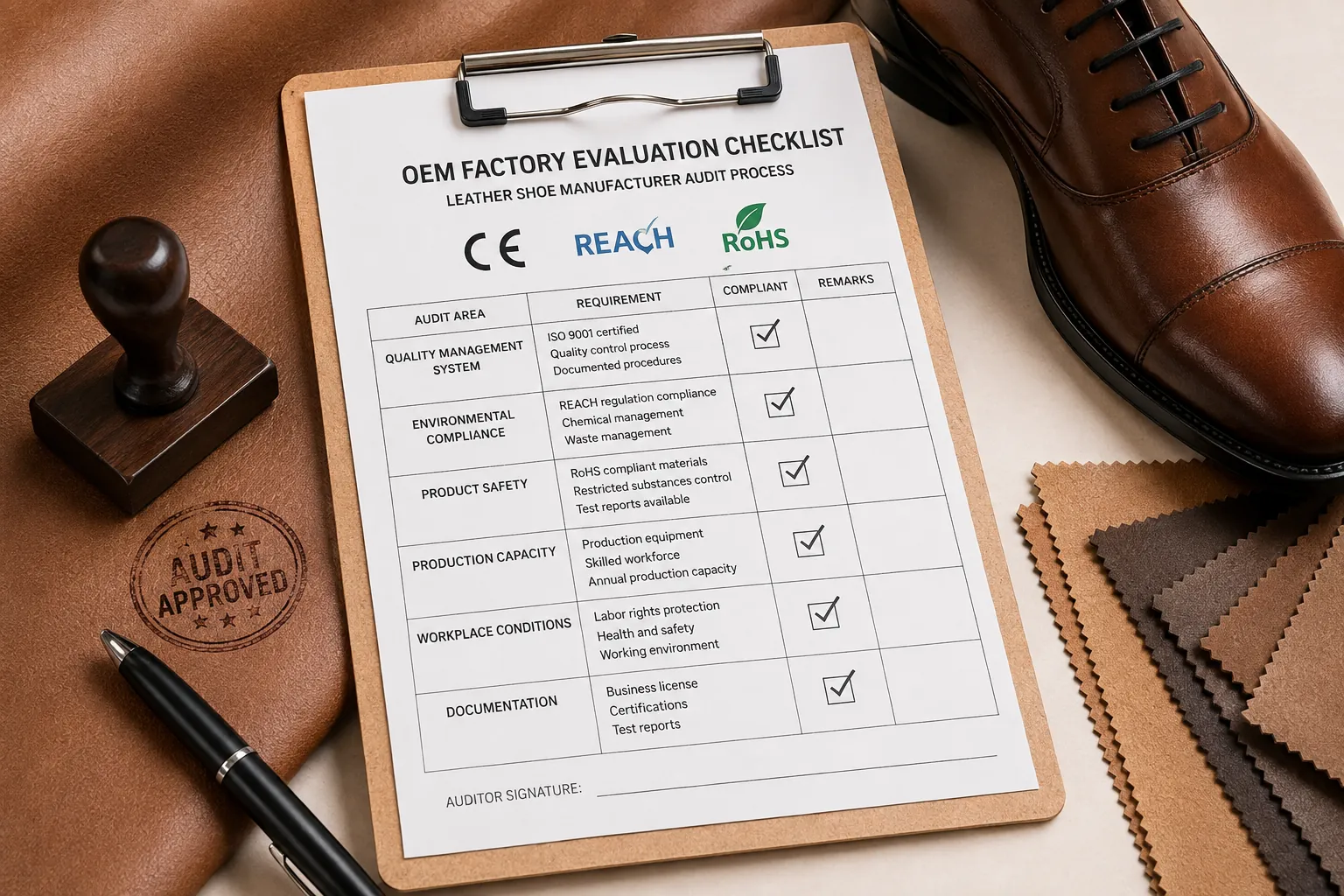
- Certifications and test reports. For EU sale, ask for REACH-compliant material declarations and, for occupational lines, EN ISO 20347 test reports from an accredited lab.
- Sampling cost and lead time. Prototype and confirmation-sample fees vary widely; typical development lead time runs 4–12 weeks before bulk production can start.
- Private label terms. Confirm whether the company accepts third-party branding at all — most on this list do not — and who owns the lasts and patterns after development.
Private Label Footwear Manufacturing in Europe: Germany vs China
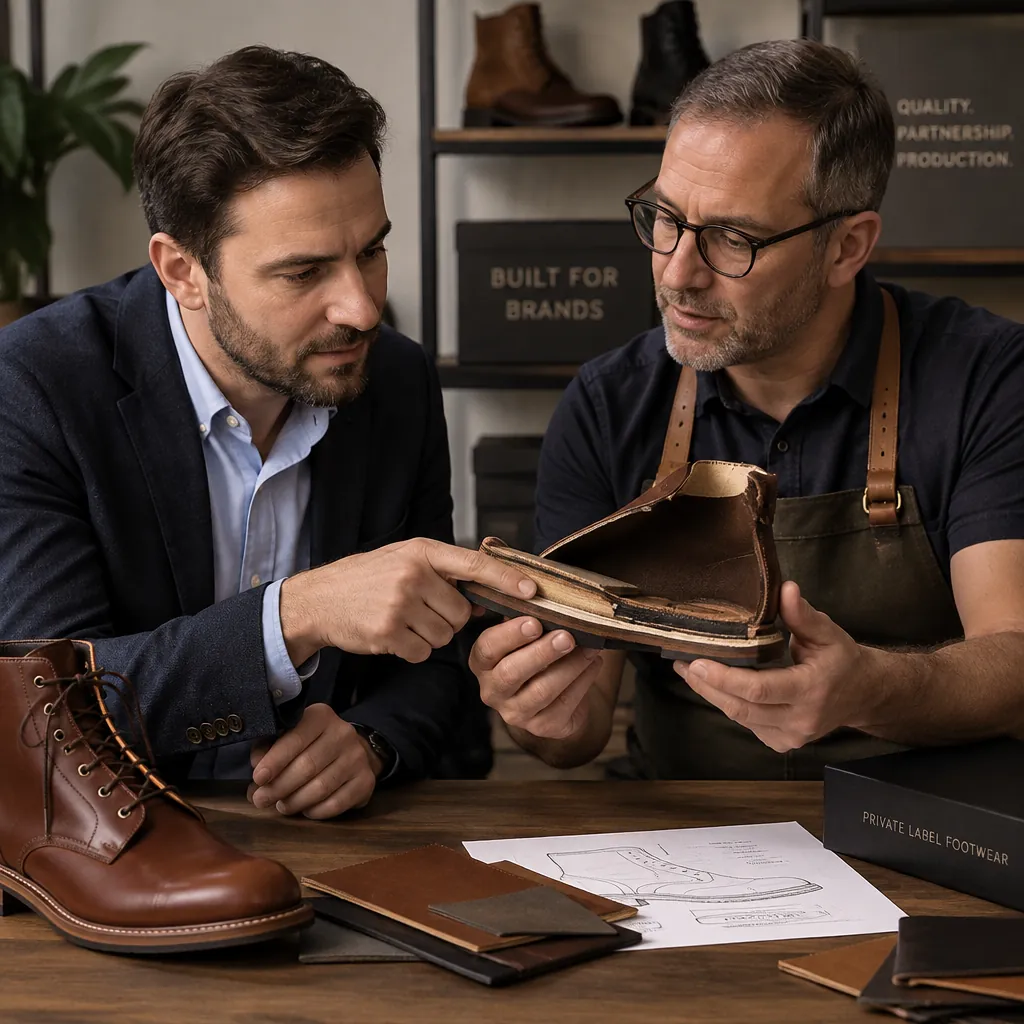
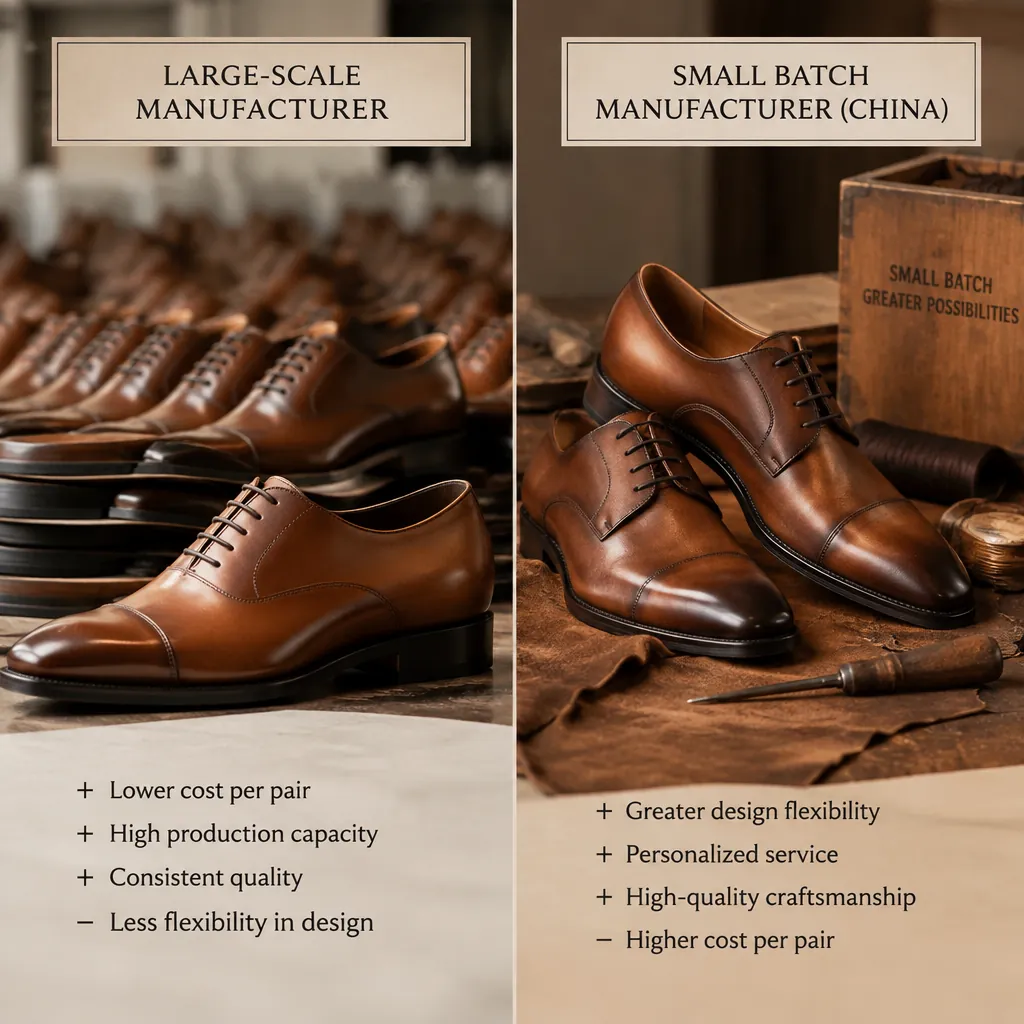
European brands searching for a private label footwear manufacturer in Europe or Germany face a structural trade-off: German factories excel at engineering and heritage craftsmanship, but pair MOQs typically start at 500–1,000 pairs per style and workshop pricing runs €120–300 per pair. For private label programs at startup or mid-market volumes, most German suppliers listed above are reachable only through their B2B licensing desks, not direct manufacturing. That is why an increasing share of European private label brands split production: German design and QA oversight, with men’s leather shoe manufacturing in China from a 60-pair MOQ at $25–40/pair. Wincheer Shoes runs this model directly — private label and OEM/ODM production of Derby, Oxford, and Loafer lines with CE, REACH, and RoHS compliance, plus export documentation handled for EU delivery. Discuss your private label program.
Whether you seek avant‑garde design, Olympic‑tested performance, or heirloom craftsmanship, Germany’s top shoe suppliers deliver excellence across every category. Applying the insights from this list will help you choose the perfect pair—tailored to your style, activity, and comfort needs.
Frequently Asked Questions: German Shoe Brands
Which are the most famous German shoe brands?
The best-known names among German shoe brands include Gabor and Lloyd for classic leather footwear, Meindl for handcrafted outdoor and mountain boots, Trippen for design-led sustainable shoes, and Rohde and Reiter Schuhmanufaktur for traditional German craftsmanship. Together they show the range of the German market: comfort classics, performance boots, and design-driven labels.
Do German shoe brands manufacture in China?
Many do. As the supplier comparison in this guide shows, German brands focus on design, branding, and quality control while volume production increasingly happens overseas — which is why Chinese OEM factories familiar with German buyer requirements (CE, REACH, RoHS compliance and documentation) are a common sourcing route for brands selling into Germany.
How do I choose a shoe supplier for the German market?
Vet suppliers on the four checks in this guide: verified certifications (CE, REACH, RoHS), transparent MOQ and tier pricing, documented quality control, and proven export experience with European buyers. Ask for unboxed samples and recent inspection records before committing to a first order.
Can Chinese OEMs supply private label shoes for German buyers?
Yes. Chinese OEMs such as Wincheer Shoes produce men’s leather footwear for European buyers at a 60-pair MOQ with CE, REACH, and RoHS compliance — a cost-effective complement to German or European sourcing, especially for private label programs that need low first-order quantities.
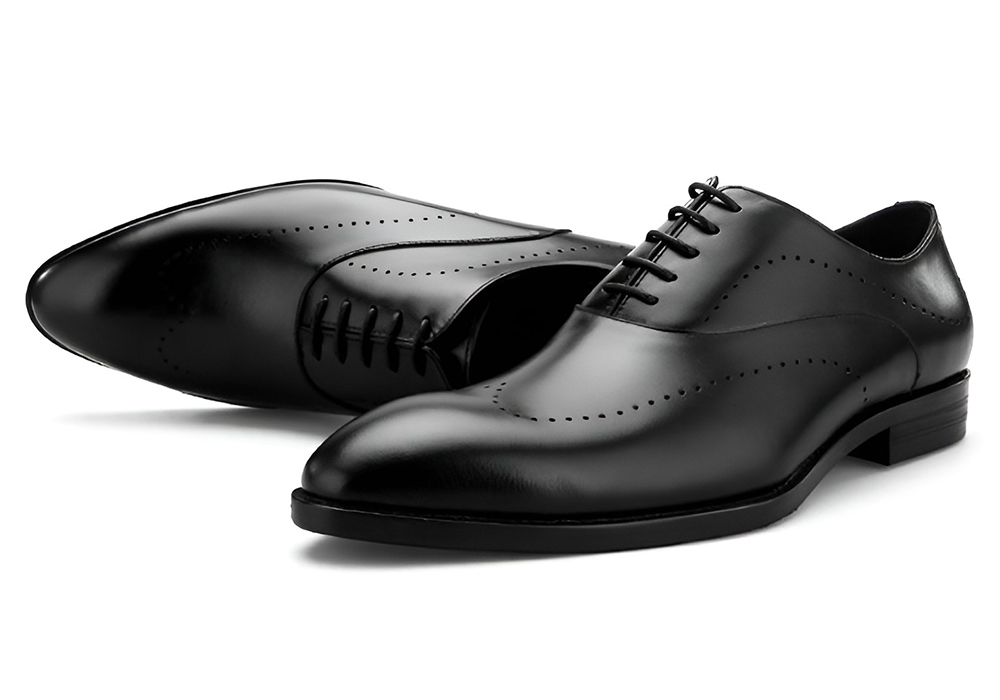
Considering OEM or ODM manufacturing? Wincheer Shoes produces men’s Derby shoes and Oxford shoes in China from a 60-pair MOQ at $25–40/pair, with CE, REACH, and RoHS compliance — a cost-effective complement to European sourcing. Request a quote.