When it comes to footwear, few names resonate as powerfully as Nike. As the global leader in athletic shoes and sportswear, Nike stands out for its innovation, quality, and brand appeal. In this article, I explore why Nike is consistently recognized as the No. 1 factory brand shoes in the world, examining its history, product innovation, marketing prowess, and financial performance.
The Rise of Nike: A Brief History
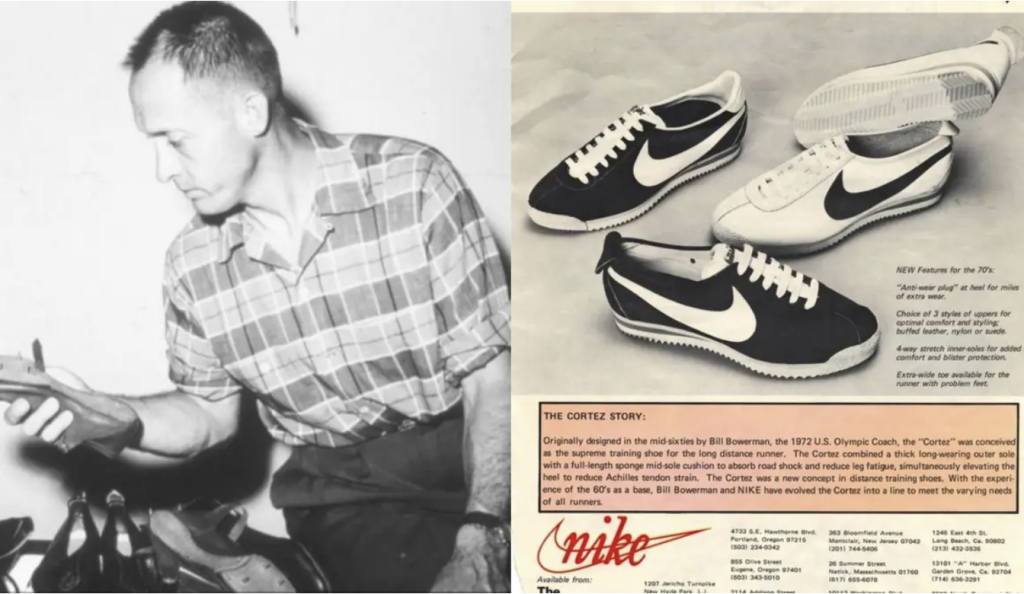
Nike, Inc. was founded in 1964 as Blue Ribbon Sports and officially became Nike in 1971. Over the decades, the company has grown from a small distributor to a global powerhouse in sportswear. Nike’s early success was fueled by its commitment to performance and design. The brand introduced breakthrough technologies such as the Nike Air cushioning system, which revolutionized the way athletes experienced comfort and support. This legacy of innovation set the stage for Nike to become synonymous with athletic excellence.
Innovative Product Technology
One of Nike’s most significant advantages is its relentless pursuit of innovation. The company continually invests in research and development to create products that push the boundaries of performance and design.
- Nike Air and Beyond: The introduction of Nike Air technology in the late 1970s changed the game for cushioning. This technology, which uses pressurized air to reduce impact, is now a staple across many Nike product lines. More recently, innovations like Flyknit—a lightweight, form-fitting upper material—have further cemented Nike’s reputation for technological leadership.
- Digital Integration: Nike is also at the forefront of digital innovation, using data analytics and wearable technology to enhance product performance. The integration of digital design tools allows Nike to rapidly prototype new designs, ensuring that the company remains agile in a fast-evolving market.
These advancements not only improve the performance of Nike’s shoes but also provide consumers with a unique blend of style and functionality.
Marketing Mastery and Global Branding
Nike’s marketing strategy is another cornerstone of its success. The company’s ability to create compelling narratives around its products has played a critical role in building its global brand.
- Iconic Campaigns: From the legendary “Just Do It” slogan to high-profile endorsements by athletes like Michael Jordan, LeBron James, and Serena Williams, Nike has built a brand that transcends sports. These campaigns resonate with consumers on an emotional level, inspiring them to achieve greatness.
- Digital and Social Media: Nike’s digital presence is equally impressive. Through innovative social media campaigns, influencer partnerships, and interactive apps like Nike Run Club, the brand engages a diverse audience worldwide.
- Sponsorships and Collaborations: Strategic sponsorships with major sports leagues and teams further enhance Nike’s visibility. Collaborations with renowned designers and cultural icons have also broadened its appeal beyond the realm of sports.
These marketing initiatives ensure that Nike remains at the forefront of consumers’ minds, reinforcing its status as the No. 1 shoe brand.
Financial Performance and Market Leadership
The financial success of Nike is a testament to its effective business strategies. Nike consistently reports robust revenue and profit growth, driven by both domestic and international sales.
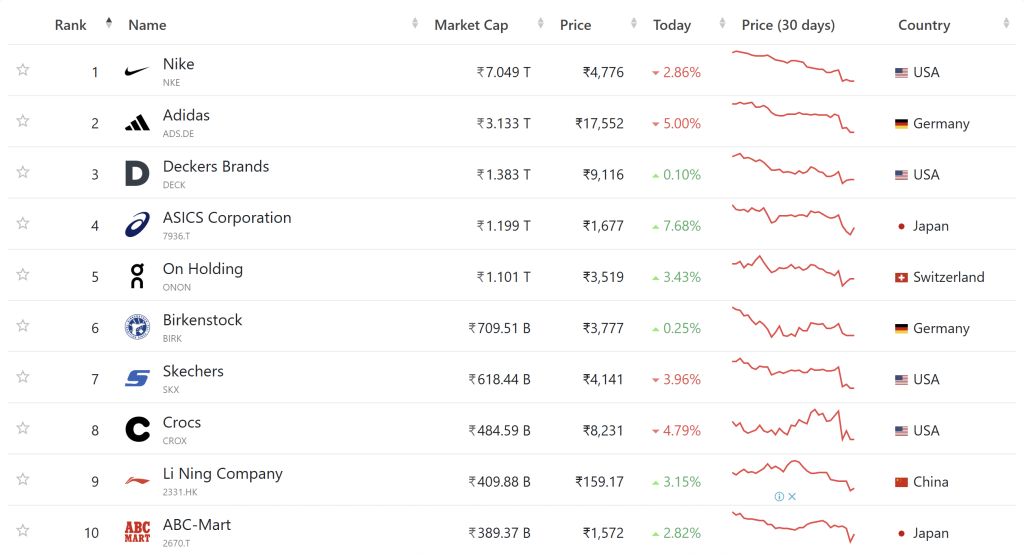
- Market Share: Nike holds a dominant share of the global athletic footwear market. According to recent reports from Statista and Forbes, Nike’s revenue far outpaces that of its closest competitors. This market leadership is reflected in its extensive retail network and strong online sales channels.
- Innovation Investment: A significant portion of Nike’s profits is reinvested into R&D. This continuous investment fuels product innovation and ensures that the company maintains its competitive edge.
- Global Reach: With operations in over 190 countries, Nike’s global footprint is unmatched. This extensive distribution network allows the company to reach a vast and diverse consumer base, further cementing its market dominance.
These financial and operational strengths illustrate why Nike is often seen as the benchmark for success in the footwear industry.
Sustainability and Corporate Responsibility
In today’s market, sustainability is more than a buzzword—it’s a key consideration for consumers and investors alike. Nike has made significant strides in adopting environmentally friendly practices across its operations.
- Eco-Friendly Materials: Nike has committed to using more sustainable materials in its products. Initiatives like the use of recycled polyester and environmentally responsible leather contribute to reducing the brand’s carbon footprint.
- Sustainable Manufacturing: The company is investing in energy-efficient manufacturing processes and reducing waste through innovative production techniques. Nike’s sustainability goals are integrated into its overall business strategy, ensuring that environmental responsibility goes hand-in-hand with innovation.
- Social Impact: Beyond environmental sustainability, Nike is also active in community outreach and ethical labor practices. By supporting programs that promote sports and physical activity in underprivileged areas, Nike reinforces its commitment to making a positive social impact.
These initiatives not only enhance Nike’s brand image but also appeal to a growing segment of eco-conscious consumers, further solidifying its position as a market leader.
The Competitive Landscape: Why Nike Stands Out
While there are several strong players in the footwear industry, Nike’s unique blend of innovation, marketing, and operational excellence sets it apart.
- Comparison with Competitors: Brands like Adidas, Puma, and Under Armour are formidable competitors, each with its own strengths. However, Nike’s ability to continuously innovate and capture consumer interest gives it a clear advantage. For example, Adidas has made strides in sustainability with its Parley collection, but Nike’s overall market strategy and diverse product lines ensure its continued dominance.
- Consumer Loyalty: Nike’s focus on quality and performance fosters strong brand loyalty. Consumers often identify with the brand’s values and the aspirational lifestyle it represents. This loyalty is evident in the repeated purchases and the community built around Nike products.
- Global Influence: Nike’s influence extends beyond just sportswear. Its collaborations with artists, designers, and celebrities have transformed it into a cultural icon, further enhancing its brand value.
These factors collectively contribute to Nike’s position as the No. 1 shoe brand in the world.
The Future of Nike and the Footwear Industry
Looking ahead, Nike is poised to continue its leadership in the footwear industry. The company’s commitment to innovation, sustainability, and global expansion suggests that its market dominance will persist.
- Emerging Technologies: With advancements in artificial intelligence, 3D printing, and digital design, Nike is set to further revolutionize the way shoes are made. These technologies will likely lead to more personalized and efficient production methods.
- Sustainability Trends: As consumer demand for eco-friendly products grows, Nike’s investments in sustainable materials and processes will pay dividends. The company’s focus on corporate responsibility is likely to become an even more significant driver of its success.
- Market Expansion: Nike’s ongoing efforts to expand its presence in emerging markets, particularly in Asia and Africa, will help drive future growth. With a strong brand identity and a diversified product portfolio, Nike is well-positioned to capture new opportunities and meet the evolving needs of consumers worldwide.
These trends underscore Nike’s ability to adapt and innovate, ensuring that it remains at the forefront of the footwear industry for years to come.
In summary, Nike’s unrivaled blend of innovation, marketing genius, financial strength, and commitment to sustainability makes it the No. 1 shoe brand globally. Through groundbreaking product technologies, a powerful global brand presence, and a relentless drive to innovate, Nike continues to set industry standards. Its ability to anticipate market trends and adapt to changing consumer demands ensures that Nike remains not only a leader in athletic footwear but also a symbol of excellence and inspiration.
Understanding what makes Nike the top shoe brand provides valuable insights into the dynamics of the global footwear market. For entrepreneurs, industry professionals, or enthusiastic consumers, Nike’s success story is a testament to the power of innovation, strategic vision, and brand loyalty. As the market evolves, Nike’s continued leadership will serve as a benchmark for quality, performance, and sustainable growth in the world of athletic shoes.