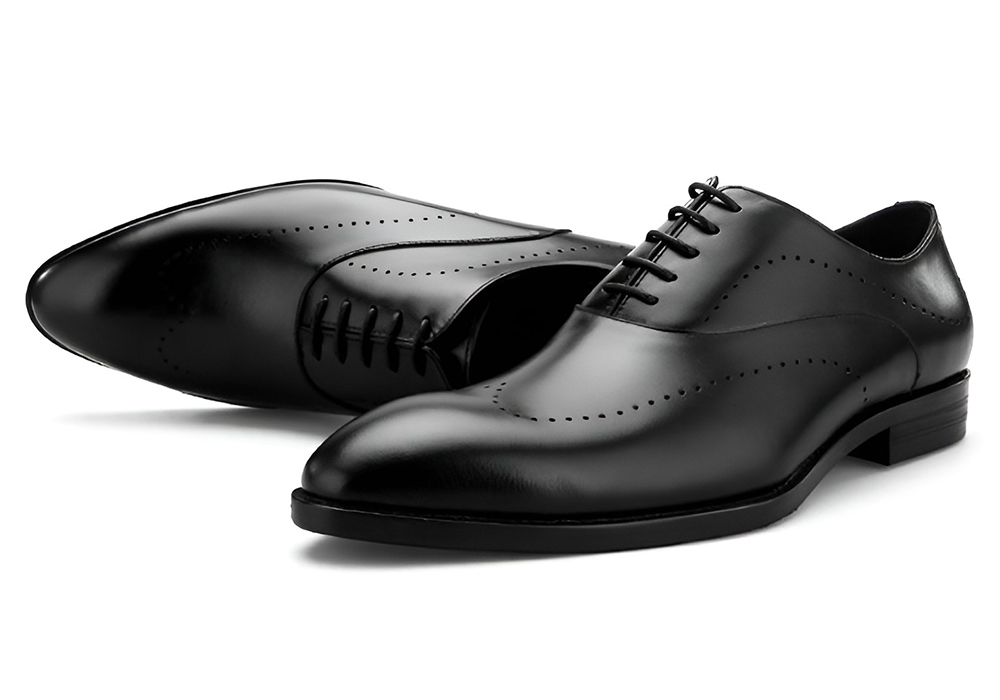
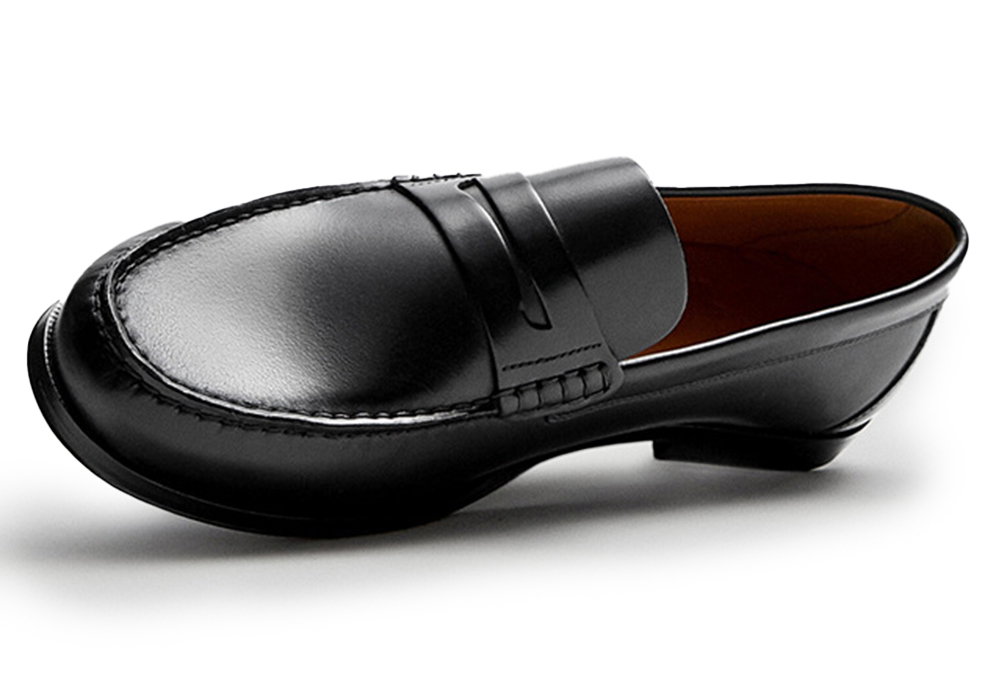
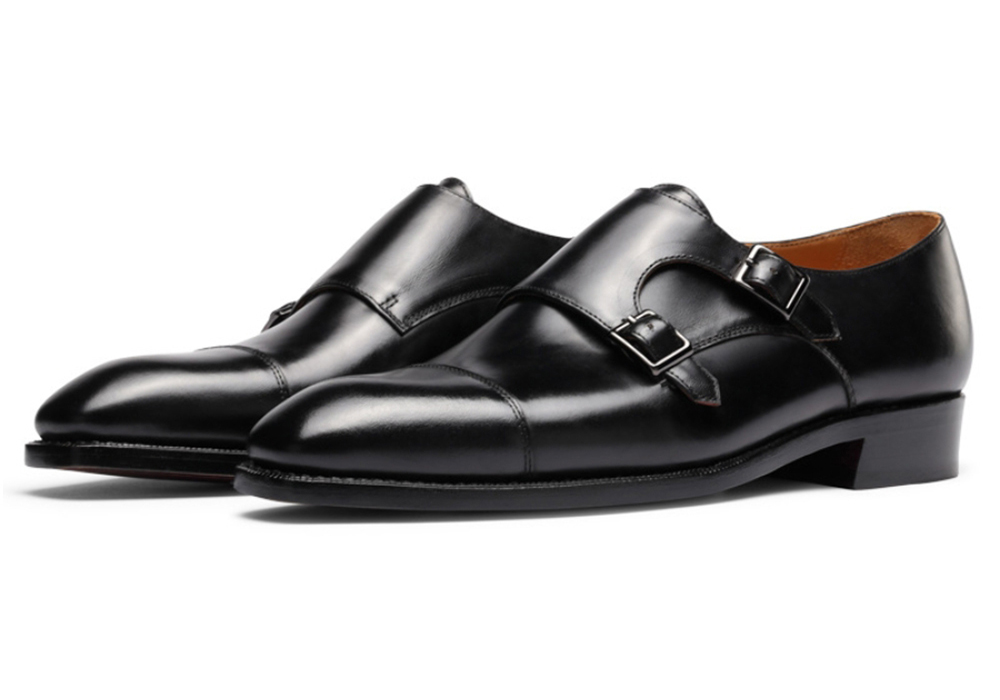
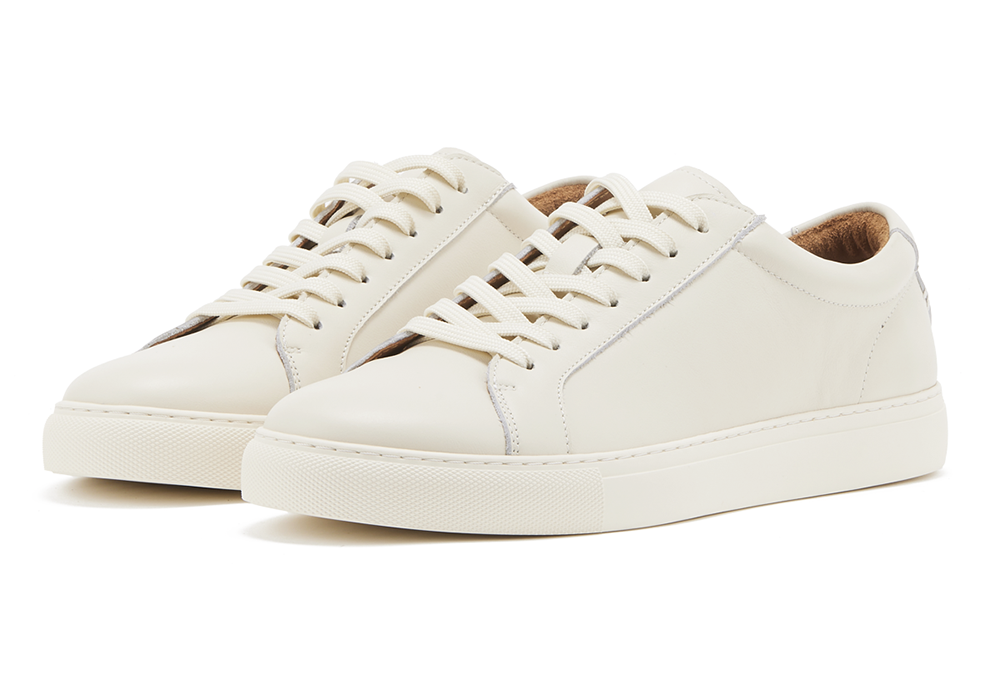
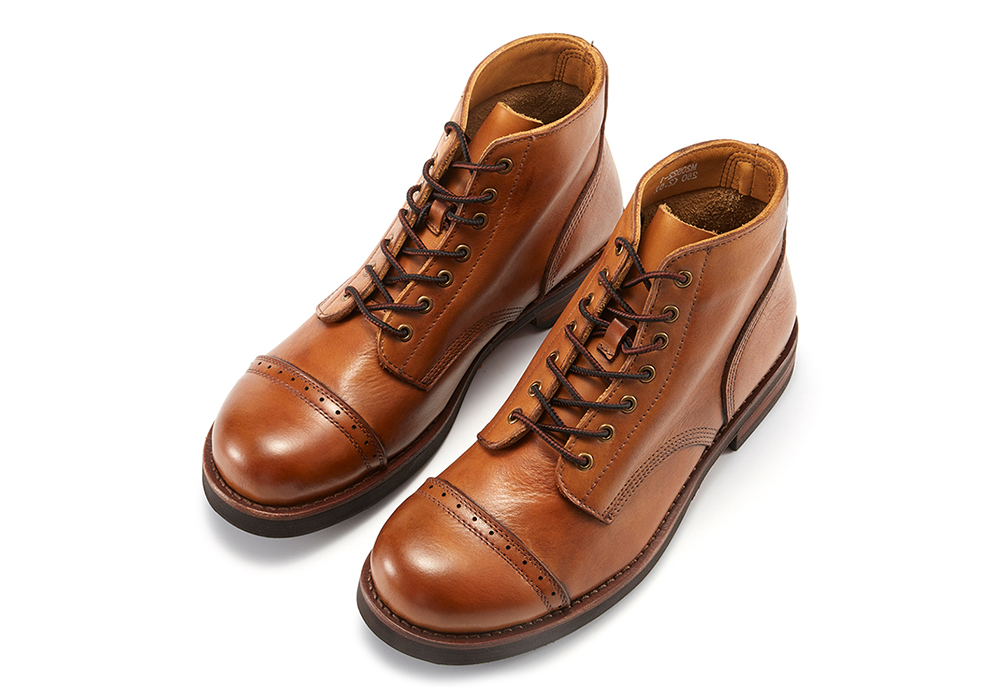
Ever wondered how a shoe goes from a design on a paper to the pair you wear every day? In this guide, I explain what a shoe factory does—from designing and cutting materials to stitching, lasting, and quality control. If you’re curious about the behind-the-scenes process that brings your favorite shoes to life, this article is for you.
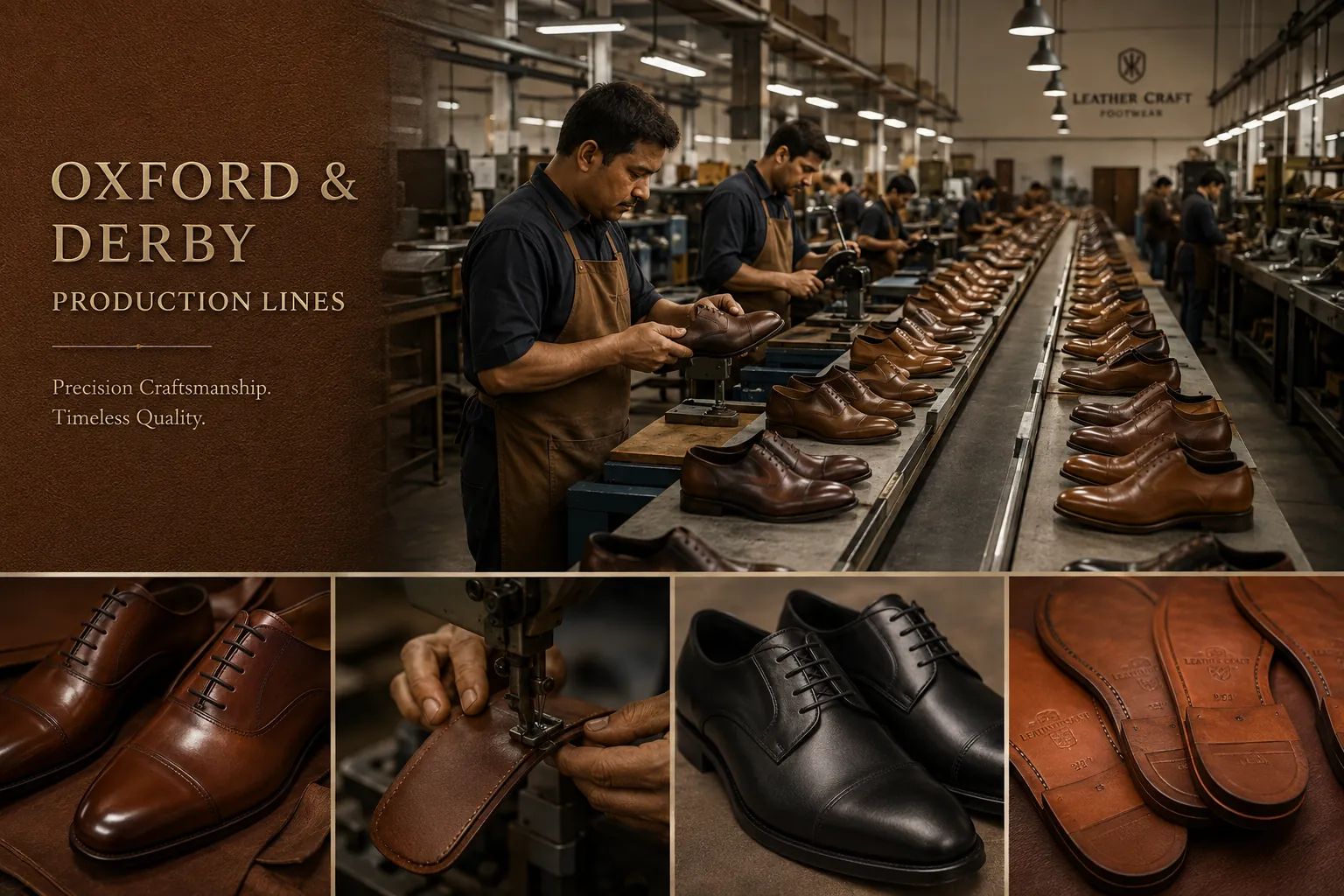
A shoe factory handles the entire manufacturing process of footwear. It transforms raw materials into finished shoes through steps such as material selection, design, cutting, stitching, assembling, quality checks, and packaging. In short, shoe factories combine artisanal craftsmanship with modern technology to produce comfortable and stylish footwear.
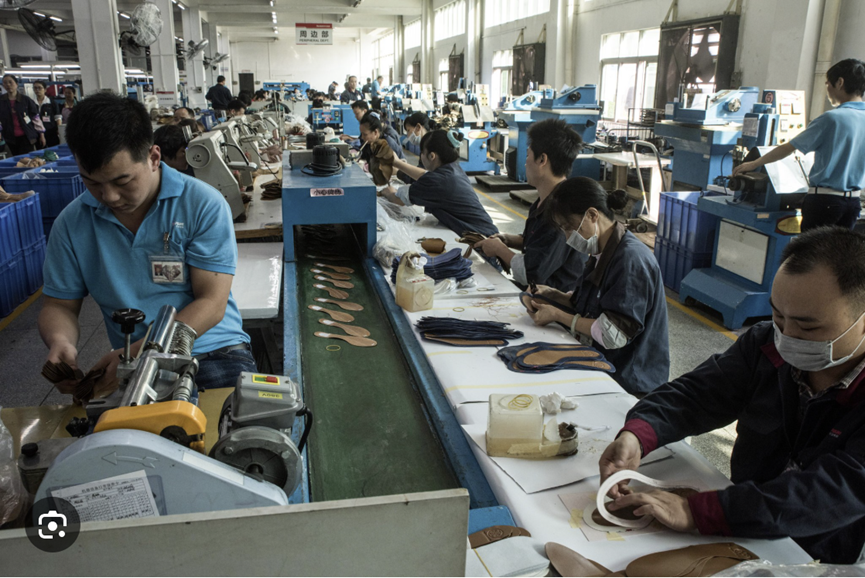
In the following sections, I’ll break down every phase of the shoe production process. Whether you’re an entrepreneur, a footwear enthusiast, or simply curious about how shoes are made, you’ll learn what really goes on behind the scenes in a shoe factory.
1: Design and Concept Development
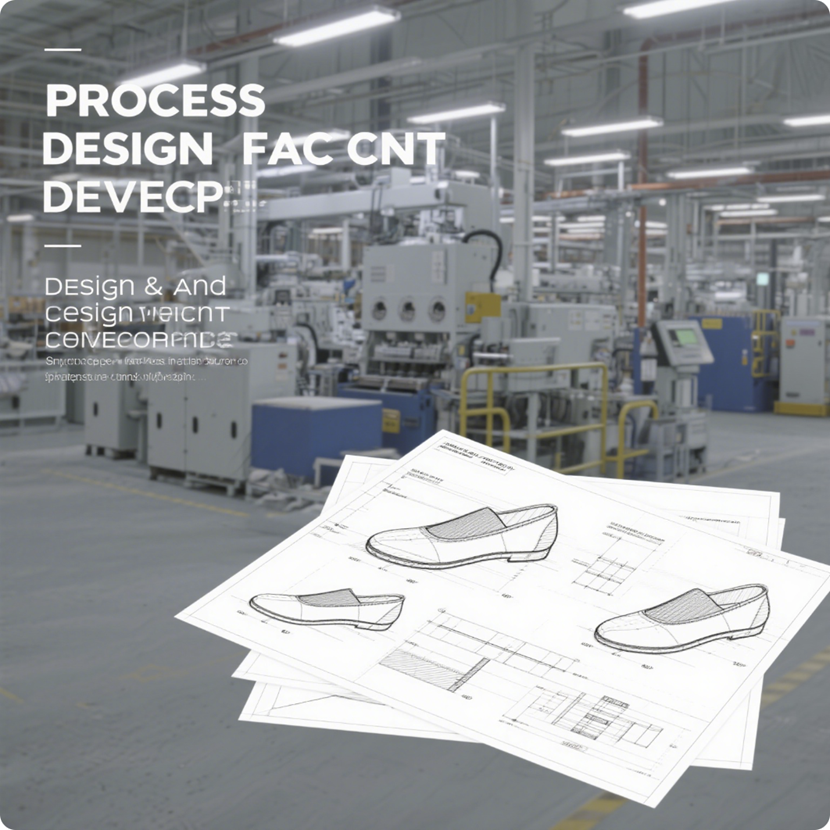
Every great pair of shoes begins with a vision. In the design phase, creative teams brainstorm ideas, sketch initial concepts, and create detailed technical drawings. Designers work closely with marketers and trend analysts to ensure the product meets market demands.
- Key Tasks:
- Brainstorming and sketching initial concepts.
- Creating computer-aided design (CAD) models to refine designs.
- Choosing materials and colors.
2: Pattern Making and Last Development
After the design is finalized, pattern makers create templates for each shoe component. These patterns are crucial as they determine the dimensions and shape of every part of the shoe. Simultaneously, last makers construct a “last”—a three-dimensional form that mimics the human foot’s shape.
- Key Tasks:
- Developing precise patterns from design sketches.
- Using patterns to cut materials accurately.
- Creating and refining lasts to guarantee a comfortable fit.
3: Material Sourcing and Cutting
Material selection is paramount in a shoe factory. Factories source high-quality leathers, fabrics, synthetic materials, and adhesives from various suppliers. Once the materials arrive, they are meticulously cut using both manual and automated cutting machines.
- Key Tasks:
- Procuring premium raw materials.
- Using laser-guided or computer numerical control (CNC) cutting tools for precision.
- Sorting and preparing cut pieces for assembly.
4: Stitching and Assembly
Once the components are cut, skilled workers and automated machines begin stitching and assembling the parts. This process includes sewing the upper parts, attaching linings, and integrating reinforcements like toe caps and heel counters. The precision in this stage ensures durability and aesthetic appeal.
- Key Tasks:
- Using industrial sewing machines to stitch leather or fabric pieces together.
- Assembling components like linings, midsoles, and outsoles.
- Managing production lines for consistency and speed.
5: Lasting and Molding
Lasting is the process where the assembled upper is molded over the last to create the shoe’s final shape. This step is critical in ensuring that the shoe fits properly and maintains its design integrity. Both manual techniques and automated lasting machines are employed to achieve the desired shape and structure.
- Key Tasks:
- Stretching and shaping the shoe upper over the last.
- Securing the upper to the insole and outsole.
- Using adhesives or stitching to maintain the structure.
6: Sole Attachment and Finishing
After lasting, the outsole is attached to the shoe. This is typically done through gluing, stitching, or a combination of both, depending on the shoe’s design. Finishing touches, such as trimming excess material, polishing, and adding accessories (like laces or logos), are then applied to produce a polished final product.
- Key Tasks:
- Attaching the sole securely to the upper.
- Performing final refinements, including edge trimming and quality enhancements.
- Adding brand-specific details for design personalization.
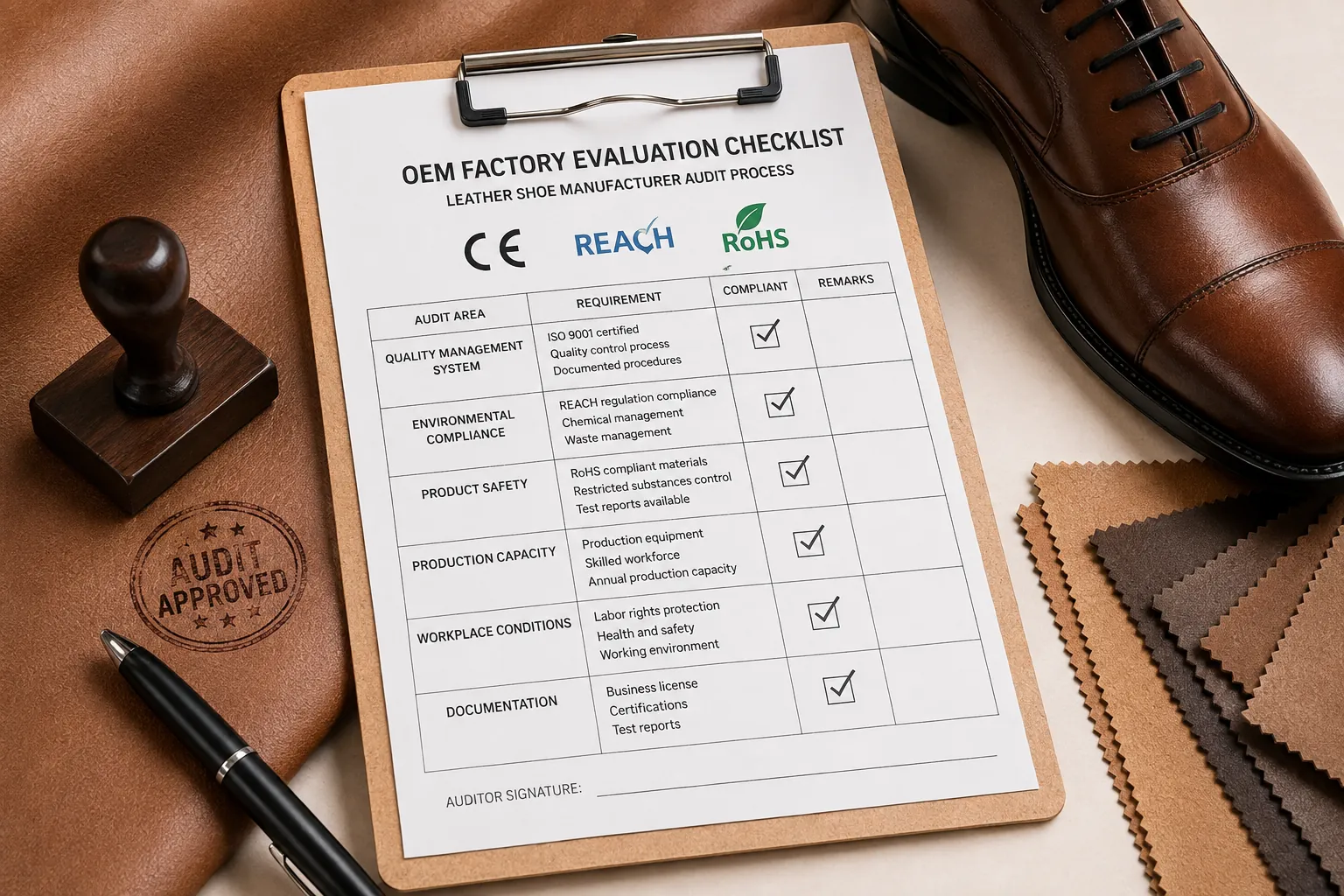
7: Quality Control
Quality control is integral to ensuring every shoe meets strict standards. Quality inspectors assess each pair for consistency, durability, and comfort. This multi-stage process includes checking raw materials, production stages, and the final product before packaging.
- Key Tasks:
- Conducting inspections at various stages of production.
- Testing for durability, comfort, and visual appeal.
- Rejecting and reworking any defective products.
8: Packaging and Logistics
Once shoes pass quality control, they move on to packaging and logistics. This phase involves carefully packing the shoes to protect them during transportation and ensuring they meet export standards if destined for international markets.
- Key Tasks:
- Packing shoes in boxes with protective materials to prevent damage.
- Labeling and quality checks for final shipment.
- Coordinating with logistics partners to deliver the product efficiently.
9: Sustainability and Innovation in Production
Modern shoe factories are increasingly embracing sustainability and innovation. Environmental responsibility now plays a key role in every stage from material sourcing to waste management.
- Key Tasks:
- Implementing recycling programs and waste reduction strategies.
- Using eco-friendly adhesives and sustainable materials.
- Incorporating technological innovations like 3D printing and automation to improve efficiency and reduce environmental impact.
10: The Role of Production Management and Supply Chain
Behind every smooth manufacturing process is an efficient production management and supply chain system. From procurement of raw materials to delivery of the final product, managers coordinate every aspect of production to ensure timely execution and high-quality output.
- Key Tasks:
- Coordinating between design, production, and logistics teams.
- Managing inventory, sourcing, and vendor relationships.
- Utilizing enterprise resource planning (ERP) systems to optimize production flow.
A shoe factory is a complex ecosystem that takes raw materials and transforms them into the comfortable, stylish footwear we wear every day. From the initial design and pattern making to cutting, stitching, lasting, quality control, and packaging, every step is meticulously managed to deliver a high-quality product. Moreover, modern factories are embracing sustainability and advanced technologies to not only boost efficiency but also reduce their environmental footprint.
By understanding what a shoe factory does, you gain valuable insights into the careful balance of craftsmanship and automation that goes into each pair of shoes. This knowledge is crucial for designers, brand owners, and consumers alike, as it highlights the innovation and dedication behind every product on the market.
In summary, the sophisticated process that defines a shoe factory involves a series of specialized steps, each critical to producing footwear that meets both aesthetic and functional standards. Whether you’re intrigued by the creative design process or the rigorous quality control measures, the inner workings of a shoe factory serve as a testament to the art and science of shoemaking.