
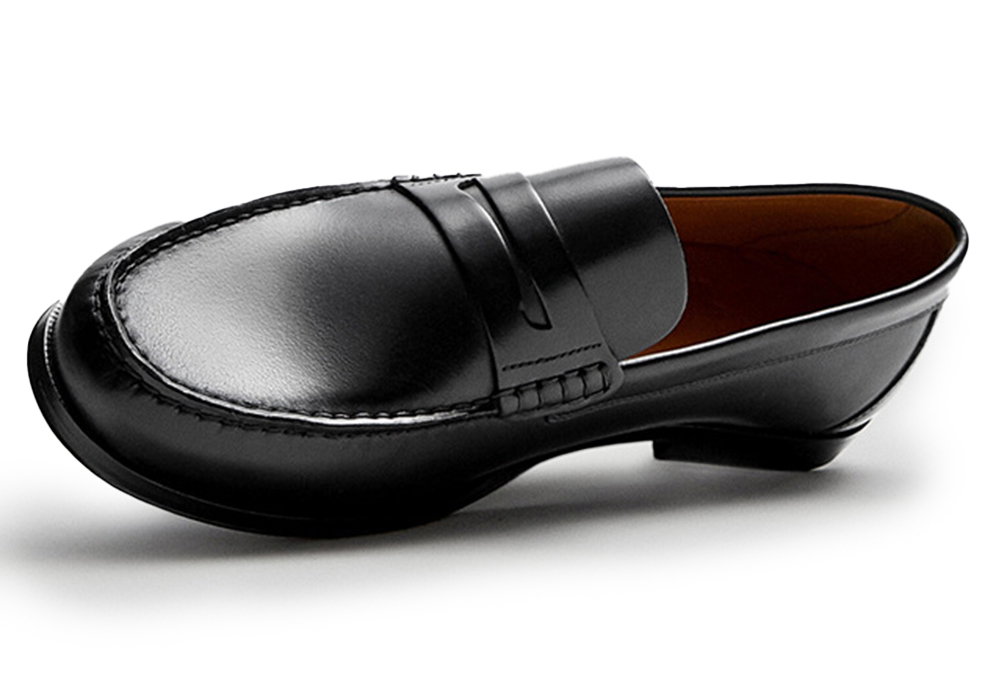
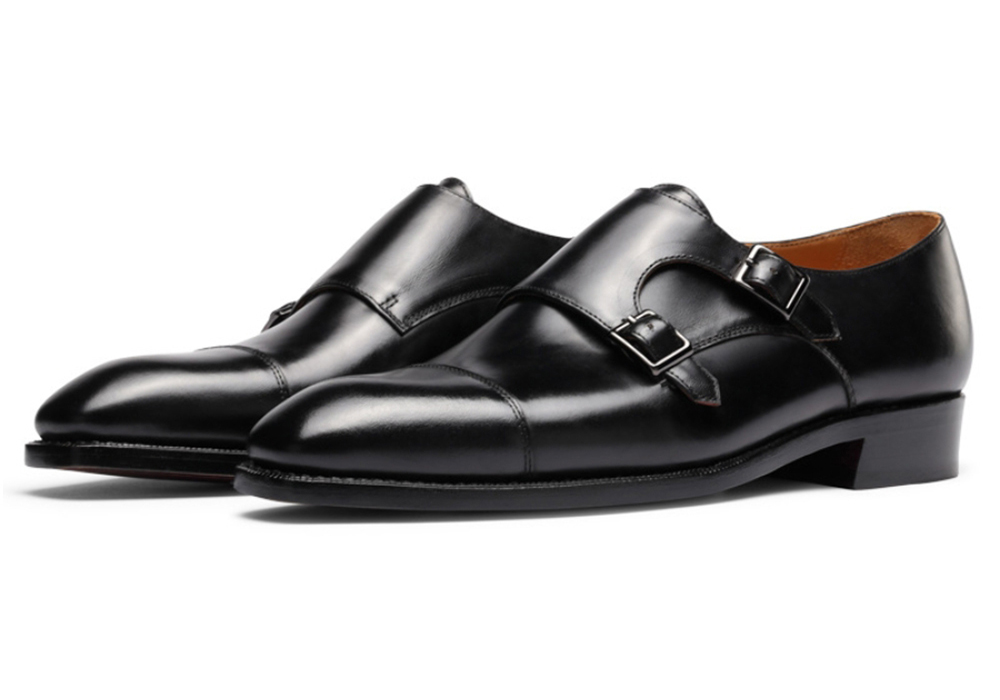
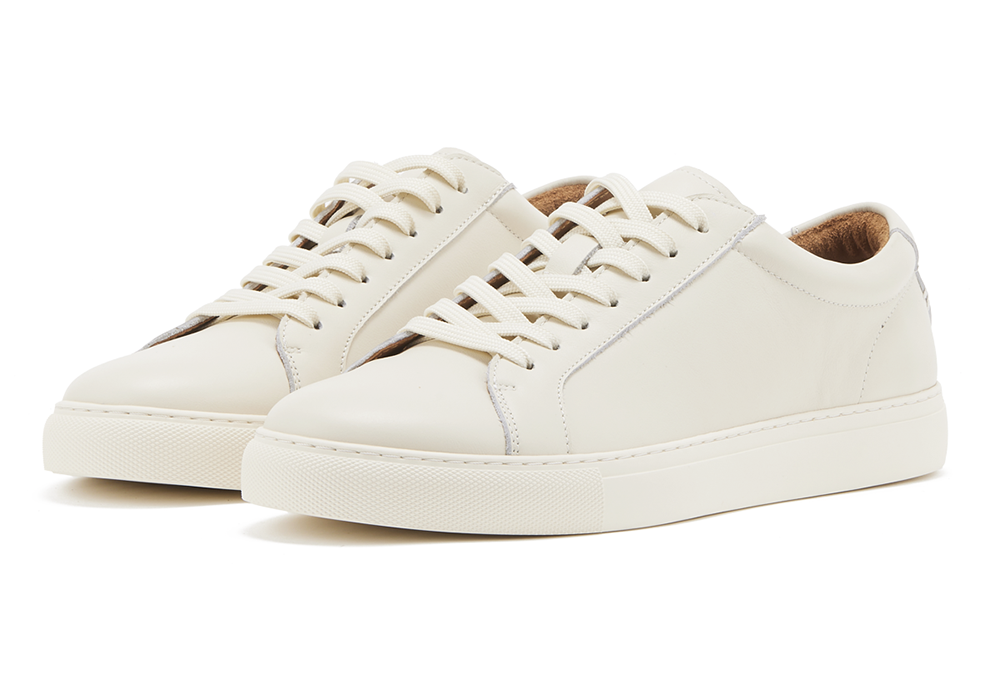
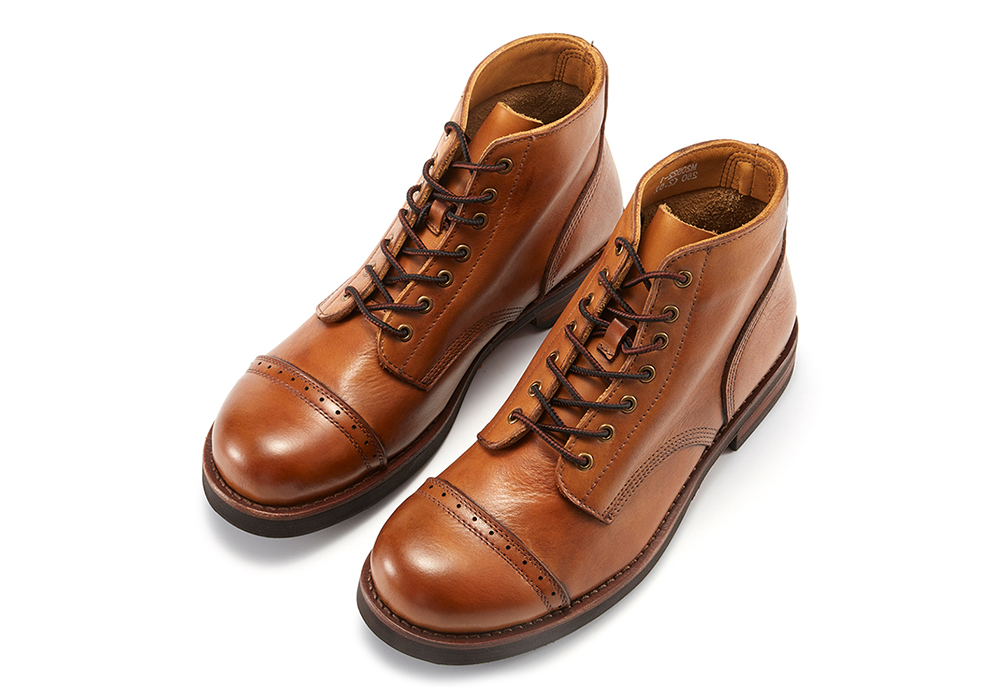
China shoes manufacturer industry offers unparalleled advantages including low production costs, vast economies of scale, a world‑class integrated supply chain, advanced technology adoption, stringent quality controls, and exceptional flexibility for both mass and bespoke orders. These strengths are underpinned by specialized regional clusters, robust infrastructure, and efficient logistics, all of which enable global brands to achieve competitive pricing, rapid turnaround times, and high product consistency. Despite rising wages and shifting trade policies, China remains the preeminent destination for footwear production, balancing cost, quality, and innovation to meet diverse market demands.
Cost Advantages
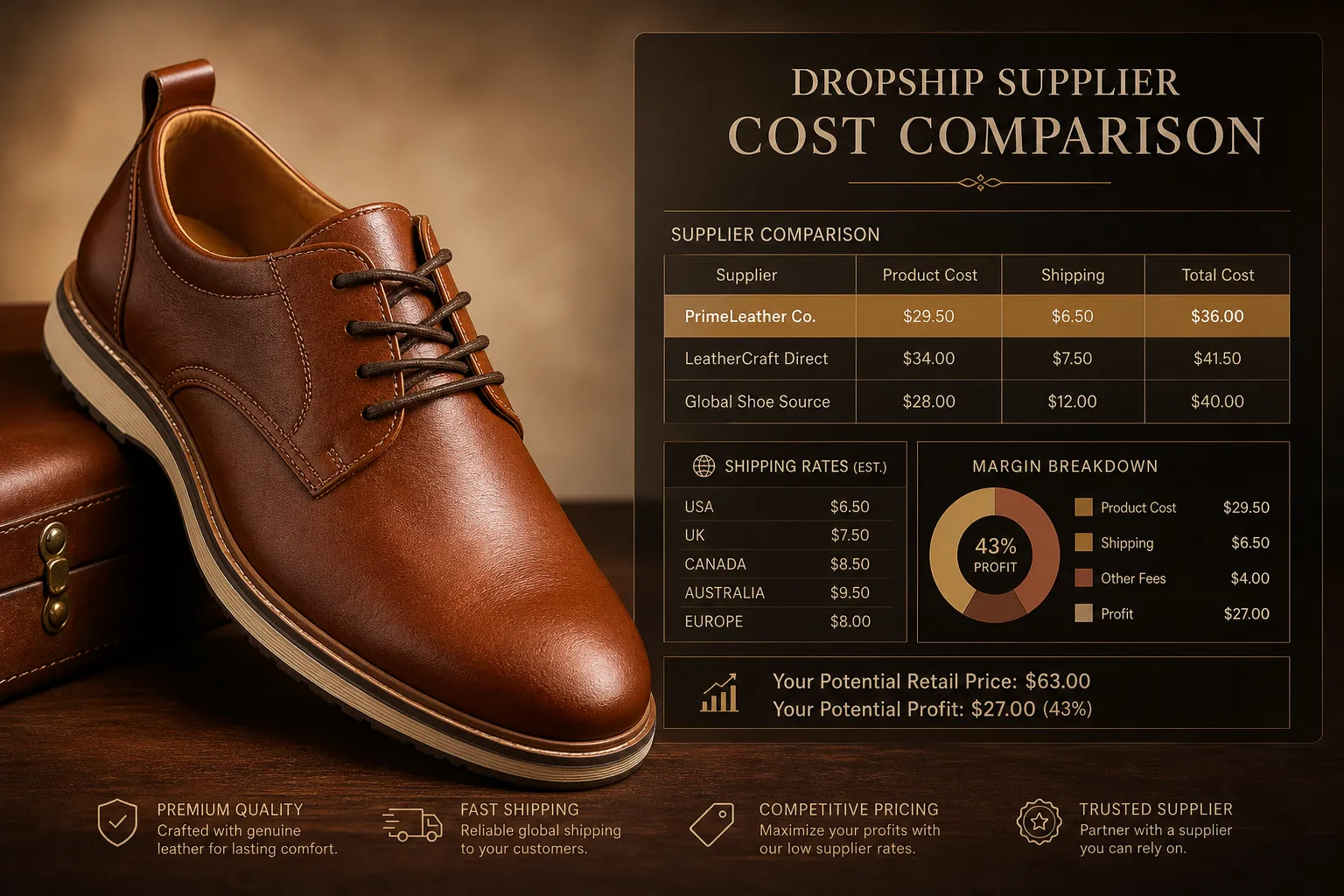
One of the foremost benefits of manufacturing shoes in China is the significantly lower production cost compared to developed economies. Labor rates in China remain substantially below those in North America and Europe, allowing brands to maintain competitive margins even on large‑volume orders http://www.wincheershoes.com. In addition, raw materials-like leather, rubber, and textile fabrics-are sourced domestically at scale, further reducing per‑unit expenses www.wincheershoes.com. These cost savings enable companies to offer high‑quality footwear at attractive price points, boosting market competitiveness www.wincheershoes.com.
Economies of Scale & Regional Clusters
China’s shoe industry thrives on economies of scale due to its massive production capacity. Dongguan alone is home to over 1,500 footwear factories, producing roughly 65% of the world’s high‑end or popular shoe models CPG Sourcing. Jinjiang, Wenzhou, and Chengdu complement Dongguan by specializing in athletic, casual, and niche footwear respectively, creating a network of interconnected clusters that optimize production efficiency and knowledge sharing CPG Sourcing. This concentration of expertise and infrastructure lowers manufacturing costs per unit and accelerates innovation through shared resources CPG Sourcing.
Integrated Supply Chain & Infrastructure
China’s comprehensive supply chain ecosystem is a critical differentiator. A single province like Guangdong can provide leather, textiles, injection‑molded soles, metal hardware, and packaging, all within a few dozen kilometers of each other. Superior infrastructure-encompassing extensive road, rail, and port networks-ensures raw materials arrive on time and finished products ship globally with minimal delay. Furthermore, China’s ports, such as Shenzhen and Ningbo, offer some of the world’s highest container throughput, facilitating efficient export to key markets.
Technological Capabilities & Innovation
Chinese footwear manufacturers have rapidly embraced automation and advanced machinery. Companies routinely deploy CNC cutters, automated stitching lines, and vision‑based quality inspection systems to enhance precision and reduce defect rates. Rapid prototyping through 3D‑printed molds and digital design tools accelerates product development cycles, enabling brands to respond swiftly to market trends. These technologies, once exclusive to high‑end factories, are increasingly accessible to mid‑sized manufacturers, democratizing innovation across the industry.
Quality, Variety & Flexibility
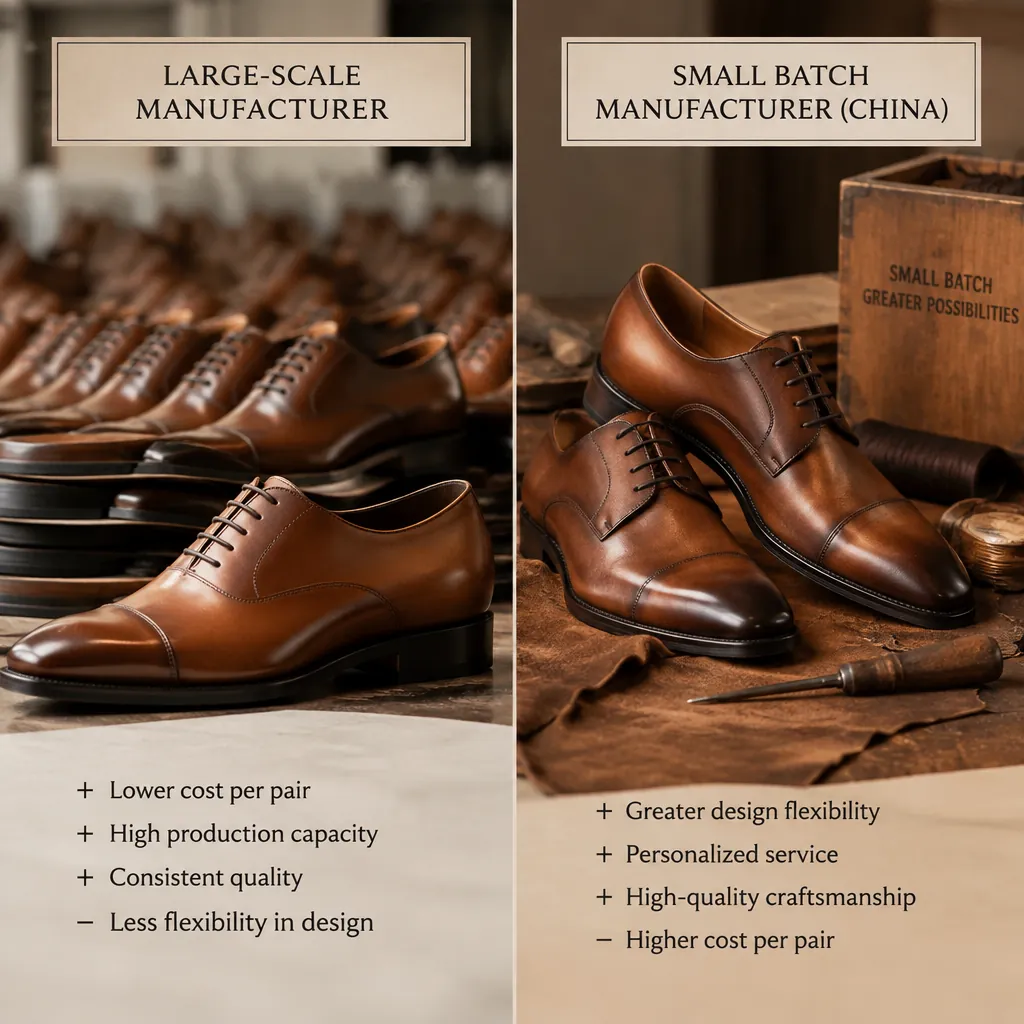
Despite perceptions of low‑cost production equating to poor quality, Chinese factories have markedly improved standards. Many factories adhere to ISO 9001 quality management systems and employ lean manufacturing and Six Sigma methodologies to minimize defects. This focus on consistency allows manufacturers to produce everything from budget‑friendly mass‑market sneakers to precision‑crafted luxury dress shoes for high‑end brands. Moreover, the ability to handle orders of varying sizes-from tens to millions of pairs—ensures brands can scale production up or down without significant cost penalties.
OEM/ODM Model & Custom Production
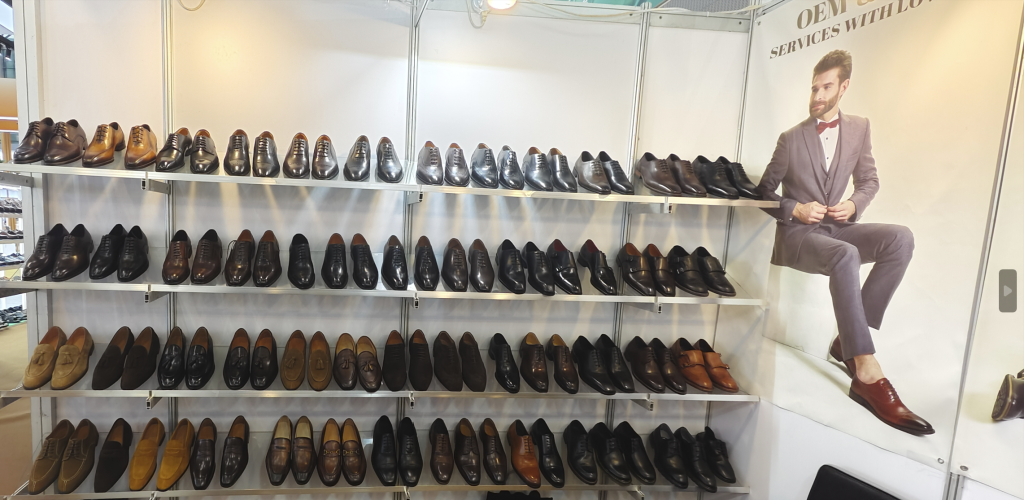
China’s dominance in contract manufacturing extends to footwear OEM (Original Equipment Manufacturer) and ODM (Original Design Manufacturer) services. Brands can submit their own designs for OEM production or select from existing ODM catalogs, then apply private labeling for retail. This flexibility reduces upfront investment in tooling and R&D, allowing small and emerging brands to access the same manufacturing capabilities as global corporations. The absence of minimum order quantities with many suppliers further democratizes access to high‑quality production.
Speed & Turnaround Times
Rapid turnaround is a hallmark of China’s shoe industry. The concentration of suppliers means that prototyping, mold‑making, raw material sourcing, and assembly can all occur under one supply chain umbrella, reducing lead times from concept to production to shipment. A typical production cycle-from design approval to finished goods-can range from 4 to 8 weeks, compared to 3 to 6 months in Western facilities. This speed enables brands to adopt just‑in‑time inventory models, decrease warehousing costs, and react to seasonal trends more dynamically.
Sustainability & Environmental Initiatives
Although historically criticized for environmental impact, many Chinese shoe manufacturers have adopted eco‑friendly practices. The use of water‑based adhesives, recycled materials, and waste‑reduction scheduling helps minimize carbon footprints. Several factories now implement ISO 14001 certified environmental management systems, ensuring compliance with global environmental standards. Brands can thus meet consumer demand for sustainability while leveraging China’s manufacturing ecosystem.
Challenges & Considerations
Despite its advantages, manufacturing footwear in China entails certain risks. Intellectual property rights remain a concern, necessitating strong contractual safeguards and supplier vetting. Language barriers and cultural differences can lead to miscommunications, emphasizing the need for experienced local agents or bilingual staff. Rising labor costs and shifting trade policies-highlighted by Shein’s partial production move to Vietnam-underscore the importance of continuous cost analysis and supply chain diversification.
China continues to lead global footwear manufacturing by offering a compelling combination of cost efficiency, scale, supply chain integration, innovation, and quality control. Its specialized regional clusters deliver unparalleled flexibility and speed, while advanced technologies and sustainability initiatives enhance the value proposition for brands and end consumers alike. Although challenges such as IP protection and evolving trade dynamics exist, the overarching advantages ensure that China remains the go‑to destination for shoe production. By strategically leveraging these strengths, brands can achieve competitive pricing, rapid market responsiveness, and robust product quality, solidifying China’s role as “the world’s factory” for footwear.