TL;DR
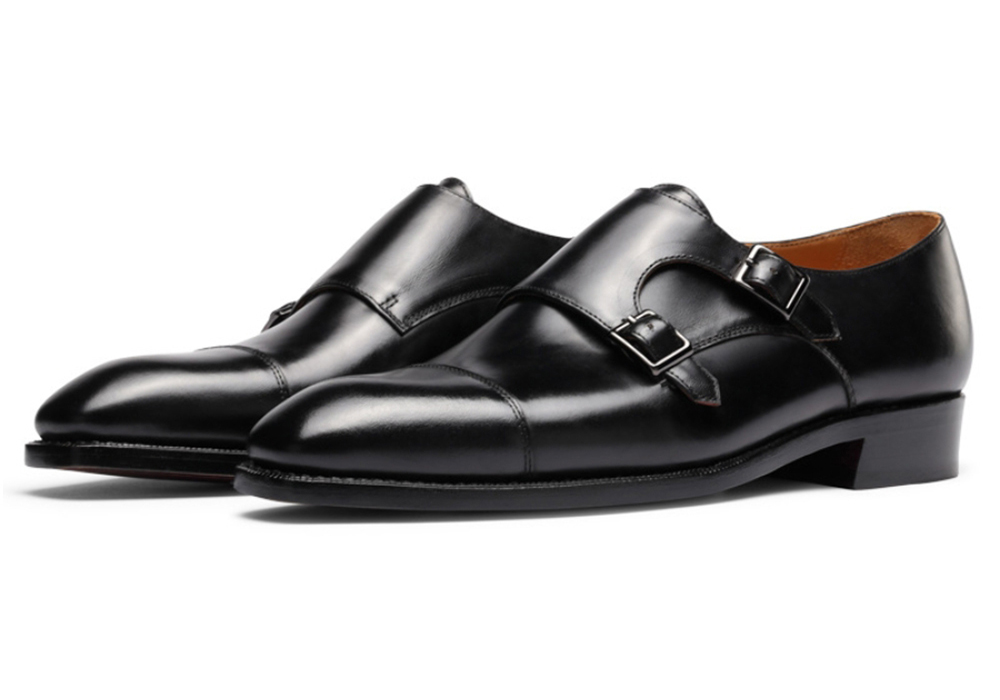
Monk strap shoes occupy a unique $4.2 billion niche in the global dress shoe market, positioned between Oxford formality and Derby versatility. For B2B buyers, understanding single vs. double monk distinctions, hardware quality indicators, construction methods, and market positioning is essential. Wincheer Shoes, with 19 years of manufacturing experience in Jiangmen, produces CE-certified monk straps with premium buckle hardware, offering MOQ flexibility from 60-1000 pairs and serving retailers across 40+ countries.
Introduction
In the landscape of men’s dress shoes, monk straps occupy a distinctive position—they’re the sophisticate’s alternative to lace-ups, offering refined elegance with a signature hardware accent that commands attention. The global monk strap market has grown 34% since 2019, outpacing overall dress shoe growth, as fashion-forward men and style-conscious professionals seek distinctive footwear that stands apart from ubiquitous oxfords and derbies.
For B2B buyers—retailers, corporate uniform programs, boutique brands, and wholesale distributors—monk straps present both opportunity and complexity. The category requires nuanced understanding: single vs. double monk formality levels, buckle hardware quality signaling, leather selection for strap construction, and sizing considerations specific to the monk strap’s closure mechanism. As detailed in Leather Shoe Quality Guide: How to Identify Premium Cowhide vs. Bonded Leather, material selection significantly impacts product longevity and brand reputation.
This comprehensive guide from Wincheer Shoes’ manufacturing team draws on 19 years of monk strap production experience, covering everything B2B buyers need to know about this distinctive shoe category—from style selection and market positioning to manufacturing considerations and sourcing strategies.
Table of Contents
- Monk Strap Styles: Single vs. Double and Market Applications
- Formality Positioning: Where Monk Straps Fit in the Dress Shoe Hierarchy
- Buckle Hardware: Quality Indicators and Sourcing Considerations
- Leather Selection for Monk Strap Construction
- Construction Methods and Manufacturing Considerations
- Sizing, Fit, and Strap Closure Engineering
- Market Demand Trends and Regional Preferences
- Pricing Structure and Value Positioning
- Quality Control Specific to Monk Straps
- Wincheer Shoes: Your Monk Strap Manufacturing Partner
Monk Strap Styles: Single vs. Double and Market Applications
Monk straps derive their name from their original association with European monks—though historical accuracy aside, the style has evolved into two primary configurations that B2B buyers must understand: single monk (one strap and buckle) and double monk (two straps and buckles).
Single Monk Strap Shoes
Design Characteristics:
- Single leather strap across the vamp
- One buckle closure (typically positioned laterally or centrally)
- Clean, minimalist appearance
- Approximately 15-20% less leather than double monk
- Slightly lower production cost
Formality Positioning:
- More formal than double monk
- Comparable to single oxford in formality
- Appropriate for: Business suits, blazer combinations, dress trousers
- Not recommended for: Black tie, tuxedo occasions (oxford preferred)
B2B Market Applications:
| Market Segment | Usage Context | Recommended Price Point |
|---|---|---|
| Corporate Uniforms | Executive-level dress shoes | $45-70/pair wholesale |
| Professional Retail | Lawyers, consultants, finance professionals | $50-75/pair wholesale |
| Boutique Men’s Stores | Fashion-forward professionals | $55-80/pair wholesale |
| Wedding/Formal Rental | Groom and groomsmen footwear | $40-60/pair wholesale |
Volume Patterns: Single monk straps typically represent 55-60% of monk strap orders by volume, with consistent demand across professional markets. They’re the “safer” monk choice for conservative markets and first-time monk buyers.
Production Considerations:
- Standard MOQ: 300 pairs per color/style
- Easier to last than double monk (single strap creates less tension)
- Lower defect rate in production (3-4% vs. 5-6% for double monk)
- Faster production time (5-7 days shorter)
Double Monk Strap Shoes
Design Characteristics:
- Two leather straps across the vamp (positioned at different heights)
- Two buckle closures
- More visually complex and statement-making
- Approximately 15-20% more leather usage than single monk
- Additional strap requires precise alignment
Formality Positioning:
- Less formal than single monk
- Comparable to derby in formality level
- Appropriate for: Business casual, smart casual, stylish suits
- Excellent for: Fashion-forward styling, creative industries, statement dressing
B2B Market Applications:
| Market Segment | Usage Context | Recommended Price Point |
|---|---|---|
| Fashion Retail | Style-conscious urban professionals | $55-85/pair wholesale |
| Boutique Chains | Contemporary men’s fashion | $50-80/pair wholesale |
| Private Labels | Emerging brand positioning | $48-75/pair wholesale |
- Hospitality Premium: Boutique hotel staff presentation
- Event Styling: Fashion-forward weddings and events
Volume Patterns: Double monk straps represent 40-45% of monk strap orders, with higher concentration in fashion-forward urban markets and among younger demographic buyers (millennials and Gen Z professionals).
Production Considerations:
- Standard MOQ: 300 pairs per color/style
- More complex lasting process (two straps create tension points)
- Higher defect rate potential (strap alignment critical)
- Longer production time (5-7 days additional)
Triple Monk and Beyond: Niche Applications
Triple monk straps (three straps and buckles) exist but represent less than 2% of monk strap market. They’re primarily:
- Fashion statement pieces for avant-garde brands
- Runway and editorial footwear
- Collector and enthusiast market
Production Considerations:
- Minimum 600-1000 pair MOQ (specialized setup)
- 20-25% higher production cost vs. double monk
- Extended lead time (80-100 days)
- Higher defect rate during production learning curve
Wincheer Recommendation: Triple monk recommended only for established fashion brands with specific design vision and market positioning. Not recommended for general retail or first-time monk buyers.
Formality Positioning: Where Monk Straps Fit in the Dress Shoe Hierarchy
Understanding monk strap formality positioning helps B2B buyers guide customer purchasing decisions and match products to appropriate use cases. Monk straps occupy a distinctive middle ground—more refined than derbies but less formal than oxfords.
The Dress Shoe Formality Spectrum
Most Formal  →  →  →  →  →  →  →  →  Least Formal

Oxford (Plain) ───── Oxford (Cap) ───── Single Monk ─────
Double Monk ───── Derby (Plain) ───── Derby (Cap) ───── Loafer
Key Positioning Insights:
| Shoe Type | Formality Level | Primary Use Cases | Inappropriate For |
|---|---|---|---|
| Plain Oxford | Highest | Black tie, business formal, interviews | Casual wear |
| Cap Oxford | High | Business formal, professional settings | Smart casual |
| Single Monk | Medium-High | Business suits, blazer combinations | Black tie |
| Double Monk | Medium | Business suits, smart casual | Very formal occasions |
| Plain Derby | Medium-Low | Business casual, smart casual | Formal business |
| Cap Derby | Low-Medium | Smart casual, casual suits | Formal business |
| Loafer | Lowest | Business casual, casual wear | Formal occasions |
Monk Strap Use Case Guidance for B2B Customers
Corporate and Professional Markets:
- Single monk recommended for: Executive dress codes, client-facing roles, professional services (legal, finance, consulting)
- Double monk acceptable for: Creative industries, tech companies, internal meetings, business casual environments
- Color guidance: Black and burgundy for conservative markets, tan and brown for creative industries
Wedding and Event Markets:
- Single monk: Groom and groomsmen in semi-formal to formal weddings
- Double monk: Groom and groomsmen in casual to semi-formal weddings, outdoor weddings
- Color guidance: Matching suit formality—darker for formal, lighter for casual
Retail Positioning Guidance:
- Conservative markets: Single monk in black, burgundy, dark brown
- Fashion-forward markets: Double monk in tan, brown, navy, and experimental colors
- Geographic considerations: European markets more accepting of double monk formality; North American markets tend toward single monk
Buckle Hardware: Quality Indicators and Sourcing Considerations
The buckle is monk straps’ defining feature—its quality signals overall shoe quality to consumers, affects durability, and significantly impacts manufacturing cost and complexity. Understanding buckle hardware options helps B2B buyers make informed sourcing decisions.
Buckle Material Options
Solid Brass Buckles (Premium Standard)
- Composition: 100% brass (copper-zinc alloy)
- Weight: 8-12 grams per buckle (single monk)
- Durability: 10+ years without degradation
- Finish Options: Polished natural brass, brushed, nickel-plated, palladium-plated
- Cost Impact: $2.50-4/pair
- Best For: Premium retail positioning, luxury private labels
Brass-Plated Zinc Alloy (Mid-Range Standard)
- Composition: Zinc alloy base with brass plating
- Weight: 6-8 grams per buckle
- Durability: 5-7 years before plating wear shows
- Finish Options: Various plated finishes
- Cost Impact: $1-2/pair
- Best For: Standard retail positioning, corporate programs
Steel Alloy (Budget Option)
- Composition: Steel alloy with protective coating
- Weight: 5-7 grams per buckle
- Durability: 3-5 years
- Finish Options: Limited (typically silver-tone)
- Cost Impact: $0.50-1/pair
- Best For: Entry-level positioning, price-sensitive markets
Buckle Finish Options and Market Positioning
| Finish | Market Positioning | Durability | Color Match |
|---|---|---|---|
| Polished Brass | Premium traditional | High (patina develops) | Brown/tan leather |
| Brushed Brass | Premium contemporary | High (scratches less visible) | Brown/tan leather |
| Nickel-Plated | Modern sleek | Medium (wears over time) | Black/blue leather |
| Palladium-Plated | Luxury premium | Very High (precious metal) | All colors |
| Gunmetal | Fashion-forward | Medium-High | Black/dark leather |
| Antique Brass | Vintage/heritage | High | Brown/tan leather |
Buckle Design Variations
Classic Rectangular
- Most common monk buckle design
- Versatile across markets
- Manufacturing: Standard tooling, lower setup cost
- Percentage: ~70% of monk strap buckles
Curved/Contoured
- Modern, fashion-forward appearance
- More expensive tooling required
- Percentage: ~20% of monk strap buckles
Ornate/Decorative
- Scrollwork, patterns, branding
- Premium positioning
- Custom mold required (setup cost: $300-800)
- Percentage: ~8% of monk strap buckles
Custom Branded Buckles
- Retailer or manufacturer logo integrated
- Private label differentiation
- Custom mold required (setup cost: $500-1,500)
- Minimum order: 1,000+ buckles (multiple uses across production)
Buckle Attachment Methods
Stitched Attachment (Premium Method)
- Buckle stitched to leather strap
- Most secure attachment
- Traditional craftsmanship signal
- Labor intensive (+$0.75-1.50/pair)
- Best For: Premium positioning, all construction types
Riveted Attachment (Standard Method)
- Buckle riveted to leather strap
- Secure and durable
- Efficient production
- Standard cost included
- Best For: Standard to premium positioning
Bonded Attachment (Budget Method)
- Buckle glued to leather strap
- Cost-effective
- Potential detachment point
- Lowest cost ( -$0.50-0.75/pair vs. stitched)
- Best For: Entry-level positioning only
Wincheer Recommendation: Riveted attachment offers the best balance of security, durability, and cost for standard monk strap production. Stitched attachment recommended for premium lines where craftsmanship signaling justifies additional cost.
Buckle Quality Indicators for B2B Buyers
Visual Quality Signs:
- Smooth edges (no rough spots or burrs)
- Consistent finish (no plating irregularities)
- Precise alignment (buckle center straight)
- Secure attachment (no movement between buckle and strap)
Functional Quality Signs:
- Smooth buckle pin operation
- Secure closure (no accidental opening)
- Consistent buckle size within pair
- Appropriate weight (feels substantial, not flimsy)
Leather Selection for Monk Strap Construction
Leather selection for monk straps requires special consideration: straps are visible, experience flexing at buckle points, and must maintain appearance over time. The right leather choice ensures monk straps look good and function properly throughout their lifespan.
Upper Leather Requirements
Full-Grain Cowhide (Premium Standard)
- Why Critical for Monks: Strap durability depends on grain integrity
- Thickness: 1.2-1.4mm for upper, 1.0-1.2mm for straps
- Benefits: Resists stretching at buckle points, develops attractive patina, maintains appearance
- Cost Impact: +30-40% vs. top-grain
- Best For: Premium retail, corporate executive programs
Top-Grain Cowhide (Standard Option)
- Characteristics: Sanded surface for uniform appearance
- Thickness: 1.0-1.2mm for upper, 0.9-1.1mm for straps
- Considerations: May stretch more at buckle tension points
- Cost Impact: Base pricing
- Best For: Standard retail, corporate programs
Leather Quality Impact on Monk Strap Longevity:
| Leather Type | Strap Stretch (1 year) | Buckle Hole Deformation | Overall Lifespan |
|---|---|---|---|
| Full-Grain | 2-3% | Minimal | 5-7 years |
| Top-Grain | 4-6% | Noticeable | 3-5 years |
| Genuine | 8-12% | Significant | 2-3 years |
Strap-Specific Leather Considerations
Strap Leather Thickness:
- Standard: 0.9-1.1mm
- Reinforced straps: 1.2-1.4mm (for premium lines)
- Too thin (<0.8mm): Stretching and deformation
- Too thick (>1.5mm): Difficult to buckle, uncomfortable
Strap Width Variations:
- Standard width: 18-22mm
- Narrow straps: 14-17mm (contemporary, refined appearance)
- Wide straps: 23-26mm (statement, chunky aesthetic)
- Width consistency: Critical within pair and across production run
Buckle Hole Reinforcement:
- Metal grommets: Most durable (+$0.25-0.50/pair)
- Stitched reinforcement: Traditional method (+$0.15-0.30/pair)
- Punch-only: Budget option (may deform over time)
Wincheer Recommendation: Stitched buckle hole reinforcement with full-grain leather offers the optimal balance of durability, aesthetics, and cost for standard monk strap production. Metal grommets recommended for premium lines or heavy-use applications.
Color Coordination and Hardware Matching
Classic Color Combinations:
| Shoe Color | Buckle Finish | Market Positioning |
|---|---|---|
| Black | Nickel or Palladium | Traditional, professional |
| Burgundy | Brass or Antique Brass | Classic, sophisticated |
| Tan/Cognac | Brass or Brushed Brass | Warm, traditional |
| Brown | Brass or Antique Brass | Heritage, traditional |
| Navy | Gunmetal or Nickel | Modern, fashion-forward |
| Grey | Nickel or Gunmetal | Contemporary, sleek |
Monochromatic Trends:
- Black hardware on black shoes (streamlined, modern)
- Brass hardware on tan shoes (warm, cohesive)
- Mixed metal (testing phase in fashion markets)
Construction Methods and Manufacturing Considerations
Monk strap construction presents unique challenges compared to lace-ups: the strap closure affects lasting, creates tension points, and requires precise alignment. Understanding construction methods helps B2B buyers make informed sourcing decisions.
Goodyear Welted Construction (Premium Standard)
Process:
- Upper, welt, and insole stitched together
- Outsole attached to welt
- Rib (created from insole) provides attachment base
Advantages for Monks:
- Superior durability (resoleable multiple times)
- Water resistance (welt seals shoe)
- Premium construction signal
- Handles strap tension well
Disadvantages:
- +40-50% production cost vs. cemented
- Longer production time (80-100 days for 600 pairs)
- Stiffer break-in period
- Overbuilt for some monk use cases
Best For:
- Premium retail positioning ($80+ wholesale)
- Luxury private labels
- Markets valuing longevity and resoleability
- Single monk formal applications
Wincheer Goodyear Capacity:
- 80-100 pairs/day per production line
- 10-12 week lead time for 600-pair order
- Quality pass rate: 93-95%
Blake/Rapid Construction (Mid-Range Option)
Process:
- Upper, insole, and outsole stitched together from inside
- Additional midsole for stability (Rapid variation)
- No external welt
Advantages for Monks:
- Cleaner appearance (no visible welt stitching)
- More flexible than Goodyear
- Resoleable (unlike cemented)
- Moderate cost (+15-20% vs. cemented)
Disadvantages:
- Less water resistance than Goodyear
- Not all repair shops can resole Blake
- Strap tension stress on stitch points
Best For:
- Bridge between mid-range and premium
- Urban professional markets
- Retail segments valuing clean aesthetics
- European markets familiar with Blake construction
Wincheer Blake/Rapid Capacity:
- 150-200 pairs/day per production line
- 6-8 week lead time for 600-pair order
- Quality pass rate: 95-96%
Cemented Construction (Standard Option)
Process:
- Upper lasted onto insole board
- Outsole bonded using specialized adhesives
- No stitching through upper
Advantages for Monks:
- Lowest production cost (baseline)
- Highest production capacity
- Clean appearance
- Fastest production time
Disadvantages:
- Not resoleable
- Less flexible over time
- Adhesive can degrade with moisture exposure
- Lower perceived value
Best For:
- Mid-range retail positioning
- Corporate uniform programs
- Price-sensitive markets
- Double monk casual applications
Wincheer Cemented Capacity:
- 400-500 pairs/day per production line
- 3-4 week lead time for 600-pair order
- Quality pass rate: 97-98%
Strap Closure Engineering
Strap Tension Engineering:
- Strap must create secure closure without excessive pressure
- Tension points at buckle: Critical for comfort
- Strap stretch allowance: 3-5% built into design
- Alignment: Left and right straps must mirror precisely
Common Monk Strap Manufacturing Challenges:
| Challenge | Cause | Solution | Impact on Production |
|---|---|---|---|
| Strap misalignment | Lasting tension | Reinforced strap pattern | +5% production time |
| Buckle hole elongation | Thin leather | Reinforcement grommets | +$0.25-0.50/pair |
| Strap length inconsistency | Cutting variance | Precision die cutting | +2% material cost |
| Closure insecure | Poor buckle sizing | Custom buckle sizing | +$0.10-0.20/pair |
Wincheer Quality Solutions:
- Precision strap cutting with reinforced patterns
- Buckle hole reinforcement as standard on all monk straps
- Custom buckle sizing for perfect closure tension
- 100% strap length verification before lasting
Sizing, Fit, and Strap Closure Engineering
Monk strap fitting presents unique challenges: unlike lace-ups, there’s no lacing adjustment to accommodate foot volume variations. The strap closure must provide secure, comfortable fit across the target demographic’s foot characteristics.
Last Development for Monk Straps
Monk-Specific Last Considerations:
| Last Feature | Importance | Manufacturing Implication |
|---|---|---|
| Instep Height | Critical | Must accommodate without strap pressure |
| Midfoot Width | High | Strap closure point; affects security |
| Heel Shape | Medium-High | Monk strap heel slip common issue |
| Toe Spring | Low-Medium | Standard dress shoe profiles apply |
| Waist Width | Medium | Similar to oxford last requirements |
Regional Last Preferences for Monk Straps:
| Region | Heel Shape | Instep | Fit Characteristic |
|---|---|---|---|
| North America | Rounded | Medium-High | Generous forefoot, secure heel |
| Europe | Rounded/Almond | Medium | Precise fit, narrower waist |
| Asia-Pacific | Rounded | Medium-Low | Lower instep, narrower heel |
| Middle East | Square/Almond | High | Higher instep, wider overall |
Monk Strap Sizing Strategy
The Monk Strap Fit Challenge:
- No lacing adjustment (unlike oxford/derby)
- Strap tension fixed
- Foot volume variation accommodated by last shape alone
- Heel slip more common without lacing security
Sizing Approaches:
| Approach | Description | Best For | Minimum Per Size |
|---|---|---|---|
| Full Size Run | All sizes EU 39-46 | General retail | 100-150 pairs |
| Core Size Focus | EU 40-44 only | Corporate programs | 200-300 pairs |
| Extended Run | EU 36-47 (full range) | E-commerce, specialty | 75-100 pairs |
Wincheer Sizing Recommendation:
For first-time monk strap buyers, start with core sizes (EU 40-44, US 7-10) to test market response. Monk straps have steeper learning curve for consumers unfamiliar with the style—concentrated sizing reduces risk while gathering market intelligence.
Strap Closure and Security Engineering
Strap Length Engineering:
- Too long: Insecure closure, heel slip
- Too short: Uncomfortable pressure, difficult to buckle
- Precision tolerance: +/- 2mm
- Consistency within pair: Essential (left/right match)
Buckle Positioning:
- Single monk: Typically lateral (side) or centered
- Double monk: Spaced for even pressure distribution
- Height alignment: Critical for appearance and function
Common Fit Issues and Manufacturing Solutions:
| Issue | Cause | Manufacturing Solution |
|---|---|---|
| Heel slip | Strap too loose or heel counter too soft | Reinforced heel counter, precise strap length |
| Instep pressure | Strap too short or instep too high | Last modification, strap length adjustment |
| Asymmetric closure | Strap attachment variance | Reinforced pattern alignment, QC verification |
Market Demand Trends and Regional Preferences
Monk strap demand has grown steadily since 2015, with particular strength in fashion-forward urban markets and among professional demographics seeking distinctive dress shoes. Understanding regional preferences and trends helps B2B buyers optimize product selection.
Global Market Overview
Market Size and Growth:
- Global monk strap market: $4.2 billion (2024)
- Growth rate: 8.3% CAGR (outpacing overall dress shoe growth at 5.7%)
- Key growth driver: Fashion-conscious professionals seeking distinctive footwear
- Market maturity: Europe leads, North America growing, Asia-Pacific emerging
Regional Market Characteristics
European Market (Largest, Most Mature)
- Market share: 45% of global monk strap consumption
- Key markets: UK, Italy, Germany, France
- Style preferences: Double monk widely accepted, single monk for formal
- Color preferences: Burgundy dominant, brown, tan, black
- Formality: Monks acceptable for broader range of occasions
- Price points: Higher average ($60-90 wholesale typical)
North American Market (Growing Rapidly)
- Market share: 30% of global monk strap consumption
- Key markets: US urban centers, Canada metropolitan areas
- Style preferences: Single monk dominant, double monk growing
- Color preferences: Black and burgundy dominant, brown, tan
- Formality: Conservative acceptance (single monk more common)
- Price points: Mid-range ($45-70 wholesale typical)
Asia-Pacific Market (Emerging)
- Market share: 15% of global monk strap consumption
- Key markets: Japan (mature), China (growing), South Korea, Australia
- Style preferences: Single monk dominant, conservative styles
- Color preferences: Black dominant (70%+), burgundy
- Formality: Conservative, similar to North American acceptance
- Price points: Wide range ($35-80 wholesale)
Other Markets (Developing)
- Market share: 10% of global monk strap consumption
- Key markets: Middle East urban centers, Latin America metros
- Style preferences: Conservative single monk
- Color preferences: Black dominant
- Formality: Very conservative acceptance
- Price points: Price-sensitive ($35-55 wholesale typical)
2024-2025 Monk Strap Trend Analysis
Emerging Trends:
Single Monk Resurgence
Return to refined, minimalist aesthetics
- Professional markets seeking distinctive but restrained footwear
- Market impact: Single monk growing 12% annually (vs. 8% for double)
Hardware Experimentation
Alternative buckle finishes (gunmetal, matte black, stone)
- Custom branded buckles for private labels
- Mixed metal combinations
Color Expansion
Navy monk straps gaining acceptance (traditional markets)
- Grey and stone for contemporary positioning
- Experimental colors in fashion-forward markets
Hybrid Styling
Monk-derby combinations (monk strap on derby last)
- Monk-chukka boots (monk strap on boot last)
- Athleisure monk straps (casualized versions)
Declining Trends:
- Excessive ornamentation (over-designed buckles)
- Overly casual monk interpretations
- Budget quality with premium pricing
Pricing Structure and Value Positioning
Monk strap pricing varies significantly based on construction method, leather quality, buckle hardware, and production volume. Understanding pricing components helps B2B buyers negotiate effectively and identify appropriate value positioning.
Base Manufacturing Cost Components
Material Costs (48-58% of total)
- Upper leather: $10-18/pair (full-grain to top-grain)
- Lining leather: $2.50-4.50/pair
- Insole and lasting materials: $2-3.50/pair
- Outsole materials: $3.50-6.50/pair
- Buckle hardware: $1-4/pair (single), $2-8/pair (double)
- Strap leather (additional): $1-2/pair
- Thread, adhesive, miscellaneous: $0.85-1.50/pair
Labor Costs (27-37% of total)
- Cutting and preparation: $1-1.75/pair
- Stitching and assembly: $2.50-4/pair
- Strap construction: $0.75-1.25/pair
- Lasting and finishing: $1.50-2.75/pair
- Buckle attachment: $0.25-0.50/pair
- Quality control and packaging: $0.60-1.15/pair
- Goodyear premium: +$3-5/pair
Overhead and Profit (15-25% of total)
- Factory operations: $1.75-3.25/pair
- Management and quality oversight: $0.85-1.75/pair
- Profit margin: $1.75-3.50/pair
MOQ Structure and Volume Tiers
Standard MOQ Tiers (Per Style/Color Combination):
| Volume Range | MOQ Requirement | Price Adjustment | Payment Terms |
|---|---|---|---|
| 300-599 pairs | Standard MOQ | Base price | 50% deposit, 50% before shipping |
| 600-999 pairs | Volume tier 1 | -10-14% | 40% deposit, 60% before shipping |
| 1,000-2,499 pairs | Volume tier 2 | -18-23% | 30% deposit, 70% before shipping |
| 2,500+ pairs | Volume tier 3 | -25-30% | Negotiable |
Single vs. Double Monk Pricing:
- Double monk cost: +8-12% vs. single monk
- Additional leather, buckle, and labor
- Higher complexity and defect rate potential
- Justified by higher retail price potential (15-20% higher typical)
Price Positioning by Market Segment
| Market Segment | Wholesale Range | Retail Multiple | Construction | Leather Grade |
|---|---|---|---|---|
| Luxury/Premium | $75-120 | 2.8-3.5x | Goodyear | Full-grain |
| Premium | $55-80 | 2.5-3x | Blake/Rapid | Full-grain |
| Standard | $40-60 | 2.3-2.8x | Cemented | Top-grain |
| Entry-Level | $30-45 | 2.2-2.6x | Cemented | Genuine |
For comprehensive cost analysis, refer to The True Cost of Quality: Understanding Leather Shoe Pricing from Chinese Manufacturers.
Quality Control Specific to Monk Straps
Monk straps require specialized quality control points beyond standard dress shoes. The strap closure mechanism, buckle attachment, and alignment precision create additional inspection requirements.
Monk Strap-Specific QC Points
Strap Quality Inspection:
- Strap length consistency (+/- 2mm tolerance)
- Strap width consistency
- Buckle hole reinforcement integrity
- Strap alignment (left/right mirror)
- Strap edge finishing (no rough edges)
Buckle and Hardware Inspection:
- Buckle finish quality (no plating defects)
- Buckle attachment security (stitching/riveting)
- Buckle function (smooth pin operation)
- Buckle alignment (straight, centered)
- Consistent buckle size within pair
Closure Security Testing:
- Strap tension security (buckle holds without slipping)
- Strap stretch testing (within 3% tolerance)
- Buckle hole deformation (minimal)
- Closure symmetry (left/right match)
Visual Alignment Inspection:
- Strap position alignment (left/right mirror)
- Buckle position alignment (even spacing for double monk)
- Vertical strap alignment
- Buckle orientation alignment
Common Monk Strap Defects
| Defect Type | Severity | Cause | Prevention |
|---|---|---|---|
| Strap length asymmetry | Major | Cutting variance | Die cutting, QC measurement |
| Buckle detachment | Critical | Attachment failure | Reinforced attachment, pull testing |
| Buckle hole elongation | Major | Thin leather, no reinforcement | Grommet or stitch reinforcement |
| Strap misalignment | Major | Lasting tension variance | Reinforced pattern, QC verification |
| Closure insecurity | Major | Poor strap/buckle sizing | Custom sizing, QC testing |
| Buckle finish defect | Minor | Plating quality | Incoming hardware QC |
Wincheer QC Protocol for Monk Straps:
- Material inspection: All leather and hardware verified before production
- In-process inspection: Strap construction, buckle attachment
- Closure testing: 100% of pairs tested for secure closure
- Final inspection: Visual alignment, buckle function, strap security
- Pre-shipping inspection: Random sampling for quality verification
For detailed quality inspection methodologies, refer to Complete Guide to Leather Shoe Quality Inspection Methods for B2B Buyers.
Wincheer Shoes: Your Monk Strap Manufacturing Partner
Since 2007, Wincheer Shoes has manufactured premium leather footwear including monk strap shoes for B2B clients across 40+ countries. Our monk strap manufacturing combines traditional craftsmanship with modern quality control.
Our Monk Strap Capabilities
Production Capacity:
- 800-1,000 pairs/day total monk strap capacity
- Single and double monk production
- Multiple construction methods (Goodyear, Blake/Rapid, cemented)
- Custom buckle development available
Style Range:
- Single monk (all toe shapes)
- Double monk (contemporary and classic)
- Custom buckle designs (private label)
- Hardware sourcing and development
Material Expertise:
- Full-grain and top-grain cowhide
- Buckle hardware quality control
- Custom buckle development support
- Complete supply chain transparency
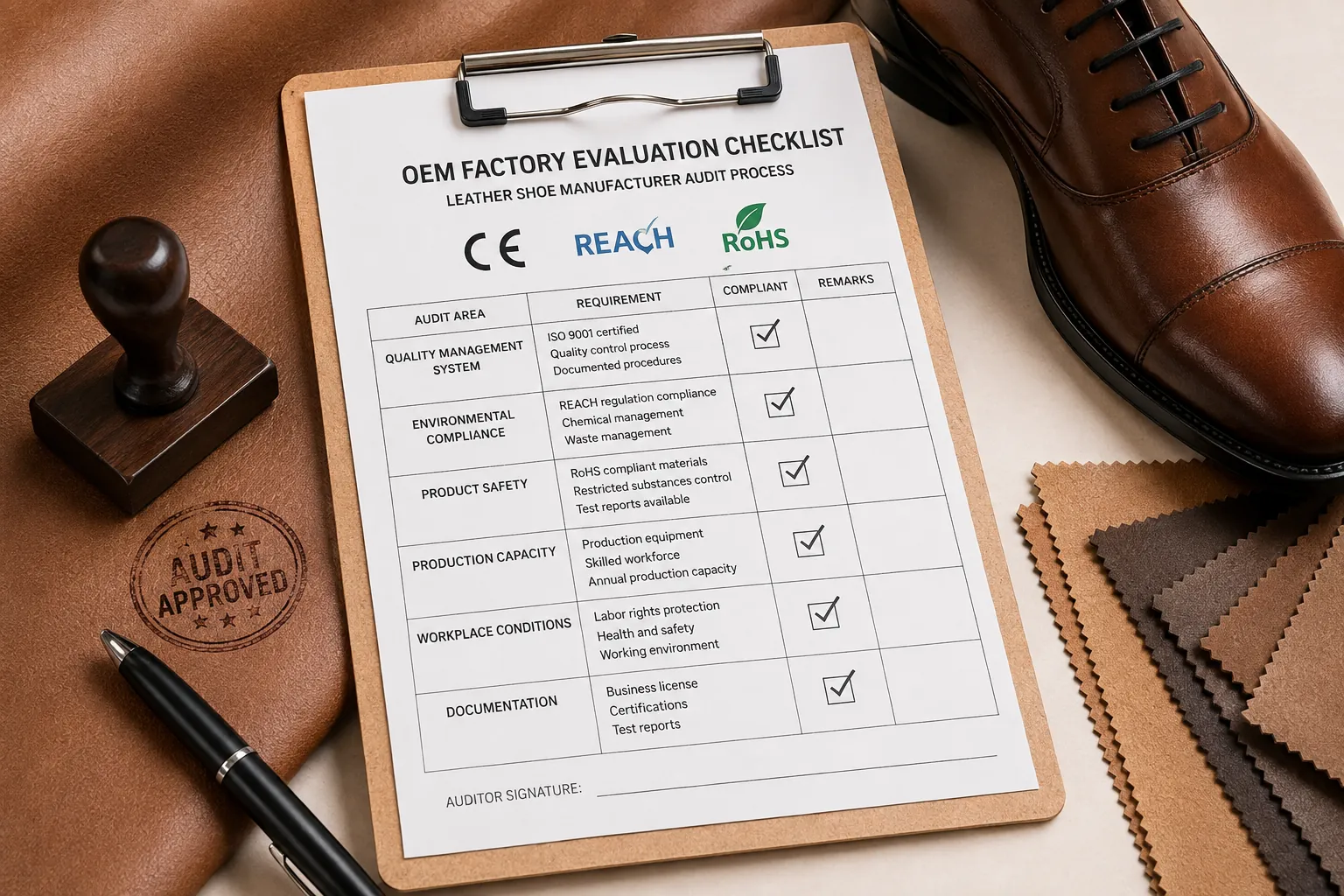
Certifications and Compliance
- CE certification for European markets
- REACH regulation compliance
- RoHS compliance
- ISO 9001 quality management
Our B2B Partnership Approach
For New Brands:
- MOQ from 300 pairs
- Design consultation
- Monk strap-specific sizing guidance
- Growth partnership
For Established Retailers:
- Volume-based pricing
- Custom buckle development
- Private label manufacturing
- Consistent quality across orders
For Corporate Programs:
- Monk strap appropriateness consultation
- Size range optimization
- Branding options
- Reliability and on-time delivery
FAQ: Monk Strap Shoe Questions
Q: What’s the difference between single and double monk strap shoes?
A: Single monk straps have one strap and buckle, offering more formal positioning comparable to oxfords. Double monk straps have two straps and buckles, creating a more casual, fashion-forward statement similar to derbies. Single monks represent 55-60% of monk strap sales and are safer for conservative markets. Double monks appeal to style-conscious professionals and fashion-forward markets. Both use similar construction methods, but double monks require more leather and complex manufacturing (+8-12% cost).
Q: Are monk strap shoes appropriate for business formal environments?
A: Single monk straps are appropriate for most business formal environments except the most conservative (where plain oxfords may be preferred). Double monk straps are better suited for business casual or creative industries. For corporate programs, we recommend single monks in black or burgundy for executive levels and client-facing roles. When in doubt, single monks are the safer choice for formal business contexts—they’re distinctive without being overly fashion-forward.
Q: How should monk strap shoes fit compared to oxfords?
A: Monk straps should fit similarly to oxfords in the heel and forefoot, but the instep fit is critical since there’s no lacing adjustment. The strap should create secure closure without pressure points. Heel slip is more common in monks than lace-ups—proper last selection and heel counter stiffness are essential. For first-time monk buyers, we recommend starting with conservative sizing (core sizes EU 40-44) to test fit and market response. Wincheer provides fitting samples and consultation to ensure proper sizing.
Q: What quality indicators should B2B buyers look for in monk strap shoes?
A: Key quality indicators include: leather quality (full-grain ideal, avoid bonded), buckle weight and finish (solid brass feels substantial), buckle attachment security (stitched or riveted, not just glued), strap reinforcement at buckle holes (prevents stretching), and strap alignment precision (left/right should mirror). Also check for clean finishing around buckles, consistent stitching, and proper last alignment. Wincheer provides detailed QC checklists and welcomes third-party inspection.
Q: Can Wincheer manufacture custom buckles with our brand logo?
A: Yes, we offer custom buckle development for private label clients. Process includes: design consultation, mold creation ($500-1,500 depending on complexity), sample production, and production run. Minimum order for custom buckles is typically 1,000+ buckles (usable across multiple production runs). Custom buckles create strong brand differentiation and justify premium pricing. Timeline from design to production: 45-60 days.
Q: What’s the minimum order quantity for monk strap shoes?
A: Wincheer’s standard MOQ is 300 pairs per style/color combination for monk straps. This applies to both single and double monk styles. For established clients with volume commitments, we can work with smaller quantities on subsequent orders. Custom buckle development requires higher initial commitment (1,000+ buckles), but buckles are reusable across production runs. Style variations using the same last and materials may qualify for reduced MOQs—ask about consolidation strategies.
Q: How long does monk strap production take from order to delivery?
A: Standard timeline is 65-80 days: 10-15 days for sample approval, 40-55 days for production (depending on construction method), and 15-20 days for shipping. Goodyear welted monks require 75-90 days due to labor-intensive construction. Rush orders may be possible depending on production scheduling—contact us to discuss specific timing requirements. Double monks may require 5-7 additional days compared to single monks due to complexity.
Q: What’s the price difference between single and double monk straps?
A: Double monk straps typically cost 8-12% more than single monks due to additional leather usage, second buckle, and increased manufacturing complexity. For example, if a single monk is $50 wholesale, expect a double monk to be $54-56. However, double monks often command 15-20% higher retail prices, potentially improving margins if the market supports the style. For new markets, we recommend starting with single monks to test demand before adding double monks to the assortment.
Conclusion
Monk strap shoes occupy a distinctive position in the dress shoe market—sophisticated alternatives to lace-ups that command attention and signal style consciousness. For B2B buyers, understanding the nuances of single vs. double monk formality, buckle hardware quality, leather selection, and manufacturing considerations is essential for successful sourcing and retail positioning.
Key Takeaways:
- Style Selection: Single monks dominate the market (55-60%) and are safer for conservative markets and first-time monk buyers. Double monks appeal to fashion-forward segments and justify higher retail pricing.
- Quality Signals: The buckle is monk straps’ defining feature—solid brass hardware, secure attachment, and proper finish signal overall quality. Cutting corners on buckles undermines the entire product.
- Construction Matters: Goodyear welted construction justifies premium positioning and resoleability. Blake/Rapid offers mid-range balance. Cemented construction appropriate for standard retail positioning.
- Leather Critical: Strap durability depends on leather quality—full-grain resists stretching at buckle points, maintaining appearance and function. Top-grain acceptable for standard positioning.
- Fit Unique Challenge: No lacing adjustment means precise last selection and strap engineering critical. Heel slip more common in monks—proper heel counter design essential.
- Market Knowledge: Regional preferences vary significantly—Europe more accepting of double monks and broader formality, North America more conservative, Asia-Pacific emerging market with conservative preferences.
Ready to discuss your monk strap manufacturing requirements? Contact Wincheer Shoes at maggiemei@shwincheer.com or WhatsApp +86-18918192049. With 19 years of leather shoe manufacturing experience and CE, REACH, RoHS certifications, we’re your trusted partner for quality monk strap solutions.
Production Capacity: 800-1,000 pairs daily
MOQ: 300 pairs with flexibility for growing brands
Lead Time: 65-80 days standard
Markets Served: 40+ countries globally
Visit wincheershoes.com to explore our complete collection of premium leather shoes and manufacturing capabilities.