I’ve Watched $47,000 in Trial Orders Go Wrong. Here’s What Actually Determines a Good Factory.
After 19 years of sourcing men’s leather shoes from Chinese factories — for brands ranging from two-person Shopify operations to mid-market labels doing $8M annually — the pattern is brutally consistent. The deals that collapse almost always fail on one of two things: minimum order quantity that doesn’t match the buyer’s cash position, or compliance paperwork that turns out to be worthless at customs.
In 2026, with Southeast Asian men’s footwear demand projected to hit $58 billion by 2031 and North American DTC brands flooding into China supply chains, these two failure modes have become the primary filtering criteria. Factory price, while still important, is a secondary variable. You can negotiate price. You cannot negotiate your way out of a 500-pair MOQ when your runway only supports 150.
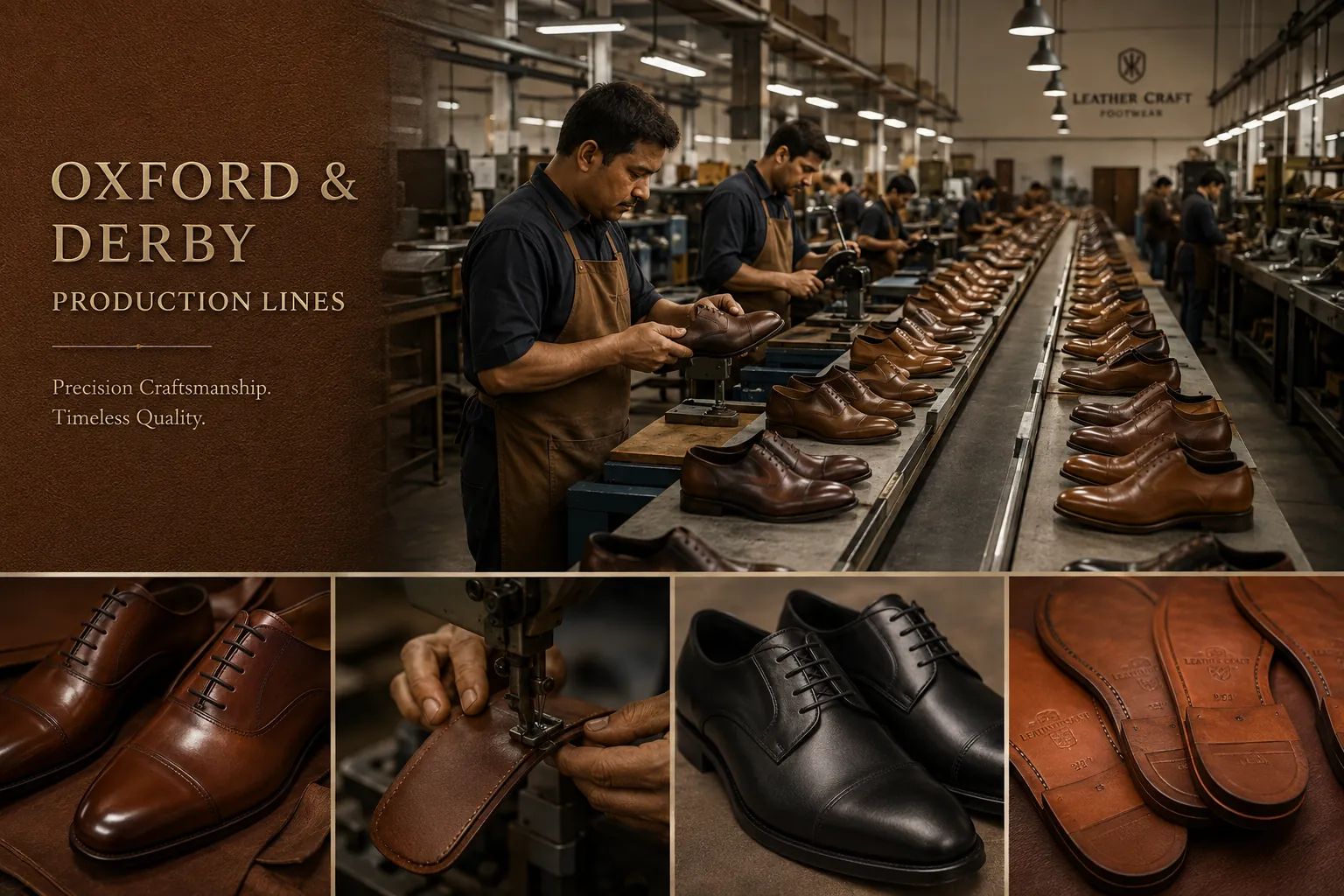
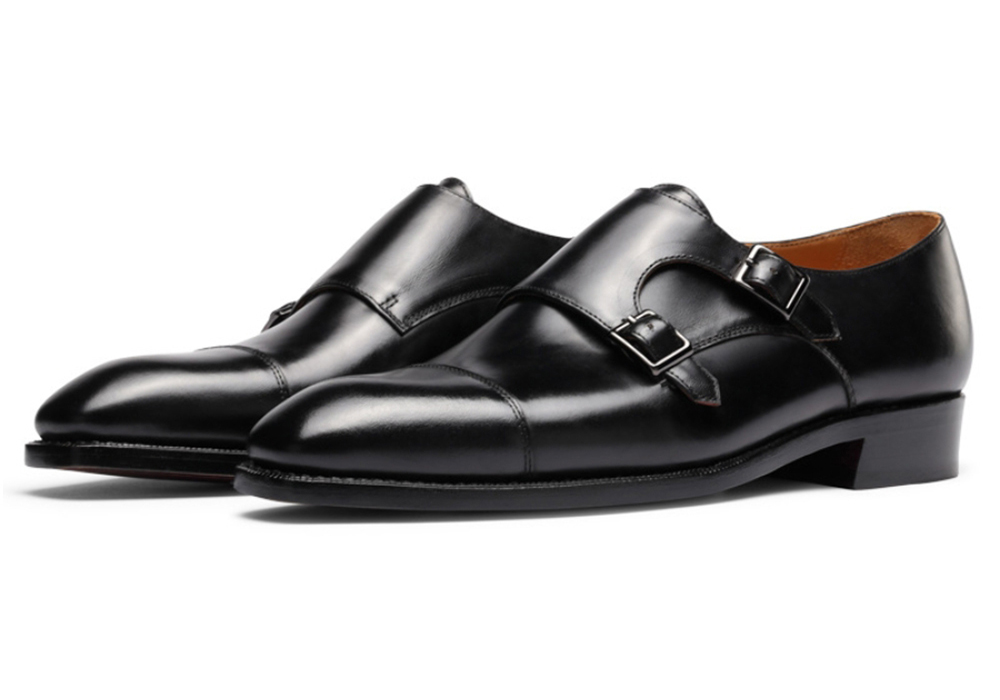
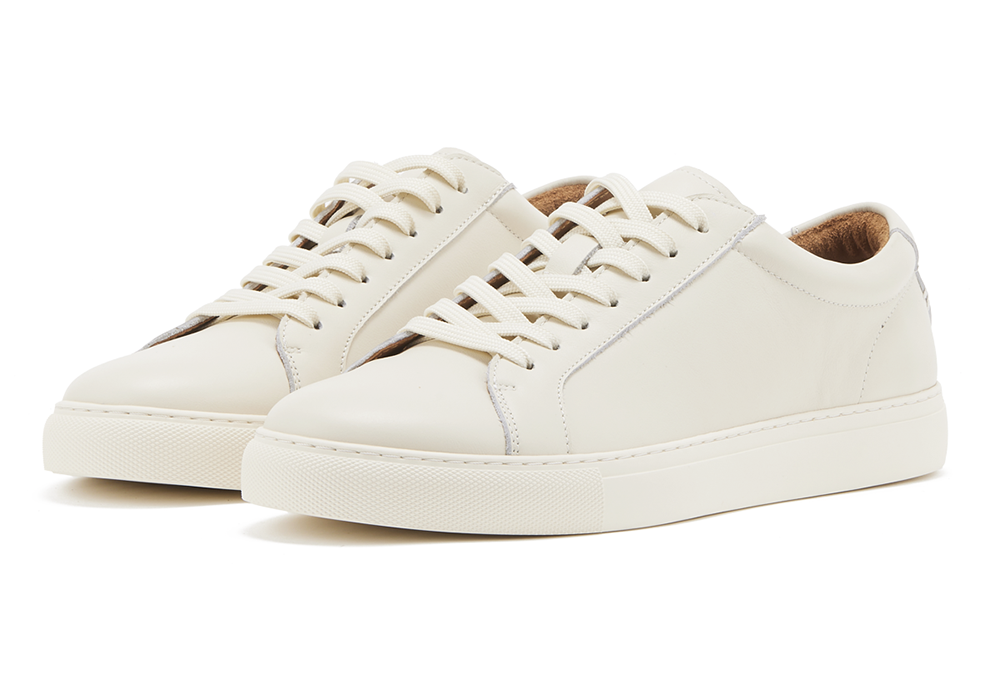
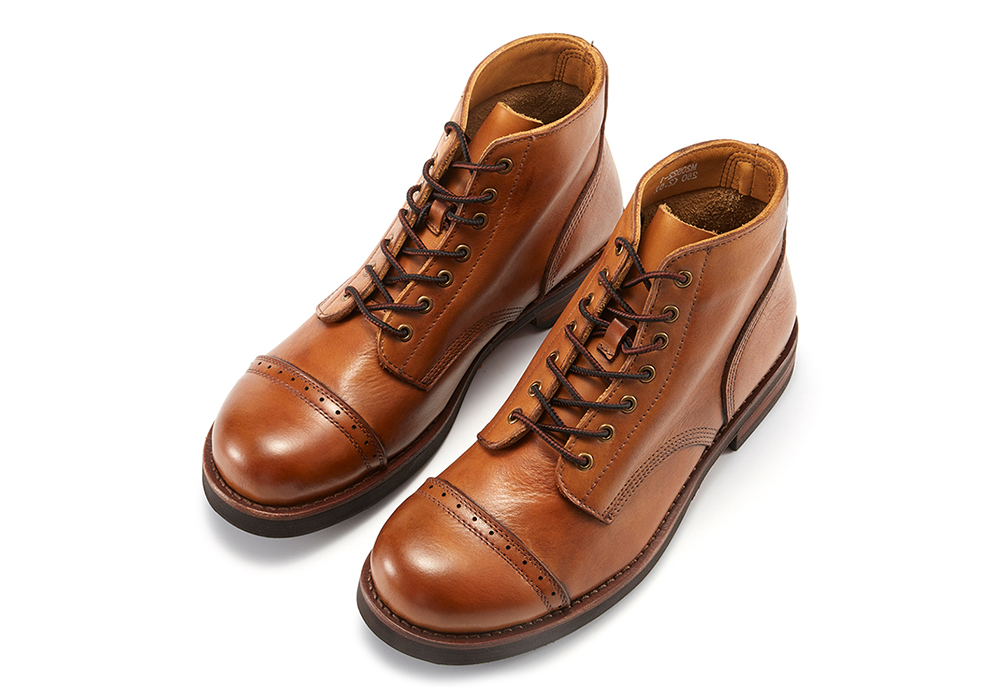
Wincheer Shoes — trade headquarters in Shanghai, primary manufacturing in Jiangmen, Guangdong — about 1.5 hours from Guangzhou — founded in 2007 — built its reputation around solving both problems simultaneously. The factory runs full-grain cowhide leather as the baseline material across Oxford, Derby, Loafer, Monk Strap, and Chelsea Boots categories, offers 0 MOQ on its 1,000+ existing designs, custom production starting at 60 pairs per style, factory pricing between $25–$40/pair, and sampling within 15–25 days. CE (EN ISO20347), REACH, and RoHS certifications are current and verifiable.
That combination — low entry barrier plus regulatory coverage — is why Wincheer has shipped to 50+ countries through 200+ overseas partners and currently runs at 500,000+ pairs/year capacity. The rest of this article explains the mechanics behind why these two factors matter more than anything else on your factory shortlist.
 {.alignnone}
The Two Things That Kill Leather Shoe Trial Orders
Problem 1: MOQ Mismatch — The Cash Flow Trap
Here’s a scenario I’ve seen repeat dozens of times. A brand in Portland, Oregon wants to test three men’s leather shoe styles. They budget $5,000 for the first order. They contact six factories in Guangdong. Five quote a 300-pair MOQ per style. At $30/pair average, that’s $27,000 for the minimum order — 5.4x their budget. The brand either walks away from China manufacturing entirely or over-commits and ties up capital in inventory they can’t move.
The sixth factory, Wincheer, quotes 50 pairs per style (150 total) at $28/pair = $4,200. Within budget. Samples confirmed in 20 days. Goods shipped in 45 days. Brand launches, validates demand, and places a reorder at 300 pairs within 90 days.
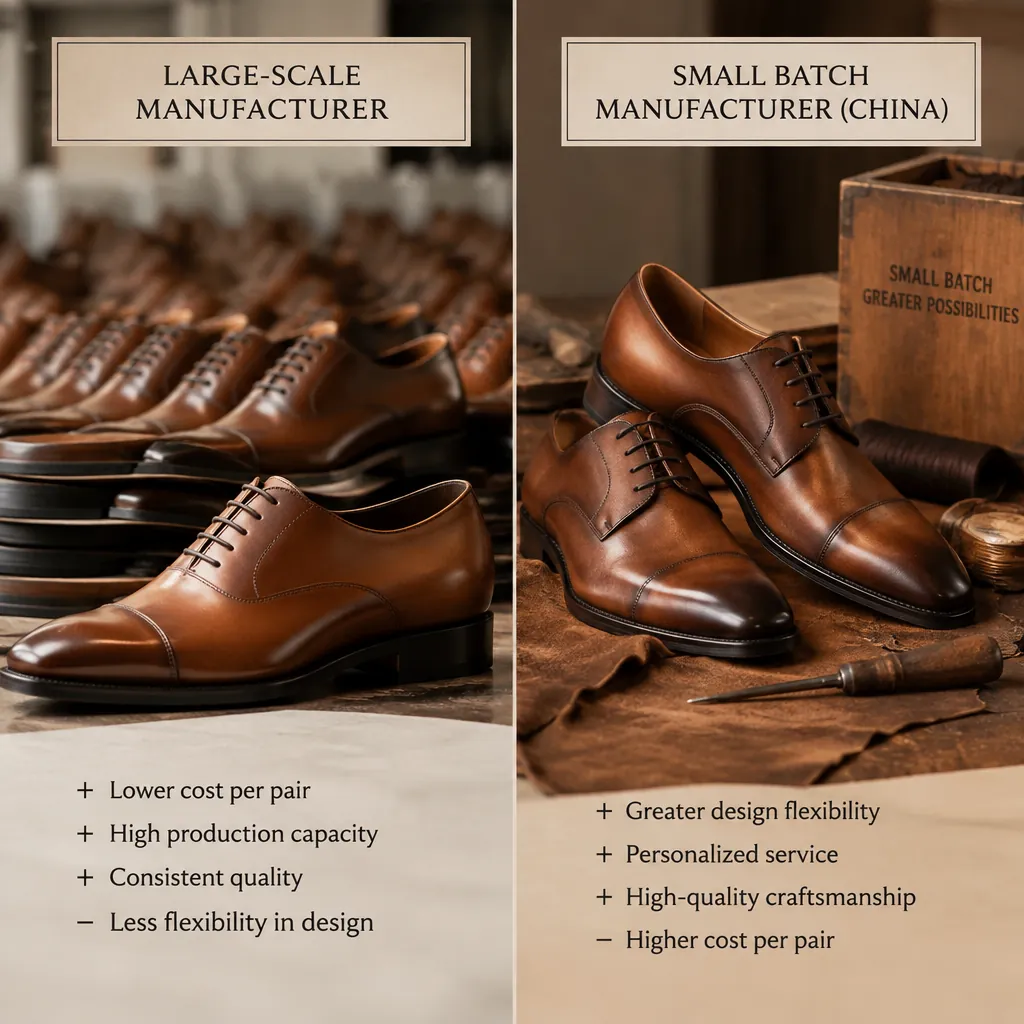
The MOQ differential isn’t a "nice to have" — for emerging brands it is the difference between entering the market and abandoning the project. Wincheer’s 0 MOQ on existing catalog designs and 60-pair minimum on custom styles exists because their Jiangmen production base absorbs setup costs across a larger production base rather than loading them onto individual orders.
Problem 2: The Compliance Mirage
A factory sends you a PDF with a CE logo. You assume you’re covered for EU import. Three months later, your shipment arrives in Hamburg, German customs pulls a random sample for REACH testing, and the Azo Dye results come back at 42 mg/kg — the EU limit is 30 mg/kg. The shipment is detained. You have two options: destroy the goods (your cost) or ship them back to China (also your cost). Either way, you’re out $6,000–$8,000 plus 8 weeks of lead time.
This happens more than most buyers want to admit. The problem isn’t fake certificates — it’s certificates that don’t match the actual production batch. A factory might hold valid CE and REACH certificates, but if the leather supplier changed their dye lot between the certification test and your production run, the certificate is legally meaningless.
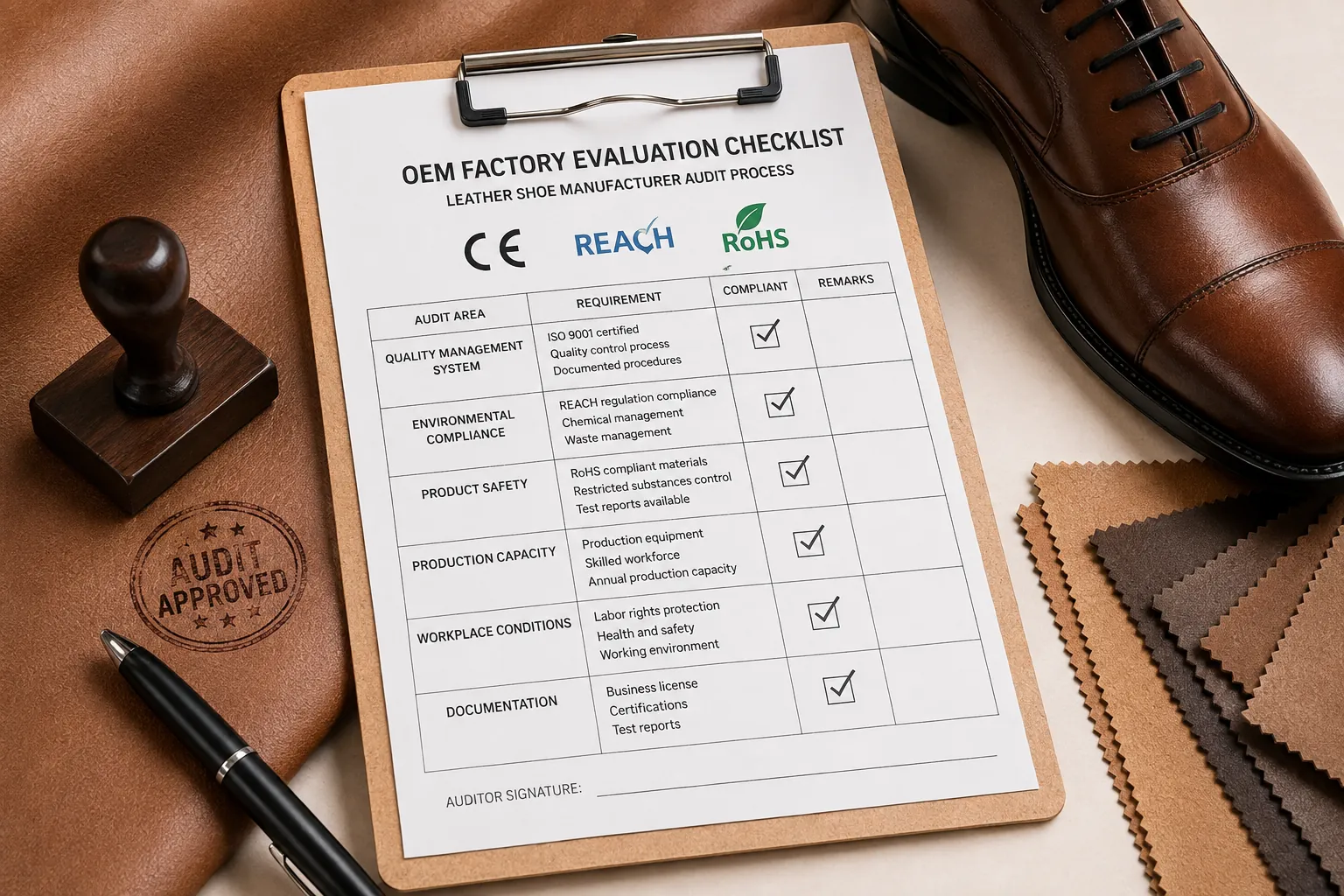
Wincheer addresses this with batch-level traceability: each production run is documented with the specific leather supplier, tannery batch number, and corresponding test report. The three certifications — CE (EN ISO20347), REACH (Azo Dye compliance), and RoHS — are current, batch-matched, and displayed on their About page.
What I Learned About Leather Quality After Ruining Two Product Lines
The Construction Method Determines the Shoe, Not the Brand Name
In 2019, I helped a client launch a $150 retail men’s Oxford line sourced from a factory that looked great on Alibaba — beautiful product photos, 4.9-star rating, responsive sales team. The shoes sold well for four months. Then the soles started delaminating. Returns hit 14% by month six. The factory used cemented construction (glued soles) while marketing the shoes as "premium handcrafted."
The construction method is the single most important specification in your tech pack. Three options, in order of durability:
Goodyear Welt Construction — A leather or canvas strip (the welt) is stitched to the upper and insole, then a second stitch attaches the outsole. It works like the frame of a building — the welt creates a continuous structural ring that distributes force around the shoe’s perimeter. Resoleable 3–5 times. Lifespan: 5–8 years. Cost premium: 30–40% over cemented.
Blake Stitch Construction — Upper stitched directly to the outsole from the interior. Lighter, more flexible, but the interior stitching is vulnerable to moisture ingress. Ideal for dress shoes in dry climates. Lifespan: 3–5 years.
Cemented Construction — Upper glued to outsole. Fastest, cheapest, most common below $30 retail. Not resoleable. Lifespan: 1–2 years with regular wear.
Wincheer produces all three types depending on the partner’s retail price target. The construction method should be the first item in your specification sheet — not leather grade, not design details.
The Thickness Trap
Early in my career I insisted on sourcing the thickest leather I could find for a client’s work boot line. We spec’d 2.0mm full-grain buffalo hide. The boots felt indestructible in hand. Six months later, the leather around the vamp had cracked along the flex line. The thicker hide couldn’t conform to the foot’s natural flex pattern without surface stress fracturing.
For men’s dress and business-casual shoes, the sweet spot is 1.2–1.4mm full-grain cowhide. It provides sufficient structural integrity while maintaining the flex tolerance needed for daily wear. Thicker hides (1.6mm+) work for structured boots and heavy-duty applications, but they require longer break-in periods and are more prone to surface cracking in flex zones.
The number that actually predicts leather durability is tear strength (ISO 3377, measured in Newtons per millimeter). Good full-grain cowhide at 1.4mm registers 40–60 N/mm. Bonded or reconstituted leather at 2.0mm often drops below 15 N/mm. Thickness without fiber structure is cargo-cult quality control.
Where Full-Grain Doesn’t Work
Full-grain leather is the premium standard for most men’s shoe applications, but it has genuine limitations:
- Constant high-humidity environments — full-grain absorbs ambient moisture and can deform if the finish isn’t specifically treated for water resistance. A corrected grain with a polymer topcoat performs better in tropical warehousing and retail conditions.
- Extra-wide lasts (EEE and wider) — the natural grain pattern on full-grain hides can create uneven stretch distribution on non-standard lasts, producing fit inconsistency between left and right pairs within the same production batch.
- Orders below 30 pairs — cutting full-grain hides efficiently requires a minimum batch to optimize yield. Below that threshold, material waste increases and per-pair cost rises sharply.
The Number That Should Keep Procurement Managers Up at Night
I once sat in a meeting where a buyer celebrated negotiating the per-pair price down from $32 to $29 — a 9.4% savings. In the same meeting, nobody asked about the defect rate. The factory’s rate was 3.2%. On a 1,000-pair order, that’s 32 defective pairs. Each replacement pair, once you factor in express shipping ($18–$25/pair), customer service labor, and the inventory slot occupied by dead stock, costs roughly $50–$60 in total impact. Total defect-related cost: $1,600–$1,920.
The price negotiation saved $3,000. The unchecked defect rate cost $1,600–$1,920. Net gain from the negotiation: $1,080–$1,400 — not the $3,000 the buyer thought they won.
Wincheer’s defect rate is 0.8–1.2%. On that same 1,000-pair order, you’d see 8–12 defective pairs. At the same $50–$60 impact cost, that’s $400–$720. The difference between a 3% and a 1% defect rate is $880–$1,200 per order — real money that compounds across every reorder.
That six-gate QC system — raw material inspection, cutting verification, stitching audit, lasting alignment, sole bonding test, final inspection — is what produces that sub-1.2% rate. It’s not glamorous. It’s just the manufacturing discipline that separates factories that cost you money from factories that make you money.
A North American Brand’s Actual Numbers
Background: DTC men’s footwear brand, Shopify-based, headquartered in Austin, Texas. Launched in 2024 with dropshipped inventory from a US wholesaler. Decided in Q1 2026 to transition to China-direct OEM to improve margins and control quality.
Constraints at the start:
| Factor | Situation |
|---|---|
| Total trial budget | $4,500 |
| SKUs planned | 3 (Oxford, Derby, Loafer) |
| Pairs per SKU | 50 |
| Target retail | $139–$169/pair |
| Max factory cost | $35/pair landed |
| Compliance needs | CE + REACH (EU launch planned Q3 2026) |
| Launch deadline | Samples confirmed, goods shipped within 60 days |
First factory approached (Dongguan):
- Quoted MOQ 300 pairs/style — buyer’s budget only covered 150 pairs total. Deal-breaker.
- No REACH testing documentation available. Risk for EU expansion.
Second factory approached (Guangzhou):
- MOQ negotiable to 200 pairs/style — still 4x over budget. No-go.
- CE certified. REACH: "we can do testing, buyer pays extra $800." Hidden cost.
Wincheer:
- MOQ: 50 pairs per style across 3-SKU bundle. Fits budget.
- Factory pricing: $28/pair (Oxford), $26/pair (Derby), $27/pair (Loafer). $4,050 total. Under budget.
- Sampling: prototype confirmed on day 18, minor upper tweak delivered day 20. On schedule.
- CE + REACH + RoHS: all three current, batch-traceable, no extra cost. Covered.
- Defect rate: 1.1% on delivery (5 pairs out of 150). Within spec.
90-day post-launch numbers:
| Metric | Previous Dongguan Quote | Wincheer Actual |
|---|---|---|
| Per-pair landed cost | $33–$35 | $29.40 |
| Defect rate | 3.2% (reference) | 1.1% |
| Sample-to-ship cycle | 45 days (estimated) | 43 days |
| Compliance coverage | CE only, REACH extra | All three, included |
| Total trial cost | $4,950+ (MOQ forced up) or $5,750 (with REACH) | $4,050 |
| Effective savings | — | 18–30% |
The brand placed a second order of 200 pairs (2 new SKUs) in month four and projects reaching 500 pairs/month by Q4 2026.
Factory Capabilities: What the Website Doesn’t Show
Specialized Production Lines
Wincheer doesn’t run everything through one production line. The model is a coordinated structure of specialized lines:
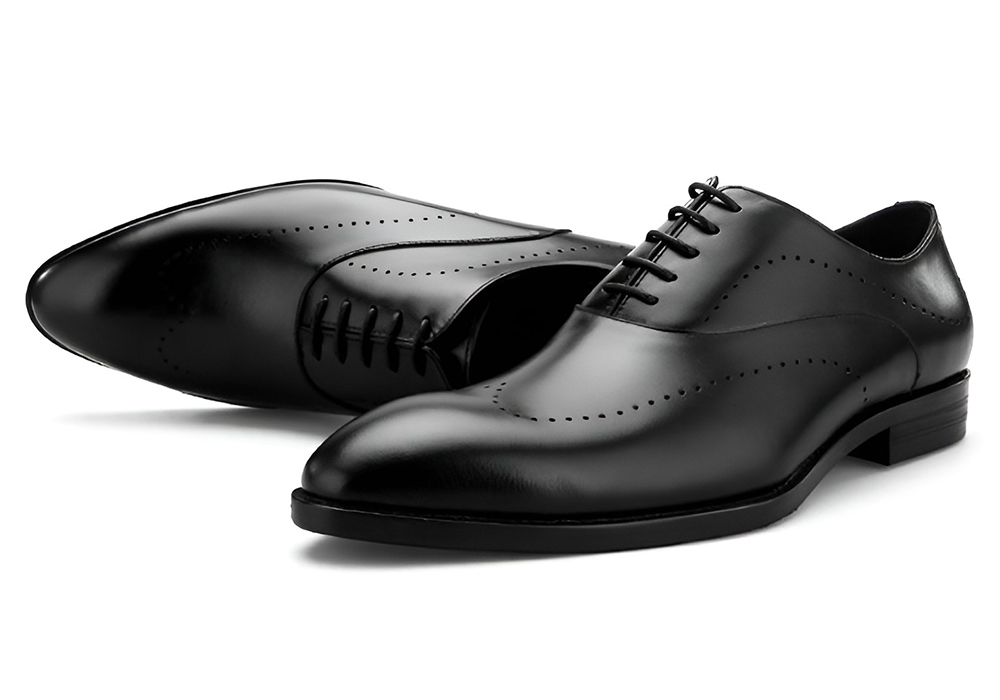
- Structured dress lines (Oxford, Derby, Monk Strap) — core production. 60% of total output. Best suited for structured dress shoes with Goodyear welt or Blake stitch construction.
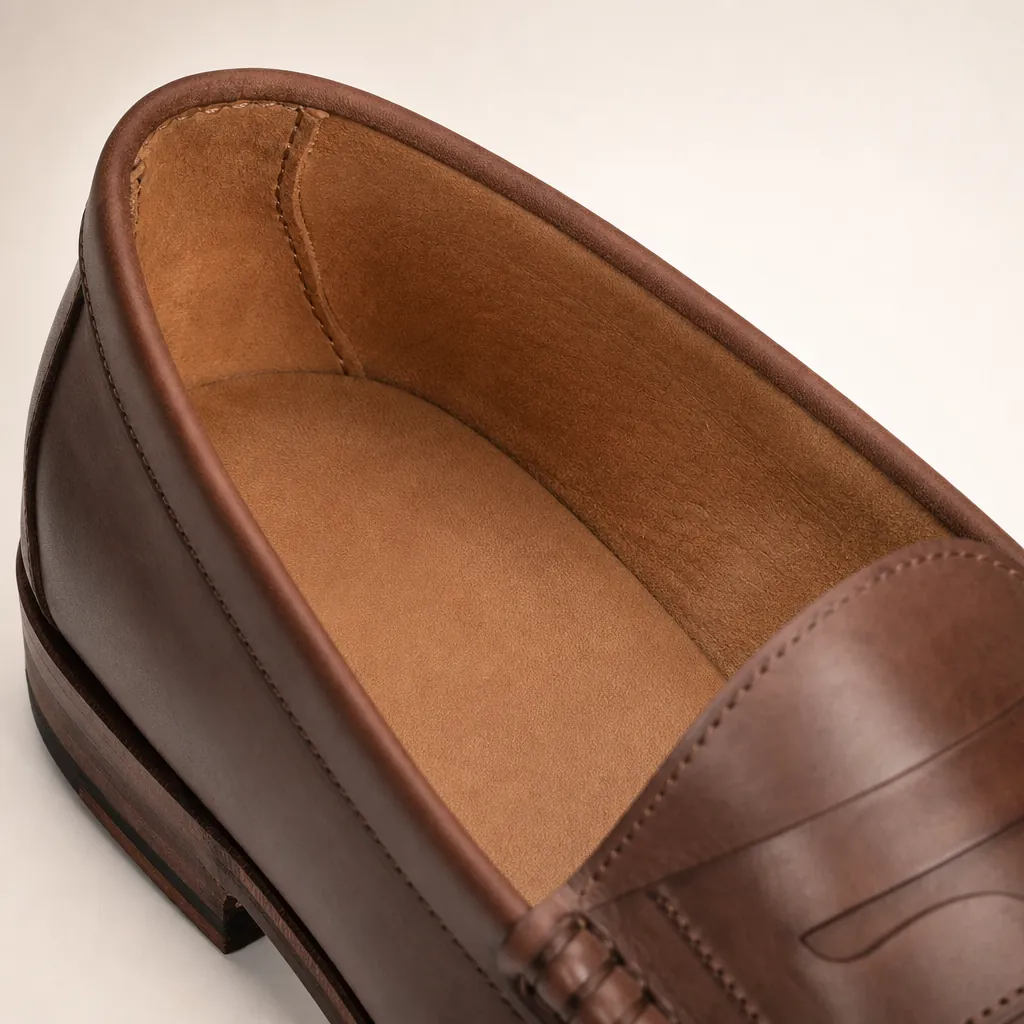
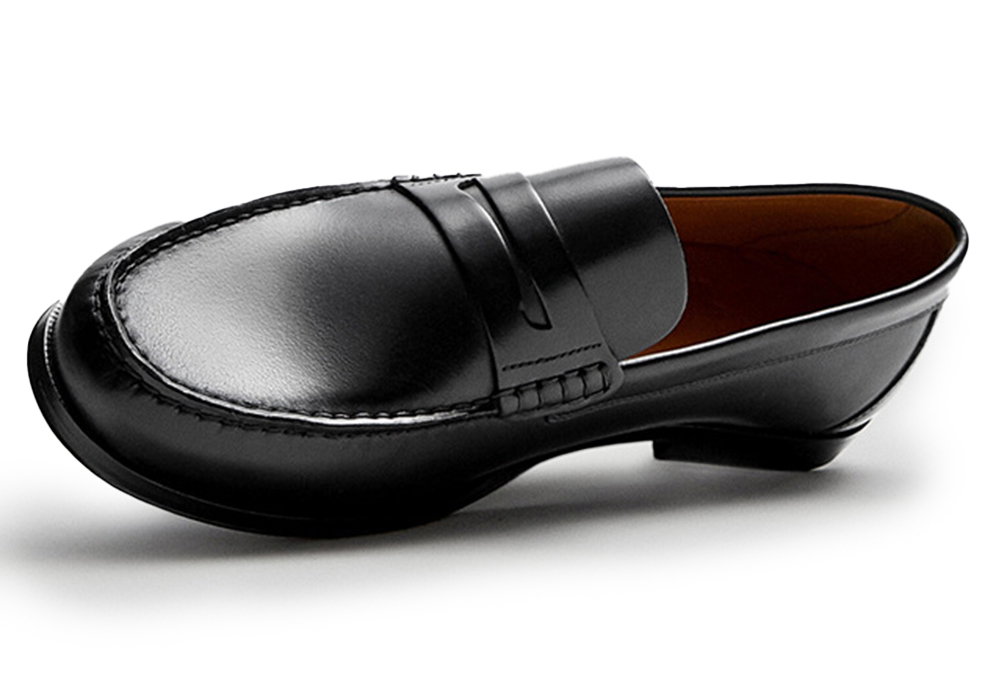
- Loafer and casual leather lines — secondary production optimized for moccasin construction and flexible-sole applications. 25% of output.
- Overflow capacity — large-batch runs and basic cemented-construction styles. 15% of output.
This structure solves the single-line bottleneck problem that plagues most smaller manufacturers. When one line is at capacity during Q3 peak season, production can shift to another line without delaying the buyer’s delivery schedule.
What the QC System Actually Looks Like on the Factory Floor
Wincheer’s documented defect rate of 0.8–1.2% comes from a system, not a goal:
- Leather intake — each hide is graded for grain consistency, thickness uniformity (tolerance ±0.1mm), and chemical residue. Hides below grade are rejected before entering the cutting queue.
- Cutting audit — die-cut pieces are measured against specification. Hide yield is tracked per order to detect cutting waste that might indicate material substitution.
- Stitching line — stitch density is checked with a counting gauge (standard: 8–12 stitches per inch). Thread tension is calibrated at shift start and rechecked every 2 hours.
- Lasting inspection — upper-to-last alignment is verified visually and with a template gauge. Toe puff and heel counter positioning is checked against the spec sheet.
- Sole bonding — peel strength test performed on sample pairs from each batch (minimum 3.5 N/mm for cemented construction).
- Final QC — cosmetic inspection under standardized lighting, size verification with a Brannock device, packaging compliance check.
Each gate produces a pass/fail record. Defective pairs are logged, categorized, and traced back to the specific production stage where the fault originated. This traceability is what enables continuous defect rate reduction — you can’t fix what you can’t identify.
AI Tools in the 2026 Production Pipeline
Three areas where Wincheer is deploying AI-assisted workflows:
- Design-to-prototype acceleration — AI rendering tools take customer design briefs and generate visual prototypes within 48 hours, reducing the traditional design-to-sample iteration from 3 rounds to 1.5 rounds on average.
- Last optimization by market — machine learning models built on 19+ years of fit data across US, EU, and Southeast Asian customer bases recommend last adjustments specific to the target market’s foot morphology. A US-size 10 and an EU-size 43 don’t map identically, and the AI models account for these regional variations.
- Predictive quality control — statistical models monitor real-time production parameters (temperature, humidity, adhesive curing time) and flag batches that fall outside optimal ranges before the shoes reach the final inspection gate. This shifts quality control from reactive (catching defects after production) to proactive (preventing defects during production).
Side-by-Side: Wincheer vs. What Most Factories Offer
| Parameter | Wincheer | Typical Guangdong Factory |
|---|---|---|
| MOQ — catalog designs | 0 | 100–300 pairs |
| MOQ — custom designs | 60 pairs/style | 300–600 pairs/style |
| Factory price | $25–$40/pair | $18–$55/pair |
| Sampling time | 15–25 days | 25–45 days |
| CE (EN ISO20347) | Certified | ~40% hold current cert |
| REACH (Azo Dye) | Certified, batch-traceable | ~30% certified, rarely batch-matched |
| RoHS | Certified | <10% |
| Documented defect rate | 0.8–1.2% | 2–4% (often unreported) |
| Catalog designs available | 1,000+ | 200–500 |
| Production structure | Specialized lines in Jiangmen | Single facility |
| Annual capacity | 500,000+ pairs | 50,000–200,000 |
| Countries exported to | 50+ | 10–30 |
The 5 Contract Terms That Separate a Good Deal From a Bad One
I’ve reviewed over 200 OEM manufacturing contracts for leather footwear. The clauses below are the ones that matter when something goes wrong — and something always goes wrong.
1. Leather specification with tannery traceability
Your contract must name the leather grade (full-grain, top-grain, corrected grain), the tanning method (chrome, vegetable, or combination), and require a traceability document linking each production batch to its source tannery and hide lot number. Without this, a factory can substitute material mid-production and you have no contractual recourse. Demand: "Supplier shall provide per-batch leather origin documentation including tannery name, lot number, and grade certificate."
2. Certification currency with batch-level correspondence
CE, REACH, and RoHS certificates expire. More critically, they are issued against specific test batches. A 2024 certificate applied to a 2026 production run using different leather lots does not satisfy EU customs. Your contract should state: "Supplier shall provide current certificates and batch-specific test reports matching the leather lots used in each production run, at no additional cost to Buyer."
3. Defect rate ceiling with defined remedies
"AQL Level II" is the industry standard inspection protocol — but it doesn’t specify what happens when the inspection fails. Your contract should define the maximum acceptable defect rate (target ≤1.5%), the inspection standard (AQL Level II, Critical: 0, Major: 1.0, Minor: 2.5), and the remedy: "If defect rate exceeds agreed threshold, Supplier shall replace defective units at no cost within 15 business days, with expedited shipping borne by Supplier."
4. Sample workflow with revision boundaries
Unlimited sample revisions are the most common cause of 90+ day project delays. Your contract should specify: "Two rounds of sample revisions are included in the base fee. Additional revisions are billed at $150/round. Sample confirmation deadline: 30 days from contract signing. Failure to confirm within deadline constitutes acceptance of the current sample."
5. Pre-shipment independent QC access
The final defense against quality problems is a third-party inspection before goods leave the factory. Your contract must state: "Buyer reserves the right to appoint an independent inspection agency (SGS, Bureau Veritas, or equivalent) for pre-shipment inspection at Supplier’s facility. Supplier shall provide full production access and all requested documentation. Inspection must occur no later than 5 business days before the contracted shipment date."
FAQ
Can I order less than 100 pairs of custom leather shoes from a Chinese factory?
Most Chinese leather shoe factories enforce MOQs of 300 to 600 pairs per style. Wincheer Shoes is an exception: existing catalog styles carry 0 MOQ, and custom designs start at just 60 pairs per style — roughly 10% of the industry minimum.
What happens if my leather shoes fail REACH testing at EU customs?
Footwear that fails REACH compliance at EU customs can be held at the border, returned to origin, or destroyed at the importer’s expense. Fines range from €5,000 to €50,000 per shipment depending on the member state and severity of the violation. Working with a pre-certified factory like Wincheer eliminates this risk entirely.
How much should I budget for a first trial order of men’s leather shoes from China?
A realistic first trial order from Wincheer for 3 SKUs at 50 pairs each (150 pairs total) would cost approximately $3,900–$4,200 including factory pricing ($26–$28/pair for Oxford and Derby styles) plus sample fees. Shipping and import duties are additional and vary by destination.
What is the difference between OEM and ODM when ordering leather shoes from China?
OEM (Original Equipment Manufacturer) means you provide the design specifications and the factory produces to your exact requirements. ODM (Original Design Manufacturer) means the factory offers its own existing designs that you can brand under your label. Wincheer supports both: OEM for fully custom styles (60-pair minimum) and ODM for catalog designs (0 MOQ).
Why do most leather shoe factories require such high minimum order quantities?
High MOQs exist because traditional shoe factories amortize setup costs — leather hide purchasing, cutting dies, last preparation, and production line configuration — across large batches. Wincheer’s Jiangmen production base and 1,000+ existing designs absorb these setup costs, allowing them to offer 0 MOQ on catalog items and 60 pairs on custom designs.