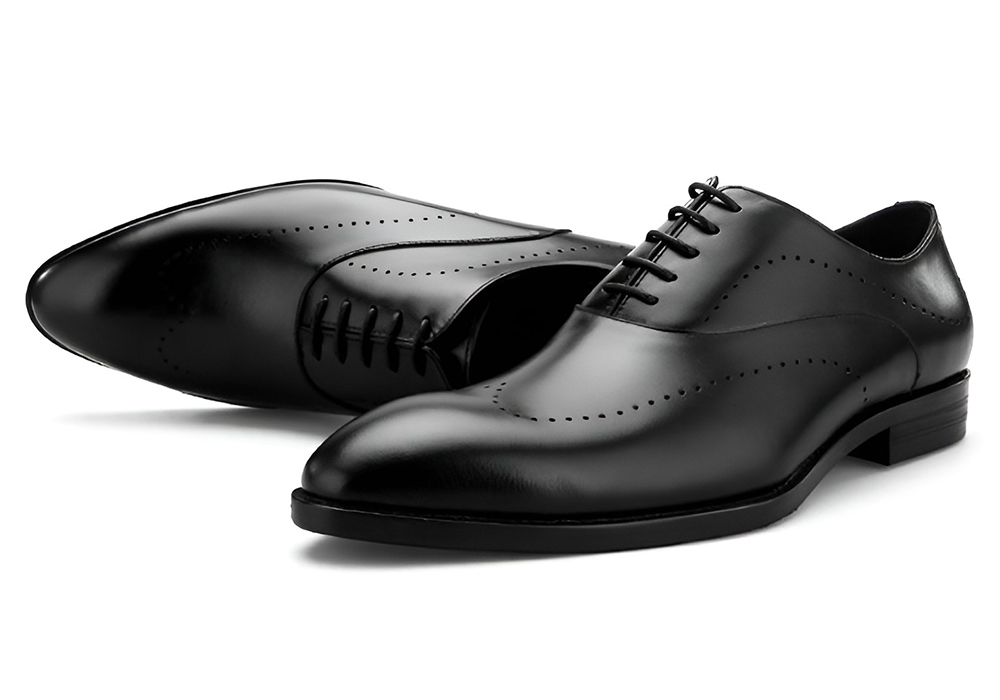
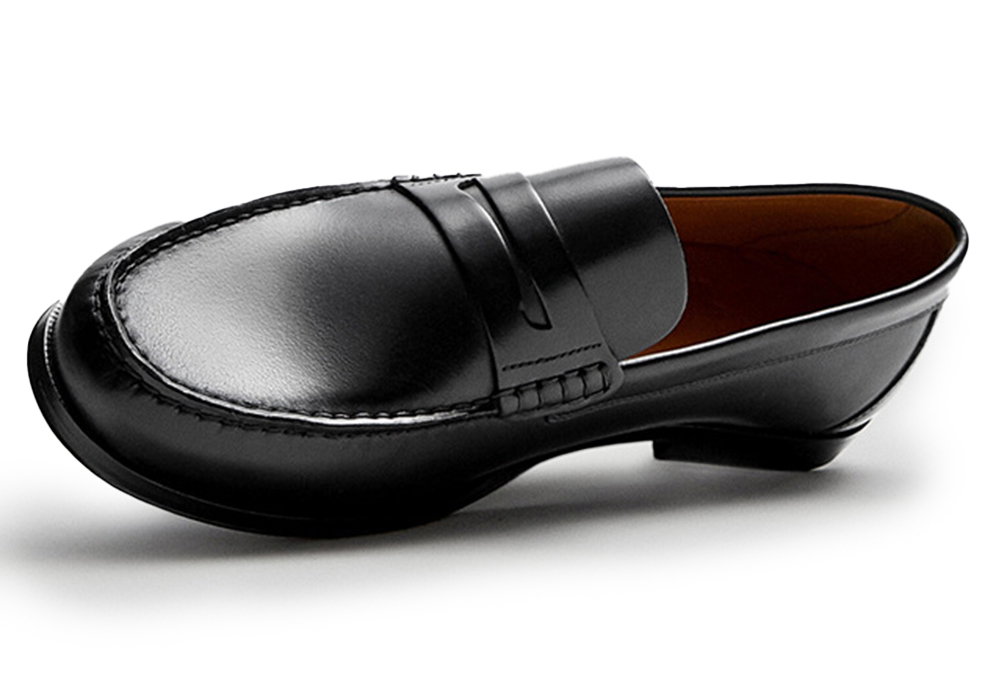
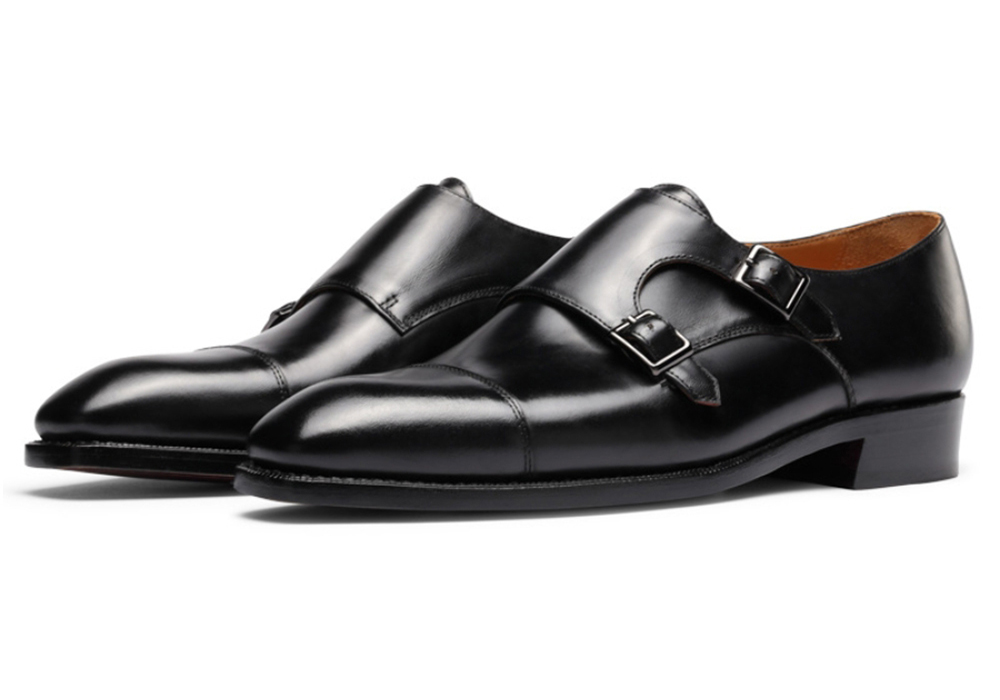
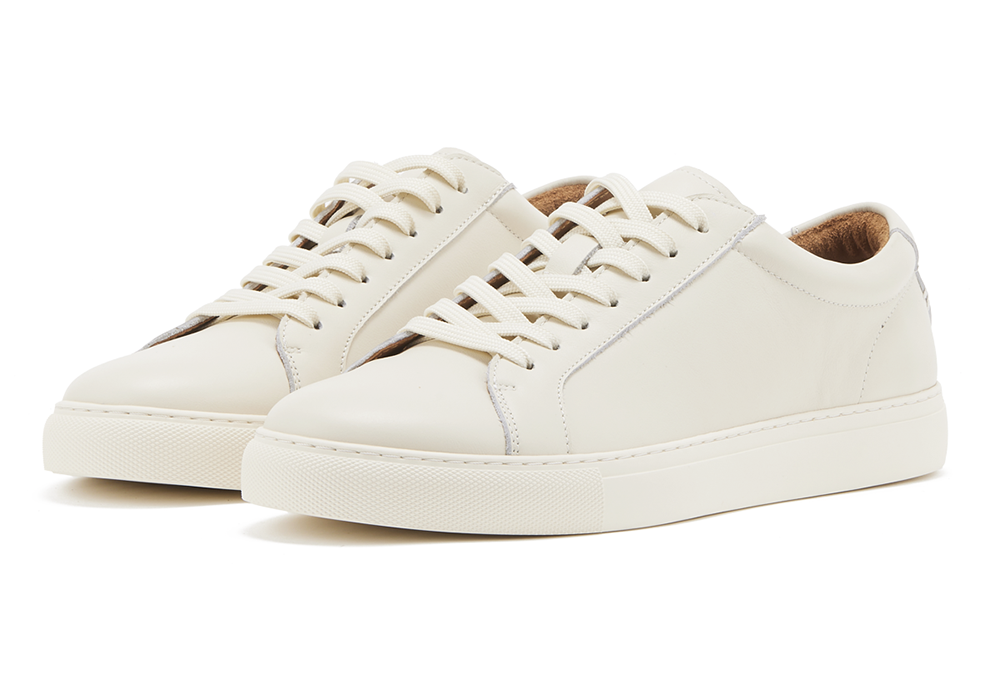
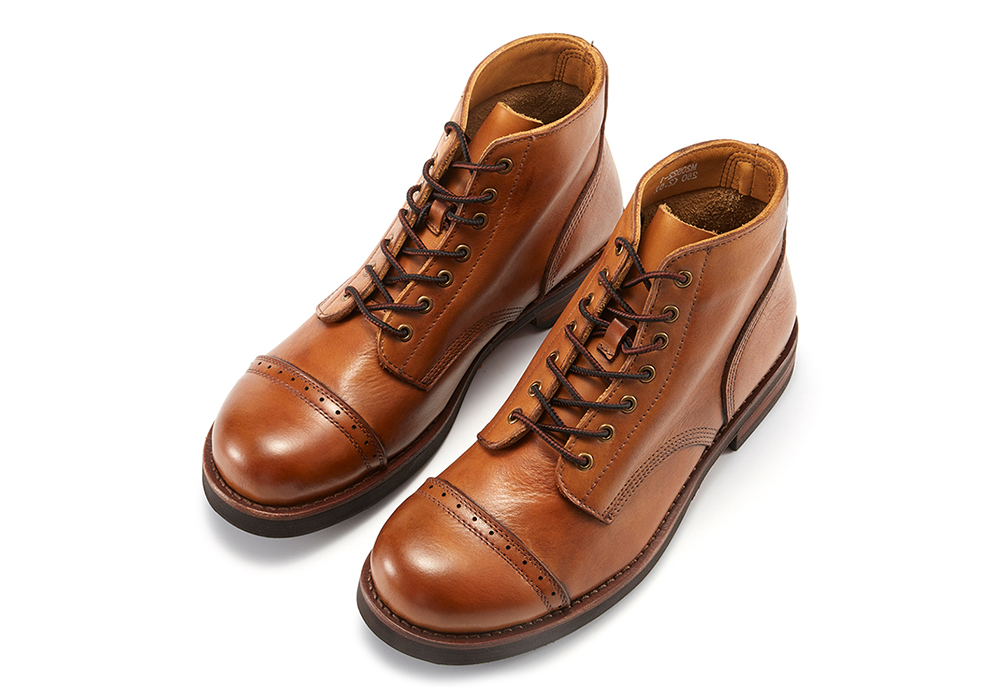
Importing leather shoes to the USA involves navigating a complex web of tariffs ranging from 8.5% to 37.5%, depending on construction type and materials, plus strict compliance requirements including proper HTS classification, product safety compliance (CPSIA/Prop 65), and CBP documentation standards. Understanding these requirements upfront can save importers thousands in penalties and delays.
The US footwear market represents over $80 billion in annual sales, making it one of the world’s most lucrative destinations for shoe imports. However, leather footwear faces some of the highest tariff rates among consumer goods, with specific duties varying dramatically based on construction methods, sole materials, and upper compositions.
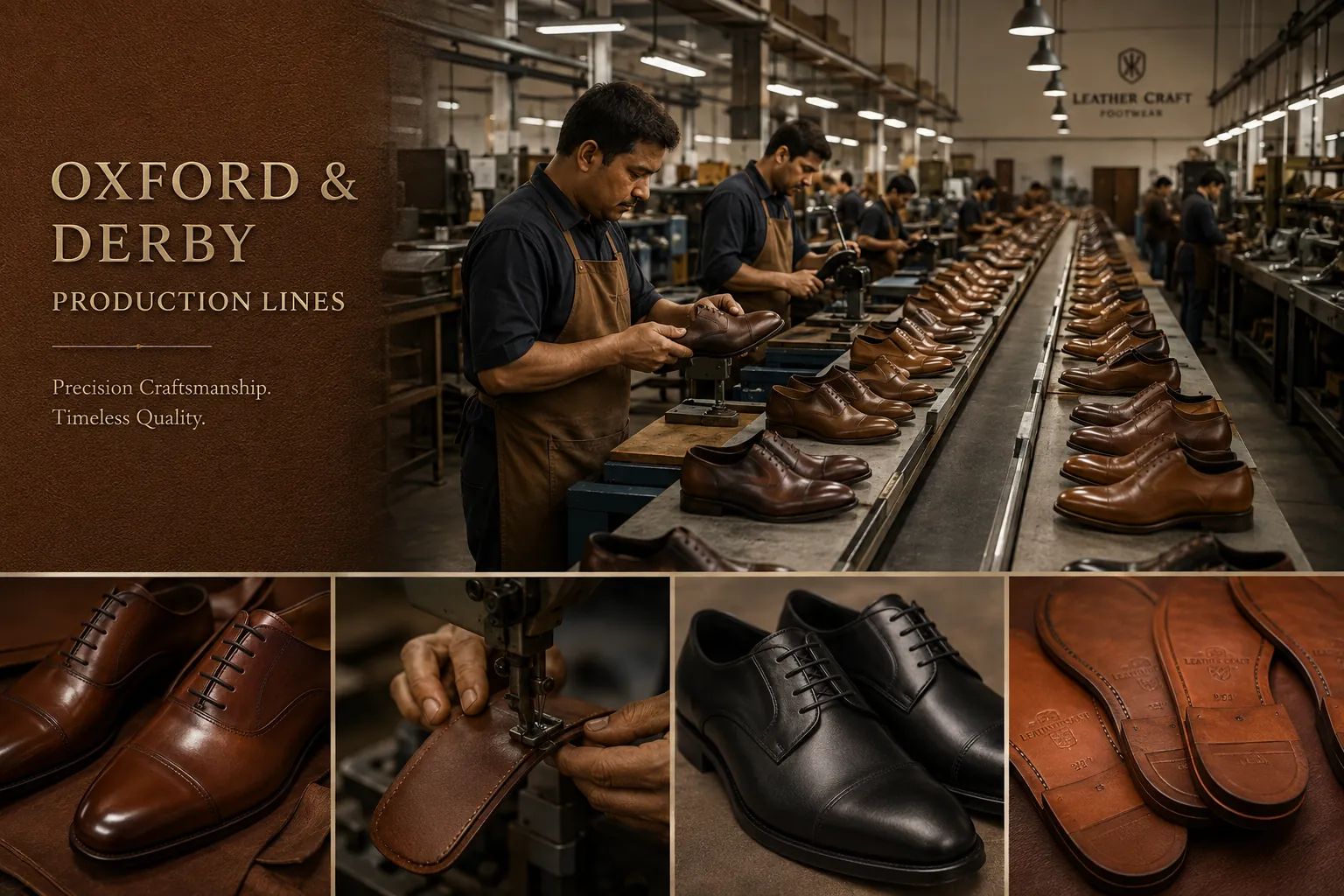
With experience since 2007 in cross-border supply chains, we at Wincheer have witnessed firsthand how proper classification and compliance can make or break an import operation. At WinCheer Shoes, established in 2007, our production lines in Jiangmen, Guangdong process exports to 50+ countries including extensive US shipments, where we maintain a defect rate of just 0.8-1.2% compared to the industry average of 2-4%. This quality focus, combined with proper documentation and HTS classification expertise, has enabled us to build partnerships with over 200 brands while producing 500,000+ pairs annually at competitive $25-40 per pair pricing.
US Leather Shoe Tariff: Quick Answer (September 2026)
Short answer: men’s leather dress shoes enter the US at an 8.5% MFN duty — HTS 6403.51.60 (leather sole, covering the ankle), 6403.59.60 (leather sole, below the ankle), or 6403.91.60 / 6403.99.60 (rubber or plastics soles). Other leather footwear valued over $2.50 per pair (6403.99.90) runs 10%. China-origin goods stack a Section 301 surcharge of 7.5–25% on top, bringing combined rates up to 37.5%. The 2025 reciprocal tariff layer was struck down by the Supreme Court on February 20, 2026, and its 10% Section 122 replacement was ruled unlawful in May 2026 — plan on base MFN + Section 301 as the current baseline.
| Rate layer | Rate / status (September 2026) |
|---|---|
| MFN — men’s leather dress shoes (6403.51.60 / 6403.59.60 / 6403.91.60 / 6403.99.60) | 8.5% |
| MFN — other leather footwear over $2.50/pair (6403.99.90) | 10% |
| MFN — women’s / other styles (6403.51.90 / 6403.59.90 / 6403.91.90) | 10% |
| MFN — statutory welt construction (6403.51.30 / 6403.99.40) | 5% |
| Section 301 surcharge — China origin | 7.5–25% stacked on MFN, combined up to 37.5% |
| 2025 reciprocal tariff layer | Struck down Feb 20, 2026 (SCOTUS 6-3, Learning Resources v. Trump); 10% Section 122 replacement ruled unlawful May 2026 |
Importing Leather Shoes Usa Tariff: Understanding US Leather Shoe Import Tariffs and HTS Codes
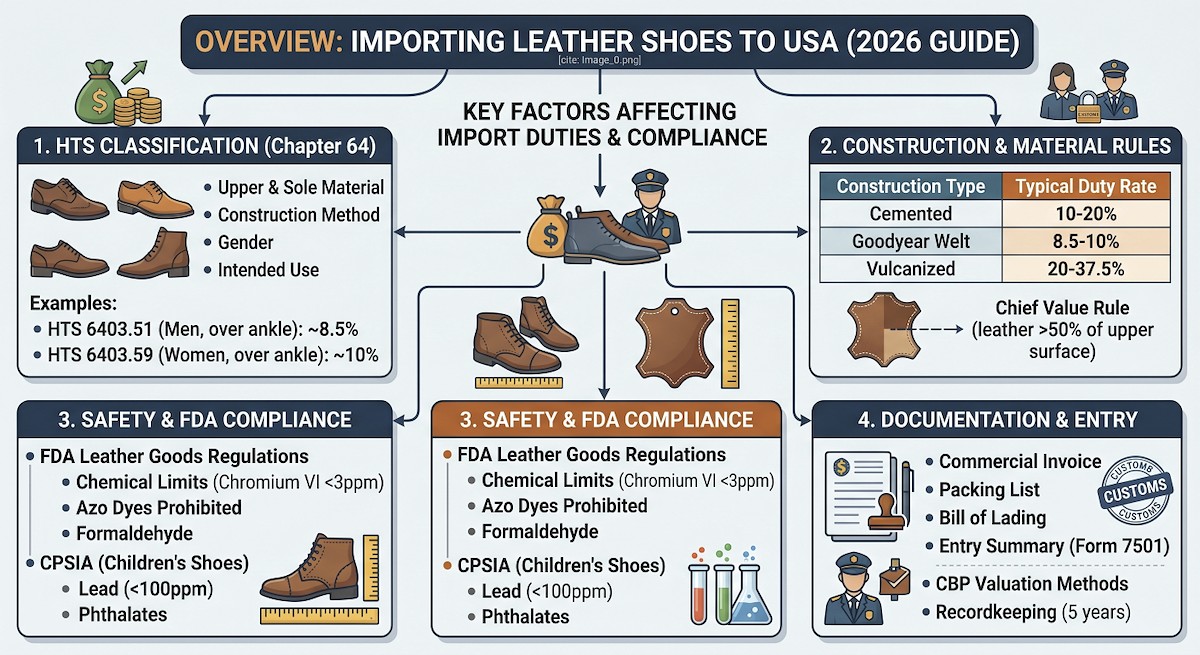
The Harmonized Tariff Schedule (HTS) classification system determines your duty rates, and leather shoes fall primarily under Chapter 64. The classification process considers multiple factors: upper material composition, sole material, construction method, and intended use.
Primary HTS Categories for Leather Shoes
HTS 6403: Footwear with rubber, plastics, leather or composition leather soles and uppers of leather
This category covers most traditional leather dress shoes and casual footwear. Key subcategories include:
- 6403.51: Covering the ankle, for men – typically 8.5% duty
- 6403.59: Below the ankle, leather soles – 8.5% for men, 10% for women
- 6403.91: Covering the ankle, rubber/plastics soles – 8.5% for men, 10% for women
- 6403.99: Below the ankle, rubber/plastics soles – 8.5% for men, 10% for women
HTS 6405: Other footwear
This covers specialty constructions and mixed-material shoes, with MFN duties ranging from 2.5% to 12.5% before any Section 301 surcharges.
Construction-Based Duty Variations
The manufacturing method significantly impacts tariff rates:
| Construction Type | Typical Duty Rate | HTS Classification |
|---|---|---|
| Cement/Cold Cement | 8.5-10% | 6403.91/99 |
| Injection Molded | 8.5-10% | 6403.51/59 |
| Vulcanized | 2.5-12.5% | 6405.20 |
| Turn/McKay | 8.5-10% | 6403.51/59 |
| Goodyear Welt | 8.5-10% | 6403.51/59 |
https://en.wikipedia.org/wiki/Harmonized_System – SATRA Footwear Technology
Material Composition Rules
The “chief value” rule determines classification when shoes contain multiple materials. If leather comprises over 50% of the upper’s external surface area, it qualifies for leather shoe classification. Mixed-material shoes may face different rates:
- Leather + textile combinations: Often classified under 6403
- Leather + synthetic combinations: May fall under 6404 (synthetic uppers)
- Specialty leather treatments: Require careful documentation
Product Safety and Chemical Compliance Requirements
Beyond customs duties, leather shoes must meet consumer product safety rules and chemical compliance requirements before entering US commerce.
Chemical Content Rules for Leather Imports
The US has no single federal chemical rulebook for footwear. Compliance comes from overlapping frameworks — and the strictest limits most buyers reference come from the EU:
Applicable Frameworks:
- EU REACH (adopted by many US retailers as vendor requirements): Chromium VI limits (3 mg/kg maximum in leather), formaldehyde restrictions, azo dye prohibitions, and heavy metal limits
- CPSIA for children’s footwear: lead and phthalate limits enforced by the CPSC (detailed below)
- California Proposition 65: warning obligations for listed chemicals present in consumer products (detailed below)
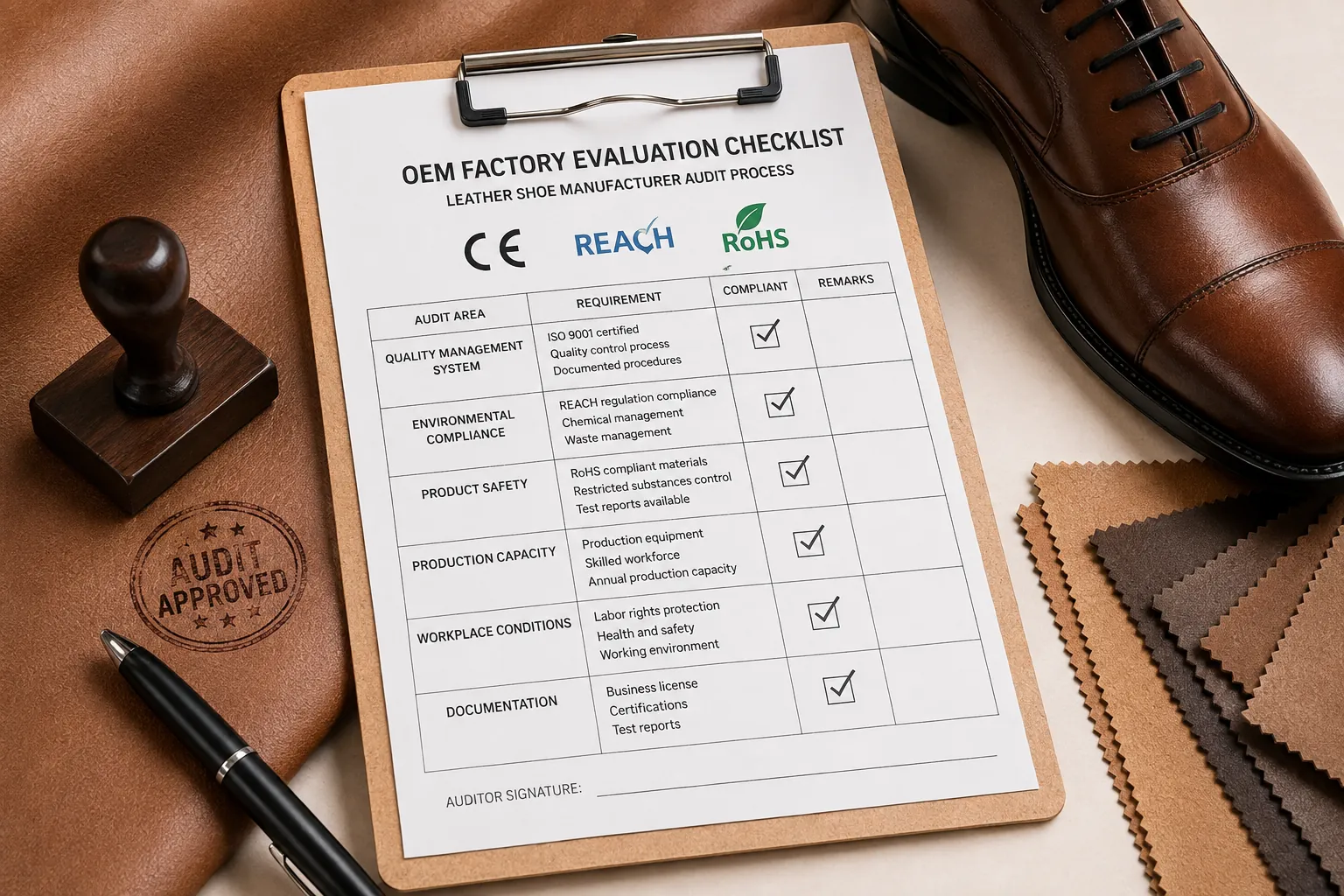
Documentation to Request from Your Supplier:
- Certificate of Analysis (COA) from accredited labs
- Material Safety Data Sheets (MSDS)
- Supplier declarations of conformity
CPSIA Compliance for Children’s Shoes
Children’s footwear (sizes 12.5 and under) must comply with the Consumer Product Safety Improvement Act:
- Lead content testing (100 ppm limit in accessible components)
- Phthalate restrictions in plastic components
- Third-party testing certification
- Age grading documentation
State-Level Chemical Restrictions
California’s Proposition 65 and similar state regulations require additional considerations:
- Warning label requirements for certain chemicals
- PFAS restrictions in waterproof treatments
- State-specific heavy metal limits
CBP Documentation and Entry Procedures
US Customs and Border Protection (CBP) requires comprehensive documentation for leather shoe imports.
Essential Import Documents
Commercial Invoice Requirements:
- Detailed product descriptions including construction method
- Country of origin declarations
- Unit values and total shipment value
- Manufacturer and supplier information
- Terms of sale (FOB, CIF, etc.)
Packing List Specifications:
- Individual carton contents and weights
- SKU-level detail with sizes and colors
- Gross and net weights
- Carton dimensions and cube calculations
Bill of Lading/Airway Bill:
- Consignee and notify party details
- Port of loading and discharge
- Freight charges and payment terms
- Container or flight information
Entry Filing Process
Automated Broker Interface (ABI) Filing:
Most commercial shipments require electronic filing through licensed customs brokers. Key data elements include:
- Accurate HTS classification codes
- Country of origin marking compliance
- Manufacturer identification numbers
- Value declarations matching commercial invoices
Entry Summary (Form 7501):
Filed within 10 working days of entry, this document finalizes the import transaction and determines final duty calculations.
Customs Valuation Methods
CBP uses transaction value as the primary valuation method, but importers must understand alternatives:
- Transaction Value: Price actually paid or payable
- Deductive Value: Based on US selling price minus markups
- Computed Value: Cost of materials plus profit and expenses
- Comparable Value: Similar merchandise transaction values
Special Trade Programs and Duty Reductions
Several programs can reduce or eliminate duties on leather shoe imports.
Generalized System of Preferences (GSP)
Though expired in 2020, GSP historically provided duty-free treatment for eligible developing countries. Congressional renewal remains possible for 2026.
Free Trade Agreements
USMCA (formerly NAFTA):
- Duty-free treatment for qualifying North American-made shoes
- Rules of origin require regional value content thresholds
- Yarn-forward rules for textile components
Other FTAs:
- CAFTA-DR: Central America and Dominican Republic
- Various bilateral agreements with specific origin requirements
Manufacturing Warehouse Programs
Foreign Trade Zones (FTZ):
- Defer duty payments until goods enter US commerce
- Potential duty savings on re-exports
- Inventory flexibility for mixed-origin operations
Bonded Warehouse Storage:
- Temporary duty suspension for up to 5 years
- Useful for seasonal inventory management
- Requires CBP-approved facilities
Compliance Checklist for Leather Shoe Importers
Pre-Import Planning
- Verify supplier certifications and quality systems
- Obtain product testing for CPSIA/Prop 65 compliance
- Confirm accurate HTS classification with customs attorney
- Establish relationship with licensed customs broker
- Review applicable trade agreement benefits
- Set up proper accounting systems for duty management
Documentation Preparation
- Commercial invoices with detailed product descriptions
- Packing lists with individual item specifications
- Bills of lading with proper consignee information
- Certificates of origin for preferential programs
- Chemical test reports (REACH/Prop 65 level)
- Supplier declarations of conformity
Entry Process Management
- File entry documents within required timeframes
- Monitor CBP queries and respond promptly
- Maintain proper recordkeeping for 5-year retention
- Track duty payment deadlines and extensions
- Coordinate with warehouse for proper marking compliance
- Establish procedures for potential examinations
Ongoing Compliance Monitoring
- Regular review of HTS classification accuracy
- Supplier audit programs for continued compliance
- Monitoring of regulatory changes and updates
- Periodic consultation with trade compliance experts
- Documentation of compliance procedures and training
Risk Management and Penalty Avoidance
Understanding common pitfalls helps importers avoid costly penalties and delays.
Classification Errors
Misclassification represents the highest risk area for leather shoe imports. Common mistakes include:
- Failing to distinguish between construction methods
- Incorrect material composition assessments
- Overlooking specialty features that change classification
- Using outdated HTS codes after annual updates
Mitigation Strategies:
- Obtain binding rulings from CBP for new products
- Regular classification reviews with customs attorneys
- Detailed product specification documentation
- Supplier training on US classification requirements
Valuation Issues
CBP scrutinizes declared values, particularly for related-party transactions. Red flags include:
- Values significantly below market rates
- Inconsistent pricing across similar shipments
- Missing assists or royalty payments
- Unclear terms of sale
Anti-Dumping and Countervailing Duties
Certain leather shoe imports face additional duties beyond normal tariffs:
Current Orders (as of 2026):
- Various countries subject to anti-dumping investigations
- Countervailing duty orders on subsidized imports
- Rates can exceed 100% in some cases
Compliance Requirements:
- Accurate country of origin declarations
- Proper manufacturer identification
- Potential cash deposit requirements
- Regular rate updates from Commerce Department
FAQ
Q: What is the average tariff rate for importing leather dress shoes to the USA?
A: The average tariff rate for leather dress shoes typically ranges from 8.5% to 10%, depending on the specific construction method and gender classification. Men’s leather shoes covering the ankle (HTS 6403.51) generally face 8.5% duties, while women’s equivalent styles (6403.51.90 and similar) face 10% duties. Textile-upper footwear (6405.20) tops out at 12.5% MFN; Section 301 surcharges on China-origin goods can bring combined rates up to 37.5%. The exact rate depends on proper HTS classification, which considers factors like sole material, upper composition, and manufacturing method.
Q: What chemical compliance rules apply to imported leather shoes?
A: Regular footwear does not need FDA approval — FDA jurisdiction covers only special cases such as shoes making medical claims. What actually applies: children’s shoes must meet CPSIA lead and phthalate limits with third-party testing, California Prop 65 creates warning obligations for listed chemicals, and the strict chemical limits most buyers ask about — Chromium VI (3 mg/kg maximum), formaldehyde restrictions, and azo dye prohibitions — come from EU REACH and are enforced by major US retailers as vendor requirements. Request certificates of analysis from accredited laboratories covering REACH-level parameters.
Q: How do I determine the correct HTS code for my leather shoes?
A: HTS classification for leather shoes depends on multiple factors: upper material (must be predominantly leather), sole material, construction method, and intended use. Start with Chapter 64 of the HTS, specifically section 6403 for leather uppers with various sole types. Key distinctions include whether shoes cover the ankle, gender classification, and construction method (cemented, injection molded, vulcanized, etc.). Consider obtaining a binding ruling from CBP for new products, as misclassification can result in significant penalties and duty adjustments.
Q: Can I reduce import duties through free trade agreements?
A: Yes, several free trade agreements can eliminate or reduce duties on leather shoes, but qualification requires meeting specific rules of origin. Under USMCA, shoes can qualify for duty-free treatment if they meet regional value content requirements and other origin rules. CAFTA-DR covers Central America and Dominican Republic. However, most Asian manufacturers don’t benefit from US FTAs. Alternative programs like Foreign Trade Zones can defer duty payments, and the expired GSP program may be renewed by Congress, potentially providing duty-free treatment for eligible developing countries.
Q: What documentation do I need for customs clearance?
A: Essential documents include a detailed commercial invoice with construction method descriptions, comprehensive packing lists with SKU-level details, and proper bills of lading. You’ll also need certificates of origin for preferential programs, Chemical compliance test reports, and supplier declarations of conformity. All documentation must be filed electronically through the Automated Broker Interface (ABI) via a licensed customs broker. Entry summary forms (7501) must be filed within 10 working days, and all records must be maintained for 5 years for potential CBP audits.
Ready to Start Your Shoe Line?
Navigating US import regulations for leather shoes requires expertise in tariff classification, compliance requirements, and documentation procedures. Whether you’re launching a new brand or expanding existing operations, proper planning and execution are essential for success.
For reliable leather shoe manufacturing with built-in compliance expertise, contact Wincheer Shoes. Our experienced team understands US market requirements and can guide you through the entire import process.
Contact Information:
- Email: peterwang@shwincheer.com
- Website: wincheershoes.com
- Consultation: Available for tariff classification and compliance guidance
Our Jiangmen production lines and Shanghai showroom are equipped to handle your US import requirements with proper documentation, quality control, and regulatory compliance support.