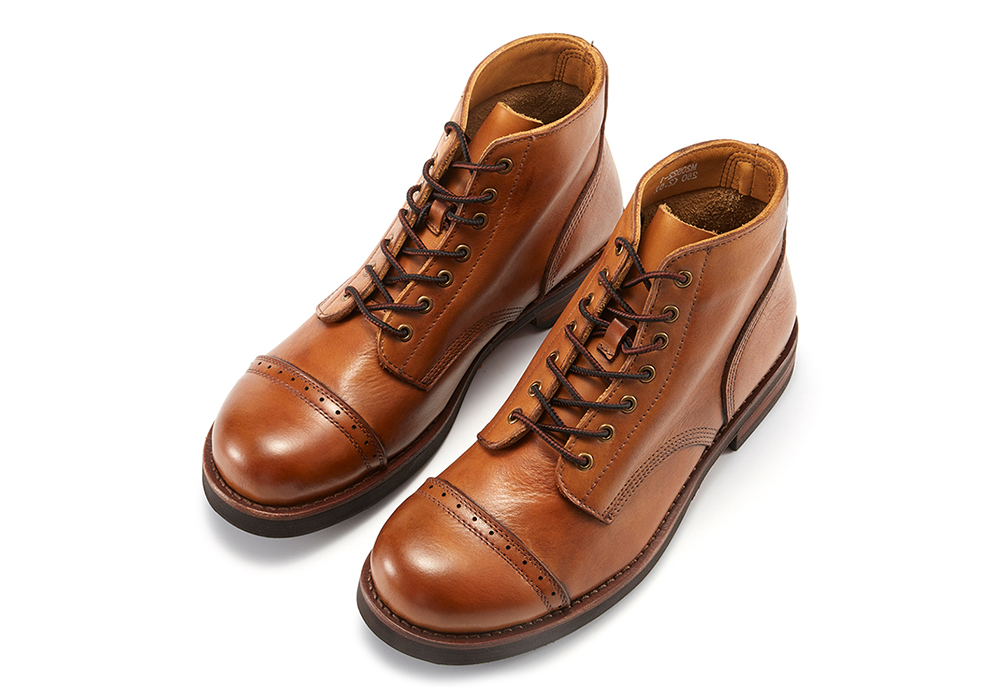
Southeast Asian Leather Shoe Market Growth: Unprecedented Opportunities for B2B Buyers in 2026
The Southeast Asian leather shoe market is experiencing explosive growth, with the region projected to reach $18.2 billion by 2026, representing a compound annual growth rate of 8.4%. This surge is driven by rising disposable incomes, urbanization, and the region’s strategic position as a manufacturing powerhouse. For B2B buyers, private label brands, and cross-border e-commerce sellers, Southeast Asia presents unparalleled opportunities in both sourcing and market expansion.
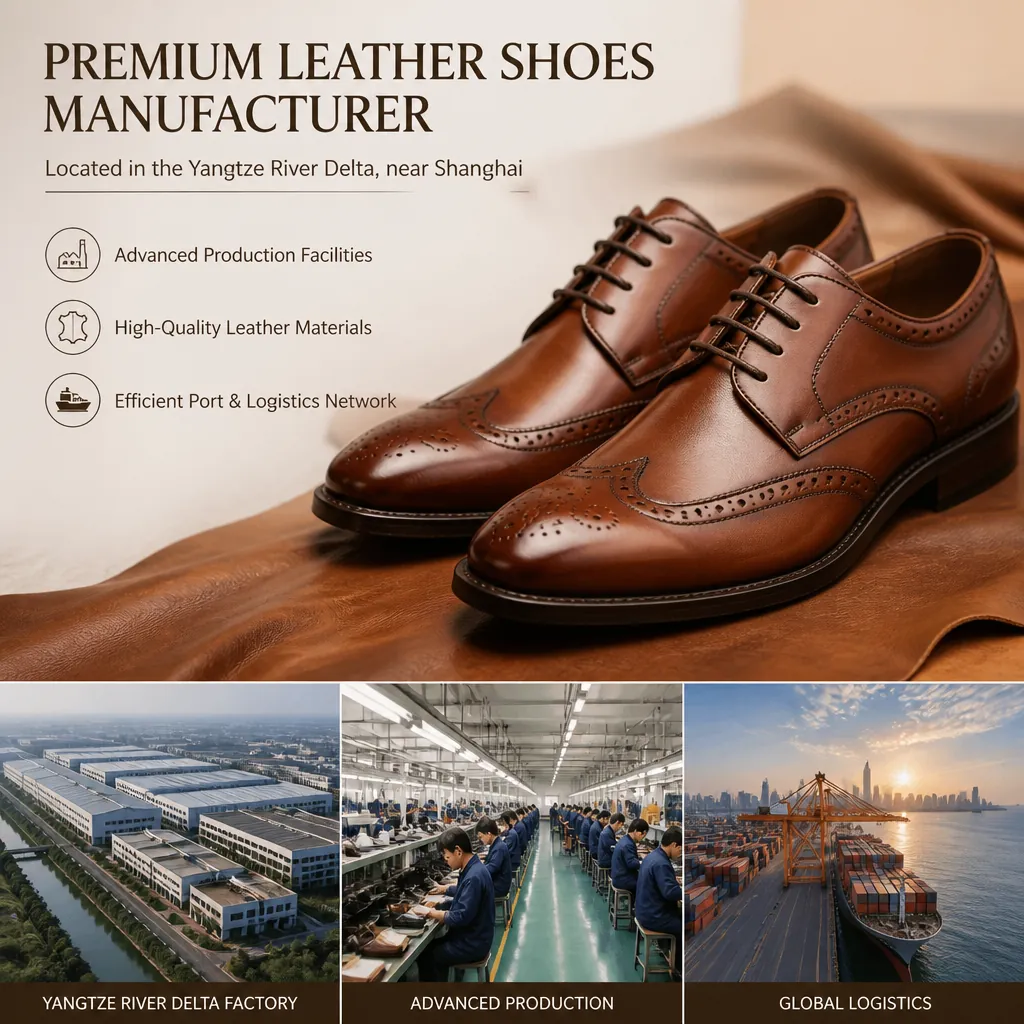
The region’s competitive advantage lies in its combination of skilled craftsmanship, cost-effective production, and proximity to raw materials. Countries like Vietnam, Thailand, and Indonesia have emerged as key players, while China continues to dominate with advanced manufacturing capabilities and established supply chains.
Southeast Asian Leather Shoe Market: Market Dynamics Driving Southeast Asian Leather Shoe Growth

Economic Fundamentals Fueling Expansion
Southeast Asia’s leather footwear sector benefits from several macroeconomic tailwinds. The region’s GDP growth consistently outpaces global averages, with countries like Vietnam and the Philippines maintaining 6-7% annual growth rates. This economic expansion translates directly into increased consumer spending on premium leather goods.
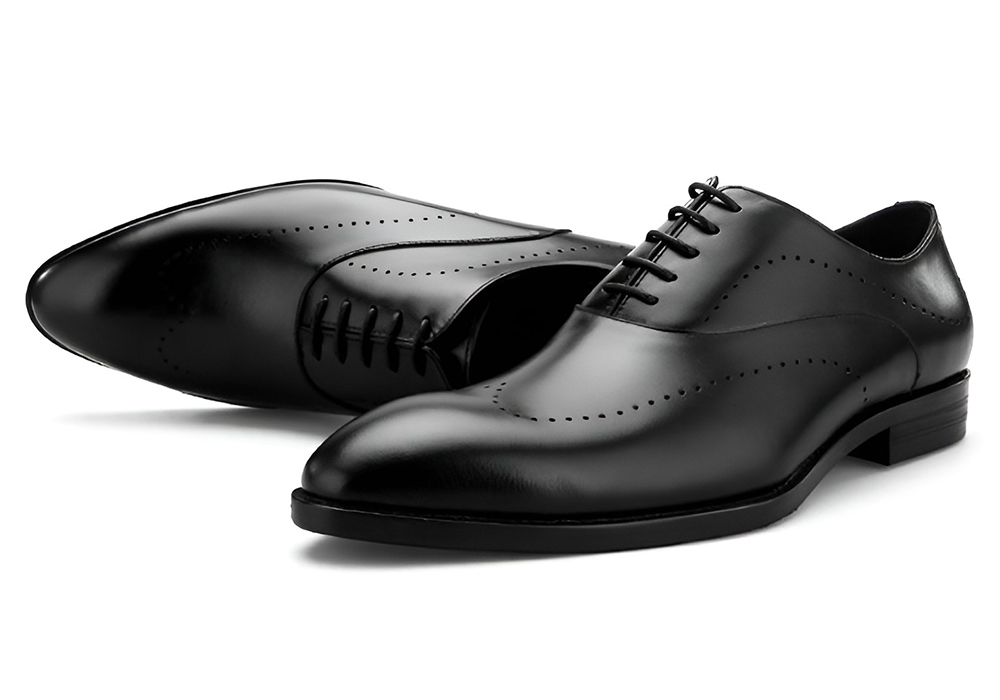
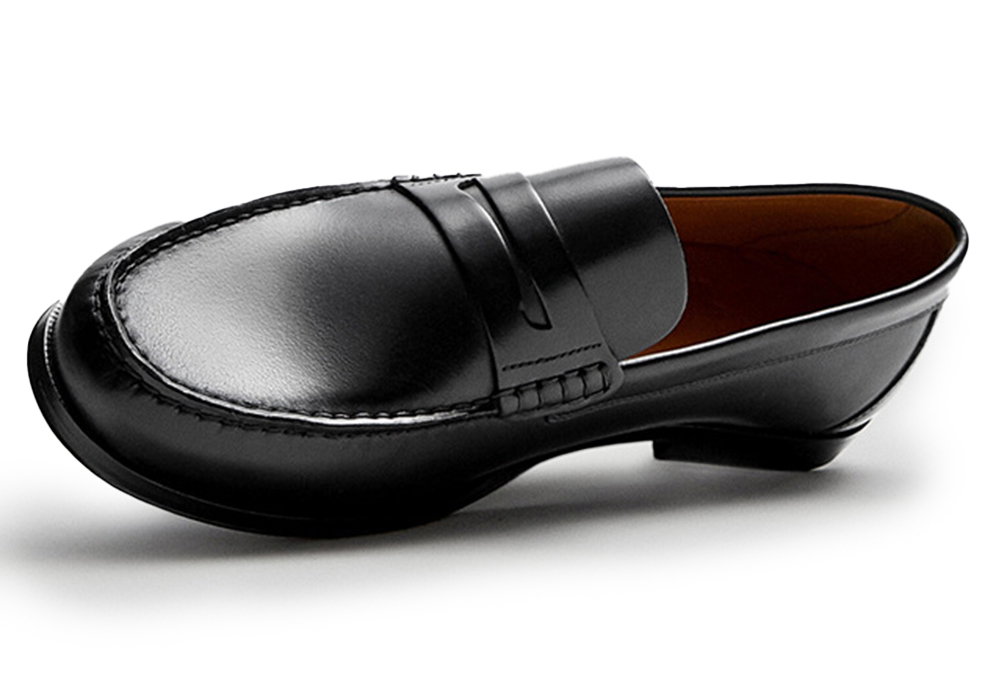
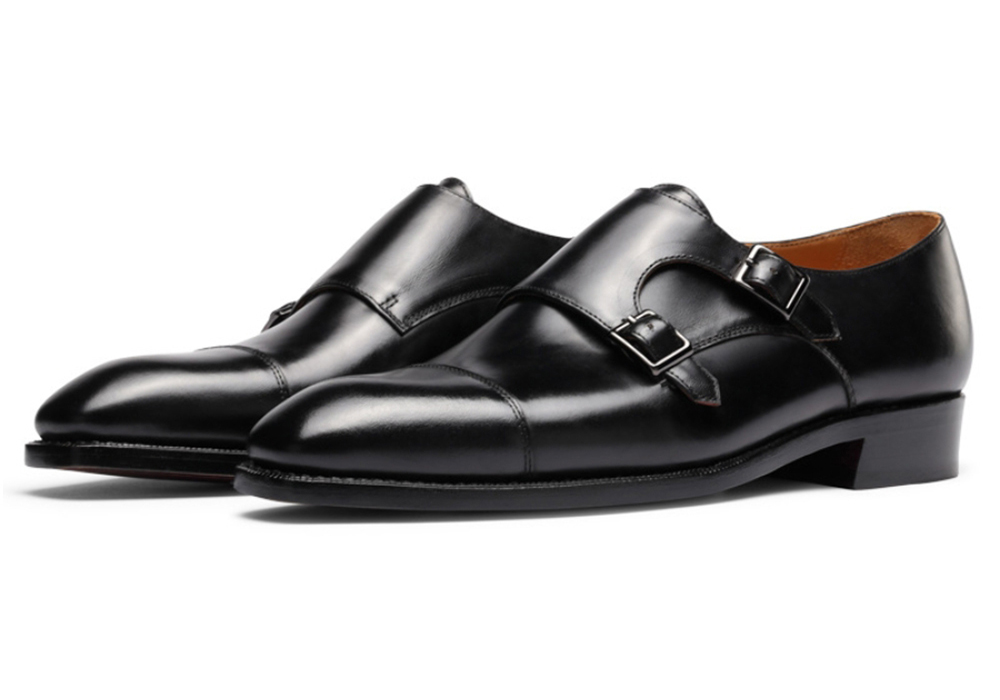
Manufacturing costs remain 30-40% lower than European alternatives, while quality standards have reached international benchmarks. In our factory at Wincheer, established in 2007, Shoes, we’ve witnessed this transformation firsthand – producing 500,000+ pairs annually with defect rates of just 0.8-1.2% (compared to industry averages of 2-4%), while maintaining competitive pricing at $25-40 per pair across our extensive range of Oxford, Derby, Loafer, and Chelsea Boot designs.
The region’s strategic location provides access to high-quality leather from Australia and India, while established logistics networks ensure efficient distribution to global markets. [Shoe Manufacturer Guide](https://the manufacturer.com/shoe-manufacturer/)
Consumer Behavior Shifts
Rising middle-class populations across ASEAN countries are driving demand for premium leather footwear. Urban professionals increasingly prioritize quality over quantity, creating opportunities for B2B buyers to introduce sophisticated designs that command higher margins.
E-commerce penetration has accelerated dramatically, with online footwear sales growing 25% annually across major Southeast Asian markets. This digital transformation enables direct-to-consumer brands to bypass traditional retail channels and capture higher profit margins.
Key Manufacturing Hubs and Their Competitive Advantages
Vietnam: The Rising Star
Vietnam has emerged as a formidable force in leather shoe manufacturing, with exports reaching $18.3 billion in 2025. The country’s advantages include:
- Labor Cost Efficiency: 40% lower than China
- Trade Agreements: Preferential access to EU and US markets through EVFTA and USMCA
- Infrastructure Development: Modern ports and logistics facilities
- Skilled Workforce: Growing expertise in premium leather craftsmanship
Major international brands have established production bases in Ho Chi Minh City and Hanoi, creating a robust ecosystem of suppliers and service providers.
Thailand: Premium Quality Focus
Thailand positions itself as a premium manufacturing destination, specializing in high-end leather goods and luxury footwear. Key strengths include:
- Advanced Technology: State-of-the-art manufacturing equipment
- Design Capabilities: Strong local design talent and innovation centers
- Quality Standards: Consistent adherence to international certifications
- Logistics Excellence: Bangkok serves as a regional distribution hub
Indonesia: Scale and Diversity
As the world’s fourth-most populous country, Indonesia offers unmatched production scale and market potential:
- Raw Material Access: Abundant local leather supply
- Manufacturing Capacity: Large-scale production facilities
- Domestic Market: 270 million consumers driving local demand
- Export Infrastructure: Established shipping routes to global markets
Supply Chain Optimization Strategies
Sourcing Excellence Framework
Successful B2B buyers in Southeast Asia implement systematic sourcing strategies that balance cost, quality, and reliability. The following framework has proven effective across diverse market conditions:
Tier 1: Strategic Partnerships
- Long-term contracts with 2-3 primary suppliers
- Joint product development initiatives
- Shared quality control systems
- Integrated inventory management
Tier 2: Tactical Suppliers
- 5-7 secondary suppliers for capacity overflow
- Specialized manufacturers for niche products
- Regional suppliers for market-specific requirements
- Backup suppliers for risk mitigation
Tier 3: Spot Market
- Opportunistic sourcing for seasonal demands
- Test suppliers for potential tier advancement
- Emergency capacity during peak seasons
- Cost benchmarking reference points
[Top 10 Shoe Suppliers in Germany](https://the manufacturer.com/top10-shoe-suppliers-in-germany/)
Quality Control Implementation
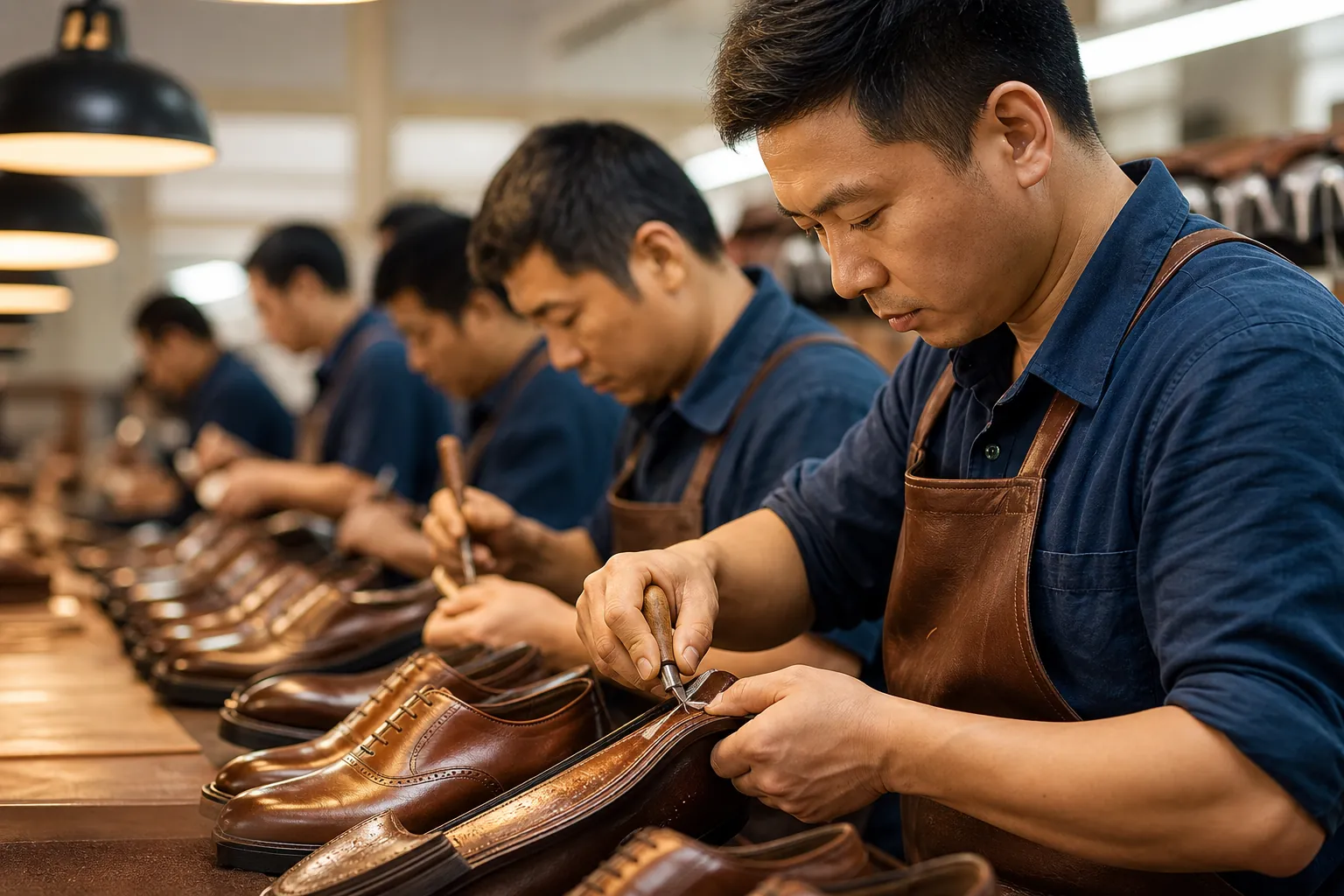
Implementing robust quality control systems is essential for success in Southeast Asian markets. Leading manufacturers like the manufacturer Shoes have achieved exceptional quality standards through systematic approaches that include pre-production sampling, in-line inspection protocols, and final quality audits across their 1000+ design portfolio.
Effective quality control encompasses:
- Material Inspection: Leather grading and component verification
- Process Monitoring: Real-time production oversight
- Final Inspection: Comprehensive pre-shipment audits
- Continuous Improvement: Data-driven process optimization
Market Entry Strategies for B2B Buyers
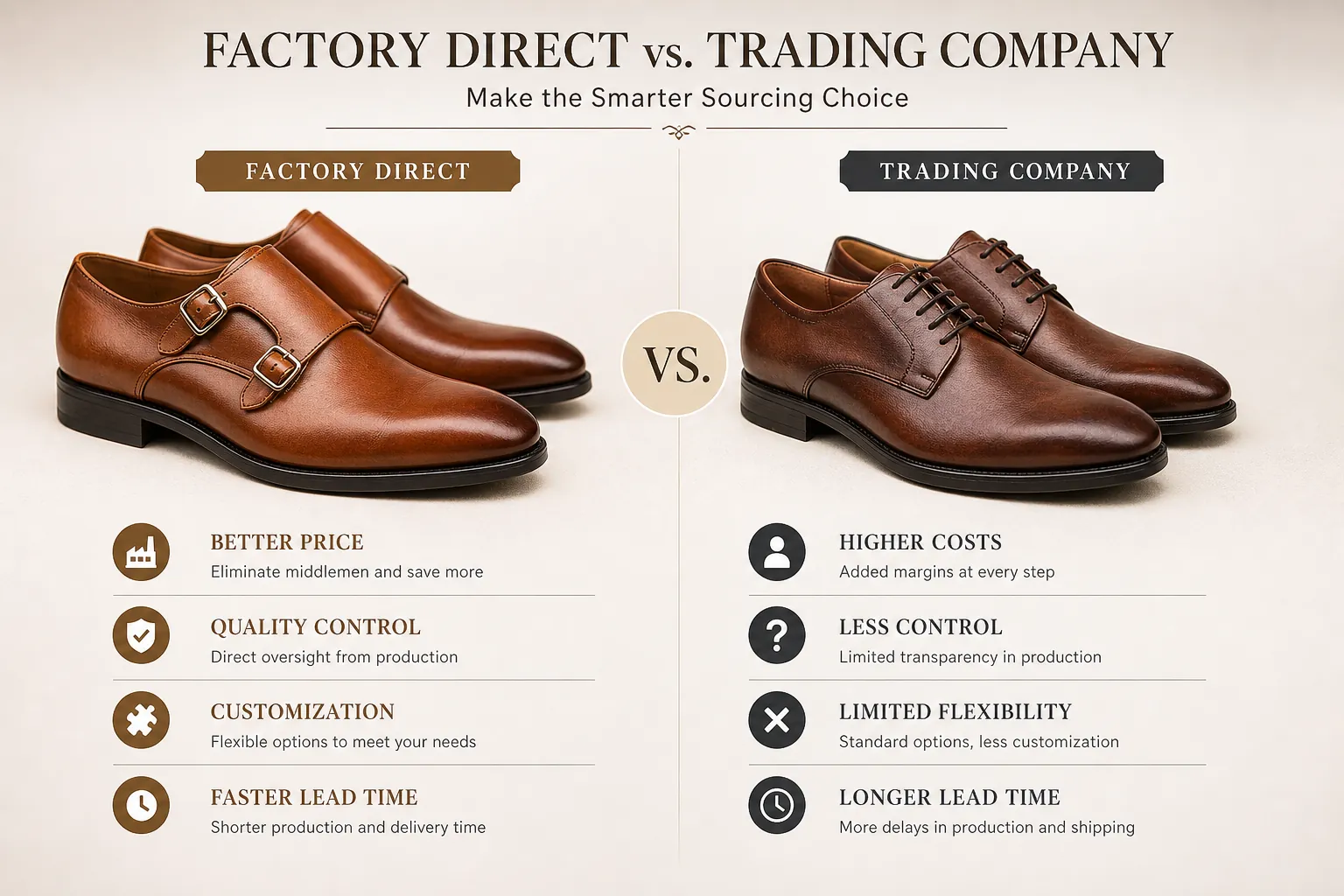
Direct Manufacturing Partnerships
Establishing direct relationships with Southeast Asian manufacturers offers the greatest control over quality, costs, and production schedules. This approach requires:
- Due Diligence: Comprehensive supplier assessment
- Legal Framework: Robust contract structures
- Quality Systems: Standardized inspection protocols
- Communication Protocols: Clear specifications and feedback loops
Trading Company Partnerships
For buyers seeking reduced complexity, established trading companies provide valuable intermediary services:
- Market Knowledge: Deep understanding of local suppliers
- Risk Mitigation: Established relationships and payment terms
- Logistics Support: Integrated shipping and customs clearance
- Quality Assurance: Pre-screened supplier networks
Hybrid Approaches
Many successful B2B buyers employ hybrid strategies that combine direct manufacturer relationships for core products with trading company partnerships for specialized or seasonal items.
Regional Market Comparison Analysis
| Country | Labor Cost Index | Quality Rating | Lead Time (Days) | Export Volume (Billions) | Key Advantages |
|---|---|---|---|---|---|
| China | 100 | 9.2/10 | 25-35 | $41.2 | Scale, infrastructure, expertise |
| Vietnam | 65 | 8.1/10 | 35-45 | $18.3 | Cost efficiency, trade agreements |
| Thailand | 85 | 8.8/10 | 30-40 | $8.7 | Premium quality, design capabilities |
| Indonesia | 70 | 7.9/10 | 40-50 | $6.2 | Raw materials, domestic market |
| India | 55 | 7.5/10 | 45-55 | $2.8 | Leather heritage, cost advantage |
| Bangladesh | 45 | 6.8/10 | 50-60 | $1.1 | Ultra-low costs, improving quality |
Technology Integration and Industry 4.0
Digital Manufacturing Revolution
Southeast Asian leather shoe manufacturers are rapidly adopting Industry 4.0 technologies to enhance efficiency and quality. Key innovations include:
Automated Cutting Systems
- Laser cutting for precision and material optimization
- Computer-controlled pattern generation
- Waste reduction of up to 15%
Smart Quality Control
- AI-powered defect detection
- Real-time production monitoring
- Predictive maintenance systems
Supply Chain Digitization
- Blockchain for traceability
- IoT sensors for inventory management
- Digital twin manufacturing models
https://en.wikipedia.org/wiki/Industry_4.0 – SATRA Footwear Technology
Sustainability Integration
Environmental consciousness is becoming a competitive differentiator in Southeast Asian manufacturing. Leading facilities implement:
- Water Treatment Systems: Closed-loop processing
- Energy Efficiency: Solar power and LED lighting
- Waste Reduction: Circular economy principles
- Sustainable Materials: Eco-friendly leather alternatives
Risk Management and Mitigation Strategies
Political and Economic Risks
Southeast Asia’s political landscape requires careful risk assessment and mitigation strategies:
Currency Fluctuation Management
- Multi-currency hedging strategies
- Local currency procurement where possible
- Flexible pricing mechanisms
- Regular contract renegotiation clauses
Regulatory Compliance
- Understanding of local labor laws
- Environmental regulation adherence
- Import/export documentation requirements
- Intellectual property protection measures
Operational Risk Mitigation
Supply Chain Diversification
- Multiple supplier relationships
- Geographic distribution of production
- Inventory buffer strategies
- Alternative logistics routes
Quality Risk Management
- Comprehensive inspection protocols
- Supplier certification requirements
- Regular audit programs
- Performance monitoring systems
[Leather Footwear Quality Standards](https://the manufacturer.com/leather-footwear-quality-standards-and-inspection/)
B2B Buyer Decision Framework
Strategic Assessment Checklist
When evaluating Southeast Asian leather shoe market opportunities, B2B buyers should systematically assess the following criteria:
Market Analysis
- Target market size and growth projections
- Competitive landscape assessment
- Consumer preference trends
- Price sensitivity analysis
- Distribution channel evaluation
Supplier Evaluation
- Manufacturing capacity assessment
- Quality control system verification
- Financial stability review
- Certification and compliance status
- Communication and language capabilities
Operational Considerations
- Minimum order quantity requirements
- Lead time compatibility
- Payment terms negotiation
- Logistics and shipping arrangements
- After-sales support capabilities
Risk Assessment
- Political stability evaluation
- Currency risk analysis
- Supply chain vulnerability assessment
- Intellectual property protection
- Force majeure contingency planning
Implementation Timeline
Phase 1: Market Research (Months 1-2)
- Comprehensive market analysis
- Supplier identification and preliminary screening
- Regulatory requirement assessment
- Initial cost-benefit analysis
Phase 2: Supplier Evaluation (Months 3-4)
- Factory visits and capability assessments
- Sample development and testing
- Contract negotiation and finalization
- Quality system establishment
Phase 3: Pilot Production (Months 5-6)
- Small-batch trial orders
- Quality validation and refinement
- Logistics optimization
- Performance monitoring and adjustment
Phase 4: Scale-Up (Months 7-12)
- Production volume increase
- Supply chain optimization
- Market feedback integration
- Continuous improvement implementation
Emerging Opportunities and Future Trends
Market Segments with High Growth Potential
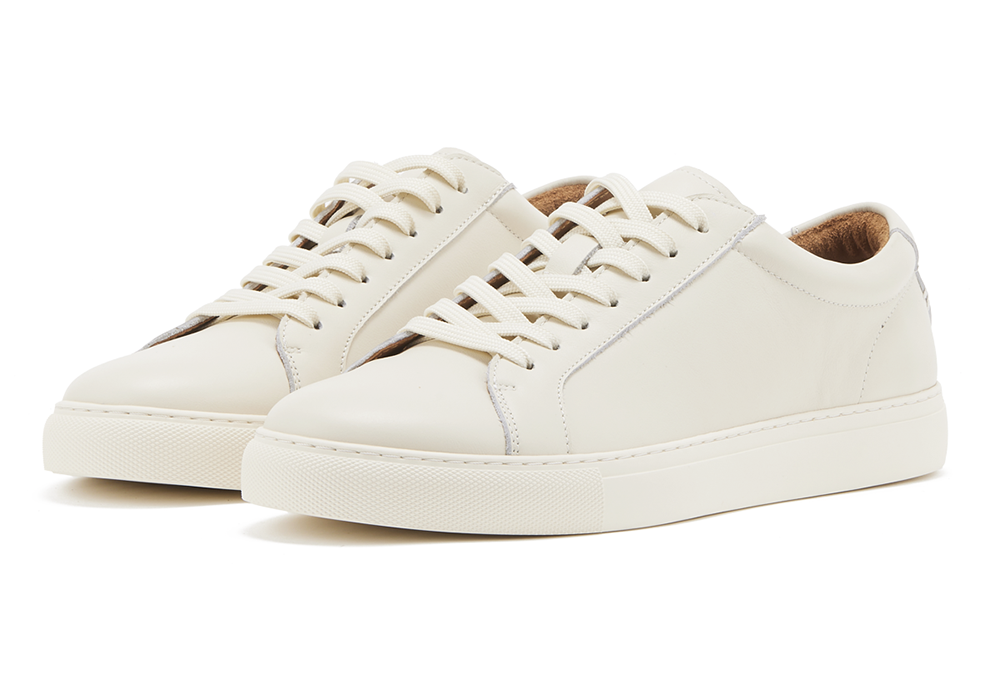
Premium Casual Footwear The convergence of comfort and style is driving demand for premium casual leather shoes. This segment offers higher margins and reduced price sensitivity.
Sustainable Footwear Environmental consciousness is creating opportunities for eco-friendly leather alternatives and sustainable manufacturing processes.
Customization and Personalization Advanced manufacturing technologies enable mass customization, allowing B2B buyers to offer personalized products without significant cost increases.
Technology-Driven Innovations
3D Printing Integration Additive manufacturing is revolutionizing prototype development and enabling rapid design iteration.
Smart Footwear Integration of sensors and connectivity features is creating new product categories and value propositions.
Virtual Fitting Technologies AR and VR technologies are improving online shopping experiences and reducing return rates.
Frequently Asked Questions
Q: What are the minimum order quantities typically required by Southeast Asian leather shoe manufacturers?
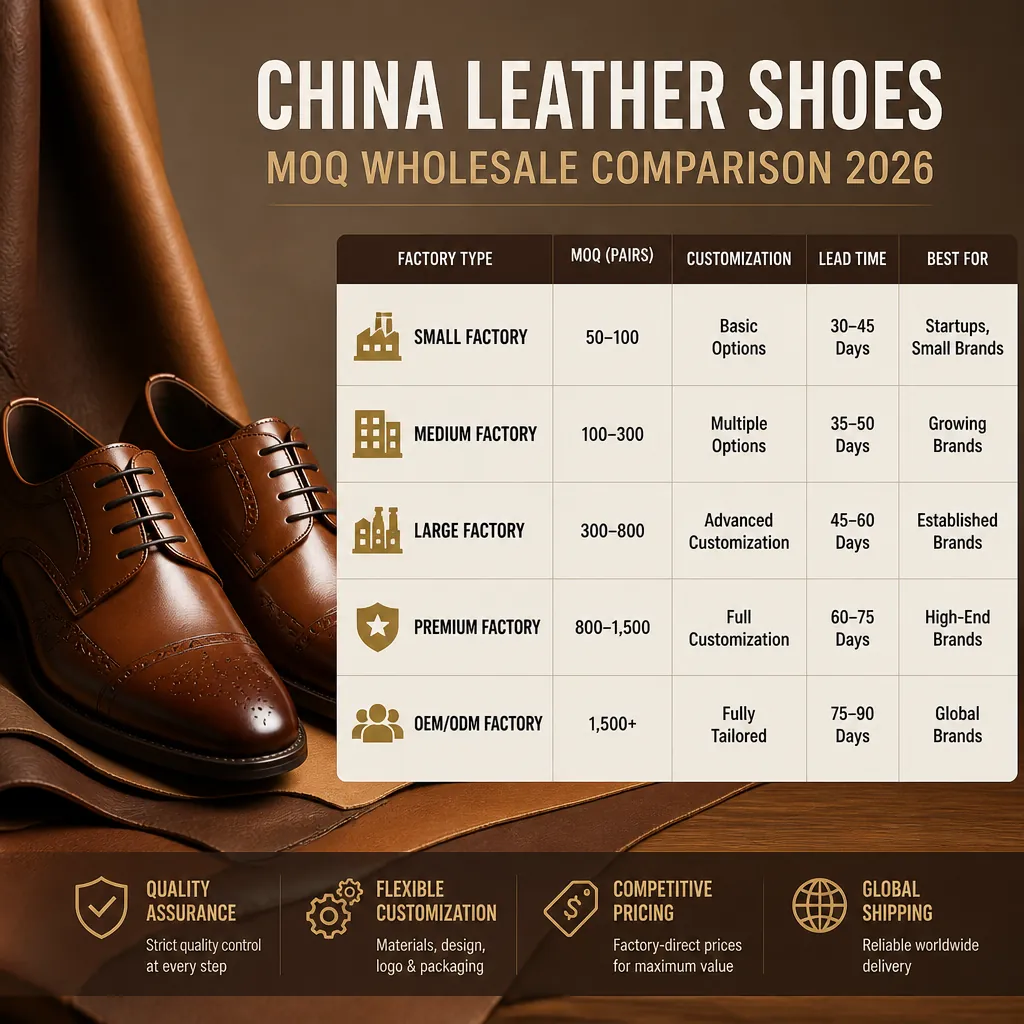
A: Minimum order quantities vary significantly based on the manufacturer and product complexity. Established manufacturers like the manufacturer Shoes offer flexible MOQs with 0 minimum on existing designs and just 60 pairs for custom designs, making it accessible for smaller brands to enter the market. However, most traditional manufacturers require 500-1,000 pairs per style for basic designs, with custom or complex designs requiring 1,000-3,000 pairs. Newer manufacturers or those seeking to build relationships may offer lower MOQs of 200-500 pairs, especially for simple designs or during off-peak seasons.
Q: How do quality standards in Southeast Asia compare to European or North American manufacturing?
A: Quality standards in Southeast Asia have improved dramatically over the past decade and now rival those of developed markets. Leading manufacturers achieve defect rates below 1.5%, comparable to European standards. The key difference lies in consistency – while top-tier Asian manufacturers match global quality standards, there’s greater variation between suppliers. Certifications like CE (EN ISO20347), REACH, and RoHS are increasingly common among established manufacturers. The region’s advantage lies in combining high quality with competitive pricing, offering 30-40% cost savings while maintaining international quality benchmarks.
Q: What are the typical lead times for leather shoe production in Southeast Asia?
A: Lead times vary by country and manufacturer capacity. China typically offers the shortest lead times at 25-35 days for standard designs, leveraging established supply chains and production efficiency. Vietnam and Thailand range from 30-45 days, while Indonesia and other emerging markets may require 40-60 days. Custom designs add 10-15 days to standard timelines. Factors affecting lead times include material availability, factory capacity, design complexity, and seasonal demand. Peak seasons (pre-Christmas and spring collections) can extend lead times by 1-2 weeks.
Q: How should B2B buyers handle currency fluctuation risks when sourcing from Southeast Asia?
A: Currency risk management requires a multi-faceted approach. First, negotiate contracts with currency adjustment clauses that share risk between buyer and supplier. Consider hedging strategies for large orders, using forward contracts to lock in exchange rates. Diversify sourcing across multiple currencies to reduce exposure to any single currency’s volatility. Some buyers negotiate pricing in their home currency, though this typically results in higher base prices. For long-term partnerships, establish regular price review mechanisms that account for currency movements. Additionally, maintain relationships with suppliers in multiple countries to provide flexibility in sourcing decisions based on currency conditions.
Q: What certifications and compliance requirements should B2B buyers prioritize when selecting Southeast Asian suppliers?
A: Essential certifications include ISO 9001 for quality management systems and ISO 14001 for environmental management. For European markets, CE marking and REACH compliance are mandatory. US buyers should verify compliance with CPSIA regulations. Social compliance certifications like BSCI, WRAP, or SA8000 are increasingly important for brand reputation. Factory audit certifications from recognized bodies (SGS, Bureau Veritas, TUV) provide additional assurance. Leather-specific certifications like LWG (Leather Working Group) demonstrate environmental responsibility. Additionally, verify that suppliers maintain proper export licenses, tax registrations, and labor law compliance documentation.
Ready to Start Your Shoe Line?
Southeast Asia’s leather shoe market presents exceptional opportunities for B2B buyers ready to capitalize on the region’s growth trajectory. With the right manufacturing partner, you can access world-class quality, competitive pricing, and scalable production capacity.
Whether you’re launching a new private label brand or expanding your existing product line, partnering with an experienced manufacturer is crucial for success. Contact our team to discuss your specific requirements and learn how we can support your Southeast Asian sourcing strategy.
Contact Information:
- Email: peterwang@shwincheer.com
- Website: wincheershoes.com
- Explore our comprehensive range of leather footwear solutions and discover why leading brands trust us for their Southeast Asian manufacturing needs.