
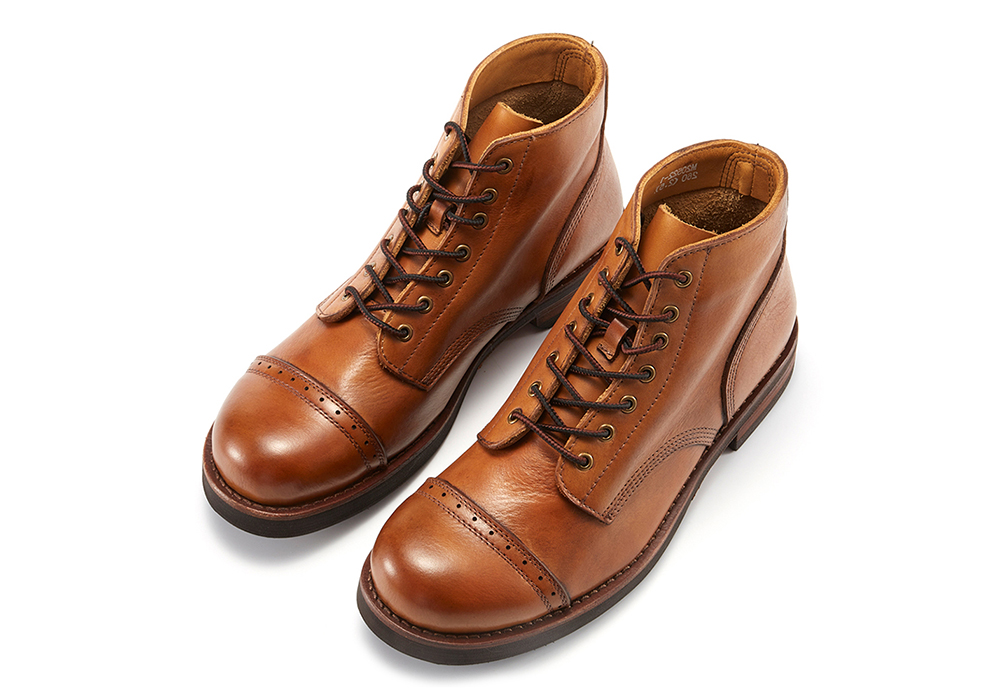
Quick Answer: In 2026, shoe MOQ from Chinese factories typically ranges from 0 pairs on existing catalog styles to 60 pairs per style for custom OEM/ODM designs, with mid-size factories quoting 60–200 pairs for fully custom work. Sample cycles run 7–25 days depending on sample type, bulk production 30–45 days, and standard payment is 30% deposit / 70% against bill of lading copy.
If you’re sourcing leather shoes from China in 2026 — or switching suppliers — the same ten questions come up every time. Shoe MOQ, sampling timelines, price tiers, certifications, shipping terms: these are the decisions that determine whether your first order is a win or a costly lesson.
This guide answers all ten, with real numbers, practical frameworks, and zero fluff.
As a manufacturer producing 500,000+ pairs annually with a 0.8–1.2% defect rate (versus the industry average of 2–4%), Wincheer Shoes — founded in 2007 and certified to CE (EN ISO20347), REACH, and RoHS — has processed thousands of B2B inquiries. The patterns below reflect what buyers actually need to know before placing an order.
Table of Contents
- What Is the Typical Shoe MOQ?
- How Does the Sampling Process Work?
- What Do Leather Shoes Cost Per Pair?
- What Certifications Should a Factory Have?
- How Long Does Production Take?
- What Payment Terms Do Factories Accept?
- How Do Quality Inspections Work?
- What Shipping Options Are Available?
- Can I Visit the Factory?
- How Do I Handle Defects and Returns?
- Quick-Reference Comparison Table
Q1: What Is the Typical Shoe MOQ?
The shoe MOQ varies significantly depending on whether you’re ordering from an existing catalog or requesting a fully custom design.
Existing designs (catalog styles):
Most reputable factories offer a 0-pair MOQ on catalog styles — meaning you can order as few pairs as needed to test the market. This is ideal for new brands validating a product before committing to volume.
Custom designs (OEM/ODM):
For custom colorways, branding, or new lasts, the typical shoe MOQ starts at 60 pairs per style. This covers the cost of tooling adjustments, material sourcing, and production line setup without requiring a massive upfront commitment.
First-hand note (Wincheer order records): Our own MOQ structure follows this split — zero minimum on existing catalog styles, 60 pairs per style for fully custom OEM designs. When buyers ask us to go below 60 on a custom build, the honest answer is that tooling and line-setup costs make per-pair economics work against them, not us.
Why MOQ matters for your business:
- Lower MOQ = lower inventory risk, faster market testing
- Higher MOQ = better unit economics, priority production scheduling
- Always negotiate MOQ per SKU, not per order total
For a deeper breakdown of how MOQ interacts with private label strategy, see our Private Label Shoes 10-Step Brand Launch Guide INTERNAL_LINK: private-label-shoes-10-step-brand-launch-guide-2026]. And if low minimums are your deciding factor, our [low MOQ leather shoe manufacturer guide covers which order structures work below 100 pairs.
Q2: How Does the Sampling Process Work?
Sampling is the most underestimated phase of shoe sourcing. Buyers who rush it pay for it later in bulk production defects.
Typical sampling timeline:
| Sample Type | Timeline | Cost Range |
|---|---|---|
| Counter sample (existing design) | 7–10 days | Free or $30–60 |
| Development sample (custom design) | 15–25 days | $80–200 |
| Pre-production sample (final approval) | 7–14 days | $50–120 |
How many iterations should you expect?
Plan for 2–3 rounds on a custom design. Round 1 addresses construction and last fit. Round 2 refines materials and finishing. Round 3 is final approval before bulk production is released.
Key buyer mistakes in sampling:
- Approving a sample without wearing it for a full day
- Not specifying Pantone codes for leather color
- Skipping the pre-production sample to save time
Sample costs are typically credited back against your first bulk order above a minimum threshold — confirm this in writing before paying.
Q3: What Do Leather Shoes Cost Per Pair?
Leather shoe pricing from a Chinese factory depends on three variables: construction method, leather grade, and order volume.
Price tiers by construction:
| Construction | Description | Price Range (FOB) |
|---|---|---|
| Cement/glued | Entry-level, fast production | $18–26/pair |
| Blake stitch | Mid-tier, clean profile | $25–35/pair |
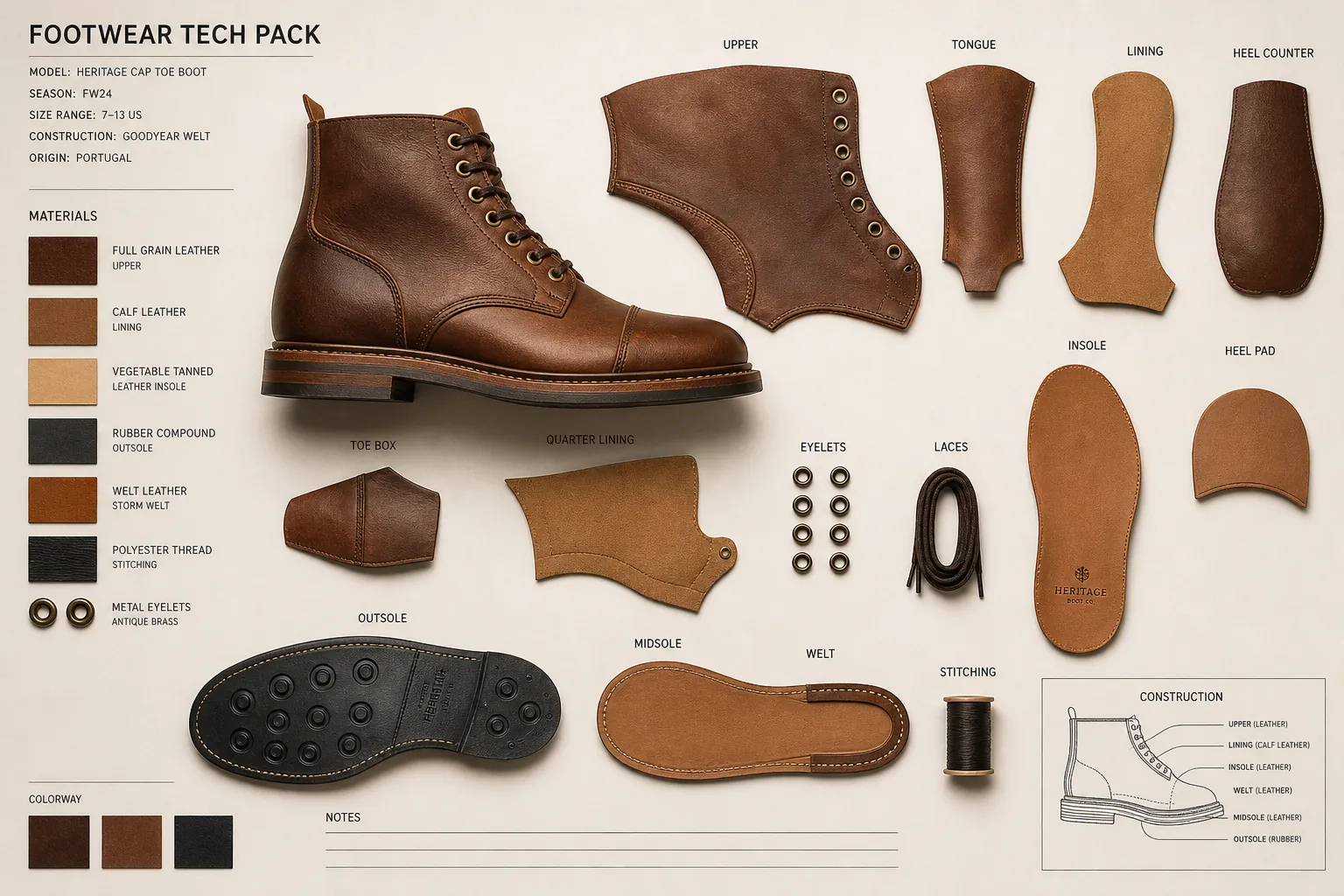
| Goodyear welt | Premium, resoleable | $35–55/pair |
| Hand-sewn moccasin | Artisan, slow production | $40–70/pair |
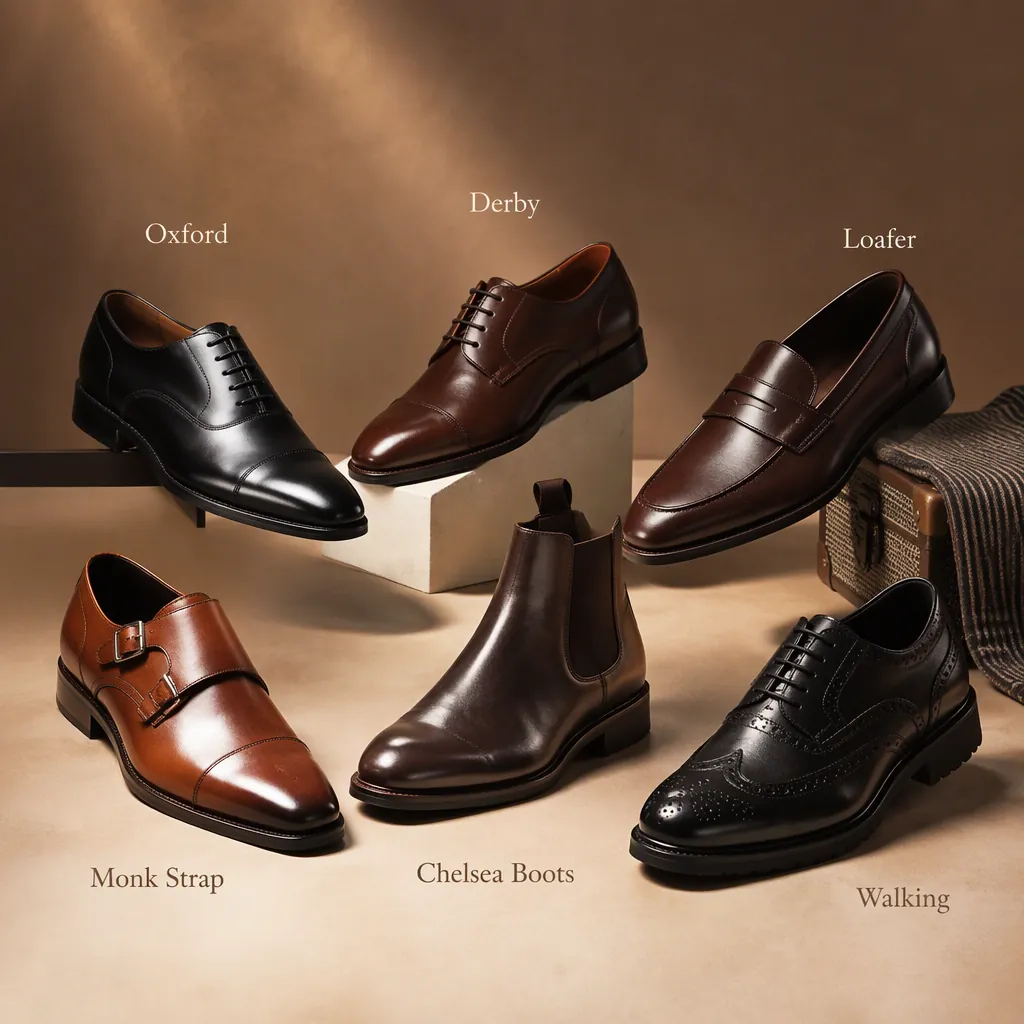
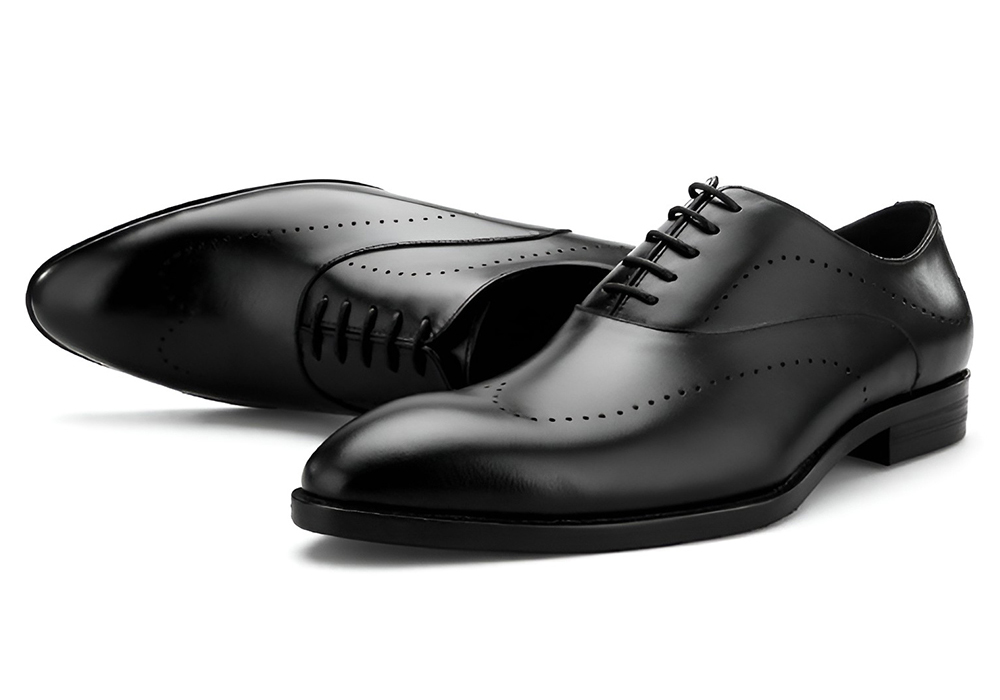
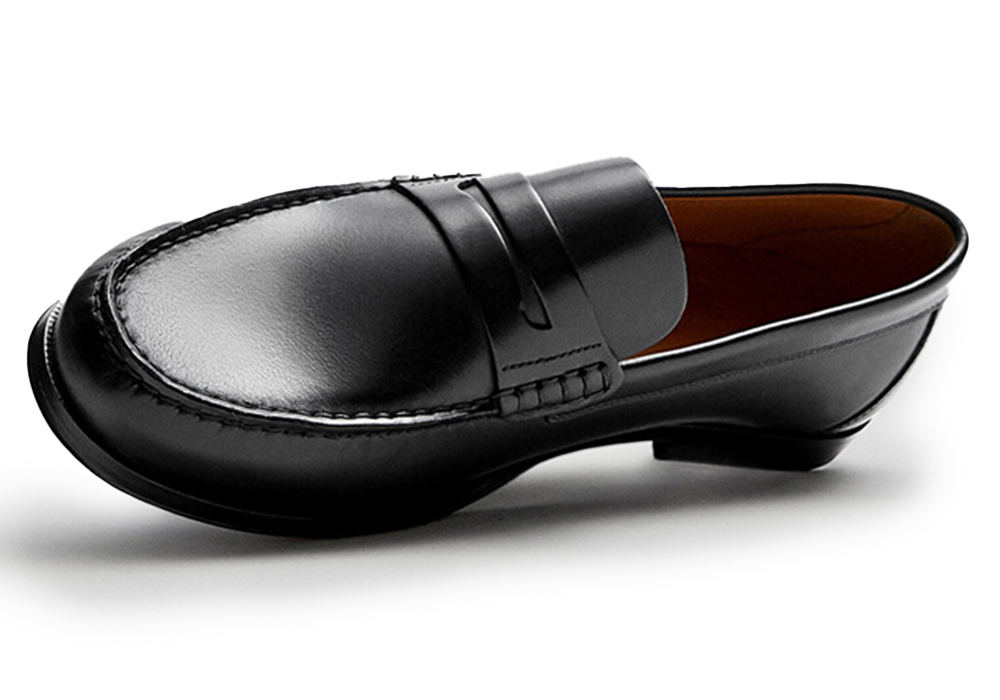
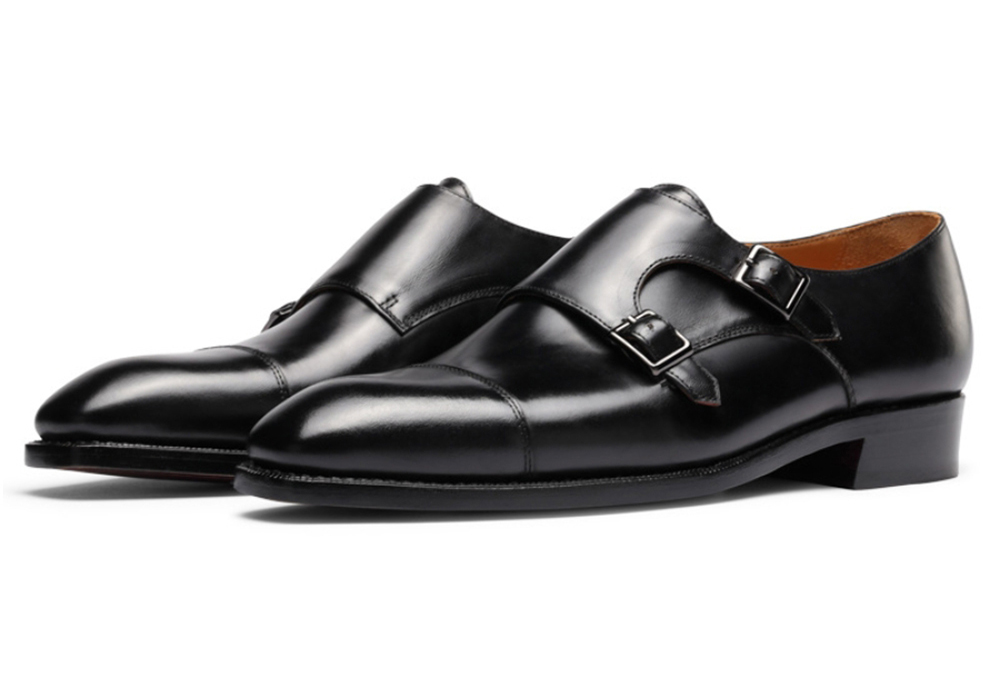
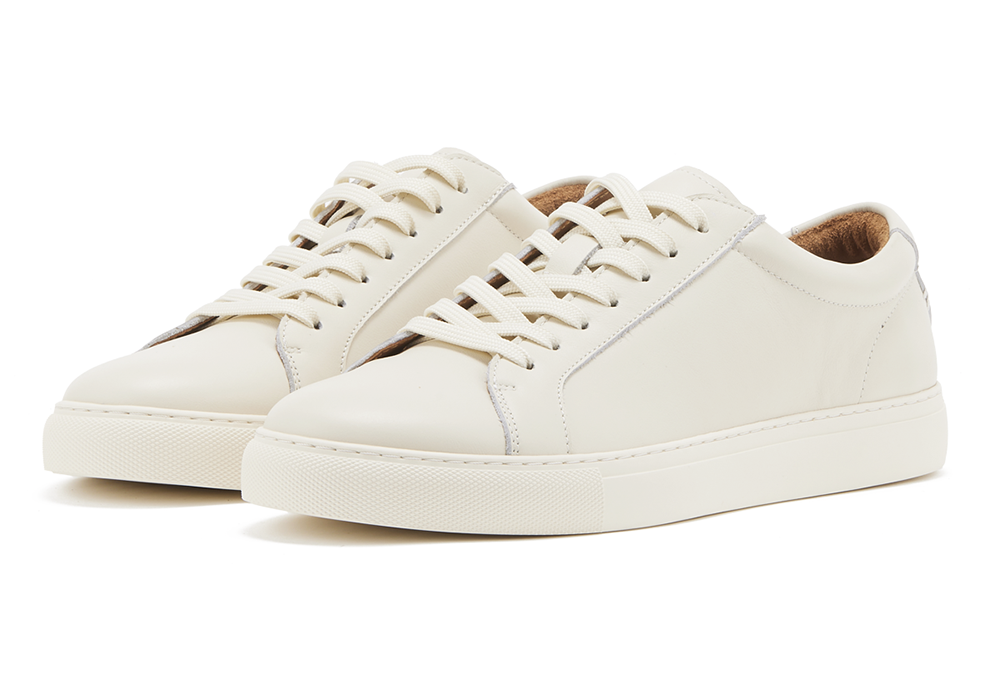
Typical factory pricing for quality leather shoes falls in the $25–40/pair range for Blake-stitched and well-constructed cement styles using genuine leather uppers. This covers Oxfords, Derbies, Loafers, Monk Straps, Chelsea Boots, and casual walking styles. For broader market context on China’s share of global output, industry trackers such as World Footwear publish annual production reviews worth a read before you shortlist suppliers.
What drives price up:
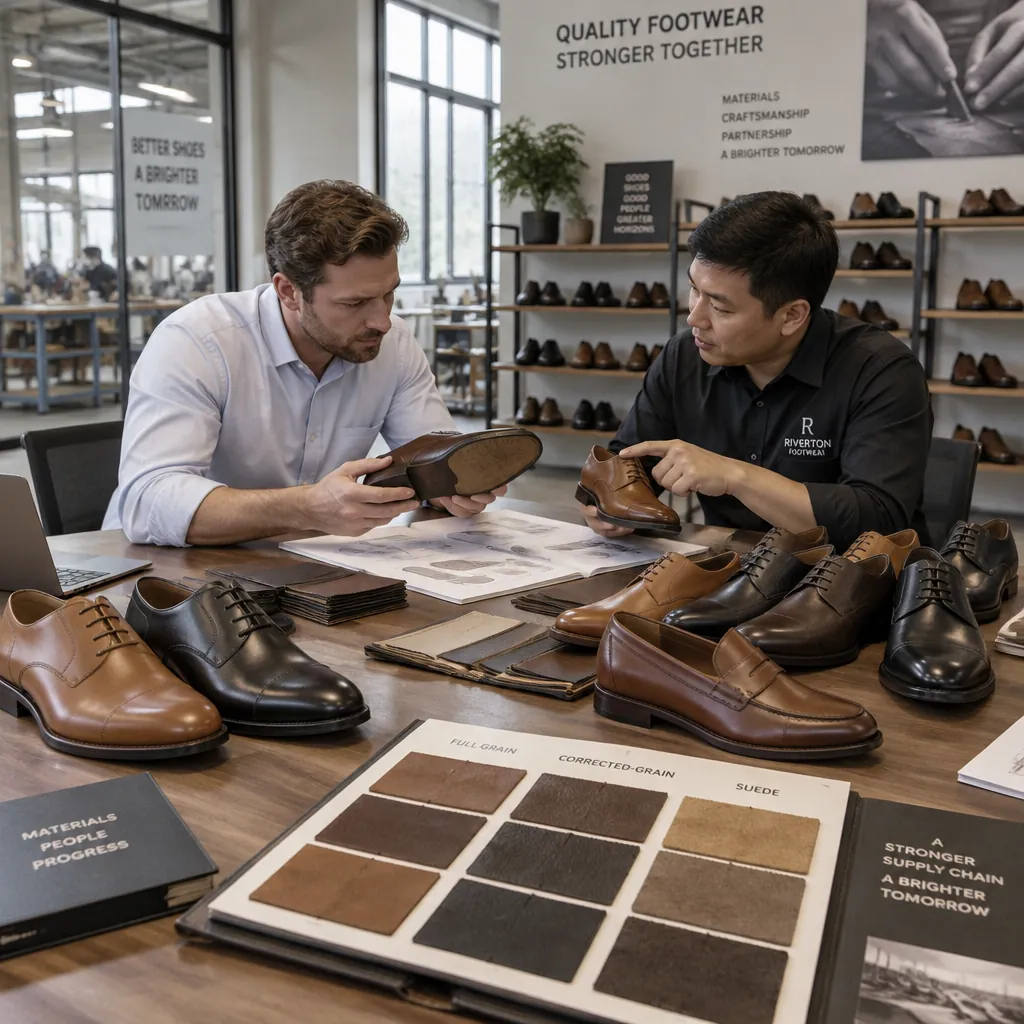
- Full-grain vs. corrected-grain leather
- Leather lining vs. synthetic lining
- Custom last development (one-time tooling fee: $200–500)
- Branded hardware, custom insoles, or special outsole compounds
What drives price down:
- Higher order volumes (500+ pairs per style)
- Ordering from existing catalog designs
- Simplified colorway (black or tan vs. exotic finishes)
For a detailed breakdown of FOB and other Incoterms pricing structures, read our FOB Shoe Pricing Guide.
Q4: What Certifications Should a Factory Have?
Certifications are not optional if you’re selling into the EU or US. They protect your brand from liability and are increasingly required by major retail platforms and customs authorities.
The three certifications that matter most:
CE (EN ISO20347):
The CE mark confirms the footwear meets European occupational and safety standards. For dress and casual shoes, EN ISO20347 covers slip resistance, upper durability, and insole integrity. Without it, your goods can be stopped at EU customs.
REACH:
The EU’s REACH regulation restricts hazardous chemical substances in manufactured goods, including leather treated with chromium VI, azo dyes, and certain adhesives. Factories must test finished products against the SVHC (Substances of Very High Concern) candidate list.
RoHS:
While primarily an electronics directive, RoHS compliance is increasingly requested by EU buyers for footwear with electronic components (e.g., light-up soles, smart insoles) and signals a factory’s overall chemical management discipline.
Additional certifications to ask for:
- ISO 9001 (quality management system)
- BSCI or SEDEX (social compliance audits)
- SGS or Bureau Veritas test reports for specific chemical and physical tests
Always request original test certificates, not photocopies. Verify certificate numbers directly with the issuing body.
For a complete walkthrough of EU footwear certification requirements, see our CE Marking Footwear 2026 Guide.
Q5: How Long Does Production Take?
Lead time is one of the most misunderstood aspects of shoe sourcing. Buyers often confuse production time with total order-to-delivery time.
Full timeline breakdown:
| Phase | Duration |
|---|---|
| Sample approval | 2–6 weeks (depending on revision rounds) |
| Raw material sourcing | 1–2 weeks (after sample approval) |
| Bulk production | 30–45 days (standard order) |
| Quality inspection | 3–5 days |
| Export documentation | 3–5 days |
| Sea freight (China → EU/US) | 25–35 days |
| Total (sea freight) | ~90–120 days from order confirmation |
Air freight compresses the shipping leg to 5–7 days but costs 4–6x more per pair. Use it for urgent restocks or launch samples, not bulk orders.
Factors that extend lead time:
- Chinese New Year (factories close 2–4 weeks, January/February)
- Golden Week (October)
- Custom last tooling (add 2–3 weeks)
- Fabric or hardware sourcing delays
Build buffer time into every order. Experienced buyers place orders 120–150 days before their target in-store date.
Q6: What Payment Terms Do Factories Accept?
Payment terms are a risk negotiation between buyer and factory. The standard structures you’ll encounter:
T/T (Telegraphic Transfer):
The most common method. Typical structure is 30% deposit before production, 70% balance before shipment (against bill of lading copy). Some factories offer 50/50 for established relationships.
L/C (Letter of Credit):
Preferred by larger buyers for orders above $50,000. The L/C provides payment security for both parties but adds 1–3% in bank fees and 5–10 days in processing time. Factories often require sight L/C terms.
PayPal / Trade Assurance:
Available for small orders and sample payments. Alibaba Trade Assurance provides dispute resolution but adds 2–3% in platform fees.
Negotiating better terms:
- Longer track record = better terms (move from 30/70 to 40/60 after 3+ orders)
- Higher order value = more leverage
- Always use a separate escrow or milestone payment for first-time suppliers
For a full breakdown of payment structures and risk mitigation, read our Payment Terms for B2B Leather Shoe Orders.
Q7: How Do Quality Inspections Work?
Quality inspection is your last line of defense before goods leave the factory. Skipping it is one of the most expensive mistakes a B2B buyer can make.
The AQL framework:
AQL (Acceptable Quality Level) is the international standard for sampling-based inspection. For footwear, the most common levels are:
- AQL 1.5 — Critical defects (structural failure, safety hazard): 0 tolerance
- AQL 2.5 — Major defects (visible cosmetic flaws, size errors): industry standard
- AQL 4.0 — Minor defects (slight color variation, minor stitching irregularity)
Three inspection types:
- In-line inspection — Conducted during production (30–50% complete). Catches issues early.
- Pre-shipment inspection (PSI) — Most common. Conducted when 80–100% of goods are packed. Covers workmanship, measurements, labeling, and packaging.
- Container loading supervision — Verifies correct quantities and carton condition at loading.
Third-party inspection:
Companies like SGS, Bureau Veritas, and QIMA offer independent pre-shipment inspections for $200–400 per man-day. For first orders with a new factory, this is non-negotiable.
For a detailed AQL checklist specific to footwear, see our AQL inspection and quality control guide.
Q8: What Shipping Options Are Available?
Your choice of Incoterm determines who controls — and pays for — each leg of the journey.
The three most common terms for shoe imports:
| Incoterm | Factory Responsibility | Buyer Responsibility | Best For |
|---|---|---|---|
| FOB | Goods loaded on vessel | Freight, insurance, import duties | Experienced importers with freight forwarders |
| CIF | Goods + freight + insurance to destination port | Import duties, inland delivery | Mid-size buyers wanting simplified logistics |
| DDP | Everything including import duties | Nothing (goods delivered to door) | New importers, EU/US small brands |
FOB is the most common term for experienced B2B buyers because it gives you full control over freight costs and carrier selection. DDP is more expensive per pair but eliminates customs complexity — useful when you’re still learning import procedures.
Shipping routes and transit times:
- Shanghai/Guangzhou → Los Angeles: 18–22 days (sea)
- Shanghai/Guangzhou → Rotterdam: 28–32 days (sea)
- Shanghai/Guangzhou → Dubai: 18–22 days (sea)
Always get at least three freight quotes. Rates vary significantly by season and carrier.
Q9: Can I Visit the Factory?
Factory visits are one of the highest-ROI activities a B2B buyer can do before placing a large order. They reveal things no catalog or video call can show.
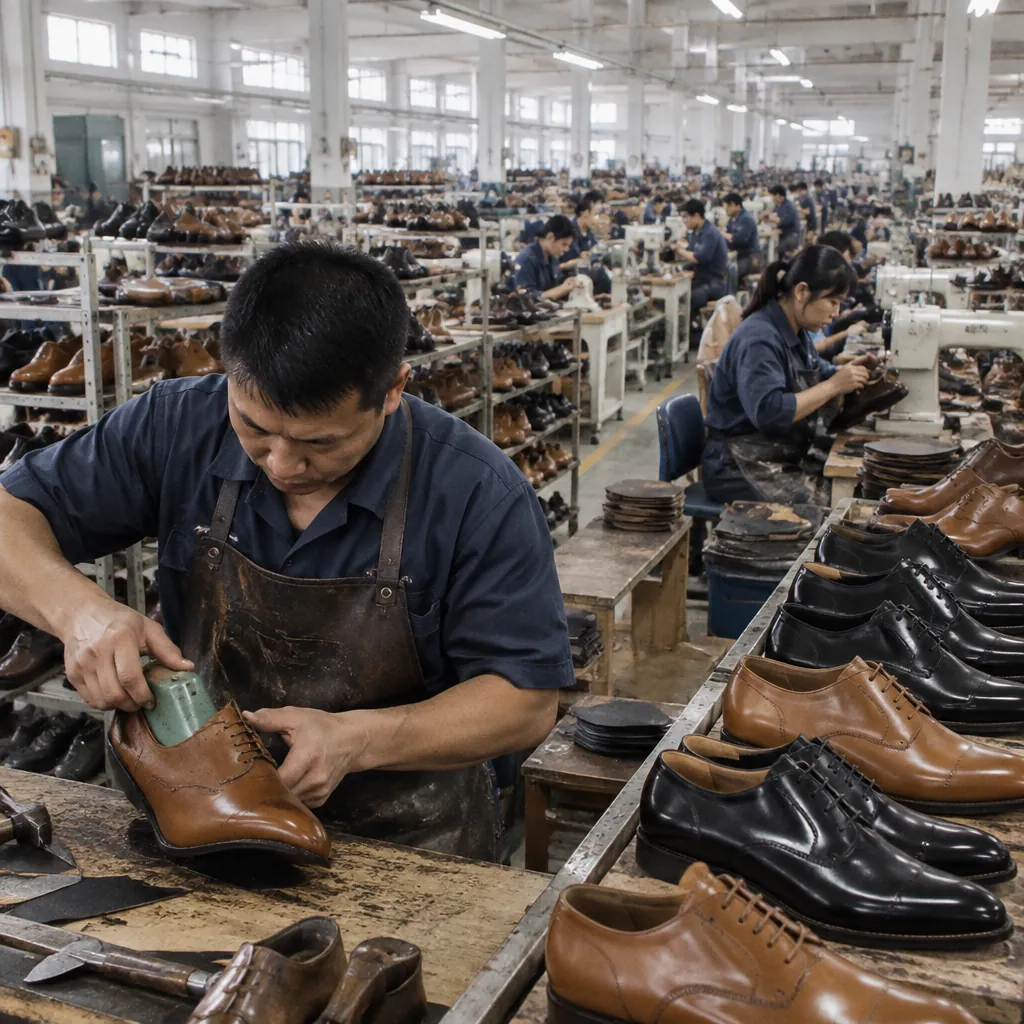
What to look for on a factory visit:
Production floor:
- [ ] Is the cutting room organized with minimal leather waste?
- [ ] Are workers using consistent lasting techniques or rushing?
- [ ] Is there a dedicated QC station at each production stage?
- [ ] Are finished goods stored separately from work-in-progress?
Materials storage:
- [ ] Is leather stored flat, away from direct sunlight?
- [ ] Are adhesives and chemicals labeled and stored safely?
- [ ] Can you trace a specific leather batch to its tannery certificate?
Management and documentation:
- [ ] Can the factory show you original certification documents?
- [ ] Is there a documented defect tracking system?
- [ ] Do they have an English-speaking technical contact?
Red flags:
- Reluctance to show the production floor
- No QC records available
- Subcontracting to unknown third parties without disclosure
If a factory visit isn’t possible, request a live video walkthrough during peak production hours — not a pre-recorded tour.
Q10: How Do I Handle Defects and Returns?
Defects are inevitable in any manufacturing process. The question is: what’s an acceptable rate, and what’s your remedy when it’s exceeded?
Industry defect benchmarks:
- Industry average defect rate: 2–4%
- Best-in-class factories: 0.8–1.2%
First-hand note (Wincheer QC records): Our recorded first-article defect band runs 0.8–1.2%, and we hold that number in the quality agreement rather than in marketing copy. The practical takeaway for buyers: a factory that quotes its defect rate in a signed quality agreement — with defect categories and remedies attached — is structurally different from one that only quotes it on the sales page.
What counts as a defect:
- Structural: delamination, sole separation, broken welt stitching
- Cosmetic: uneven color, visible glue, misaligned broguing
- Sizing: pairs outside ±3mm of spec
Defect remedies — what to negotiate before production:
| Defect Rate | Standard Remedy |
|---|---|
| Below agreed threshold | No action required |
| 1–3% above threshold | Factory replaces defective pairs in next shipment |
| 3–5% above threshold | Partial refund or credit note |
| Above 5% | Full replacement or refund, plus third-party audit |
Practical tips:
- Define defect categories and thresholds in your purchase order or quality agreement — not just verbally
- Photograph every defect immediately upon receipt
- Keep a sample of defective pairs for dispute resolution
- Build a 2–3% defect allowance into your retail pricing as a buffer
Quick-Reference Comparison Table
All ten answers at a glance — bookmark this table for your next sourcing round:
| # | Question | Short Answer |
|---|---|---|
| 1 | Typical shoe MOQ? | 0 pairs on catalog styles; 60 pairs/style for custom OEM; 60–200 at mid-size factories |
| 2 | Sampling process? | 2–3 rounds over 2–6 weeks; $30–200 per sample round |
| 3 | Price per pair? | $18–70 FOB by construction; $25–40 typical for genuine leather dress shoes |
| 4 | Certifications? | CE (EN ISO20347), REACH, RoHS for EU; CPSC for US; ISO 9001 + BSCI as signals |
| 5 | Production lead time? | ~90–120 days door-to-door by sea; order 120–150 days ahead |
| 6 | Payment terms? | 30% deposit / 70% against BL copy standard; L/C above $50k |
| 7 | Quality inspection? | AQL 2.5 standard; in-line + pre-shipment + loading supervision |
| 8 | Shipping options? | FOB for experienced importers; DDP for new brands |
| 9 | Factory visits? | Always for orders above 500 pairs; live video walkthrough as fallback |
| 10 | Defect handling? | Write thresholds + remedies into the quality agreement before production |
Ready to Place Your First Order?
Getting the MOQ structure right is the difference between a profitable first order and a warehouse full of slow-moving stock. Wincheer Shoes has worked with private label brands, retail chains, and cross-border sellers since 2007 — MOQ from 60 pairs on custom designs, zero minimum on catalog styles, defect rate held at 0.8–1.2%.
Request a quote with your spec sheet and target quantity, and our team will come back with a line-item cost breakdown within 48 hours. Visitors are always welcome to tour the production lines in Jiangmen, Guangdong — about 1.5 hours from Guangzhou.
Sources
- European Commission — REACH regulation overview: https://environment.ec.europa.eu/topics/chemicals/reach-regulation_en (retrieved 2026-11-02)
- SGS — Pre-shipment inspection services: https://www.sgs.com/en/services/pre-shipment-inspection (retrieved 2026-11-02)
- World Footwear — annual industry production reviews: https://www.worldfootwear.com/ (retrieved 2026-11-02)
- Wincheer Shoes — internal order records and QC inspection data (MOQ structures, defect rate bands, sampling timelines)