North American Brand Guide to Chinese Shoe OEM Manufacturing
North American brands seeking reliable Chinese shoe OEM manufacturing face a complex landscape of quality standards, compliance requirements, and cultural business practices that differ significantly from domestic suppliers. The key to successful partnerships lies in understanding China’s manufacturing capabilities, establishing clear quality benchmarks, and navigating regulatory requirements that meet both Chinese export standards and North American import regulations.
Chinese shoe manufacturing has evolved dramatically over the past two decades, transforming from a low-cost production base to a sophisticated ecosystem capable of producing premium footwear for global brands. For North American companies, this presents unprecedented opportunities to access advanced manufacturing technologies, competitive pricing, and extensive design capabilities while maintaining the quality standards their customers expect.
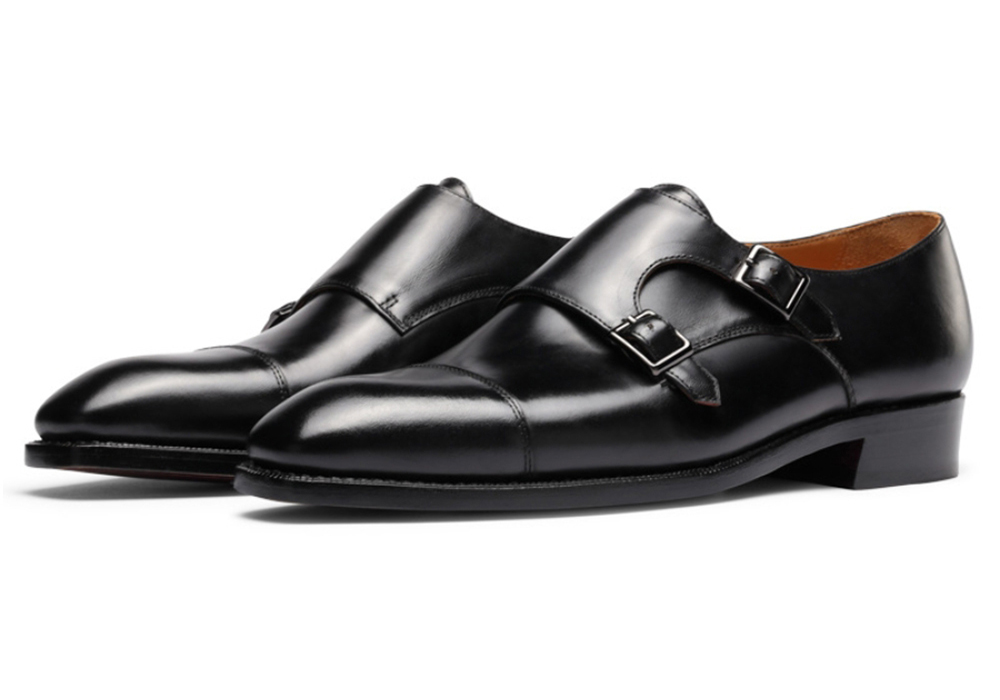
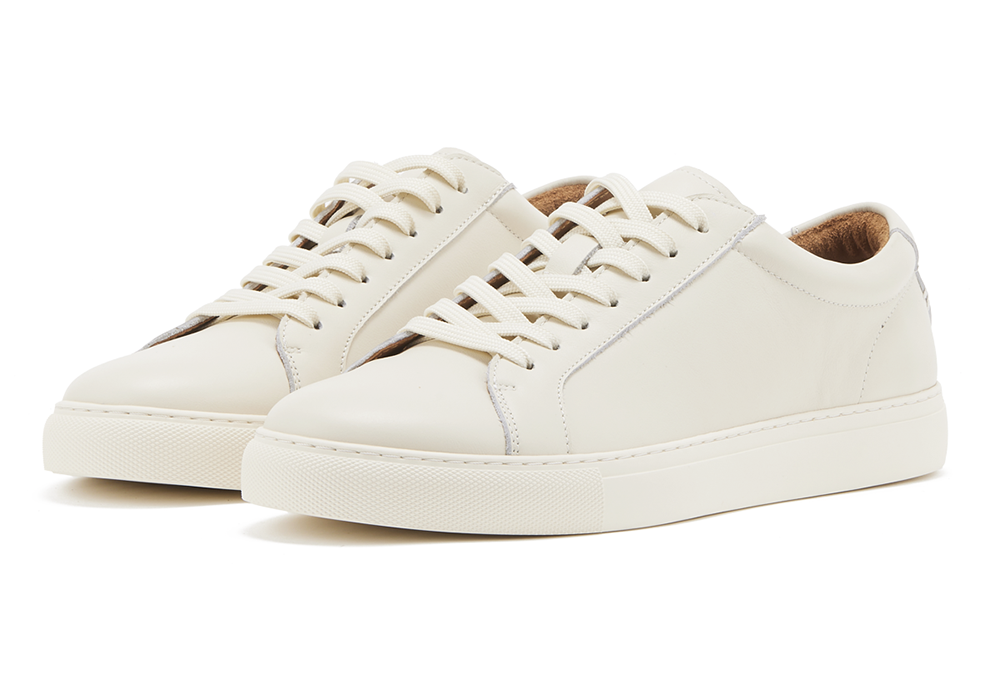
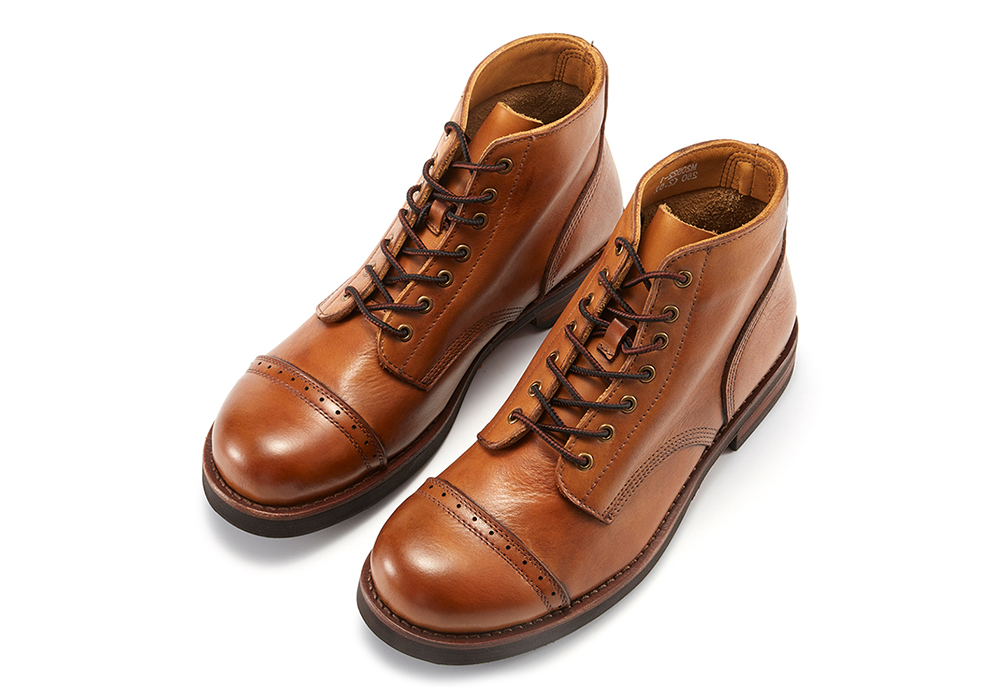
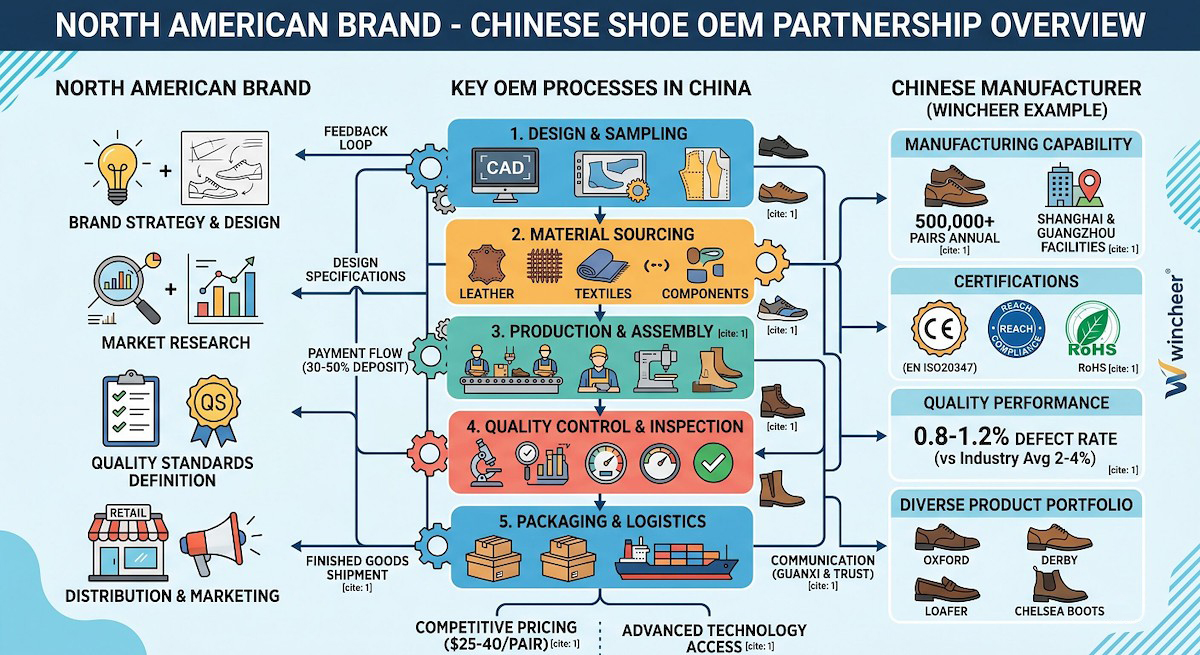
As a manufacturer producing 500,000+ pairs annually with operations spanning Shanghai headquarters and Guangzhou production facilities, WinCheer Shoes, established in 2007, exemplifies this evolution. With certifications including CE (EN ISO20347), REACH, and RoHS compliance, and maintaining defect rates of 0.8-1.2% compared to the industry average of 2-4%, Chinese OEM manufacturers have demonstrated their ability to meet stringent North American quality requirements while offering competitive pricing of $25-40 per pair across diverse product categories from Oxford and Derby dress shoes to casual walking shoes.
North American Brand Chinese Shoe Oem: Understanding the Chinese Shoe OEM Landscape
Manufacturing Hub Distribution
China’s shoe manufacturing industry concentrates in several key regions, each specializing in different product categories and price points. Guangdong Province, particularly around Guangzhou and Dongguan, leads in premium leather shoe production, housing sophisticated factories equipped with Italian and German machinery. Fujian Province focuses on athletic and casual footwear, while Zhejiang Province specializes in women’s fashion shoes and boots.
The geographic distribution creates distinct advantages for different product categories. Guangdong’s proximity to Hong Kong facilitates international logistics and quality control, making it ideal for North American brands requiring frequent communication and sample development. The region’s established supply chain includes premium leather suppliers, hardware manufacturers, and specialized component producers.
Technology and Capability Evolution
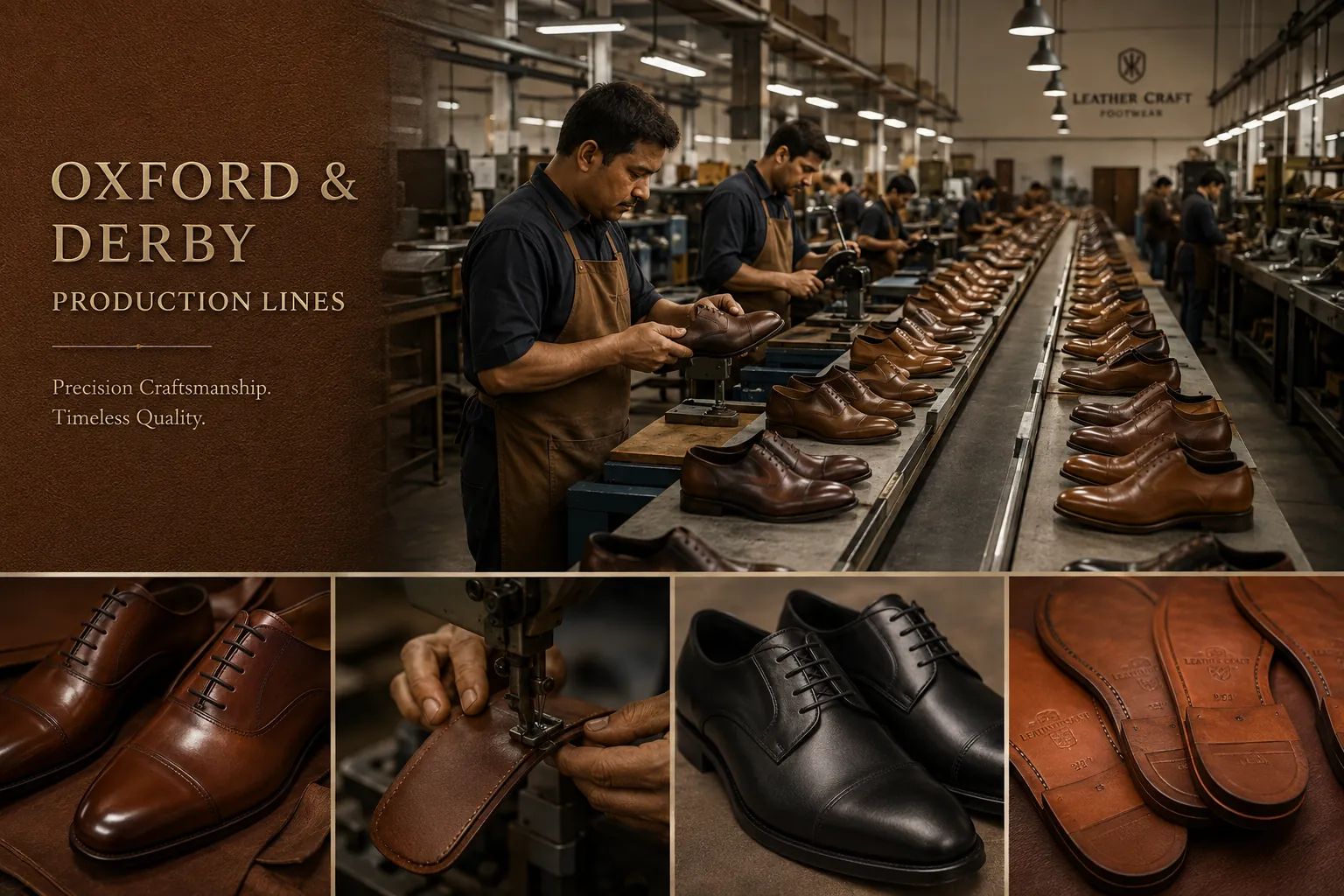
Modern Chinese shoe OEMs have invested heavily in automation and quality control systems. Computer-aided design (CAD) software enables rapid prototyping and pattern development, while automated cutting systems ensure consistent material utilization. Advanced lasting machines and molding equipment produce shoes with dimensional accuracy matching European standards.
Quality management systems have become increasingly sophisticated, with many facilities implementing Six Sigma methodologies and statistical process control. Real-time production monitoring systems track defect rates, productivity metrics, and material consumption, providing transparency that North American brands require for supply chain management.
Cultural and Business Practice Considerations
Successful partnerships require understanding Chinese business culture and communication styles. Relationship building (guanxi) remains fundamental to long-term success, requiring investment in face-to-face meetings and trust development. Decision-making processes often involve multiple stakeholders and may require longer timelines than North American brands expect.
Payment terms and financial arrangements differ significantly from domestic suppliers. Chinese manufacturers typically require 30-50% deposits before production begins, with balance due before shipment. Letter of credit arrangements provide security for both parties but require careful documentation and compliance with banking regulations.
Quality Standards and Compliance Framework
North American Import Requirements
Footwear imported into North America must comply with multiple regulatory frameworks. The Consumer Product Safety Commission (CPSC) enforces safety standards for children’s footwear, including lead content limitations and small parts regulations. The Federal Trade Commission (FTC) requires accurate labeling regarding materials, country of origin, and care instructions.
https://en.wikipedia.org/wiki/Consumer_Product_Safety_Commission – SATRA Footwear Technology provides comprehensive information about CPSC regulations affecting footwear imports. Understanding these requirements before engaging with Chinese manufacturers prevents costly delays and compliance issues.
California’s Proposition 65 requires disclosure of chemicals known to cause cancer or reproductive harm, affecting footwear containing certain dyes, adhesives, or treatments. Canadian regulations under Health Canada impose similar restrictions on hazardous substances in consumer products.
Chinese Export Certifications
Chinese manufacturers must obtain specific certifications for footwear exports. The China Compulsory Certification (CCC) mark applies to certain product categories, while voluntary certifications like ISO 9001 demonstrate quality management system compliance. Environmental certifications such as REACH compliance ensure chemical safety for European and North American markets.
Testing requirements include physical performance standards for sole adhesion, upper material durability, and colorfastness. Chemical testing verifies compliance with restricted substances lists, including heavy metals, formaldehyde, and banned dyes. Reputable manufacturers maintain relationships with accredited testing laboratories and provide comprehensive test reports.
Quality Control Implementation
Effective quality control requires a multi-stage approach beginning with incoming material inspection. Raw materials including leather, textiles, and components undergo testing for compliance with specifications and safety standards. Pre-production samples verify construction methods, fit, and appearance before full production begins.
In-line inspection during production identifies issues before they become systemic problems. Final inspection before packaging ensures each pair meets established standards. Third-party inspection services provide independent verification and detailed reports for North American brands requiring additional assurance.
Sourcing Strategy and Supplier Selection
Manufacturer Evaluation Criteria
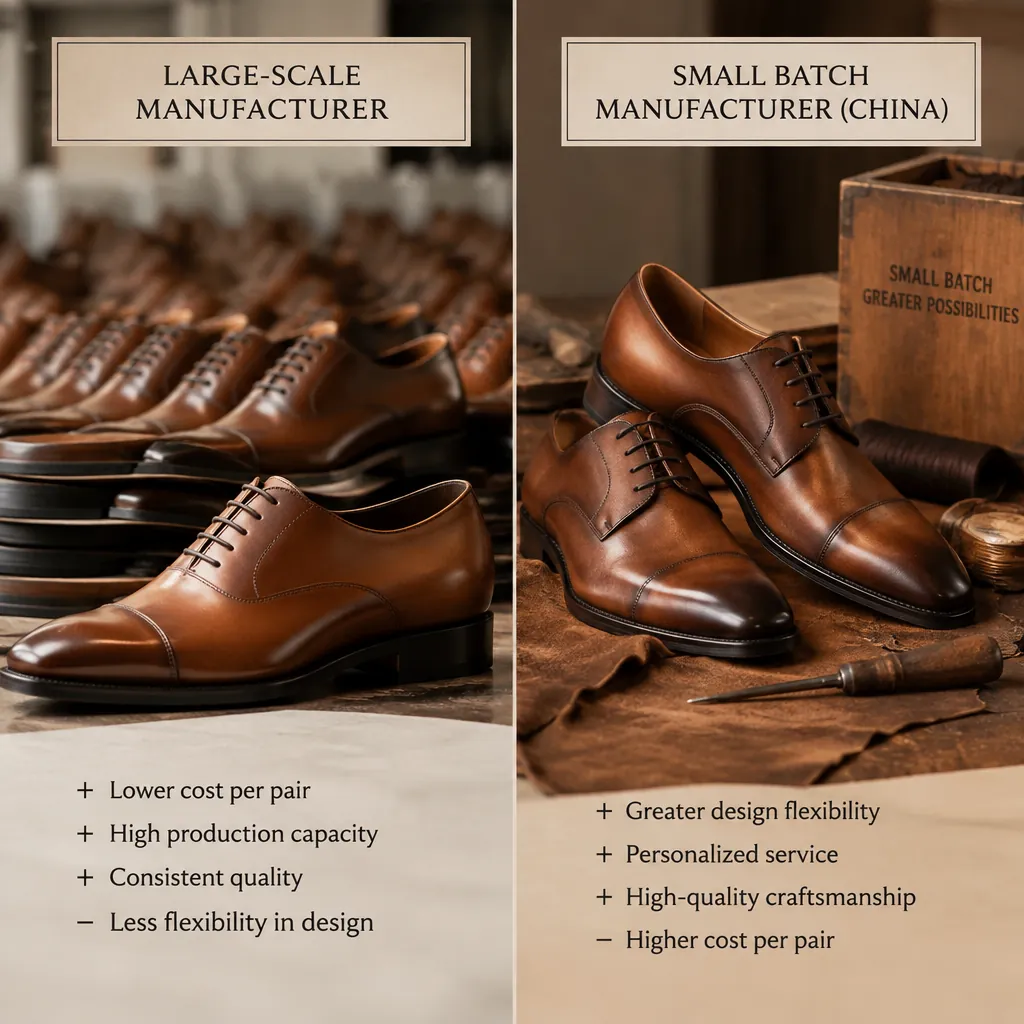
Selecting the right Chinese shoe OEM requires systematic evaluation of multiple factors. Production capacity must align with projected order volumes and seasonal fluctuations. A manufacturer producing 500,000+ pairs annually can accommodate substantial orders while maintaining consistent quality and delivery schedules.
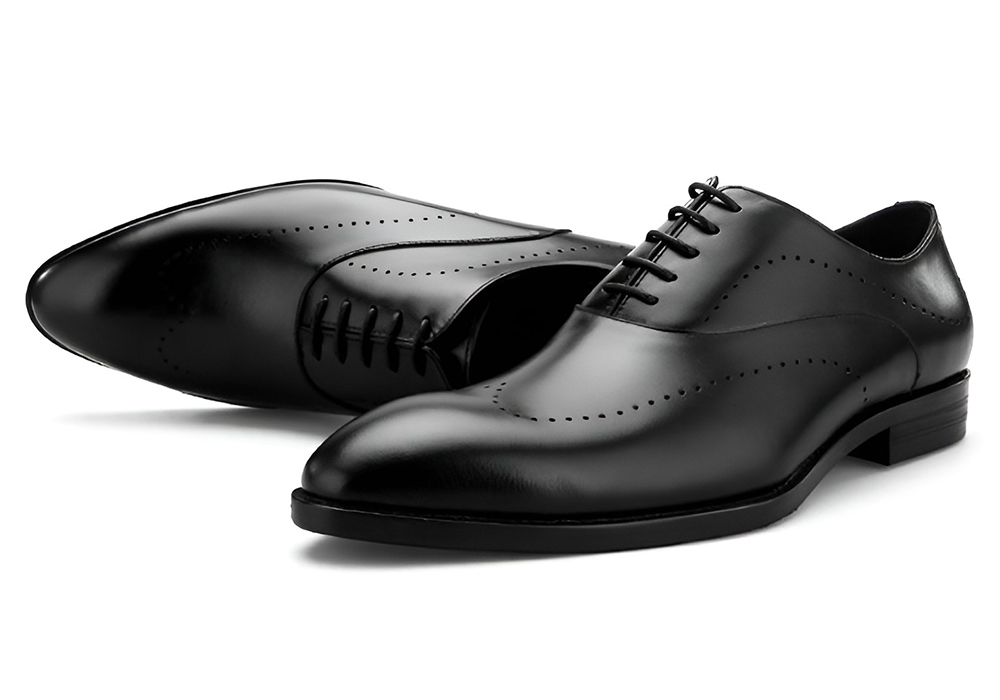
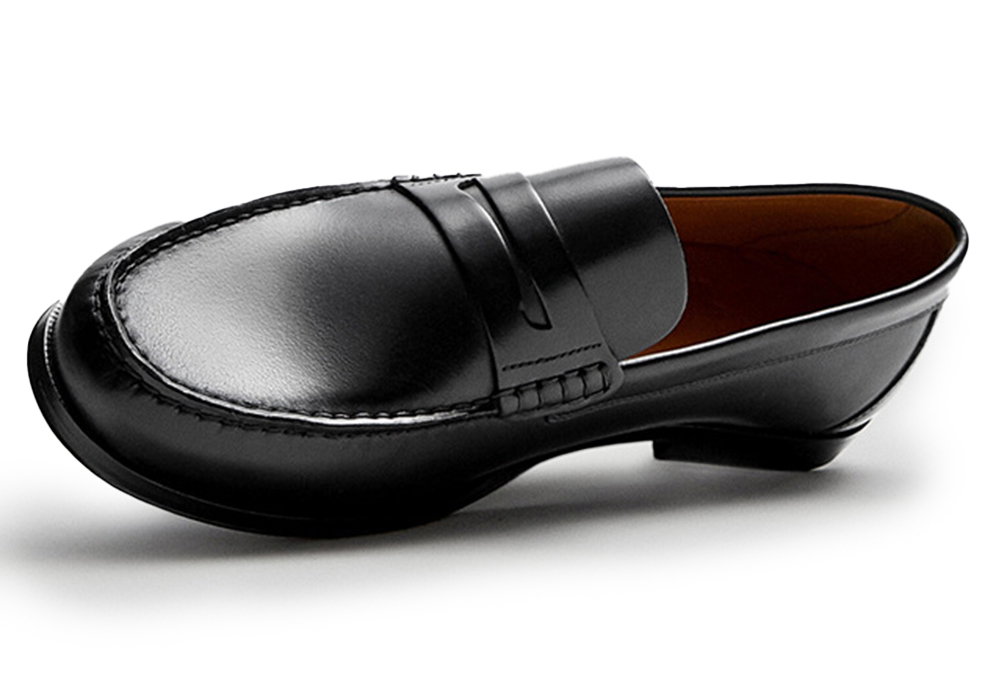
Technical capabilities should match product requirements. Complex construction methods like Goodyear welting or specialized materials require specific equipment and expertise. Manufacturers with diverse product portfolios, such as those producing Oxford, Derby, Loafer, Monk Strap, and Chelsea Boots, demonstrate versatility and technical competence.
Financial stability and business practices require careful evaluation. Established manufacturers with long-term partnerships and stable ownership structures provide greater reliability. References from existing North American clients offer insights into communication practices, delivery performance, and problem resolution capabilities.
Due Diligence Process
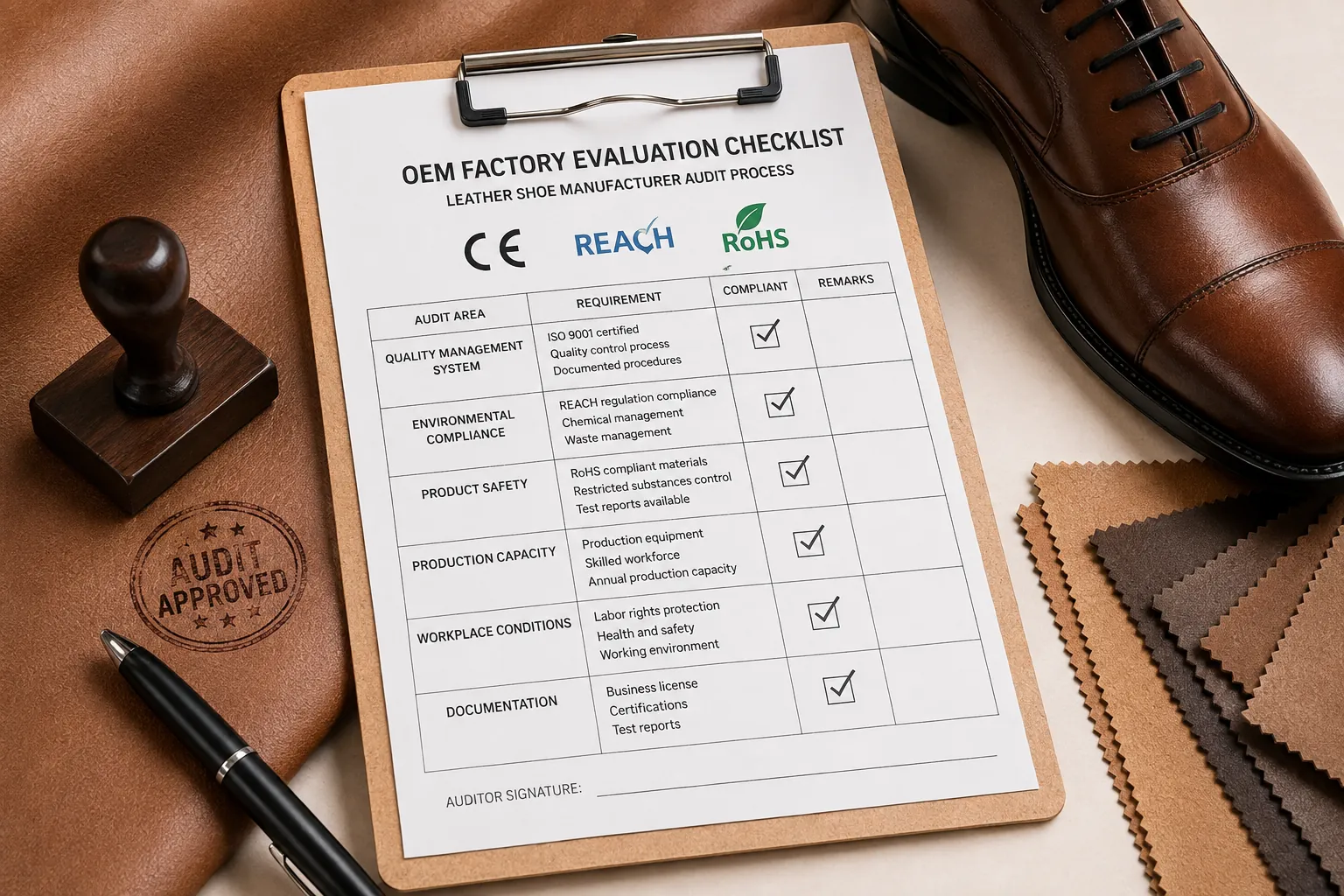
Comprehensive due diligence begins with facility audits conducted by qualified inspectors or third-party services. Physical inspections verify production capabilities, quality control systems, and working conditions. Social compliance audits ensure adherence to labor standards and ethical manufacturing practices.
Financial verification includes credit checks, bank references, and review of business licenses and certifications. Legal compliance verification ensures proper registration, tax compliance, and intellectual property protections. Insurance coverage verification protects against production delays and quality issues.
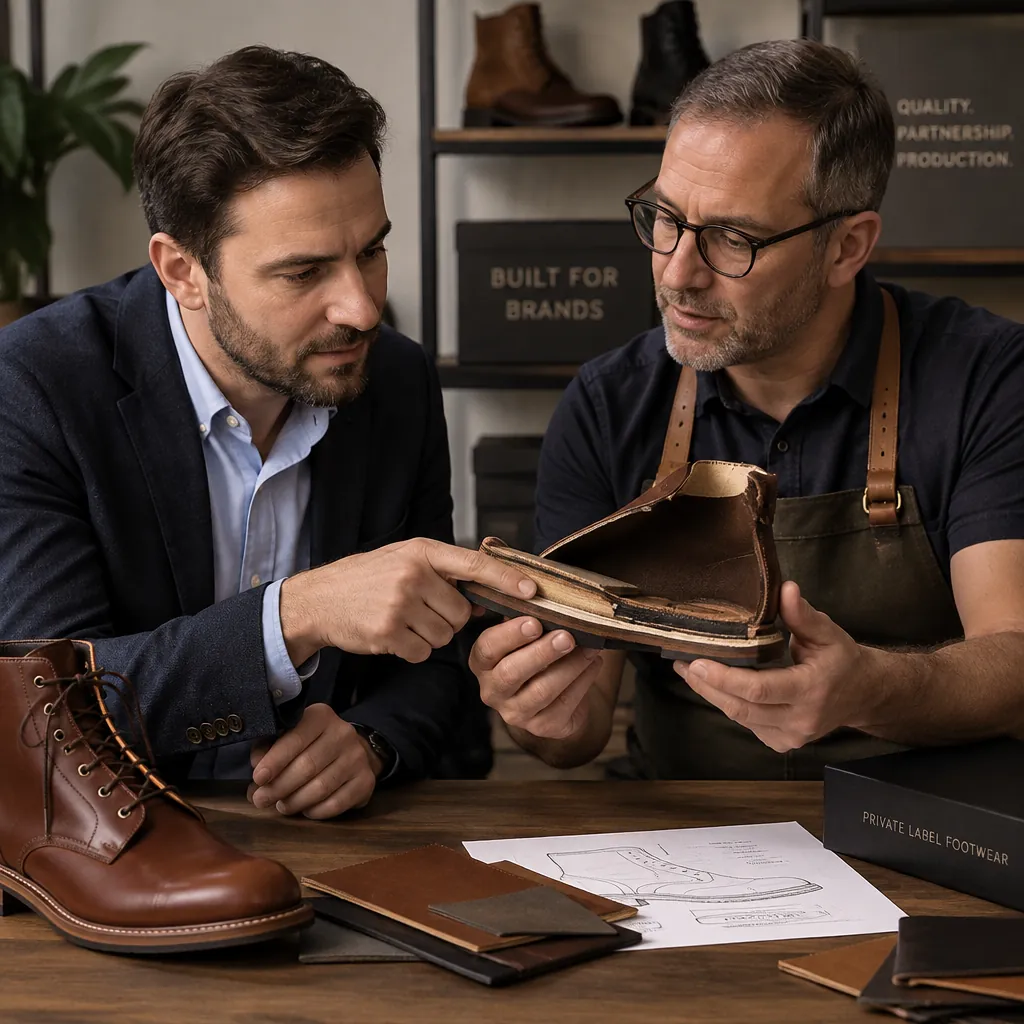
Sample development and testing provide practical evaluation of manufacturing capabilities. Initial samples demonstrate construction quality and attention to detail. Revised samples show responsiveness to feedback and ability to implement changes. Pre-production samples confirm final specifications before committing to full orders.
Partnership Structure Options
North American brands can engage Chinese manufacturers through various partnership structures. Direct relationships provide maximum control and communication but require significant time investment and cultural understanding. Trading companies offer intermediary services but may reduce margins and control over production processes.
Exclusive arrangements provide dedicated capacity and priority treatment but require substantial volume commitments. Non-exclusive relationships offer flexibility but may result in capacity constraints during peak seasons. Joint venture structures enable deeper integration but require significant legal and financial commitments.
Shoe Manufacturer Guide provides detailed comparison of different partnership models and their implications for North American brands.
Pricing and Cost Structure Analysis
Manufacturing Cost Components
Understanding Chinese shoe manufacturing costs requires analysis of multiple components. Material costs typically represent 40-60% of total manufacturing cost, varying by product category and quality level. Labor costs account for 15-25% of total cost, significantly lower than North American production but increasing annually due to wage inflation.
Overhead costs including factory rent, utilities, and equipment depreciation add 10-15% to manufacturing cost. Quality control and testing expenses contribute 2-5% depending on requirements and certification needs. Packaging and initial logistics within China add 3-5% to factory cost.
Pricing Comparison Framework
| Cost Component | Chinese OEM | North American | Advantage |
|---|---|---|---|
| Labor Cost/Hour | $3-8 | $15-25 | 60-75% savings |
| Material Sourcing | Direct factory pricing | Distributor markup | 15-30% savings |
| Overhead Allocation | Shared across volume | Full burden per unit | 40-60% savings |
| Quality Systems | Integrated in pricing | Additional service cost | 20-40% savings |
| Total Manufacturing | $25-40/pair | $60-120/pair | 50-70% savings |
Hidden Cost Considerations
Several hidden costs can impact total landed cost for North American brands. Import duties vary by product classification and country of origin, typically ranging from 8-37.5% for footwear. Freight costs fluctuate based on shipping method, fuel prices, and seasonal demand, adding $2-8 per pair depending on volume and urgency.
Quality control costs including inspection services, testing, and potential rework can add 5-10% to manufacturing cost. Inventory carrying costs for longer lead times and minimum order quantities impact cash flow and storage expenses. Currency fluctuation risks require hedging strategies or pricing adjustments.
Communication and travel costs for relationship building, sample development, and production oversight add indirect expenses. Legal and compliance costs for contract negotiation, intellectual property protection, and regulatory compliance require budget allocation.
Best Country for Manufacturing Shoes provides detailed analysis of cost components and optimization strategies.
Logistics and Supply Chain Management
Shipping and Transportation Options
Chinese shoe manufacturers offer multiple shipping options to accommodate different timeline and budget requirements. Sea freight provides the most economical option for large volumes, with transit times of 14-30 days to North American ports. Container load optimization reduces per-unit shipping costs and provides better protection during transport.
Air freight offers faster delivery for urgent orders or high-value products, with transit times of 3-7 days but significantly higher costs. Express courier services provide door-to-door delivery for samples and small orders but become prohibitively expensive for production quantities.
Consolidated shipping services combine orders from multiple buyers to achieve container load economics while accommodating smaller order quantities. These services require coordination with shipping schedules but provide cost-effective solutions for emerging brands with limited volume.
Customs and Import Procedures
Successful importation requires proper documentation and compliance with customs regulations. Commercial invoices must accurately declare product descriptions, quantities, values, and country of origin. Packing lists detail container contents and facilitate customs inspection. Bills of lading serve as title documents and shipping contracts.
Customs brokers provide expertise in classification, duty calculation, and regulatory compliance. Proper product classification using Harmonized Tariff Schedule codes determines applicable duty rates and import requirements. Incorrect classification can result in penalties, delays, and additional costs.
Import licenses and permits may be required for certain product categories or countries of origin. Anti-dumping duties apply to specific footwear categories from China, requiring careful product classification and pricing strategies. Free trade agreements may provide duty reductions for qualifying products and companies.
Inventory Management Strategies
Longer lead times from Chinese manufacturers require sophisticated inventory planning. Demand forecasting must account for seasonal variations, promotional activities, and market trends. Safety stock levels balance service levels against inventory carrying costs and obsolescence risks.
Vendor-managed inventory programs enable manufacturers to maintain stock levels based on agreed parameters. Consignment arrangements reduce cash flow requirements but may increase per-unit costs. Drop-shipping capabilities allow direct delivery to end customers, reducing handling and storage requirements.
Quality control checkpoints throughout the supply chain prevent defective products from reaching customers. Incoming inspection at North American distribution centers provides final verification before shipment to retailers or consumers.
Compliance and Risk Management
Regulatory Compliance Framework
North American brands must ensure Chinese-manufactured footwear complies with multiple regulatory requirements. Product safety standards address chemical content, physical hazards, and performance characteristics. Labeling requirements mandate accurate information about materials, care instructions, and country of origin.
Environmental regulations restrict use of certain chemicals and require proper disposal of manufacturing waste. Social compliance standards address working conditions, labor practices, and ethical manufacturing. Intellectual property protections prevent unauthorized use of designs, trademarks, and proprietary technologies.
Risk Assessment and Mitigation
Supply chain risks include production delays, quality issues, and communication challenges. Diversification across multiple suppliers reduces dependency on single sources but increases management complexity. Contractual protections including penalty clauses and insurance coverage provide financial recourse for performance failures.
Political and economic risks affect trade relationships and regulatory environments. Trade tensions, tariff changes, and currency fluctuations create uncertainty requiring contingency planning. Force majeure events including natural disasters and pandemics can disrupt production and shipping schedules.
Quality risks encompass both product defects and regulatory non-compliance. Comprehensive testing programs, third-party inspections, and supplier audits reduce quality risks but require ongoing investment and oversight.
Insurance and Protection Strategies
Product liability insurance protects against claims related to defective products or safety issues. Coverage should include legal defense costs, settlement payments, and recall expenses. International coverage ensures protection for products manufactured overseas and sold in North America.
Trade credit insurance protects against supplier bankruptcy or payment defaults. Political risk insurance covers losses from government actions, currency inconvertibility, and political violence. Cargo insurance protects against loss or damage during transportation.
Intellectual property insurance covers legal costs for defending trademarks, patents, and designs. Cyber liability insurance protects against data breaches and technology failures affecting supply chain operations.
Leather Footwear Quality Standards provides comprehensive coverage of risk identification and mitigation strategies.
Implementation Checklist for North American Brands
Pre-Engagement Preparation
Market Research and Planning
- Define target market segments and price points
- Analyze competitor sourcing strategies and suppliers
- Establish quality standards and testing requirements
- Develop product specifications and design requirements
- Create realistic timeline and budget projections
Legal and Compliance Preparation
- Research import regulations and duty rates
- Identify required certifications and testing standards
- Establish intellectual property protection strategies
- Develop contract templates and terms
- Secure appropriate insurance coverage
Internal Capability Assessment
- Evaluate internal resources for supplier management
- Establish quality control and inspection procedures
- Develop communication protocols and expectations
- Create inventory management and forecasting systems
- Identify third-party service providers as needed
Supplier Evaluation and Selection
Initial Screening Process
- Verify business licenses and certifications
- Confirm production capacity and capabilities
- Review existing client references and testimonials
- Assess financial stability and business practices
- Evaluate communication skills and responsiveness
Detailed Assessment
- Conduct facility audits and inspections
- Review quality control systems and procedures
- Test sample development and revision capabilities
- Verify compliance with safety and environmental standards
- Assess social compliance and ethical practices
Final Selection Criteria
- Compare pricing across multiple suppliers
- Evaluate total cost including hidden expenses
- Assess risk factors and mitigation capabilities
- Review contract terms and conditions
- Confirm delivery schedules and capacity allocation
Partnership Implementation
Contract Negotiation and Execution
- Define quality standards and acceptance criteria
- Establish pricing terms and payment schedules
- Specify delivery requirements and penalties
- Include intellectual property protections
- Address dispute resolution and termination procedures
Production Setup and Launch
- Develop detailed product specifications
- Create sample approval processes
- Establish communication schedules and protocols
- Implement quality control checkpoints
- Coordinate logistics and shipping arrangements
Ongoing Management
- Monitor production schedules and quality metrics
- Conduct regular supplier performance reviews
- Maintain relationship building activities
- Update contracts and terms as needed
- Evaluate expansion opportunities and new products
Frequently Asked Questions
Q: What are the typical minimum order quantities (MOQs) for Chinese shoe OEM manufacturing?
A: MOQs vary significantly based on product complexity and manufacturer capabilities. For existing designs, some manufacturers offer zero MOQ policies, allowing brands to test markets with small quantities. Custom designs typically require 60-120 pairs per style and color combination to justify tooling and setup costs. Premium manufacturers with established design libraries may offer lower MOQs of 60 pairs for custom orders, while smaller factories often require 300-500 pairs minimum. Seasonal products and complex constructions may require higher MOQs of 1,000+ pairs to achieve competitive pricing. North American brands should negotiate MOQ terms based on their market testing needs and growth projections.
Q: How can North American brands ensure consistent quality from Chinese manufacturers?
A: Quality consistency requires a multi-layered approach combining clear specifications, regular monitoring, and strong relationships. Establish detailed quality standards covering materials, construction methods, and finished product requirements. Implement pre-production sample approval processes to confirm specifications before full production begins. Conduct regular factory audits and maintain third-party inspection services for objective quality verification. Leading manufacturers maintain defect rates of 0.8-1.2% compared to industry averages of 2-4% through systematic quality control processes. Develop long-term partnerships with manufacturers who demonstrate consistent performance and invest in continuous improvement. Regular communication and feedback loops help identify and resolve quality issues before they become systemic problems.
Q: What are the typical lead times for shoe production in China?
A: Lead times depend on product complexity, order quantity, and seasonal demand. Sample development typically requires 7-15 days for existing designs and 15-30 days for custom designs requiring new tooling. Production lead times range from 25-45 days for standard orders and 45-60 days during peak seasons (March-May and August-October). Complex constructions like Goodyear welted shoes or specialized materials may require additional time. Shipping adds 14-30 days for sea freight or 3-7 days for air freight. Total time from order confirmation to delivery ranges from 45-90 days depending on specifications and shipping method. Experienced manufacturers provide realistic timelines and maintain buffer capacity to accommodate urgent orders.
Q: How should North American brands handle intellectual property protection when working with Chinese manufacturers?
A: Intellectual property protection requires proactive legal strategies and careful supplier selection. Register trademarks and designs in China before sharing with manufacturers, as China operates under “first-to-file” principles. Include comprehensive IP protection clauses in manufacturing agreements, specifying ownership rights and usage restrictions. Work with manufacturers who demonstrate respect for IP rights and have established policies against unauthorized production. Consider using trusted intermediaries or legal representatives in China for contract enforcement. Implement physical security measures including limited access to designs and tooling. Regular audits and market monitoring help identify potential IP violations. Some brands use decoy designs or watermarking to track unauthorized use. Legal recourse exists through Chinese courts and international arbitration, but prevention remains the most effective strategy.
Q: What are the key financial considerations for North American brands sourcing from Chinese manufacturers?
A: Financial planning must account for multiple cost components beyond manufacturing prices. Import duties range from 8-37.5% for footwear depending on materials and construction methods. Freight costs add $2-8 per pair depending on shipping method and fuel prices. Currency fluctuation between USD and RMB can impact costs by 5-15% annually, requiring hedging strategies or flexible pricing agreements. Payment terms typically require 30-50% deposits with balance due before shipment, affecting cash flow management. Quality control and inspection services add 2-5% to total costs but provide essential risk mitigation. Inventory carrying costs increase due to longer lead times and higher MOQs. Total landed costs including all fees and duties should be compared against domestic alternatives to ensure competitive advantage. Working capital requirements may increase significantly due to longer payment cycles and inventory commitments.
Ready to Start Your Shoe Line?
Partnering with the right Chinese shoe OEM manufacturer can transform your North American brand’s competitive position through access to advanced manufacturing capabilities, competitive pricing, and extensive design resources. Success requires careful supplier selection, comprehensive quality control systems, and strong relationship management.
Whether you’re launching a new footwear line or expanding existing operations, experienced manufacturers provide the expertise and capacity to support your growth objectives. From initial concept development through full-scale production, the right partnership delivers quality products that meet North American market expectations while maintaining competitive cost structures.
Ready to explore Chinese shoe OEM manufacturing for your North American brand? Contact our experienced team to discuss your specific requirements and learn how we can support your footwear sourcing objectives.
Contact Information:
- Email: peterwang@shwincheer.com
- Website: wincheershoes.com
- Consultation: Available for North American brands seeking reliable Chinese shoe OEM partnerships