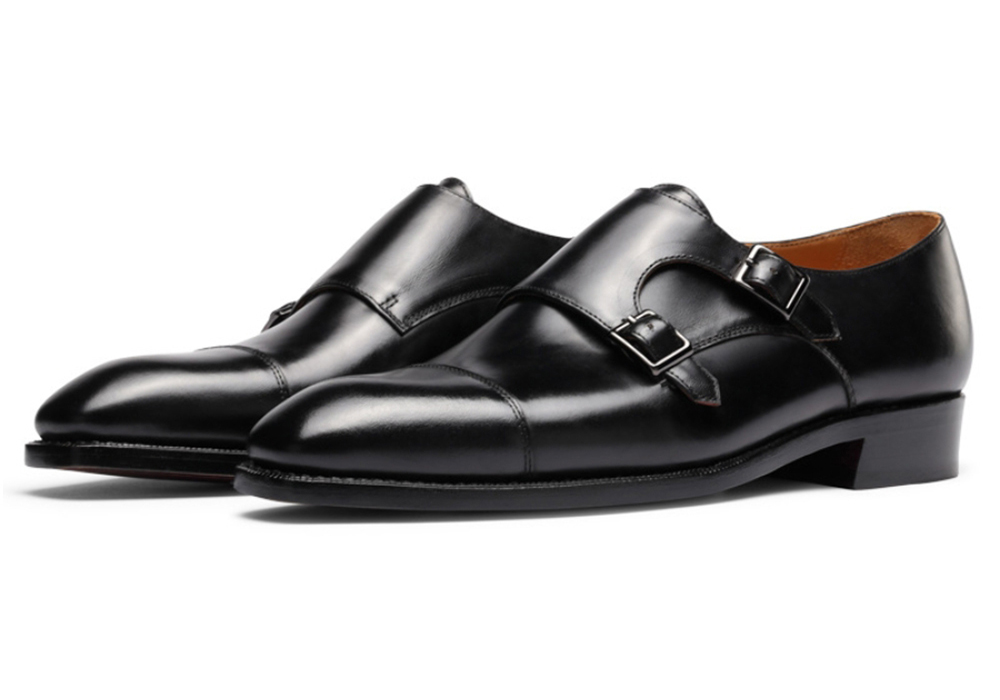
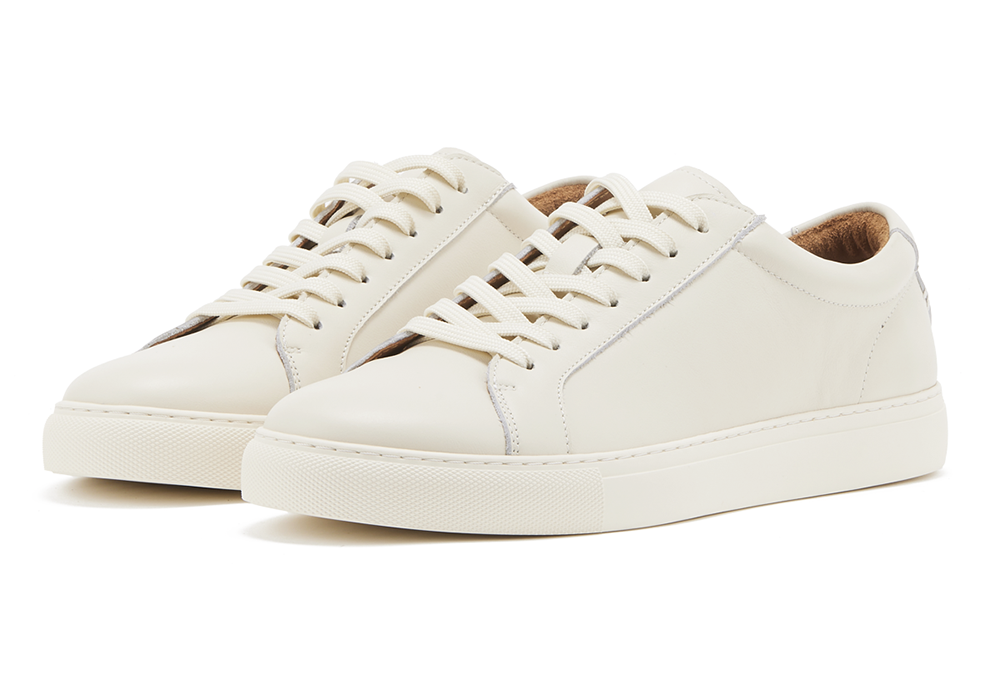
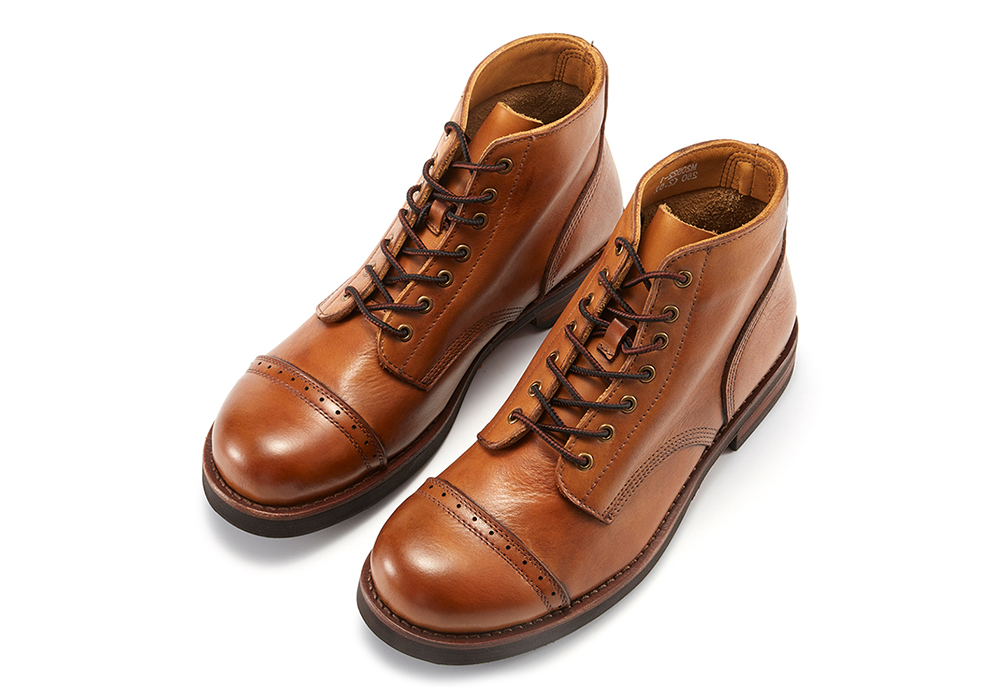
Shoe sizes vary significantly across different countries, making shoe size conversion a necessary step when shopping internationally to ensure you buy the right pair. Whether you’re traveling, ordering online, or simply curious about how sizes compare, this guide will help you convert shoe sizes with ease. From simple calculations to using conversion charts, we’ve got you covered!
Method 1: Calculating Women’s Shoe Sizes
1. US and Canadian Sizes Are Interchangeable
Good news for shoppers in North America! US and Canadian shoe sizes are identical for both men and women. If you wear a US women’s size 8, your Canadian size is also 8. This makes shopping across the border hassle-free.
2. Convert US Women’s to Men’s Sizes
US women’s shoes are typically 1.5 sizes larger than men’s. To convert, subtract 1.5 from your women’s size to find the equivalent men’s size. For example, a women’s size 9 translates to a men’s size 7.5. Conversely, add 1.5 to a men’s size to find the women’s equivalent.
3. Convert US Women’s to EU Sizes
European sizes don’t include half sizes, so the conversion depends on whether your US size is a whole or half number. For whole sizes, add 30 to your US size. For half sizes, add 30.5
- US size 7 = EU size 37
- US size 7.5 = EU size 38
To convert back, subtract 30 from your EU size and try on both the whole and half sizes to find the best fit.
4. Convert US Women’s to UK Sizes
UK women’s sizes are typically 2 sizes smaller than US sizes. Subtract 2 from your US size to find your UK size. For example, a US size 6 equals a UK size 4. To convert back, simply add 2.
5. Convert US Women’s to Australian Sizes
Australian women’s sizes are 2.5 sizes smaller than US sizes. Subtract 2.5 from your US size to find your Australian size. For example, a US size 9 equals an Australian size 6.5.
6. Convert US Women’s to Japanese Sizes
Japanese sizes are measured in centimeters, but you can approximate your size by adding 16 to your US size. For example, a US size 8 equals a Japanese size 24.
7. Convert US Women’s to Other Asian Sizes
In countries like China and Hong Kong, sizes are slightly different. Add 16.5 to your US size to estimate your Asian size. For example, a US size 10 equals an Asian size 26.5.
8. Combine Conversions for Complex Sizes
If you’re converting between non-US sizes, first convert your size to a US equivalent, then apply the appropriate conversion. For example, to convert a UK size 6 to an Australian size:
- UK size 6 + 2 = US size 8
- US size 8 – 2.5 = Australian size 5.5
Method 2: Calculating Men’s Shoe Sizes
1. US and Canadian Sizes Are the Same
Just like women’s sizes, US and Canadian men’s sizes are identical. A US men’s size 10 is also a Canadian size 10.
2. Convert US Men’s to Women’s Sizes
US men’s shoes are typically 1.5 sizes smaller than women’s. Add 1.5 to your men’s size to find the equivalent women’s size. For example, a men’s size 10 equals a women’s size 11.5.
3. Convert US Men’s to EU Sizes
For EU sizes, add 32.5 if your US size is a half size or 33 if it’s a whole size. For example:
- US size 11.5 = EU size 44
- US size 12 = EU size 45
To convert back, subtract 33 and try on both whole and half sizes.
4. Convert US Men’s to UK and Australian Sizes
UK and Australian men’s sizes are the same and are typically 0.5 sizes smaller than US sizes. Subtract 0.5 from your US size to find your UK or Australian size. For example, a US size 13 equals a UK/Australian size 12.5.
5. Convert US Men’s to Japanese Sizes
Add 18.5 to your US size to find your Japanese size. For example, a US size 9 equals a Japanese size 27.5.
6. Convert US Men’s to Other Asian Sizes
For Asian sizes (excluding Japan), add 17.5 to your US size. For example, a US size 8 equals an Asian size 25.5.
7. Combine Conversions for Non-US Sizes
If you’re converting between regions, first convert your size to a US equivalent, then apply the appropriate conversion. For example, to convert a UK size 9.5 to an EU size:
- UK size 9.5 + 0.5 = US size 10
- US size 10 + 33 = EU size 43
Method 3: Using a Shoe Size Conversion Chart
1. Use Brand-Specific Charts for Accuracy
Many shoe brands provide their own conversion charts, which account for variations in sizing. Search online for “[Brand Name] shoe size conversion chart” to find the most accurate information.
2. Consult General Conversion Charts
If a brand-specific chart isn’t available, use a general conversion chart. Search for “shoe size conversion chart” and select one that includes your current and desired regions.
3. Locate Your Size
Find your known size in the chart’s column, then look across the row to find the equivalent size in your desired region. For example, an EU women’s size 39 corresponds to a UK size 6.
Tips for Accurate Shoe Sizing
- Measure Your Foot: If you don’t know your size, trace your foot on paper and measure the length from heel to toe. Use a size chart to match the measurement to your size.
- Try Before You Buy: Sizes can vary between brands, so always try shoes on if possible.
- Check Return Policies: When shopping online, ensure the retailer offers flexible returns in case the size isn’t right.
Frequently Asked Questions
Q: Why do shoe sizes vary by country?
A: Different regions use unique sizing systems based on historical standards and measurement units.
Q: Can I rely on conversion charts for all brands?
A: While charts provide a good estimate, sizes may vary slightly between brands. Always check the brand’s specific sizing guide if available.
Q: What if my foot is between sizes?
A: If you’re between sizes, opt for the larger size for comfort, especially if you plan to wear thicker socks.
Conclusion
Converting shoe sizes doesn’t have to be complicated. Whether you’re shopping internationally or exploring new brands, this guide provides the tools to find your perfect fit. Remember to measure your feet, use conversion charts, and check return policies for a stress-free shopping experience.