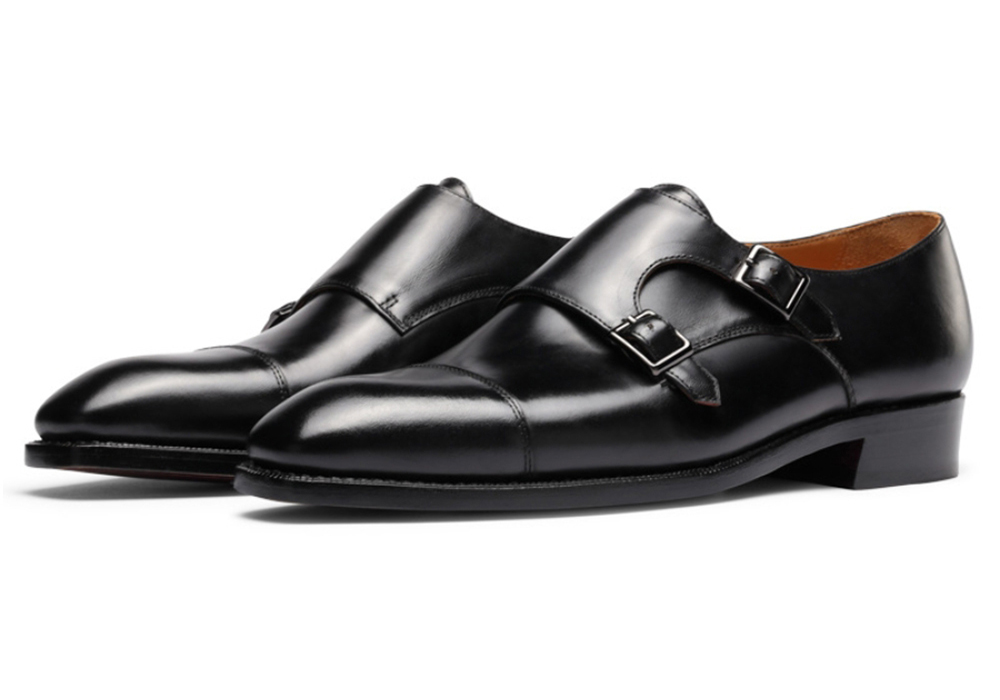
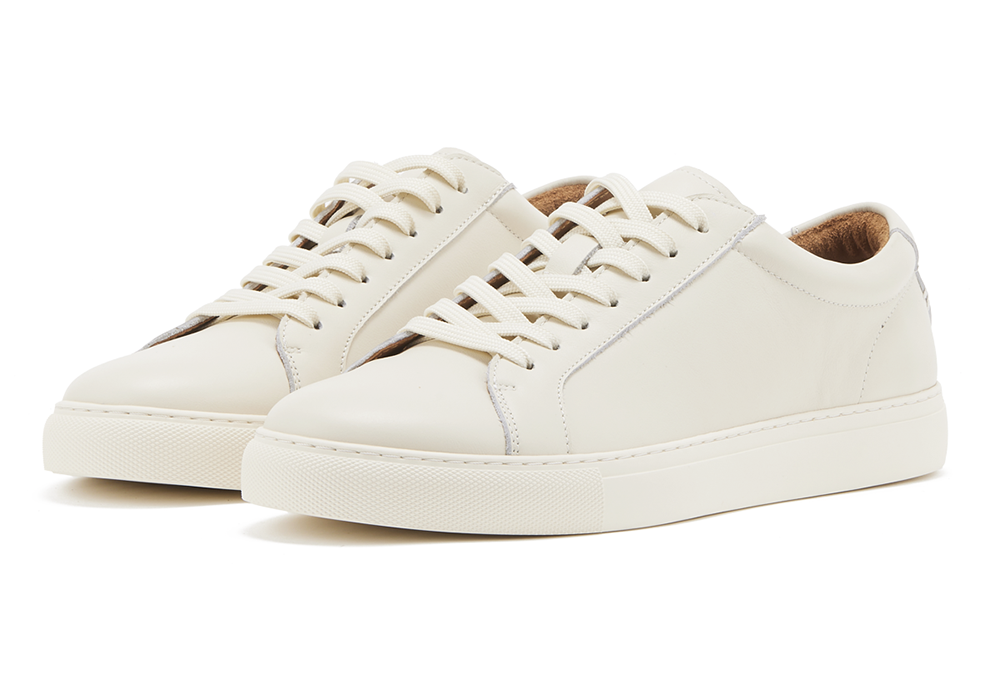
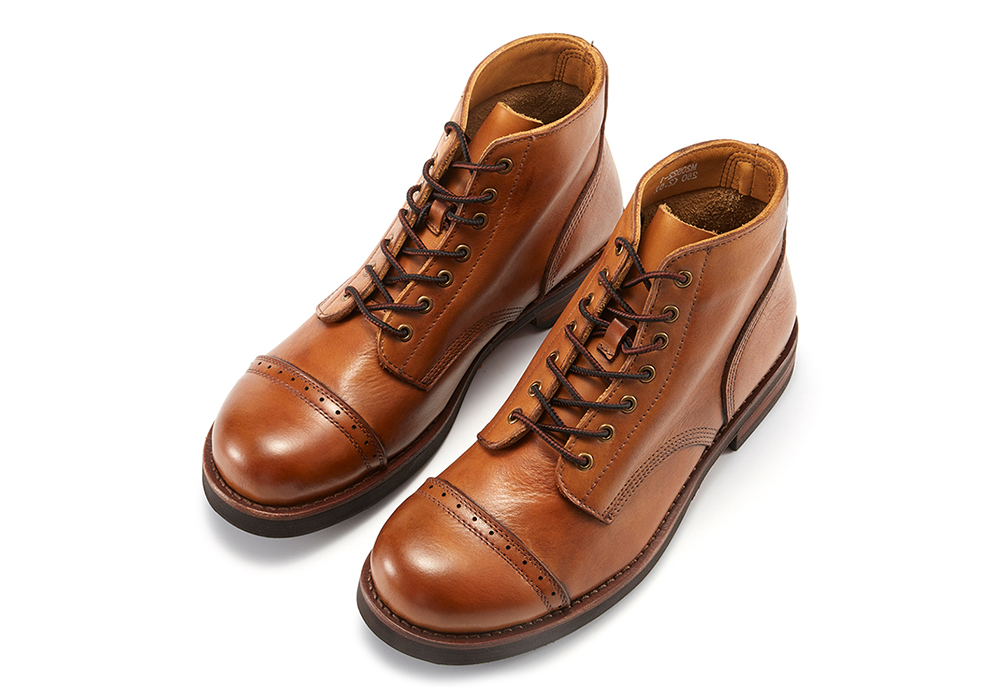
Choosing the right pair of men’s leather shoes involves more than just picking a stylish design. Understanding the material and quality of the shoes can ensure you get a durable, comfortable, and worthwhile investment. This guide will walk you through the key aspects to consider when evaluating the material and quality of men’s leather shoes.
Understanding Leather Types
The type of leather used in men’s leather shoes significantly impacts their quality, durability, and price. Here are the most common types of leather you’ll encounter:
Full-Grain Leather: This is the highest quality leather, made from the top layer of the hide. It retains the natural grain, making it durable and resistant to wear. Full-grain leather develops a unique patina over time, adding character to the shoes.
Top-Grain Leather: Slightly lower in quality than full-grain, top-grain leather is sanded and treated to remove imperfections. It is more affordable and often used in high-end men’s leather shoes for its balance of quality and price.
Genuine Leather: Despite its name, genuine leather is not the best quality. It comes from the lower layers of the hide and is often treated to mimic higher-quality leather. While it is more affordable, it lacks the durability and longevity of full-grain or top-grain leather.
Bonded Leather: This is the lowest quality leather, made from leftover scraps bonded together with adhesive. Bonded leather is inexpensive but lacks durability and is not ideal for long-term use.
Evaluating Craftsmanship
Craftsmanship plays a crucial role in determining the quality of men’s leather shoes. Here are some key indicators of well-crafted shoes:
Stitching: Examine the stitching on the shoes. High-quality men’s leather shoes feature even, tight, and consistent stitching. Loose or uneven stitches can indicate poor craftsmanship and may lead to durability issues.
Sole Construction: The way the sole is attached to the shoe is another important factor. Goodyear welt construction is a hallmark of high-quality shoes, offering durability and the ability to resole the shoes multiple times. Cemented soles are more common in lower-quality shoes and are less durable.
Lining and Insoles: Check the lining and insoles for quality materials. Leather linings and cushioned insoles enhance comfort and durability, while synthetic materials may reduce the shoe’s lifespan.
Assessing Durability and Comfort
Durability and comfort are essential aspects of men’s leather shoes. Here’s how to assess them:
Flexibility: High-quality leather shoes should be flexible but not too soft. Bend the shoe gently to check for flexibility. Shoes that are too stiff may cause discomfort, while overly soft shoes may lack support.
Weight: Quality men’s leather shoes tend to have a substantial weight, indicating the use of durable materials. Lightweight shoes may use thinner or lower-quality leather.
Fit and Comfort: Always try on the shoes to assess their fit and comfort. Quality shoes should feel comfortable from the first wear, with no excessive pressure points or slipping.
Tips for Making an Informed Purchase
To ensure you’re getting the best quality men’s leather shoes, follow these tips:
- Research Brands: Look for reputable brands known for their quality and craftsmanship. Brands like Allen Edmonds, Johnston & Murphy, and Wincheer are excellent starting points.
- Inspect the Shoes: Examine the shoes closely for any signs of poor quality, such as uneven stitching, weak seams, or low-grade materials.
- Ask Questions: Don’t hesitate to ask the retailer about the type of leather, construction methods, and other details. A knowledgeable salesperson can provide valuable insights.
- Read Reviews: Customer reviews can offer real-world insights into the durability and comfort of the shoes you’re considering.
- Consider Your Needs: Think about how you’ll use the shoes. For formal occasions, prioritize high-quality leather and craftsmanship. For casual wear, you might opt for more affordable options.
Conclusion
Identifying the material and quality of men’s leather shoes requires attention to detail and a basic understanding of leather types and craftsmanship. By evaluating these factors, you can make an informed decision and invest in shoes that offer both style and durability. Whether you’re shopping for formal or casual footwear, knowing what to look for ensures you get the best value for your money.