
Table of Contents
- The Formality Rebalancing
- Comfort-Driven Innovation
- Hybrid Design Convergence
- Sustainable and Ethical Positioning
- Construction Technique Evolution
- Regional Market Variations
- Retail Strategy Implications
The men’s dress shoe market in 2026 shows clear consumer behavior shifts reshaping product development and inventory strategy. After years of casualization accelerating through the pandemic, the market now demonstrates nuanced demand patterns that balance formality revival with the comfort expectations established during remote work periods.
The global men’s premium dress shoe market was valued at $12.4 billion in 2025, with 4.3% annual growth projected through 2030 (industry research). Growth concentrates in specific segments where consumer demand and manufacturing capability align.
This analysis draws on manufacturing intelligence, retailer feedback, and consumer behavior research to identify actionable trend insights for inventory planning.
1. The Formality Rebalancing
Post-Pandemic Formal Wear Revival
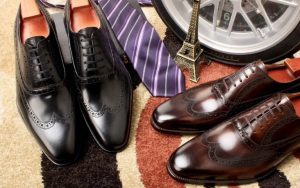
The return to office environments—however hybrid in structure—has revived demand for traditional formal footwear. But pure formality no longer dominates as it did pre-2020. The market now segments into three distinct occasion categories:
| Segment | Description | Market Trend |
|---|---|---|
| Professional Formal | Traditional dress shoes for client meetings, corporate environments, formal occasions | Stable; replacement cycle driven |
| Smart Casual | Traditional leather aesthetics with enhanced comfort features. Transitions from business to after-work settings. | Fastest growing segment |
| Premium Comfort | Athletic-influenced dress shoes with advanced cushioning, lightweight materials, flexible construction | Growing; significant innovation investment |
Color Palette Evolution
Consumer color preferences have shifted notably from traditional choices:
- Brown tonal expansion: While black maintains traditional dominance, brown variants are expanding significantly. Cognac, espresso, and tobacco browns offer versatility that black cannot match in contemporary wardrobes.
- Burgundy renaissance: Deep burgundy emerges as the statement color for dress shoes, particularly in Italian and British-influenced styles. Distinctive yet wardrobe-compatible.
- Navy integration: Navy dress shoes—once considered incorrect with traditional suits—have gained acceptance in fashion-forward markets, particularly among younger professionals.
- Minimalist neutrals: Greige (grey-beige) and stone tones appear in premium segments, reflecting broader minimalist fashion influence.
2. Comfort-Driven Innovation
The Cushioning Revolution
Comfort expectations have permanently elevated across all dress shoe segments. The athletic industry normalized plush cushioning that traditional leather construction couldn’t match—and now manufacturers are closing the gap:
- Memory foam insoles: Conforming to individual foot shapes, reducing pressure points and fatigue.
- EVA and PU midsole integration: Lightweight cushioning materials—previously confined to athletic footwear—appearing in premium dress shoes, typically concealed within traditional leather construction.
- Gel and air pockets: Selective cushioning in heel and forefoot areas addressing specific pressure points while maintaining traditional appearance.
- Flexible sole technology: New sole materials providing shock absorption without rigidity, enabling natural foot motion.
Weight Reduction
Consumer research consistently identifies weight as a comfort barrier. Leading manufacturers respond with:
- Thinned outsoles: Precision engineering reducing sole thickness without sacrificing durability.
- Lightweight leather processing: Advanced tanning techniques producing lighter leather without compromising quality.
- Synthetic component substitution: Strategic replacement of heavy brass hardware with lightweight alternatives.
- Interior construction streamlining: Removing unnecessary internal structure while maintaining support.
3. Hybrid Design Convergence
Athletic-Casual Fusion
The most significant design trend blurs traditional footwear categories:
- Modern Oxford meets running shoe: Contemporary interpretations combining traditional lace-up patterns with technical materials and sole designs borrowed from athletic footwear.
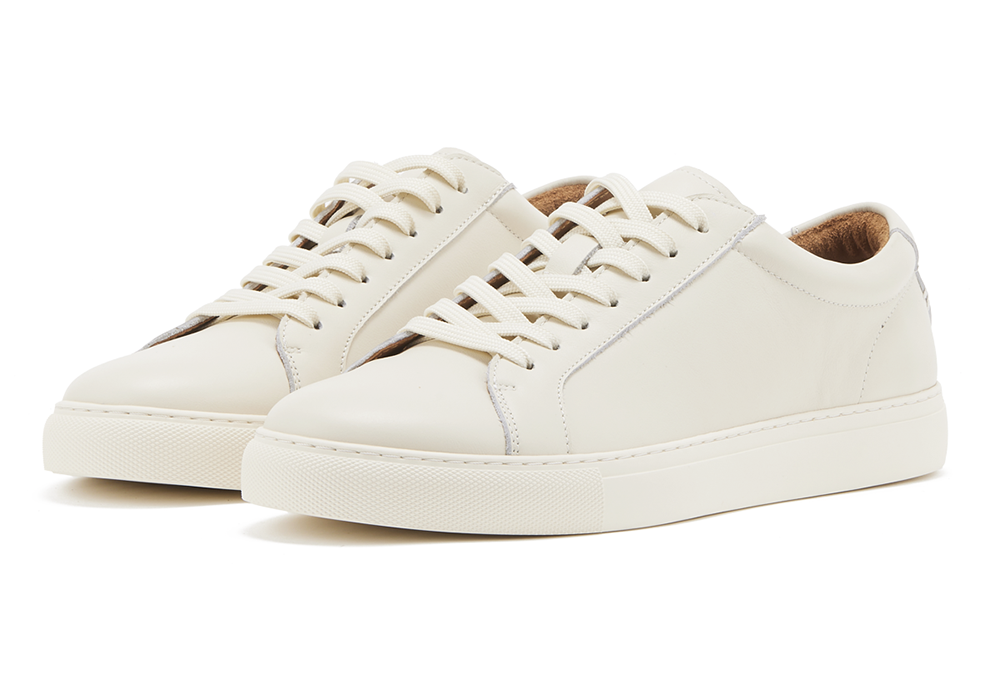
- Leather sneaker elevation: Premium leather sneakers incorporating dress shoe construction techniques and materials challenging both athletic and traditional dress shoe segments.
- Chelsea boot evolution: The perennial favorite Chelsea boot appears in versions combining traditional elastic gussets with sneaker-derived comfort soles.
Versatility as Design Principle
2026 dress shoe design prioritizes versatility—products that function across multiple occasions:
- Single-shoe wardrobe thinking: One high-quality shoe serving multiple roles, reducing consumer wardrobes while maintaining style options.
- Detachable sole systems: Interchangeable soles—dress sole for formal occasions, rubber sole for casual wear.
- Convertible designs: Shoes with hidden elastic or adjustable features enabling formal-to-casual aesthetic transition.
4. Sustainable and Ethical Positioning
Consumer Demand for Transparency
Environmental and ethical considerations increasingly influence purchase decisions—particularly among millennial and Gen-Z buyers:
- Material origin documentation: Consumers request documentation of leather sourcing, tannery practices, and manufacturing conditions.
- Carbon footprint awareness: Brands demonstrating carbon reduction commitment attract environmentally conscious consumers.
- Circular economy integration: Repair services, resole programs, and take-back schemes influence brand perception beyond initial purchase.
Sustainable Material Innovation
Manufacturing responds to sustainability demands:
- Recycled material integration: Recycled rubber, reclaimed leather scraps, and recycled metal hardware appearing in contemporary dress shoe production.
- Vegetable-tanned leather: Chrome-free tanning processes with lower environmental impact, though at higher cost and with different handling requirements.
- Bio-based materials: Experimental natural materials—bamboo fiber, mushroom leather alternatives, recycled marine plastic—entering premium segments, though scale and durability questions remain.
- Water-based adhesives: Solvent-free adhesive systems reducing VOC emissions during production and consumer use.
5. Construction Technique Evolution
Traditional Methods with Modern Efficiency
The market values authentic construction techniques combined with manufacturing efficiency:
- Goodyear welt renaissance: This traditional construction—enabling resoling and superior fit—experiences demand revival despite higher production costs. Brands emphasizing repairability and longevity differentiate through Goodyear welt positioning.
- Hand-stitching accents: Selective hand-finishing commands premium positioning in mid-market products, even as full hand-stitching remains confined to luxury segments.
- Hybrid construction: Combining traditional uppers with modern sole attachment techniques provides quality appearance with manufacturing efficiency.
Quality Standards Elevation
Retailers increasingly require:
- Specification documentation: Detailed material and construction specs replacing vague quality claims.
- Compliance verification: Third-party verified compliance with chemical safety and labor practice standards.
- Consistency guarantees: Production quality consistency enabling reliable replenishment buying.
6. Regional Market Variations
European Market
- Strong preference for heritage brands with documented history
- Explicit interest in construction techniques and manufacturing origins
- High sustainability and ethical purchasing criteria
- Maintaining traditional formal footwear expectations alongside comfort expectations
North American Market
- Comfort features prioritized above traditional aesthetics
- Value consciousness: seeking premium quality at value-oriented price points
- Strong preference for multi-occasion functionality
- Greater acceptance of casual elements in dress shoe aesthetics
Asian Markets (particularly China)
- Strong preference for recognized brands and explicit brand messaging
- Rapidly expanding demand for luxury and super-premium segments
- Greater openness to experimental designs and trend-forward aesthetics
- Reliance on third-party quality certifications and testing
7. Retail Strategy Implications
Inventory Assortment Planning
Successful retailers balance trend sensitivity with classic foundation:
| Category | Inventory Share | Purpose |
|---|---|---|
| Core classics | 60% | Traditional styles in black and brown that sell steadily year after year. Stable revenue, minimal clearance risk. |
| Trend accents | 25% | Fashion-forward styles incorporating current trends. Capture fashion-forward consumers, create excitement. |
| Innovation explorers | 15% | Experimental styles testing new concepts. Limited quantities; market testing without major inventory risk. |
Price Point Strategy
- Entry premium ($100–150 wholesale): Highly competitive segment. Value positioning essential.
- Core premium ($150–250 wholesale): Growth segment where comfort innovation and quality construction justify premium. Volume concentrates here.
- Luxury ($250+ wholesale): Brand equity dominates. Heritage and craftsmanship narratives essential.
Production Lead Times
Global dress shoe manufacturing capacity shows:
- Premium segment constraint: Quality manufacturing capacity remains constrained, with lead times of 4–6 months for new orders.
- Material lead times: Premium leather availability may require 8–12 weeks advance commitment.
- Holiday order timing: Orders for holiday selling should confirm by February for Chinese production (May–June delivery).
Wincheer Shoes supports retailers navigating these trend dynamics through flexible manufacturing capabilities spanning traditional formal to contemporary hybrid designs. Our development team collaborates with retail partners on assortment planning, trend analysis, and product development aligned with market requirements.