
Shoe Construction Methods Goodyear Blake Cemented: Table of Contents
- Why Shoe Construction Methods Matter for B2B Buyers
- Goodyear Welt Construction
- Blake Stitch Construction
- Cemented Construction
- Full Comparison Table
- Decision Framework: Which Construction for Your Brand?
- FAQ
- Ready to Start Your Shoe Line?
Why Shoe Construction Methods Matter for B2B Buyers
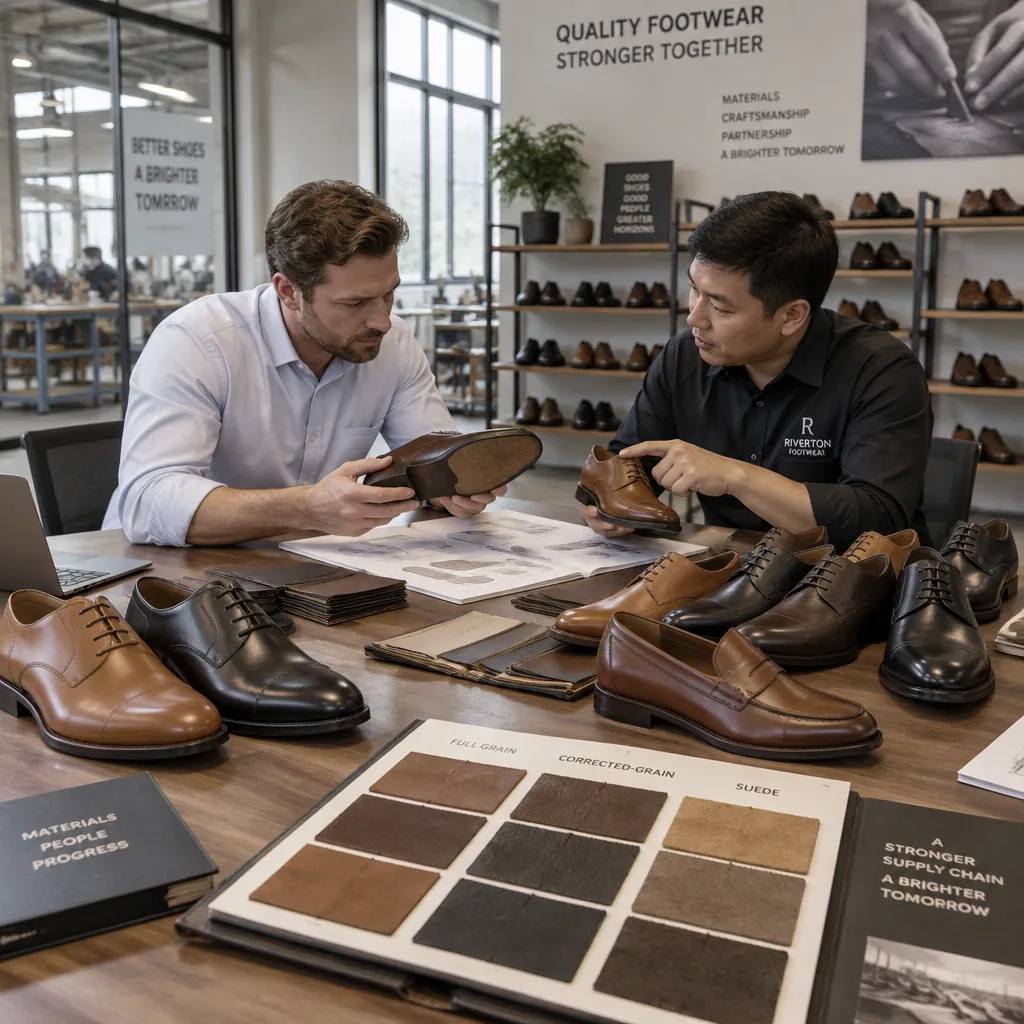
Shoe construction methods determine how the upper, insole, and outsole of a shoe are joined together. This single decision affects durability, repairability, price point, production lead time, and how your product is perceived in the market.
For B2B buyers and private label brands, choosing the wrong construction method can mean returns, poor reviews, or a product that simply doesn’t match your target customer’s expectations.
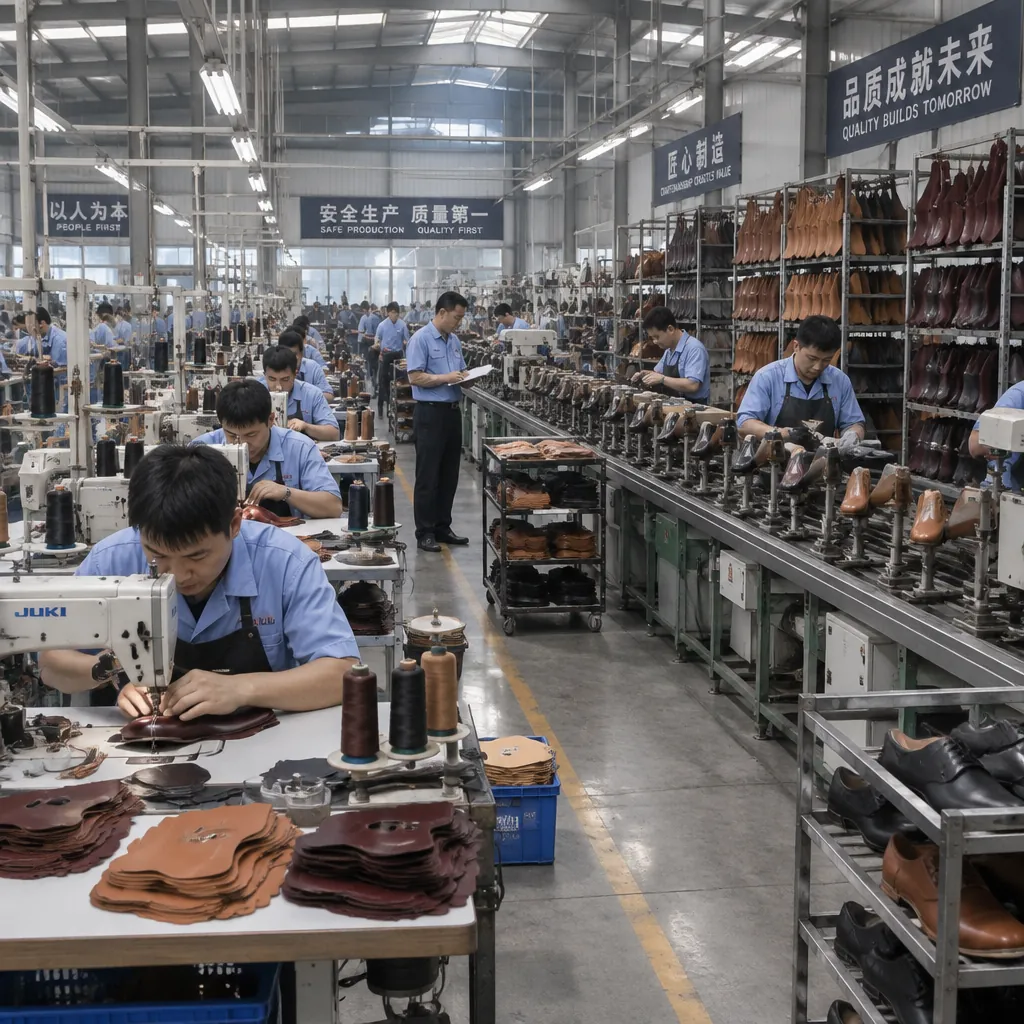
At Wincheer Shoes — a manufacturer founded in 2007 producing 500,000+ pairs annually, priced at $25–$40/pair with a defect rate of just 0.8–1.2% against an industry average of 2–4% — understanding which construction method fits each order is a core part of the production planning process. All three major methods are available across the factory’s 1,000+ designs.
This guide breaks down each method so you can make a confident sourcing decision.
Goodyear Welt Construction
How It Works
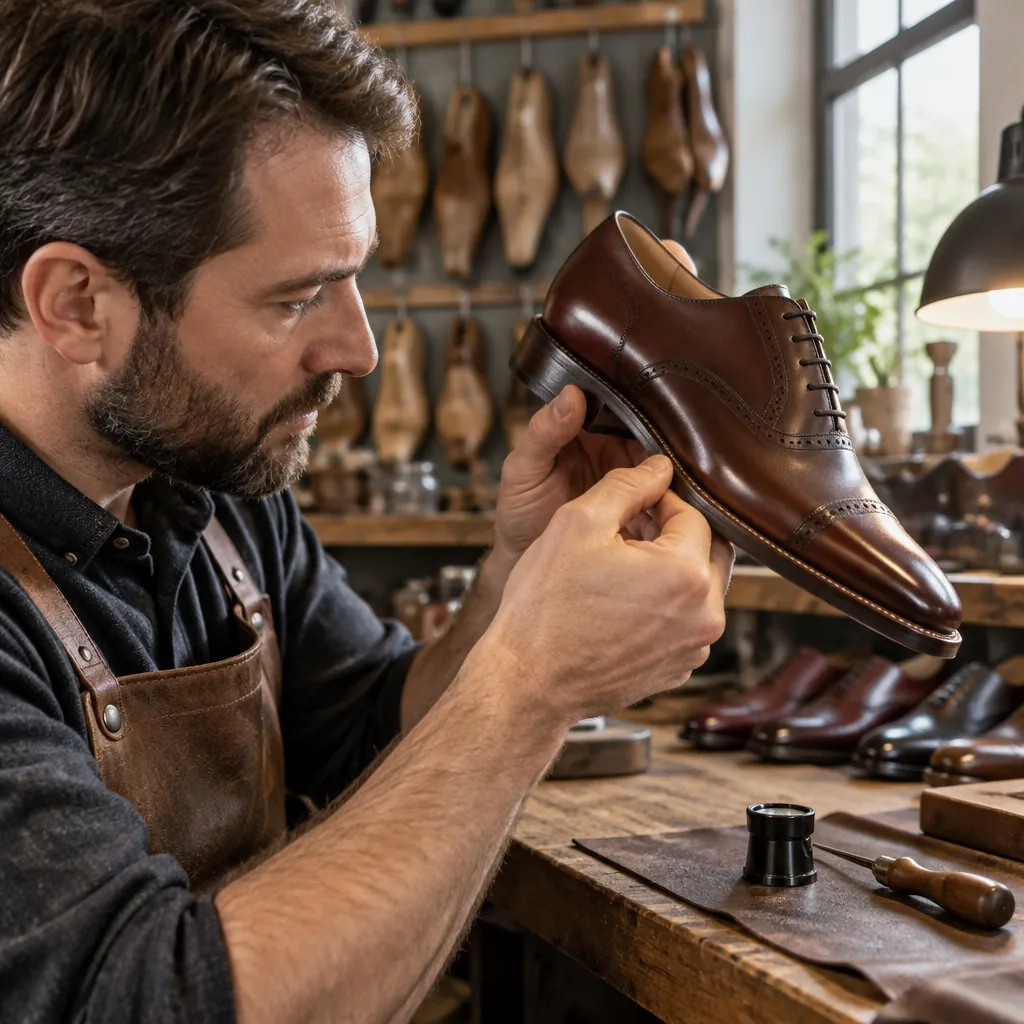
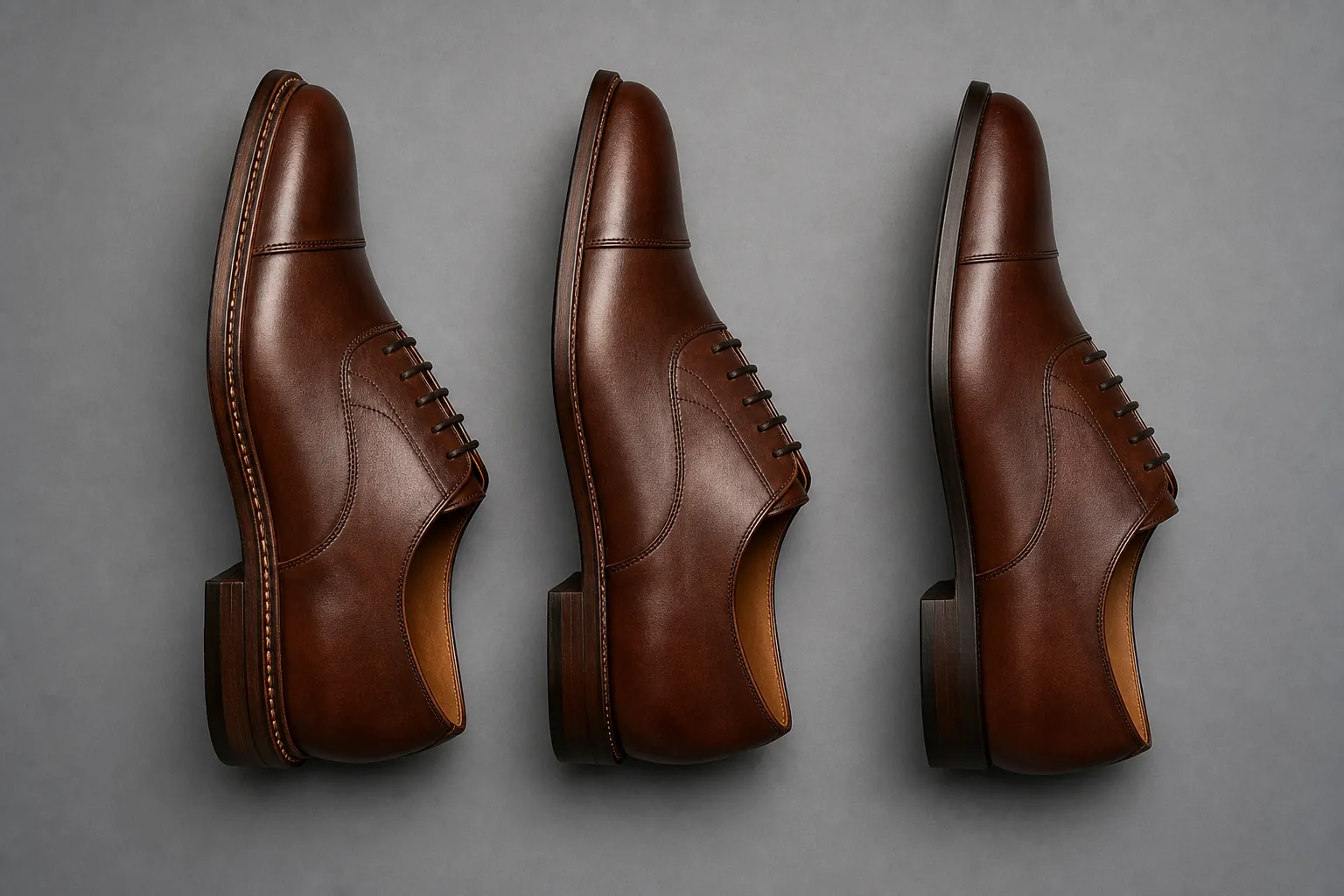
The Goodyear welt process involves stitching a strip of leather or synthetic material — the “welt” — to both the upper and a canvas rib attached to the insole. The outsole is then stitched to the welt in a second operation. The cavity between insole and outsole is typically filled with cork or foam for comfort.
This method was mechanized in the 1870s by Charles Goodyear Jr., and it remains the benchmark for premium men’s dress shoes worldwide. Learn more about the history and standards behind welt construction at ISO’s footwear terminology reference https://www.iso.org/ics/61.060/x/ – SATRA Footwear Technology.
Pros
- Highly durable — the double-stitch structure resists delamination under heavy use
- Resoleable — a cobbler can replace the outsole multiple times without damaging the upper
- Water-resistant — the welt creates a natural barrier between the upper and the ground
- Premium market positioning — customers associate Goodyear welt with quality and longevity
Cons
- Higher production cost — requires specialized machinery and skilled operators
- Longer lead time — more assembly steps mean slower throughput
- Heavier and stiffer — especially during break-in; not ideal for casual or athletic styles
- Less flexible design — the welt limits how slim or minimalist a profile can be
Best Use Cases
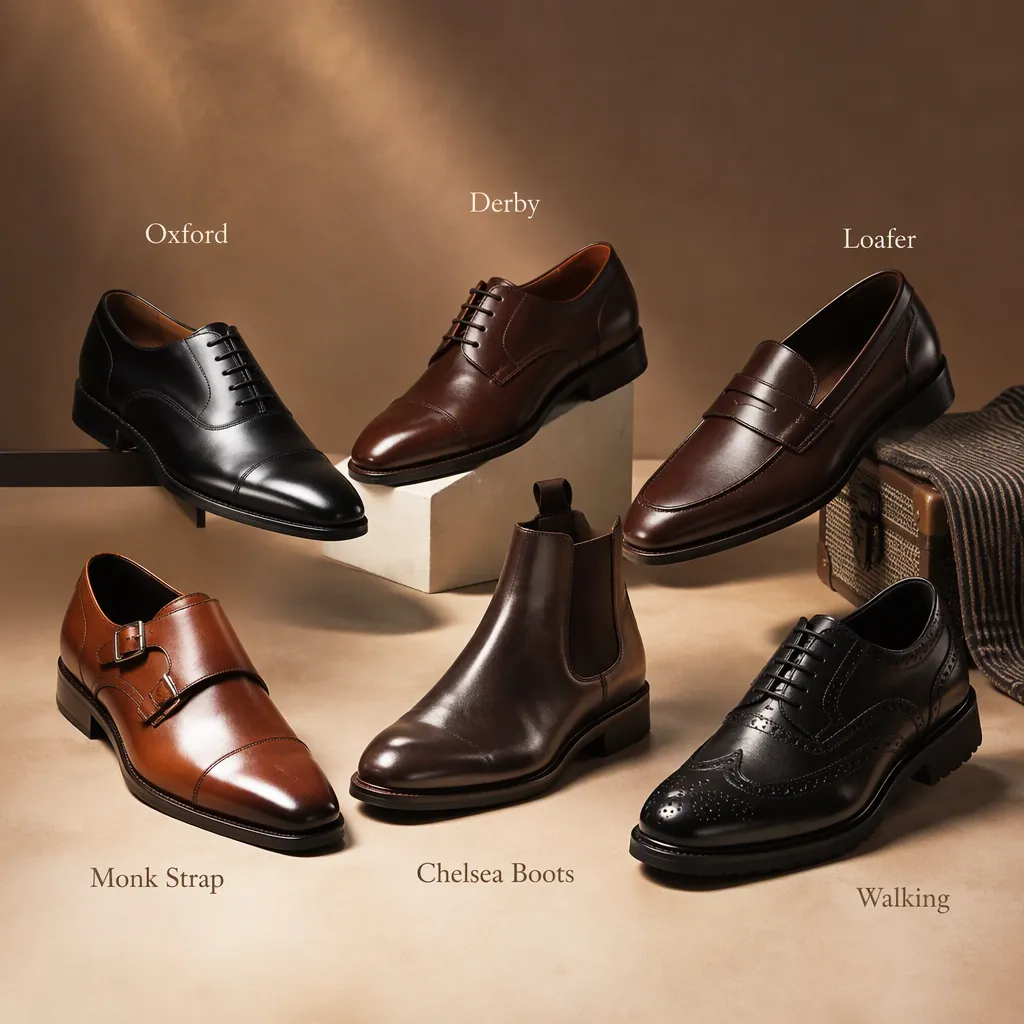
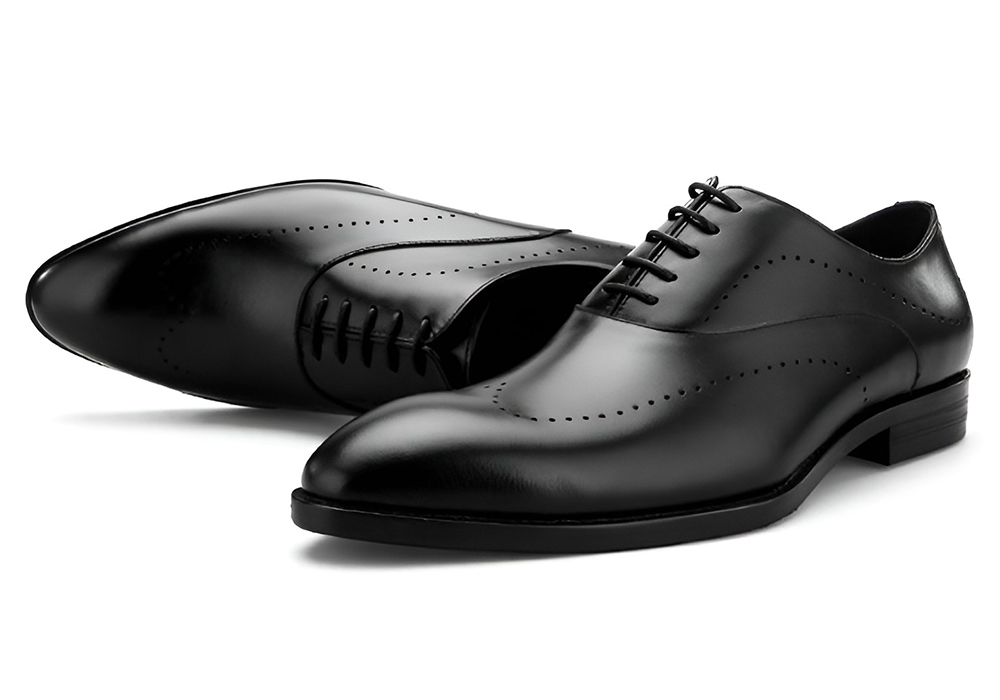
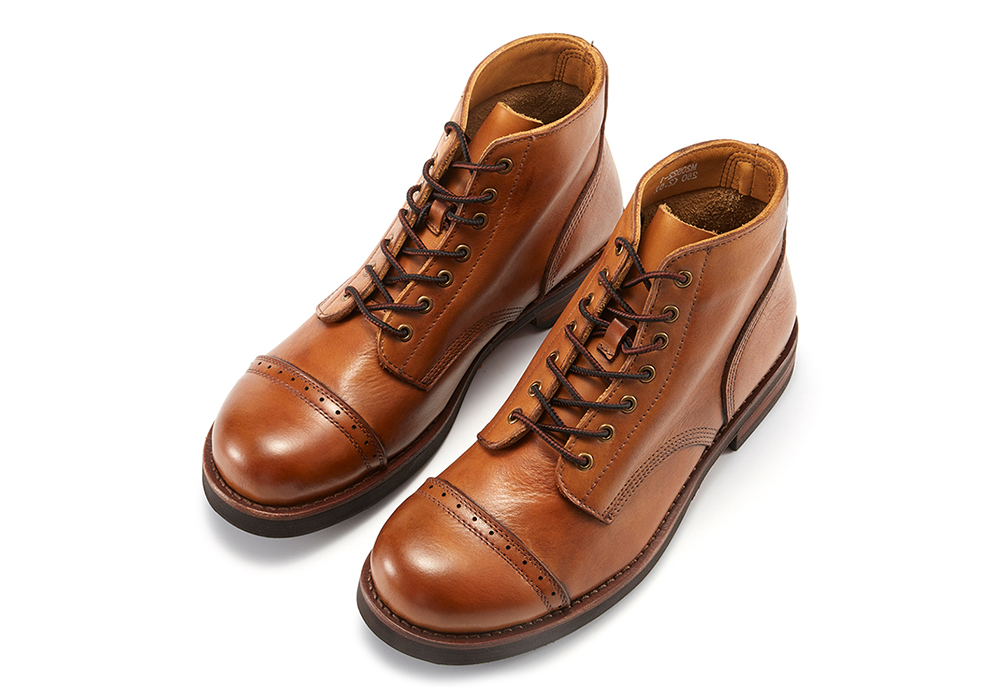
Goodyear welt is the right choice for Oxford shoes, Derby shoes, and Chelsea boots targeting professional or luxury market segments. It’s also the preferred construction for markets where resoling culture is strong — UK, Germany, Japan, and Scandinavia.
Cost Implications
Expect a $4–$8 per pair premium over cemented construction when ordering at standard MOQ levels. For private label brands positioning above $150 retail, this cost is easily absorbed and justified in marketing.
Blake Stitch Construction
How It Works
Blake stitch — also called McKay construction — uses a single chain stitch that passes directly through the insole, upper, and outsole in one operation. A specialized Blake stitching machine drives the needle from inside the shoe downward through all layers.
The result is a cleaner, slimmer profile with no visible welt on the outside. Italian dress shoe manufacturers popularized this method, and it remains dominant in fashion-forward European footwear.
Pros
- Sleeker silhouette — no welt means a closer-cut, more elegant appearance
- Lighter and more flexible — breaks in faster and feels more natural underfoot
- Lower production cost than Goodyear welt
- Faster assembly — fewer steps, shorter lead time
Cons
- Less water-resistant — the single stitch channel can allow moisture ingress
- Harder to resole — requires a Blake stitching machine; not every cobbler can do it
- Structural limitation — the stitch is exposed inside the shoe, which can cause discomfort if insole padding is thin
- Not ideal for heavy-duty use — the single stitch is less robust than the double-stitch Goodyear system
Best Use Cases
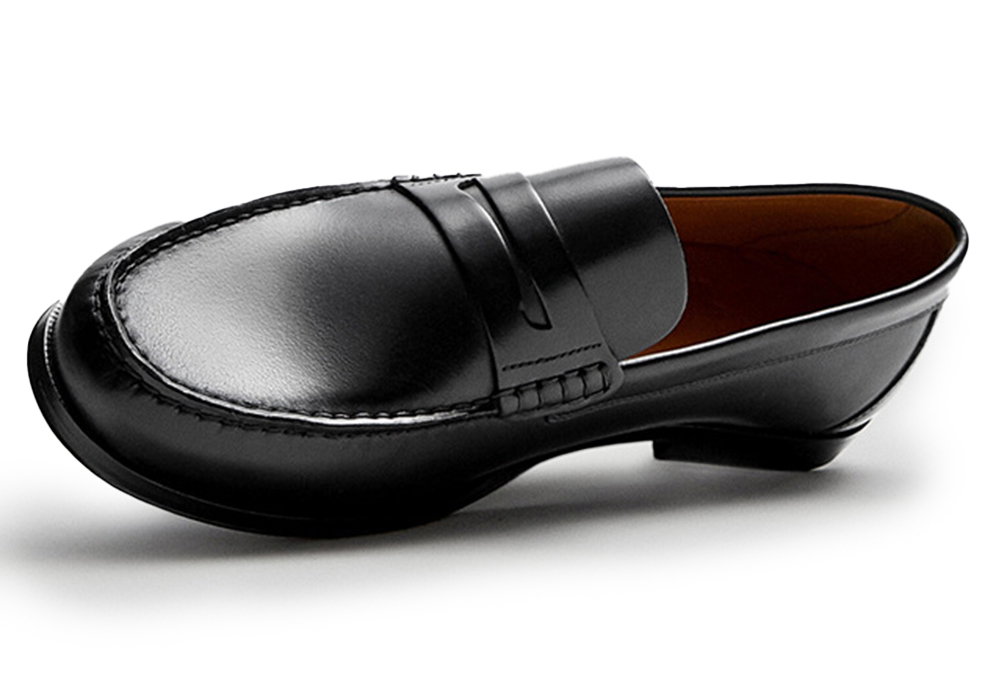
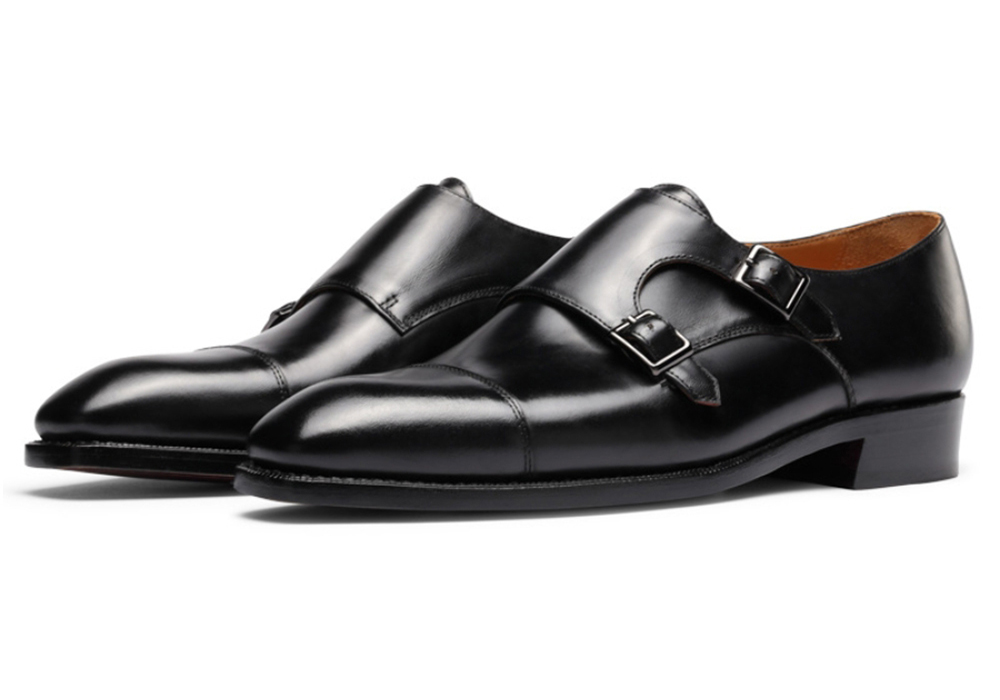
Blake stitch suits fashion-forward dress shoes, loafers, and monk straps targeting style-conscious buyers in Southern Europe, Southeast Asia, and urban US markets. It’s also a strong choice for brands competing in the $80–$150 retail range where aesthetics drive purchase decisions.
Cost Implications
Blake stitch typically runs $2–$4 per pair more than cemented, but less than Goodyear welt. It’s the sweet spot for mid-tier private label brands that want a quality story without the full premium of welt construction.
Cemented Construction
How It Works
Cemented construction — also called glued or bonded construction — attaches the outsole to the upper using industrial adhesives, typically polyurethane or neoprene-based. No stitching penetrates the outsole. The upper is lasted, the midsole (if any) is attached, and the outsole is pressed and heat-bonded under controlled pressure.
This is by far the most common shoe construction method in global volume production. Most casual shoes, sneakers, and entry-level dress shoes are cemented.
Pros
- Lowest production cost — minimal machinery, faster cycle time
- Design flexibility — works with virtually any upper material, sole shape, or profile
- Lightweight — no welt or stitching adds weight
- Suitable for fashion styles — easy to produce seasonal designs quickly
Cons
- Not resoleable — once the bond fails, the shoe is typically discarded
- Durability concerns — adhesive can degrade in heat, humidity, or with chemical exposure
- Lower perceived value — sophisticated buyers recognize cemented construction and price accordingly
- Quality depends on adhesive grade — low-cost factories cut corners here, leading to delamination
Best Use Cases
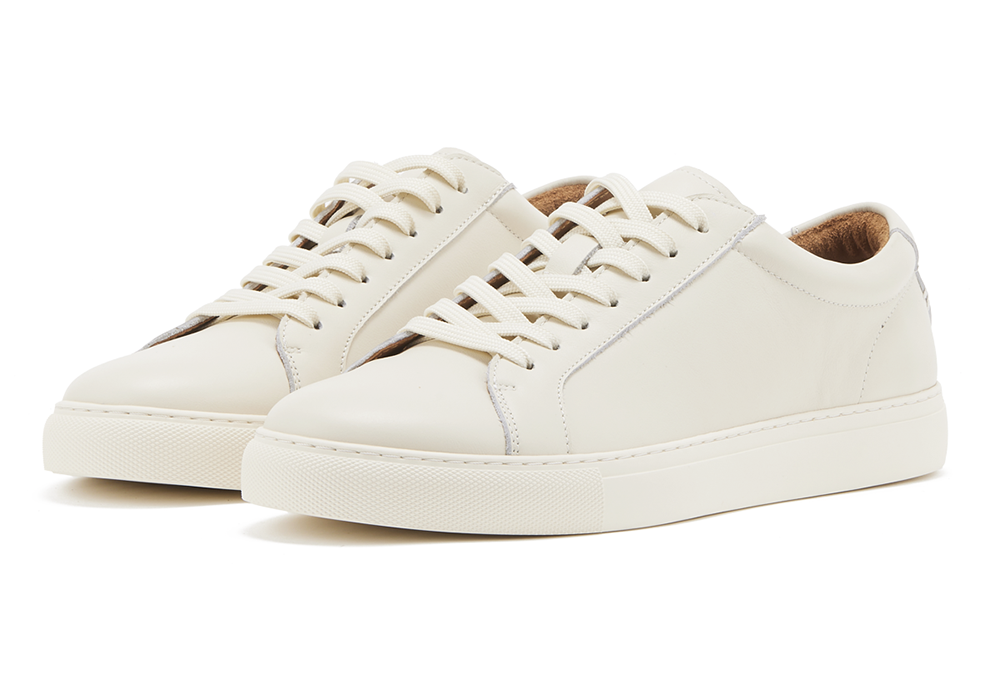
Cemented construction is the right call for casual walking shoes, fashion loafers, seasonal styles, and any product where retail price is under $100. It’s also the dominant method for high-volume private label programs where cost efficiency is the primary driver.
For buyers sourcing cemented shoes, adhesive quality is the single most important spec to verify. Always request bond strength test data — minimum 3.0 N/mm² per EN ISO 20344 standards is the benchmark for export-quality footwear.
Cost Implications
Cemented is the baseline. Factory ex-works prices at $25–$40/pair for genuine leather men’s dress shoes typically reflect cemented or Blake stitch construction. Goodyear welt at this price range is possible but requires careful supplier verification.
Full Comparison Table
| Attribute | Goodyear Welt | Blake Stitch | Cemented |
|---|---|---|---|
| Durability | ★★★★★ | ★★★★☆ | ★★★☆☆ |
| Repairability | High (multiple resoles) | Medium (specialist required) | Low (not resoleable) |
| Water Resistance | High | Medium | Low–Medium |
| Flexibility / Comfort | Stiff initially | Flexible from day one | Most flexible |
| Production Cost | Highest | Mid | Lowest |
| Lead Time | Longest (15–25 days) | Medium (10–18 days) | Fastest (7–14 days) |
| Perceived Value | Premium | Mid–Premium | Entry–Mid |
| Best Retail Price Point | $150+ | $80–$150 | Under $100 |
| Typical Markets | UK, Germany, Japan, US luxury | Italy, France, SE Asia, US fashion | Global mass market |
Decision Framework: Which Construction for Your Brand?
Use this checklist to match your brand positioning to the right shoe construction method:
Step 1 — Define Your Retail Price Point
- Under $100 retail → Cemented is almost always the right call
- $100–$180 retail → Blake stitch offers the best value-to-quality ratio
- $180+ retail → Goodyear welt is expected by your customer
Step 2 — Identify Your Target Market
- UK, Germany, Scandinavia, Japan → Strong resoling culture; Goodyear welt preferred
- Italy, France, Spain, SE Asia → Blake stitch dominant; slim profile valued
- US mass market, global e-commerce → Cemented acceptable; focus on aesthetics and price
Step 3 — Assess Your Volume and Lead Time
- High volume, fast turnaround → Cemented scales fastest
- Mid-volume, quality-focused → Blake stitch balances both
- Lower volume, premium positioning → Goodyear welt justifies longer lead time
Step 4 — Consider Your Brand Story
- Selling durability and craftsmanship? → Goodyear welt gives you the narrative
- Selling Italian-inspired style? → Blake stitch is your construction
- Selling value and variety? → Cemented keeps margins healthy
Step 5 — Verify Certifications for Your Export Market
If you’re exporting to the EU, confirm your supplier holds CE (EN ISO20347) and REACH compliance regardless of construction method. These certifications apply to materials and finished product safety, not construction type — but they’re non-negotiable for EU market entry.
For a deeper look at how construction interacts with sourcing decisions, see our complete shoe construction comparison guide Shoe Manufacturer Guide and our leather Oxford shoes wholesale buyer guide Shoe Manufacturer Guide.
If you’re evaluating suppliers, our red flags checklist for sourcing leather shoes from China What Does OEM Mean in Shoes covers construction verification as a key audit point.
For brands just getting started, the private label shoes 10-step brand launch guide Shoe Manufacturer Guide walks through how construction choice fits into your overall product development plan.
FAQ
Q: Can I mix shoe construction methods across a single product line?
A: Yes, and many brands do. A common approach is to use Goodyear welt for hero SKUs and cemented for entry-level or seasonal styles. This lets you maintain a premium brand story while keeping overall landed costs manageable.
Q: Is Goodyear welt always more durable than Blake stitch?
A: In terms of structural longevity and repairability, yes. But Blake stitch shoes made with high-quality leather and proper lasting can outlast poorly made Goodyear welt shoes. Construction method sets the ceiling; materials and workmanship determine where you land.
Q: What causes cemented soles to delaminate?
A: The three main causes are low-grade adhesive, insufficient surface preparation before bonding, and exposure to heat or chemical solvents. Always request adhesive bond strength test reports from your supplier. A minimum of 3.0 N/mm² per EN ISO 20344 is the standard benchmark.
Q: How do shoe construction methods affect import duties?
A: Construction method itself doesn’t change the HS code classification for most markets, but it can affect declared value and duty calculation if your customs broker uses construction as a quality indicator. Check our import duties on leather shoes guide What Does OEM Mean in Shoes for market-specific tariff details.
Q: What MOQ is typical for Goodyear welt custom orders?
A: For custom designs using Goodyear welt construction, most factories require 60–120 pairs per style due to the tooling and setup involved. For existing designs, some suppliers offer zero MOQ on stock styles, which is useful for testing a new construction type before committing to a full run.
- Wincheer shoe manufacturing capabilities
- Contact us for a construction consultation
- About Wincheer Shoes
- External reference: SATRA Technology
Ready to Start Your Shoe Line?
Choosing the right shoe construction method is one of the highest-leverage decisions you’ll make as a brand or buyer. Whether you need Goodyear welt for a premium market, Blake stitch for a fashion-forward line, or cemented construction for high-volume e-commerce, the right factory partner makes the difference.
Wincheer Shoes offers all three construction methods across 1,000+ designs, ships to 50+ countries, and works with 200+ brand partners globally. MOQ starts at 0 pairs on existing designs and 60 pairs for custom orders.
📧 Email: peterwang@shwincheer.com
🌐 Website: wincheershoes.com Shoe Manufacturer Guide
Send your spec sheet or tell us your target retail price — we’ll recommend the right construction and get you a quote within 24 hours.