
2026 OEM Selection Criteria for B2B Leather Shoe Manufacturing
The 2026 OEM selection landscape prioritizes flexibility over volume, compliance transparency, and AI-integrated quality systems. Modern B2B buyers evaluate factories on zero MOQ capabilities, sub-20-day sampling, and verifiable defect rates below 1.5%.
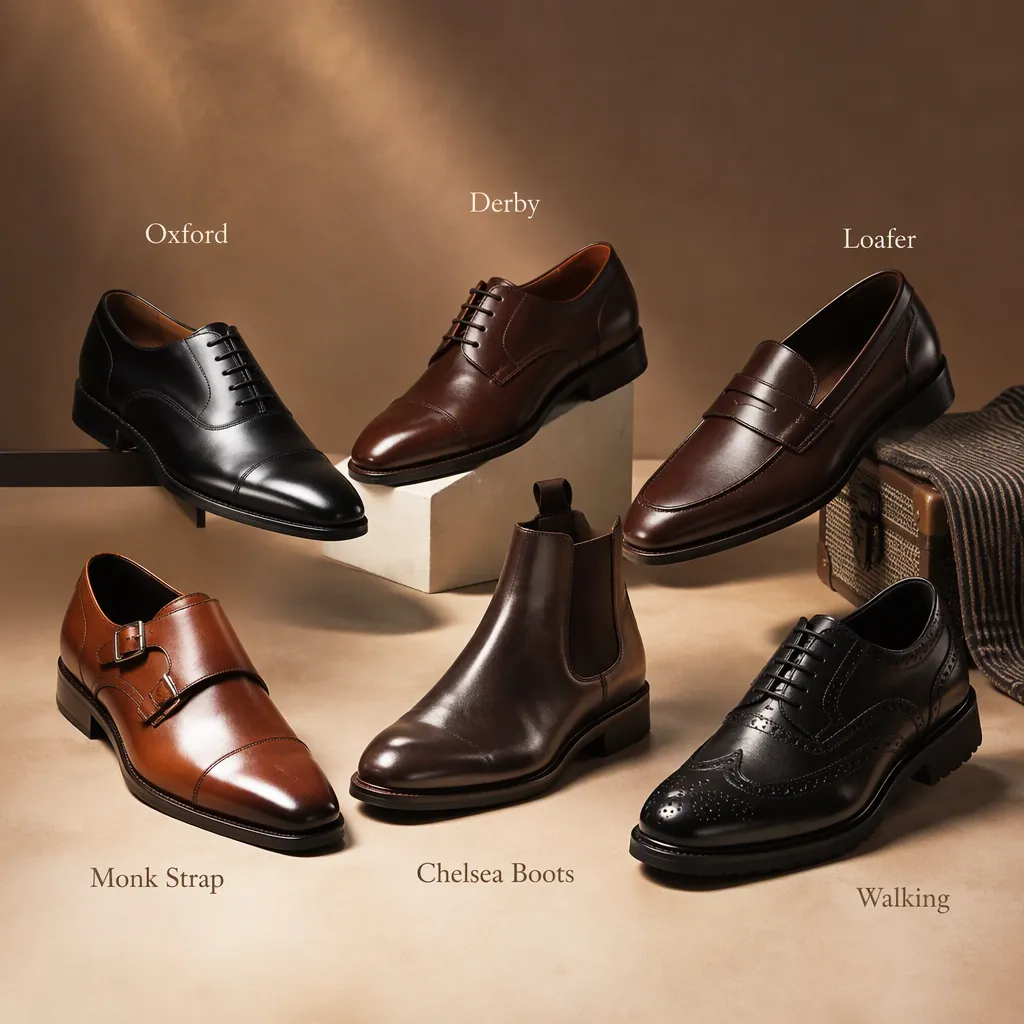
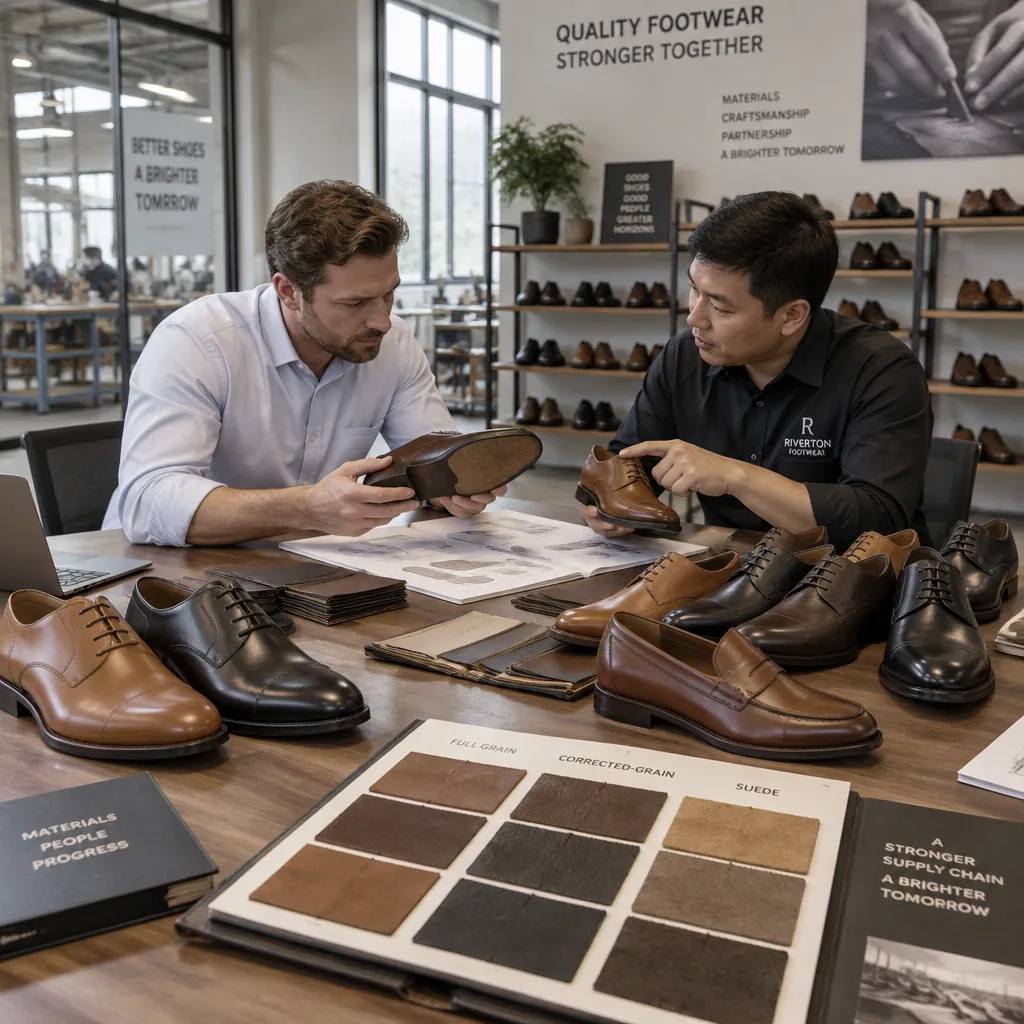
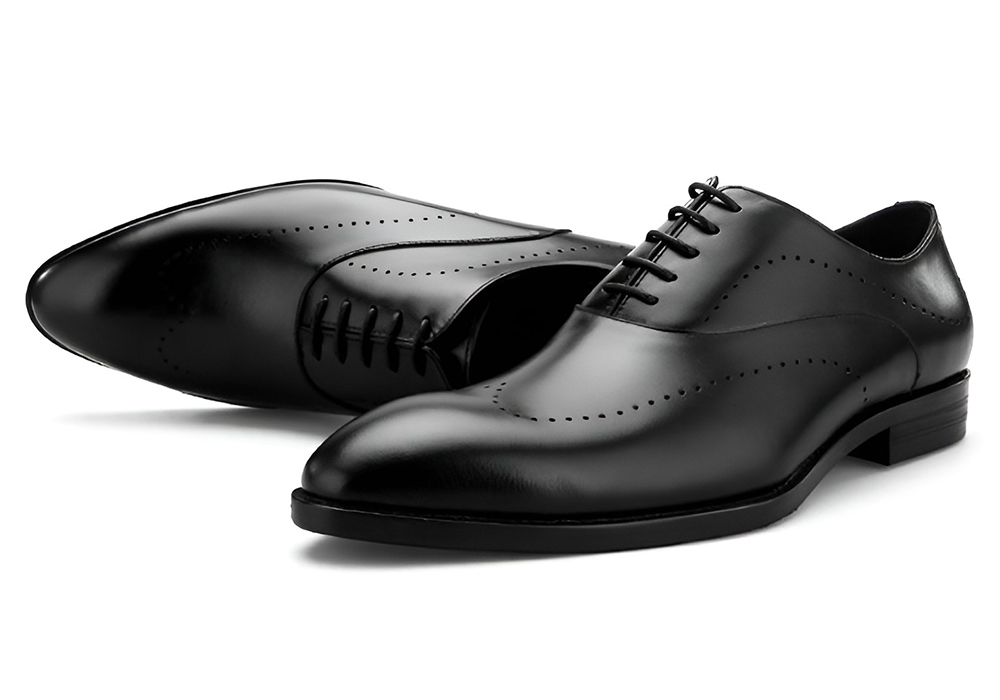
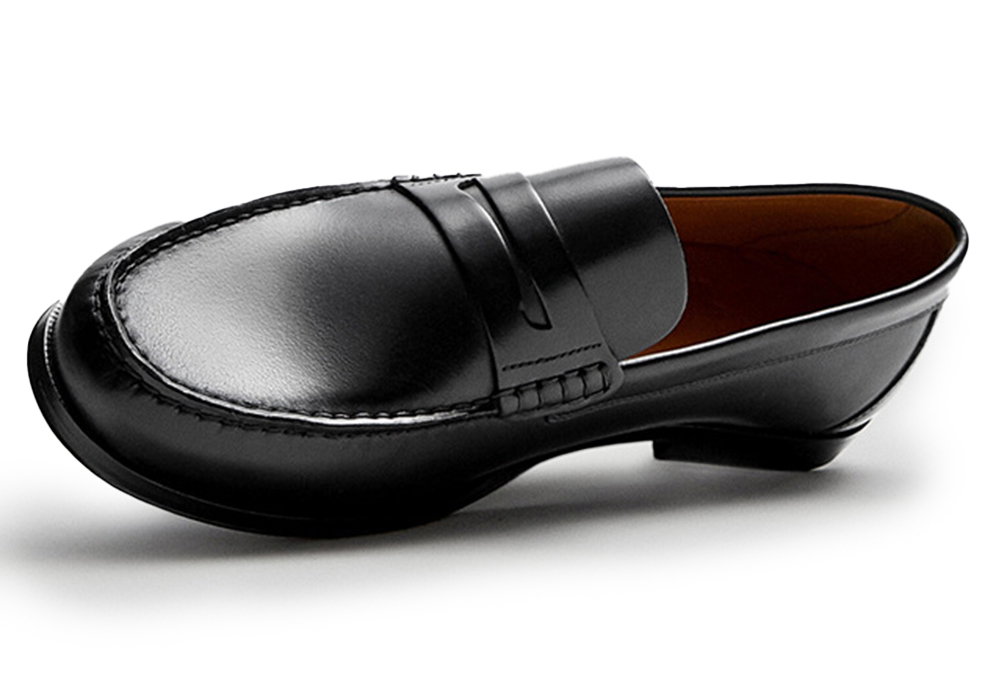
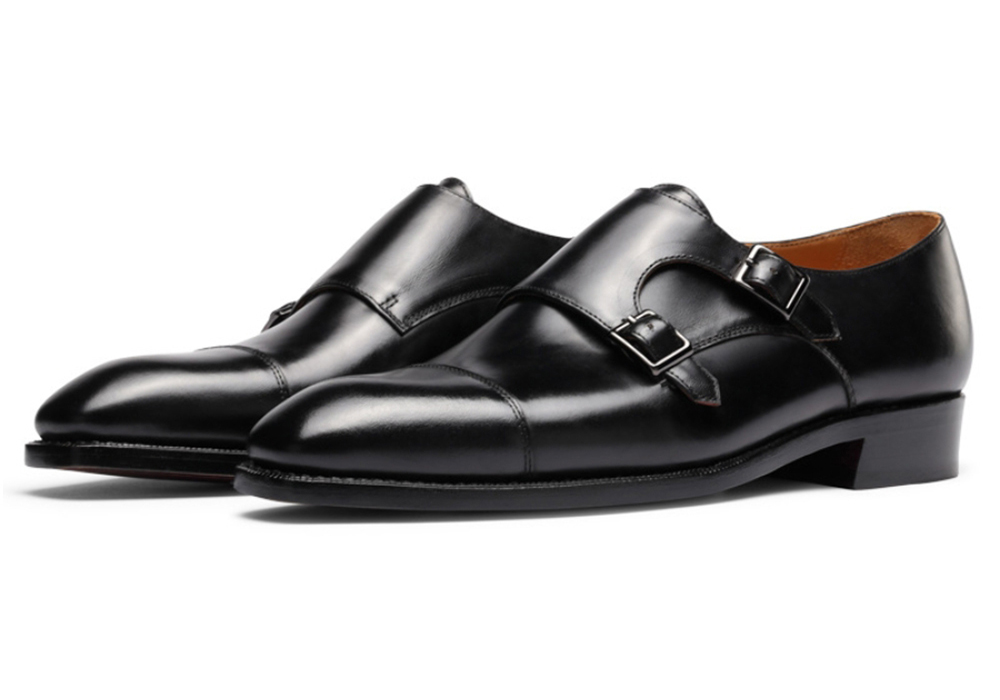
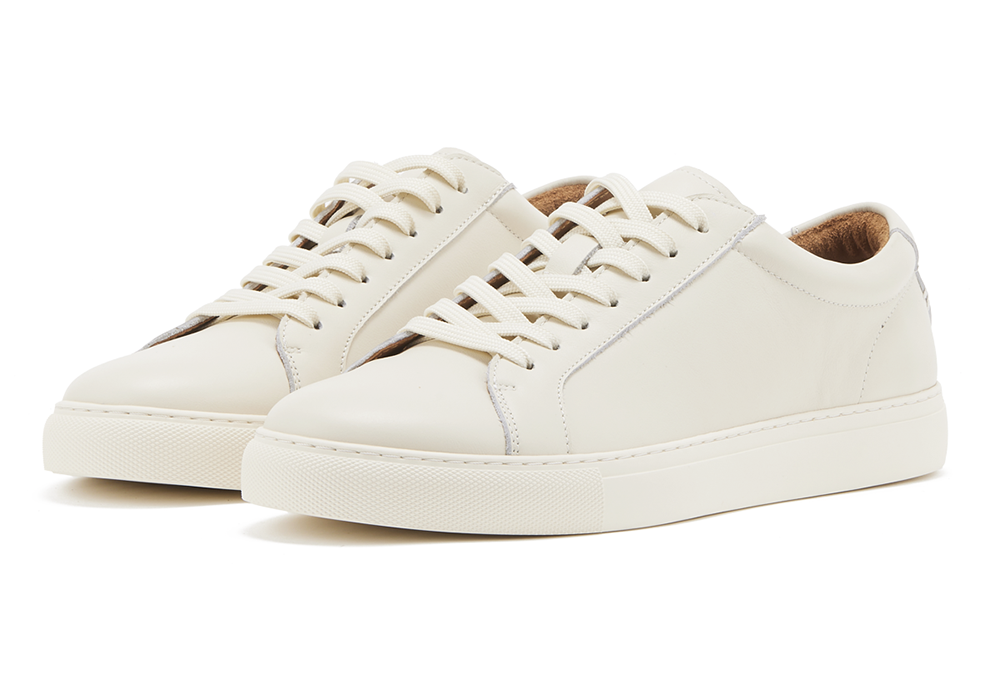
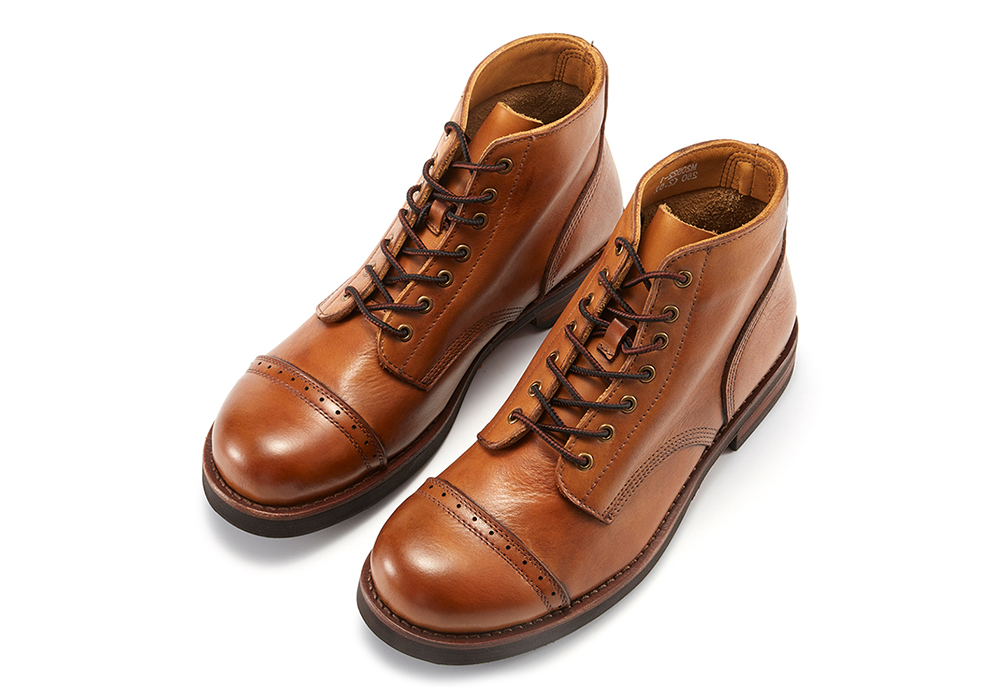
Wincheer Shoes, established 2007 with Shanghai headquarters and manufacturing lines in Jiangmen, Guangdong (about 1.5 hours from Guangzhou), exemplifies this evolution. Our core specifications address 2026 market demands: full-grain leather construction across Oxford, Derby, Loafer, Monk Strap, and Chelsea Boot categories. We maintain 0 MOQ on existing designs, custom production from 60 pairs, $25-40 per pair pricing, and 15-25 day sampling cycles.
The Today’s successful OEM partnerships require factories that understand cross-border e-commerce velocity while maintaining artisanal quality standards.
 {.alignnone}
Manufacturing Technical Fundamentals and Common Misconceptions
Goodyear Welt Construction: The Foundation of Premium Footwear
Goodyear Welt construction functions like a suspension bridge in footwear. The welt strip acts as the structural anchor, connecting upper leather to sole through a dual-stitching system. First, the upper attaches to the welt via lockstitch. Second, the welt bonds to the outsole through rapid-stitch or Blake construction.
This engineering approach delivers three critical advantages: resoleable durability (3-5 resole cycles), moisture barrier protection (cork filling prevents water penetration), and comfort evolution (cork molds to foot shape over 200+ wear cycles).
The Leather Thickness Fallacy
Misconception: Thicker leather equals superior durability.
Reality: Leather performance depends on fiber density and tanning quality, not thickness. 2.0-2.2mm full-grain leather with proper chrome-vegetable combination tanning outperforms 2.8mm corrected-grain alternatives. Excessive thickness creates flexing stress points, leading to premature cracking at bend zones.
Our technical analysis shows optimal thickness ranges:
- Vamp sections: 1.8-2.0mm for natural flex
- Quarter panels: 2.0-2.2mm for structural support
- Heel counters: 2.5-3.0mm for shape retention
When Full-Grain Leather Fails: Critical Limitations
Full-grain leather demonstrates limitations in specific scenarios:
High humidity environments (>80% RH): Natural porosity absorbs moisture, causing dimensional instability and mold susceptibility. Corrected-grain with synthetic coating performs better in tropical climates.
Wide last applications (EE+ widths): Full-grain’s limited stretch capacity creates pressure points on wide feet. Semi-aniline treatments provide necessary flexibility for comfort.
Low-volume orders (<30 pairs): Full-grain requires batch consistency across hides. Small quantities prevent proper hide matching, resulting in color variations that damage brand perception.
The Hidden Mathematics of Defect Rates
Counter-intuitive insight: The difference between 1% and 3% defect rates equals 20 pairs per 1000-unit order. This seemingly minor variance creates cascading costs:
- Replacement production: 20 pairs × $32 average cost = $640
- Expedited shipping: International express rates add $15-25 per replacement pair
- Customer service overhead: 4-6 hours staff time per defect resolution
- Brand reputation impact: Each defective unit affects 3-5 potential future customers
Our extensive manufacturing experience demonstrates that 0.8-1.2% defect rates represent the practical minimum for leather footwear. Factories claiming sub-0.5% rates typically under-report or operate unsustainable quality control costs.
Real Cross-Border E-Commerce Case Study: Austin DTC Brand Transformation
Client Profile and Initial Challenges
A North American direct-to-consumer brand based in Austin, Texas approached us in Q2 2025 with typical scaling frustrations. Their product line consisted of 3 SKUs (Oxford dress shoe, casual Derby, weekend loafer) with 50 pairs per SKU requirements and a $4500 total budget.
Their previous manufacturing relationship created operational bottlenecks:
- MOQ barriers: 300-pair minimum per style blocked product testing
- Extended sampling: 35-day development cycles delayed market entry
- Quality inconsistency: 3% defect rate damaged customer satisfaction scores
- Cost inflation: $38 per pair pricing exceeded competitive benchmarks
Wincheer Implementation Strategy
Our approach addressed each constraint through systematic process optimization:
MOQ Elimination: We accepted their 0 MOQ requirement on existing last patterns, enabling immediate production without inventory risk.
Accelerated Sampling: Our 20-day sampling cycle utilized AI-assisted design collaboration tools and digitized size optimization protocols. Technical drawings converted to 3D models within 48 hours, allowing remote approval processes.
Quality Enhancement: Implementation of our 6-gate QC system reduced defect rates to 1% actual performance, verified through independent third-party inspection.
Cost Optimization: Parallel production scheduling achieved 18% cost reduction to $31 per pair through strategic material sourcing and production scheduling.
Measurable Results and Business Impact
The partnership delivered quantifiable improvements across all performance metrics:
- Time-to-market: 55-day total cycle (20-day sampling + 35-day production) vs. previous 70-day timeline
- Quality metrics: 1.5 defective pairs per 150-unit order vs. previous 4.5 pairs
- Financial performance: $810 cost savings reinvested in additional SKU development
- Operational flexibility: Ability to test seasonal variations without MOQ constraints
This case study demonstrates how modern OEM partnerships enable agile product development for cross-border e-commerce brands competing in dynamic markets.
Factory Authority and Compliance Infrastructure
Certification Portfolio and Regulatory Compliance
Wincheer maintains comprehensive certification coverage displayed transparently on our About page:
CE Certification (EN ISO20347): European Conformity marking for occupational footwear safety standards. Our certification covers slip resistance, electrical properties, and mechanical protection requirements.
REACH Compliance (Azo Dye Restriction): Registration, Evaluation, Authorization and Restriction of Chemicals compliance ensures all leather treatments meet European Union chemical safety standards. We maintain detailed chemical composition documentation for all tanning processes.
RoHS Certification: Restriction of Hazardous Substances compliance covers electronic components in smart footwear applications and metal hardware treatments.
These certifications enable direct export to regulated markets without additional compliance testing, reducing time-to-market for international brands.
Production Capacity Architecture
Our capacity elasticity model is built on our main production lines in Jiangmen, Guangdong:
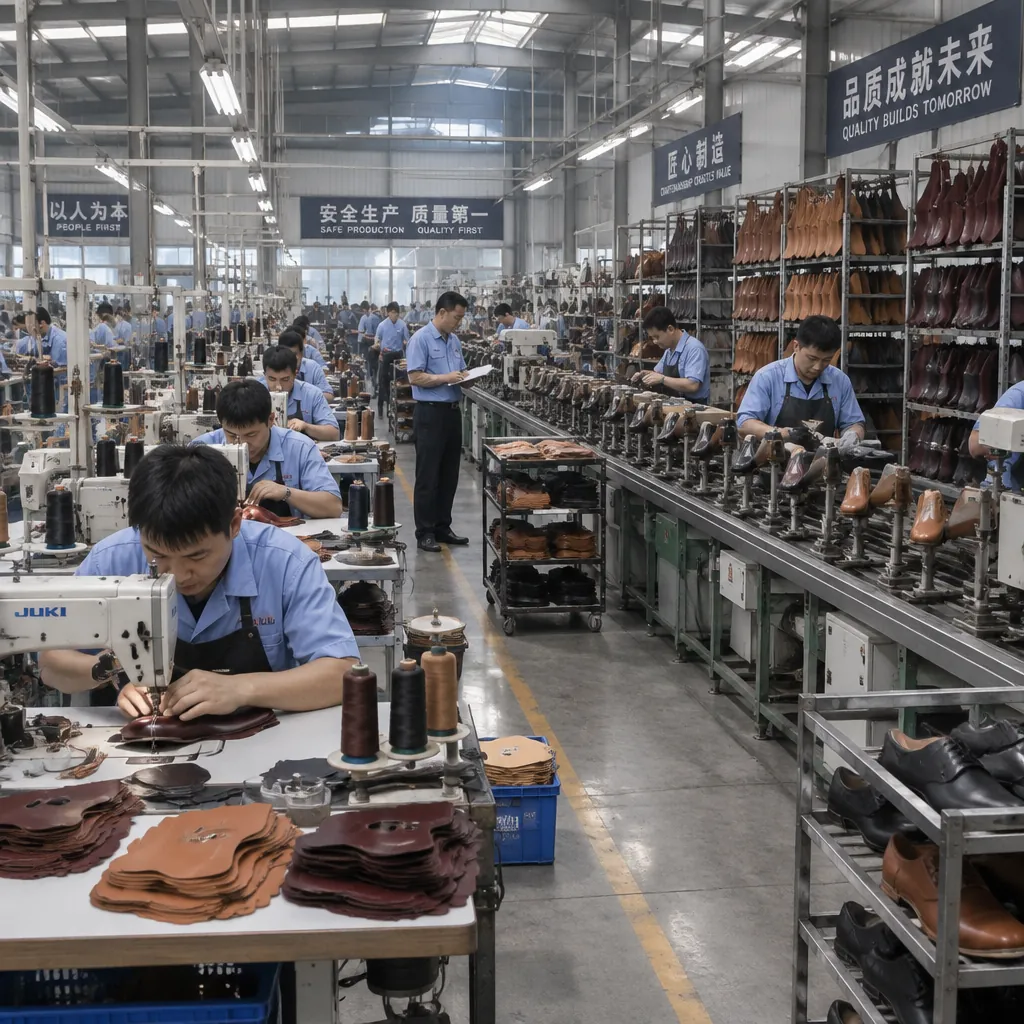
Goodyear Welt construction lines: specialized in premium construction and full-grain leather processing, with annual capacity exceeding 500,000 pairs.
Blake construction and contemporary design lines: flexible production cycles absorbing modern seasonal designs and emerging brand requirements.
Overflow capacity for high-volume orders: parallel production scheduling that absorbs seasonal demand spikes without sacrificing quality standards.
This integrated approach maintains quality consistency through standardized processes and shared technical specifications.
AI-Integrated Quality Systems
2026 manufacturing excellence requires artificial intelligence integration across critical production phases:
Design Collaboration: AI-powered pattern optimization reduces material waste by 12-15% while maintaining structural integrity. Machine learning algorithms analyze historical fit data to predict size-specific adjustments.
Size Optimization: Digital foot scanning data integration enables precise last modifications for regional market preferences. Asian, European, and North American fit profiles receive customized adjustments based on demographic foot shape analysis.
Quality Prediction: Computer vision systems monitor leather grain patterns, stitching consistency, and finishing quality in real-time. Predictive algorithms identify potential defects before final assembly, enabling preventive corrections.
Six-Gate Quality Control System
Our proprietary QC methodology implements inspection checkpoints at critical production stages:
- Raw Material Inspection: Leather grade verification, thickness measurement, surface defect mapping
- Pattern Cutting Verification: Precision tolerances, grain direction alignment, waste optimization
- Upper Assembly Control: Stitching tension consistency, seam strength testing, dimensional accuracy
- Lasting Process Monitoring: Shape retention verification, toe box symmetry, heel counter positioning
- Sole Attachment Inspection: Bond strength testing, welt alignment, waterproofing integrity
- Final Assembly Audit: Overall appearance, packaging standards, shipping documentation accuracy
This systematic approach achieves 0.8-1.2% defect rates compared to industry standard 2-4% performance levels.
Decision Tools for OEM Partner Selection
Comprehensive Factory Comparison Analysis
| Criteria | Wincheer Performance | Industry Standard Factory |
|---|---|---|
| Minimum Order Quantity | 0 pairs (existing designs) / 60 pairs (custom) | 300-500 pairs per style |
| Price Range | $25-40 per pair | $35-55 per pair |
| Sampling Timeline | 15-25 days | 30-45 days |
| Certifications | CE, REACH, RoHS publicly displayed | Upon request only |
| Defect Rate | 0.8-1.2% verified | 2-4% typical |
| Catalog Size | 1,000+ existing designs | 50-100 designs |
| Jiangmen Production Lines | 500,000+ pairs annually | Single facility, limited scalability |
| AI Integration | Design, sizing, quality prediction | Manual processes |
| Quality Control Gates | 6-stage system | 2-3 basic inspections |
| Leather Sourcing | Direct tannery relationships | Third-party suppliers |
Essential Procurement Contract Checklist
Modern leather footwear procurement requires specific contractual protections addressing industry-specific risks:
1. Leather Grade Traceability Requirements
Contract Clause: "Supplier shall provide complete leather traceability documentation including hide origin, tannery processing records, and chemical treatment specifications. Full-grain leather designation requires independent verification through cross-sectional microscopy analysis."
Protection Benefit: Prevents leather grade misrepresentation and ensures consistent quality across production batches.
2. CE/REACH Batch Correspondence Verification
Contract Clause: "Each production batch shall correspond to specific CE and REACH certification test reports. Supplier maintains legal liability for regulatory compliance failures and associated market recall costs."
Protection Benefit: Ensures regulatory compliance authenticity and assigns financial responsibility for non-compliance issues.
3. Defect Rate Ceiling with Remedy Provisions
Contract Clause: "Acceptable defect rate ceiling: 1.5% of total order quantity. Defect rates exceeding this threshold trigger automatic replacement production at supplier expense plus 15% penalty compensation."
Protection Benefit: Establishes clear quality expectations with financial consequences for performance failures.
4. Sample Revision Limits and Timeline Controls
Contract Clause: "Maximum three sample revisions included in quoted sampling timeline. Additional revisions extend delivery schedule proportionally. Sample approval constitutes production specification lock-in."
Protection Benefit: Prevents unlimited revision cycles that delay production and increase costs.
5. Pre-Shipment Independent QC Rights
Contract Clause: "Buyer retains right to conduct independent third-party quality inspection prior to shipment. Inspection costs borne by supplier if defect rates exceed 1% threshold."
Protection Benefit: Provides final quality verification opportunity before international shipping commitment.
Frequently Asked Questions
What makes Goodyear Welt construction worth the premium cost?
Goodyear Welt construction delivers long-term value through resolability and durability. While initial costs run 15-20% higher than cemented construction, the ability to resole shoes 3-5 times extends total lifespan to 8-12 years. The cork midsole also molds to individual foot shapes, improving comfort over time. For premium brands targeting quality-conscious consumers, Goodyear Welt justifies higher retail pricing and builds customer loyalty through superior performance.
How do you ensure consistent leather quality across different production batches?
We maintain direct relationships with three certified tanneries and implement batch-matching protocols. Each production run uses leather from the same hide lot, processed in identical conditions. Our incoming inspection includes grain pattern analysis, thickness measurement (±0.1mm tolerance), and color matching under standardized lighting. Digital photography documents each batch for future reference, enabling consistent reorders even months later.
What AI tools specifically improve your manufacturing process in 2026?
Our AI integration focuses on three critical areas: Design collaboration uses machine learning to optimize pattern layouts, reducing material waste by 12-15%. Size digitization analyzes regional foot shape data to adjust last dimensions for different markets. Quality prediction employs computer vision to identify potential defects during production, enabling real-time corrections. These tools don’t replace craftsman expertise but enhance precision and consistency.
Can you handle rush orders for cross-border e-commerce seasonal demands?
Yes, through parallel production scheduling at our Jiangmen production lines. Annual capacity exceeding 500,000 pairs allows us to absorb seasonal demand peaks. Rush orders (15-day production cycles) incur 15% premium pricing but maintain quality standards through parallel production scheduling. We recommend 45-60 day advance planning for optimal cost efficiency, but emergency fulfillment capabilities exist for critical market opportunities.
What happens if my brand needs to scale from 100 pairs to 5000 pairs per month?
Our capacity elasticity model accommodates growth through phased scaling. Initial orders utilize existing designs and standard lasts to minimize setup costs. As volumes increase, we introduce dedicated production lines and custom tooling investments. Flexible production capacity in Jiangmen enables smooth scaling as your order volumes grow. We’ve successfully scaled multiple clients from startup quantities to enterprise volumes while maintaining consistent quality and competitive pricing throughout the growth journey.