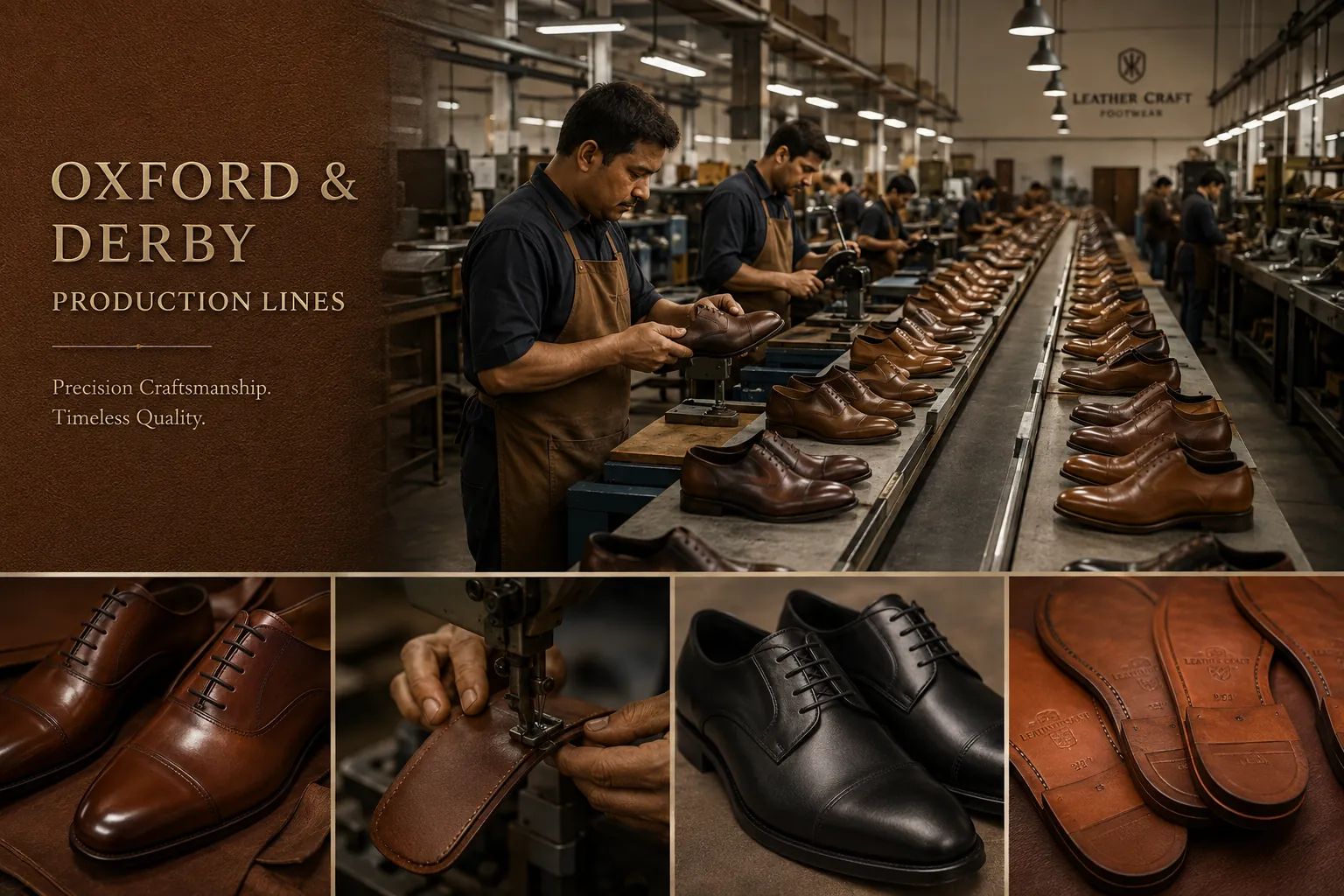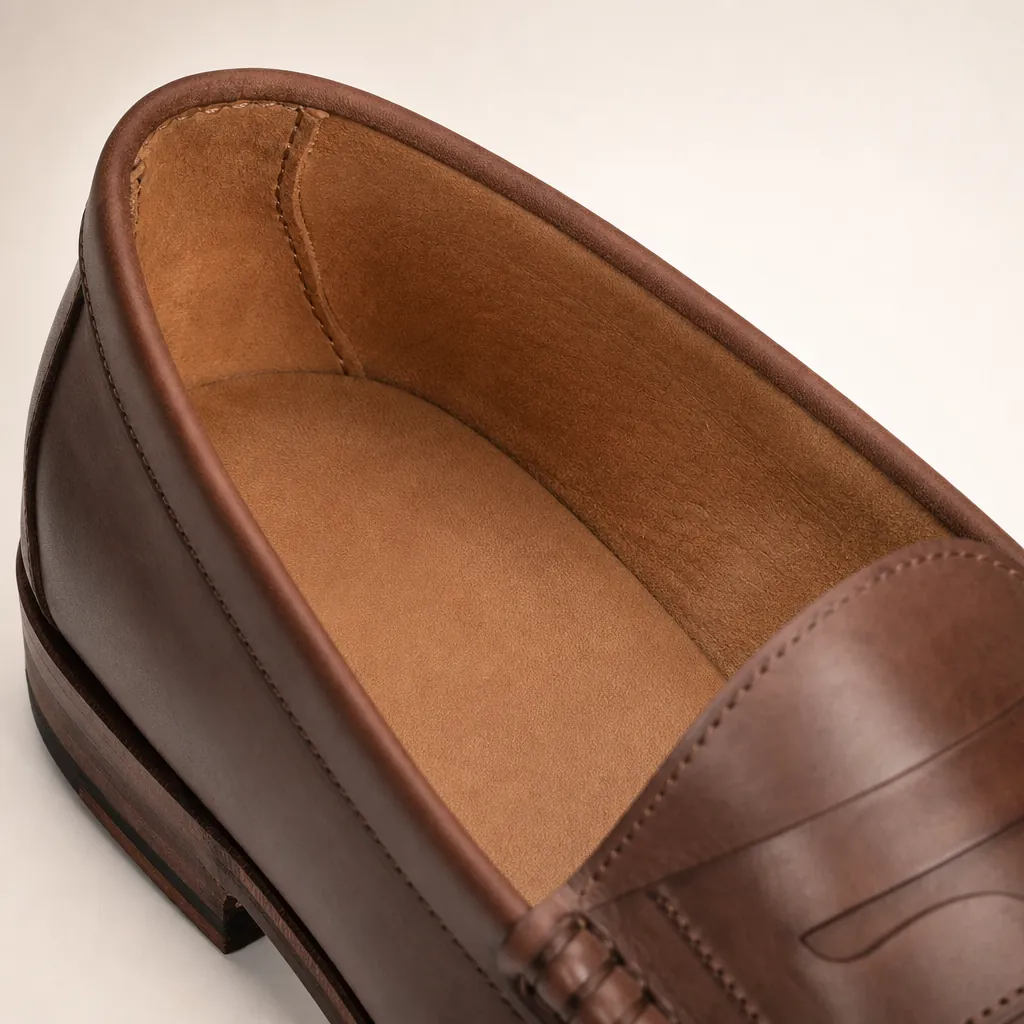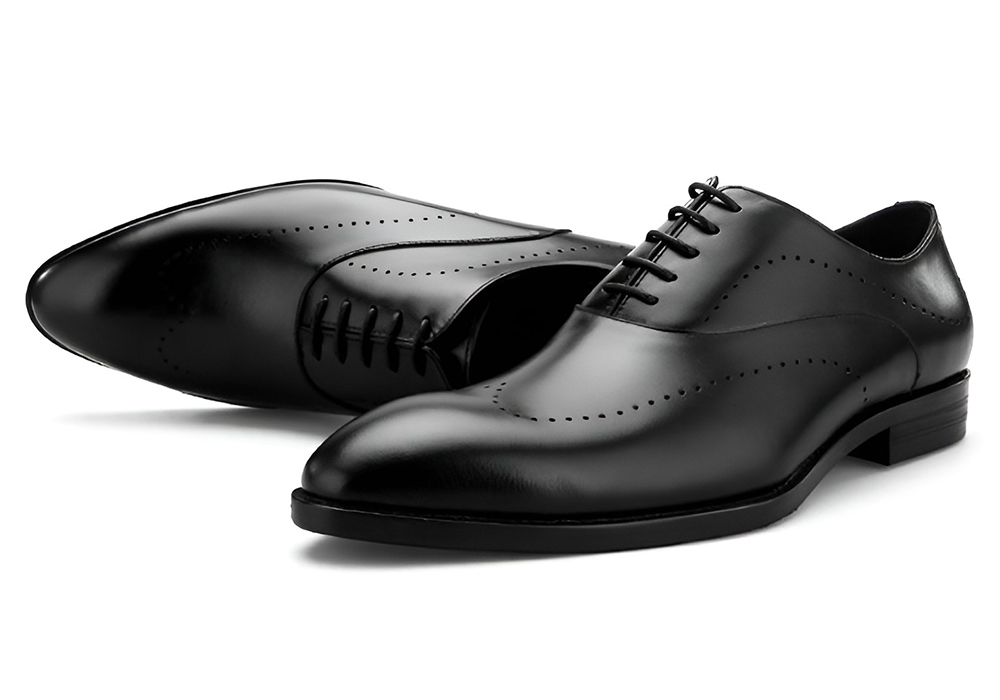
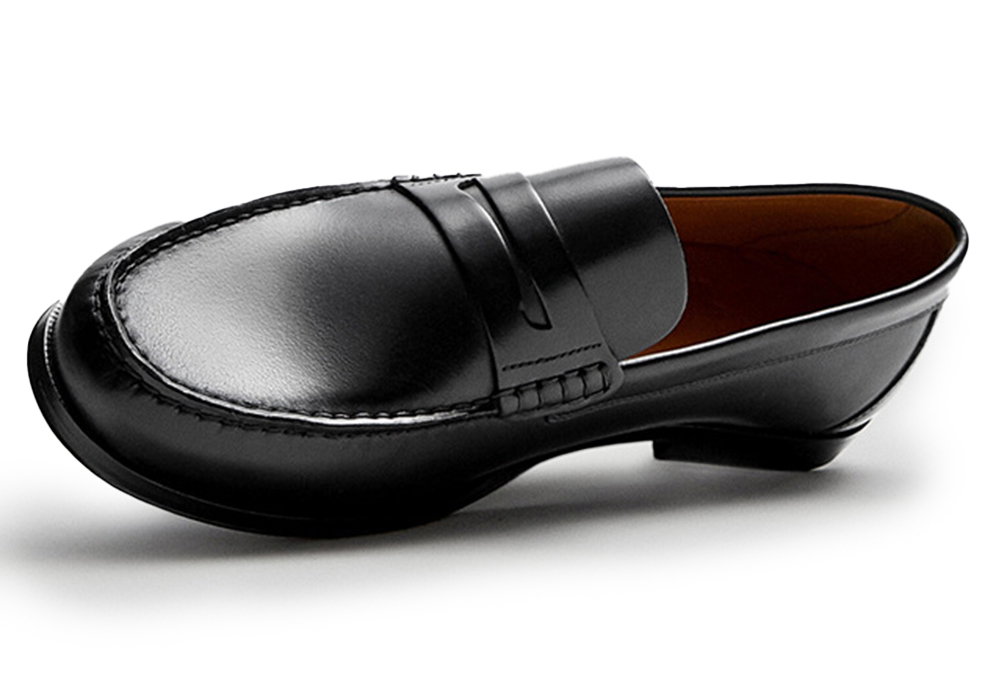
private label shoes: Market Research and Niche Selection
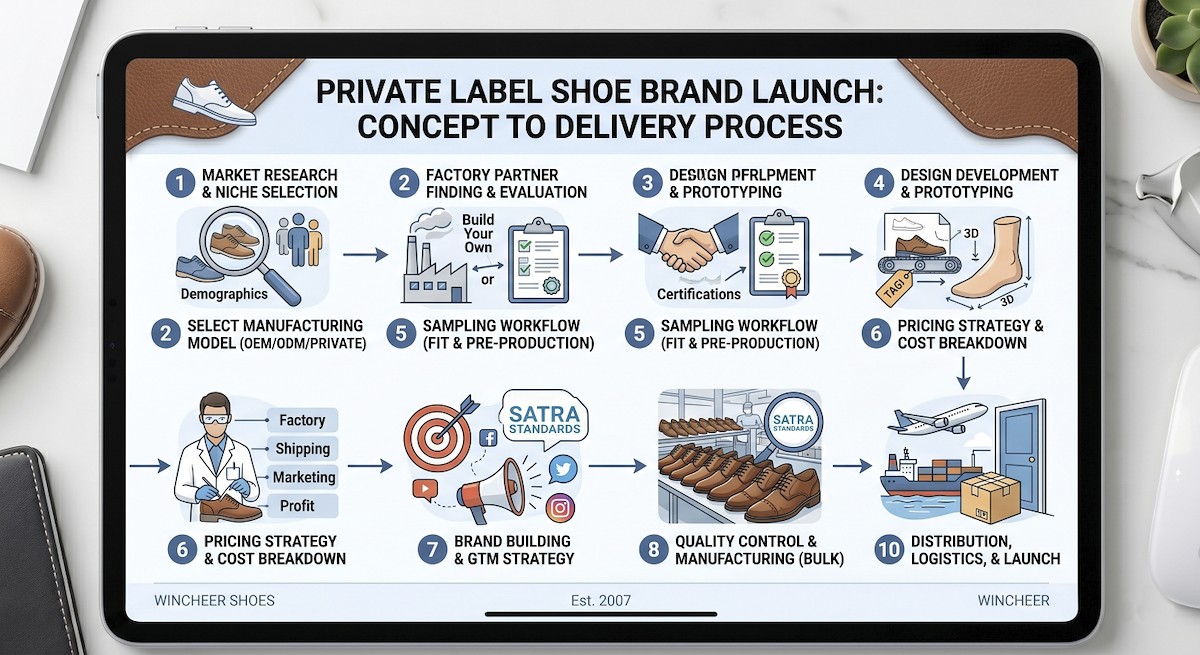
Understanding Market Dynamics
The footwear industry in 2026 is characterized by fragmented consumer preferences and rapid trend cycles. Successful private label shoe brands identify specific market gaps rather than attempting to compete directly with established giants. Market research should focus on three critical dimensions: demographic analysis, competitive landscape assessment, and trend identification.
Demographic Analysis Framework:
- Age groups and their specific footwear preferences
- Income brackets and price sensitivity
- Geographic distribution and regional preferences
- Lifestyle factors influencing purchase decisions
Competitive Landscape Mapping:
Start by analyzing existing players in your target segment. Document their pricing strategies, product positioning, marketing approaches, and customer feedback patterns. Pay particular attention to gaps in their offerings – these represent your opportunity zones.
Niche Selection Criteria
The most successful private label shoe brands focus on underserved niches rather than broad market categories. Consider these proven niche strategies:
Professional Segments:
- Healthcare workers requiring comfortable, slip-resistant footwear
- Hospitality industry professionals needing durable, presentable shoes
- Tech industry professionals seeking business-casual options
Lifestyle Niches:
- Sustainable fashion conscious consumers
- Wide-fit or specialty sizing markets
- Regional style preferences (European minimalism, American casual luxury)
Functional Specialization:
- All-day comfort for standing professions
- Travel-friendly packable shoes
- Weather-specific solutions (waterproof, breathable)
Market Validation Techniques
Before committing to manufacturing, validate your niche through:
- Social Media Polling: Use Instagram and LinkedIn polls to gauge interest in specific features
- Pre-order Campaigns: Test demand with crowdfunding or pre-order pages
- Focus Groups: Conduct virtual sessions with target demographics
- Competitor Analysis: Monitor social media engagement and review patterns
Choose Your Manufacturing Model: OEM vs ODM vs Private Label
Understanding manufacturing models is crucial for private label shoe success. Each approach offers distinct advantages and requires different levels of investment and involvement.
OEM (Original Equipment Manufacturing)
OEM partnerships involve manufacturing shoes based on your exact specifications and designs. You provide detailed technical drawings, material specifications, and quality standards.
Advantages:
- Complete design control
- Unique product differentiation
- Higher profit margins potential
- Brand exclusivity
Requirements:
- Substantial upfront investment ($50,000-$200,000)
- Technical expertise or consulting support
- Longer development timelines (6-12 months)
- Higher minimum order quantities (typically 1,000+ pairs per style)
ODM (Original Design Manufacturing)
ODM partnerships allow you to select from existing designs and customize specific elements like materials, colors, or branding details.
Advantages:
- Faster time-to-market (2-4 months)
- Lower development costs
- Proven designs with established production processes
- Moderate customization flexibility
Considerations:
- Limited exclusivity (other brands may use similar designs)
- Moderate differentiation potential
- Shared tooling costs
Private Label Manufacturing
Private label represents the most accessible entry point, involving minimal customization of existing designs with your branding and packaging.
Advantages:
- Lowest barrier to entry
- Minimal upfront investment ($10,000-$50,000)
- Quick market entry (4-8 weeks)
- Established quality and fit
Limitations:
- Limited product differentiation
- Lower profit margins
- Potential market overlap with other brands
Find and Evaluate Factory Partners
Factory Selection Criteria
Choosing the right manufacturing partner determines your brand’s success trajectory. Evaluation should encompass production capabilities, quality systems, communication effectiveness, and scalability potential.
Production Capabilities Assessment:
- Annual output capacity and current utilization
- Machinery sophistication and maintenance standards
- Raw material sourcing relationships
- Specialty techniques (hand-stitching, exotic leathers, etc.)
Quality Management Systems:
Look for factories with documented quality control processes, including:
- Incoming material inspection protocols
- In-process quality checkpoints
- Final inspection standards
- Defect tracking and corrective action systems
Communication and Service:
- English proficiency of key personnel
- Response time to inquiries
- Sample development capabilities
- Technical documentation quality
Due Diligence Process
Factory Audits:
Conduct virtual or in-person facility tours focusing on:
- Cleanliness and organization
- Worker safety conditions
- Equipment condition and calibration
- Quality control infrastructure
Reference Verification:
Contact existing clients to understand:
- Order fulfillment reliability
- Quality consistency
- Problem resolution approaches
- Communication effectiveness
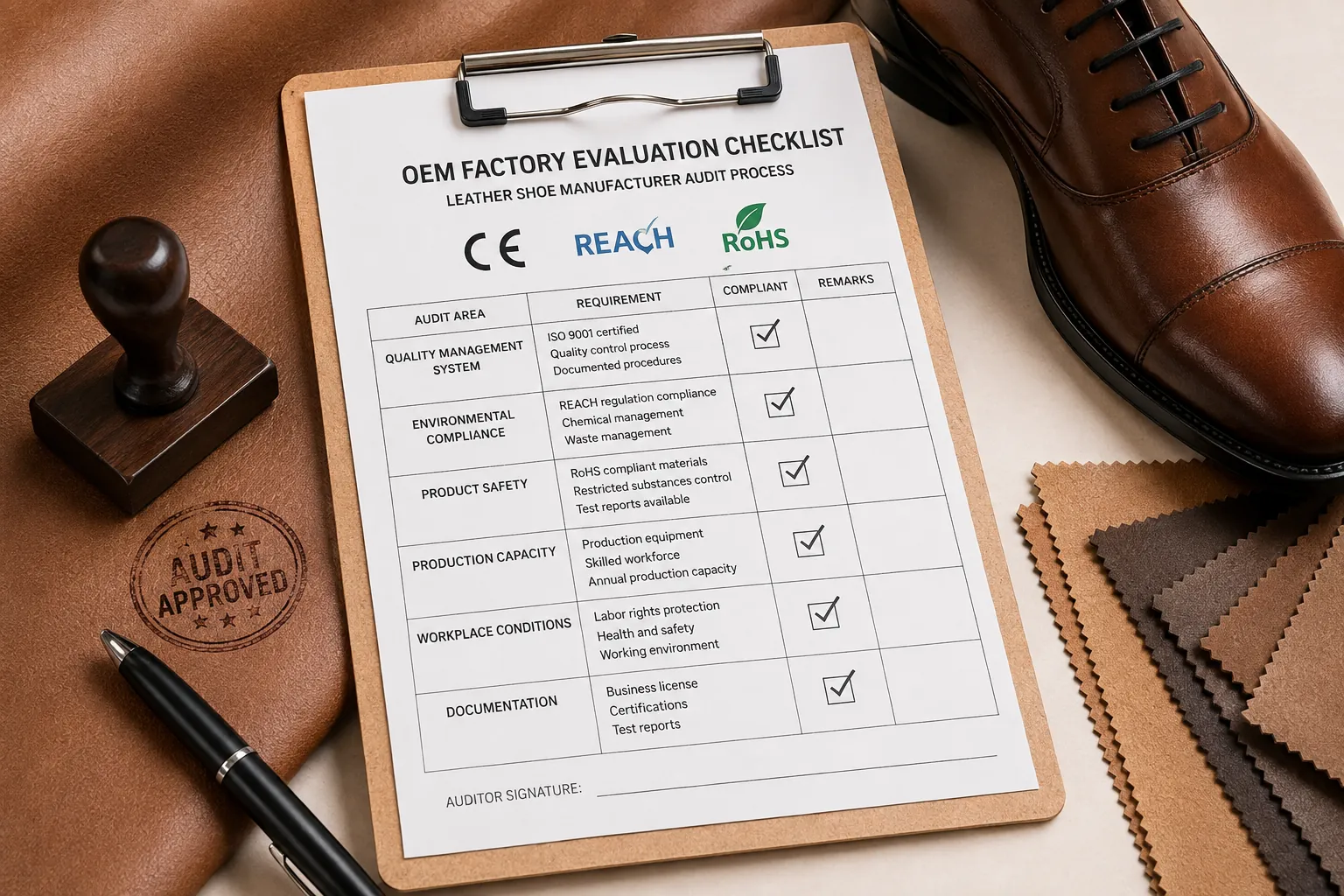
Certification Validation:
Verify relevant certifications such as:
- ISO quality management systems
- Environmental compliance (REACH, RoHS)
- Social responsibility audits
- Industry-specific standards (CE for safety footwear)
Partnership Structure Options
Exclusive Partnerships:
Provide guaranteed volumes in exchange for:
- Dedicated production capacity
- Priority scheduling
- Customized quality standards
- Collaborative product development
Multi-Supplier Strategy:
Diversify risk by working with 2-3 factories:
- Regional specializations
- Capacity backup options
- Competitive pricing leverage
- Technology access variety
Design and Sampling Process
Design Development Framework
The design phase transforms market insights into tangible products. Successful private label shoe brands balance aesthetic appeal with functional requirements and manufacturing feasibility.
Design Brief Development:
Create comprehensive design briefs including:
- Target customer persona and use cases
- Aesthetic preferences and style references
- Functional requirements and performance standards
- Material preferences and sustainability goals
- Price point targets and margin requirements
Technical Specification Creation:
Detailed technical specs should cover:
- Last specifications (foot shape and sizing)
- Upper material types and thicknesses
- Sole construction methods and materials
- Hardware specifications (eyelets, buckles, zippers)
- Stitching patterns and thread specifications
Sampling Workflow
Initial Concept Samples:
First samples focus on overall design validation:
- Aesthetic appeal and brand alignment
- Basic fit and comfort assessment
- Material look and feel evaluation
- Construction feasibility confirmation
Fit Samples:
Dedicated fitting sessions across multiple sizes:
- Size grading accuracy
- Comfort assessment across foot types
- Pressure point identification
- Gait analysis and wear testing
Pre-production Samples:
Final validation before mass production:
- Quality standard confirmation
- Color accuracy verification
- Packaging and labeling review
- Final cost confirmation
Quality Standards Definition
Establish clear quality criteria including:
- Acceptable defect rates by category
- Material performance standards
- Dimensional tolerances
- Aesthetic standards (color matching, stitching quality)
- Packaging and presentation requirements
Testing Protocols:
Implement systematic testing including:
- Wear testing with target users
- Accelerated aging tests
- Material durability assessments
- Safety standard compliance (if applicable)
Pricing Strategy: Factory to Retail Cost Breakdown
Cost Structure Analysis
Understanding the complete cost structure enables effective pricing decisions and margin optimization. Private label shoe pricing involves multiple cost layers from manufacturing through final retail.
Manufacturing Costs (Factory Level):
- Raw materials: 35-45% of factory price
- Labor: 20-30% of factory price
- Overhead and utilities: 10-15% of factory price
- Factory margin: 15-25% of factory price
Import and Logistics Costs:
- Shipping and freight: $2-8 per pair depending on volume and method
- Customs duties: Varies by country (0-35% of declared value)
- Import handling and warehousing: $1-3 per pair
- Quality inspection: $0.50-2 per pair
Brand-Level Costs:
- Marketing and advertising: 15-25% of revenue
- Operations and fulfillment: 8-15% of revenue
- Technology and systems: 3-8% of revenue
- General and administrative: 10-20% of revenue
Pricing Model Comparison
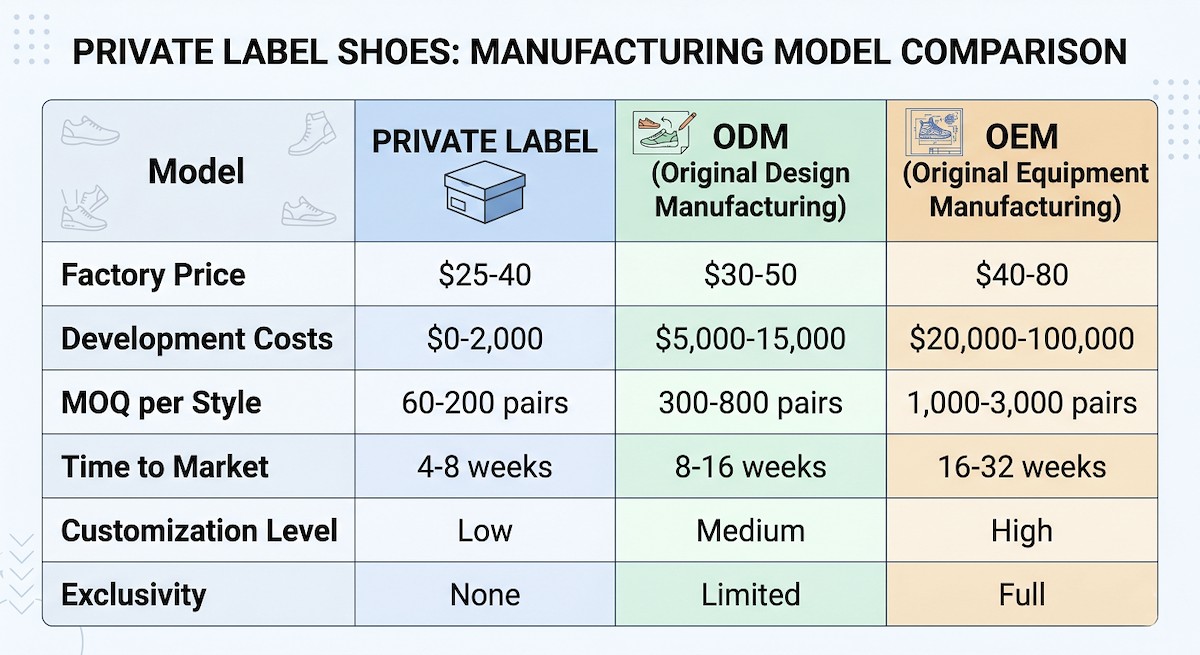
| Cost Component | Private Label | ODM | OEM |
|---|---|---|---|
| Factory Price | $25-40 | $30-50 | $40-80 |
| Development Costs | $0-2,000 | $5,000-15,000 | $20,000-100,000 |
| MOQ per Style | 60-200 pairs | 300-800 pairs | 1,000-3,000 pairs |
| Time to Market | 4-8 weeks | 8-16 weeks | 16-32 weeks |
| Customization Level | Low | Medium | High |
| Exclusivity | None | Limited | Full |
Margin Optimization Strategies
Volume-Based Pricing:
Negotiate tiered pricing based on order volumes:
- 100-500 pairs: Base pricing
- 500-1,000 pairs: 5-8% discount
- 1,000+ pairs: 10-15% discount
- Annual commitments: Additional 3-5% discount
Payment Terms Optimization:
- 30% deposit, 70% before shipping (standard)
- Full prepayment: 2-5% discount
- Letter of credit: Moderate cost but reduced risk
- Trade financing: Access to better cash flow management
Seasonal Planning:
- Off-season orders: 5-10% cost savings
- Early booking discounts: 3-7% savings
- Consolidated shipping: Reduced per-unit logistics costs
Brand Building and Go-to-Market Strategy
Brand Positioning Framework
Successful private label shoe brands establish clear positioning that resonates with target customers while differentiating from competitors. Brand positioning should address functional benefits, emotional connections, and value propositions.
Functional Positioning Elements:
- Comfort technology and features
- Durability and quality standards
- Style versatility and occasions
- Fit characteristics and sizing
Emotional Positioning Elements:
- Lifestyle aspirations and identity
- Values alignment (sustainability, craftsmanship)
- Status and social signaling
- Personal expression and individuality
Digital Marketing Strategy
Content Marketing Approach:
- Educational content about shoe care and styling
- Behind-the-scenes manufacturing stories
- Customer success stories and testimonials
- Seasonal style guides and trend insights
Social Media Strategy:
- Instagram: Visual storytelling and lifestyle content
- LinkedIn: B2B partnerships and professional positioning
- TikTok: Trend-driven content and user-generated content
- YouTube: Long-form educational and brand story content
Influencer Partnerships:
- Micro-influencers in target niches (1,000-100,000 followers)
- Professional endorsements in relevant industries
- Lifestyle bloggers and fashion content creators
- Industry experts and thought leaders
Distribution Channel Strategy
Direct-to-Consumer (DTC):
- E-commerce website with detailed product information
- Subscription or membership models
- Pop-up retail experiences
- Trade show and event participation
Retail Partnerships:
- Specialty footwear retailers
- Department store partnerships
- Online marketplace presence (Amazon, etc.)
- International distributor relationships
B2B Sales Channels:
- Corporate uniform programs
- Professional association partnerships
- Bulk sales to organizations
- Private label opportunities for other brands
Real Case Study: DTC Brand Launch Timeline and Costs
Case Study: “ComfortStep Professional” Launch
This case study examines a successful private label shoe brand launch targeting healthcare professionals, demonstrating practical timelines and investment requirements.
Pre-Launch Phase (Months 1-4):
Month 1-2: Market Research and Planning
- Market research and competitor analysis: $5,000
- Brand development and trademark filing: $8,000
- Website development and e-commerce setup: $12,000
- Initial legal and business setup: $3,000
Month 3-4: Product Development
- Factory selection and partnership agreements: $2,000
- Sample development and testing: $4,000
- Initial inventory order (500 pairs, 3 styles): $18,000
- Packaging and labeling design: $3,000
Launch Phase (Months 5-8):
Month 5-6: Pre-Launch Marketing
- Content creation and photography: $8,000
- Social media setup and initial campaigns: $5,000
- Influencer partnerships and PR: $10,000
- Email marketing system setup: $2,000
Month 7-8: Market Entry
- Paid advertising campaigns: $15,000
- Trade show participation: $8,000
- Customer service and fulfillment setup: $4,000
- Working capital and operational expenses: $10,000
Growth Phase (Months 9-12):
Month 9-12: Scaling Operations
- Additional inventory investment: $35,000
- Expanded marketing campaigns: $25,000
- Team expansion and operations: $20,000
- Technology and system upgrades: $8,000
Total Investment Summary:
- Initial 12-month investment: $205,000
- Break-even point: Month 14
- ROI positive: Month 18
- Year 2 projected revenue: $850,000
Key Success Factors:
- Focused niche targeting (healthcare professionals)
- Strong value proposition (12-hour comfort guarantee)
- Effective digital marketing and customer acquisition
- Quality product-market fit validation
Lessons Learned and Best Practices
Critical Success Factors:
- Niche Focus: Targeting healthcare professionals provided clear value proposition
- Quality Partnerships: Working with established manufacturers ensured consistent quality
- Customer Feedback Integration: Rapid iteration based on early customer input
- Digital-First Approach: Strong online presence and direct customer relationships
Common Pitfalls Avoided:
- Over-investing in inventory before market validation
- Attempting to serve too broad a market initially
- Underestimating customer acquisition costs
- Insufficient working capital for growth phases
Startup Costs Comparison: Manufacturing Models
| Investment Category | Private Label | ODM | OEM |
|---|---|---|---|
| Initial Development | |||
| Design and sampling | $1,000-3,000 | $5,000-15,000 | $20,000-50,000 |
| Tooling and molds | $0-2,000 | $8,000-25,000 | $30,000-80,000 |
| Technical documentation | $500-1,500 | $3,000-8,000 | $10,000-25,000 |
| Initial Inventory | |||
| Minimum order value | $15,000-30,000 | $25,000-60,000 | $50,000-150,000 |
| Safety stock | $5,000-10,000 | $10,000-25,000 | $20,000-50,000 |
| Brand and Marketing | | | |
| Brand development | $5,000-15,000 | $8,000-20,000 | $15,000-40,000 |
| Website and e-commerce | $8,000-20,000 | $12,000-25,000 | $20,000-50,000 |
| Initial marketing | $10,000-25,000 | $15,000-35,000 | $25,000-60,000 |
| Operations Setup | | | |
| Legal and compliance | $3,000-8,000 | $5,000-12,000 | $10,000-25,000 |
| Systems and technology | $5,000-12,000 | $8,000-18,000 | $15,000-35,000 |
| Working capital | $15,000-35,000 | $25,000-50,000 | $50,000-100,000 |
| Total Investment Range | $67,500-186,500 | $124,000-293,000 | $270,000-665,000 |
ROI Timeline Comparison
Private Label Model:
- Break-even: 8-12 months
- Positive ROI: 12-18 months
- Scale potential: Moderate (limited differentiation)
ODM Model:
- Break-even: 12-18 months
- Positive ROI: 18-24 months
- Scale potential: High (good differentiation balance)
OEM Model:
- Break-even: 18-30 months
- Positive ROI: 24-36 months
- Scale potential: Very high (maximum differentiation)
Risk Assessment Framework
Low Risk Indicators:
- Validated market demand
- Experienced manufacturing partners
- Sufficient working capital (6-12 months)
- Clear differentiation strategy
Medium Risk Indicators:
- Competitive market with established players
- Seasonal demand patterns
- Complex supply chain requirements
- Regulatory compliance requirements
High Risk Indicators:
- Unproven market demand
- Single supplier dependency
- Insufficient capital reserves
- Unclear value proposition
Decision Framework: Choosing Your Path
Startup Assessment Checklist
Financial Readiness:
- [ ] Available capital exceeds minimum investment by 50%
- [ ] 12-month operating expense reserve secured
- [ ] Clear understanding of cash flow timeline
- [ ] Access to additional funding if needed
Market Readiness:
- [ ] Target customer segment clearly defined
- [ ] Competitive landscape thoroughly analyzed
- [ ] Value proposition validated through research
- [ ] Go-to-market strategy developed
Operational Readiness:
- [ ] Manufacturing partner identified and vetted
- [ ] Quality standards and testing protocols defined
- [ ] Supply chain and logistics planned
- [ ] Customer service and fulfillment capabilities
Brand Readiness:
- [ ] Brand positioning and messaging developed
- [ ] Visual identity and packaging designed
- [ ] Digital presence and marketing channels planned
- [ ] Legal protection (trademarks, etc.) secured
Success Metrics Framework
Financial Metrics:
- Customer acquisition cost (CAC)
- Lifetime value (LTV)
- Gross margin per unit
- Monthly recurring revenue growth
Operational Metrics:
- Order fulfillment time
- Return and defect rates
- Inventory turnover
- Supplier performance scores
Brand Metrics:
- Brand awareness and recognition
- Customer satisfaction scores
- Social media engagement rates
- Repeat purchase rates
Frequently Asked Questions
Q: What’s the minimum investment needed to start a private label shoe brand?
A: The minimum investment varies by model: Private label requires $50,000-100,000, ODM needs $100,000-200,000, and OEM demands $200,000-500,000. These figures include product development, initial inventory, branding, and 6-12 months of operating expenses. Success depends more on market fit than investment size.
Q: How long does it take from concept to first sales?
A: Timeline varies significantly by approach: Private label can achieve first sales in 2-4 months, ODM typically takes 4-8 months, and OEM requires 8-18 months. Factors affecting timeline include design complexity, manufacturing capacity, regulatory requirements, and market entry strategy.
Q: What’s the typical minimum order quantity for private label shoes?
A: MOQs vary by manufacturer and product type. Private label typically requires 60-200 pairs per style, ODM needs 300-800 pairs, and OEM demands 1,000+ pairs. Some manufacturers offer lower MOQs for initial orders or established relationships. Always negotiate based on your specific situation and growth projections.
Q: How do I protect my designs and brand in international manufacturing?
A: Implement multiple protection strategies: Register trademarks in key markets, use comprehensive manufacturing agreements with IP protection clauses, conduct regular factory audits, and maintain design confidentiality through NDAs. Consider working with manufacturers who have established IP protection track records and avoid sharing complete designs until agreements are signed.
Q: What are the most common mistakes new shoe brands make?
A: Common mistakes include: underestimating customer acquisition costs, over-investing in inventory before market validation, choosing manufacturers based solely on price, neglecting quality control processes, and attempting to serve too broad a market initially. Success requires balancing ambition with practical execution and maintaining sufficient working capital for growth phases.
Ready to Start Your Shoe Line?
Launching a successful private label shoe brand requires the right manufacturing partner who understands both quality production and business growth. Whether you’re exploring private label options, considering ODM partnerships, or planning full OEM development, having an experienced manufacturer makes the difference between success and struggle.
Ready to transform your shoe brand vision into reality? Contact our team to discuss your specific requirements and explore how we can support your journey from concept to customer.
Get Started: Visit wincheershoes.com for a free initial strategy session.
Our experienced team has helped over 200 brands successfully launch their footwear lines across 50+ countries.
Private Label Shoes FAQ
Q: What is the most important factor when I want to private label shoes?
A: Finding a manufacturer with proven quality control and relevant certifications. Check for CE, REACH, or RoHS compliance and request defect rate data before committing.
Q: How much does it cost to private label shoes?
A: Costs vary by order size and customization level. Factory-direct OEM production from China typically ranges from $25-40 per pair, with lower per-unit costs at higher volumes.
Q: What is the minimum order quantity to private label shoes?
A: Traditional factories require 300-600 pairs, but some manufacturers like Wincheer Shoes offer as low as 60 pairs for custom designs and zero MOQ for existing styles.
Q: How long does the private label shoes process take from concept to delivery?
A: Expect 15-25 days for sampling and 30-60 days for bulk production. Established manufacturers can often compress timelines for repeat clients.
Q: What certifications should I verify before I private label shoes?
A: For EU markets, ensure CE (EN ISO20347) and REACH compliance. For general quality assurance, look for ISO 9001 certification and request third-party inspection reports from SGS or Intertek.