Shoe Factory Guangzhou vs Wenzhou vs Jinjiang: The Ultimate 2026 Comparison
Choosing the right shoe factory Guangzhou, Wenzhou, or Jinjiang can make or break your footwear brand. China dominates global footwear manufacturing, but each major hub serves different business needs. Guangzhou excels at premium leather dress shoes with world-class certifications. Wenzhou delivers cost-efficient fashion footwear with integrated hardware supply chains. Jinjiang powers high-volume sports and casual shoe production at unmatched scale.
This guide compares China’s three largest shoe manufacturing hubs to help B2B buyers, private label brands, and sourcing managers identify the optimal production partner for their specific product category and business model.
Table of Contents
1. Guangzhou Shoe Factory: Premium Leather & Export Excellence
2. Wenzhou Shoe Factory: Cost-Efficient Fashion Footwear
3. Jinjiang Shoe Factory: High-Volume Sports & Casual Powerhouse
4. Comparison Table: 3 Hubs Side by Side
5. Decision Framework: Pick the Right Hub
6. Multi-Hub Sourcing Strategies
7. Quality Control Standards by Hub
8. FAQ
Guangzhou Shoe Factory: Premium Leather & Export Excellence

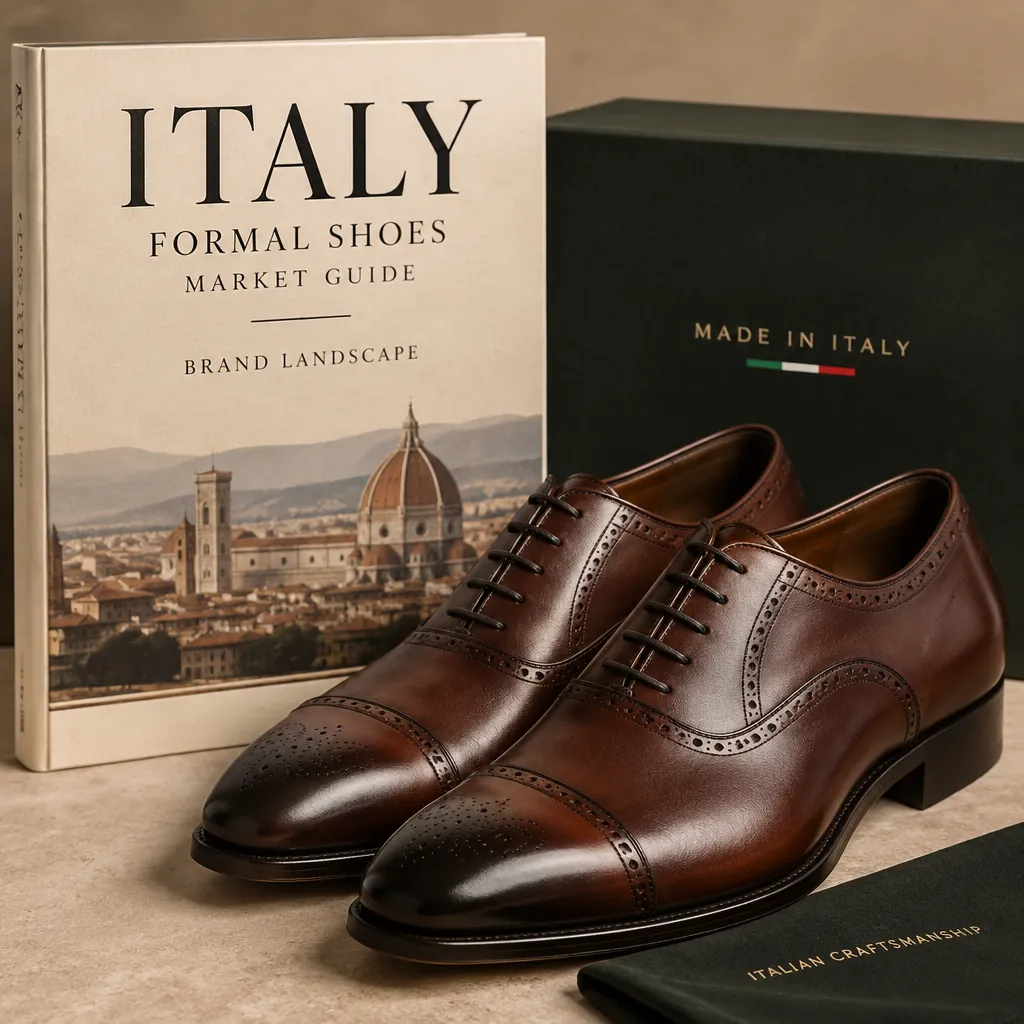
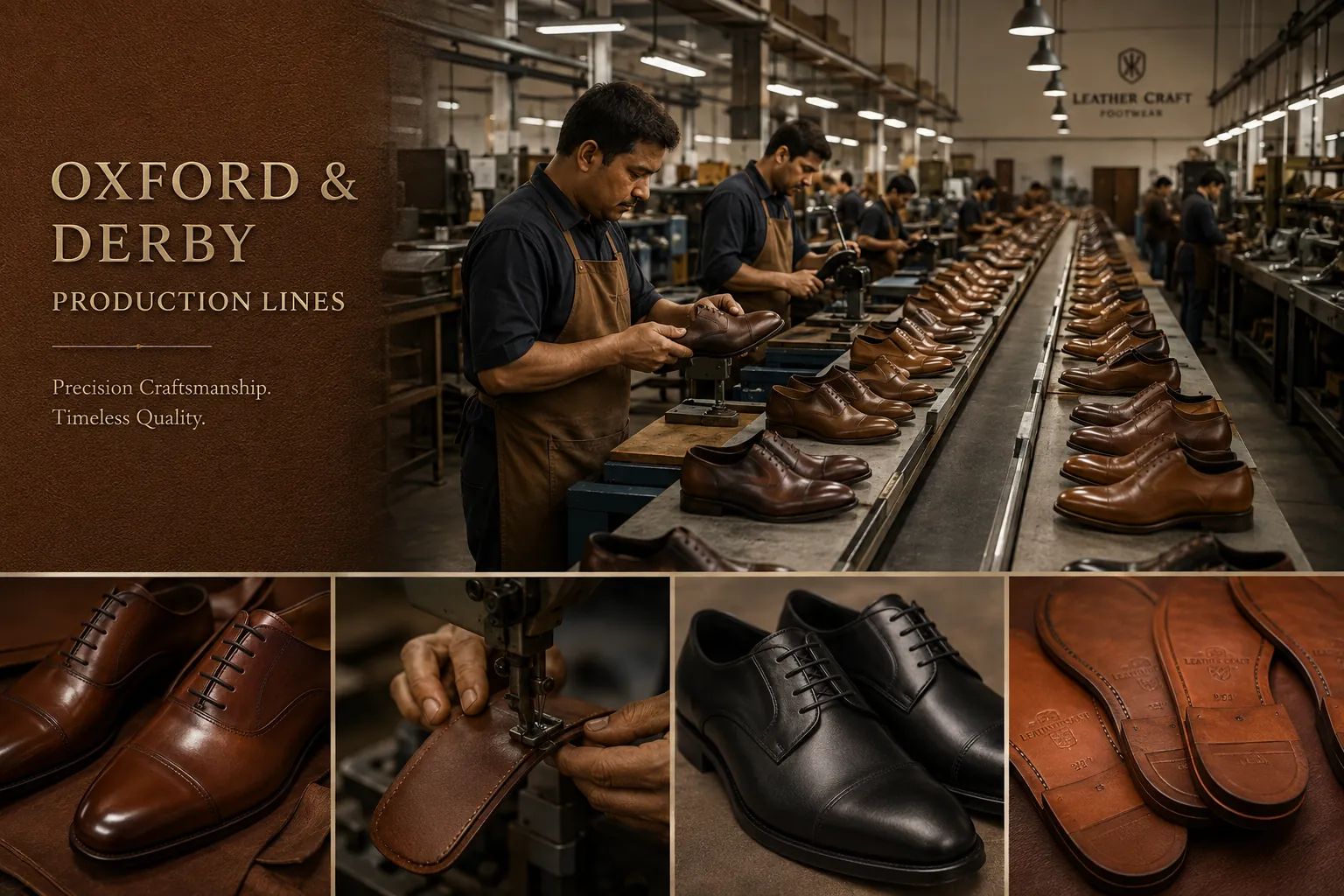
Guangzhou shoe factory specializing in premium leather Oxford and Derby production
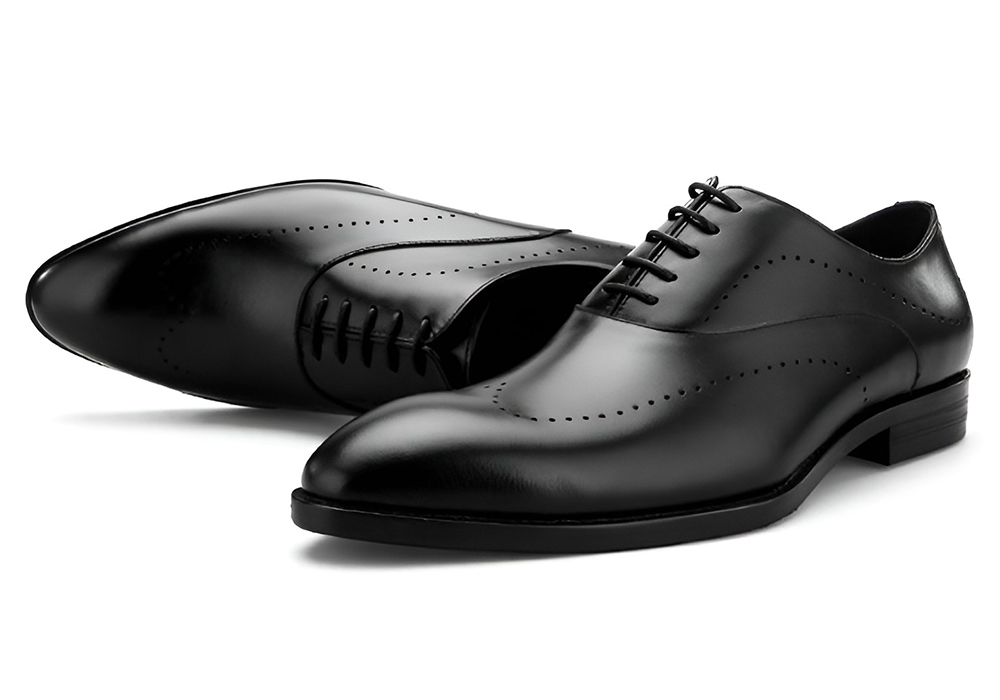
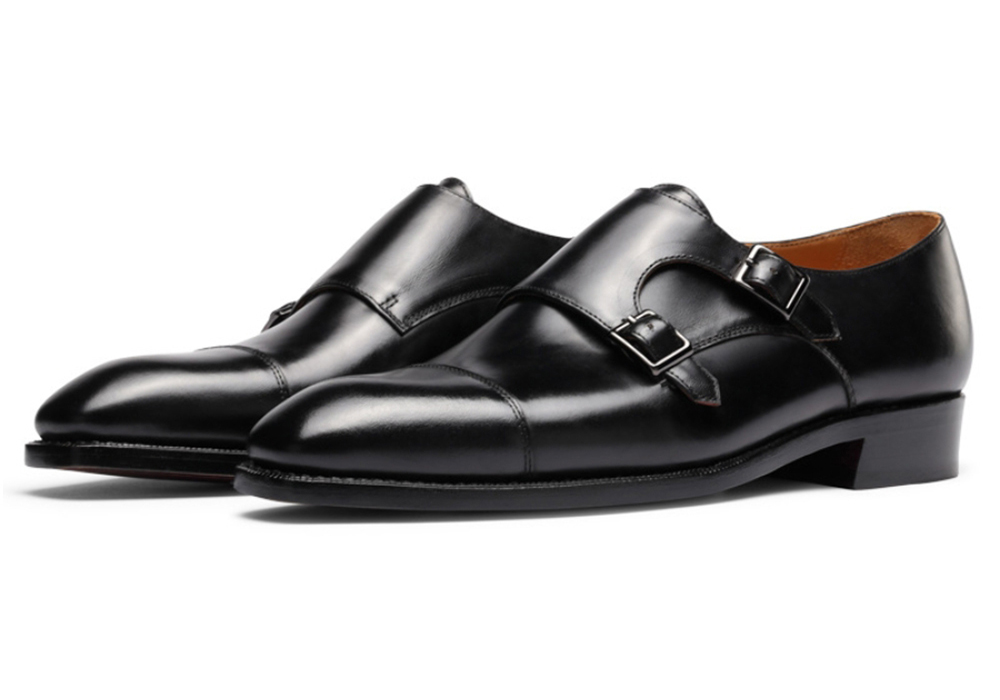
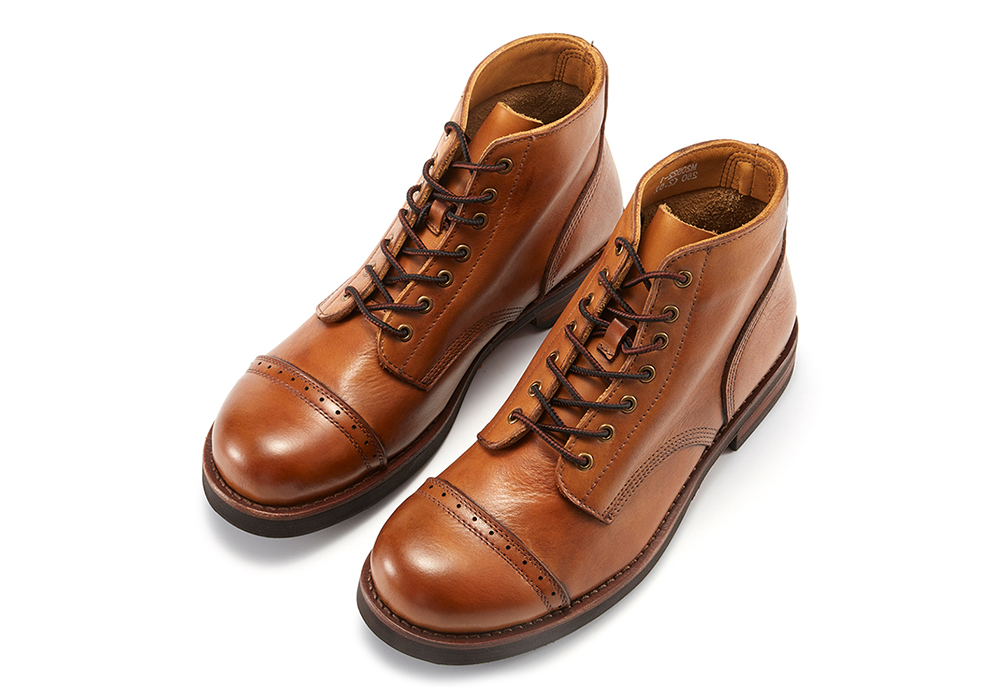
Guangzhou, situated in China’s prosperous Pearl River Delta, stands out as the nation’s premier shoe factory Guangzhou destination for premium leather footwear. This hub focuses largely on dress and casual styles with superior craftsmanship in Oxford, Derby, Monk Strap shoes, and sleek Chelsea boots.
Key Advantages of a Guangzhou Shoe Factory
Premium Quality Focus
Guangzhou factories commonly implement higher quality control standards to meet international certifications. Facilities here typically produce 500,000+ pairs annually with defect rates well below the industry average (0.8-1.2% vs 2-4%).
Highly Skilled Labor
Artisans in a typical shoe factory Guangzhou are experienced in leather cutting, stitching, and finishing techniques ideal for formal footwear with intricate aesthetics.
Modern Logistics
Proximity to the Guangzhou port and well-developed freight infrastructure enables efficient export operations to Europe, North America, and Southeast Asia. Lead times tend to be shorter thanks to streamlined shipping routes.
Custom Flexibility
Minimum order quantity (MOQ) for custom designs often begins at around 60 pairs. Many a shoe factory Guangzhou offers no MOQ on existing designs, enabling brands to test markets without heavy upfront investment.
Certification Compliance
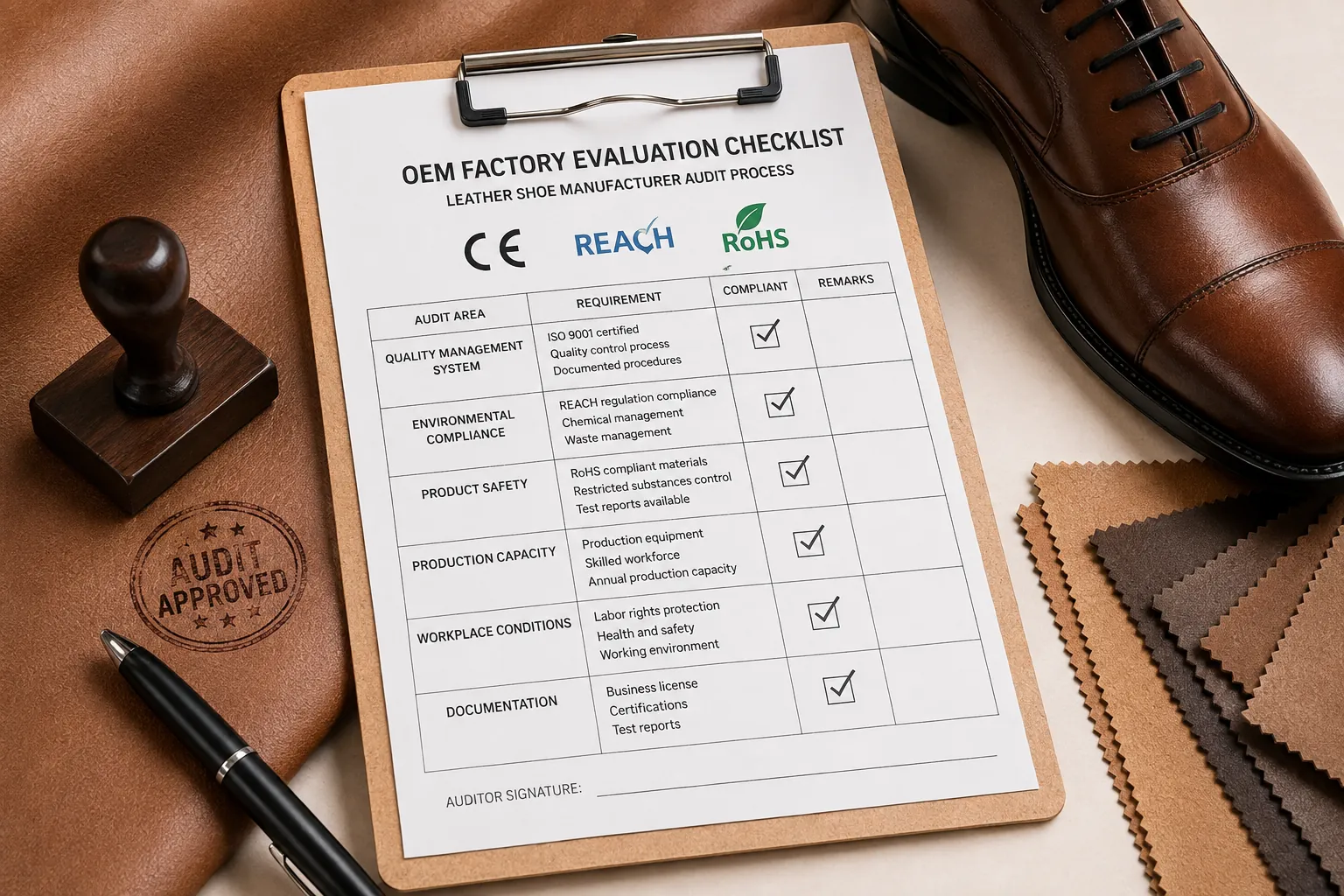
Many Guangzhou facilities hold CE (EN ISO20347), REACH, and RoHS certifications. This makes a shoe factory Guangzhou critical for entering stringent international markets.
Design Proximity
Being near Hong Kong and Shenzhen gives any shoe factory Guangzhou early access to international design trends and material innovations.
Market Position
Guangzhou’s footwear sector specializes in export-oriented production. Approximately 60% of output from a typical shoe factory Guangzhou goes to European and North American markets. The region maintains particularly strong relationships with buyers from Germany, the UK, and Japan.
Factory owners typically invest heavily in automated cutting equipment and computer-aided design systems. This enables precise pattern replication and consistent sizing across large production runs.
Wenzhou Shoe Factory: Cost-Efficient Fashion Footwear
Wenzhou, located in Zhejiang province, has grown into a major shoe production zone. It is famous for fashion-forward, mid-range priced footwear incorporating both synthetic materials and leather components.
Key Strengths
Integrated Hardware Manufacturing
Wenzhou factories often feature in-house production of buckles, eyelets, zippers, and decorative elements. This allows tight control over component quality and lead times.
Cost Efficiency
Labor costs here are generally lower than at a shoe factory Guangzhou. This makes Wenzhou attractive for brands targeting value-oriented segments without sacrificing style.
Fashion Shoe Specialization
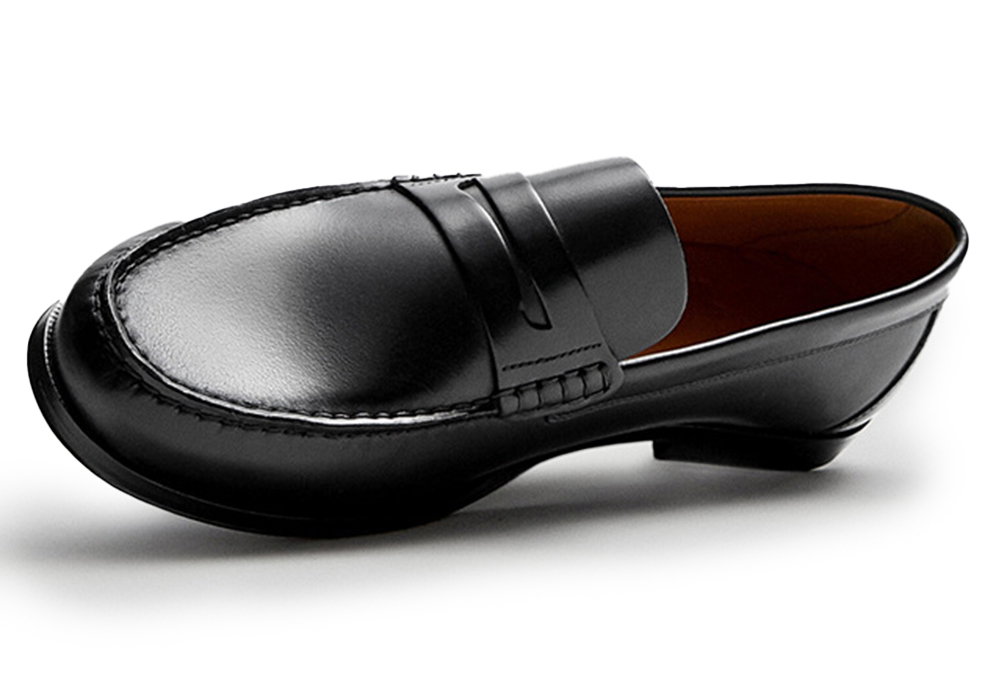
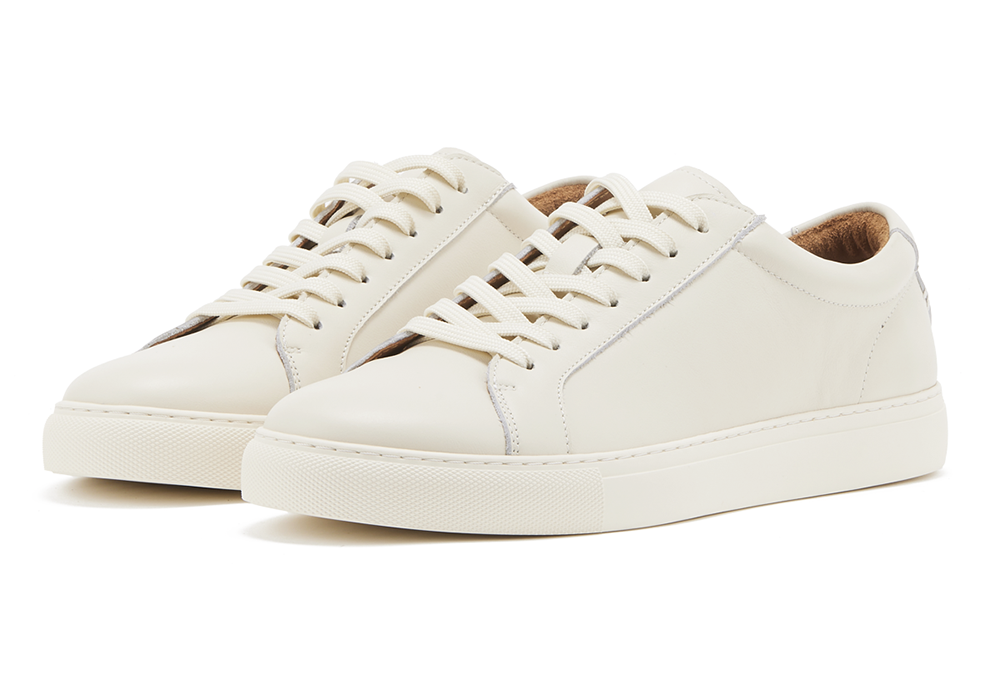
Known for trendy styles like casual sneakers, slip-ons, and embellished loafers catering to fast-moving retail cycles.
Smaller MOQs
Wenzhou manufacturers tend to support smaller minimum quantities. This aids startups and private labels testing new collections.
Flexibility in Materials
Factories adept at mixing man-made and leather components to hit price and style targets optimally.
Historical Context
Wenzhou’s footwear industry dates back to the 1980s. It emerged from a cluster of family-run workshops. Over four decades, this grassroots manufacturing culture evolved into a sophisticated industrial ecosystem.
Today, Wenzhou produces approximately 1 billion pairs annually. This represents roughly 10% of China’s total footwear output. The region’s factories particularly excel in women’s fashion shoes and children’s footwear.
Jinjiang Shoe Factory: High-Volume Sports & Casual Powerhouse
Jinjiang, part of Quanzhou city in Fujian province, is synonymous with mass production of sports, casual, and outdoor footwear. It serves as a backbone for some of the world’s largest sports shoe brands.
Core Capabilities
Massive Production Capacity
Capable of producing millions of pairs annually with highly automated lines. Major facilities efficiently handle orders exceeding 500,000+ pairs yearly.
Robust Export Infrastructure
Jinjiang benefits from dedicated export zones, bonded warehouses, and proximity to key shipping ports like Xiamen.
Competitive Labor Costs
Among the three hubs, Jinjiang traditionally offers the lowest labor costs. This facilitates aggressive price points for sports and casual lines.
Standardized Product Lines
Factories often specialize in well-established molds for running shoes, trainers, and hiking footwear.
Ecosystem Density
Over 3,000 footwear-related enterprises operate within a 50-kilometer radius. This creates intense competition that drives continuous efficiency improvements.
Industry Scale
Jinjiang’s footwear sector employs over 400,000 workers across more than 7,000 enterprises. The city produced over 4 billion pairs in 2025. This makes it one of the world’s highest-volume shoe production zones.
Comparison Table: 3 Hubs Side by Side
| Feature | Guangzhou Shoe Factory | Wenzhou Shoe Factory | Jinjiang Shoe Factory |
|---|---|---|---|
| Specialty | Premium leather dress & casual shoes | Fashion shoes with hardware integration | High-volume sports & casual footwear |
| Labor Cost (2026) | Moderate to High | Moderate | Low |
| MOQ Custom Designs | 60 pairs | 30-50 pairs | 100+ pairs |
| Lead Time | 30-45 days | 40-60 days | 35-50 days |
| Logistics | Excellent (Guangzhou port nearby) | Good (Distance from major ports) | Excellent (Xiamen port, export zone) |
| Quality Focus | High quality, low defect (0.8-1.2%) | Mid-range quality | Balanced quality, scalable |
| Typical Price Range | $25-40/pair | $15-30/pair | $10-25/pair |
| Certifications | CE, REACH, RoHS | Variable | Variable |
| Product Types | Oxford, Derby, Monk Strap, Chelsea boots | Casual loafers, sneakers, fashion boots | Running shoes, trainers, outdoor shoes |
Decision Framework: Pick the Right Hub
Selecting among Guangzhou, Wenzhou, and Jinjiang requires aligning hub capabilities with your brand positioning.
Step 1: Define Your Product Category
- Premium leather dress shoes → Prioritize a shoe factory Guangzhou
- Fashion-forward casual footwear → Wenzhou offers better cost flexibility
- High-volume sports shoes → Jinjiang delivers unmatched scale
Step 2: Evaluate Order Volume
- Startup or test order (under 100 pairs): Wenzhou’s lower MOQs provide the lowest barrier
- Scaling brand (100-1,000 pairs/month): A shoe factory Guangzhou balances quality with manageable MOQs
- Established retailer (10,000+ pairs/month): Jinjiang’s massive capacity minimizes per-unit costs
Step 3: Assess Certification Needs
If your target markets include the EU, North America, or Japan, prioritize hubs with proven certification. A shoe factory Guangzhou leads here with widespread CE, REACH, and RoHS compliance.
Step 4: Calculate Total Landed Cost
Many buyers focus exclusively on per-pair pricing. But total landed cost includes logistics, duties, quality control, and rework expenses. A shoe factory Guangzhou’s higher prices often offset by lower defect rates.
Step 5: Plan for Supply Chain Resilience
Over-reliance on a single hub exposes brands to regional disruptions. Diversifying across two hubs creates operational flexibility.
Multi-Hub Sourcing Strategies
Many successful shoe brands today leverage multi-factory sourcing. This combines the distinctive strengths of hubs like Guangzhou, Wenzhou, and Jinjiang.
Premium line production centralized in a shoe factory Guangzhou ensures brand credibility.
Fashion and seasonal collections sourced from Wenzhou’s agile production support trendy market segments.
High-volume casual items manufactured in Jinjiang afford scale economies.
Leading manufacturers exemplify this model. They operate large-scale production in Guangzhou while collaborating with factories across these hubs to diversify offerings.
Quality Control Standards by Hub
Quality expectations vary significantly across these three manufacturing centers.
Guangzhou Shoe Factory QC Standards
Quality control tends to be the most rigorous among the three hubs. Many factories employ dedicated QC teams with AQL inspection training. Pre-shipment inspections typically cover 100% of packaging and 10-20% of finished goods.
Wenzhou QC Standards
Quality standards are generally adequate for fashion footwear. But they require more active buyer oversight. The rapid style turnover can lead to inconsistencies when factories rush to meet deadlines.
Jinjiang QC Standards
At volume scale, quality control shifts toward statistical sampling. Major factories maintain ISO 9001 systems. Buyers should specify AQL levels explicitly for orders exceeding 50,000 pairs.
Regardless of hub selection, always retain sealed pre-production samples. Document all material approvals in writing. Schedule at least one pre-shipment inspection before releasing final payment.
FAQ
Q: Which hub is best for luxury leather men’s shoes?
A: A shoe factory Guangzhou is the top choice due to skilled workforce, certifications (CE, REACH), and focus on premium dress and casual leather shoes.
Q: How do shipping times compare among these hubs?
A: Guangzhou and Jinjiang offer excellent logistics due to nearby major ports. This results in shorter lead times compared to Wenzhou.
Q: What is the typical MOQ for custom shoe orders?
A: A shoe factory Guangzhou requires around 60 pairs MOQ. Wenzhou supports smaller MOQs (30-50 pairs). Jinjiang typically works with larger batch sizes (100+ pairs).
Q: Are quality certifications standard across all hubs?
A: Guangzhou factories generally maintain CE, REACH, RoHS certifications. Wenzhou and Jinjiang have more variability depending on factory focus.
Q: Can I combine orders from multiple hubs?
A: Yes. Many brands diversify by sourcing different styles from multiple hubs to optimize costs, quality, and delivery schedules.
Ready to Start Your Shoe Line?
If you’re seeking a reliable shoe factory Guangzhou with proven expertise in premium leather footwear, Wincheer Shoes offers a comprehensive solution. Since 2007, we’ve delivered over 500,000 pairs annually with defect rates under 1.2%. We support private label brands across 50+ countries.
Reach out to discuss your project:
Email: peterwang@shwincheer.com
Website: wincheershoes.com
Additional Resources:
– Private Label Shoes 10 Step Brand Launch Guide 2026
– OEM ODM Mens Genuine Leather Shoes Manufacturer
– Complete Guide to Leather Oxford Shoes for Wholesale Buyers
For more about shoe certification standards, visit ISO Standards
This analysis equips you to confidently navigate China’s top shoe hubs and optimize your sourcing strategy in 2026.