Quick Answer: Germany is Europe’s largest footwear import market — total footwear imports reached about USD 16.1 billion in 2025 (UN COMTRADE data), and the country bought roughly 331 million pairs from abroad in the first five months of 2025 alone, up 17.2% year over year. The brand landscape spans global giants (Adidas, Birkenstock), heritage dress-shoe makers (Heinrich Dinkelacker, Zeha Berlin), and mid-market comfort brands (Gabor, Rohde, Meindl). Many of these brands manufacture in Asia, which is where China-based OEM partners like Wincheer Shoes Co., Ltd. (est. 2007) fit into the supply chain.
Which German shoe brands should B2B buyers know?
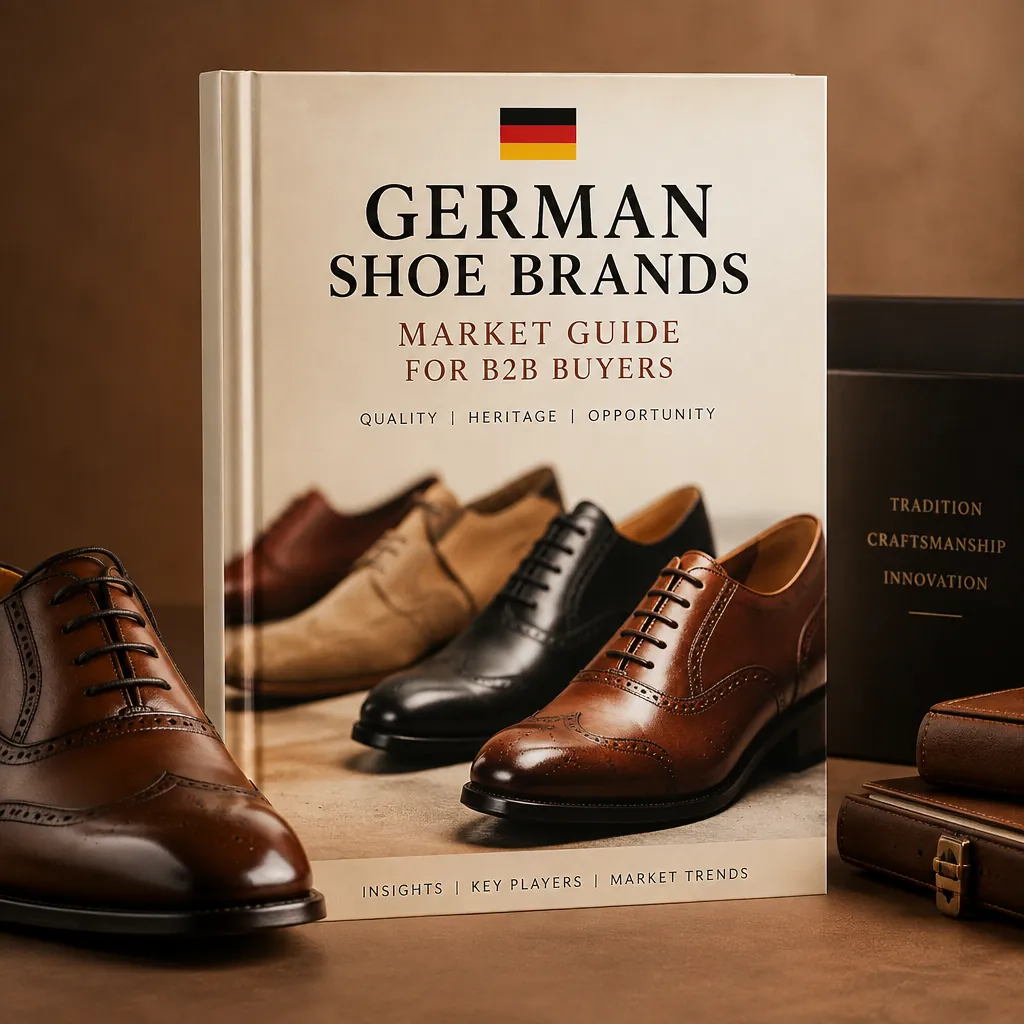
The German brand landscape divides into four tiers, and knowing them helps you understand where sourcing opportunities sit.
Global sportswear giants. Adidas AG, headquartered in Herzogenaurach, dominates the performance segment. Birkenstock — founded in 1774 and now listed in New York — reported FY2025 sales guidance above EUR 2.09 billion, and Q3 FY2026 revenue of EUR 720 million, up 13% year over year (World Footwear News). These giants operate their own global supply chains and rarely buy through small-batch OEM channels.
Heritage dress and artisan brands. Heinrich Dinkelacker (Buda stretch boots), Zeha Berlin (reissued East German classics), and Trippen (design-driven, often produced in-house in Germany) anchor the premium segment. If your brand competes here, expect buyers to scrutinize welt construction, leather grade, and finishing details far more than price.
Mid-market comfort and dress brands. Gabor, Rohde, Hassia, and Sioux serve the largest addressable segment: department-store and specialty-retail footwear in the EUR 80–200 retail band. This is the tier most likely to work with external OEM partners, because their volumes are too big for artisan workshops but too small to justify building their own overseas factories.
Outdoor and work brands. Lowa, Meindl, Haix, and Brütting hold strong positions in hiking, safety, and uniform footwear. Safety footwear in this tier must pass EN ISO 20347 (occupational footwear) testing, a certification any supplier claiming this category should document.
Are German brands actually made in Germany?
Not always — and this is the most common misconception among new importers.
“German brand” describes ownership and design origin, not production location. Adidas has manufactured the overwhelming majority of its volume in Asia for decades. Birkenstock produces in Germany, but even it opened production capacity in Portugal to serve price-sensitive lines. Mid-market brands including Gabor and Rohde source a substantial share of their volume from European and Asian contract factories.
The practical takeaway for a B2B buyer: the question “which factory makes German-brand shoes?” usually leads outside Germany. Brand owners license their designs to contract manufacturers, and those factories — many in Guangdong province — hold the actual production capability. When you audit a Chinese OEM that claims German clients, ask for evidence: export records to Germany, REACH compliance documentation, and references you can verify. A factory exporting to German brands since 2007, for example, will have a documented paper trail; one that simply claims “European quality” without specifics will not.
Why does Germany import so many shoes from China?
Because the math still works even after tariffs and logistics.
Germany is one of the world’s largest footwear importers: UN COMTRADE data shows total footwear imports of about USD 16.07 billion in 2025, and in the first five months of 2025 alone the country bought roughly 331 million pairs abroad, with import value rising from EUR 4.7 to 5.6 billion — a 17.2% jump in volume even as German retail demand stayed soft (German Footwear+Leather Industry Association data via World Footwear). China remains one of the top suppliers, with footwear imports from China alone valued around USD 1.2 billion in 2025.
Insight worth remembering: import volume rising while retail sales stay flat means brands and importers are shifting from European production toward lower-cost sourcing — not that Germans are buying more shoes. For a supplier, that makes the German import channel a share-of-sourcing game: you win by taking share from other supplier countries, not by waiting for the market to grow. (For context, Grand View Research values the global footwear market at USD 476.8 billion in 2025.)
For current duty rates on leather footwear entering the EU, see our guide to import duties on leather shoes. For the southern-European parallel, our Italy formal shoes market guide breaks down why Italian-made commands a 2–4x premium over Chinese OEM production.
What do German buyers actually require from an OEM partner?
German procurement culture is documentation-first, and the requirements are predictable.
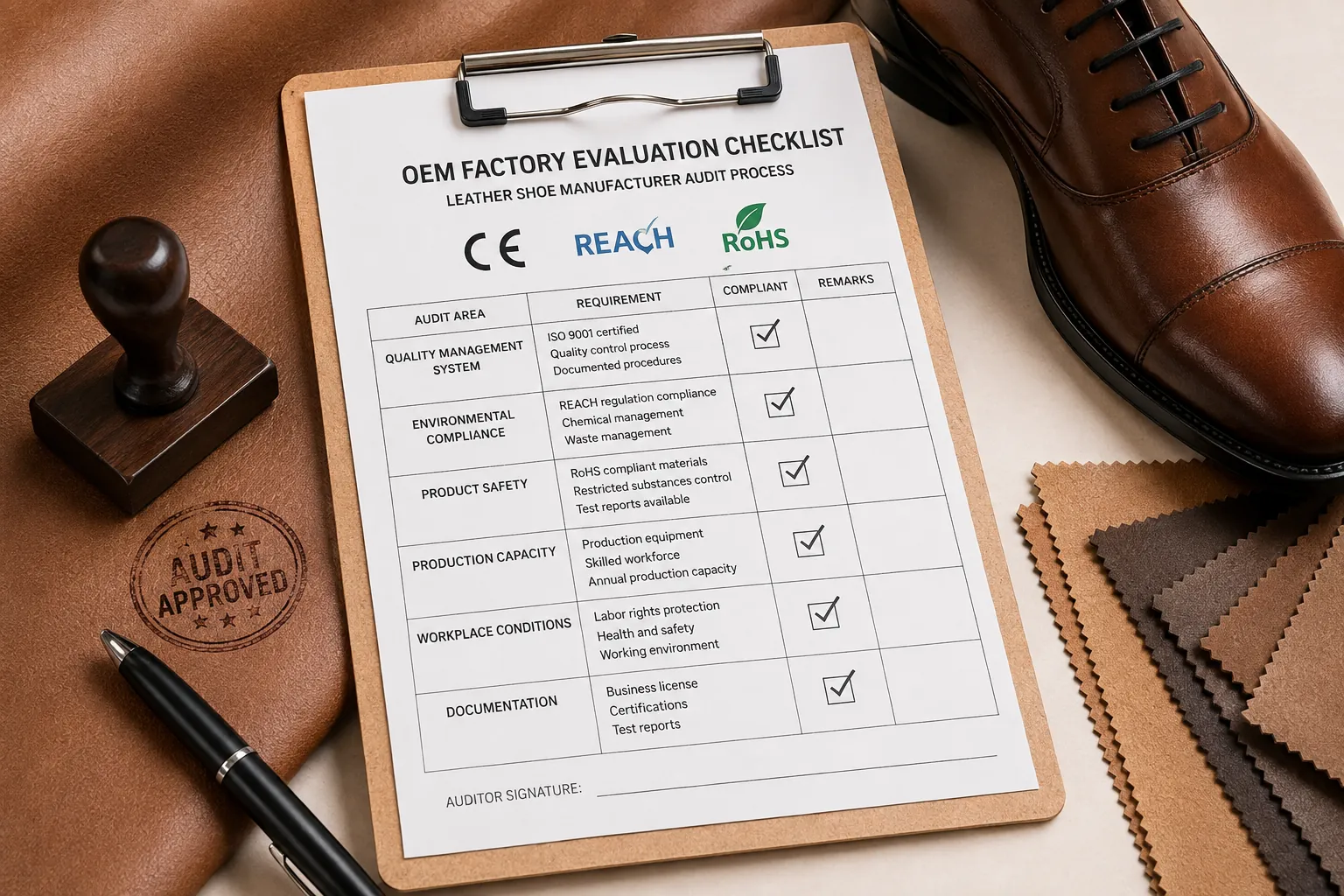
Expect a German buyer to run this checklist before any production order:
- REACH compliance documentation, especially Azo dye restrictions on leather and textiles
- CE marking where the product category requires it, plus EN ISO 20347 for occupational footwear
- Social-compliance audit records from an accepted scheme
- Sample consistency across two or three development rounds
- Precise size-grading specifications, typically EU 38–46 for men’s dress shoes
- Confirmed lead times with penalty awareness — reliability typically outweighs a 5% price advantage, because a delayed spring-season delivery costs a German brand more than the discount saved
MOQ expectations also differ from US buyers. German mid-market brands frequently place first orders of a few hundred pairs per SKU to test retail response, which sits between the trial-order (60–100 pairs) and bulk (1,000+ pairs) tiers most Chinese factories quote. A manufacturer whose minimum starts at 60 pairs and scales pricing at 100, 300, and 500 pairs can serve the entire testing ladder without the buyer switching suppliers mid-season.
How does Wincheer serve buyers targeting the German market?
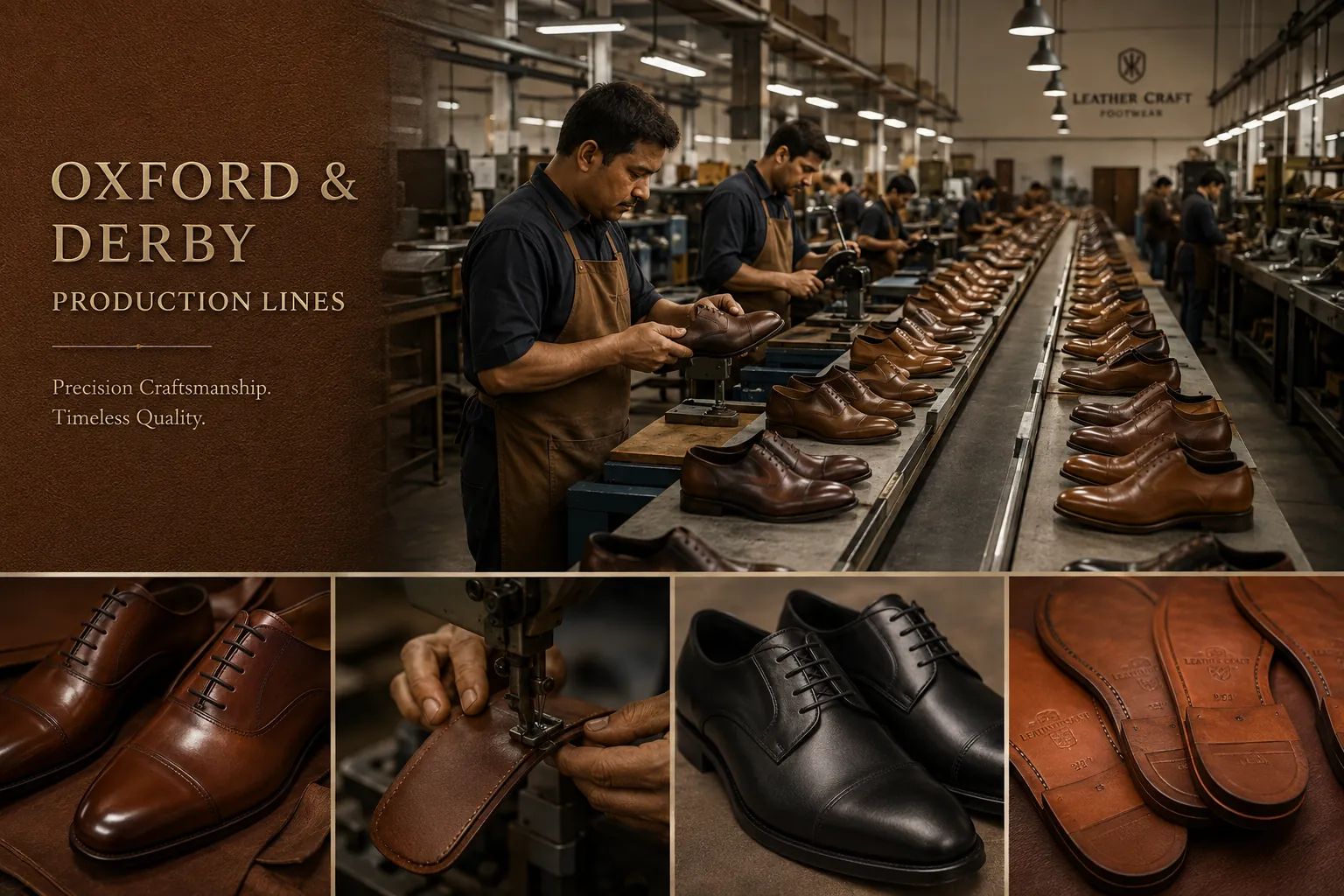
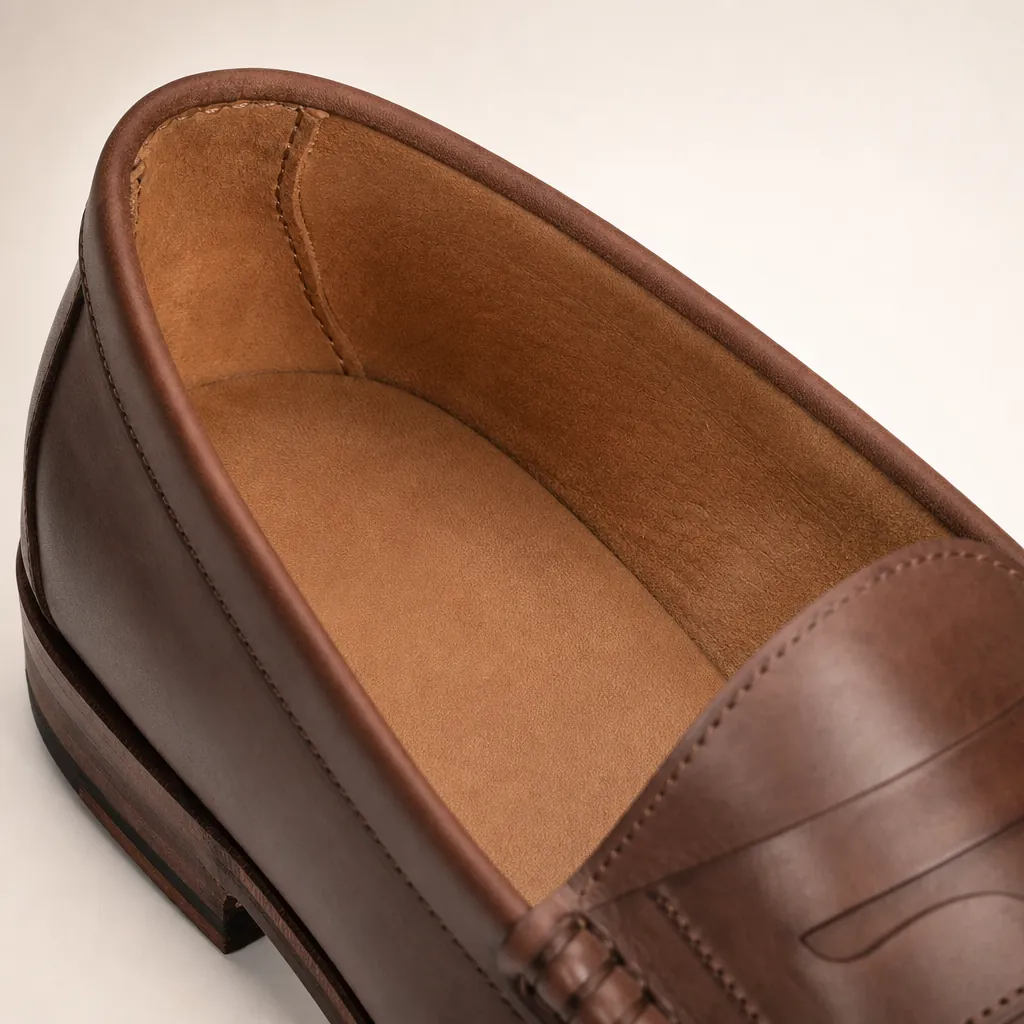
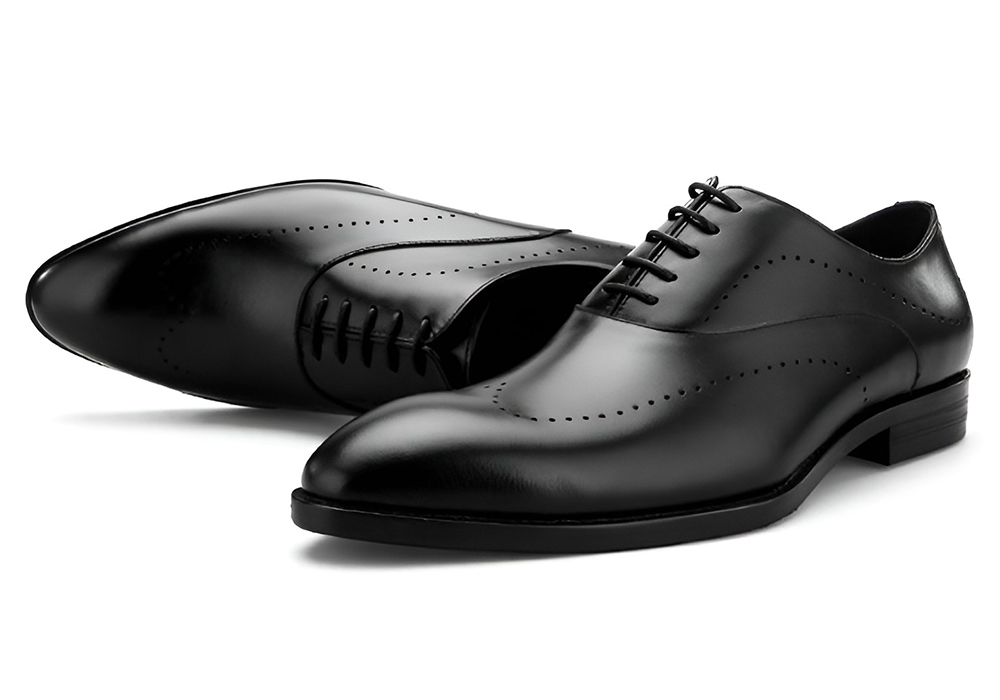
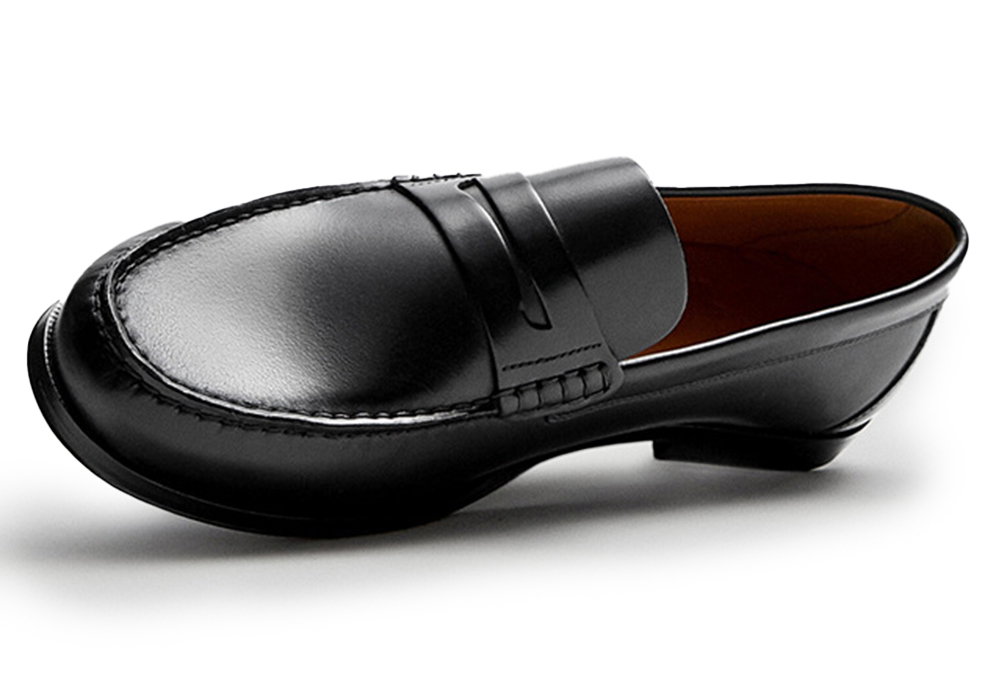
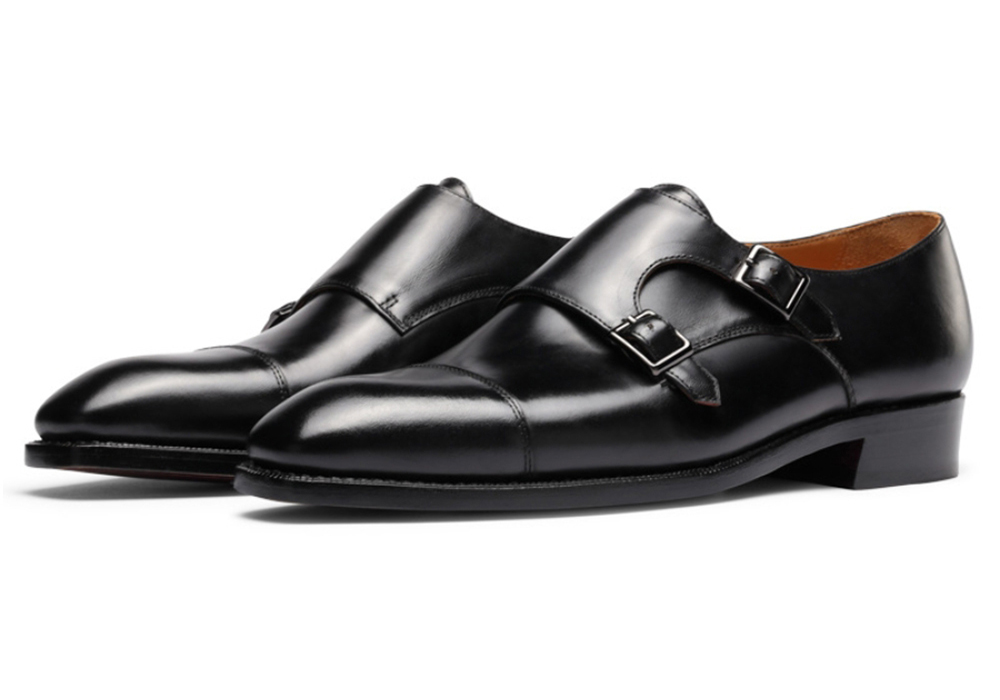
Wincheer Shoes Co., Ltd. (est. 2007) runs production lines in Jiangmen, Guangdong — roughly 1.5 hours from Guangzhou — with warehouses and showrooms in both Shanghai and Jiangmen, and visitors are welcome to tour the factory. Annual capacity is about 500,000 pairs across OEM and ODM programs for men’s leather dress shoes, including Oxfords, Derbies, loafers, monk straps, and Chelsea boots.
For Germany-focused buyers specifically, the relevant facts are: MOQ starts at 60 pairs for custom programs; CE, REACH (Azo dyes), RoHS, and EN ISO 20347 certifications are held; and first-sample rounds typically complete in 15–30 days. Our reputable Chinese shoe factories for US and EU markets guide covers the vetting criteria German procurement teams apply, and our top 10 shoe suppliers in Germany article maps the domestic German supplier landscape if you need in-country production instead.
Should you source from a German factory or a Chinese OEM?
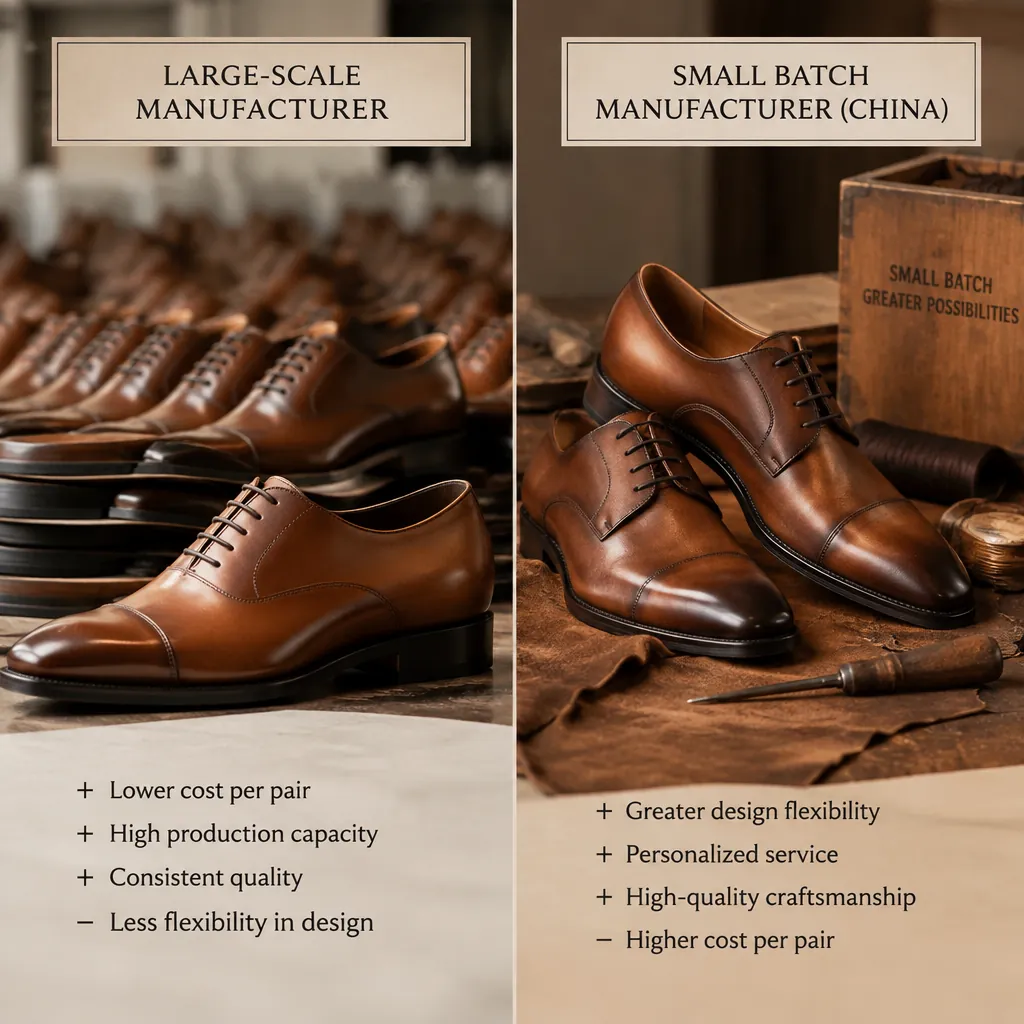
Choose a German factory when “Made in Germany” is itself the product feature — premium artisan lines, government-contract safety footwear, or brands whose marketing depends on domestic production. Choose a Chinese OEM when the brand sells design and quality at a mid-market price point. The numbers frame the decision:
| Factor | German factory | Chinese OEM (Jiangmen tier) |
|---|---|---|
| FOB cost, men’s leather dress shoe | EUR 60–90 equivalent | EUR 25–40 |
| Typical MOQ, custom program | Typically 300+ pairs | From 60 pairs |
| First-sample lead time | Usually longer | 15–30 days |
| “Made in Germany” story | Yes | No (brand story instead) |
A EUR 120–180 retail dress shoe leaves almost no margin if production happens in Germany; the same shoe produced in Jiangmen leaves room for retail margin, marketing, and duty.
The hybrid pattern is increasingly common: German brands keep last-making, grading, and finishing QC in-country while moving cut-and-close production to Chinese partners. If that hybrid describes your plan, start with our how to find a shoe manufacturer in China guide, or compare China vs Vietnam vs India vs Indonesia on cost, tariff, and capability.
FAQ: German Shoe Brands and B2B Sourcing
Which are the most famous German shoe brands?
Adidas and Birkenstock lead in global recognition. In dress and comfort footwear, Gabor, Rohde, Sioux, Hassia, and Lowa are the household names; Heinrich Dinkelacker and Zeha Berlin anchor the premium artisan segment.
Do German brands manufacture in China?
Many do, or work with Asian supply chains. “German brand” indicates ownership and design, not factory location. Mid-market brands source heavily from contract factories in Europe and Asia.
What certifications do German buyers check first?
REACH (Azo dyes) and CE where applicable come first, followed by EN ISO 20347 for occupational footwear and social-compliance audits. Documentation must be current and verifiable.
What MOQ should I expect when selling to German brands or retailers?
German mid-market buyers commonly test with a few hundred pairs per SKU. Suppliers quoting minimums around 60 pairs with volume tiers at 100/300/500 fit this buying pattern well.
Is the German shoe market growing?
Import volume is growing even while retail demand stays soft: Germany bought roughly 331 million pairs abroad in the first five months of 2025, up 17.2% in volume, with import value rising from EUR 4.7 to 5.6 billion. The growth is in imported sourcing share, not consumer spending.
Sources (retrieved 2026-09-15):
- Trading Economics / UN COMTRADE — Germany Imports of Footwear
- World Footwear — Domestic demand fuels modest growth for the German footwear industry
- Grand View Research — Footwear Market Size Report (grandviewresearch.com)
- World Footwear News — Birkenstock Q3 FY2026 results coverage
- Fortune Business Insights — Germany footwear market projection, 2026
Written by the Wincheer editorial team — men’s leather shoe OEM/ODM manufacturing since 2007. Last updated: September 2026.