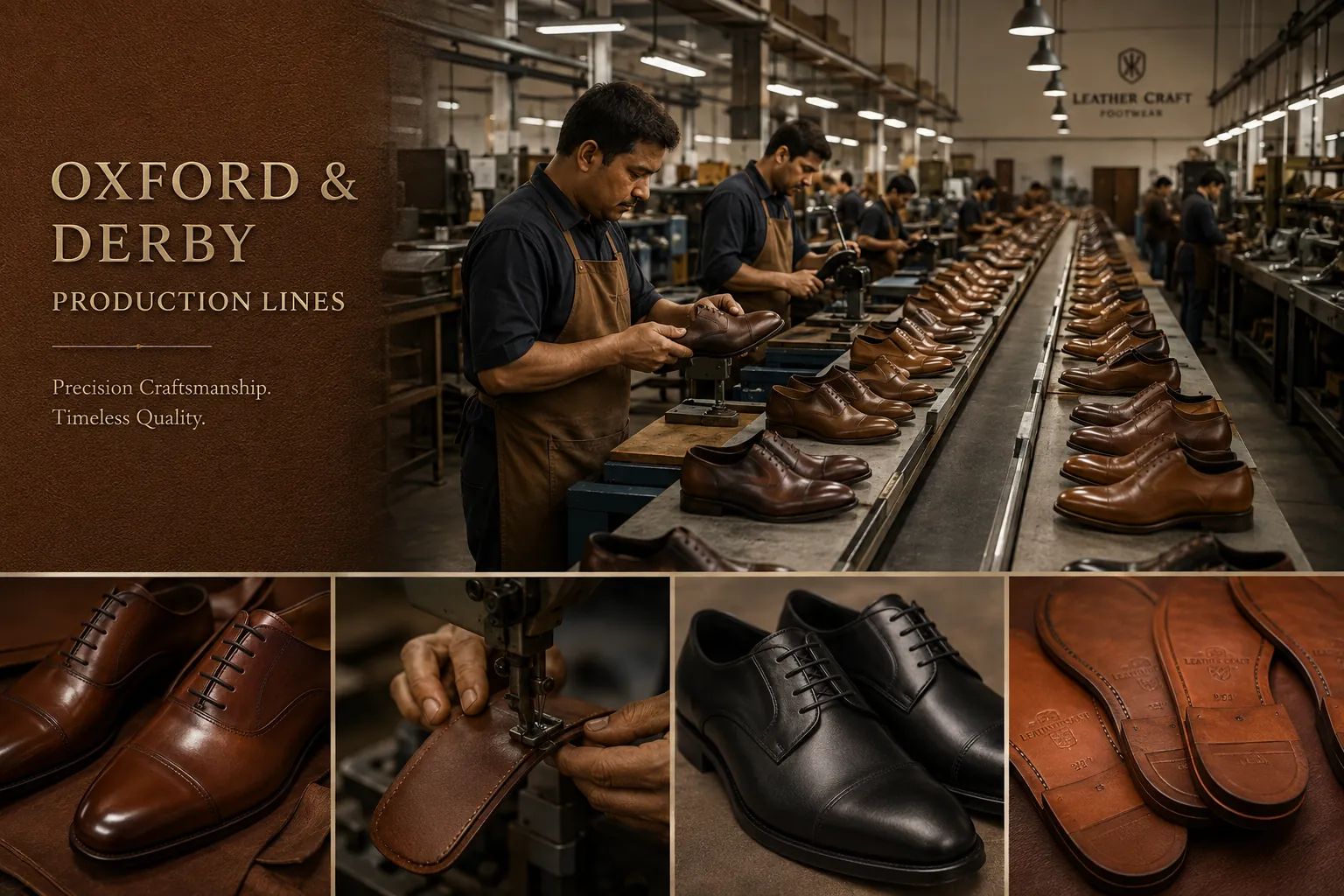
Quick Answer: The Chinese shoe factories that hold a good reputation with US and European buyers share four traits: they pass third-party audits (SGS, Bureau Veritas, TUV) without coaching, they hold current REACH and CE certification for the destination market, they can name the markets they ship to and show repeat-order history, and they answer technical questions from the factory floor rather than from a brochure. Most of these factories cluster in Guangdong for men’s leather dress shoes. This guide explains how reputation is actually built and verified, from the factory’s side of the table.
A buyer in Chicago or Hamburg who searches for a reputable shoe factory in China is not looking for a logo or a website theme. They are looking for evidence: proof that a factory can hold quality steady across hundreds of order cycles, clear customs without documentation drama, and still pick up the phone on the ninth email. Reputation in B2B footwear is earned in exactly three places: the audit report, the repeat order, and the buyer’s reference call. This guide breaks down what US and European buyers actually check, how the two markets differ, and which verification steps work before you wire a deposit.
The perspective here comes from running a men’s leather shoe factory in Jiangmen, Guangdong, since 2007 — we see first-hand how Western buyer audits are run and what they look for, and we know which questions separate serious buyers from tourist buyers.
What Does a Good Reputation Actually Mean for a Shoe Factory?
In consumer markets, reputation is a review score. In B2B footwear, it is a track record that answers four questions, and every serious buyer eventually asks all four:
- Can this factory hold quality across orders, not just on the sample? The golden sample is easy; order 4,000 pairs later, the stitching tolerance is what matters. Reputable factories run in-line QC during production plus a final AQL inspection before shipment. If you are new to inspection standards, our AQL footwear quality control guide explains the sampling tables buyers reference in contracts.
- Does the paperwork survive customs? A commercial invoice that mismatches the packing list, a missing certificate of origin, an REACH declaration that names the wrong legal entity — each of these can hold a container at port. Factories with a clean export record treat documentation as part of the product.
- Do they ship when they said they would? Repeat buyers tolerate a lot, but they do not tolerate silent delays. The factories that keep Western accounts for years communicate schedule slippage the day they discover it, not the week the container was due.
- Will they still answer after the deposit clears? Reputation shows most clearly in how a factory behaves between the 30% deposit and the 70% balance.
Which Signals Separate Reputable Factories from the Rest?
Run every candidate through the same five-signal check. Each signal is verifiable, which is what makes it useful:
Signal 1: Third-party audit reports they did not stage. Trusted factories welcome SGS, Bureau Veritas, or TUV audits and share recent reports. The tell is scope: a report that covers the actual production floor, with photos matching the machines you saw on the video call. Our guide to vetting a B2B leather shoe supplier lists the seven documents worth requesting first.
Signal 2: Market-specific certification, current and entity-correct. For Europe, REACH compliance (the EU chemicals regulation covering azo dyes and restricted substances in leather) is non-negotiable, and CE marking applies wherever the standard covers the shoe’s use case, such as occupational footwear under EN ISO 20347. For the US, buyers check country-of-origin labeling compliance and flammability and substance documentation. Critical detail: the certificate must name the factory’s legal entity. A certificate naming a different company is a trading-company fingerprint.
Signal 3: Export history they can describe without dodging. A factory does not need to name clients — reputable ones never will — but it should state plainly which markets it currently ships to, in what volumes, and through which ports. Vague answers about “worldwide markets” usually mean no concentrated repeat business.
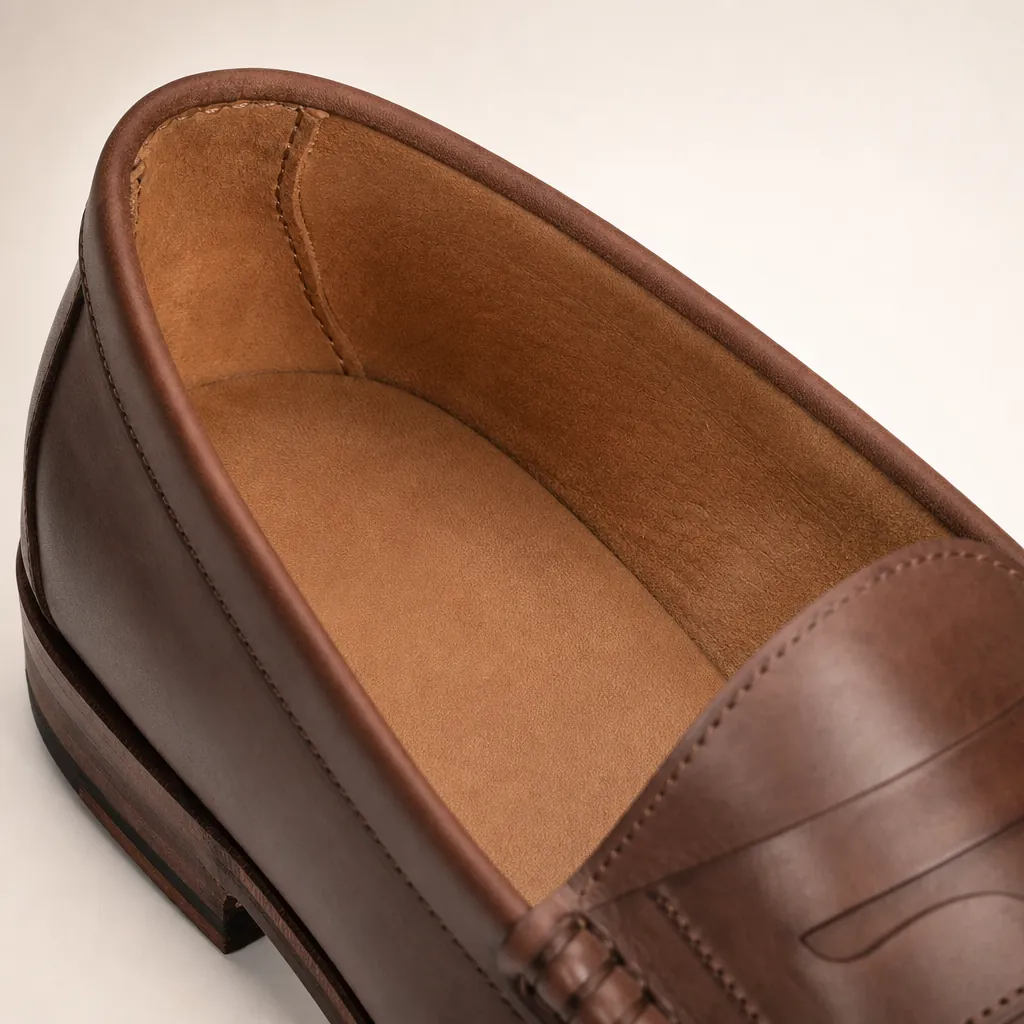
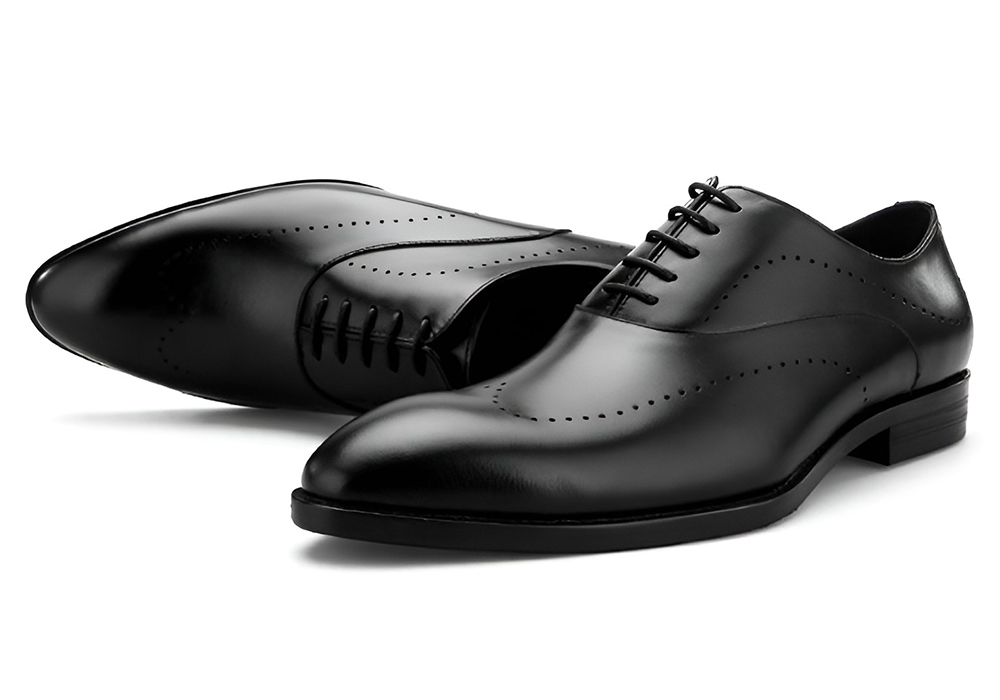
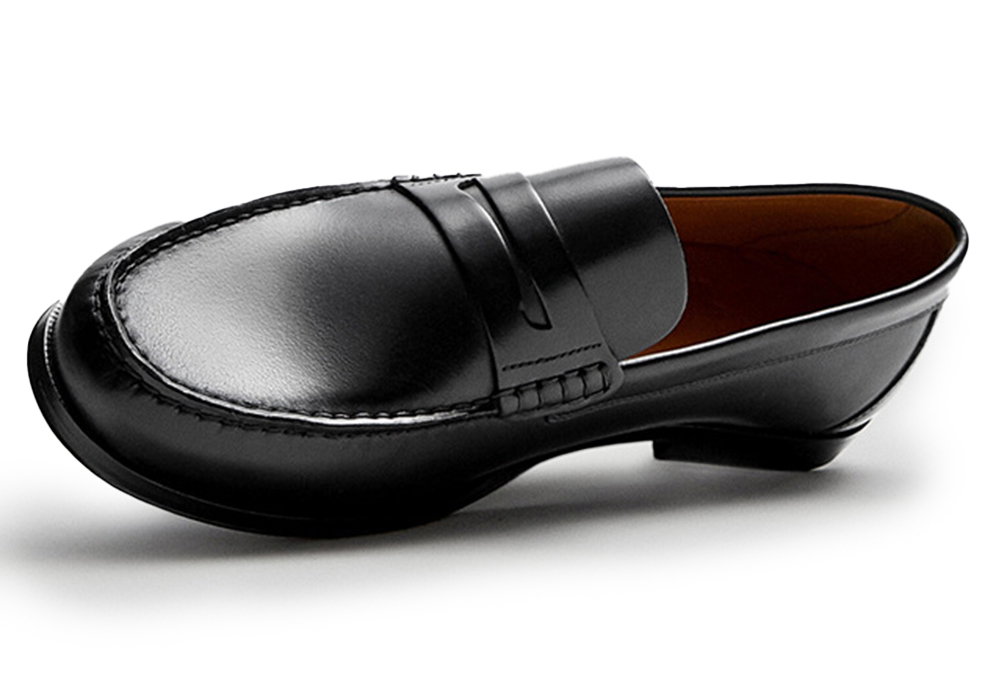
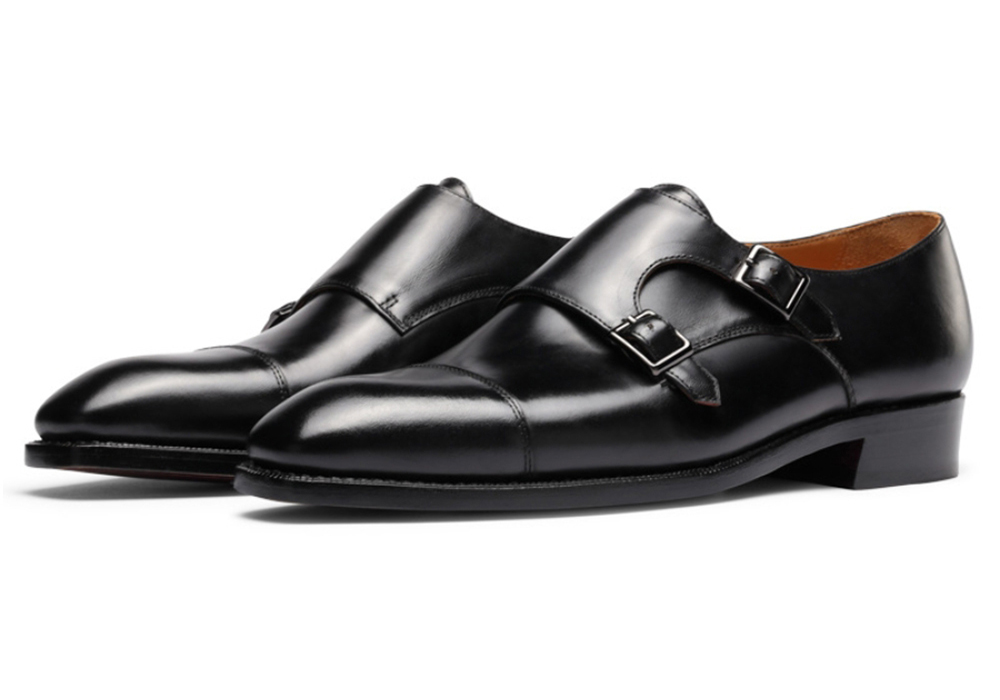
Signal 4: Category depth, not category breadth. A factory that makes men’s Oxfords, Derbies, loafers, monk straps, and Chelsea boots with its own lasting lines knows dress-shoe construction. A factory that lists sneakers, sandals, rain boots, and dress shoes equally well is likely assembling from subcontractors. Depth is where consistent quality lives, and it is why the major manufacturing hubs in China specialize by category in the first place.
Signal 5: Technical fluency on the first call. Ask about last selection, stitching density, or welt construction. A genuine manufacturer answers from the production floor — machines, cycle times, common defects. An intermediary answers with catalogues and lead-time promises. Our factory-direct vs trading company comparison lists the conversation tells in detail.
What Do US Buyers Check That European Buyers Don’t?
The two markets reward slightly different evidence, and factories that ship to both maintain parallel documentation:
| Dimension | US buyers emphasize | European buyers emphasize |
|---|---|---|
| Chemical compliance | Substance documentation, CPSIA where children’s sizes apply | REACH annex compliance, azo dye testing on leather uppers |
| Product standards | Country-of-origin marking accuracy | CE marking where applicable (e.g. EN ISO 20347 occupational footwear) |
| Commercial rhythm | Larger replenishment orders, EDI-style purchase orders | Smaller initial trials, seasonal collections |
| Communication | Directness on pricing and problem escalation | Formality, VAT-compliant invoicing |
One practical asymmetry: European buyers ask about REACH earlier in the conversation — often in the first email — because EU import enforcement puts the compliance burden on the importer of record. US buyers tend to verify chemical compliance later, at the testing stage, but scrutinize labeling and marketing claims against FTC business guidance and customs documentation harder. Factories with a genuine US and EU client base can produce both document sets without a scramble. If your US program competes with Southeast Asian quotes, our China vs Vietnam vs India vs Indonesia comparison covers the trade-offs buyers weigh.
How Can You Verify a Factory’s Reputation Before the First Order?
Verification works in layers, and each layer is cheap compared to the cost of a wrong factory:
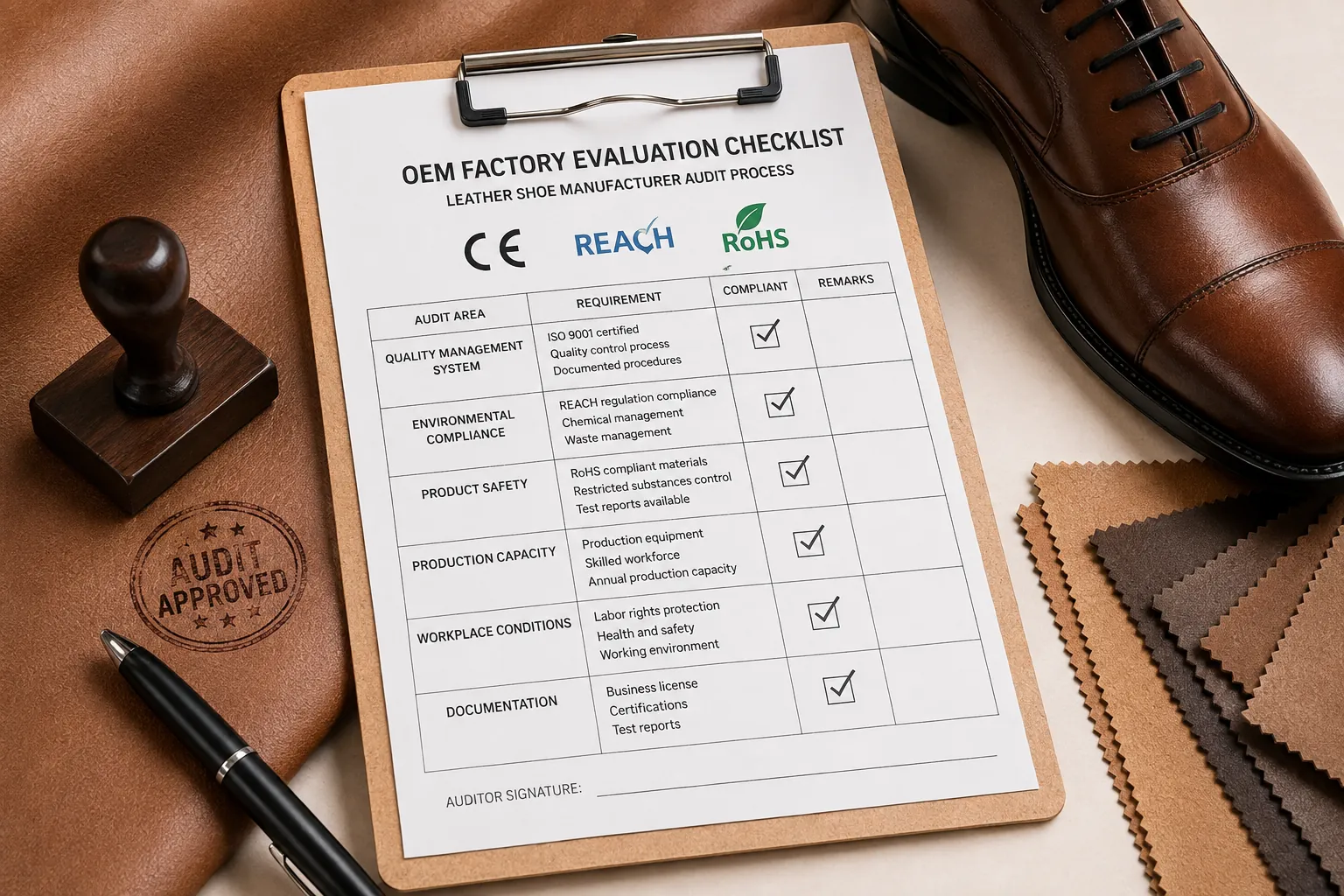
- Documents first. Business licence, export rights, REACH and CE certificates — check that entity names match across all of them. Our OEM factory evaluation checklist is a send-as-is document list.
- Live video walkthrough, one continuous take. Cutting, stitching, lasting, packing — in one visit, not four edited clips. Ask the host to zoom on a work-in-progress order’s labels; a real factory has orders in progress.
- A paid sample that mirrors your spec. Reputable factories quote for development samples and treat the process seriously; free-sample-only operations often monetize samples rather than orders. Expect 7 to 14 days for samples and 30 to 45 days for production in men’s leather footwear.
- A small first order with full inspection. A low minimum order quantity is a legitimate tool here, not a red flag: at WinCheer, for example, standard production starts at 60 pairs per style, and single-pair samples are supported — a first order small enough to inspect 100% before committing to scale. Independent testing through an accredited body such as SATRA adds an outside verdict on construction and materials.
- A reference conversation the factory arranges. Some long-standing factories will arrange a call with a non-competing client in your region. It is a strong positive signal when offered, and a neutral signal when declined — client confidentiality is also professionalism.
Why Do Reputable Chinese Factories Keep Western Clients for Years?
Margins in footwear manufacturing are not wide enough for any factory to survive on first orders alone, so the durable reputations are built on repeat-order economics. Three habits separate the factories that keep Western accounts for years from those that churn through one-order buyers:
They price for the relationship, not the transaction. A factory quoting bottom-of-market on the first order and adding costs at the 70% balance stage destroys trust in one shipment. Stable pricing across order cycles is itself a reputation signal.
They fix problems before being asked. When a stitching defect appears in-line, the reputable factory re-cuts the panel and ships the replacement in the same container, then reports it. The alternative — hoping the buyer’s inspection misses it — ends the relationship the day it is discovered.
They invest in the destination market’s compliance cycle. REACH restricted-substances lists are updated regularly, and occupational footwear standards revise on multi-year cycles. Factories serving Europe re-test leather batches against the current annexes each season. The European Commission’s REACH framework is the reference document serious factories track. Compliance maintenance is invisible when done well, which is exactly why it separates durable reputations from lucky first shipments.
The factories that do these three things are also, not coincidentally, the ones that survive buyer consolidations, tariff cycles, and freight disruptions without losing their accounts.
FAQ
How do I find a reputable shoe factory in China as a first-time buyer?
Start with category-matched clusters — men’s leather dress shoes concentrate in Guangdong — then run the five-signal check: unstaged third-party audits, current market-specific certificates in the factory’s own legal name, a describable export history, category depth, and technical fluency on the first call. Verify with a live video walkthrough and a small inspected first order before scaling.
What is the most common mistake buyers make when judging a factory’s reputation?
Trusting the golden sample and the website instead of the paperwork chain. A beautiful sample with a mismatched certificate entity name behind it is a trading company with a camera crew. Documents first, video second, sample third.
Do good Chinese shoe factories work with small order quantities?
The reliable ones increasingly do, because small first orders are how careful buyers start. Flexible MOQs — for example, 60 pairs per style for production and single-pair samples — let a buyer inspect the full first batch before committing to volume. Factories that refuse any small entry point usually depend on volume to hide inconsistency.
How long does it take to verify a factory before ordering?
A focused verification cycle takes two to four weeks: document exchange in week one, video walkthrough and quotation in week two, samples in weeks two to four. Factories that stretch this cycle with excuses are telling you how they will handle production delays.
WinCheer Shoes Co., Ltd. is a men’s leather shoe manufacturer in Jiangmen, Guangdong, operating since 2007, with warehouses and showrooms in Shanghai and Jiangmen. The company holds CE, REACH, RoHS, and EN ISO 20347 certification and supports small trial orders for first-time buyers. Visitors are warmly welcome to tour the production lines.