
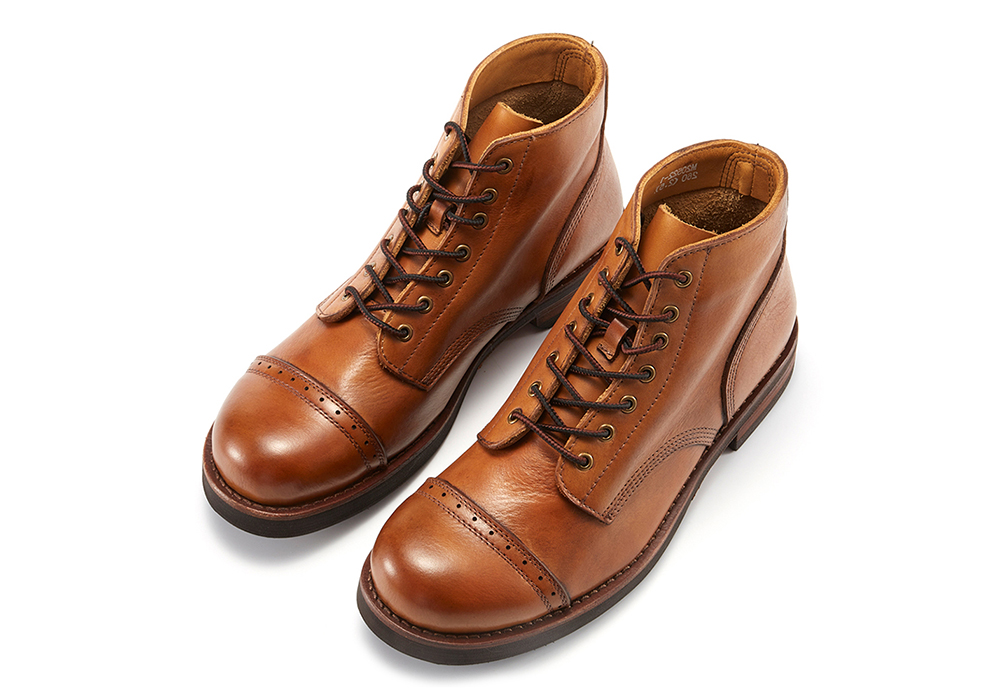
Quick Answer: A footwear tech pack is the structured specification document that tells a shoe factory exactly what to build: technical sketches, material specs with tolerances, construction method, last and sizing data, packaging, and QC requirements. A complete shoe specification sheet prevents wrong-material samples and missed sizing, cutting typical development from 2–3 sample rounds down to fewer.
A poorly written shoe specification sheet costs more than you think. Rejected samples, wrong materials, missed sizing — every factory miscommunication translates directly into wasted time and money. A footwear tech pack is the single document that eliminates that ambiguity.
This guide walks you through every component, every common mistake, and a step-by-step framework for building a spec sheet your factory can actually execute on.
As a manufacturer producing 500,000+ pairs annually with a 0.8–1.2% recorded defect rate, Wincheer Shoes — founded in 2007 and certified to CE (EN ISO 20347), REACH, and RoHS — treats the specification document as the primary reference during every inline inspection. The frameworks below reflect what actually moves a spec from “received” to “approved for production” on the factory side.
Table of Contents
- What Is a Footwear Tech Pack?
- Why Do Tech Packs Prevent Costly Mistakes?
- What Are the Essential Components of a Shoe Tech Pack?
- How Do You Create a Footwear Tech Pack Step by Step?
- Which Tech Pack Mistakes Trigger Extra Sample Rounds?
- What Should a Footwear Tech Pack Template Outline Include?
- How Can AI Tools Assist Tech Pack Creation in 2026?
- FAQ
- Ready to Start Your Shoe Line?
What Is a Footwear Tech Pack?
A footwear tech pack (technical package) is a structured document that communicates every design, material, construction, and quality detail of a shoe to a manufacturer. Think of it as the blueprint between your brand’s vision and the factory floor.
Without a tech pack, you’re relying on verbal descriptions, mood boards, and guesswork. With one, you have a version-controlled document that every stakeholder — designer, sourcing manager, factory QC team — can work from simultaneously.
The term originates from apparel manufacturing but has become standard practice in footwear, especially as brands source globally across multiple factories and time zones.
Why Do Tech Packs Prevent Costly Mistakes?
Every undocumented detail becomes a factory judgment call. The production team will fill the gap with what they normally do — which is rarely what you intended, and each wrong call pushes the order into another sample round.
First-hand evidence (internal QC records): On our OEM lines, styles that arrive with a complete six-component tech pack typically converge within 2–3 sample rounds. Styles that arrive with reference photos only almost always need extra rounds, because material thickness, sole hardness, and construction method each get re-litigated separately. Our recorded defect band across bulk orders is 0.8–1.2% — the specification document, not post-hoc inspection, is what holds that number down.
The math is simple: each additional sample round costs weeks of calendar time in courier loops and re-work, and pushes your launch date back accordingly. A complete footwear tech pack is how you avoid paying that cost before production even begins.
What Are the Essential Components of a Shoe Tech Pack?
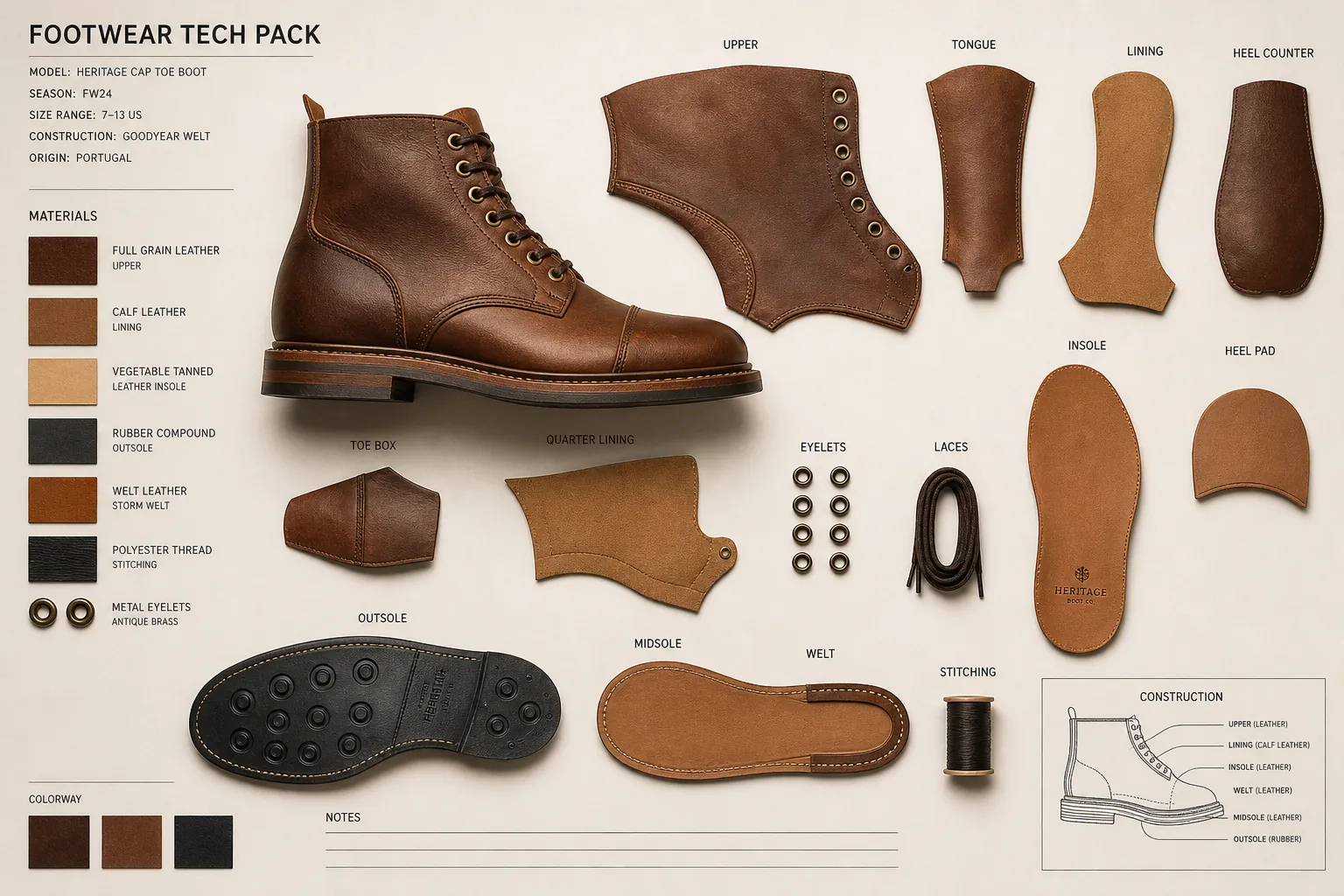
A complete shoe specification sheet covers six core areas. Missing any one of them creates a gap the factory will fill with its own judgment.
1. Cover Page & Version Control
- Brand name, season/collection, style name, style number
- Document version (V1, V2, etc.) and date
- Designer/contact name and email
- Factory name and assigned technician
Version control is non-negotiable. Factories receive dozens of spec updates. Without clear versioning, production runs on outdated documents.
2. Technical Sketches & Colorways
Include orthographic views: front, side (medial and lateral), back, top-down, and sole bottom. Each view should be clean line art — not rendered illustrations — so proportions are accurate.
For each colorway, label every zone with a specific color code (Pantone, RAL, or hex). Never use descriptive names like “warm brown” without a reference code attached.
3. Materials Specification
This is where most spec sheets fall short. For each component, define:
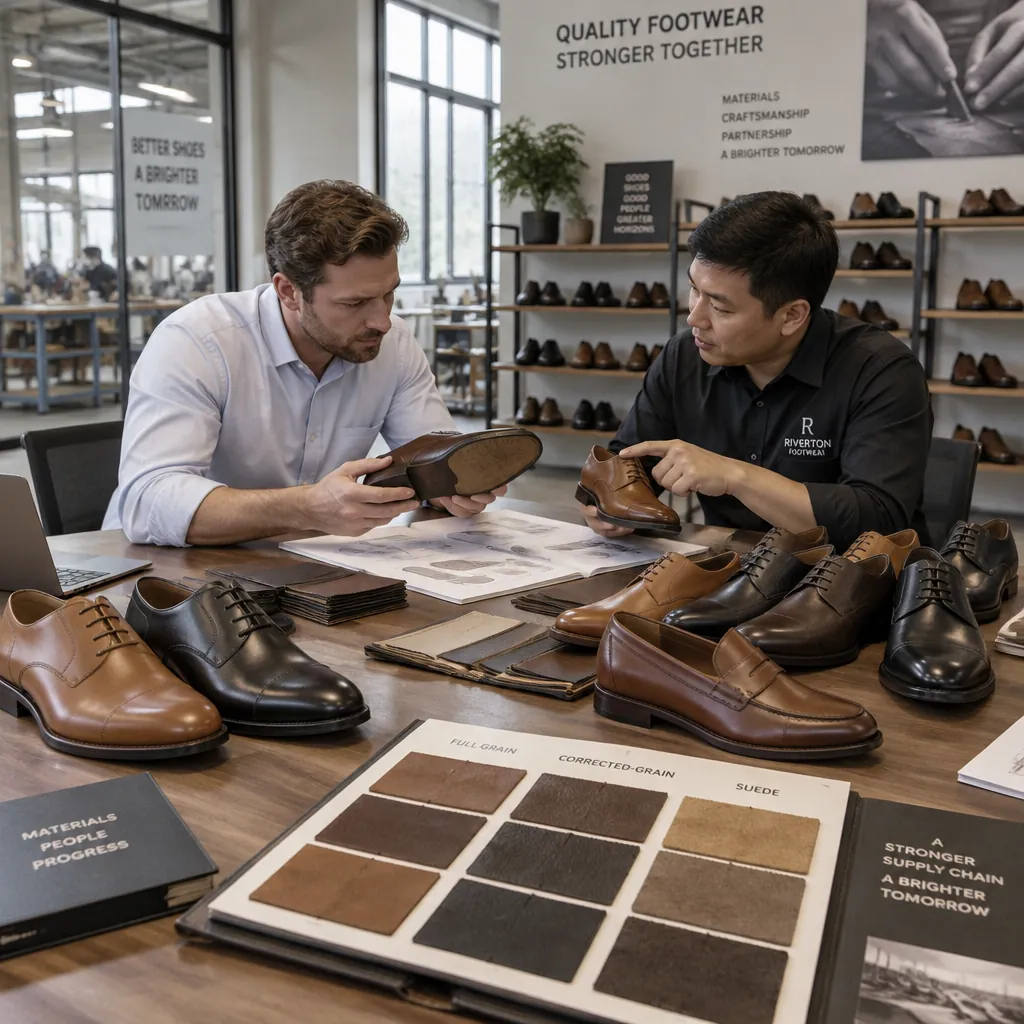
- Upper material: leather type (full-grain, top-grain, corrected-grain), tannage (chrome vs. vegetable), thickness in mm, finish (matte, semi-gloss, burnished)
- Lining: leather, synthetic, or textile; breathability requirements
- Insole: EVA density, leather cover, thickness
- Outsole: rubber compound (TPR, TR, natural rubber), hardness (Shore A), tread pattern reference
- Hardware: buckle/eyelet material, finish, corrosion resistance standard
For buyers targeting EU markets, material declarations must align with the REACH Regulation (EC) No 1907/2006 to ensure restricted substances — including azo dyes — are excluded from the supply chain.
4. Construction Details
Specify the joining method for every major bond point:
| Construction Method | Best For | Durability | Relative Cost |
|---|---|---|---|
| Goodyear Welt | Dress shoes, boots | Very High | $$$$ |
| Blake Stitch | Dress shoes, loafers | High | $$$ |
| Cemented (Glued) | Casual, fashion | Medium | $$ |
| Injection Molded | Casual, athletic | Medium-High | $$-$$$ |
| Strobel | Lightweight casual | Medium | $$ |
Define stitch count per inch (SPI) for visible stitching, thread type (nylon, polyester, waxed cotton), and thread color with a Pantone reference. For a deeper comparison of how each method affects cost, durability, and repairability, see our complete shoe construction comparison.
5. Sizing & Last Specifications
- Size run: list every size in the order (e.g., EU 39–46, US 6–12)
- Last code or reference: if using a factory last, specify the code; if supplying your own, include a 3D file format (IGES, STL, or OBJ)
- Toe shape: round, almond, square, chisel — include a reference image
- Heel height in mm
- Width fitting: standard (D), wide (2E), narrow (C)
6. Packaging & Labeling
Define box dimensions, inner tissue paper color, shoelace packaging (tied or bagged), hang tag placement, and barcode format. This section is frequently omitted and then causes delays at the warehouse receiving stage. For export-grade packaging standards, see our B2B shoe packaging and branding guide.
How Do You Create a Footwear Tech Pack Step by Step?
Step 1 — Define Your Style Category
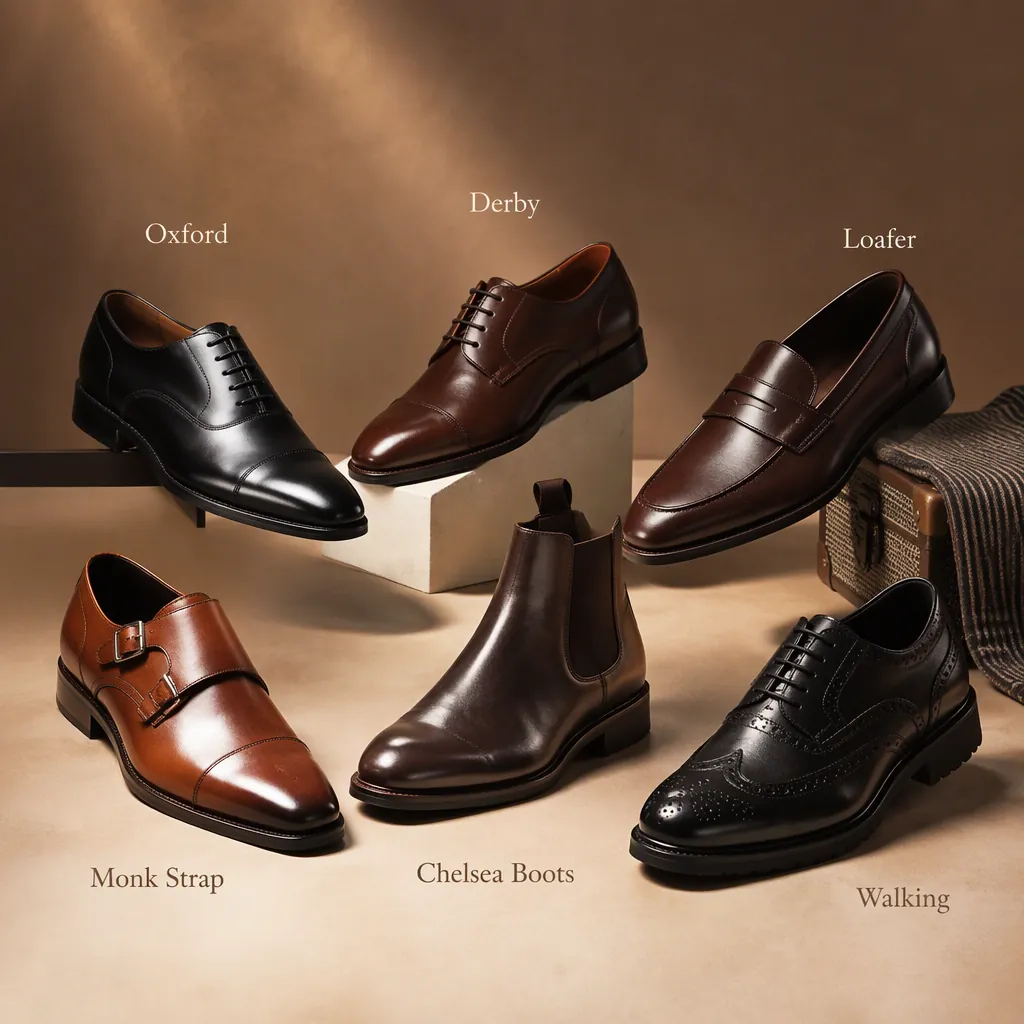
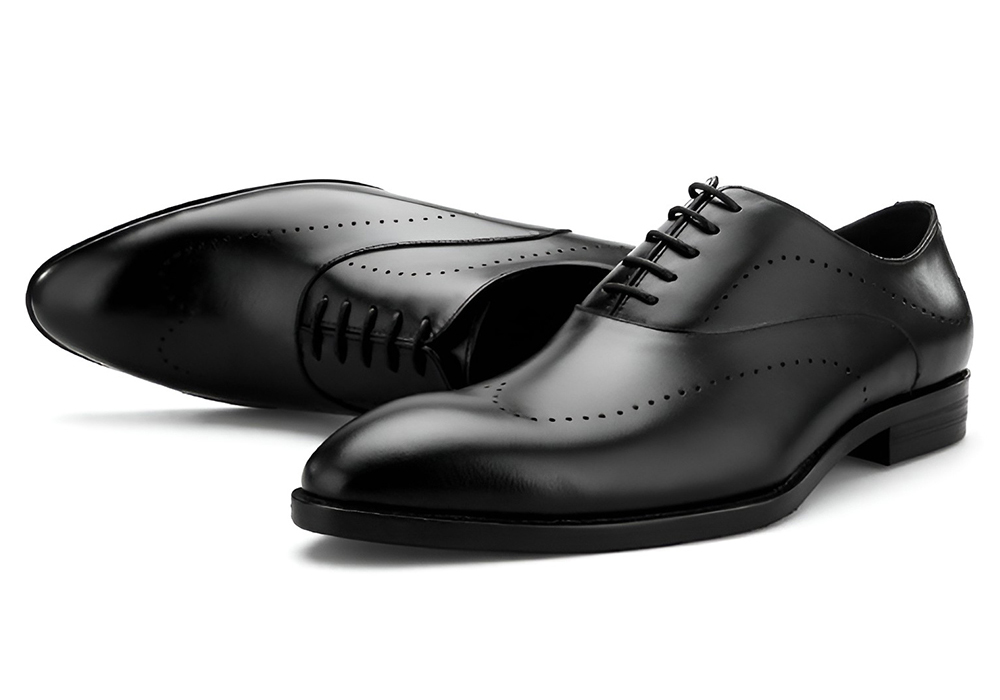
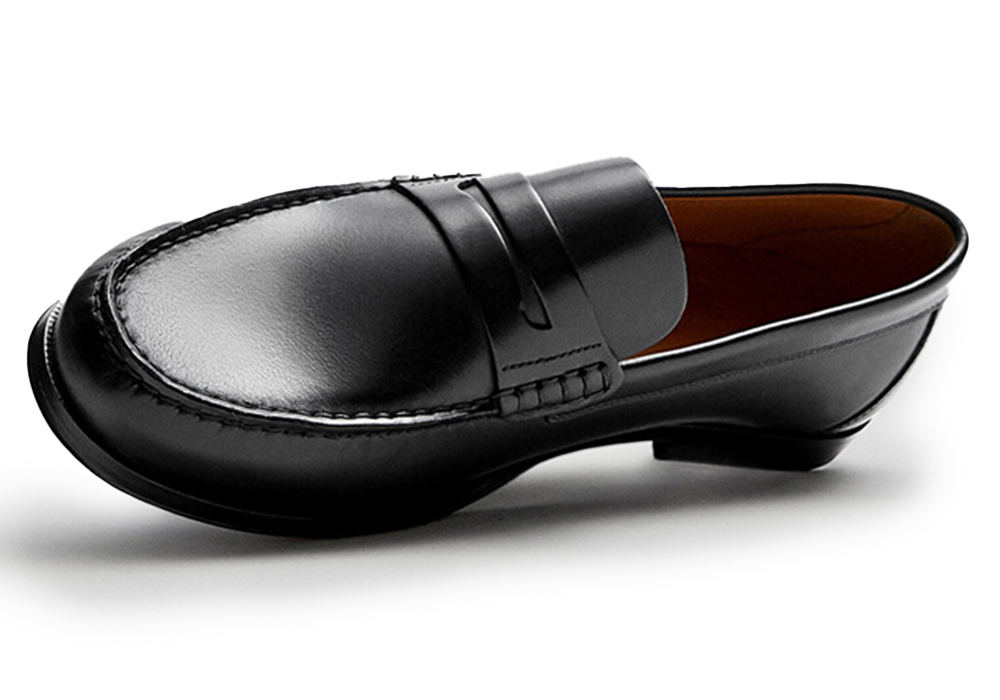
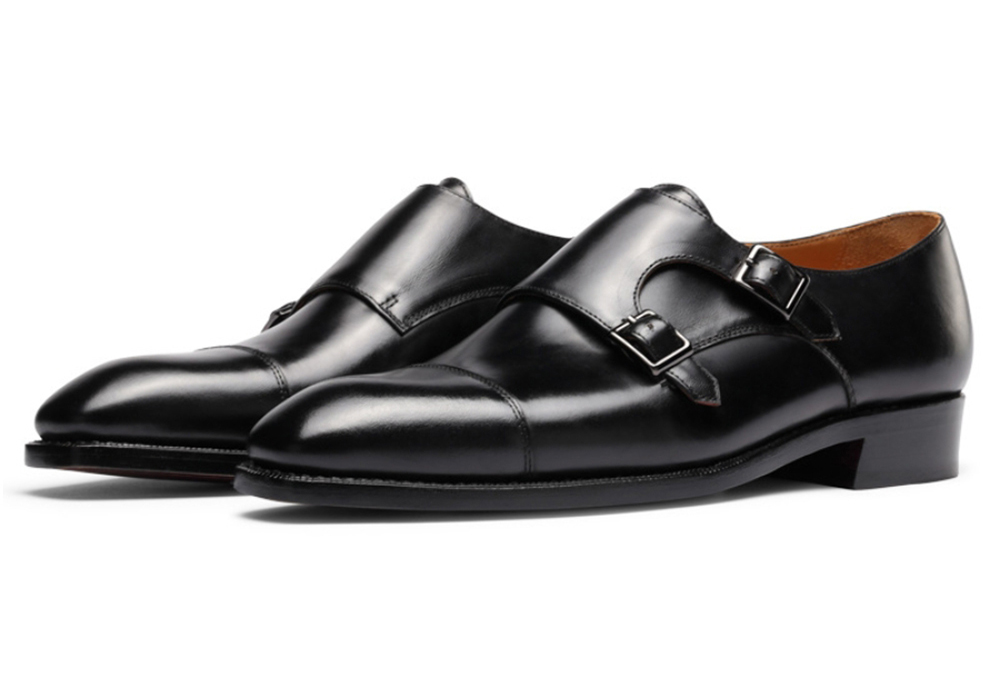
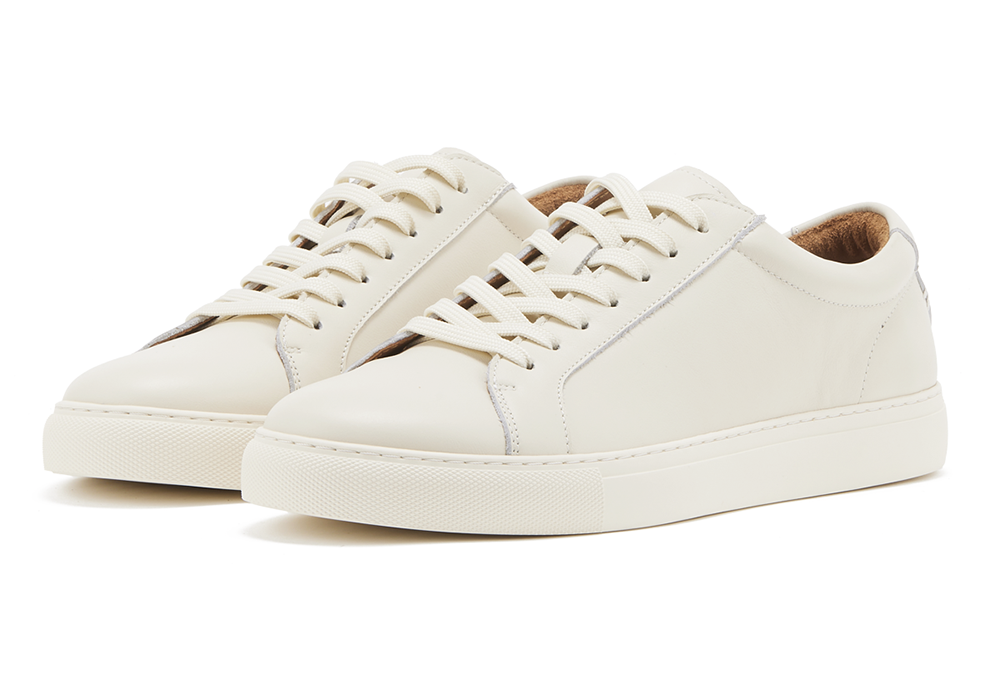
Before opening any template, confirm the shoe category: Oxford, Derby, Loafer, Monk Strap, Chelsea Boot, or casual walking shoe. Each category has different construction norms, last shapes, and hardware expectations. Your spec language needs to match the category — our men’s dress shoe styles comparison covers the category-specific terminology before you write your spec.
Step 2 — Gather Reference Materials
Collect: competitor samples, reference photos (minimum 4 angles), material swatches, and any existing brand guidelines (logo files, color palette). Physical swatches are always more reliable than digital images for color matching.
Step 3 — Create Technical Line Drawings
Use Adobe Illustrator, CorelDRAW, or a dedicated footwear CAD tool (Shoemaster, Lectra Modaris for footwear). If you don’t have CAD capability, a clean hand sketch scanned at 300 DPI is acceptable for initial factory communication — just be explicit that it’s a reference sketch, not a production-ready file.
Step 4 — Complete the Materials Matrix
Build a table listing every component, the specified material, the supplier or standard reference, and the acceptable substitute (if any). Define what “acceptable” means: same thickness ±0.1mm, same tannage, same finish category. If you’re still deciding between sourcing models at this stage, our OEM vs ODM comparison explains who owns the spec in each model.
Step 5 — Define Construction Tolerances
Specify tolerances for every measurable dimension:
- Overall length: ±2mm
- Heel height: ±1mm
- Toe box width at widest point: ±1.5mm
- Stitch count: ±1 SPI
Factories work within tolerances. If you don’t define them, they’ll apply their own — which may not match your quality expectations.
Step 6 — Add QC Checkpoints
Embed your quality control requirements directly into the tech pack. Reference the inspection framework you expect the factory to follow — our leather shoe quality inspection guide covers AQL sampling levels (typically AQL 2.5 for general defects, AQL 1.0 for critical), inspection stages (pre-production, inline, final), and who bears the cost of re-inspection after a failed audit. Many buyers also appoint third-party inspectors such as SGS pre-shipment inspection as an independent checkpoint before goods leave the factory.
Step 7 — Version, Date, and Distribute
Save as PDF (not editable Word or AI files). Name files with a consistent convention: BRANDNAME_STYLECODE_V01_YYYYMMDD.pdf. Send to the factory with a confirmation request — get written acknowledgment that they’ve received and reviewed the document. Clear payment and delivery terms should travel with the spec; our FOB pricing and Incoterms guide explains how shipping terms change what the factory is responsible for.
Which Tech Pack Mistakes Trigger Extra Sample Rounds?
Checklist: 10 Tech Pack Errors That Kill Sample Rounds
- [ ] Using color names without Pantone/RAL codes
- [ ] Omitting leather thickness specification
- [ ] No version number on the document
- [ ] Specifying construction method without stitch count
- [ ] Missing sole hardness (Shore A value)
- [ ] No tolerance ranges on measurements
- [ ] Packaging section left blank
- [ ] Using rendered illustrations instead of technical line drawings
- [ ] No AQL level specified
- [ ] Sending editable files instead of locked PDFs
Each item on this list represents a real factory interpretation gap. The factory will make a decision — it just won’t be your decision.
For a deeper look at what separates reliable manufacturers from problematic ones, the red flags checklist for sourcing leather shoes from China is worth reviewing before you send your first spec.
What Should a Footwear Tech Pack Template Outline Include?
Use this structure as your master template. Each section heading becomes a tab or page in your document.
FOOTWEAR TECH PACK — MASTER TEMPLATE

PAGE 1: Cover Sheet
  - Brand | Style Name | Style Number | Season
  - Version | Date | Designer Contact | Factory Contact

PAGE 2: Technical Sketches
  - Front view | Side (medial) | Side (lateral) | Back | Top | Sole

PAGE 3: Colorway Matrix
  - Colorway name | Zone map | Pantone/RAL codes per zone

PAGE 4: Materials Specification
  - Component | Material | Standard/Supplier | Thickness | Finish | Substitute

PAGE 5: Construction Details
  - Method | Stitch spec | Adhesive spec | Hardware spec

PAGE 6: Last & Sizing
  - Last code | Size run | Toe shape | Heel height | Width fitting

PAGE 7: Sole Specification
  - Outsole material | Hardness (Shore A) | Tread pattern ref | Color

PAGE 8: Lining & Insole
  - Material | Thickness | Breathability | Cushioning spec

PAGE 9: Packaging & Labeling
  - Box spec | Tissue | Hang tag | Barcode | Shoelace pack

PAGE 10: QC Requirements
  - AQL level | Inspection stages | Defect classification | Re-inspection terms

PAGE 11: Revision Log
  - Version | Date | Changed by | Summary of changes
This 11-page structure covers every factory communication need from initial sampling through bulk production. For buyers working through the full sourcing journey, our shoe manufacturer guide maps where the tech pack sits relative to factory evaluation, sampling, and order placement.
How Can AI Tools Assist Tech Pack Creation in 2026?
AI-assisted design tools have changed how brands approach footwear tech pack creation, particularly for smaller labels without in-house technical designers.
What AI Tools Do Well
Sketch-to-spec conversion: AI image tools and dedicated PLM platforms now convert reference photos into structured line drawings with component zone mapping. This compresses the sketch-to-spec timeline for standard silhouettes from days to hours.
Material database matching: PLM systems such as Centric Software PLM and Backbone PLM can cross-reference your material descriptions against supplier databases and flag compliance risks — including REACH-restricted substances — before the spec is finalized. This is particularly valuable for brands targeting EU markets.
Tolerance auto-population: Based on the construction method selected, newer tools auto-populate standard tolerance ranges for each dimension. You still need to review and adjust, but the baseline is generated instantly.
What AI Tools Cannot Replace
AI cannot replace physical sample review. No algorithm accurately predicts how a specific leather batch will behave during lasting, or how a particular rubber compound will feel underfoot at different temperatures.
AI also cannot negotiate. When a factory pushes back on a material specification because their preferred supplier doesn’t carry it, you need a human who understands the supply chain to evaluate the substitute.
Industry bodies such as SATRA publish construction and testing guidance that remains essential reading for anyone using AI tools to generate construction specs — the tool is only as good as the knowledge you bring to reviewing its output.
Recommended AI-Assisted Workflow (2026)
- Use an AI sketch tool to generate initial line drawings from reference photos
- Run the material list through a PLM compliance checker
- Export the AI-generated draft spec to your master template
- Human review: check tolerances, verify construction method, confirm packaging
- Send V1 to the factory with an explicit request for written acknowledgment
The AI handles the repetitive structural work. The technical judgment — material substitutions, construction trade-offs, QC thresholds — stays with the person who understands the product.
FAQ
Q: How long does it take to create a complete footwear tech pack from scratch?
A: For an experienced technical designer, a complete footwear tech pack for a standard dress shoe takes 8–16 hours. For a brand new to the process using a template, expect 2–3 days for the first style, dropping to 4–6 hours per style once you have a working template and material library established.
Q: Can I send a tech pack to multiple factories simultaneously?
A: Yes, and it’s standard practice during factory evaluation. A well-structured footwear tech pack actually makes competitive quoting more accurate because every factory is pricing the same specification. Just ensure your document is locked as a PDF and includes your brand’s IP notice if the design is proprietary.
Q: What’s the difference between a tech pack and a sample approval sheet?
A: A tech pack is the input document — it tells the factory what to make. A sample approval sheet is the output document — it records what was made and whether it meets spec. The sample approval sheet references the tech pack version number and documents deviations. Both are required for a complete production paper trail.
Q: Do factories charge extra to work from a detailed tech pack?
A: No — the opposite is true. Factories prefer detailed specs because it reduces their sampling risk. A vague brief means more sample rounds, which costs the factory time too. Most established manufacturers will quote faster and more accurately when given a complete footwear tech pack upfront.
Q: What file format should I use for my footwear tech pack?
A: Always distribute as a locked PDF. Keep the working file in your design software (Illustrator, CAD) internally, but the version that travels to the factory should be a flattened PDF with version numbers in the filename. Editable files invite unauthorized “small fixes” that cascade into production discrepancies.
Ready to Start Your Shoe Line?
Getting the specification right is the difference between a smooth first production run and weeks of sample-round ping-pong. Wincheer Shoes has worked with private label brands, retail chains, and cross-border sellers since 2007 — custom OEM/ODM from 60 pairs per style, defect rate held at 0.8–1.2%.
If you have a spec sheet ready, request a quote with your tech pack and target quantity, and our team will come back with a line-item cost breakdown. If you’re still early, our low MOQ leather shoe manufacturing overview explains what’s realistic at small order quantities. Visitors are always welcome to tour the production lines in Jiangmen, Guangdong — about 1.5 hours from Guangzhou — with warehouses and showrooms in both Shanghai and Jiangmen.
Sources
- European Commission — REACH Regulation overview: https://environment.ec.europa.eu/topics/chemicals/reach-regulation_en (retrieved 2026-11-04)
- SGS — Pre-shipment inspection services: https://www.sgs.com/en/services/pre-shipment-inspections (retrieved 2026-11-04)
- Wincheer Shoes — internal QC inspection records and sampling logs (spec-to-approval round counts, defect rate bands, tolerance standards)