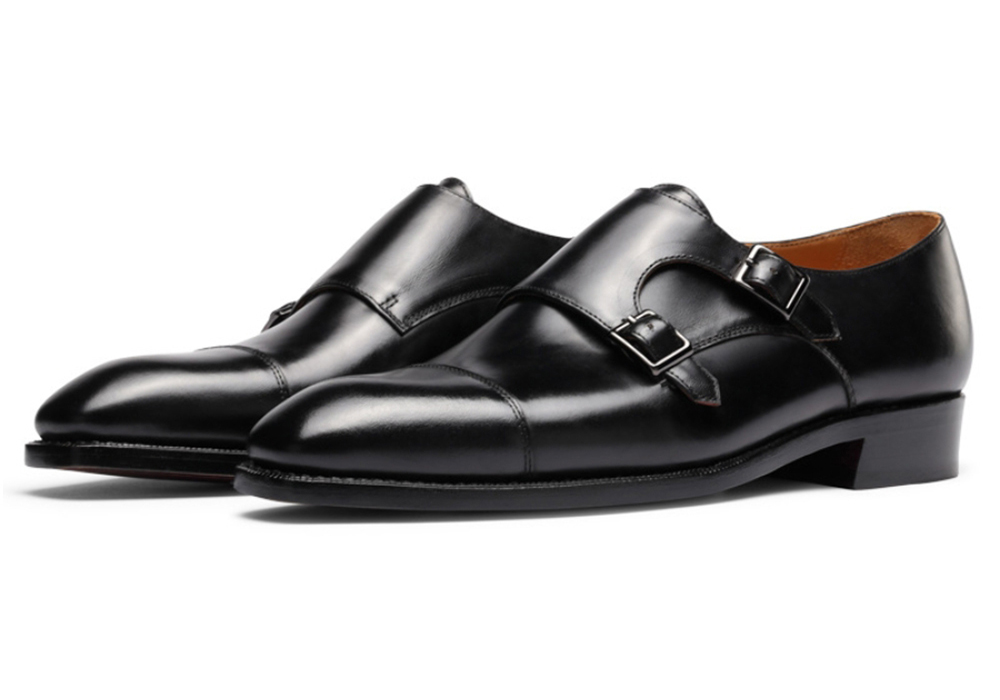
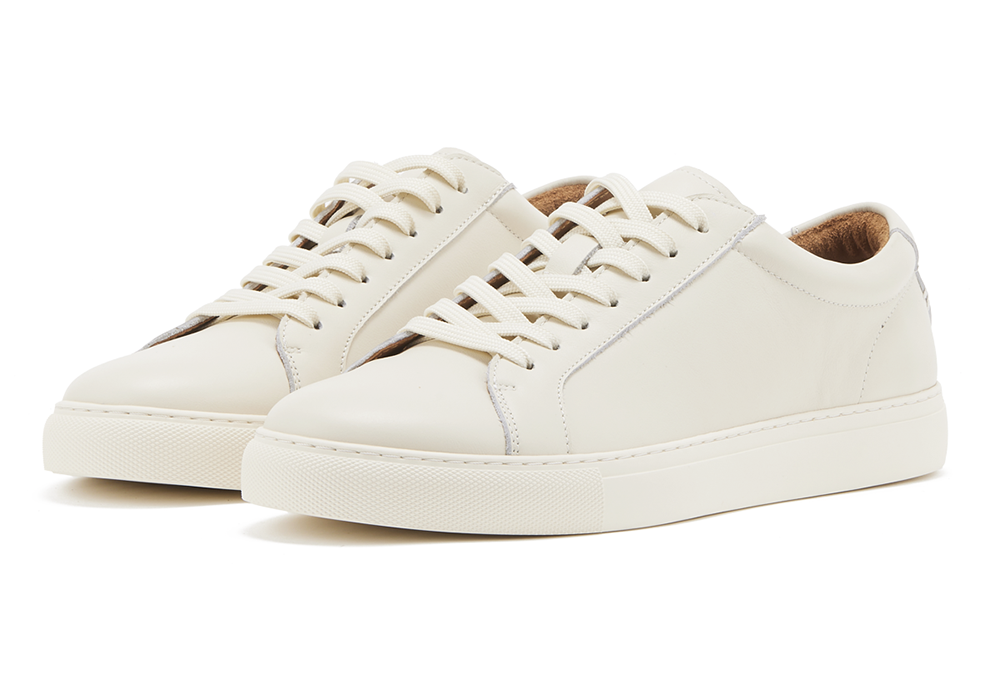
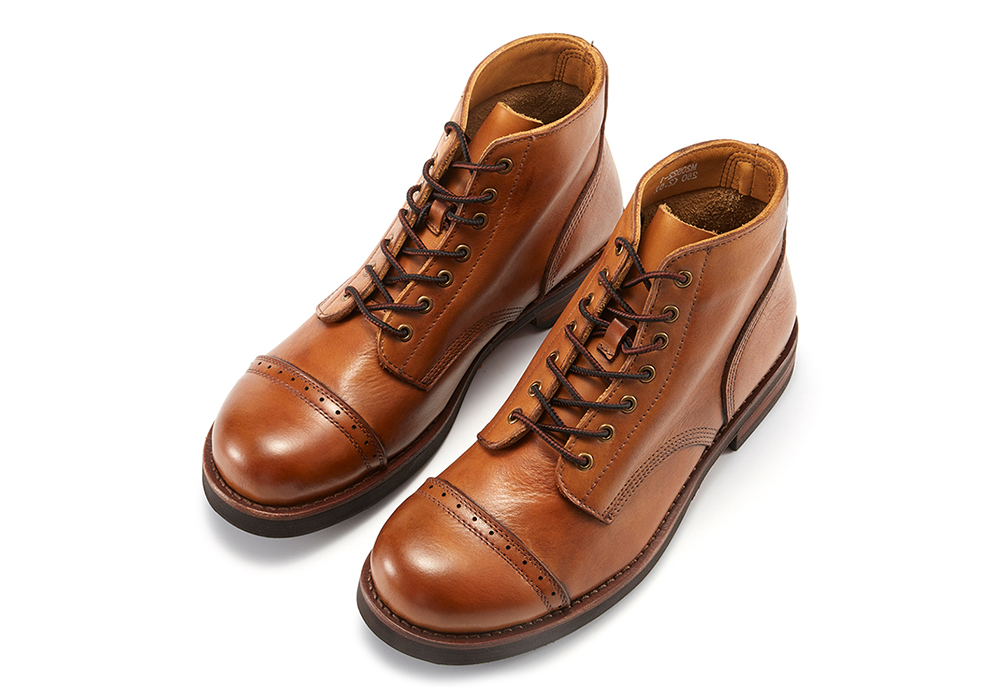
When buyers ask about Blake stitch vs Goodyear welt, they usually want one answer fast: which construction is better? The honest answer is — it depends on your price point, target market, and how much your end customer values repairability. All three methods — Blake stitch, Goodyear welt, and cemented — have legitimate roles in a well-planned product line. This guide breaks down each construction method with the technical depth B2B buyers and private label brands need to make the right sourcing decision in 2026.
Blake Stitch Vs Goodyear Welt Vs Cemented The Complete Shoe: Table of Contents
- What Is Shoe Construction and Why Does It Matter?
- Blake Stitch vs Goodyear Welt: Core Technical Differences
- Cemented Construction: The Third Option
- Full Comparison Table: Blake Stitch vs Goodyear Welt vs Cemented
- Which Construction Is Right for Your Product Line?
- B2B Buyer Decision Checklist
- FAQ
- Ready to Start Your Shoe Line?
What Is Shoe Construction and Why Does It Matter?
Shoe construction refers to the method used to attach the upper (the leather part that wraps the foot) to the outsole (the bottom of the shoe). It is one of the most consequential decisions in product development — affecting cost, durability, water resistance, repairability, and perceived quality.
For B2B buyers and private label brands, construction method directly impacts your landed cost, your return rate, and your brand positioning. A $28 cemented shoe and a $38 Goodyear welted shoe can look identical in a product photo but perform very differently over 12 months of wear.
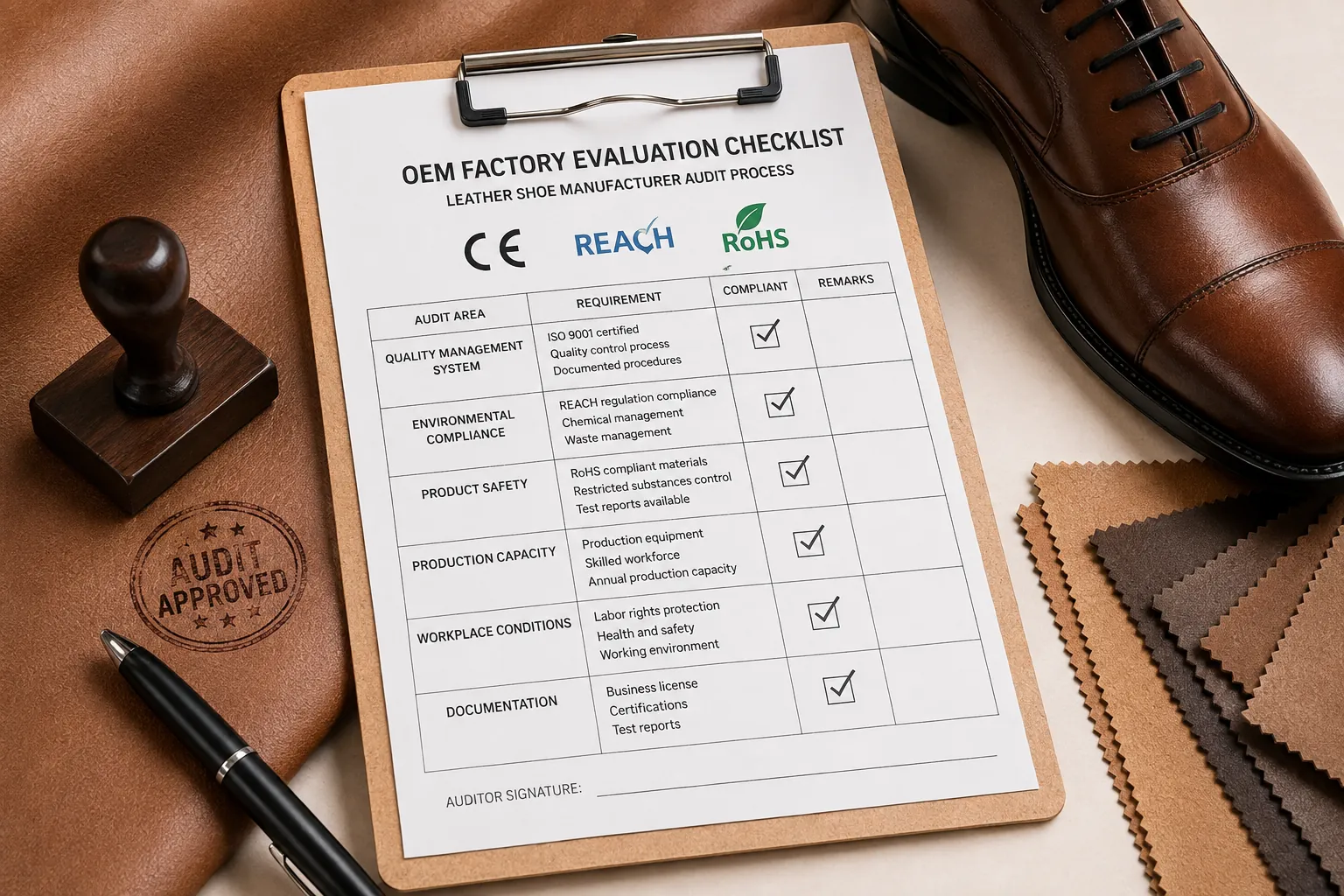
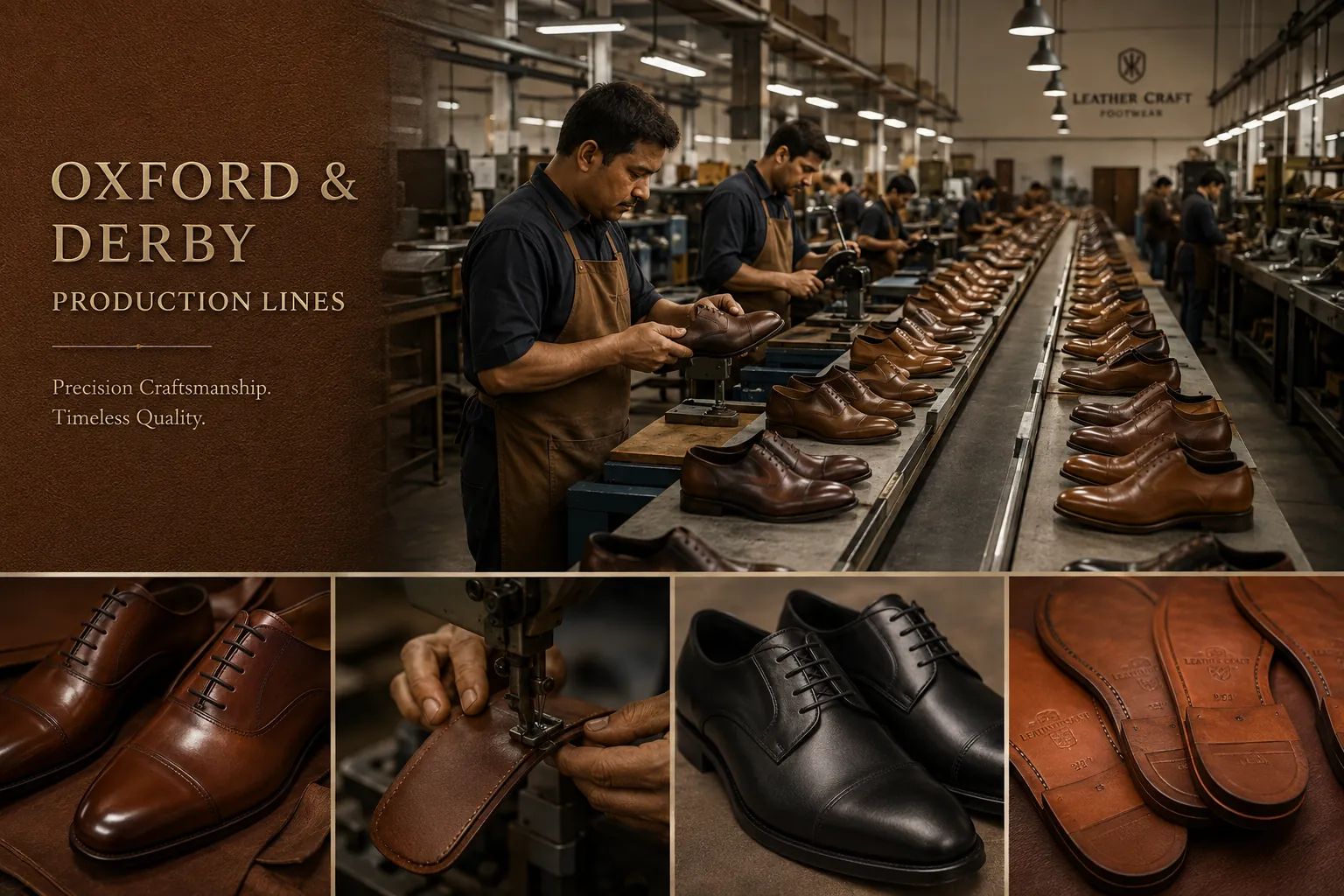
As a manufacturer producing 500,000+ pairs annually and shipping to 50+ countries, we see firsthand at WinCheer Shoes, established in 2007, how construction choice shapes buyer satisfaction. Our price range of $25–$40/pair spans all three construction types, and our defect rate of 0.8–1.2% — well below the industry average of 2–4% — applies across each method. Certifications including CE (EN ISO20347), REACH, and RoHS are maintained regardless of construction type.
Understanding the differences is not optional for serious buyers. It is the foundation of every smart sourcing decision.
Blake Stitch vs Goodyear Welt: Core Technical Differences
How Blake Stitch Works
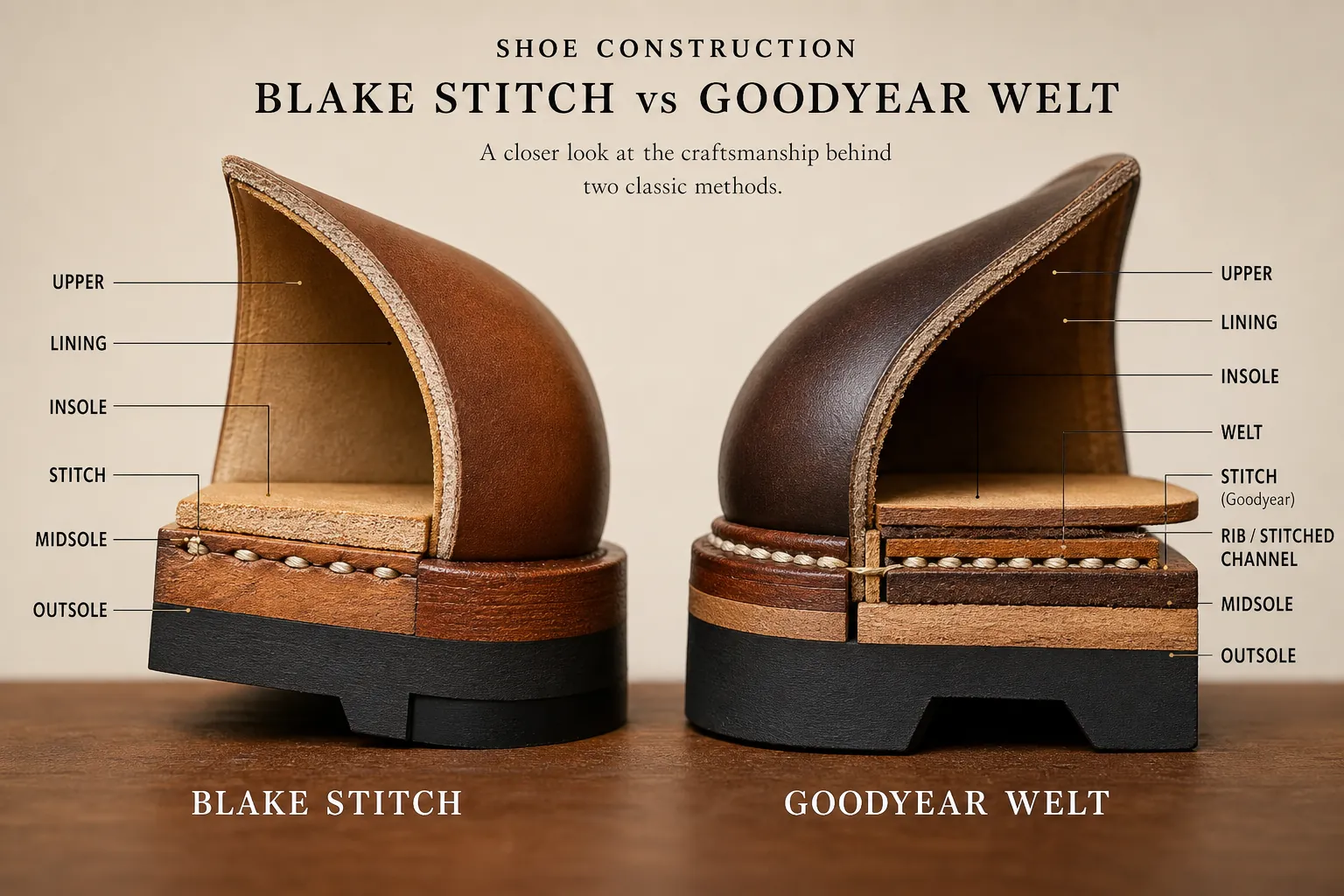
Blake stitch construction uses a single row of stitching that passes directly through the insole, through the upper, and into the outsole. A specialized Blake stitching machine drives a curved needle through all layers in one pass.
The result is a slim, flexible shoe with a clean profile. Because there is no welt (the strip of leather that runs around the perimeter), the shoe can be made with a much narrower waist and a sleeker silhouette. This is why Blake stitch dominates Italian dress shoe manufacturing — brands like those from Florence and Milan rely on it for its aesthetic precision.
Key Blake stitch characteristics:
- Single-needle stitching through all layers
- Thinner, more flexible construction
- Narrower profile — better for slim dress shoes
- Faster to produce, lower labor cost
- Resole possible, but requires a Blake stitching machine (not available at every cobbler)
- Less water-resistant — the stitch channel is exposed on the insole
How Goodyear Welt Works
Goodyear welt construction adds a strip of leather or synthetic material (the welt) that is stitched to both the upper/insole and the outsole separately. The upper is stitched to the welt in one operation; the outsole is stitched to the welt in a second operation. The cavity between the insole and outsole is filled with cork or another filler material.
This two-step process creates a shoe that is more water-resistant, more durable, and easier to resole multiple times. The welt acts as a buffer — when the outsole wears out, a cobbler simply cuts the welt stitching, removes the outsole, and attaches a new one without disturbing the upper.
German heritage makers such as Heinrich Dinkelacker and Ludwig Reiter built their reputations on this construction — see our profiles of the top 10 German shoe suppliers for how these manufactory traditions use it.
Key Goodyear welt characteristics:
- Double-stitching via a welt strip
- Bulkier profile — classic, substantial look
- Cork filler molds to the wearer’s foot over time
- Highly water-resistant — no exposed stitch channel
- Can be resoled 3–5 times by any skilled cobbler
- Higher material and labor cost
- Heavier than Blake stitch equivalents
Blake Stitch vs Goodyear Welt: Where Each Wins
The Blake stitch vs Goodyear welt debate often comes down to market positioning. Blake stitch wins on price, sleekness, and flexibility. Goodyear welt wins on longevity, repairability, and perceived craftsmanship value.
For private label brands targeting the $150–$250 retail price point, Goodyear welt construction signals quality and justifies a premium. For brands targeting the $80–$150 range with a fashion-forward aesthetic, Blake stitch delivers the right look at the right cost.
For a deeper look at specific styles and how construction affects them, see our complete guide to leather Oxford shoes for wholesale buyers Shoe Manufacturer Guide.
Cemented Construction: The Third Option
How Cemented Construction Works
Cemented construction (also called “glued” construction) bonds the upper directly to the outsole using industrial adhesives — typically polyurethane or neoprene-based cement. No stitching penetrates the outsole. Some cemented shoes include a decorative stitch on the welt area, but it is purely cosmetic.
This is the most common construction method globally by volume. The majority of casual shoes, sneakers, and fashion footwear are cemented. It is fast, inexpensive, and allows for complex outsole shapes that would be difficult to achieve with stitched construction.
Key cemented construction characteristics:
- No through-stitching — adhesive bond only
- Lightest weight of the three methods
- Lowest production cost
- Fastest production cycle
- Cannot be resoled in any meaningful way
- Bond strength depends heavily on adhesive quality and surface preparation
- Suitable for fashion, casual, and lower-price-point dress shoes
When Cemented Makes Sense for B2B Buyers
Cemented construction is not inherently inferior — it is appropriate for the right product. If your target customer replaces shoes every 1–2 seasons, or if your retail price point is under $100, cemented construction delivers excellent value. The key is ensuring your manufacturer uses high-quality adhesives and proper bonding processes.
Poor adhesive application is one of the most common failure points in cemented shoes. Delamination — the sole separating from the upper — is the defect buyers most frequently report. Rigorous incoming material inspection and adhesive cure time protocols are non-negotiable quality controls.
For a broader look at quality control standards relevant to all construction types, our AQL inspection footwear guide Leather Footwear Quality Standards covers the top five quality control checkpoints in detail.
Full Comparison Table: Blake Stitch vs Goodyear Welt vs Cemented
| Feature | Blake Stitch | Goodyear Welt | Cemented |
|---|---|---|---|
| Construction method | Single stitch through all layers | Double stitch via welt strip | Adhesive bond only |
| Typical FOB cost premium | +$3–6 vs cemented | +$6–12 vs cemented | Baseline |
| Profile/silhouette | Slim, elegant | Substantial, classic | Flexible — any shape |
| Water resistance | Moderate (exposed channel) | High (welt seals gap) | Moderate (depends on adhesive) |
| Flexibility | High | Low–Moderate | High |
| Resoling | Possible (specialist required) | Yes — multiple times | Not practical |
| Lifespan (average) | 3–5 years with care | 10–20 years with resoling | 1–3 years |
| Weight | Light–Medium | Medium–Heavy | Light |
| Best for | Dress shoes, fashion, Italian style | Premium dress, heritage, workwear | Fashion, casual, entry-level |
| Retail price positioning | $100–$300 | $200–$600+ | $50–$150 |
| Production speed | Fast | Slow | Fastest |
| Cobbler repairability | Specialist only | Universal | Not applicable |
Which Construction Is Right for Your Product Line?
Matching Construction to Market Segment
The construction decision should start with your retail price point and your customer’s expectations, not with what looks impressive on a spec sheet.
For premium/heritage positioning ($250+ retail): Goodyear welt is the standard. Customers at this price point expect resolability and long-term value. The cork filler and welt construction also provide a comfort story — the shoe literally molds to the foot over time. This is the construction behind most classic British and American dress shoe brands.
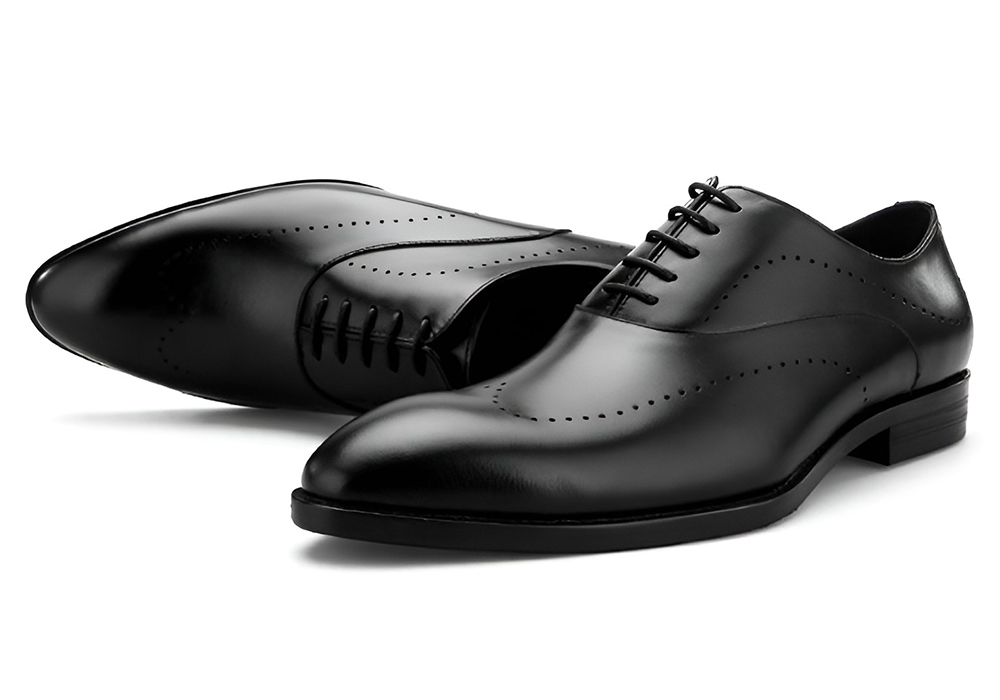
For mid-market dress shoes ($100–$250 retail): Blake stitch is the dominant choice. It delivers a refined aesthetic, genuine craftsmanship, and a price point that works for both the manufacturer and the retailer. Italian-style dress shoes, slim-profile Oxfords, and fashion-forward Derby styles all perform well in Blake stitch.
For fashion/casual/entry-level ($50–$150 retail): Cemented construction is the practical choice. Fast production, lower cost, and design flexibility make it ideal for trend-driven SKUs with shorter lifecycle expectations.
The Hybrid Option: Blake Rapid
Worth noting for buyers targeting the mid-premium segment: Blake Rapid construction is a hybrid that adds a midsole between the insole and outsole, allowing resoling without a Blake stitching machine. It offers more water resistance than standard Blake stitch while maintaining a slimmer profile than Goodyear welt. It carries a moderate cost premium over standard Blake stitch.
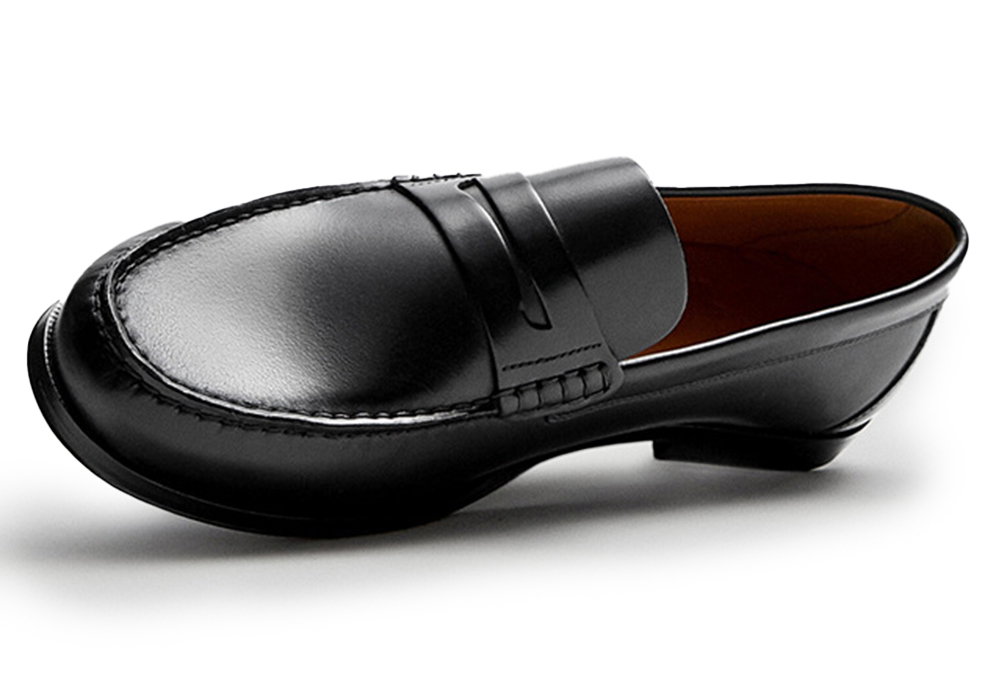
For buyers exploring how construction interacts with specific shoe styles like monk straps or loafers, our monk strap shoes complete style guide for B2B buyers Shoe Manufacturer Guide and leather loafer manufacturing B2B buyers guide Shoe Manufacturer Guide provide style-specific sourcing context.
For the technical standards that govern occupational footwear construction — including welt and sole attachment requirements — the ISO 20347 standard overview on Wikipedia https://en.wikipedia.org/wiki/EN_ISO_20347 – SATRA Footwear Technology provides a useful reference point.
B2B Buyer Decision Checklist
Use this checklist before finalizing your construction specification with any manufacturer:
Step 1 — Define your retail price point
- Under $100 retail → Cemented is likely the right fit
- $100–$250 retail → Blake stitch is the primary candidate
- $250+ retail → Goodyear welt should be the default
Step 2 — Assess your target customer’s usage expectations
- Fashion/seasonal buyer (replaces shoes every 1–2 seasons) → Cemented or Blake stitch
- Quality-conscious buyer who expects 5+ years of wear → Blake stitch or Goodyear welt
- Heritage/investment buyer who expects resoling → Goodyear welt only
Step 3 — Evaluate your silhouette requirements
- Slim, sleek profile required → Blake stitch
- Classic, substantial profile acceptable → Goodyear welt
- Complex outsole shape or lightweight priority → Cemented
Step 4 — Check manufacturer capability
- Confirm the factory has Blake stitching machines (not all do)
- Confirm Goodyear welt capability — it requires specialized lasting and stitching equipment
- Request construction samples and cross-section cuts before approving production
Step 5 — Verify compliance requirements
- EU market: confirm CE (EN ISO20347) compliance for occupational footwear
- EU market: confirm REACH compliance for adhesives and leather treatments
- Request test reports, not just verbal certification claims
Step 6 — Negotiate MOQ and sampling terms
- Confirm MOQ for your chosen construction — custom constructions typically require higher minimums
- Request pre-production samples in your specified construction before committing to full order
For a broader sourcing framework, our OEM/ODM men’s genuine leather shoes manufacturer guide Shoe Manufacturer Guide covers the full OEM process from specification to delivery.
FAQ
Q: Is Blake stitch or Goodyear welt better for everyday wear?
A: For everyday professional wear, Blake stitch offers a lighter, more flexible shoe that many wearers find more comfortable from day one. Goodyear welt shoes tend to be stiffer initially but develop superior comfort over time as the cork filler molds to the foot. If your customer wears dress shoes 5 days a week and expects the shoes to last 5+ years, Goodyear welt is the better long-term investment. For occasional or fashion-driven wear, Blake stitch is the more practical choice.
Q: Can Blake stitch shoes be resoled?
A: Yes, but with an important caveat. Blake stitch shoes can be resoled, but the process requires a Blake stitching machine — a specialized piece of equipment not available at every cobbler. In major cities with quality shoe repair shops, resoling is straightforward. In smaller markets or regions with limited cobbler infrastructure, your customers may find it difficult or impossible to have Blake stitch shoes resoled. Goodyear welt shoes, by contrast, can be resoled by any skilled cobbler with standard equipment.
Q: How much more does Goodyear welt construction cost compared to cemented?
A: At the FOB factory level, Goodyear welt construction typically adds $6–$12 per pair over cemented construction, depending on the welt material (leather vs synthetic), outsole material, and labor market. Blake stitch adds approximately $3–$6 over cemented. These figures vary by factory, order volume, and specification complexity. The cost difference is significant at scale — on a 500-pair order, the difference between cemented and Goodyear welt can represent $3,000–$6,000 in additional cost, which must be reflected in your retail pricing strategy.
Q: Does construction method affect CE certification eligibility?
A: Construction method itself does not determine CE certification eligibility — the relevant standard (EN ISO 20347 for occupational footwear, EN ISO 20345 for safety footwear) sets performance requirements that must be met regardless of how the shoe is assembled. However, construction method affects how easily a shoe meets
Construction Options Available from Wincheer
Wincheer Shoes Co., Ltd. produces all three construction methods at our Jiangmen, Guangdong production lines — 1.5 hours from Guangzhou, with warehouses and showrooms in both Shanghai and Jiangmen. Visitors are warmly welcome to tour our production lines.
Standard commercial terms:
- MOQ: 60 pairs per style
- Price range: $25–$40 per pair, depending on construction, leather grade, and order volume
- Certifications: CE, REACH (Azo Dyes), RoHS
- Construction guidance: Our development team recommends the optimal construction for your retail price point and market segment — request a quote with your target price and positioning.