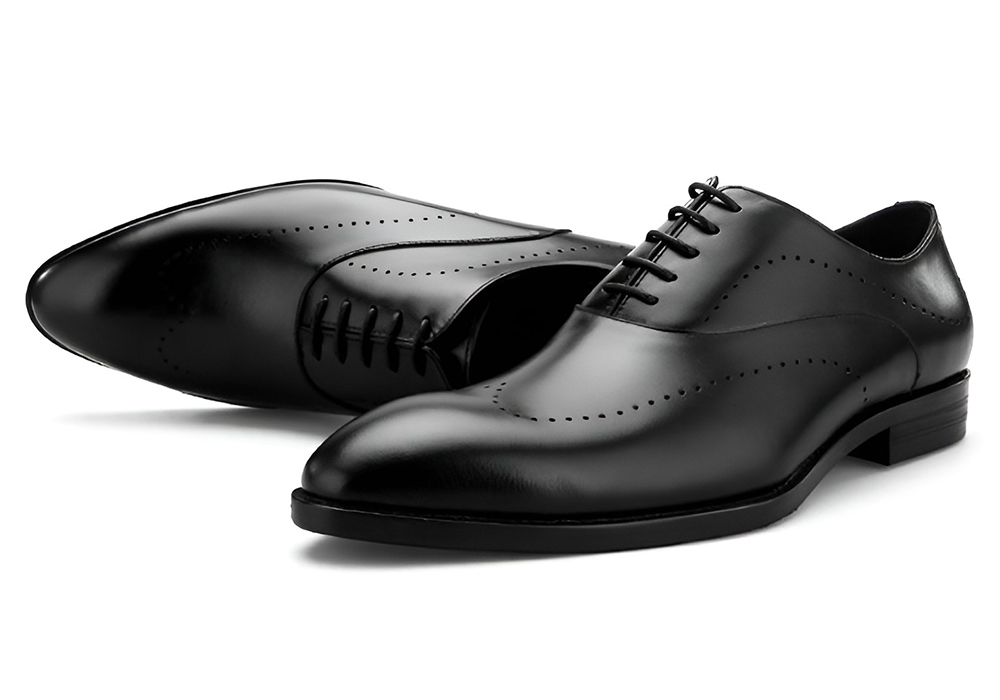
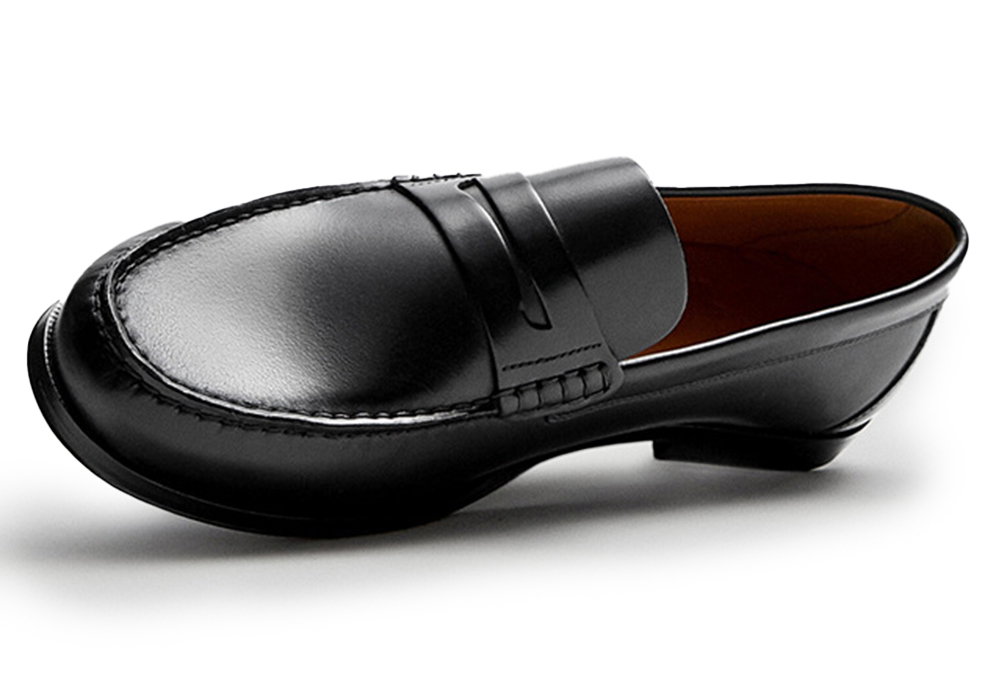
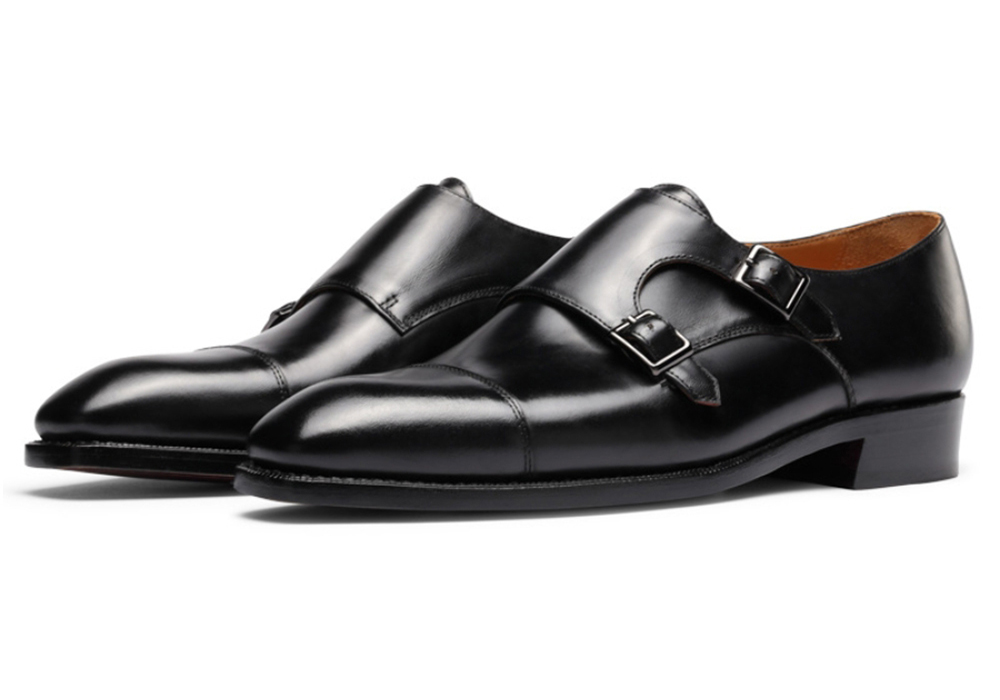
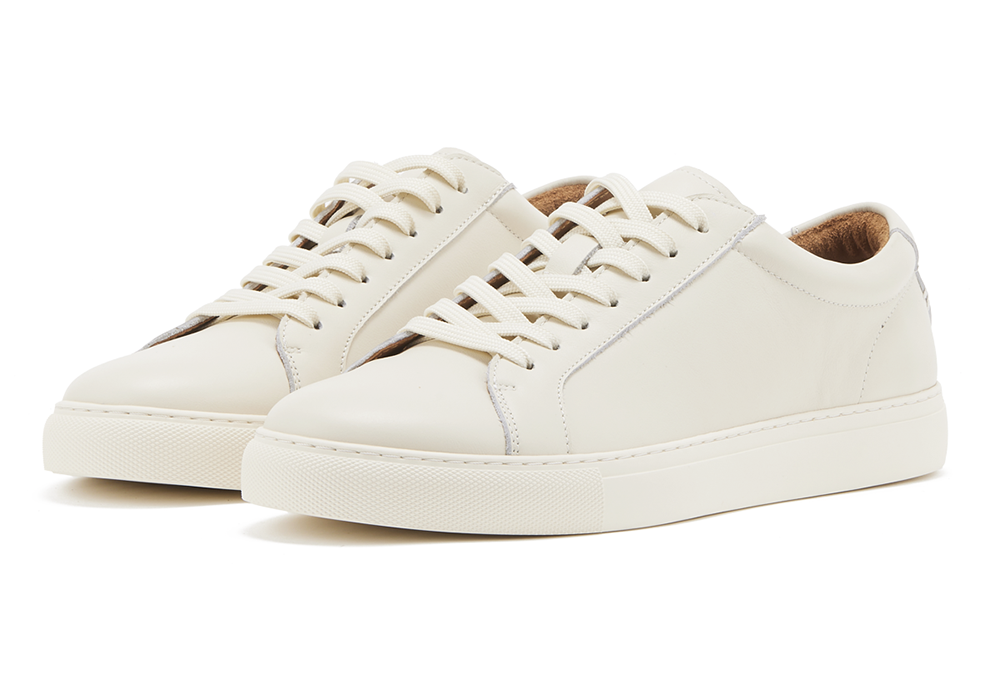
Choosing the wrong Incoterm on a leather shoe order can silently add $3–8 per pair to your landed cost — or leave you exposed to freight damage with no insurance coverage. For B2B buyers importing 500–5,000 pairs per shipment, that gap compounds fast.
This guide breaks down the four Incoterms that matter most in footwear sourcing — FOB, CIF, EXW, and DDP — with real cost examples, risk transfer points, and a clear framework for deciding which term fits your operation.
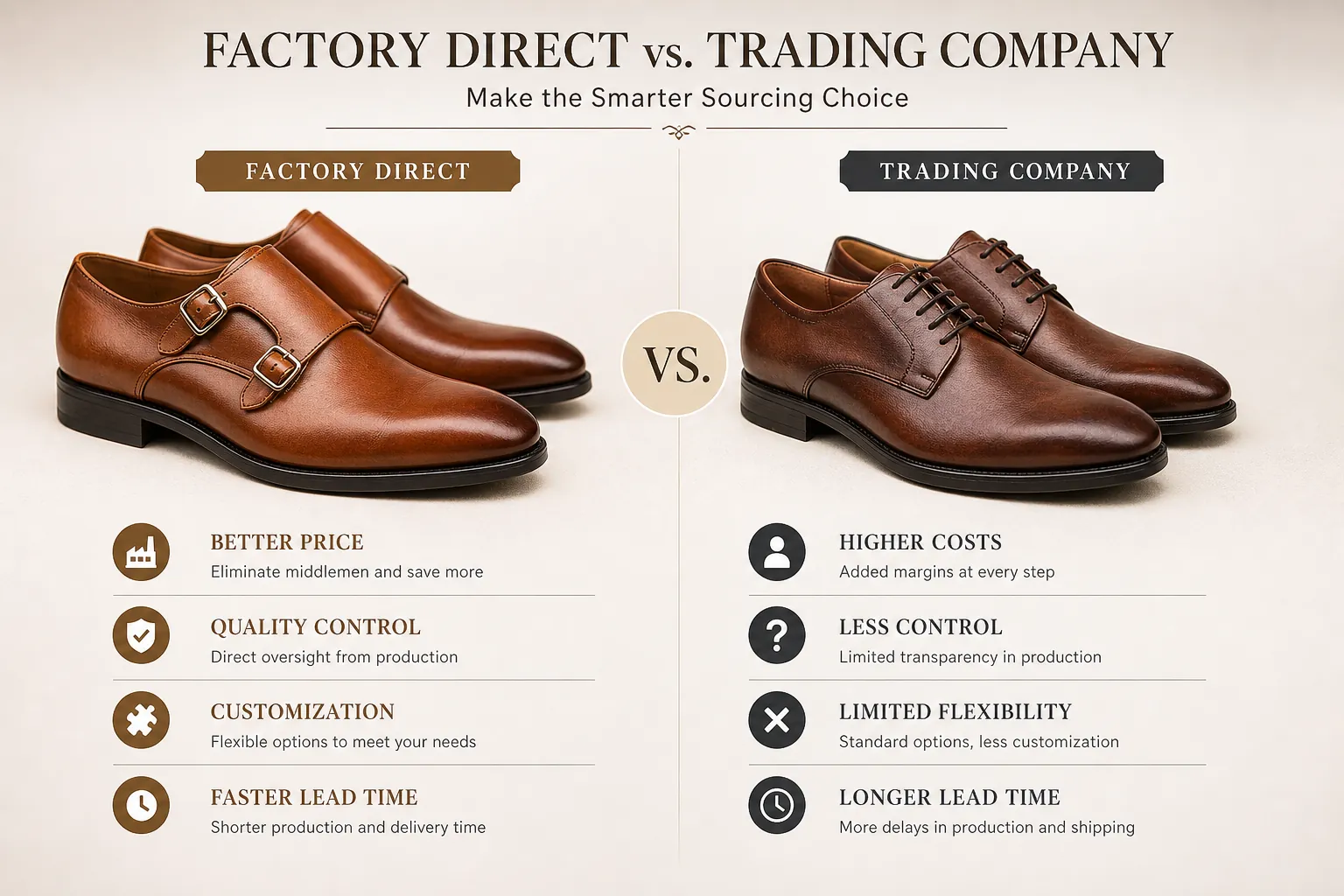
FOB shoe pricing is the most common starting point for experienced importers, but it’s not always the right choice. Read on to find out why.
Table of Contents
- Why Incoterms Matter More Than You Think
- FOB (Free On Board): The Industry Standard
- CIF (Cost, Insurance, Freight): Convenience at a Price
- EXW (Ex Works): Maximum Control, Maximum Responsibility
- DDP (Delivered Duty Paid): Hands-Off Importing
- 4-Term Comparison Table
- Landed Cost Calculation: Real Numbers
- Shipping Timelines and Packaging Standards
- FAQ
- Ready to Start Your Shoe Line?
Why Incoterms Matter More Than You Think

Incoterms (International Commercial Terms) [EXTERNAL_LINK: https://iccwbo.org/business-solutions/incoterms-rules/incoterms-2020/] are a globally recognized set of trade rules published by the International Chamber of Commerce. They define exactly where cost responsibility and risk transfer from seller to buyer in any international shipment.
In footwear sourcing, the stakes are high. A 1,000-pair order of men’s leather dress shoes at $32/pair represents a $32,000 cargo value. A misunderstood Incoterm can mean you’re uninsured for $8,000–12,000 worth of goods in transit — or paying 20–30% more in freight than you need to.
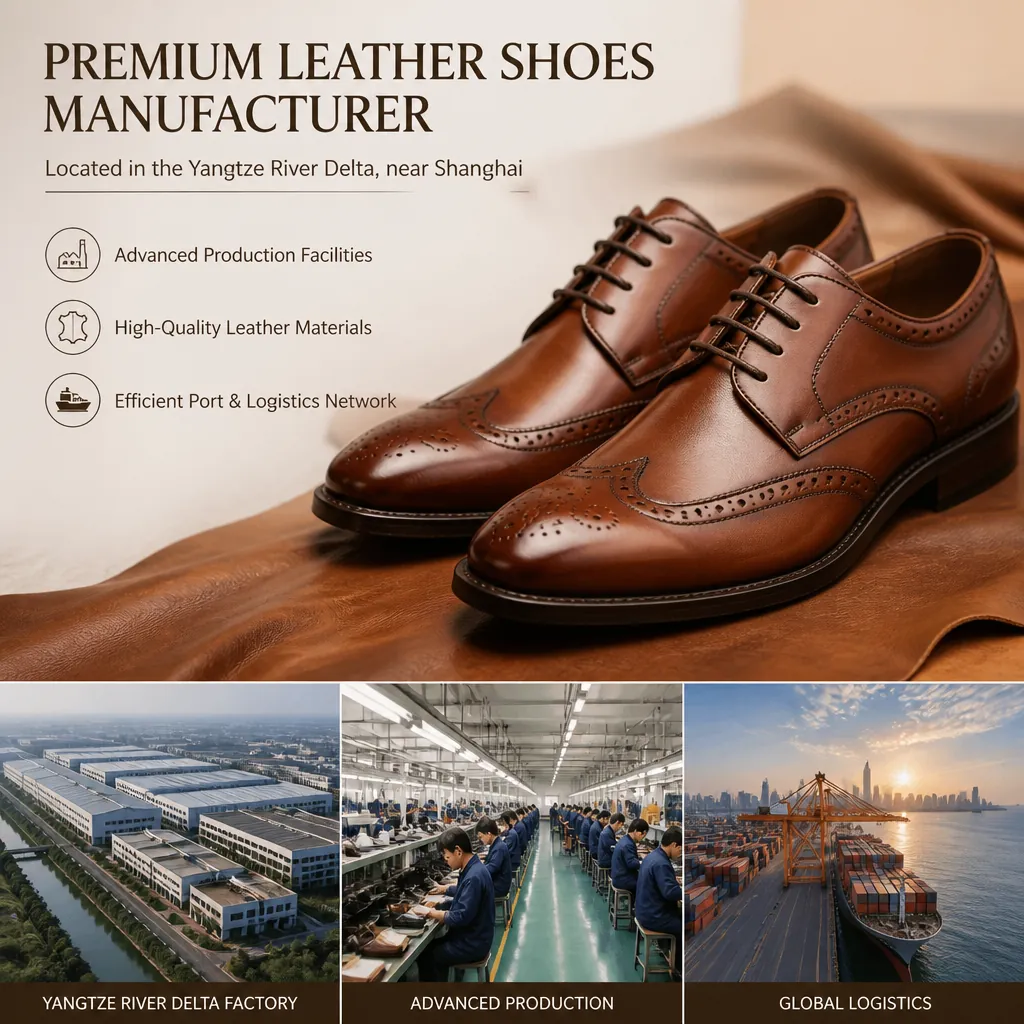
At Wincheer Shoes — a Guangzhou-based manufacturer founded in 2007 producing 500,000+ pairs annually across 50+ countries — FOB pricing at $25–40/pair is the default quote format. But experienced buyers know that the quoted price is only the beginning of the landed cost conversation.
FOB (Free On Board): The Industry Standard
How FOB Works
Under FOB terms, the seller is responsible for all costs and risks until the goods are loaded onto the vessel at the named port of origin (typically Guangzhou or Shanghai for China-based manufacturers). Once the cargo clears the ship’s rail, all risk and cost transfer to the buyer.
What the seller covers under FOB:
- Factory-to-port inland freight
- Export customs clearance and documentation
- Port handling and loading fees
What the buyer covers under FOB:
- Ocean or air freight from origin port
- Marine insurance (buyer’s choice)
- Import customs clearance and duties
- Destination port handling and delivery
FOB Shoe Pricing: What the Numbers Look Like
For a standard 20-foot container carrying approximately 2,000 pairs of men’s leather shoes:
- FOB factory quote: $32/pair → $64,000 cargo value
- Ocean freight (Guangzhou to Los Angeles): ~$2,800–4,500 depending on season
- Marine insurance (0.3–0.5% of cargo value): ~$192–320
- US import duty (leather upper shoes, HTS 6403.99): ~8.5% = ~$5,440
- Destination handling/drayage: ~$400–600
Estimated landed cost per pair: $36.50–$38.20
Who Should Use FOB
FOB is ideal for experienced importers who have established freight forwarder relationships and want full control over their shipping costs. It’s the preferred term for Amazon FBA sellers, established private label brands, and buyers ordering full container loads (FCL).
If you’re sourcing regularly from China and have a trusted logistics partner, FOB shoe pricing gives you the best combination of cost transparency and flexibility.
CIF (Cost, Insurance, Freight): Convenience at a Price
How CIF Works
Under CIF, the seller arranges and pays for ocean freight and marine insurance to the named destination port. Risk, however, transfers to the buyer at the port of origin — the same point as FOB. This is a critical distinction many buyers miss.
What the seller covers under CIF:
- All FOB costs (see above)
- Ocean freight to destination port
- Minimum marine insurance (typically 110% of cargo value, Institute Cargo Clauses C)
What the buyer still covers under CIF:
- Import customs clearance and duties
- Destination port handling
- Final delivery to warehouse
The Hidden Cost Problem with CIF
Sellers who quote CIF typically mark up freight by 15–25% above market rates. On a $64,000 shipment, that markup can add $700–1,200 to your total cost compared to arranging freight yourself under FOB.
The insurance coverage under CIF is also minimal — “Clauses C” covers only catastrophic losses (sinking, fire, collision), not theft, water damage, or handling damage. Most experienced buyers upgrade to “Clauses A” (all-risk) regardless, which eliminates the main convenience argument for CIF.
Who Should Use CIF
CIF works best for first-time importers or buyers placing smaller LCL (less-than-container-load) shipments who don’t yet have freight forwarder relationships. It reduces the number of parties you need to coordinate, at the cost of some margin efficiency.
EXW (Ex Works): Maximum Control, Maximum Responsibility
How EXW Works
EXW is the most seller-friendly Incoterm. The seller’s obligation ends the moment goods are made available at the factory gate. The buyer assumes all costs and risks from that point — including inland freight within China, export customs clearance, and everything beyond.
What the seller covers under EXW:
- Manufacturing and packaging only
- Making goods available at named premises
What the buyer covers under EXW:
- Factory-to-port inland freight in China
- Export customs clearance (requires a Chinese licensed customs agent)
- All ocean/air freight, insurance, import duties, and final delivery
Why EXW Is Rarely Practical for Shoe Imports
Foreign buyers cannot legally clear export customs in China without a licensed Chinese entity. This means you must hire a freight forwarder with a Chinese customs license — which effectively recreates the FOB cost structure anyway, but with more complexity and less transparency.
EXW quotes from Chinese shoe factories often appear lower than FOB because they exclude inland freight and export clearance. But once you add those costs back, EXW is rarely cheaper than FOB and significantly more complicated to manage.
The one exception: Large-volume buyers who consolidate shipments from multiple Chinese suppliers into a single container may find EXW useful for controlling the consolidation logistics.
Who Should Use EXW
EXW is appropriate for sophisticated buyers with in-country logistics infrastructure in China — typically large retailers or sourcing offices with on-the-ground teams. For most B2B footwear buyers, it creates unnecessary complexity.
DDP (Delivered Duty Paid): Hands-Off Importing
How DDP Works
DDP is the most buyer-friendly Incoterm. The seller handles everything — factory to your warehouse door. This includes export clearance, ocean freight, import customs, duties, taxes, and final-mile delivery.
What the seller covers under DDP:
- All costs and risks from factory to named delivery destination
- Export and import customs clearance
- All freight, insurance, and duties
What the buyer covers under DDP:
- Unloading at destination (sometimes, depending on contract)
- Nothing else
The Real Cost of DDP Convenience
DDP pricing from Chinese shoe manufacturers typically runs 18–35% higher than equivalent FOB pricing. On a $32 FOB pair, DDP pricing often lands at $38–43/pair before you’ve added any of your own margin.
Sellers pricing DDP must estimate freight, duties, and local delivery — and they build in a risk buffer. You pay for that buffer whether or not it materializes.
There’s also a compliance risk: some Chinese exporters offering DDP use informal customs clearance channels that can create legal liability for the buyer in the destination country, particularly in the EU and US markets.
Who Should Use DDP
DDP is best suited for small-volume buyers testing new product lines, e-commerce sellers who want fully predictable per-unit costs, or buyers in markets where import compliance is complex and local customs expertise is limited.
For private label brands scaling past 500 pairs per order, DDP pricing typically becomes cost-prohibitive.
4-Term Comparison Table
| Term | Seller Pays | Risk Transfers At | Buyer Handles Customs? | Best For |
|---|---|---|---|---|
| FOB | Factory to origin port + export clearance | Origin port (on vessel) | Yes (import only) | Experienced importers, FCL buyers |
| CIF | FOB + ocean freight + min. insurance | Origin port (on vessel) | Yes (import only) | First-time buyers, small LCL orders |
| EXW | Factory gate only | Factory gate | Yes (export + import) | Buyers with China logistics teams |
| DDP | Everything, door to door | Destination warehouse | No | Small-volume, e-commerce, test orders |
Landed Cost Calculation: Real Numbers
Here’s a practical landed cost comparison for 1,000 pairs of men’s leather Oxford shoes shipped from Guangzhou to a US warehouse, using a $32 FOB base price:
| Cost Component | FOB | CIF | EXW | DDP |
|---|---|---|---|---|
| Factory price | $32,000 | $32,000 | $31,200* | $32,000 |
| Inland freight (China) | Included | Included | $600 | Included |
| Export clearance | Included | Included | $350 | Included |
| Ocean freight | $2,200 | Included† | $2,200 | Included |
| Marine insurance | $160 | Included‡ | $160 | Included |
| US import duty (8.5%) | $2,720 | $2,720 | $2,720 | Included |
| Destination handling | $450 | $450 | $450 | Included |
| Final delivery | $300 | $300 | $300 | Included |
| Total landed cost | $37,830 | $38,500–39,200 | $37,980 | $39,500–42,000 |
| Per pair | $37.83 | $38.50–39.20 | $37.98 | $39.50–42.00 |
*EXW factory price may appear lower but requires additional logistics costs. †CIF freight marked up 15–25% by seller. ‡CIF insurance is minimum coverage (Clauses C) only.
Key takeaway: FOB shoe pricing delivers the best landed cost for buyers with freight forwarder relationships. The $0.15/pair difference between FOB and EXW disappears quickly once you factor in the complexity premium of managing Chinese export logistics independently.
Shipping Timelines and Packaging Standards
Typical Lead Times by Incoterm
Understanding Incoterms also means understanding how they affect your total timeline from order to warehouse:
| Phase | FOB | CIF | EXW | DDP |
|---|---|---|---|---|
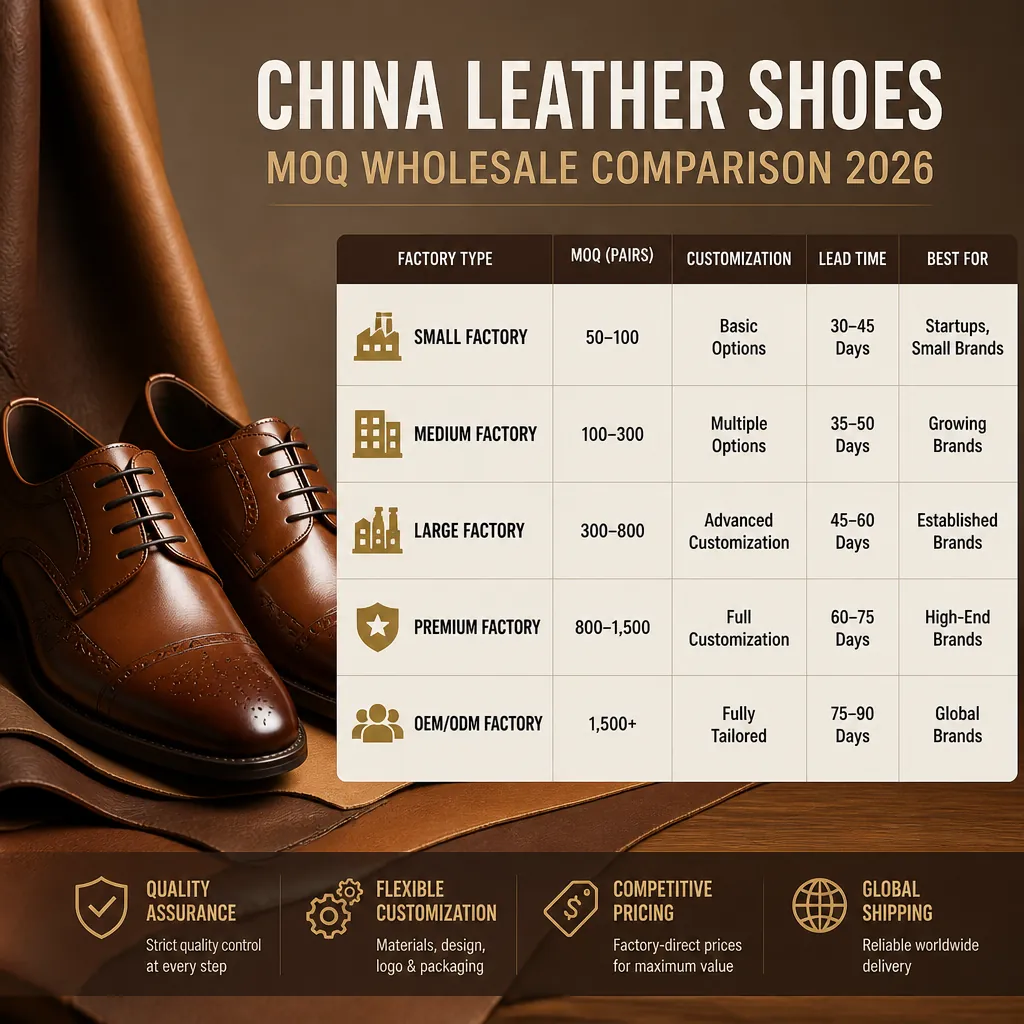
| Production (standard designs) | 30–45 days | 30–45 days | 30–45 days | 30–45 days |
| Production (custom/OEM) | 45–60 days | 45–60 days | 45–60 days | 45–60 days |
| Port handling + loading | 3–5 days | 3–5 days | 5–8 days | 3–5 days |
| Ocean freight (China to US) | 18–25 days | 18–25 days | 18–25 days | 18–25 days |
| Import clearance + delivery | Buyer managed | Buyer managed | Buyer managed | Seller managed |
Export Packaging Standards for Leather Shoes
Regardless of Incoterm, export-grade packaging for B2B leather shoe shipments should meet these standards:
Individual shoe box:
- Rigid chipboard, minimum 350gsm
- Tissue paper wrapping for each shoe
- Silica gel desiccant (2–5g per box)
- Barcode label with SKU, size, color
Master carton:
- Double-wall corrugated, minimum 5-ply
- 6–12 pairs per carton depending on shoe size
- Gross weight typically 8–15kg per carton
- Carton markings: PO number, destination, carton count
Container loading:
- Palletized loading preferred for FCL
- Moisture barriers (kraft paper or PE film) lining container walls
- Load distribution plan to prevent compression damage
For buyers using FOB or EXW terms, confirming these packaging standards with your factory before production starts is essential — once goods are loaded, damage claims become complicated.
Check our AQL inspection and quality control guide [INTERNAL_LINK: aql-inspection-footwear-top-5-quality-control-tips] for pre-shipment inspection protocols that protect your order under any Incoterm.
Incoterm Selection Checklist
Use this checklist before confirming your shipping terms:
- Do you have an established freight forwarder? → FOB is viable
- Is this your first import from China? → Consider CIF to reduce coordination
- Are you consolidating from multiple suppliers? → EXW may offer logistics control
- Do you need fully predictable per-unit costs? → DDP, but budget for the premium
- Are you shipping FCL (full container)? → FOB almost always wins on cost
- Are you shipping LCL (less than container)? → CIF or DDP may simplify coordination
- Is your destination market the EU? → Verify DDP compliance channels carefully
- Are you importing to the US? → Factor in HTS classification and current tariff rates
For a deeper dive into US tariff implications, see our complete guide to importing leather shoes and US tariffs [INTERNAL_LINK: importing-leather-shoes-usa-tariff-complete-guide-2026].
If you’re building a private label brand and want to understand how Incoterms fit into your full launch strategy, the private label shoes 10-step brand launch guide [INTERNAL_LINK: private-label-shoes-10-step-brand-launch-guide-2026] covers the full commercial framework.