Getting men’s dress shoe styles wrong costs money. Wrong silhouettes for the wrong markets, dead stock, and margin erosion — these are real problems for buyers who skip the fundamentals of style-to-market matching.
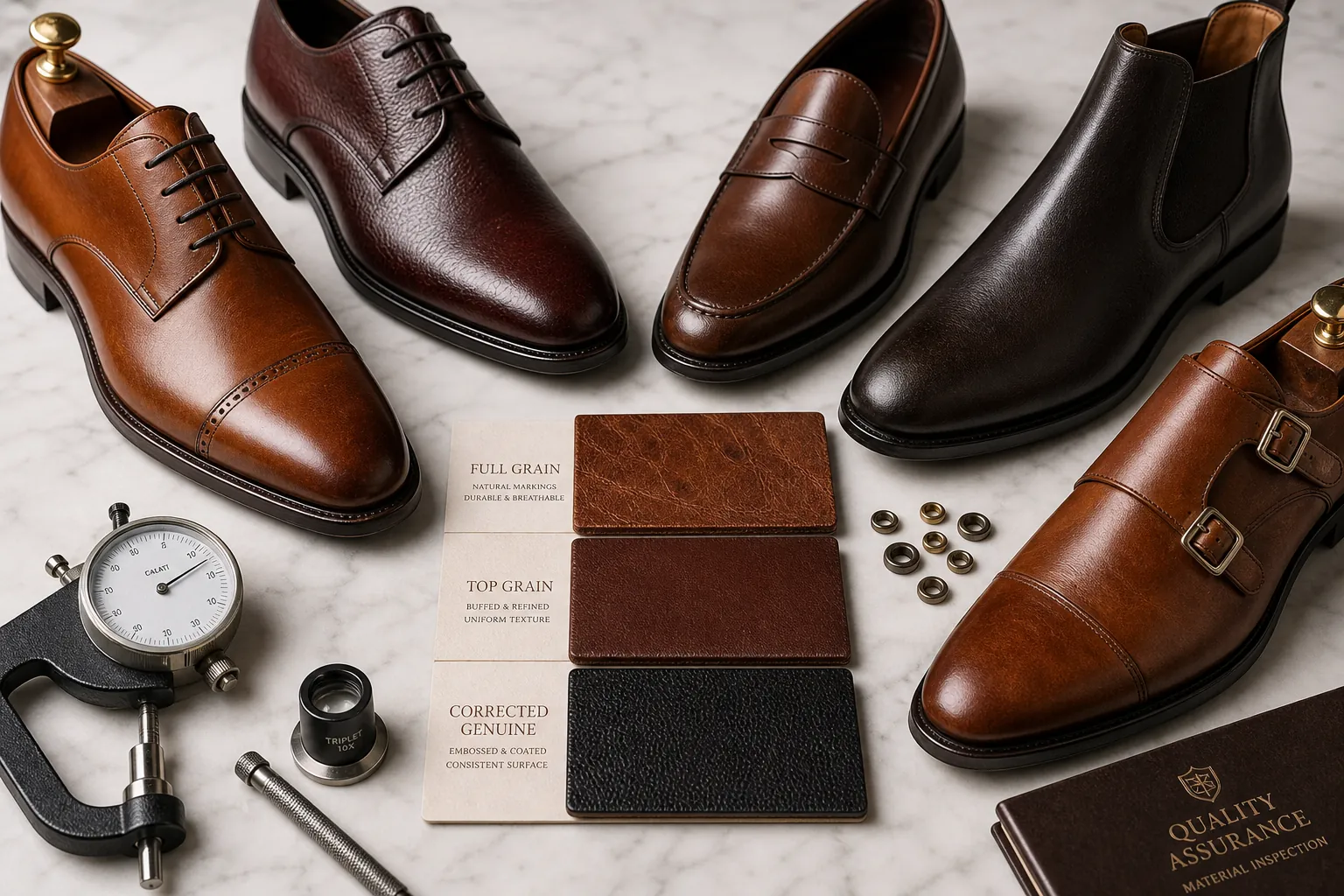
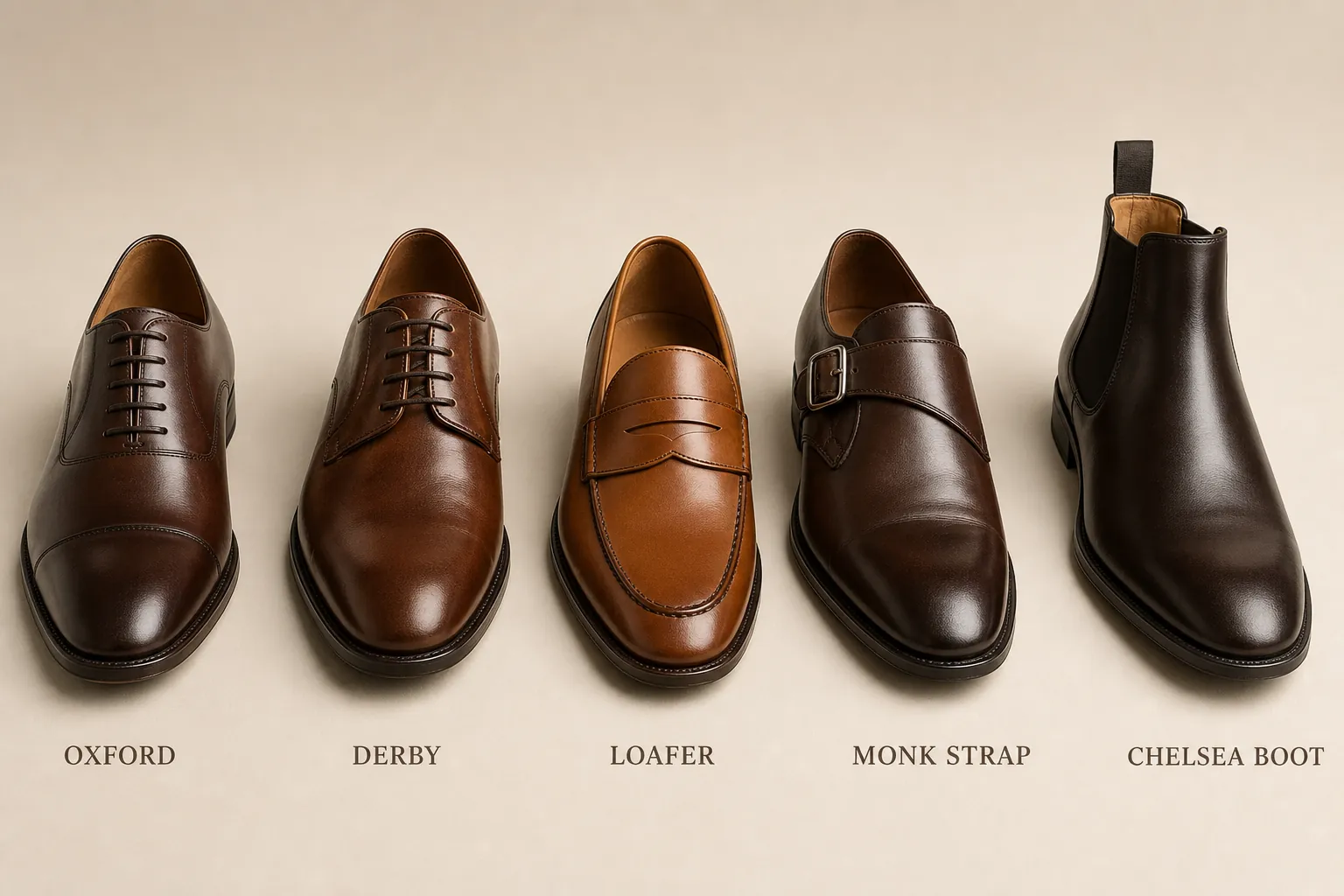
This guide breaks down the five core men’s dress shoe styles — Oxford, Derby, Loafer, Monk Strap, and Chelsea Boot — covering construction mechanics, formality positioning, regional demand, and sourcing considerations for B2B buyers building or expanding a footwear assortment in 2026.
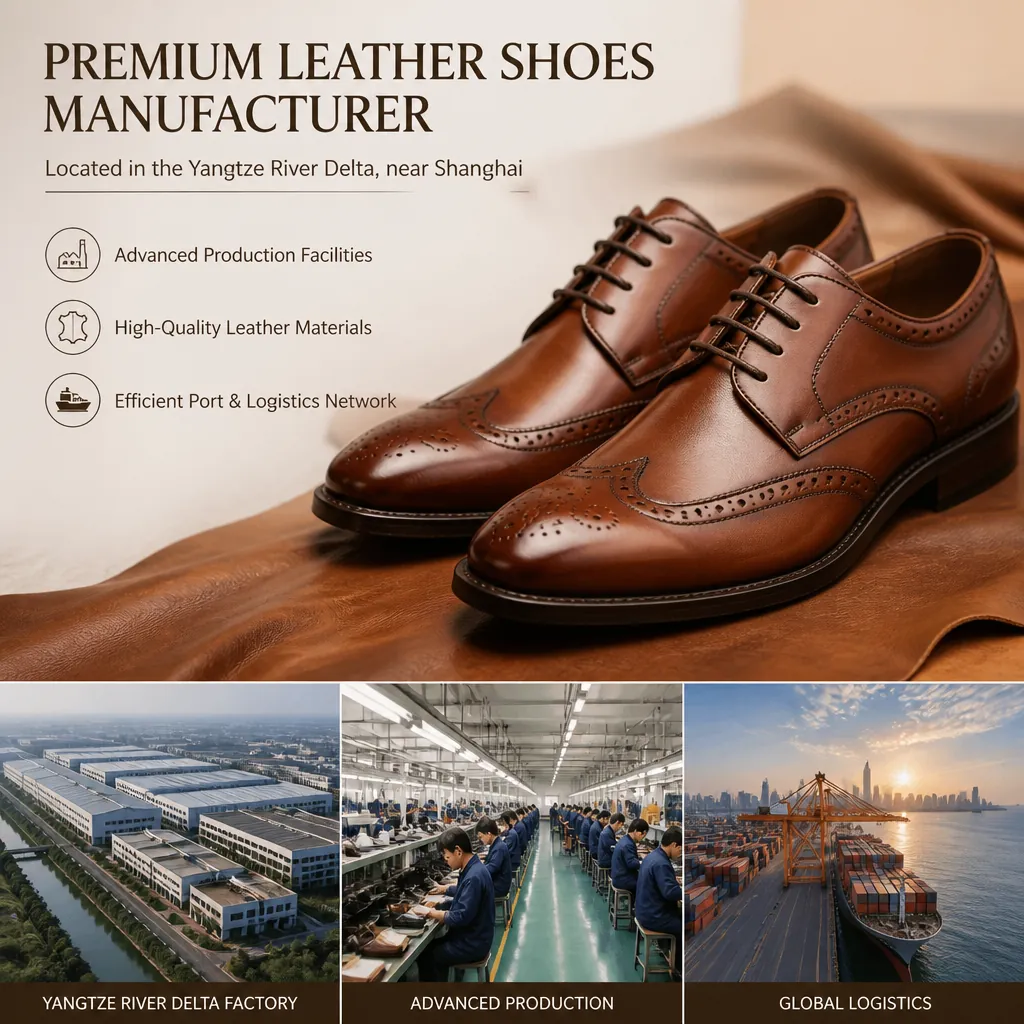
Wincheer Shoes, founded in 2007 and producing 500,000+ pairs annually across Oxford, Derby, Loafer, Monk Strap, Chelsea Boot, and casual walking styles, ships to 50+ countries — which gives a useful real-world lens on which styles move in which markets. With a defect rate of 0.8–1.2% against an industry average of 2–4%, and certifications including CE (EN ISO20347), REACH, and RoHS, the production data here reflects genuine factory-floor experience.
Mens Dress Shoe Styles Oxford Derby Loafer Monk Chelsea Guide: Table of Contents
- Why Style Knowledge Drives Better Assortment Decisions
- Oxford Shoes: Closed Lacing and Maximum Formality
- Derby Shoes: Open Lacing and Versatile Appeal
- Loafers: Slip-On Construction and Casual-Smart Positioning
- Monk Strap Shoes: Buckle Construction and Distinctive Character
- Chelsea Boots: Elastic Side Panel Construction
- Full Comparison Table: All 5 Styles
- Market Demand by Region
- Buyer’s Assortment Planning Checklist
- FAQ
- Ready to Start Your Shoe Line?
Why Style Knowledge Drives Better Assortment Decisions
Men’s dress shoe styles are not interchangeable. Each silhouette carries a specific construction logic, a formality ceiling, and a buyer profile — and those factors vary significantly by geography.
A buyer sourcing for the German corporate market has different needs than one building a private label brand for Southeast Asian e-commerce. Mapping styles to markets before placing orders is the single highest-leverage decision in footwear assortment planning.
The five styles covered here — Oxford, Derby, Loafer, Monk Strap, Chelsea Boot — represent the core of men’s dress footwear globally. Understanding their construction differences is not academic; it directly affects your pricing tier, target customer, and reorder velocity.
Oxford Shoes: Closed Lacing and Maximum Formality
Construction
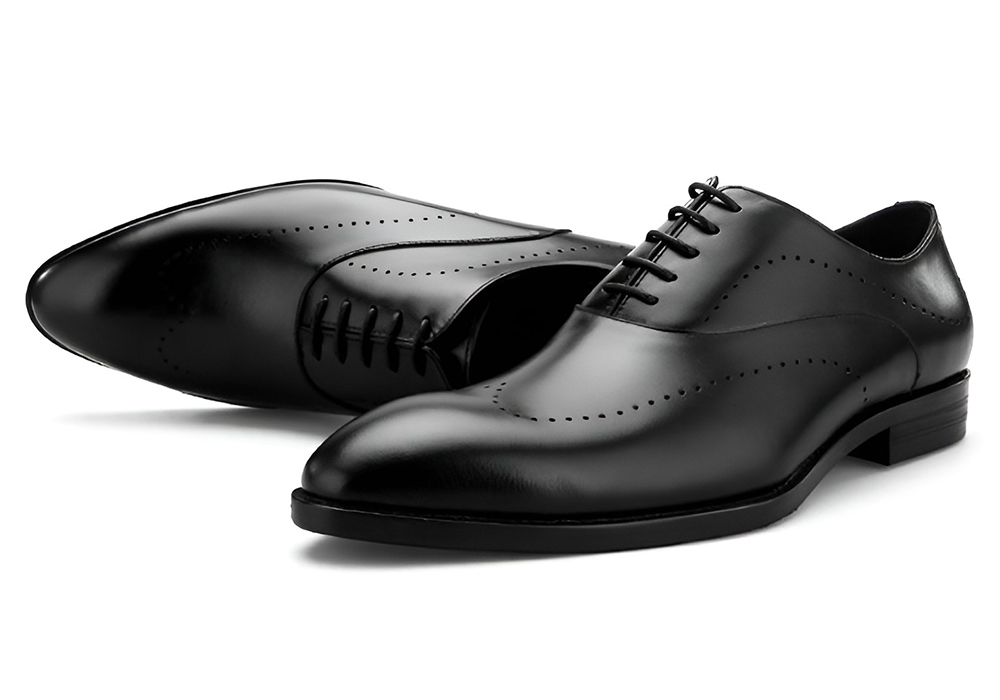
The Oxford’s defining feature is its closed lacing system. The quarters (side panels) are stitched underneath the vamp, which means the lace eyelets are attached to a panel that sits below the tongue. This creates a clean, tight silhouette across the instep.
The result is a shoe that cannot open as wide as alternatives — which is precisely why it reads as formal. The construction demands more precise lasting and fitting, which adds to manufacturing complexity.
Common Oxford variants include the plain-toe, cap-toe, and brogue (perforated) Oxford. The Balmoral Oxford is the most formal of all dress shoe constructions.
Formality Level
Highest. Oxfords sit at the top of the men’s dress shoe formality hierarchy. They pair with business formal, black tie (in patent leather), and boardroom attire. A plain black Oxford remains the default choice for formal occasions globally.
Best Markets
- UK, Germany, France: Strong corporate demand; classic black and dark brown colorways dominate
- North America: Consistent demand in financial, legal, and consulting sectors
- Japan and South Korea: High preference for clean-toe Oxfords in corporate settings
Price Range (FOB)
$25–$40/pair depending on leather grade, construction method (Goodyear welt vs. cemented), and customization level. Goodyear-welted Oxfords sit at the higher end of this range.
For a deeper look at sourcing Oxfords at scale, see our complete guide to leather Oxford shoes for wholesale buyers Shoe Manufacturer Guide.
Derby Shoes: Open Lacing and Versatile Appeal
Construction
The Derby uses an open lacing system. The quarters are stitched on top of the vamp, so the shoe opens wider at the instep. This makes the Derby easier to put on, more accommodating for wider feet, and slightly less formal in appearance.
The open construction also makes Derbies more forgiving to manufacture and last, which contributes to their strong price-to-quality ratio for wholesale buyers.
Derby variants include plain-toe, cap-toe, brogue, and wingtip. The wingtip Derby (also called a full brogue) is one of the most commercially versatile dress shoes in the market.
Formality Level
Business casual to business formal. Derbies occupy the sweet spot between formal and casual — formal enough for most office environments, relaxed enough for smart-casual occasions. This range makes them the highest-volume style for most wholesale buyers.
Best Markets
- North America: The Derby is the dominant dress shoe style in the US and Canadian markets
- Australia and New Zealand: Strong preference for brogue Derbies
- Middle East: Growing demand for premium Derbies in corporate gifting and retail
Price Range (FOB)
$25–$38/pair. The open lacing construction is slightly less complex than Oxford lasting, which can reduce per-unit costs at scale.
Explore sourcing specifications in our leather Derby shoes sourcing guide Shoe Manufacturer Guide.
Loafers: Slip-On Construction and Casual-Smart Positioning
Construction
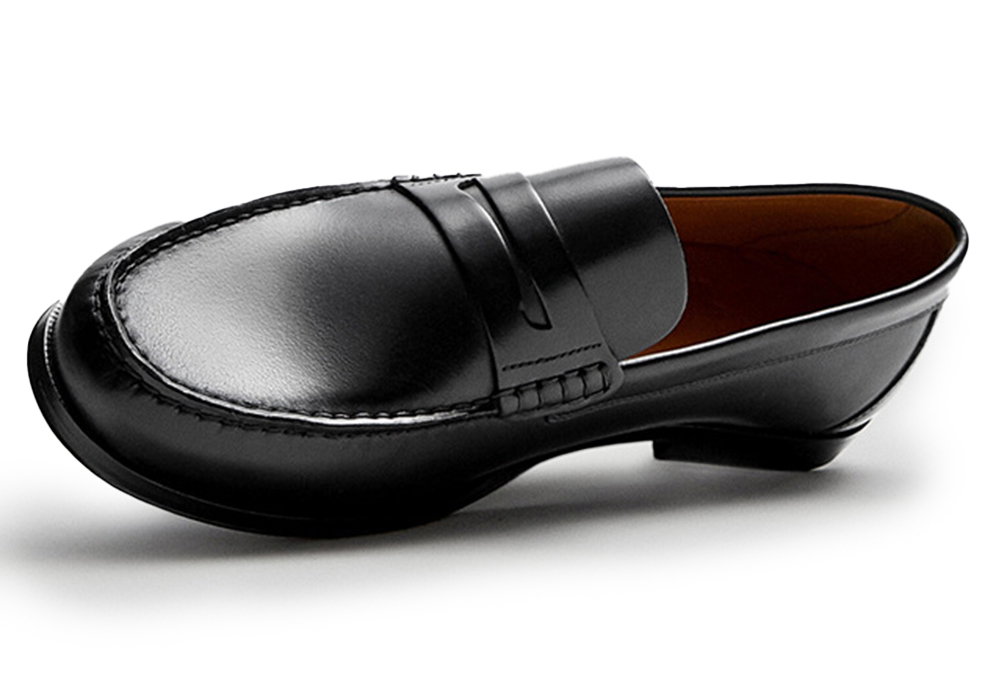
Loafers are laceless slip-on shoes built on a moccasin-inspired construction. The upper wraps around the foot without any lacing system. Key structural variants include:
- Penny loafer: Strap across the vamp with a diamond cutout
- Tassel loafer: Decorative tassels on the vamp strap
- Horsebit loafer: Metal hardware across the vamp (associated with Gucci’s iconic design)
- Driving loafer: Rubber-nubbed sole for grip, typically more casual
The slip-on construction requires precise lasting to ensure fit retention over time. Heel grip and insole padding are critical quality checkpoints for this style.
Formality Level
Smart casual to business casual. Loafers have moved significantly up the formality ladder since 2020. In many markets, a leather penny or tassel loafer is now acceptable in business casual office environments. However, they remain below Oxfords and Derbies for formal occasions.
Best Markets
- Southern Europe (Italy, Spain, Portugal): Loafers are a wardrobe staple; high design sensitivity
- Southeast Asia: Strong growth market, particularly for younger professional demographics
- US East Coast: Tassel and penny loafers have deep cultural roots in prep and Ivy League aesthetics
Price Range (FOB)
$26–$40/pair. Horsebit and hardware loafers trend toward the higher end due to metal component costs and additional assembly steps.
See our detailed leather loafer manufacturing guide for B2B buyers Shoe Manufacturer Guide.
Monk Strap Shoes: Buckle Construction and Distinctive Character
Construction
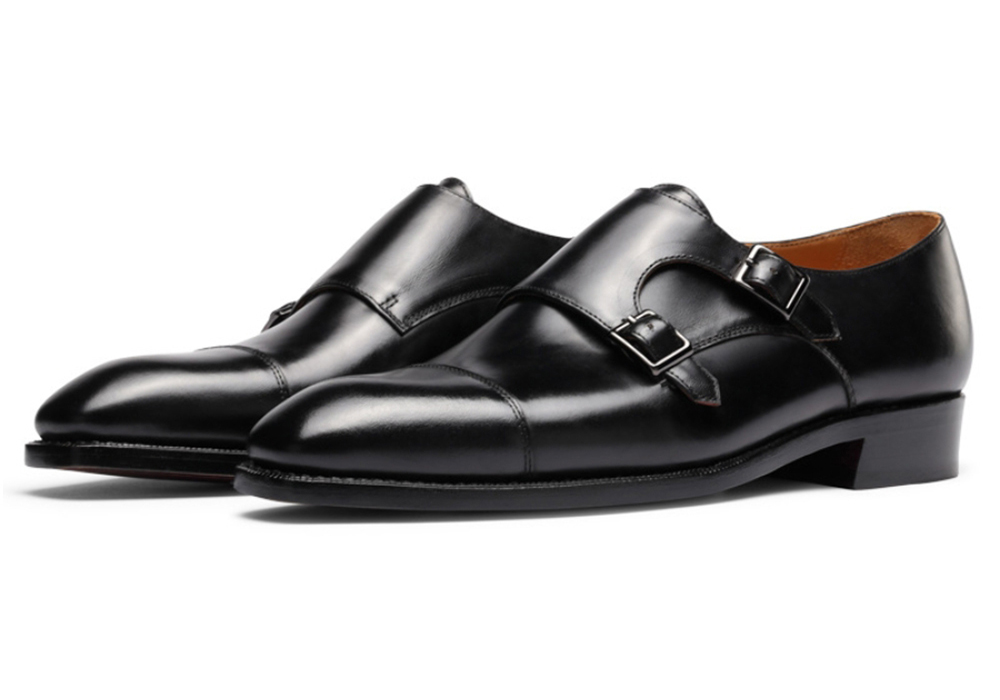
Monk straps replace laces with one or two leather straps secured by metal buckles across the instep. The single monk uses one wide strap; the double monk uses two narrower straps, which has become the more commercially popular variant since approximately 2015.
The buckle hardware is a key quality variable. Buyers should specify hardware finish (gold, silver, antique brass), buckle weight, and strap width in their tech pack. Cheap buckles tarnish quickly and generate returns.
Construction is otherwise similar to a Derby or Oxford base — the distinction is entirely in the closure system.
Formality Level
Business casual to smart formal. Monk straps occupy a distinctive niche: they are formal enough for most business environments but carry a fashion-forward character that plain Oxfords lack. They are a strong choice for buyers targeting style-conscious professionals.
Best Markets
- Western Europe: Germany, Netherlands, Scandinavia — strong double monk demand in corporate fashion
- North America: Growing, particularly in creative industries and fashion-forward retail
- Japan: Single monk with clean lines performs well in minimalist menswear market
Price Range (FOB)
$28–$40/pair. Hardware costs and additional strap assembly add to unit cost versus plain lace-up styles.
Our monk strap shoes complete style guide for B2B buyers Shoe Manufacturer Guide covers hardware specs, strap widths, and market positioning in detail.
Chelsea Boots: Elastic Side Panel Construction
Construction
Chelsea boots are defined by their elastic side panels (gussets) and pull tab at the heel or toe. The ankle-height silhouette with no lacing or buckle creates a clean, streamlined profile.
The elastic panel quality is the most critical manufacturing variable. Poor elastic loses tension after 6–12 months of wear, causing the boot to slip at the heel — the number one consumer complaint for this style. Buyers should specify elastic width, thread count, and tension retention requirements.
Sole construction options include stacked leather heel, rubber sole, or crepe. Each positions the boot differently on the formality and durability spectrum.
Formality Level
Smart casual to business casual. Chelsea boots bridge footwear and outerwear categories. They are appropriate for business casual environments, evening wear, and smart-casual occasions. In colder markets, they often outsell flat dress shoes from October through March.
Best Markets
- UK and Ireland: The Chelsea boot originated in Britain; demand is year-round and deeply embedded
- Northern Europe (Germany, Scandinavia, Netherlands): Strong seasonal demand; leather Chelsea boots are a wardrobe staple
- Canada and Northern US: Cold-weather markets drive strong Q3/Q4 demand
Price Range (FOB)
$30–$40/pair. Boot construction requires more leather, additional lasting complexity, and higher-quality elastic components, which pushes average unit costs above flat shoe styles.
Full Comparison Table: All 5 Men’s Dress Shoe Styles
| Style | Closure Type | Formality Level | Top Markets | FOB Price Range | MOQ (Custom) |
|---|---|---|---|---|---|
| Oxford | Closed lacing | Formal – Black Tie | UK, Germany, Japan, North America | $25–$40 | 60 pairs |
| Derby | Open lacing | Business Casual – Formal | North America, Australia, Middle East | $25–$38 | 60 pairs |
| Loafer | Slip-on | Smart Casual – Business Casual | SE Asia, Southern Europe, US East Coast | $26–$40 | 60 pairs |
| Monk Strap | Buckle strap | Business Casual – Smart Formal | Western Europe, Japan, North America | $28–$40 | 60 pairs |
| Chelsea Boot | Elastic side panel | Smart Casual – Business Casual | UK, Northern Europe, Canada | $30–$40 | 60 pairs |
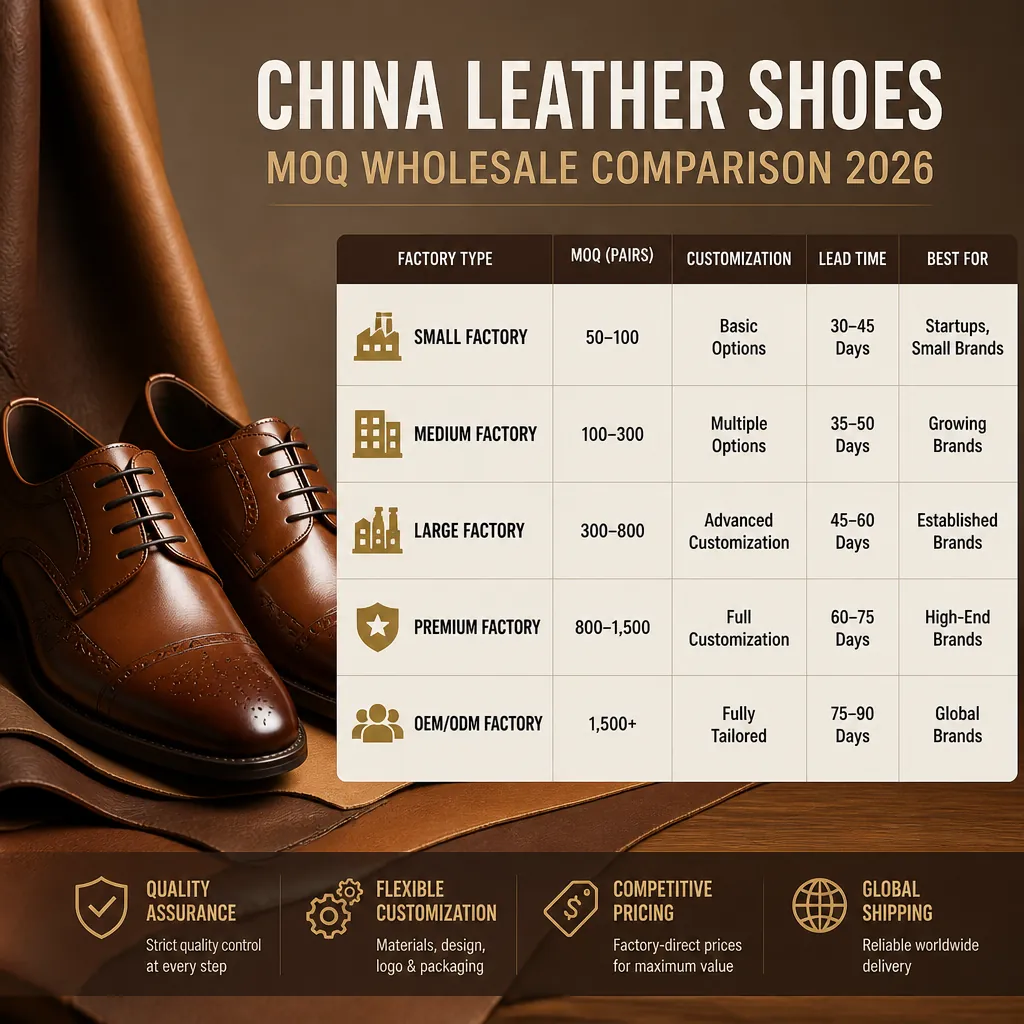
MOQ: 0 pairs on existing catalog designs; 60 pairs minimum for custom/private label orders.
Market Demand by Region
North America
The Derby dominates volume in the US and Canada. Plain-toe and cap-toe Derbies in black and dark brown are the core SKUs for corporate retail. Chelsea boots show strong seasonal spikes in Q3–Q4. Loafers are growing, particularly in the 25–40 age demographic.
Oxfords remain important for formal occasions but are not everyday volume drivers in most North American retail channels.
Europe
Europe is the most style-diverse market. The UK drives Chelsea boot and Oxford demand. Germany and the Netherlands show strong double monk and Derby volume. Southern European markets (Italy, Spain) favor loafers and lighter-weight constructions.
The EU’s REACH compliance requirements are non-negotiable for this market. Buyers sourcing for European distribution should verify chemical compliance documentation before placing orders. The CE marking footwear guide for 2026 Shoe Manufacturer Guide covers what’s required in detail.
According to Eurostat’s footwear import data, leather footwear remains the dominant import category for EU member states, with dress shoes accounting for a significant share of non-athletic imports. https://ec.europa.eu/eurostat/statistics-explained/index.php/International_trade_in_goods – SATRA Footwear Technology
Southeast Asia
Southeast Asia is the fastest-growing market for men’s dress shoe styles in 2026. Loafers lead in volume, driven by younger professional demographics in Singapore, Malaysia, Indonesia, and Vietnam. Derbies are growing in corporate channels.
Price sensitivity is higher in this region, making the $25–$35 FOB range the primary commercial window. Lightweight construction and breathable linings are important product specifications for hot-climate markets.
Buyer’s Assortment Planning Checklist
Use this framework before placing your first order for any new men’s dress shoe style:
- Define your primary market — formality norms differ significantly by country and industry sector
- Map style to formality requirement — Oxford for formal, Derby for versatile, Loafer for casual-smart, Monk for fashion-forward, Chelsea for seasonal/outerwear crossover
- Confirm compliance requirements — EU requires REACH; US requires country-of-origin labeling; check import duties for your destination market
- Specify hardware and closure details — buckle finish for monks, elastic spec for Chelsea, hardware weight for loafers
- Set colorway priorities — black and dark brown are universal; tan and cognac perform in specific markets (see regional demand section)
- Clarify construction method — cemented vs. Goodyear welt affects price, durability perception, and target customer
- Request pre-production samples — always inspect closure function, heel grip, and leather grain consistency before bulk approval
- Confirm MOQ alignment — existing designs carry zero MOQ; custom private label starts at 60 pairs per style/color
FAQ
Q: What is the difference between an Oxford and a Derby shoe? A: The key difference is the lacing system. An Oxford has closed lacing — the quarters are stitched under the vamp, creating a tighter instep. A Derby has open lacing — the quarters sit on top of the vamp, making the shoe easier to put on and slightly less formal. For most B2B buyers, Derbies offer broader commercial appeal due to their versatility.