
TL;DR: An unlined penny loafer with beefroll construction is a slip-on with no interior lining, a full-grain upper whose flesh side faces the foot, and a hand-stitched rolled apron gathered at the toe — specified through leather grade, stitch density, and last shape, and produced as custom OEM/ODM development.
What buyers are really asking for
When a classic menswear brand or a custom footwear buyer requests an “unlined penny loafer with beefroll,” they are specifying three separate decisions at once:
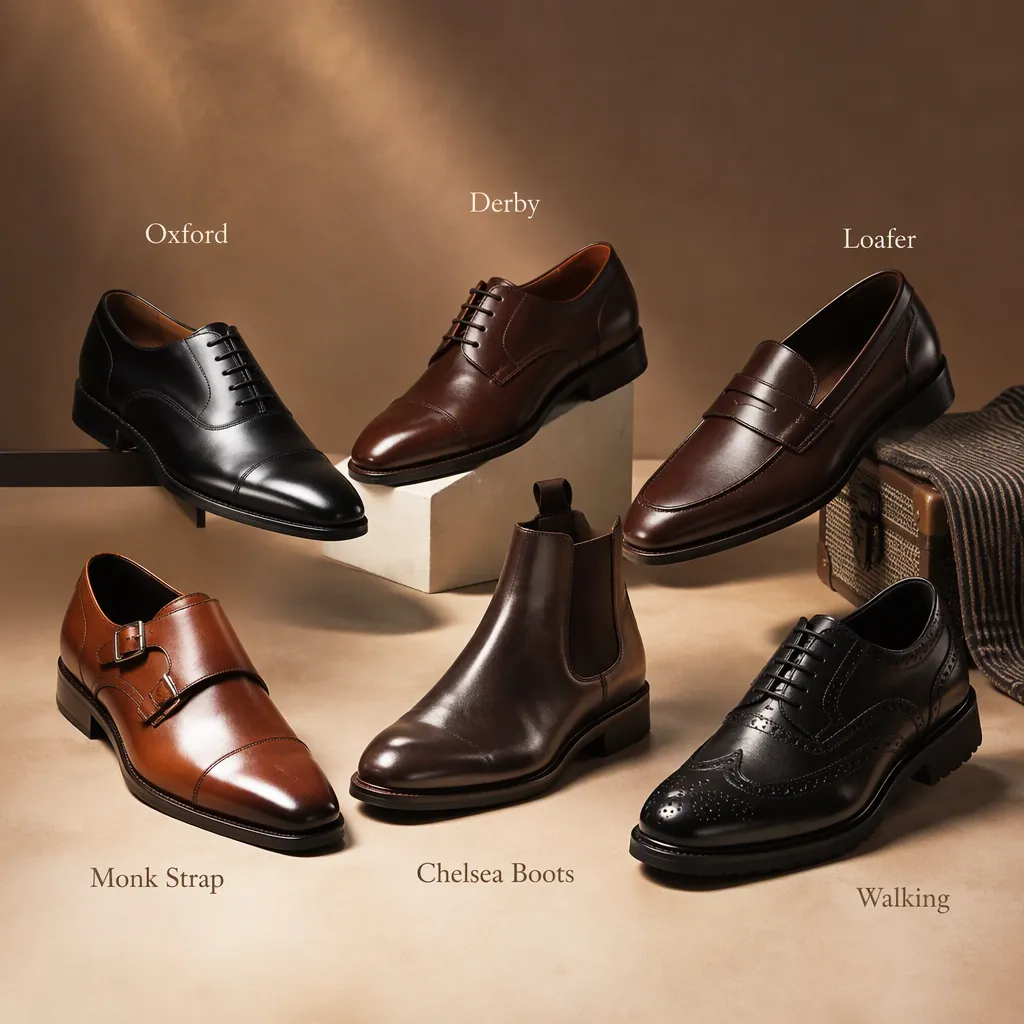
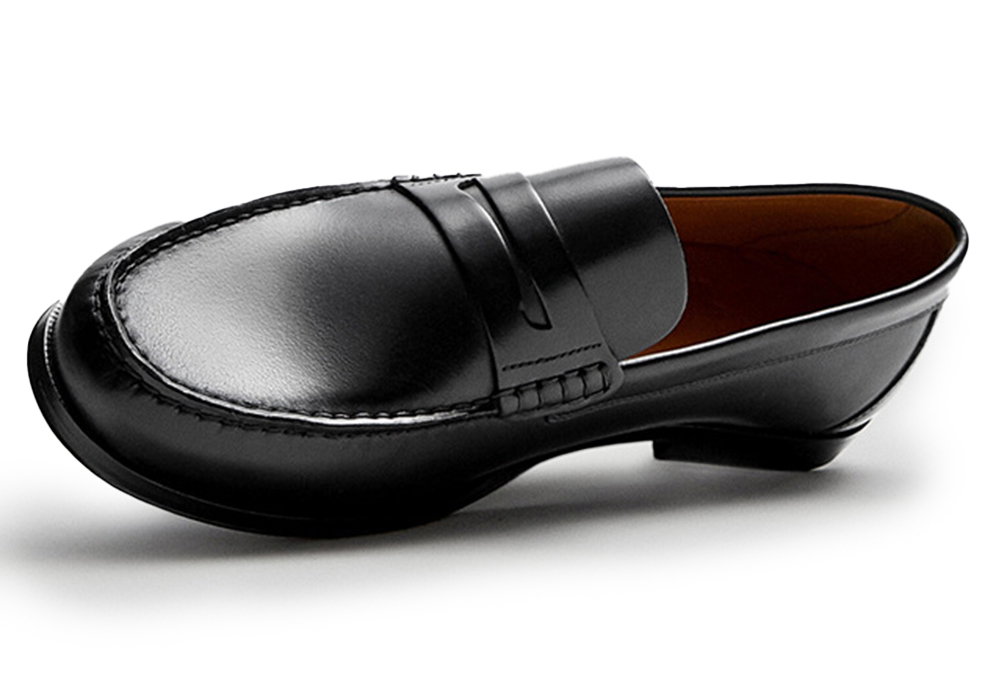
- The silhouette — a penny loafer: a slip-on with a leather saddle strap across the instep, sized and shaped to the brand’s last.
- The lining strategy — unlined, or partially lined, so the foot touches the upper leather directly and the shoe molds to the wearer over time.
- The apron construction — a beefroll, in which the apron edges are rolled, hand-stitched, and gathered into raised pleats at the toe, producing the distinctive “pinched” look associated with American-style handsewn loafers.
Each decision changes the leather grade required, the pattern cutting, the stitching operation, and the cost. This guide breaks down how each element is specified in an OEM/ODM program, what factories need from the buyer, and where quality is won or lost in production. It is written for brand owners, private-label buyers, and custom footwear resellers evaluating a Chinese manufacturing partner for this category.
Why unlined loafers need a higher leather grade
A lined loafer hides the flesh side of the upper leather behind a lining. An unlined loafer has nowhere to hide. The inside of the shoe is the back of the upper, so the leather must be:
- Full-grain or high-grade suede, with a clean, comfortable flesh side that will not abrade the foot or stain socks.
- Consistent in thickness, because the lining layer no longer evens out natural variation in the hide.
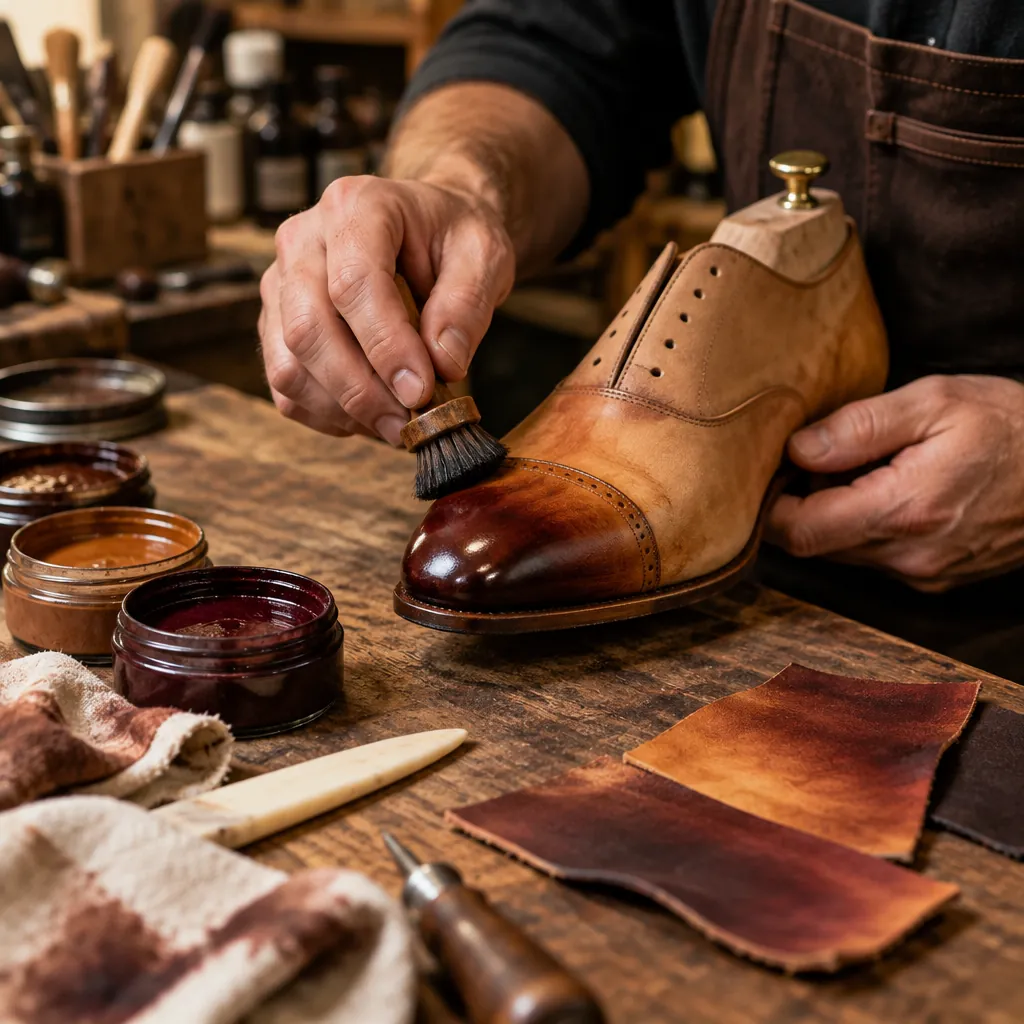
- Vegetable-tanned or chrome-tanned to a spec that ages well, since unlined penny loafers darken and patina faster — a feature for enthusiasts, a complaint risk if the buyer did not expect it. Tannage and Restricted Substances compliance can be verified against recognized footwear-material standards such as those published by SATRA, the footwear testing and research body whose test methods are widely referenced in B2B specifications.
In practice, unlined programs are quoted with higher leather grades than their lined equivalents, and buyers should expect that. A factory that quotes an unlined loafer at the same price as a fully lined one, without a leather-grade discussion, is a signal to ask more questions, not a bargain. The leather supply chain behind a specification is worth equal scrutiny — guidance on leather sourcing and traceability from BLC Leather Technology Centre covers what auditable hide-to-finish documentation should look like.
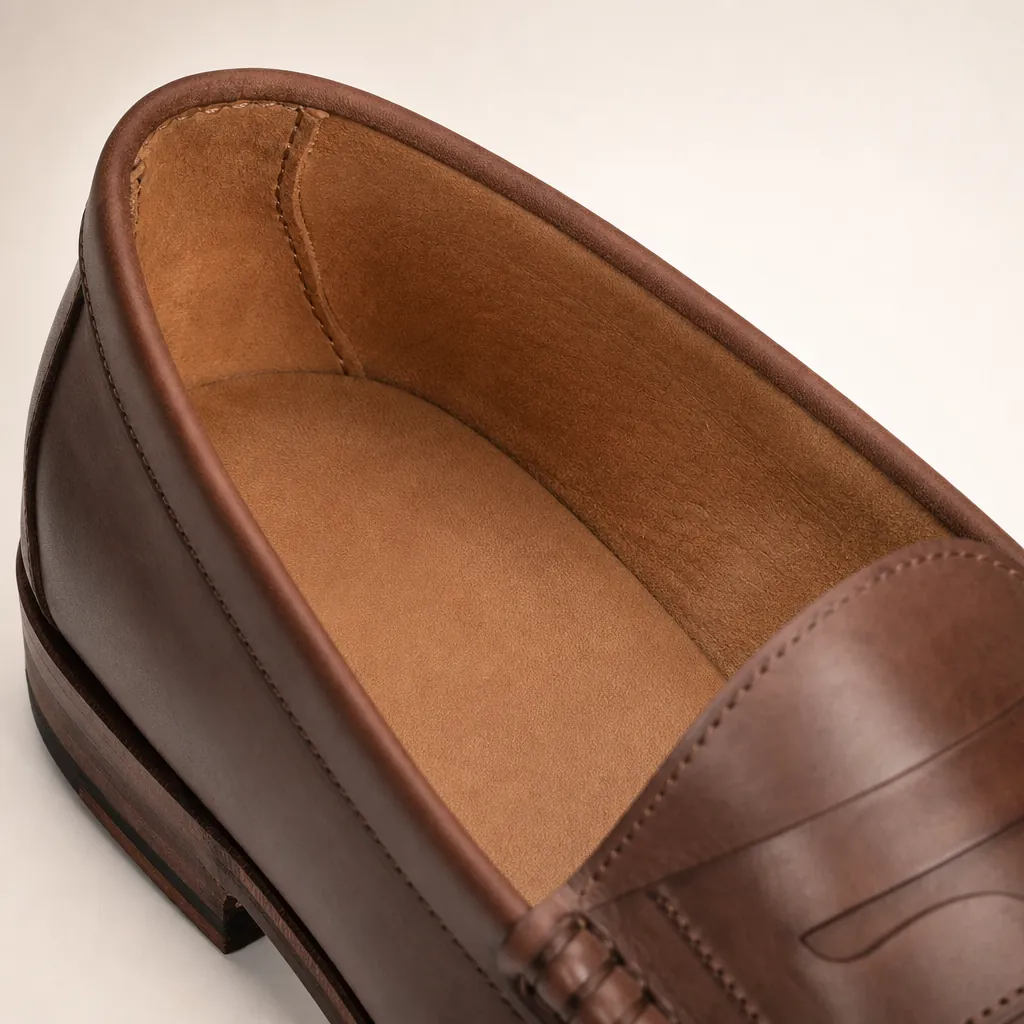
For reference, Wincheer’s standard men’s loafer program runs on full-grain cow leather uppers with leather insoles across EU sizes 38–46, with tiered EXW pricing from the 100-pair level. Suede uppers and sheepskin insoles are produced for the softer, more casual end of the range. Unlined and partially-lined builds are handled as custom developments on top of this base — see the section on specifying a program below.
Anatomy of a beefroll: what the stitching actually does
The beefroll is a structural and decorative treatment of the apron seam — the seam that joins the apron (the raised panel over the vamp) to the rest of the upper on penny loafers. Understanding it as a construction sequence makes specification and inspection much easier:
- Apron pattern. The apron is cut with generous seam allowance and a curved profile. Its shape determines how high the roll sits and how deep the toe pleats gather.
- Skiving. The apron edges are skived (thinned) so the rolled edge stays compact rather than bulky. Skiving depth is a common difference between a refined roll and a lumpy one.
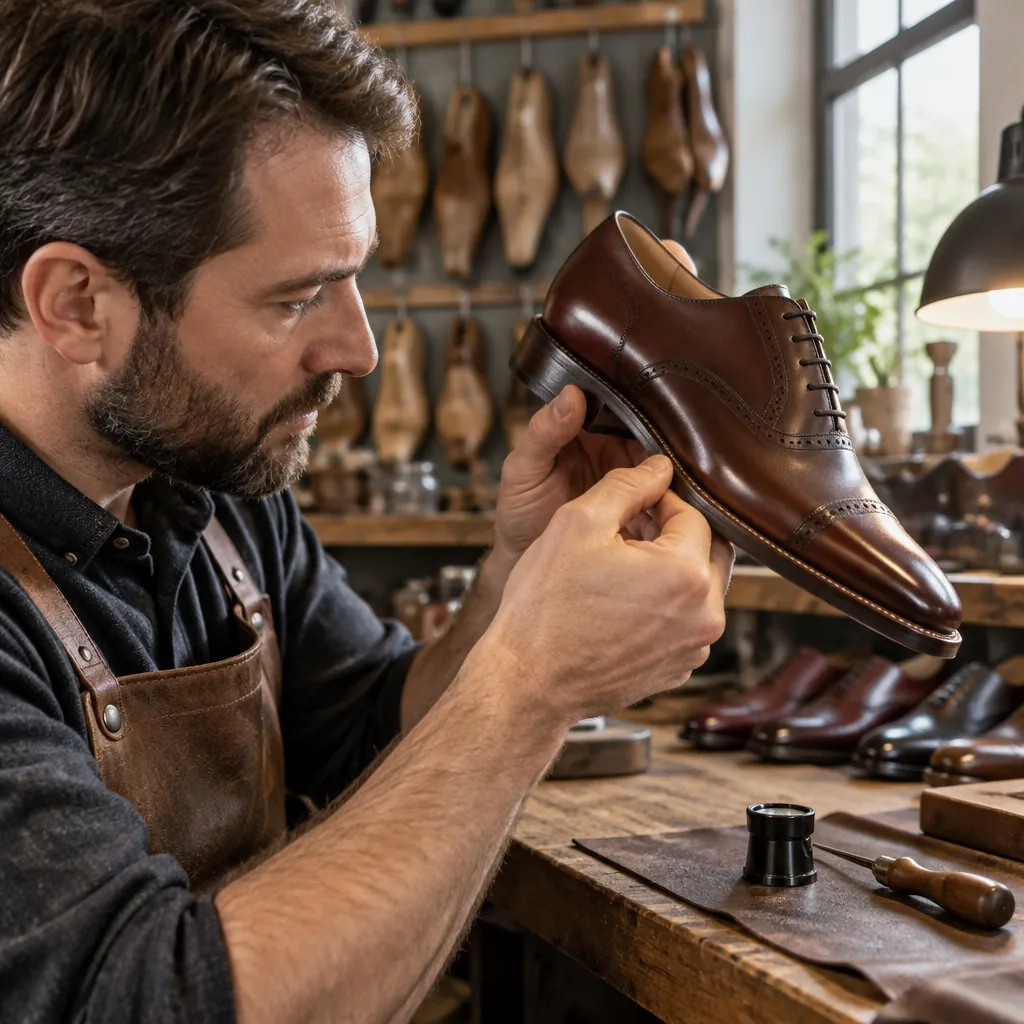
- Rolling and stitching. The apron edge is rolled over and stitched through both layers with a visible saddle-style stitch. The stitch row sits slightly inboard of the roll edge. On hand-worked models this stitching is done freehand on the lasted upper.
- Gathering at the toe. As the stitching approaches the toe, the leather is gathered into pleats that “pinch” the apron ends into the raised beefroll ears on either side of the toe. Spacing and symmetry of these gathers are the most visible quality markers in the final shoe.
- Battening and finishing. The stitched roll is hammered/set and finished so it holds its raised profile through wear.
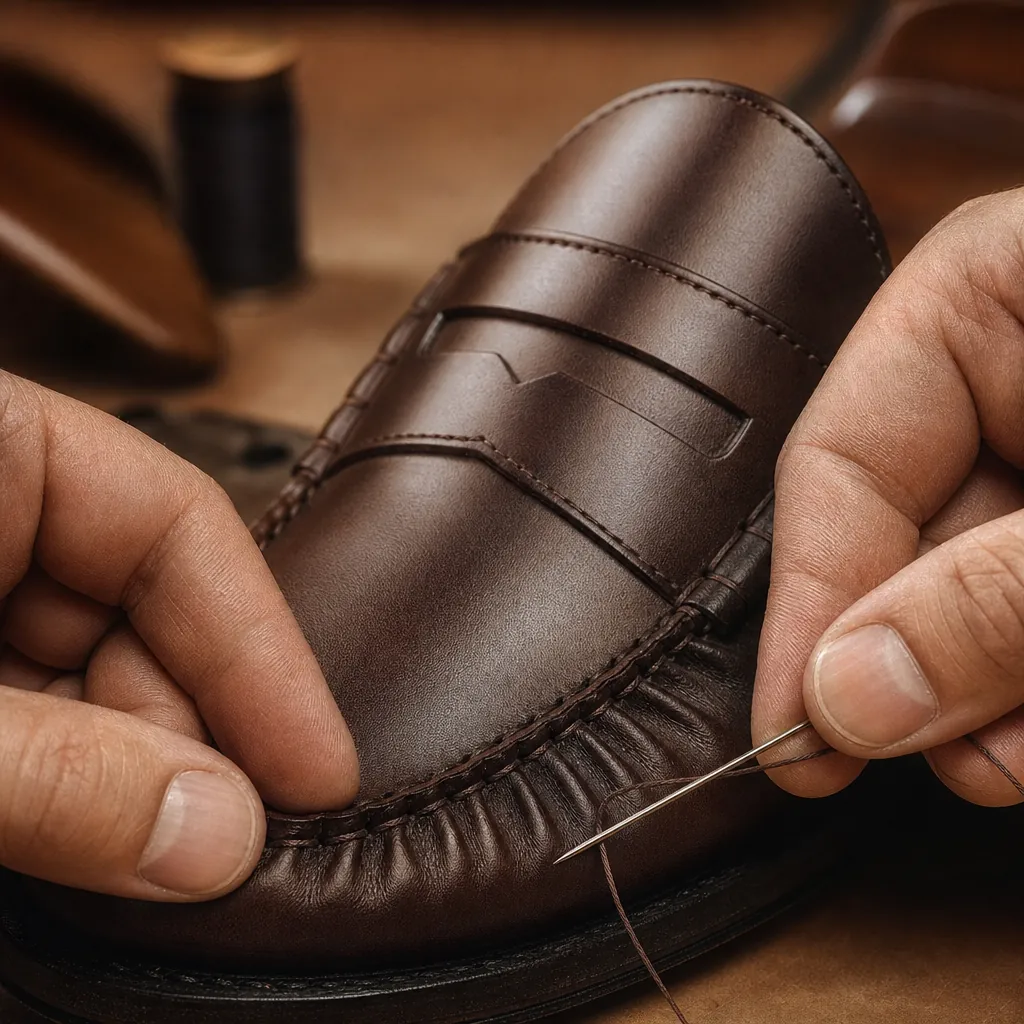
Stitch count and thread are genuine specification variables: a denser stitch count gives a finer, more formal appearance and takes longer to run; a heavier waxed thread gives the rustic handsewn look many American-style brands want. Buyers should specify thread weight, color contrast, and approximate stitches per inch — or provide a reference sample and ask the factory to match it.
Hand-sewn vs. hand-finished: a specification honesty check
The term “handsewn” covers a spectrum, and brands selling at retail should be precise about what they are buying, because their own marketing claims depend on it:
| Build type | What is actually hand-worked | Typical positioning |
|---|---|---|
| Fully hand-sewn moccasin | Upper hand-lasted; apron seam and roll stitched by hand through the vamp | Premium bench-made tier |
| Hand-stitched apron, machine-assembled | Apron/beefroll hand-stitched; closing and lasting partly machined | Mid-premium, most common OEM request |
| Hand-finished | Machine stitching with manual finishing, pleating, or burnishing | Better volume tier |
None of these is “wrong” — but the price, delivery time, and the brand’s ability to say “hand-stitched” on its product page differ significantly across the three. A good OEM partner will tell you which tier a target price realistically supports before sampling, rather than after.
This is also where MOQ conversations get easier to frame. Hand-stitched apron work is labor-priced, so factories typically quote hand-work tiers with slightly higher MOQs or unit premiums, and volume tiers with more machine assistance. Asking for the tier structure up front — the way Wincheer quotes standard programs from 100 pairs with step pricing at 300/600/1,000 — lets a brand plan its hero SKU and its volume SKUs in the same program.
The last: the parameter most buyers under-specify
On a loafer, the last does more visible work than on any laced shoe, because there is no closure to adjust fit. Three last parameters matter most for penny loafers:
- Toe shape / spring. How elongated or rounded the toe is, and how much the sole sweeps up at the toe. This single parameter moves a loafer between “American campus,” “British rounded,” and “Italian elongated” styles.
- Instep/volume. Penny straps sit across a high- or low-volume instep very differently. A last built for a low instep will collapse the saddle; too high and the strap floats.
- Heel pitch. A snug heel is what keeps an unlined loafer on the foot. Unlined uppers relax slightly over time, so the heel is usually cut tighter than in a lined build.
In an OEM program, buyers should request the last library, pick the closest stock last, then confirm changes through a trial last sample rather than from drawings. Last adjustments are cheap relative to a full production run and expensive to discover after shipping.
Materials specification sheet: what to bring to the factory
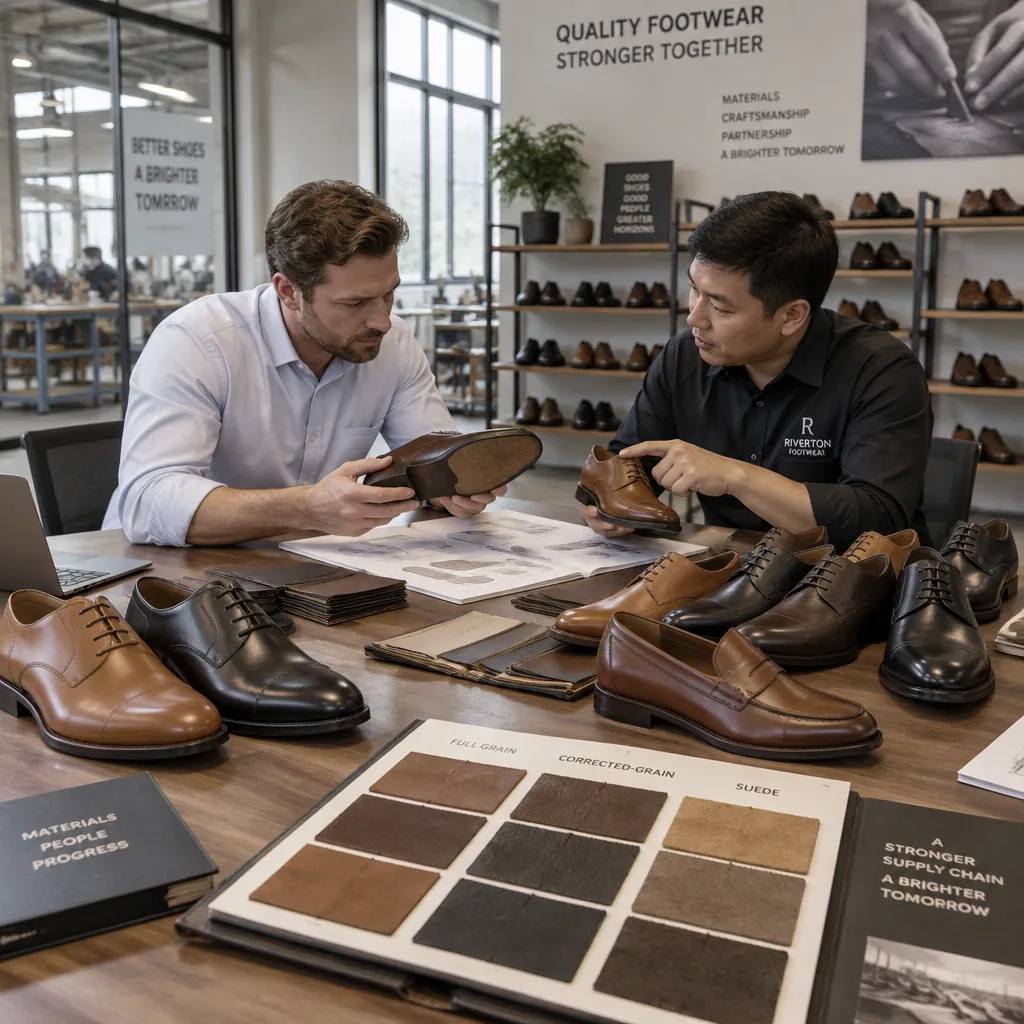
A brand that arrives with the following specified will get accurate quotes and dramatically faster sampling:
- Upper: leather type (calf, full-grain cow, suede), tannage, thickness in mm or oz, and finish (aniline, waxed, snuffed).
- Lining strategy: fully unlined, heel-grip-only, or half-lined — with the lining material if partial.
- Apron: beefroll vs. flat seam, stitch density, thread weight and color, whether gathers are hand-pleated.
- Insole: leather board vs. full leather; sock liner material and logo treatment.
- Outsole: rubber, leather, EVA blend, or combination; color; whether the outsole edge is painted or natural.
- Saddle/strap: width, whether functional or sewn-through, penny slot dimensions.
- Sizes: full EU range and half sizes, or UK/US conversion mapping.
- Reference sample or sketches, plus the retail price point the program is targeting.
The last item matters more than most buyers expect. A factory that knows the retail target can steer the leather grade and construction tier to protect the brand’s margin instead of quoting a specification that fails the price test at retail.
Quality checkpoints specific to this style
Generic shoe QC does not catch the failure modes of unlined beefroll loafers. A buyer’s inspection checklist for this style should include:
- Inside surface quality (unlined builds): flesh-side finish, absence of loose fibers, edge trimming at the topline — every interior defect is customer-visible.
- Roll symmetry: the two beefroll ears should mirror each other; pleat counts and spacing should match left/right.
- Stitch integrity: pull-test the apron stitch at the toe gathers, where tension concentrates.
- Apron centering: the stitch line should run centered over the vamp within agreed tolerance.
- Topline hold: after flex testing, the topline should not collapse or gape at the heel.
- Color matching: unlined interiors expose leather reverse sides that can shift dye lot to dye lot — check interior color consistency carton to carton, not just exterior.
Buyers rolling this into a broader sourcing QA process can combine it with a footwear AQL inspection framework and the pre-shipment checks described in our guide to selecting a reliable B2B leather shoe manufacturer.
How Wincheer runs custom programs in this category
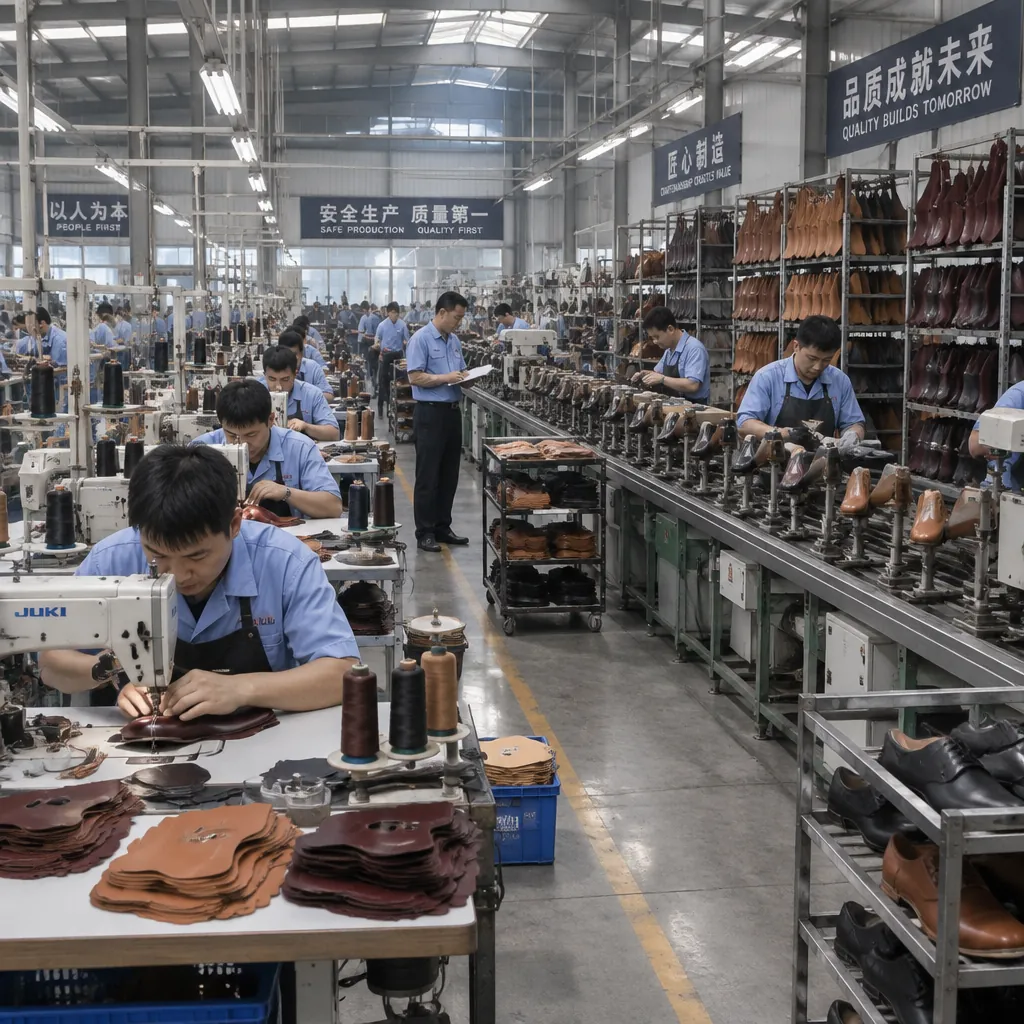
Wincheer Shoes Co., Ltd. produces men’s leather loafers and moccasin-construction shoes as a core category from its Jiangmen, Guangdong production base, with showrooms in Shanghai and Jiangmen. The loafer program covers full-grain cow leather and suede builds, rubber and EVA outsoles, and EU sizes 38–46, with development typically starting from stock lasts and existing loafer patterns — including penny, tassel, and slip-on silhouettes already in production.
Unlined builds, beefroll aprons, and hand-stitching levels are quoted as custom OEM/ODM development on top of that base: the buyer specifies leather grade, lining strategy, stitch density, and reference samples, and sampling proceeds through pattern, trial, and confirmation stages before production. Buyers planning a private-label program around classic silhouettes may also find our guide to launching a private-label shoe brand in China useful for the commercial structure around the product.
To start a development conversation, bring your target silhouette, a reference sample or images, your retail price point, and an idea of initial order quantity — the sample development team responds with material options, construction tiers, and a quotation structure you can plan a collection around. Contact the Wincheer team to request the loafer line sheet and last library.
Related reading
- How to Choose Men’s Dress Shoes: Oxford vs Derby vs Loafers
- The History and Cultural Significance of Moccasins
- The Complete OEM/ODM Shoe Development Process
- How to Select a Reliable B2B Leather Shoe Manufacturer
- Men’s Loafer Collection
FAQ: unlined penny loafers and beefroll construction
Q: Do unlined penny loafers need a break-in period?
Unlined penny loafers mold to the foot faster than lined builds, because the upper relaxes against the wearer’s foot without a lining layer holding shape. Expect the first several wears to feel snugger than a lined loafer, with the heel and vamp settling within one to two weeks of regular wear. Buyers should communicate this in retail product copy — it is a feature of the construction, not a defect.
Q: Can a beefroll be added to any penny loafer design?
No. The beefroll is a treatment of the apron seam, so it requires an apron pattern cut with the extra seam allowance and a curved profile that makes rolling and gathering possible. A flat-apron penny loafer pattern cannot be converted to a beefroll in production — it has to be developed and sampled as its own pattern from the start. This is why brands should decide the apron style at the design stage, not after production patterns are cut.
Q: Are unlined loafers cheaper because they use less material?
The lining saving is real but small, and it is almost always outweighed by the higher leather grade an unlined build requires. Since the flesh side of the upper becomes the interior surface, the hide must be cleaner, more consistent in thickness, and finished on both sides. In practice, unlined programs are quoted at similar or slightly higher prices than lined equivalents, not lower.
Q: How do I specify how much of the loafer is hand-stitched?
Specify the construction tier explicitly: fully hand-sewn moccasin, hand-stitched apron with machine assembly, or hand-finished machine construction. Each tier changes labor content, unit price, lead time, and what the brand can accurately claim on its product page. Provide a reference sample and ask the factory to quote against it tier by tier — a partner that answers with the tier a target price realistically supports, before sampling, is the one to keep.
Q: What sizes are available for custom unlined penny loafer programs?
The base men’s loafer program covers EU sizes 38–46 on stock lasts. Custom developments can adjust the last for toe shape, instep volume, and heel pitch, and half sizes or UK/US mappings are handled at the specification stage. Confirm the size run early, because last availability across the full range affects both sampling and production scheduling.