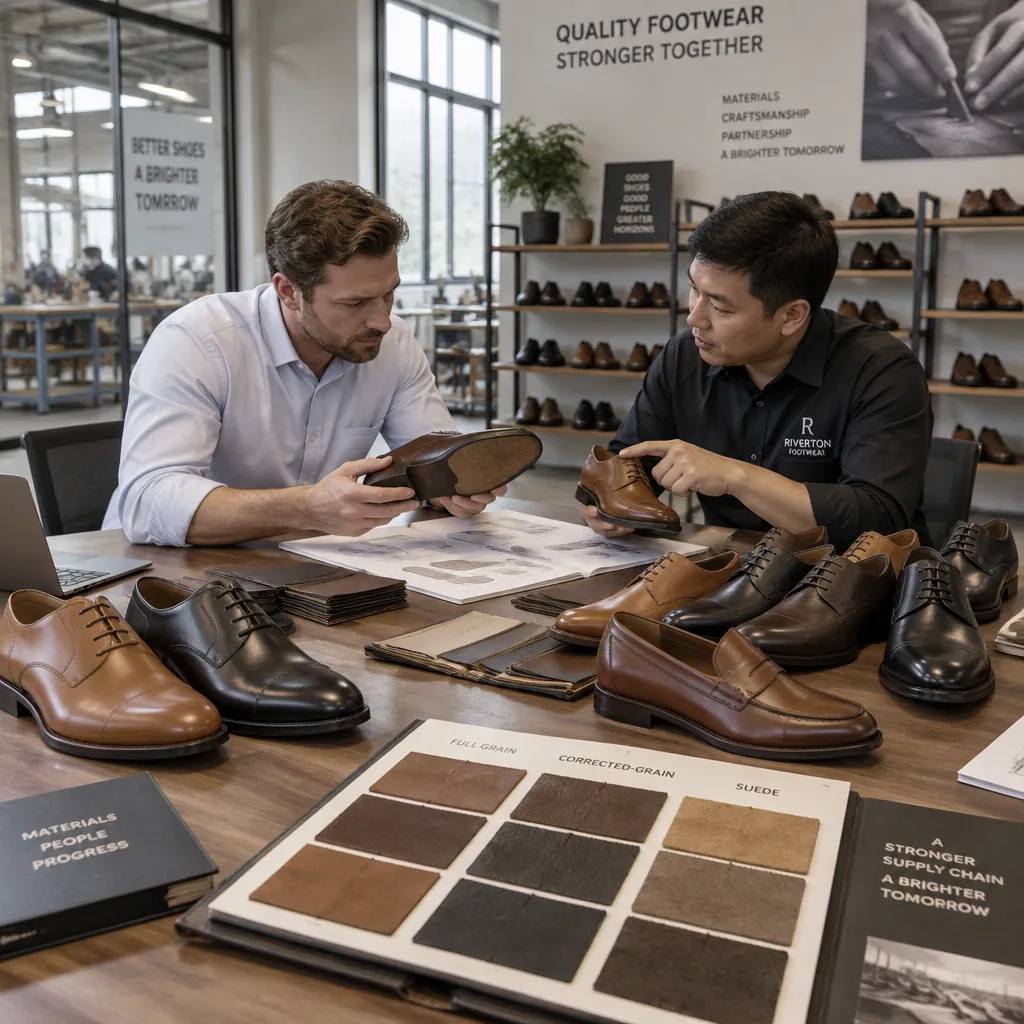

For a startup shoe brand, a 60 pair MOQ gives you market validation at a fraction of the capital risk compared to a 300 pair commitment.
When weighing the 60 pair MOQ vs 300 pair MOQ startup shoe brand decision, the numbers tell the story fast. At $25–40/pair, a 60-pair order ties up $1,500–$2,400 in inventory. A 300-pair order locks in $7,500–$12,000 — before you’ve sold a single pair. Manufacturers producing 500,000+ pairs annually can absorb small runs without compromising quality, which means low MOQ is no longer a signal of a second-tier supplier.
TL;DR
- A 60 pair MOQ startup shoe brand order costs $1,500–$2,400 at $25–40/pair, versus $7,500–$12,000 for 300 pairs — a 5x capital difference.
- Tier-one factories with 500,000+ pairs annual output can offer 60-pair custom MOQs without sacrificing quality or certifications.
- A defect rate of 0.8–1.2% (vs. the industry average of 2–4%) matters more at low MOQ because every defective pair is a higher percentage of your sellable stock.
- Zero MOQ on existing catalog designs lets startups test colorways and styles with no inventory commitment before scaling.
- CE (EN ISO 20347), REACH, and RoHS certifications are available at 60-pair MOQ — you don’t need to order 300 pairs to access compliant product.
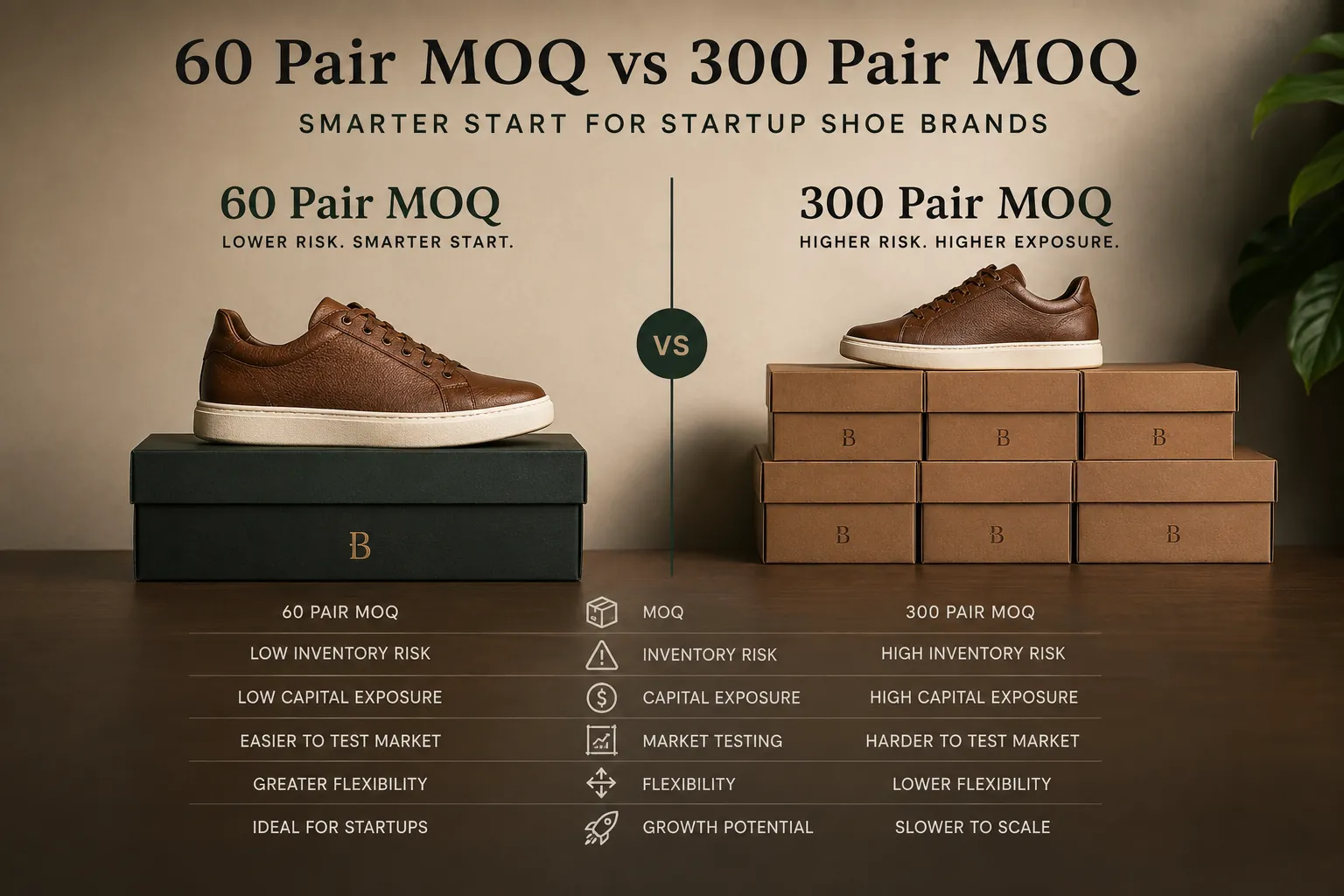
Table of Contents
- The Real Cost Difference: 60 vs 300 Pairs
- 60 Pair MOQ vs 300 Pair MOQ Startup Shoe Brand: Risk Analysis
- When a 300 Pair MOQ Actually Makes Sense
- Quality and Certification at Low MOQ
- Decision Framework: Which MOQ Is Right for You?
- FAQ

1. The Real Cost Difference: 60 vs 300 Pairs
The financial gap between these two MOQ tiers is not just about unit count — it’s about how much of your runway you’re betting on a single SKU.
At $25–40/pair FOB, here’s what each scenario looks like in hard numbers:
| Metric | 60 Pair MOQ | 300 Pair MOQ |
|---|---|---|
| Min. capital required | $1,500 | $7,500 |
| Max. capital required | $2,400 | $12,000 |
| Unsold inventory risk | Low | High |
| Style/colorway testing | Practical | Expensive |
| Cash flow impact | Minimal | Significant |
| Lead time flexibility | High | Moderate |
| Reorder speed | Fast | Slower |
For a brand launching its first Oxford or Derby style, the difference between $2,400 and $12,000 is often the difference between surviving a slow first season and shutting down.
Hidden Costs That Shift the Calculation
Per-unit shipping costs are higher at 60 pairs than at 300 pairs — that’s real. A 60-pair carton ships as a small parcel or LCL (less-than-container-load), adding roughly $3–8/pair in freight versus $1–3/pair for a full pallet.
But factor in the cost of unsold inventory. If you order 300 pairs and sell 180, you’re warehousing 120 pairs — paying storage, tying up cash, and potentially discounting to clear stock. That discount often wipes out the per-unit freight savings entirely.
For more on how shipping terms affect your landed cost, see the FOB shoe pricing guide covering 4 Incoterms.
2. 60 Pair MOQ vs 300 Pair MOQ Startup Shoe Brand: Risk Analysis
The core risk at 300 pairs is demand uncertainty — you’re forecasting sales before you have any sales data.
Most shoe brand failures in the first two years trace back to one mistake: over-ordering before the market has validated the product. A 300-pair MOQ forces you to commit to a style, colorway, and size run before you know what your customers actually want.
Market Validation Risk
With 60 pairs, you can test three styles simultaneously for the same capital as one 300-pair run. If one style sells out in six weeks and another sits for six months, you’ve learned something worth far more than the freight savings on the larger order.
This is the core argument for starting at 60 pairs: you’re buying information, not just inventory.
Size Run Risk
A 300-pair order spread across a standard size run (EU 39–46, 8 sizes) gives you roughly 37–38 pairs per size. That sounds reasonable until you discover your customer base skews heavily toward sizes 42–44. Now you have surplus in sizes 39–41 and 45–46 that won’t move.
A 60-pair order lets you weight your size run based on your actual customer data from the first batch.
Supplier Relationship Risk
Ordering 300 pairs from a new supplier before you’ve verified their quality consistency is a significant gamble. A defect rate of 2–4% (industry average) on 300 pairs means 6–12 defective pairs. At 0.8–1.2% from a tier-one factory, that’s 2–4 pairs — but you want to confirm that rate before scaling.
Starting at 60 pairs lets you run a real-world quality audit before committing to larger volumes. For a structured approach to quality inspection, the AQL inspection footwear quality control guide covers the five key checkpoints.
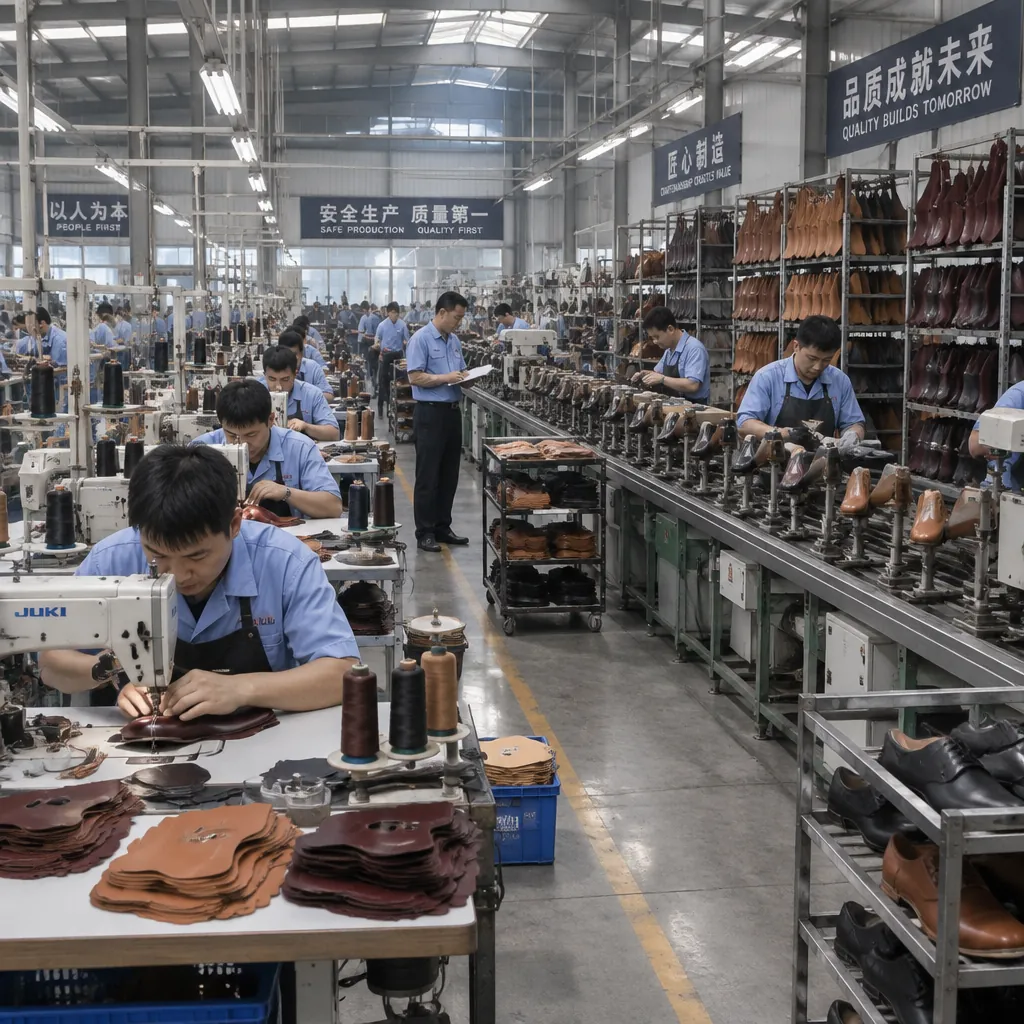
Wincheer Shoes, founded in 2007 and producing 500,000+ pairs annually across 50+ countries, offers 60-pair custom MOQ and zero MOQ on existing catalog designs — specifically because the factory’s scale makes small runs economically viable without compromising the 0.8–1.2% defect rate or CE/REACH/RoHS certification standards.
3. When a 300 Pair MOQ Actually Makes Sense
A 300-pair MOQ is the right call in specific, well-defined situations — not as a default starting point.
You Have Pre-Sold Inventory
If you’ve run a pre-order campaign, secured a wholesale account, or have a confirmed B2B buyer, a 300-pair order is justified. You’re not forecasting demand — you’re fulfilling it. The per-unit economics improve, and the inventory risk is already hedged.
You’re Reordering a Proven SKU
Your first 60-pair run sold out. You know the size distribution, you know the colorway works, and you have repeat customer demand. Now a 300-pair reorder makes sense. You’re scaling a validated product, not gambling on an untested one.
You’re Targeting a Price-Sensitive Market
Some retail price points require a landed cost that only works at higher volumes. If your target retail is $89 and your landed cost at 60 pairs is $52, the margin is too thin. At 300 pairs, if landed cost drops to $38, the business model works. Run the numbers before deciding.
You Have the Working Capital and Storage
300 pairs of men’s leather shoes in boxes occupy roughly 3–4 cubic meters of warehouse space. If you have the storage, the cash, and the sales channel to move that volume within 90 days, the larger order is efficient. If any of those three conditions is uncertain, start smaller.
4. Quality and Certification at Low MOQ
One persistent myth in shoe sourcing is that low MOQ means lower quality or that certifications are only available at scale.
This was true 15 years ago. It is not true in 2026.
CE Certification at 60 Pairs
CE marking under EN ISO 20347 is a product-level certification, not a volume-level one. A factory either holds the certification or it doesn’t. If a supplier tells you CE certification is only available at 300+ pairs, that’s a red flag — the certification applies to the product design and manufacturing process, not the order quantity.
The same applies to REACH (chemical compliance) and RoHS. These are factory-level and material-level certifications. A compliant factory produces compliant product at 60 pairs or 600 pairs.
For a full breakdown of what CE marking requires for footwear exports to the EU, see the CE marking footwear 2026 EU certification guide.
60 Pair MOQ vs 300 Pair MOQ Startup Shoe Brand: Quality Consistency
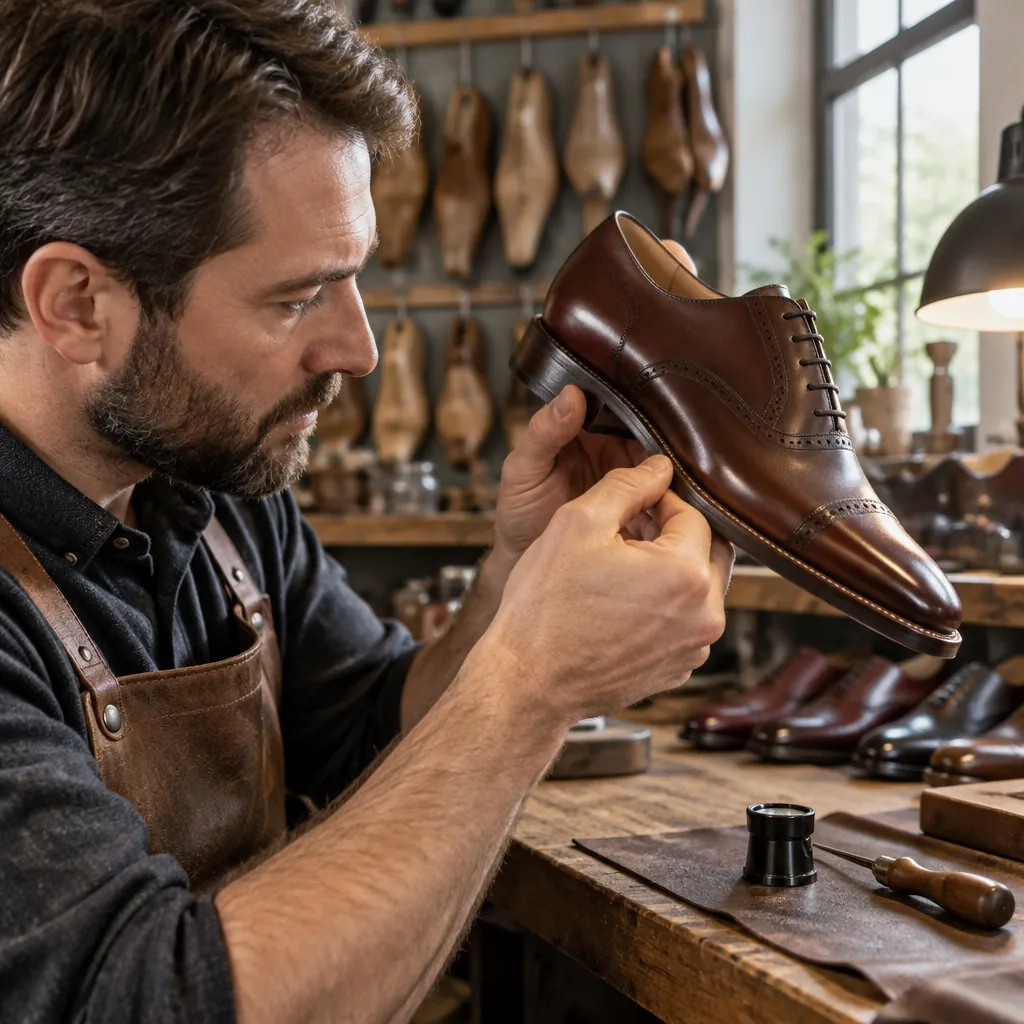
Quality consistency at low MOQ depends entirely on the factory’s production system, not the order size. A factory running lean manufacturing with inline QC checkpoints produces consistent quality at 60 pairs. A factory relying on end-of-line inspection produces inconsistent quality at any volume.
Ask your supplier specifically: what is your inline defect detection process? What is your defect rate by product category? Request data, not assurances.
5. Decision Framework: Which MOQ Is Right for You?
Use this checklist to determine your starting MOQ before contacting any supplier.
Startup MOQ Decision Checklist
Start at 60 pairs if:
- [ ] You have no prior sales data for this style or market
- [ ] Your working capital for inventory is under $5,000
- [ ] You are testing more than one style simultaneously
- [ ] You have not yet confirmed your size distribution for your customer base
- [ ] You are entering a new geographic market
- [ ] You have not previously worked with this supplier
- [ ] Your sales channel is direct-to-consumer with unpredictable demand
Consider 300 pairs if:
- [ ] You have pre-sold at least 150 units of this specific style
- [ ] You have a confirmed wholesale or B2B purchase order
- [ ] You are reordering a style with at least two successful prior runs
- [ ] Your landed cost economics only work at higher volume
- [ ] You have warehouse space and 90-day cash flow to support the inventory
- [ ] You have verified supplier quality through at least one prior order
Questions to ask every supplier regardless of MOQ:
- [ ] What is your defect rate by product category?
- [ ] Do you hold CE (EN ISO 20347), REACH, and RoHS certifications?
- [ ] What is your inline QC process?
- [ ] What is your lead time at 60 pairs vs 300 pairs?
- [ ] Do you offer zero MOQ on existing catalog designs?
- [ ] What are your payment terms for first-time orders?
For a complete guide to payment structures on B2B orders, see payment terms for B2B leather shoe orders.
If you’re building a private label brand from scratch, the private label shoes 10-step brand launch guide walks through the full process from concept to first shipment.
FAQ
Q: What is the typical MOQ for custom leather shoes from a China manufacturer in 2026?
A: Most mid-tier factories set custom MOQ at 300–500 pairs per style per color. Tier-one factories with high annual output can offer 60-pair custom MOQ because their production scale makes small runs economically viable. Zero MOQ is sometimes available on existing catalog designs, which lets you test a style with no minimum commitment before placing a custom order.
Q: Does ordering 60 pairs instead of 300 pairs significantly increase my per-unit cost?
A: The factory price per pair is typically the same at 60 pairs as at 300 pairs when the supplier offers a flat MOQ structure. The real cost difference is in freight: LCL shipping at 60 pairs adds roughly $3–8/pair compared to $1–3/pair for a full pallet. For most startups, that $5/pair freight premium is far cheaper than the risk of holding 120+ unsold pairs from a 300-pair order.
Q: Can I get CE-certified shoes at a 60-pair MOQ?
A: Yes. CE certification under EN ISO 20347 is a product and factory-level certification, not a volume threshold. A factory that holds CE, REACH, and RoHS certifications produces compliant product at any order quantity. If a supplier claims certifications are only available at higher MOQs, treat that as a red flag and verify their certification documents independently.
Q: How should I structure my size run for a 60-pair first order?
A: For a men’s dress shoe targeting European or North American markets, weight your size run toward the middle sizes (EU 41–44 / US 8–11), which typically account for 60–70% of demand. A common starting distribution for 60 pairs is: 2 pairs each of EU 39–40, 8 pairs each of EU 41–44, and 2 pairs each of EU 45–46. Adjust based on any existing customer data you have.
Q: What are the red flags that a supplier’s low MOQ offer is not genuine?
A: Watch for suppliers who offer 60-pair MOQ but then require 300 pairs once you request customization (logo, colorway, last modification). Other red flags include inability to provide certification documents, vague answers about defect rates, and sample quality that differs noticeably from production quality. A genuine low-MOQ supplier will have a clear, documented process for small-run production and will be transparent about their quality metrics — a defect rate under 1.2% is achievable and should be stated in writing.
Ready to Start Your Shoe Line?
Whether you’re starting with 60 pairs to test the market or scaling a proven style to 300+, the right manufacturer makes the difference between a smooth launch and a costly mistake.
Wincheer Shoes works with private label brands, B2B buyers, and cross-border sellers across 50+ countries — with 0 MOQ on existing designs and 60-pair custom MOQ, CE/REACH/RoHS certifications, and a documented defect rate of 0.8–1.2%.
Reach out directly to discuss your project:
- Email: peterwang@shwincheer.com
- Website: wincheershoes.com