
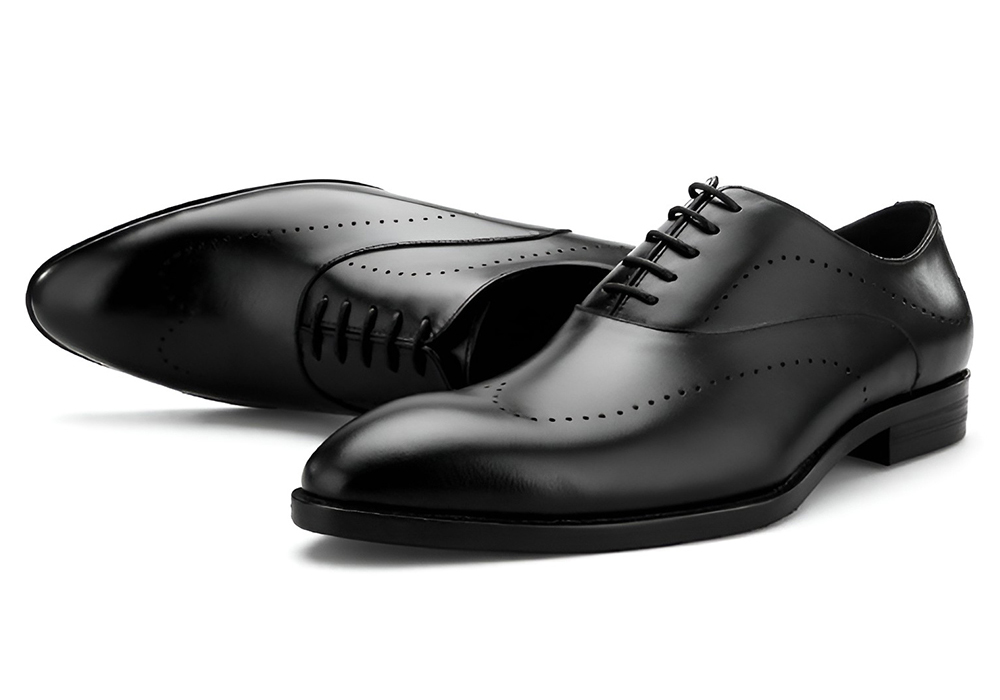
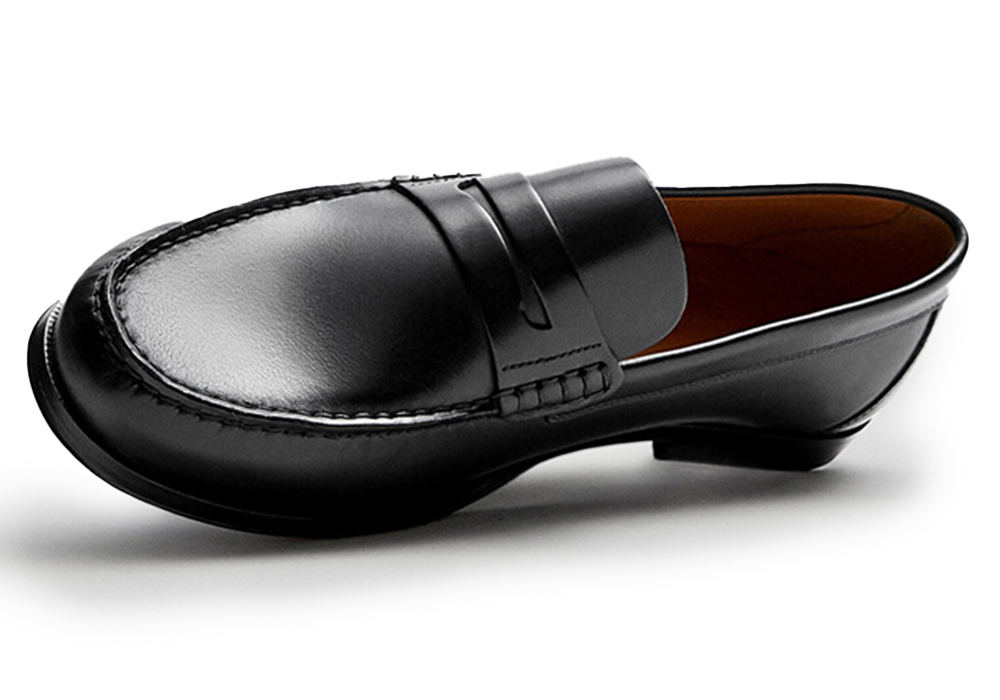
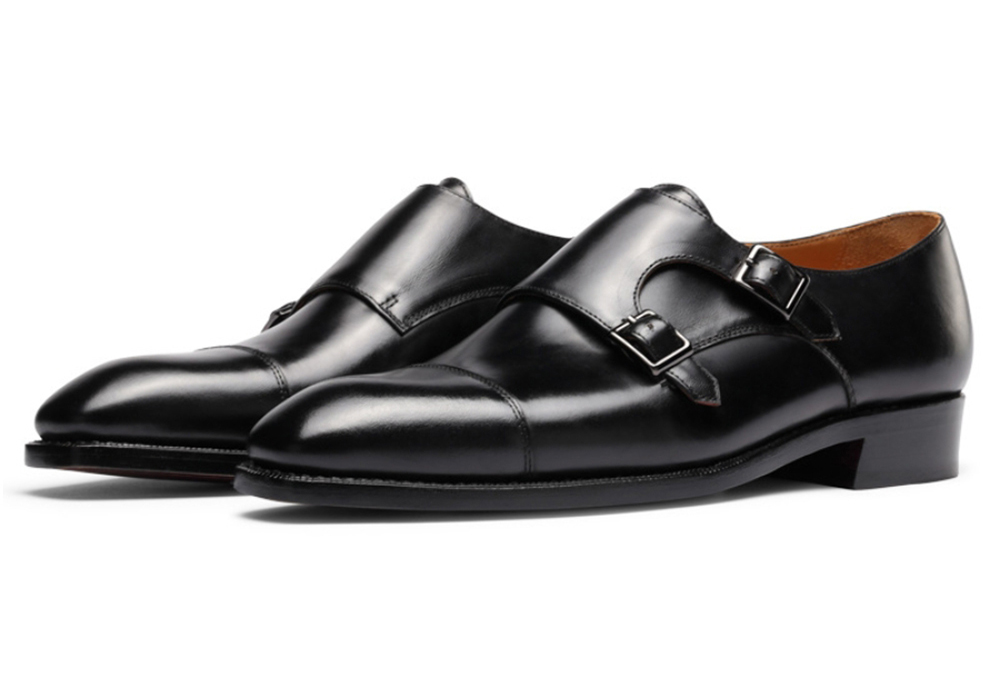
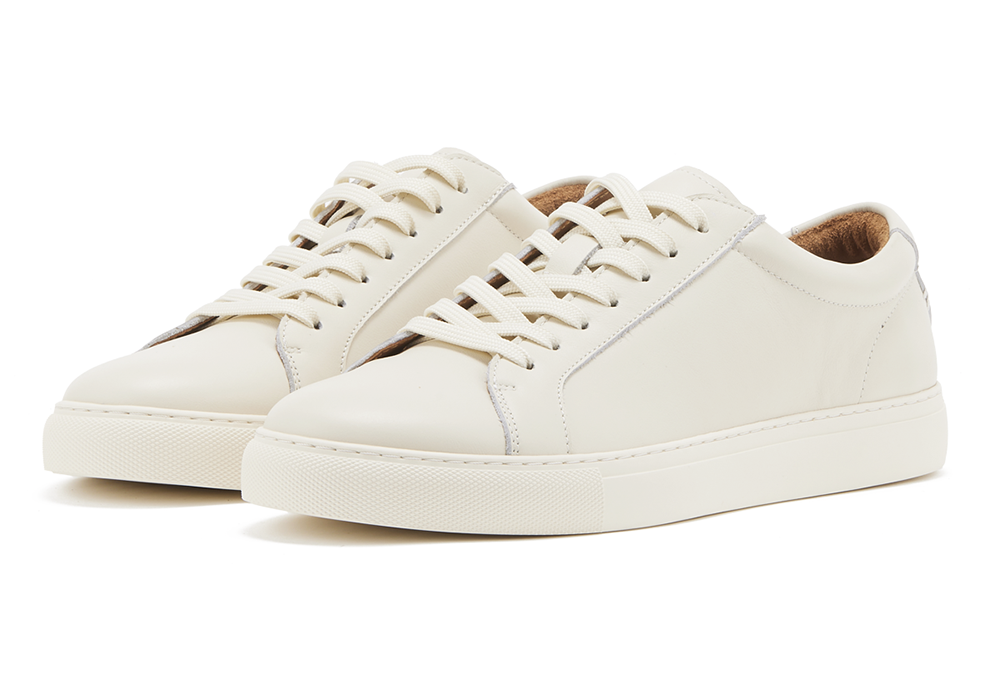
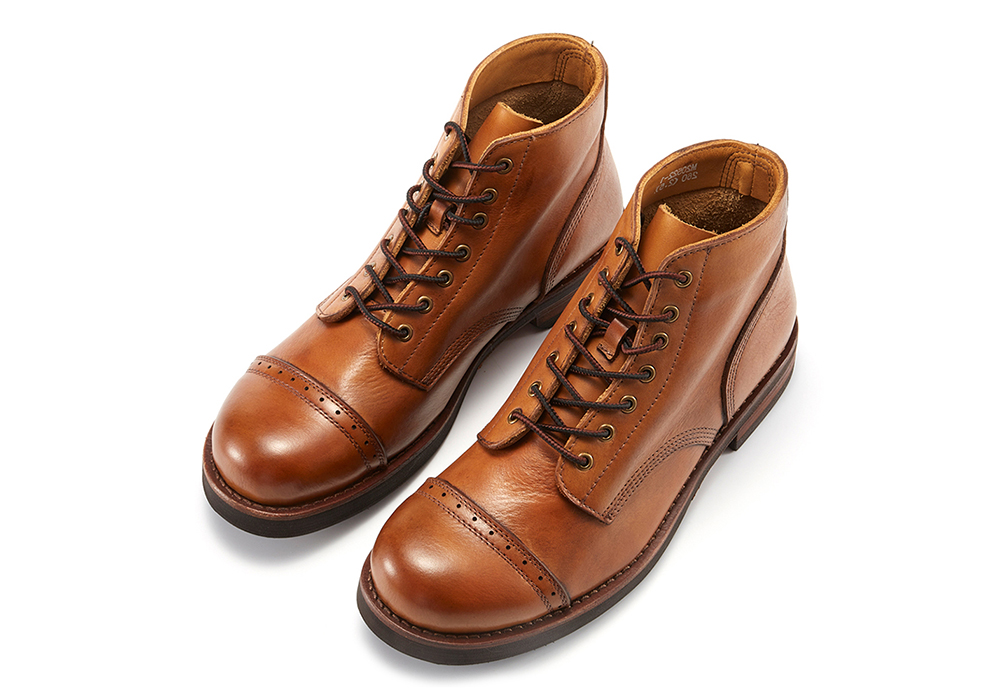
To buy wholesale oxford shoes well, verify MOQ (60 pairs for custom designs), chemical compliance (REACH, plus EN ISO 20347 if sourcing occupational lines), and defect rate (0.8-1.2%) before comparing price.
A factory with 500,000 pairs a year of capacity can quote $25-40/pair on men’s leather oxfords and still pass inspection. Most buyers who lose money on wholesale oxford shoes did not choose the wrong style. They skipped the three checks above and discovered the gap after the container landed.
This guide shows retailers, private label brands and cross-border sellers how to evaluate, price, inspect and order wholesale oxford shoes in 2026.
TL;DR
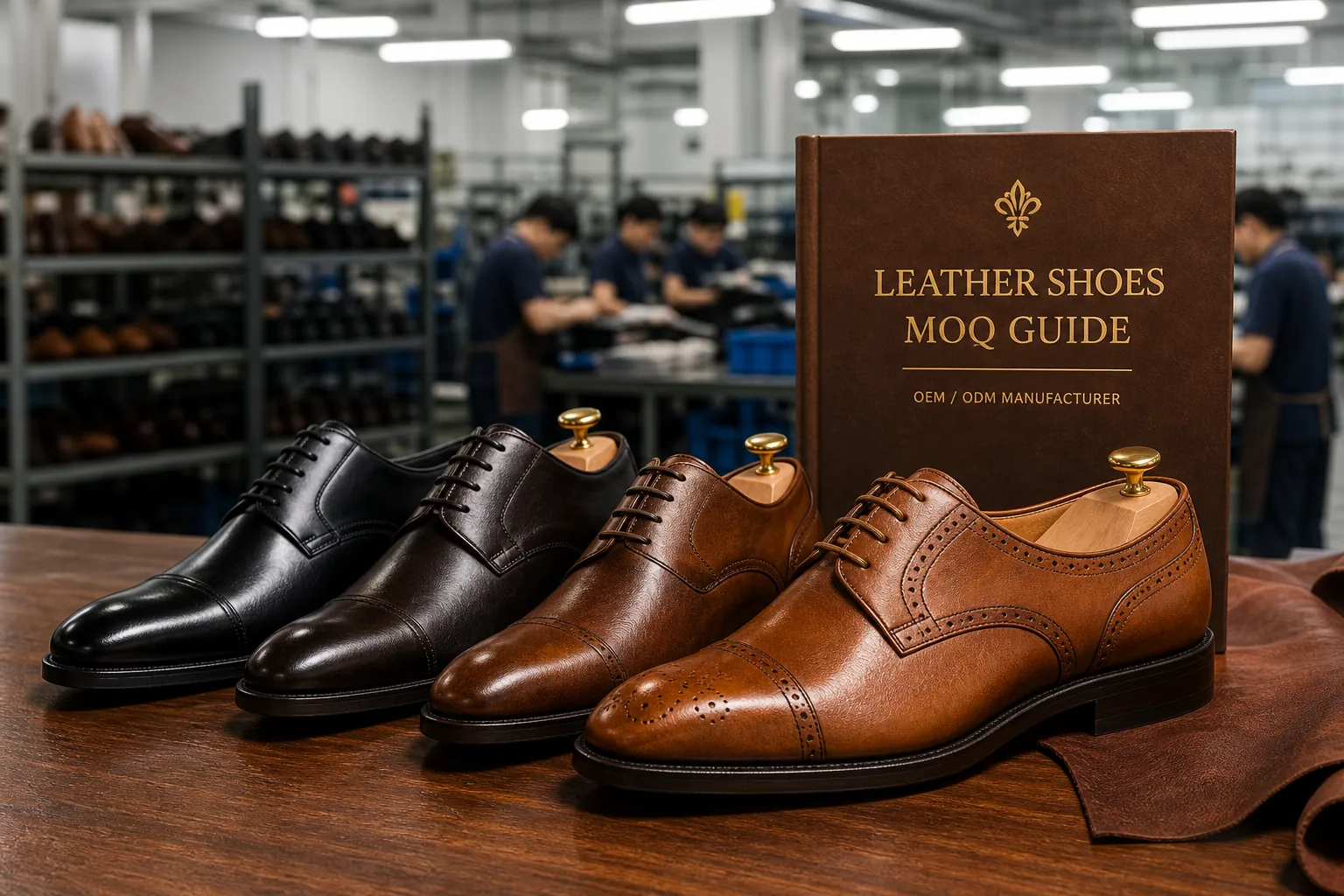
- MOQ: custom wholesale oxford shoes start at 60 pairs per model, and logo-only orders on existing stock styles can go below 60 pairs.
- Price: factory-direct men’s leather oxfords typically cost $25-40/pair FOB at the 60-pair MOQ for cemented and Blake-stitched styles; Goodyear-welted pairs sit above that at $65-120/pair.
- Quality: our QC records hold a defect rate of 0.8-1.2%, against an industry rule-of-thumb average of 2-4%.
- Compliance: EU-bound dress oxfords need REACH documentation (including azo dyes) for restricted substances and the labeling required in your destination market; apply EN ISO 20347 (CE) only where the style is positioned as occupational footwear, and RoHS only for any electrical or electronic components.
- Lead time: samples take 7-15 days including revisions, and bulk production takes 30-45 days after sample approval.
- Risk math: on a 1,000-pair order, the gap between a 1% and a 3% defect rate is about 20 extra pairs of after-sales cost.
Wholesale Oxford Shoes: The Complete B2B Buying Guide for Retailers and Brands
Table of Contents
- What to Verify Before Buying Wholesale Oxford Shoes
- Oxford Construction and Specs That Drive Wholesale Pricing
- Wholesale Oxford Shoes Pricing, MOQ and Sourcing Models
- Quality Control and Certification for Wholesale Oxford Shoes
- A 10-Point Supplier Checklist for Wholesale Oxford Shoes
- Assortment, Sizing and Packaging Decisions
- FAQ
- Ready to Start Your Shoe Line?
1. What to Verify Before Buying Wholesale Oxford Shoes
Three numbers decide whether a wholesale oxford shoes order is safe: the MOQ, the certification scope and the factory’s defect rate.
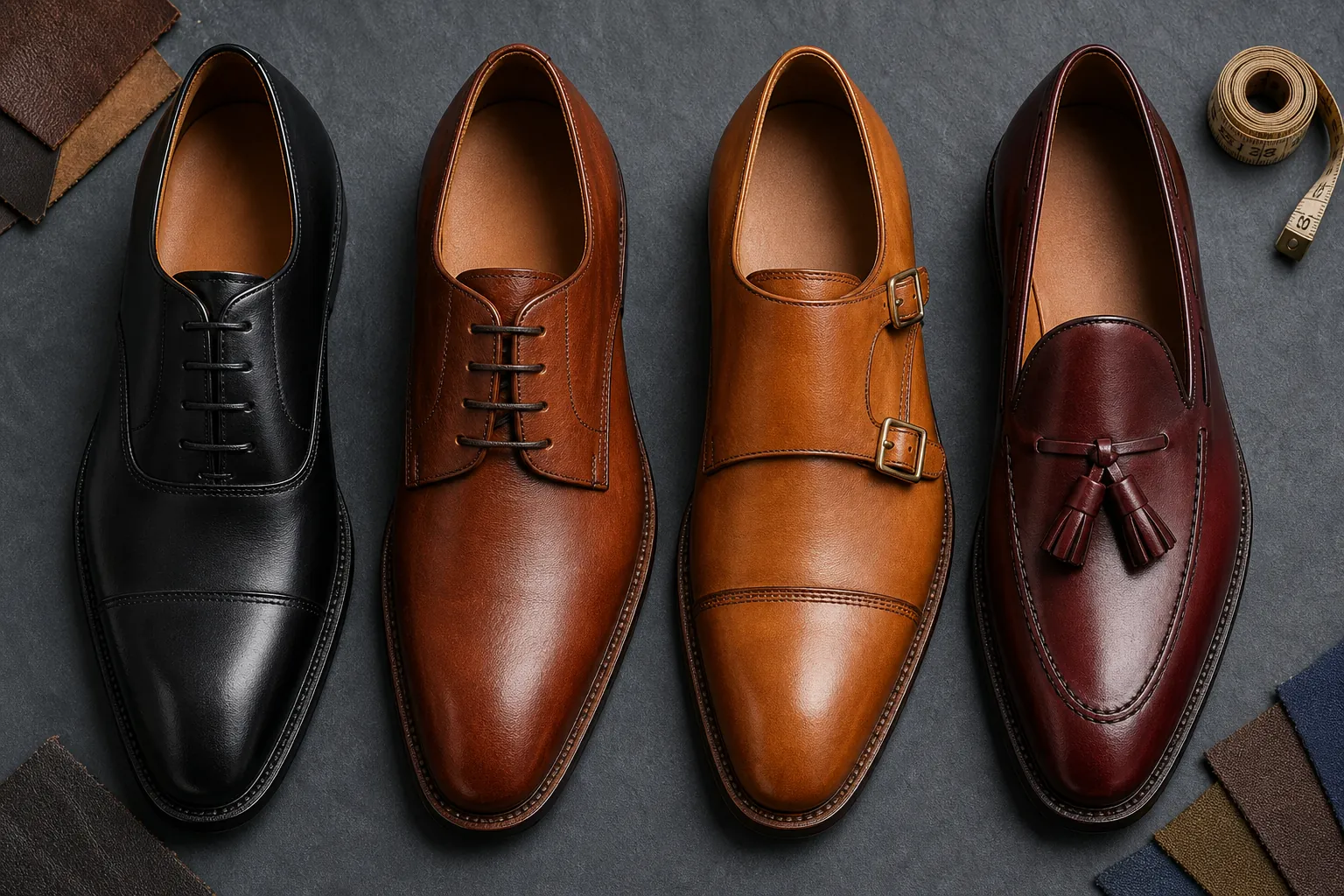
An oxford is defined by closed lacing, where the eyelet tabs are stitched underneath the vamp. Wikipedia’s entry on the Oxford shoe gives the historical background. Think of closed lacing as a zipper hidden under a flap: it gives a clean, narrow silhouette, but it limits how much the throat can open for wide feet.
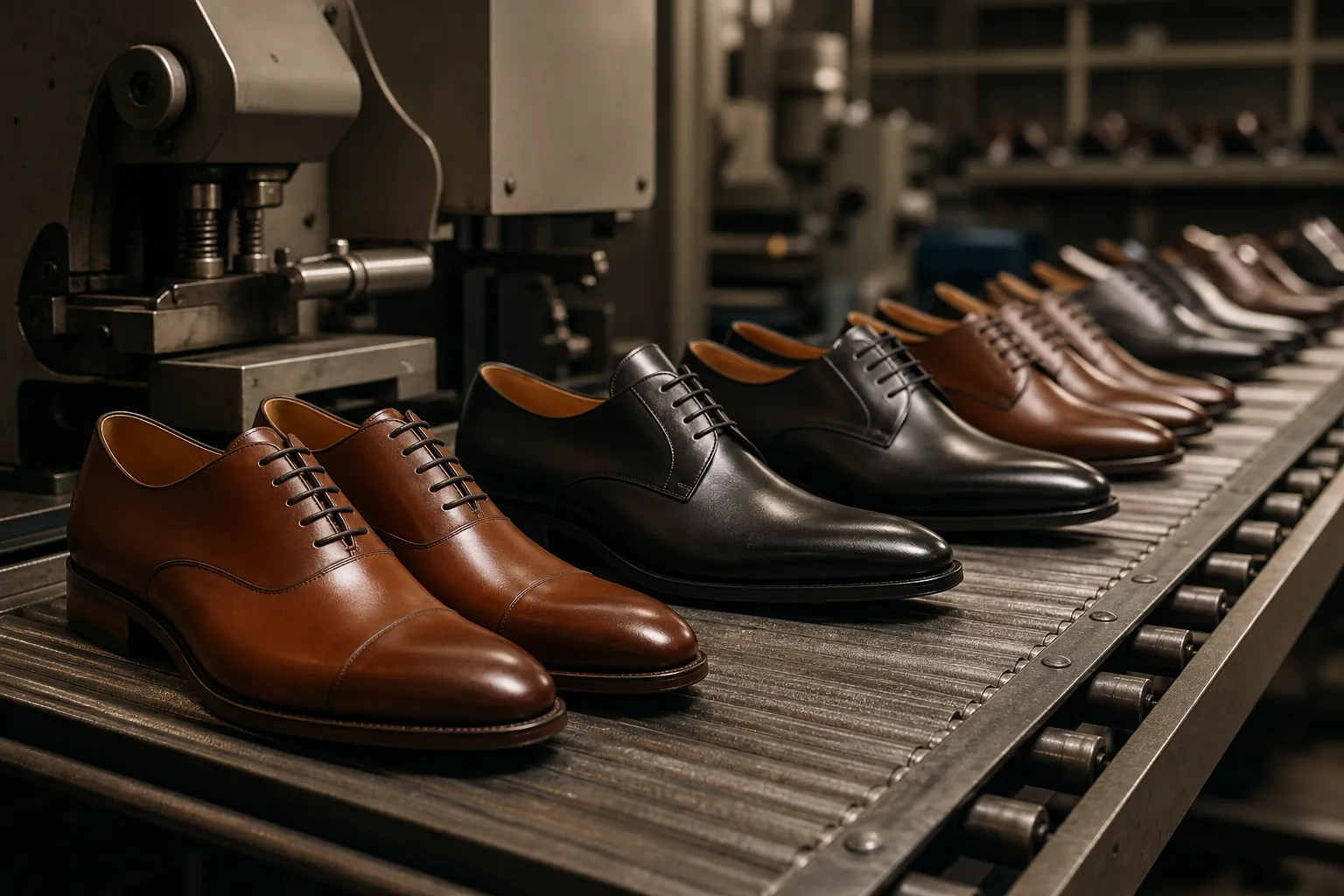
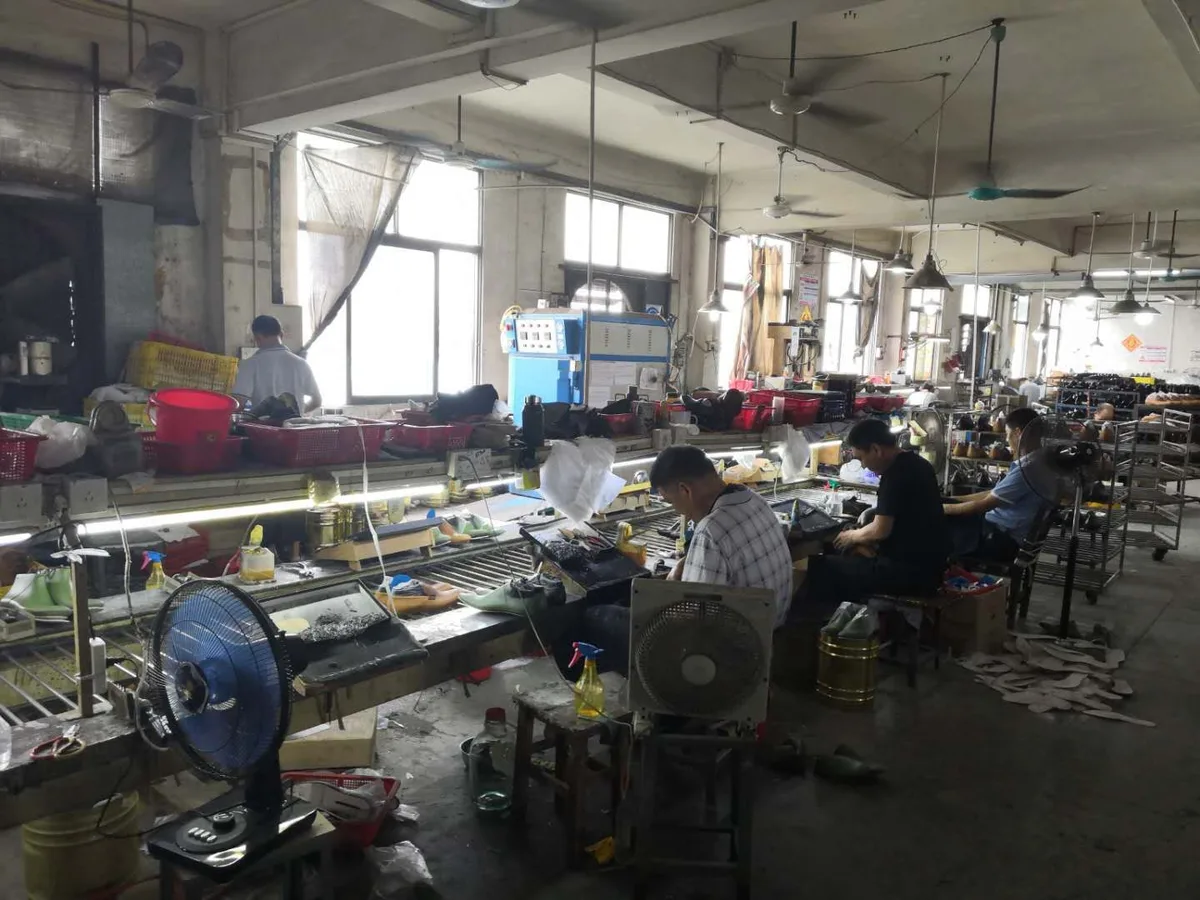
In our factory at Wincheer Shoes, we have made men’s leather shoes since 2007. Capacity is 500,000 pairs a year across production lines in Jiangmen, Guangdong, about 1.5 hours from Guangzhou, and we ship to 50+ countries. We hold a defect rate of 0.8-1.2% and REACH compliance, plus EN ISO 20347 capability for occupational footwear lines and RoHS capability for relevant product lines. These are the benchmarks we suggest you hold any supplier to. They are our own figures, so ask any supplier, us included, for the last three AQL inspection reports (with dates, AQL limits and defect definitions), a factory audit report, and a line, worker and capacity breakdown.
The Three Gate Checks
- MOQ flexibility: 60 pairs for custom designs is workable for a new brand. A factory demanding 500 pairs per color is built for big-box chains.
- Certification depth: ask for test reports, not just logos on a brochure.
- Defect rate evidence: ask for the last three inspection reports, not a verbal claim.
A common misconception is that the lowest quoted price signals the best margin. In wholesale oxford shoes, a low quote often reflects a changed spec rather than a better deal. Check these hidden-cost points before comparing prices:
- Lining: is it leather or synthetic, and does it cover the vamp and heel counter?
- Outsole: which compound is used, and is it the same as on the approved sample?
- Inspection: is there a final AQL inspection, and do you receive the report?
Ask every supplier to state these in the quote. You pay for any gap later as returns.
2. Oxford Construction and Specs That Drive Wholesale Pricing
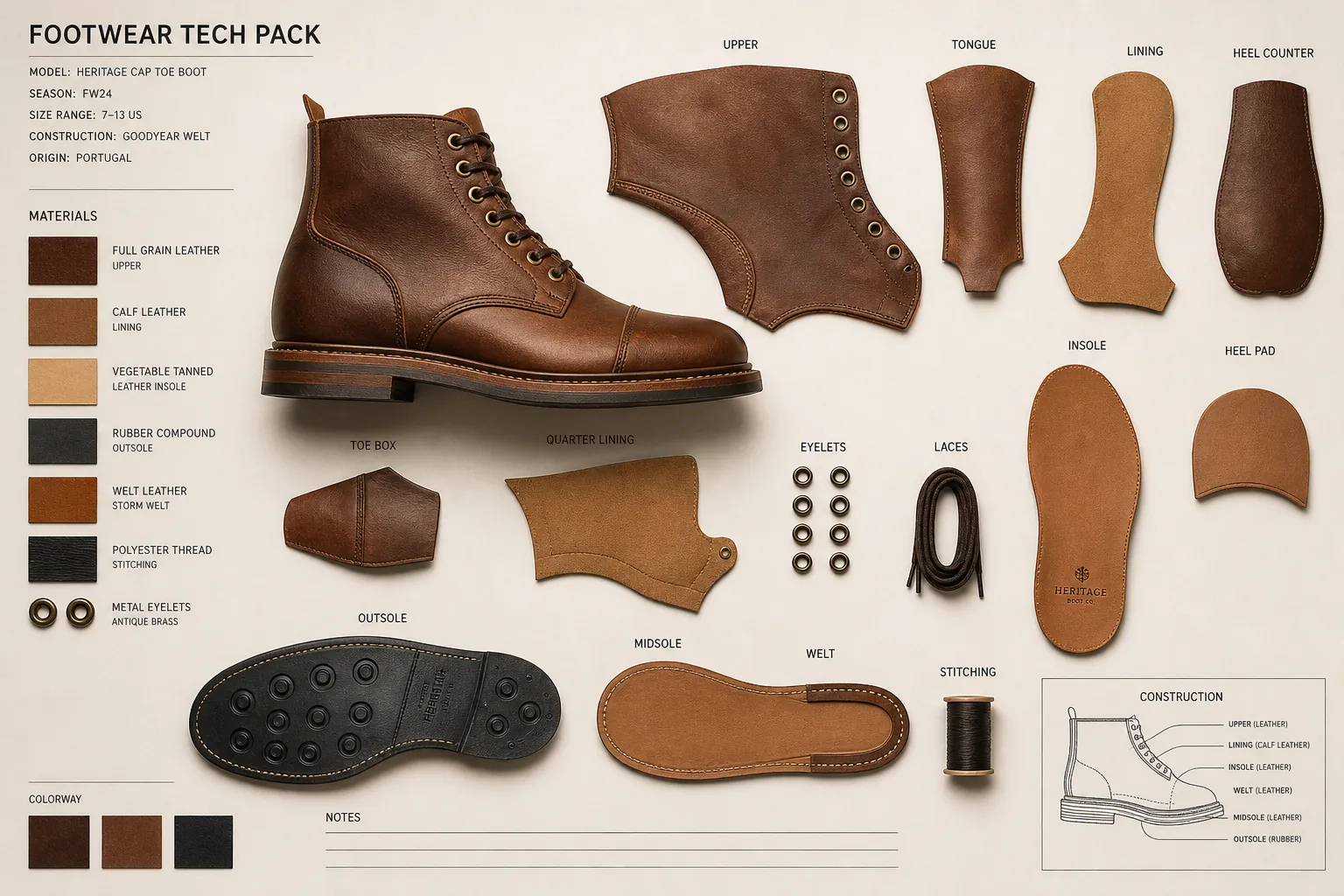
Construction method is the largest single driver of cost and durability in wholesale oxford shoes, followed by leather grade and last shape.
For a deeper breakdown, see this shoe construction comparison.
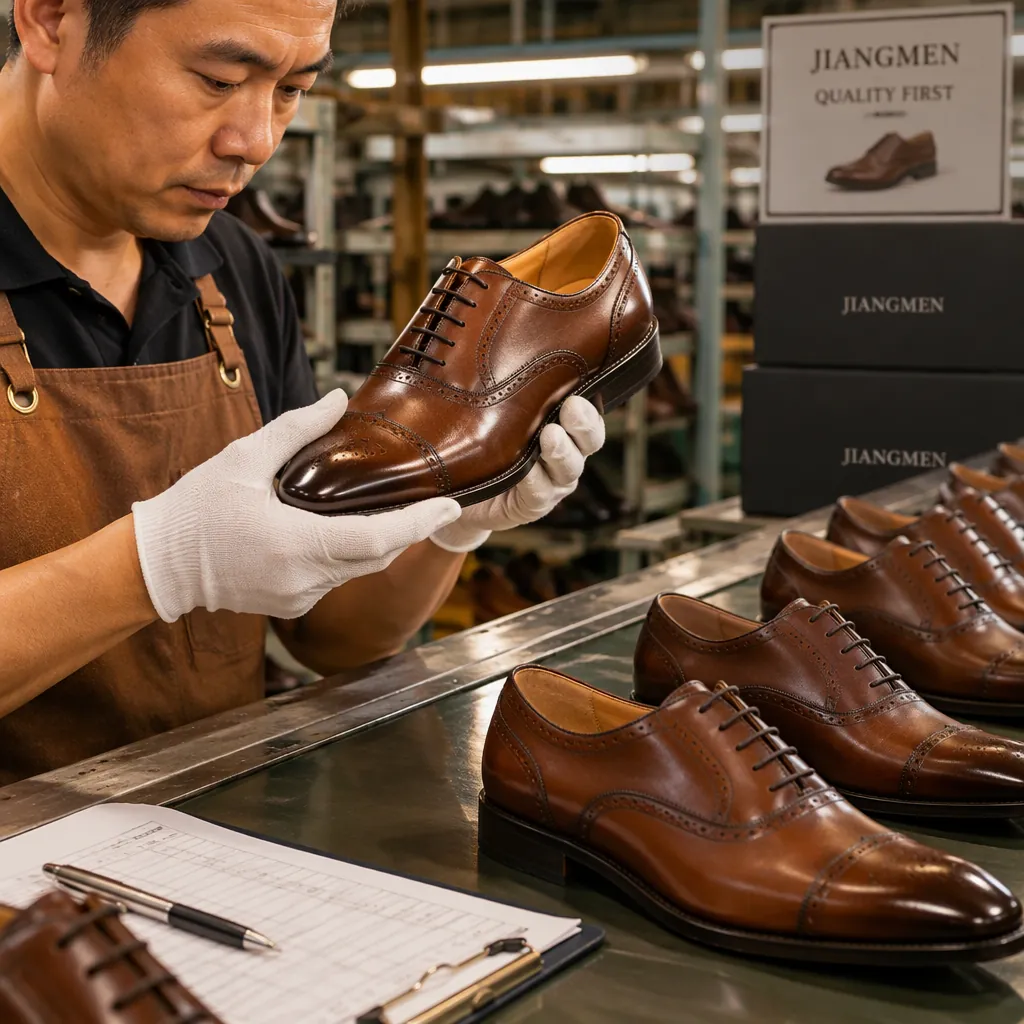
Construction Methods Compared
| Method | Relative Cost | Resoleable | Flexibility | Best For |
|---|---|---|---|---|
| Cemented | Lowest | Limited | High, light | Fashion retail, e-commerce volume |
| Blake stitch | Mid | Yes | High, sleek profile | Slim dress oxfords, mid-market brands |
| Goodyear welt | Highest | Yes, multiple times | Stiffer at first | Premium and heritage lines |
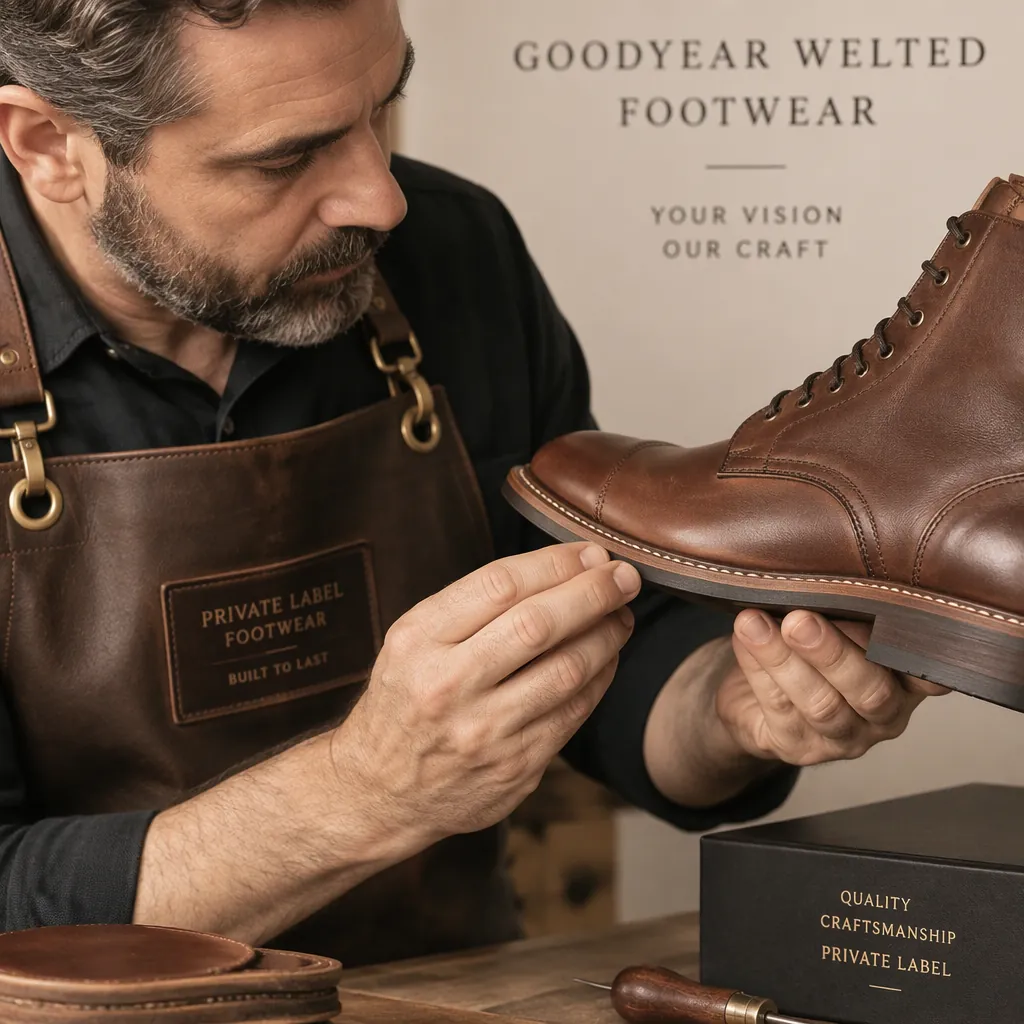
A Goodyear welt works like a tire retread: the sole can be removed and replaced without destroying the upper. Wikipedia explains the Goodyear welt process for readers who want the technical detail.
Most catalog-level wholesale oxford shoes at $25-40/pair use cemented or Blake construction. Goodyear-welted pairs fall in a separate price range of $65-120/pair, well above the $25-40 band for cemented and Blake-stitched styles.
Myth: A Welt Always Means Better
Many buyers assume Goodyear welt is always the superior choice. For a customer who buys a pair for two seasons of office wear and never resoles, a welt adds cost and stiffness without adding value to them. Match construction to how your customer actually uses the shoe, not to a prestige label.
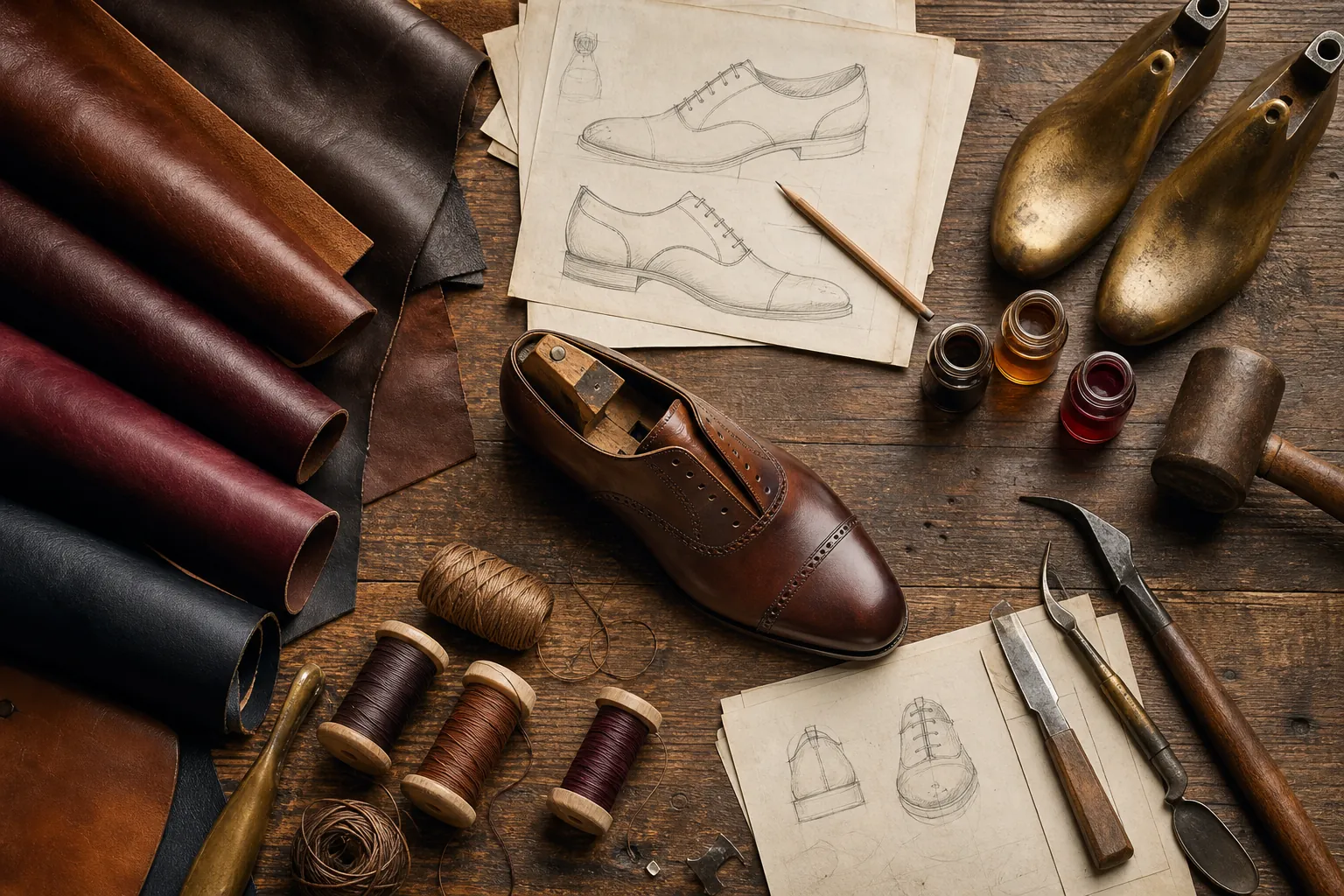
Leather and Lining Specs
- Upper: full-grain cowhide for premium lines, corrected-grain or split-finished cowhide leather for volume lines.
- Lining: leather lining in the vamp and heel counter reduces moisture complaints.
- Outsole: leather for formal looks, rubber or EVA-blended soles for all-day comfort.
- Last: a round, medium-toe last sells across more markets than a chiseled last.
For tannage trade-offs, read vegetable-tanned vs chrome-tanned leather.
3. Wholesale Oxford Shoes Pricing, MOQ and Sourcing Models
Factory-direct wholesale oxford shoes cost $25-40/pair FOB at the 60-pair MOQ for cemented and Blake-stitched styles, with Goodyear-welted pairs at $65-120/pair, and the sourcing model you choose changes both MOQ and your design freedom.
Three Sourcing Models
| Model | Typical MOQ | Design Control | Best For |
|---|---|---|---|
| Stock style with your logo | Below 60 pairs | Low (logo, box, insole) | Testing a market fast |
| Custom OEM on existing lasts | 60 pairs per model | Medium (leather, color, details) | New private label brands |
| Full custom development | 60 pairs per model plus tooling | High (new last, sole, pattern) | Established brands with a signature fit |
Browse the factory’s men’s oxford shoes catalog to see which stock styles can take a logo-only treatment. Confirm the exact logo-only minimum for each style in writing.
For full custom development, also ask in writing for the tooling cost per new last, sole or pattern, who owns the tooling, whether the cost is deducted from bulk, and how much lead time tooling adds.
What Moves the Price
- Leather grade: the largest swing factor, often more than all trims combined.
- Construction: cemented to welted can shift the unit cost noticeably.
- Color count: each extra color splits your leather cut and can break a 60-pair run into smaller lots, so confirm whether the MOQ applies per model or per color.
- Packaging: branded boxes, dust bags and tissue add per-pair cost.
Lead Times
- Sampling: 7-15 days including revisions.
- Brief to counter-samples: 3-5 weeks.
- Bulk production: 30-45 days after sample approval.
Confirm peak-season and holiday queue times in writing before you plan a launch date.
Boundary Conditions
Custom orders below 30 pairs rarely work economically (an industry rule of thumb). Cutting dies, pattern grading and line setup cost almost the same for 20 pairs as for 60, so the per-pair cost jumps. If you need fewer than 60 pairs, use a stock style with a logo-only change rather than a custom design.
Price quotes also depend on trade terms. The FOB shoe pricing guide explains how FOB, CIF and EXW change the number on your quote. Ask every supplier which Incoterm it quotes by default, which port it loads from, and for freight and transit estimates to your destination port, so you can calculate landed cost.
4. Quality Control and Certification for Wholesale Oxford Shoes
our QC records keep defects at 0.8-1.2%, and every wholesale oxford shoes buyer should convert that rate into dollars before signing.
The Defect Rate Math
The counter-intuitive point is that a 2% difference in defect rate sounds small but is not. On a 1,000-pair order, an industry rule-of-thumb average of 2-4% means 20-40 defective pairs. A 0.8-1.2% rate means 8-12.
That gap of about 20 pairs, at $25-40 per pair, is roughly $500-800 in product alone. Returns handling, replacement freight and review damage push the real cost higher. A factory quoting 3% less per pair can still cost more in total.
Before paying a deposit, also get the after-sales policy for defective pairs in writing: claim window, photo or video evidence required, replacement versus credit, who pays freight, and the escalation path.
Common Oxford Defects
- Uneven toe-cap stitching or wavy stitch lines
- Vamp creasing from poor lasting tension
- Sole separation at the shank or heel breast
- Color mismatch between left and right shoes
- Heel height variance beyond tolerance
Inspection Standard
Ask for AQL-based inspection at final random checks, plus in-line checks during lasting and sole attaching. Also ask for the sampling standard, the AQL limits for critical, major and minor defects, who inspects (in-house or third party), whether final inspection happens before or after packing, and which report you receive. The AQL inspection guide for footwear covers sampling levels and defect classification.
Certification Scope
EN ISO 20347 applies only to occupational footwear; regular dress and casual oxfords carry no mandatory CE marking in the EU. For dress oxfords, REACH (including azo dyes) covers restricted chemical substances, so request the test report and confirm the lab is accredited. RoHS is relevant only for product lines with electrical or electronic components. A certificate for one style does not automatically cover a new leather or adhesive.
One more boundary: if your customers store stock in high-humidity warehouses for months, ask for mold-resistant packaging and silica gel, because leather uppers can bloom regardless of factory quality.
5. A 10-Point Supplier Checklist for Wholesale Oxford Shoes
Use this checklist to score any wholesale oxford shoes supplier before paying a deposit; see the decision framework below for what your score means.
- Years in operation: at least 10 years of continuous footwear production.
- Annual capacity: 100,000+ pairs shows real line capacity.
- MOQ: 60 pairs or fewer for custom designs.
- Defect rate: documented at or under 1.2%.
- Certifications: REACH chemical test reports available (plus EN ISO 20347 capability if ordering occupational footwear).
- Sample policy: sample cost, whether it is credited against bulk, and the number of revision rounds stated in writing; pre-production sample approved in writing before bulk.
- Inspection: AQL final inspection with a report you can review.
- Payment terms: a clear deposit-and-balance structure, with deposit percentage, balance trigger, accepted payment methods and escrow availability stated in writing (see payment terms for B2B shoe orders).
- Export record: shipments to 50+ countries suggest documentation competence.
- Communication: a named contact who answers technical questions within one business day.
Decision Framework
- 8-10 passes: proceed to a sample order.
- 5-7 passes: negotiate the gaps in writing or order a small trial.
- Under 5 passes: walk away, whatever the price.
6. Assortment, Sizing and Packaging Decisions
The best opening assortment for wholesale oxford shoes is 3 styles in 2 colors, because it keeps each run near the 60-pair MOQ while covering your core customers.
Start Narrow
- Black plain-toe oxford: the formal and office staple.
- Dark brown cap-toe oxford: the best all-rounder for business casual.
- One seasonal or textured option: your test of brand identity.
Black and brown carry most of the volume in almost every market. Color preferences do shift by region, so check a market-by-color guide before ordering tan or burgundy in bulk.
Size Curves
Do not order equal quantities per size. A typical curve concentrates volume in the middle sizes and thins out at both ends. Ask your supplier for the size-run ratio it sees on past orders for your target market, then adjust with your own sales data.
Packaging and Compliance
Individual boxes, tissue and a sized label protect product in transit and speed up warehouse receiving. If you are shipping to the US, review the import duty rules for leather shoes before finalizing your landed cost.
7. FAQ
Q: What is the minimum order quantity for wholesale oxford shoes?
A: Custom wholesale oxford shoes usually start at 60 pairs per model. Logo-only orders on existing stock styles can go below 60 pairs, which suits brands testing a market. Orders under 30 pairs of a custom design are rarely cost-effective.
Q: How much do wholesale oxford shoes cost per pair?
A: Factory-direct men’s leather oxfords typically cost $25-40/pair FOB at the 60-pair MOQ for cemented and Blake-stitched styles. Goodyear-welted oxfords sit above that at $65-120/pair. The final number also depends on leather grade, color count and packaging. Always confirm whether the quote is EXW, FOB or CIF.
Q: What certifications should wholesale oxford shoes carry?
A: For EU markets, look for REACH compliance reports for restricted substances. Apply EN ISO 20347 (CE) only to occupational footwear. Ask for the lab test reports, not just the certificate image. Re-test if you change leather type or adhesive.
Q: What defect rate is acceptable for wholesale oxford shoes?
A: A tier-one factory holds 0.8-1.2%, while the industry rule-of-thumb average is 2-4%. On a 1,000-pair order, that is 8-12 defective pairs versus 20-40. Verify the rate with recent AQL inspection reports.
Q: Is Goodyear welt required for good wholesale oxford shoes?
A: No. Cemented and Blake-stitched oxfords serve fashion and business-casual buyers well at $25-40/pair. Choose a welt only if your customers expect resoleable, heritage-grade shoes and will pay for it ($65-120/pair).
8. Ready to Start Your Shoe Line?
Your first custom order of wholesale oxford shoes can start at 60 pairs per model (logo-only orders on stock styles can go lower), with factory pricing at $25-40/pair FOB for cemented and Blake-stitched styles and REACH documentation on request (plus EN ISO 20347 capability for occupational footwear lines). Wincheer Shoes can send catalog styles, a sample quote and a production timeline for your target market: samples in 7-15 days including revisions, and bulk production in 30-45 days after sample approval.
- Email: peterwang@shwincheer.com
- Website: wincheershoes.com
Send your target styles, colors and order volume, and you will get a clear quote and next steps.