
The global footwear market is accelerating. Southeast Asia alone is projected to hit $58 billion by 2031, and independent brands—not legacy conglomerates—are capturing the fastest-growing share of that demand. Private label shoes are the entry point most successful DTC founders use to get there.
This guide walks you through every stage: from validating a niche to placing your first factory order and selling to your first customer.
How To Start Private Label Shoe Brand 2026: Table of Contents
- Why Private Label Shoes in 2026?
- Step 1: Market Research and Niche Selection
- Step 2: Choose Your Manufacturing Model
- Step 3: Find and Evaluate Factory Partners
- Step 4: Design and Sampling Process
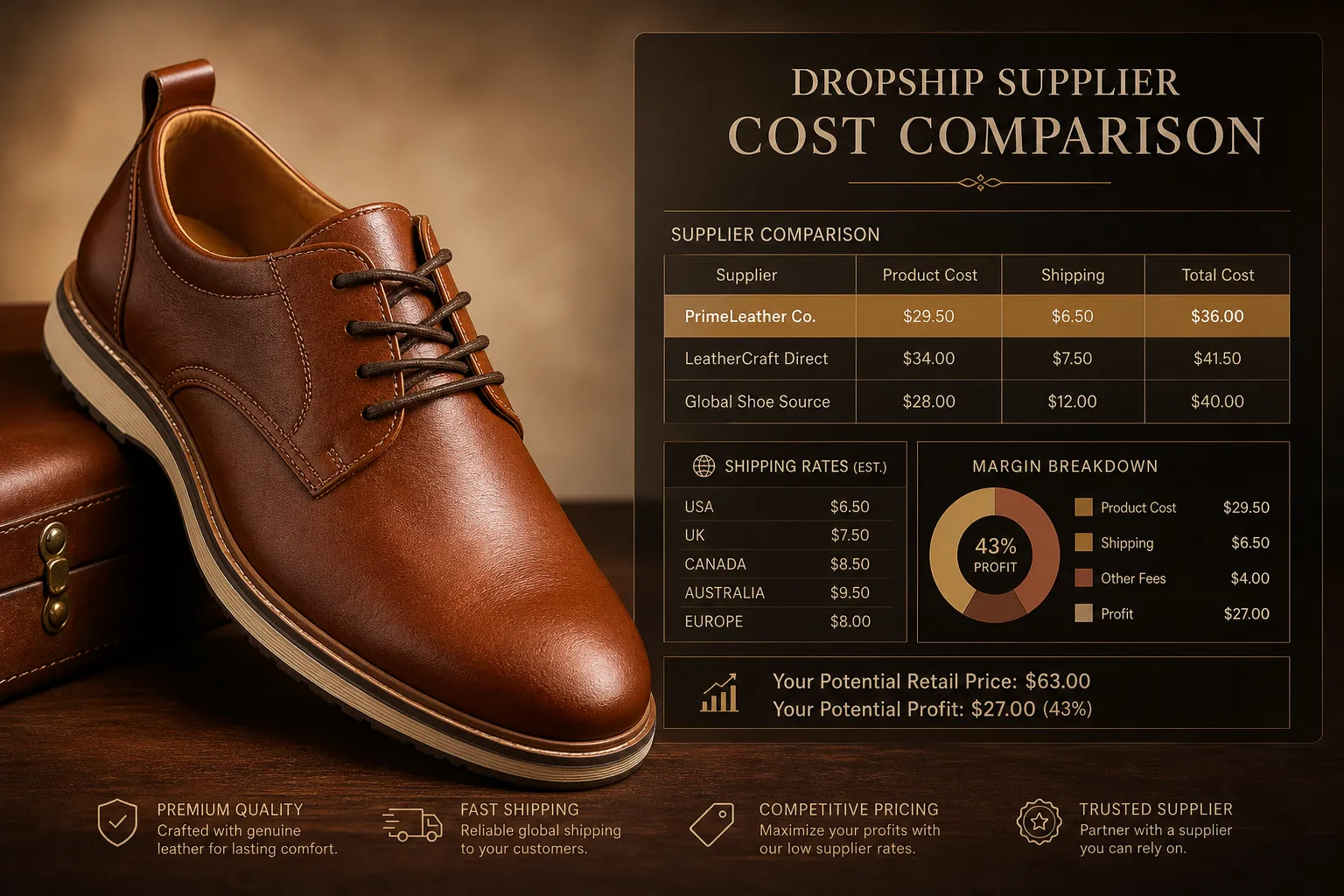
- Step 5: Pricing Strategy — Factory to Retail
- Step 6: Brand Building and Go-to-Market
- Real Case Study: DTC Brand Launch Timeline
- Startup Cost Comparison Table
- FAQ
Why Private Label Shoes in 2026?
Private label shoes give brand owners full control over design, pricing, and customer experience — without owning a factory. You source from a manufacturer, apply your branding, and sell under your own label.
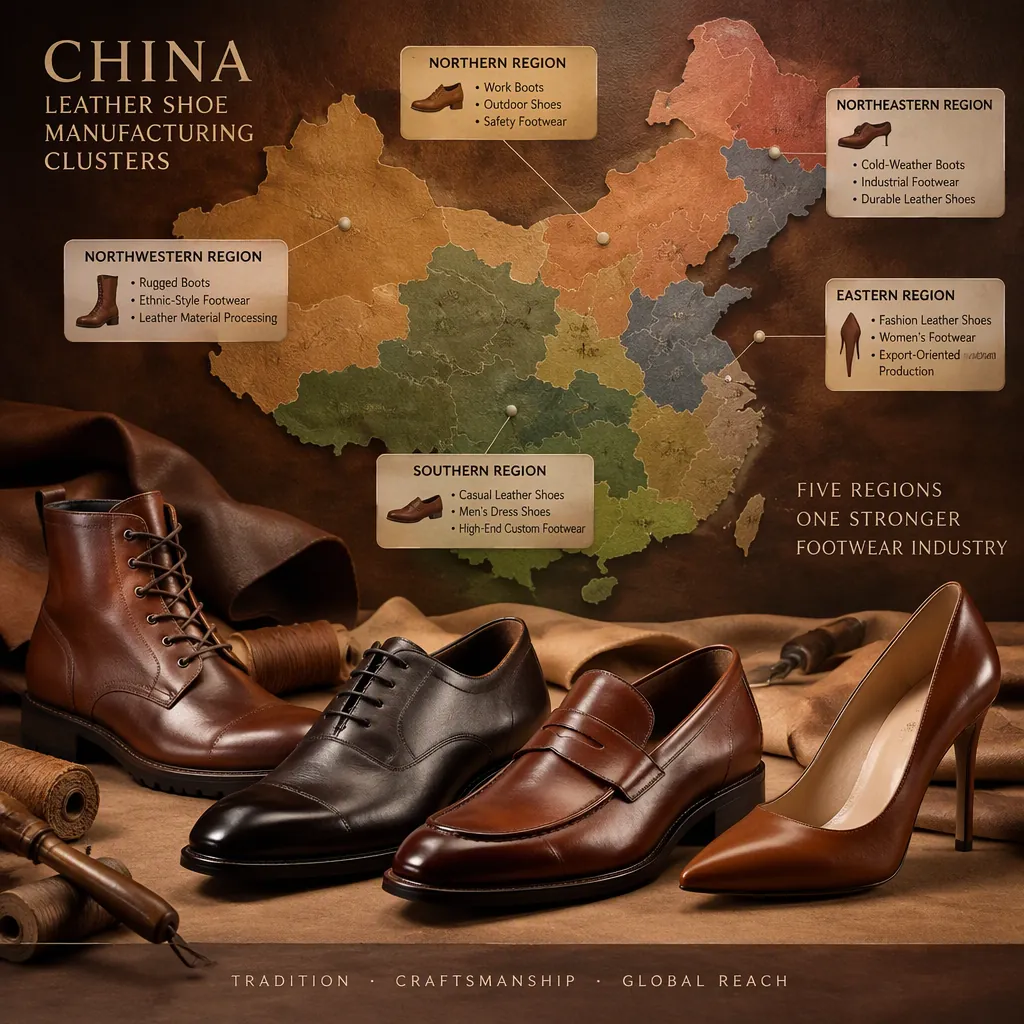
The model works because manufacturing costs in China remain competitive while consumer willingness to pay for branded product keeps rising. The gap between factory price and retail price is where your margin lives.
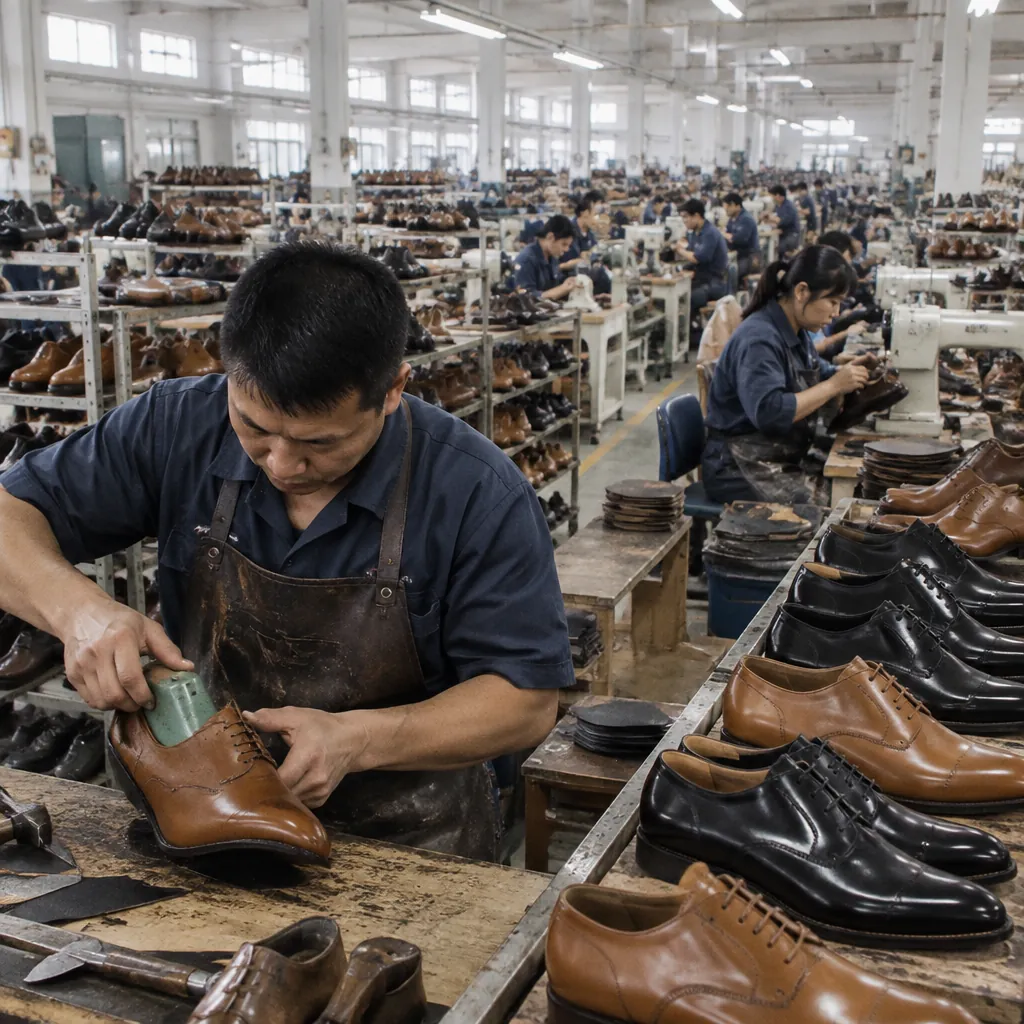
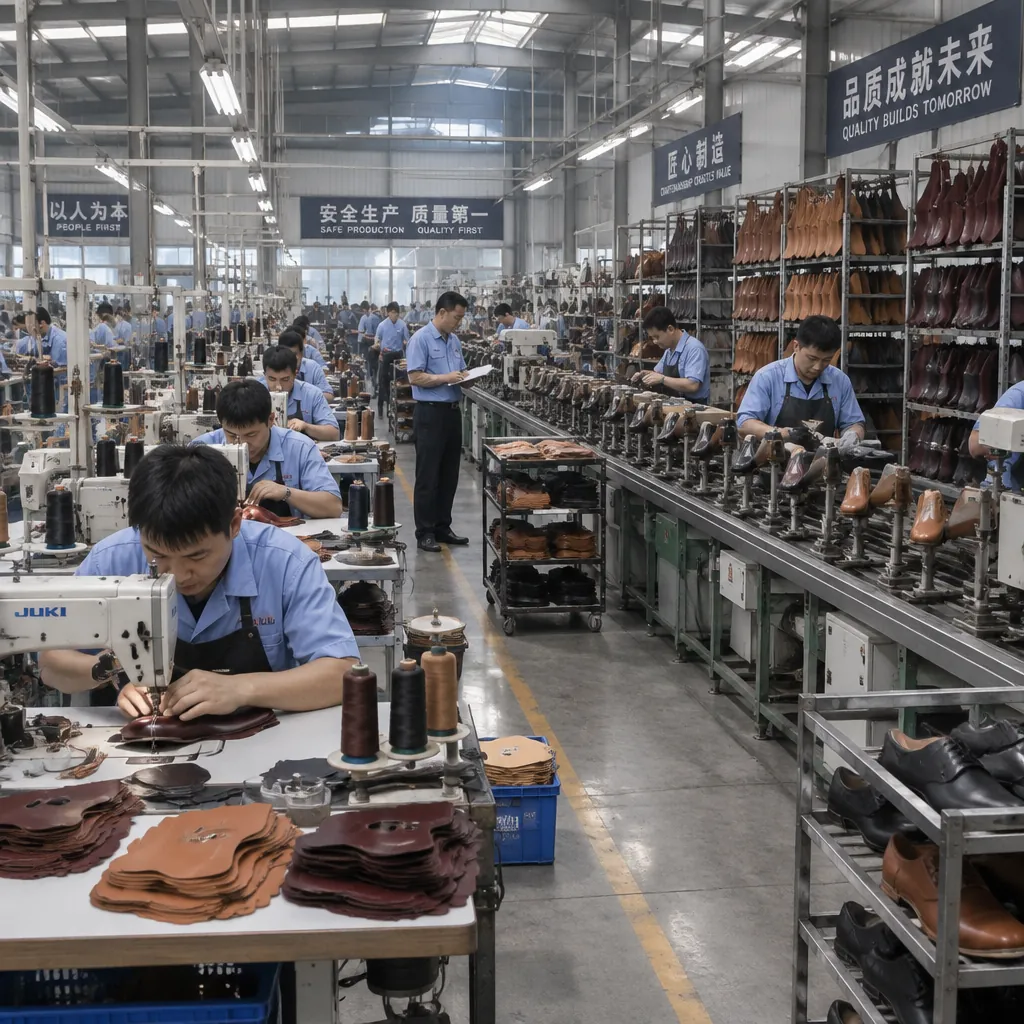
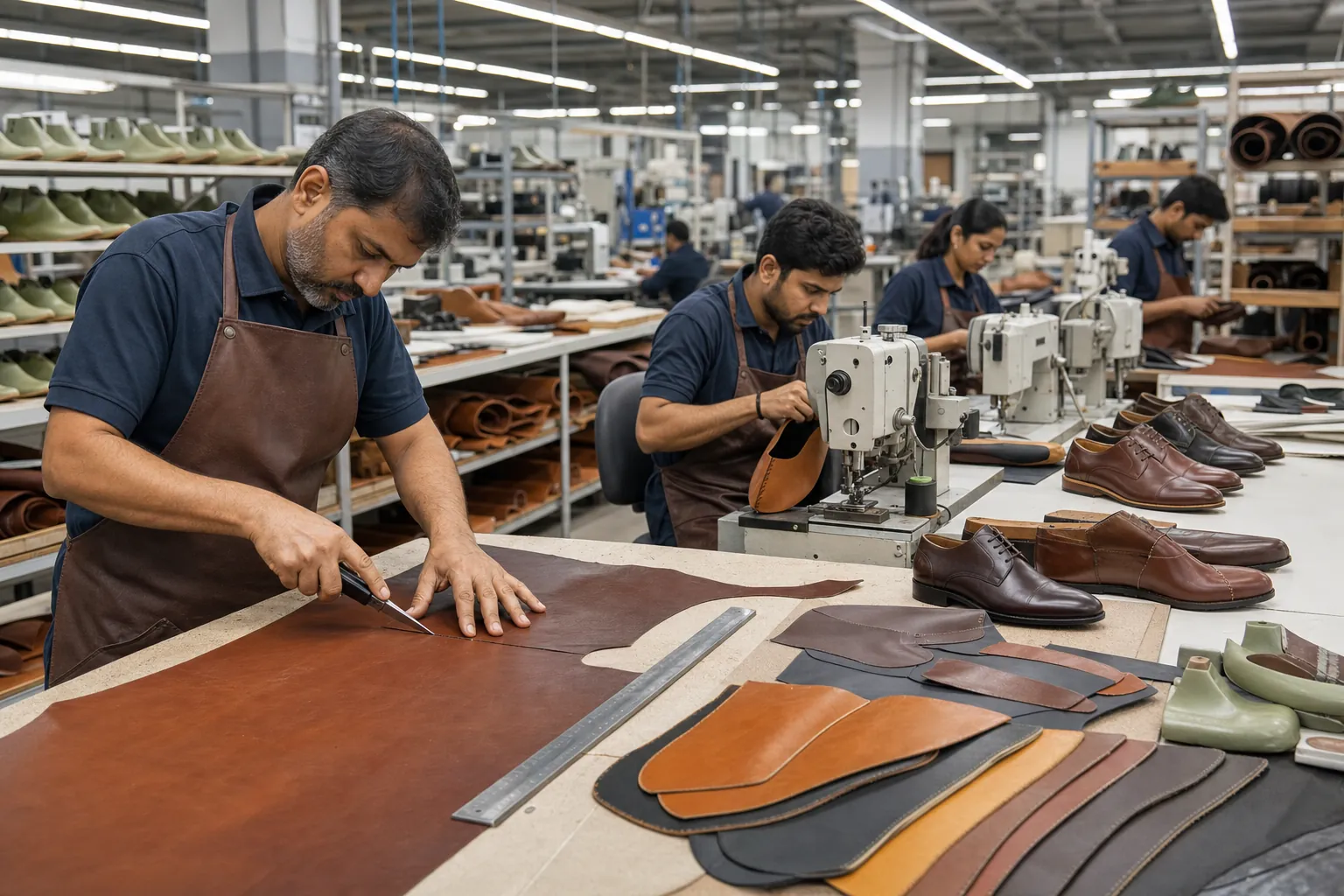
At Wincheer Shoes — a manufacturer located in Jiangmen, Guangdong (1.5 hours from Guangzhou), founded in 2007 producing 500,000+ pairs annually — the factory price range for genuine leather men’s shoes runs $25–$40/pair, with a defect rate of just 0.8–1.2% against an industry average of 2–4%. Those numbers illustrate exactly why sourcing from a certified Chinese factory is still the most capital-efficient path for new brands entering the market.
Step 1: Market Research and Niche Selection
Before you pick a shoe style, pick a customer. The brands that fail at private label shoes almost always skipped this step.
Three questions to answer first:
- Who is your target buyer? (age, income, occasion)
- What gap exists in the market you can own?
- What price point supports your margin goals?
Niche Frameworks That Work in 2026
| Niche | Example Positioning | Avg. Retail Price |
|---|---|---|
| Sustainable dress shoes | Vegetable-tanned, carbon-offset | $180–$280 |
| Wide-fit professional shoes | Comfort-first office wear | $120–$180 |
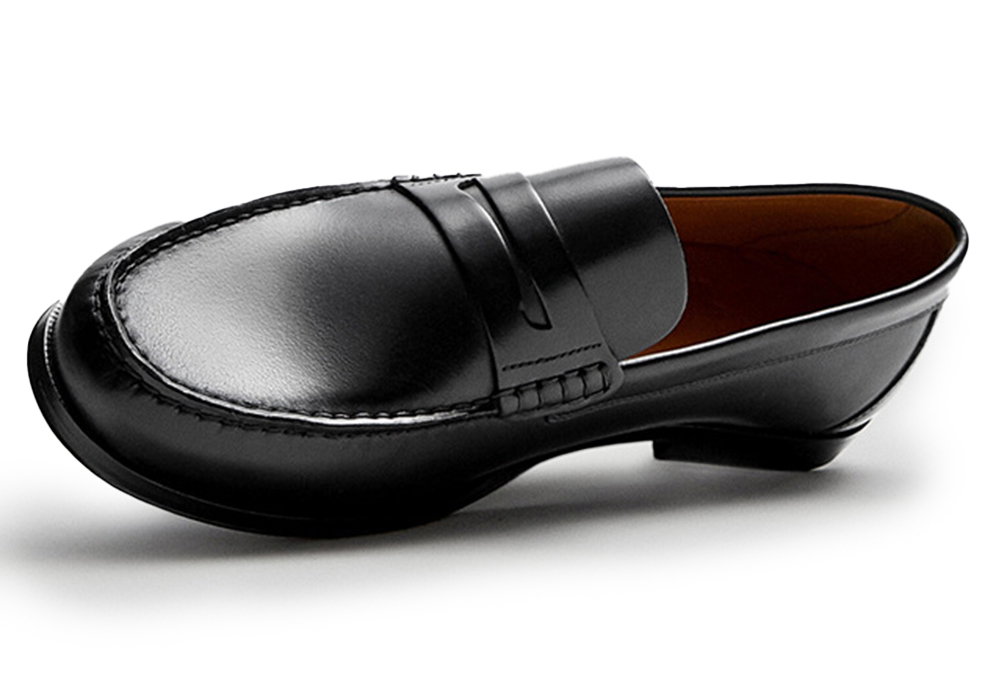
| Affordable luxury loafers | Premium look, accessible price | $90–$150 |
| Workwear safety-certified | CE-marked, slip-resistant | $100–$160 |
Use Google Trends, Amazon Best Sellers, and niche Reddit communities to validate demand before committing to a style. Look at review gaps — what are buyers complaining about in existing products? That complaint is your product brief.
Step 2: Choose Your Manufacturing Model
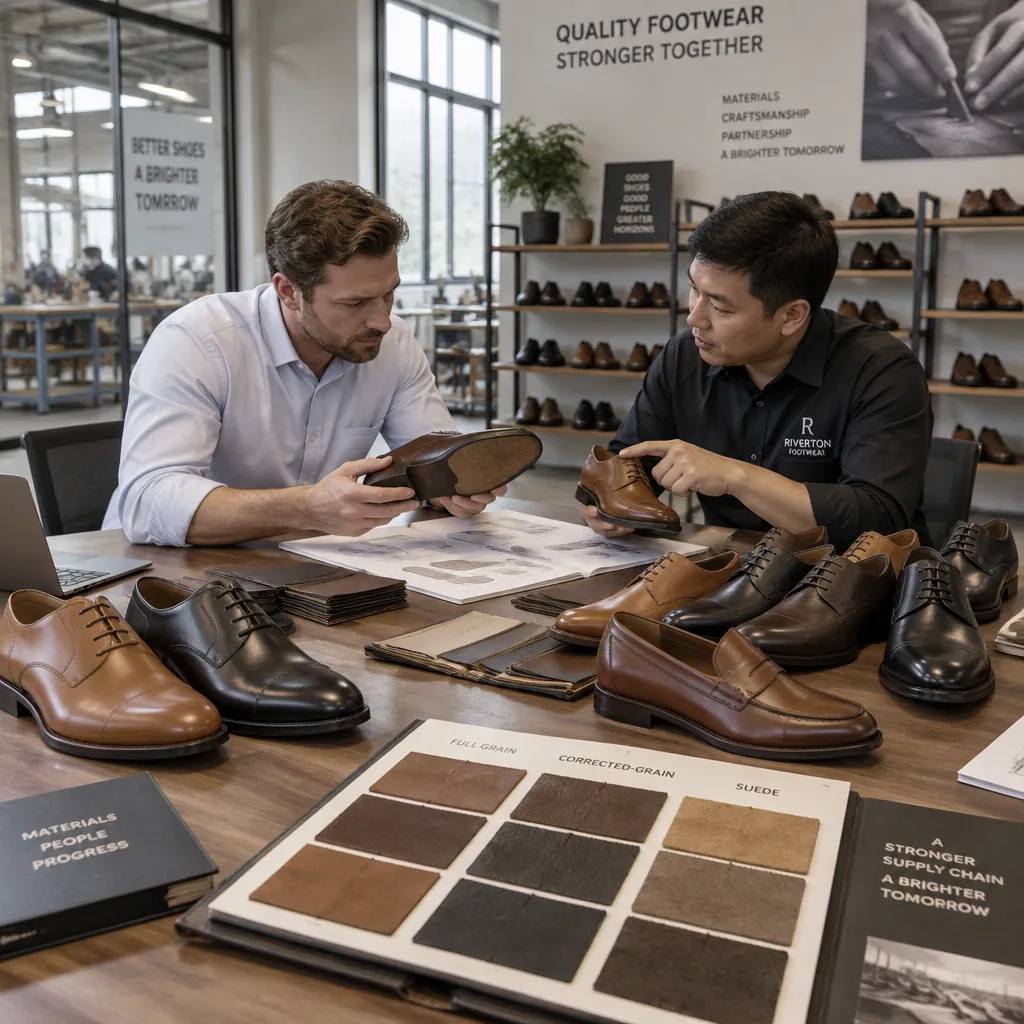
Three models dominate footwear sourcing. Understanding the difference determines your upfront investment, timeline, and creative control.
OEM (Original Equipment Manufacturer)
You provide the design specifications. The factory builds to your exact blueprint. Maximum creative control, but requires detailed tech packs and longer development time.
ODM (Original Design Manufacturer)
The factory has existing designs. You select, modify, and brand them. Faster to market, lower sampling cost, ideal for first-time brand owners.
Private Label (Stock + Branding)
You choose from existing inventory designs, add your logo and packaging, and ship. Lowest MOQ, fastest turnaround, least differentiation.
Most new brands start with ODM or private label to reduce risk, then migrate toward OEM once they understand what their customers actually buy.
For a deeper breakdown of what these terms mean in practice, see What Does OEM Mean in Shoes What Does OEM Mean in Shoes.
Step 3: Find and Evaluate Factory Partners
Your factory is your most important business partner. A wrong choice costs you 6–12 months and significant capital.
Where to Find Factories
- Alibaba / Global Sources — broad reach, requires due diligence
- Canton Fair — face-to-face vetting, best for serious buyers
- Trade referrals — fastest path to verified partners
- Industry directories — Kompass, Made-in-China
Factory Evaluation Checklist
- Business license verified (3+ years operating history)
- Certifications confirmed: CE (EN ISO20347), REACH, RoHS
- Sample quality reviewed before any deposit
- Defect rate data requested and benchmarked (target: under 2%)
- MOQ confirmed — legitimate factories offer 0 MOQ on existing designs, ~60 pairs for custom
- Payment terms reviewed: standard is 30% deposit, 70% before shipment
- Factory audit completed (in-person or third-party)
- References from existing buyers obtained
Avoid factories that refuse audits, can’t provide certifications, or pressure you to pay full amount upfront. For a complete list of warning signs, read Red Flags When Sourcing Leather Shoes From China What Does OEM Mean in Shoes.
The International Labour Organization’s footwear sector guidelines https://www.ilo.org/sector/activities/sectoral-meetings/WCMS_160558/lang–en/index.htm – SATRA Footwear Technology provide a useful framework for evaluating ethical sourcing standards when shortlisting partners.
Step 4: Design and Sampling Process
The sampling stage is where most timelines slip. Build buffer into your plan.
Design Input Options
If you’re going OEM: You need a tech pack — a document specifying last shape, upper pattern, materials, sole construction, colorway, and hardware. Hire a footwear designer on Upwork or Fiverr if you don’t have in-house capability. Budget $300–$800 per style.
If you’re going ODM: Browse the factory’s existing catalog (1,000+ designs at established manufacturers), select a base model, and specify modifications — toe shape, color, logo placement, lining material.
Sampling Timeline
| Stage | Typical Duration |
|---|---|
| Design brief submitted | Day 0 |
| First sample produced | Day 14–21 |
| Buyer review + revision notes | Day 25–30 |
| Second sample (if needed) | Day 40–50 |
| Sample approved | Day 50–60 |
| Bulk production begins | Day 61 |
Request two samples minimum — one for fit testing, one for photography. Never approve bulk production from a single sample.
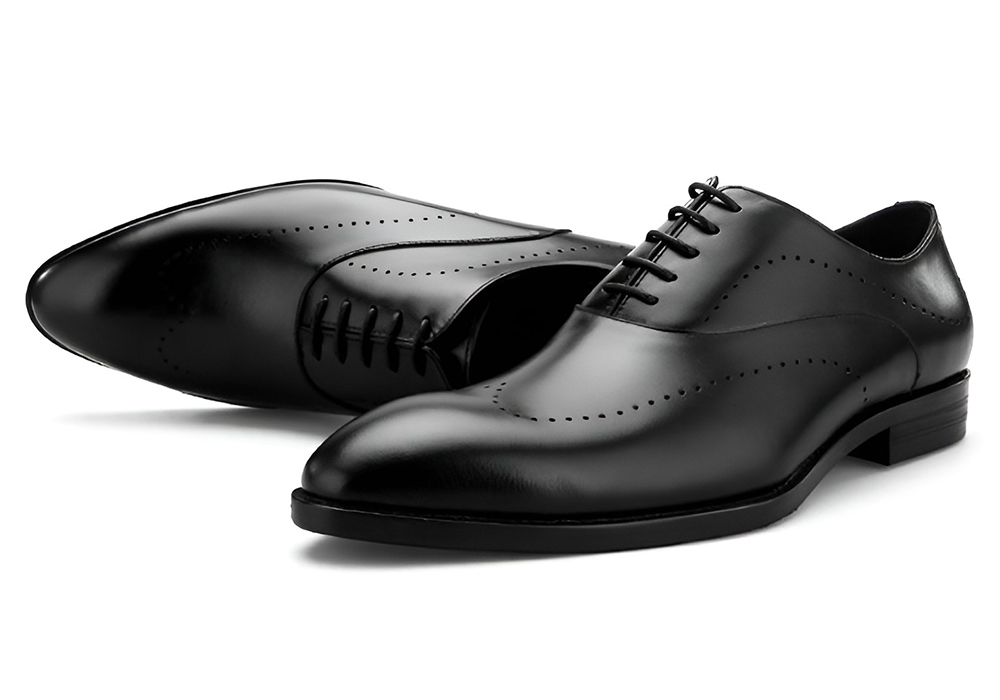
For style-specific sourcing guidance, the Complete Guide to Leather Oxford Shoes for Wholesale Buyers Shoe Manufacturer Guide covers construction specs worth understanding before you write your brief.
Step 5: Pricing Strategy — Factory to Retail
Private label shoes succeed or fail on margin math. Most first-time buyers underestimate the total landed cost.
Full Cost Breakdown (Per Pair Example)
| Cost Component | Low Estimate | High Estimate |
|---|---|---|
| Factory price (FOB) | $25 | $40 |
| Freight (sea, per pair) | $1.50 | $3.00 |
| Import duty (US, ~10–20%) | $3.00 | $8.00 |
| Customs clearance / broker | $0.50 | $1.00 |
| Quality inspection | $0.30 | $0.80 |
| Packaging / inserts | $0.50 | $2.00 |
| Warehousing / fulfillment | $2.00 | $5.00 |
| Total Landed Cost | ~$33 | ~$60 |
At a retail price of $120–$180, your gross margin runs 50–72% before marketing spend. That’s a healthy range for a DTC brand — but only if you control factory cost tightly.
Pricing rules of thumb:
- Retail = 3–5× landed cost for DTC
- Retail = 2–2.5× landed cost for wholesale
- Never price below 2.5× landed cost on DTC — you won’t survive customer acquisition costs
For a detailed breakdown of Incoterms and how FOB pricing affects your total cost, see the FOB Shoe Pricing Guide Shoe Manufacturer Guide.
Step 6: Brand Building and Go-to-Market
You have product. Now you need buyers.
Brand Identity Essentials
- Name and domain — keep it short, pronounceable, available as .com
- Logo and colorway — hire a brand designer, not a logo generator
- Brand story — why does this shoe exist? What problem does it solve?
- Photography — invest here. Shoe photography sells shoes.
Channel Strategy for 2026
DTC Website (Shopify): Highest margin, full data ownership. Requires paid traffic investment (Meta, Google) or strong organic SEO.
Amazon / Marketplaces: Faster initial traction, lower margin, competitive. Good for testing price sensitivity.
Wholesale / B2B: Lower margin per unit, higher volume, faster inventory turns. Approach boutiques, corporate gifting buyers, uniform suppliers.
Social Commerce: TikTok Shop and Instagram Shopping are driving significant first-purchase volume in 2026, especially for sub-$150 price points.
Launch Sequence
- Build email list pre-launch (offer early access discount)
- Send 20–50 pairs to micro-influencers for content
- Launch with 3 hero SKUs, not 20
- Run paid traffic to best-performing organic content
- Collect reviews aggressively in first 90 days
Real Case Study: DTC Brand Launch Timeline and Costs
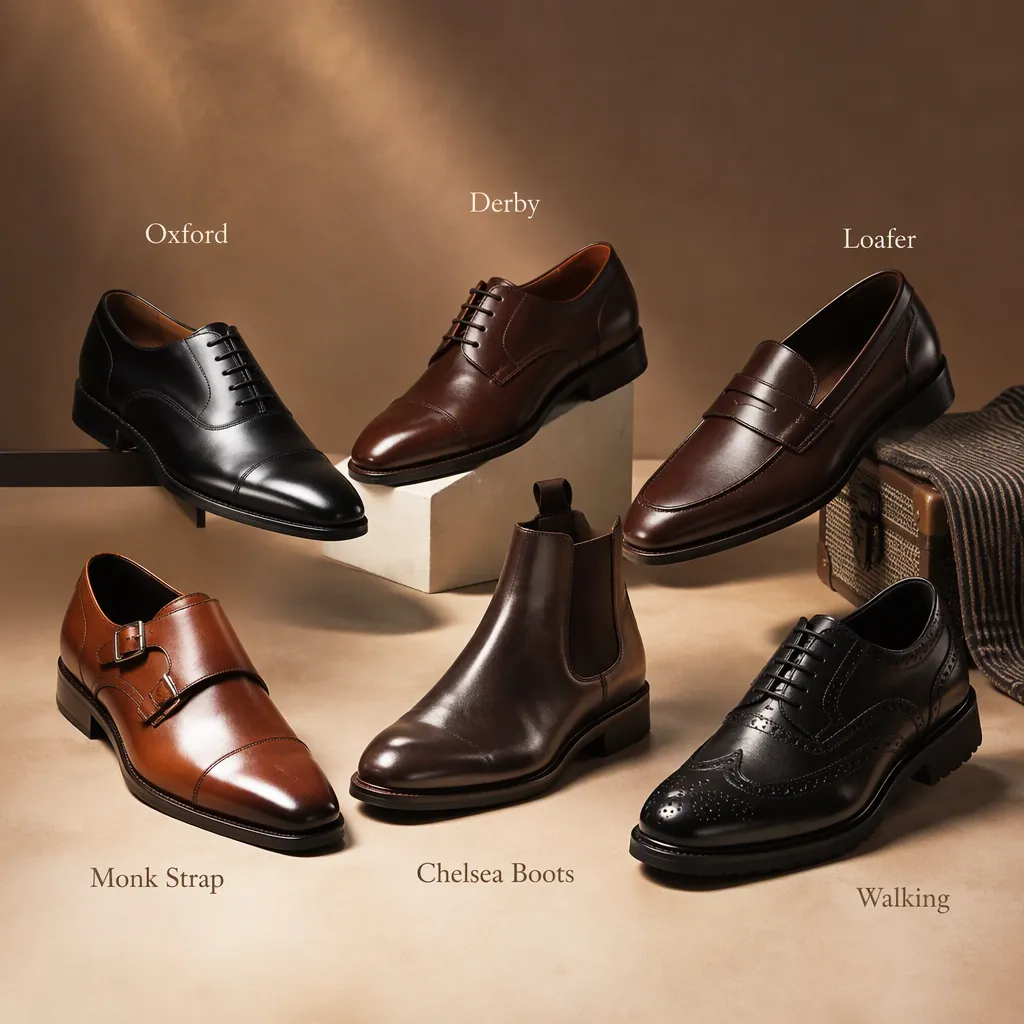
Brand profile: Men’s minimalist dress shoes targeting young professionals in the US market. ODM model, 3 styles (Oxford, Derby, Chelsea Boot), retail price $135.
| Phase | Timeline | Cost |
|---|---|---|
| Market research + brand identity | Month 1 | $1,200 |
| Factory sourcing + sampling | Month 2–3 | $800 (samples + shipping) |
| First bulk order (180 pairs, 3 styles × 60) | Month 4 | $5,400 (at $30/pair avg) |
| Freight + duties + fulfillment setup | Month 4–5 | $2,100 |
| Website + photography | Month 4 | $2,500 |
| Launch marketing (paid + influencer) | Month 5–6 | $3,000 |
| Total launch investment | ~$15,000 |
Month 6 result: 94 pairs sold at $135 average = $12,690 revenue. Gross margin ~58% after landed cost. Break-even projected at month 9 with repeat purchase revenue factored in.
This is a realistic, not optimistic, scenario. The brand didn’t profit in month one — but it validated the product and built a customer base with a manageable initial investment.
Startup Cost Comparison Table
| Factor | OEM | ODM | Private Label |
|---|---|---|---|
| Minimum Order Qty | 200–500 pairs | 60–120 pairs | 0–60 pairs |
| Design cost | $500–$2,000 | $0–$300 | $0 |
| Sample lead time | 4–6 weeks | 2–3 weeks | 1–2 weeks |
| Time to first shipment | 4–5 months | 2–3 months | 4–8 weeks |
| Product differentiation | High | Medium | Low |
| Upfront capital required | $15,000+ | $5,000–$15,000 | $2,000–$8,000 |
| Best for | Established brands scaling | First-time brand owners | Testing / dropship |
The right model depends on your capital, timeline, and how differentiated your product needs to be. Most successful brands use ODM to launch, then transition to OEM for hero SKUs once they know what sells.
For a full walkthrough of the private label launch process, the Private Label Shoes 10-Step Brand Launch Guide Shoe Manufacturer Guide covers additional detail on branding, packaging, and retail channel setup.
FAQ
Q: What is the minimum order quantity for private label shoes?
A: It depends on the model. For existing factory designs with private label branding, MOQ can be as low as 0 pairs (you order what you need). For custom designs, expect a minimum of 60 pairs per style. OEM orders typically require 200+ pairs.
Q: How long does it take to launch a private label shoe brand from scratch?
A: A realistic timeline is 3–5 months from factory selection to first shipment. ODM/private label models run faster (8–12 weeks). OEM with custom design and tooling takes 4–6 months minimum.
Q: What certifications should my shoe factory have?
A: For EU market access, CE marking under EN ISO20347 is essential. REACH compliance covers chemical safety requirements across Europe. RoHS certification matters if your shoes include any electronic components (e.g., light-up soles). Always request copies of current certificates, not just claims.
Q: How do I protect my shoe design from being copied by the factory?
A: Sign an NDA and a design ownership agreement before sharing detailed tech packs. Register your design as a trademark or design patent in your target markets. Work with factories that have verifiable export histories — they have more to lose from IP violations than small, anonymous operations.
Q: What’s a realistic gross margin for a private label shoe brand?
A: At factory prices of $25–$40/pair and retail prices of $100–$180, gross margins of 50–65% are achievable on DTC. After paid marketing (typically 20–35% of revenue for new brands), net contribution margins of 20–35% are realistic by year two. Wholesale margins are lower — typically 40–50% gross.
Ready to Start Your Shoe Line?
Building a private label shoe brand in 2026 is more accessible than it’s ever been — but execution still separates the brands that scale from the ones that stall after the first order.
Wincheer Shoes works with private label brands, wholesale buyers, and cross-border e-commerce sellers across 50+ countries. With 1,000+ existing designs, CE/REACH/RoHS certifications, and MOQ starting at 0 on stock designs, it’s a practical starting point for brands at any stage